
San Sebastián from Bordeaux: the Basque pearl
The most elegant of the Basque cities: La Concha Bay, the pintxos capital of the world and its Michelin-starred restaurants, the Old Town, Mount Igueldo, and Chillida’s sculptures—and how to get to Donostia from Bordeaux. Everything you need to know before you go.
In a nutshell
- San Sebastián (Spanish) or Donostia (Basque). 189,000 residents. Capital of the Guipúzcoa, a Basque province in Spain (Hegoalde — Southern Basque Country).
- San Sebastián and its surrounding area are home to numerous restaurants recognized by the Michelin Guide. The selection and number of stars change each year: be sure to check the official list linked in the sources before making a reservation.
- Three urban beaches in a city on a human scale: La Concha (Belle Époque, a perfect 1.5-km arc), Zurriola (surfing, Gros neighborhood), and Ondarreta (family-friendly, below the Miramar Palace).
- Old Town: 140 pintxos bars spread across just a few streets—the world’s highest density of restaurants per square meter.
- Belle Époque architecture: the former summer residence of the Spanish royal family, the casino, the Maria Cristina Hotel, and the Miramar Palace.
- European Capital of Culture 2016.
- San Sebastián Film Festival (Zinemaldia): September, one of Europe's leading film festivals (1953).
- Distance from Bordeaux: 237 km, approximately 2 hours and 48 minutes by car or private driver via the A63 and then the Spanish AP-8.
Before You Go: What San Sebastián Really Is
In the Old Town, the idea is simple: choose one or two pintxos, have a drink, then move on to the next bar. Some places cook to order, while others serve their bites right at the bar. Menus, prices, and hours are subject to change; check the information published by Donostia Turismoa and the details posted on-site.
La Cuchara de San Telmo is known for its hot pintxos; Bar Txepetxa specializes in marinated anchovies; Bar Nestor offers a tortilla in limited quantities. These recommendations describe specialties associated with the establishments, not a guarantee of availability. Check the daily menu directly with the bar before heading there.
That's right, San Sebastián. A city that has turned snacking into an art form, in science, industry, and philosophy. The selection and number of stars change with each year’s list: check the official list linked in the sources before making any reservations. But the Michelin star is just one aspect: the real magic lies in these narrow streets, these counters, and this silent passing down of excellence by the mothers, grandmothers, sons, and daughters of a generation of Basque chefs who put Donostia on the world map.
This guide outlines what you need to know before you arrive. For practical information (how to get there, pricing, and services offered), see our page on chauffeured transfers between Bordeaux and San Sebastián.
History and Identity
Donostia / San Sebastián: Two Names, Two Memories
The city is called Donostia in Basque (Euskara) and San Sebastián in Spanish. Both names are official, and locals use them interchangeably. The full administrative name is even listed as Donostia / San Sebastián on all official documents.
Donostia is the Basque version of "Domine Sebastiani" (Saint Sebastian), the city's patron saint. The use of the initial "don" (a contracted form of "dom" or "domine") is typical of Basque place names.
Antiquity and the Middle Ages
The site has been inhabited since antiquity, with archaeological evidence dating to the Bronze Age. The medieval town took shape in the 12th century under King Sancho VI of Navarre. In 1180, the city received a founding charter granting free-city status, tax exemptions and privileges designed to attract merchants.
In the Middle Ages, San Sebastián became an important port, trading with England, France, and Flanders. Whaling continued there until the 17th century (Basque whalers were among the pioneers of whaling in the North Atlantic).
The Fire of 1813 — The Birth of the Modern City
The pivotal event in the city’s modern history came in August 1813, against the backdrop of the Napoleonic Wars (Spanish Campaign), the Anglo-Portuguese army commanded by Wellington laid siege to the city held by French troops. After the city was captured, a devastating fire swept through Donostia. Its causes remain disputed (negligence, looting or reprisals), but the toll is clear: 600 of the city's 600 homes were destroyed. The city was razed, with the exception of the Basilica of Saint Mary and a few other buildings.
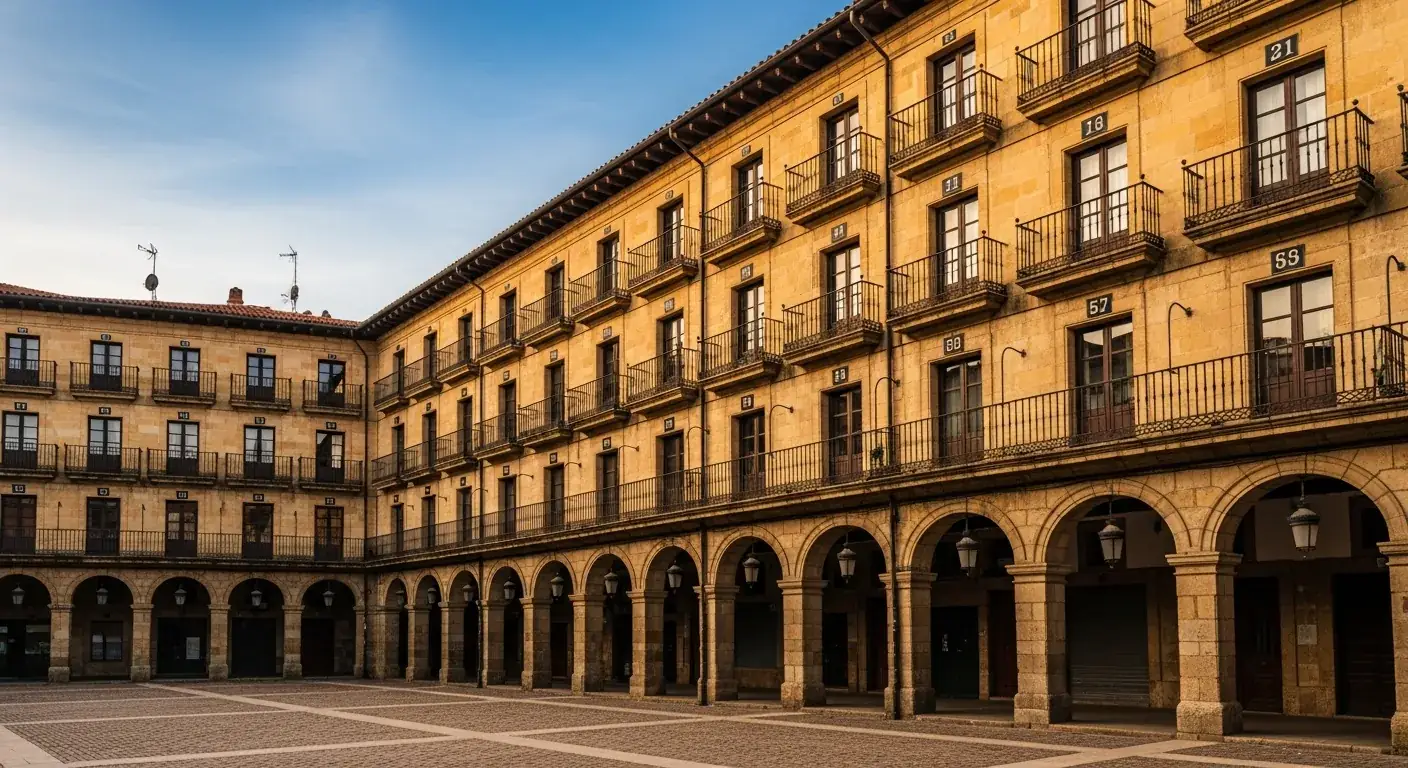
Reconstruction in 1814–1820: The city was rebuilt according to a strictly geometric grid plan designed by the architects Pedro Manuel Ugartemendia and later Antonio Cortázar. It is this layout that still defines the Parte Vieja (Old Town) today—parallel and perpendicular streets, rectangular blocks, and squares at the intersections.
Belle Époque: The Royal Residence (19th century)
The arrival of Queen Regent Marie-Christine (mother of King Alfonso XIII) in San Sebastián for her summer stays beginning in 1887 radically changed the city’s destiny. The court followed suit. Ministers, aristocrats, artists, and wealthy Madrileños flocked to Donostia.
Major buildings from this period: - Miramar Palace (1893): a royal summer residence commissioned by Marie-Christine and designed by the English architect Selden Wornum. It offers a spectacular view of the bay from Ondarreta Hill. - Hotel Maria Cristina (1912): a Belle Époque luxury hotel built to accommodate the royal court; still one of Spain’s most legendary hotels today (part of the Westin Marriott group). - Donostia Casino (1887): a magnificent building, now converted into City Hall. - Victoria Eugenia Theater (1912): Neo-Renaissance style, directly across from the Maria Cristina. - Maria Cristina Bridge (1905): a monumental bridge over the Urumea River, with equestrian statues at each corner.
The city has developed into an internationally renowned seaside resort. The Belle Époque, the fashion of Biarritz (on the French side, 50 km away), and Iberian elegance. It is this architectural legacy that gives San Sebastián its unique charm today.
The 20th Century: Civil War, Dictatorship, Democracy
The Spanish Civil War (1936–1939) affected Donostia. The city quickly fell to the Nationalists in September 1936. During the 40 years of Franco’s dictatorship, the Basque language (euskara) was severely suppressed—banned in public spaces, in schools, and on the radio.
Franco's death in 1975, the transition to democracy, and the Basque Country's Statute of Autonomy in 1979. Euskara once again became an official language. The city began its cultural revival.
Today, San Sebastián is: - European Capital of Culture 2016 (along with Wrocław, Poland) - Recognized as a world gastronomic capital - A Basque cultural hub, open to Europe
The three beaches of San Sebastián
San Sebastián lets you combine a meal at a Michelin-starred restaurant with a stroll along one of its three urban beaches. Restaurant ratings should be verified using the official list, accessed here on July 13, 2026.
La Concha — the Belle Époque icon
| Beach | Length | Atmosphere | Ideal for | Strengths |
|---|---|---|---|---|
| La Concha | 1.5 km | Belle Époque, urban | Iconic, photo | Scenic promenade, view of Santa Clara Island |
| Zurriola | 800 m | Bohemian, young | Surfers | Steady waves, with the Kursaal in the background |
| Ondarreta | 600 m | Family-friendly, quiet | Families, children | Peine del Viento at the western end |
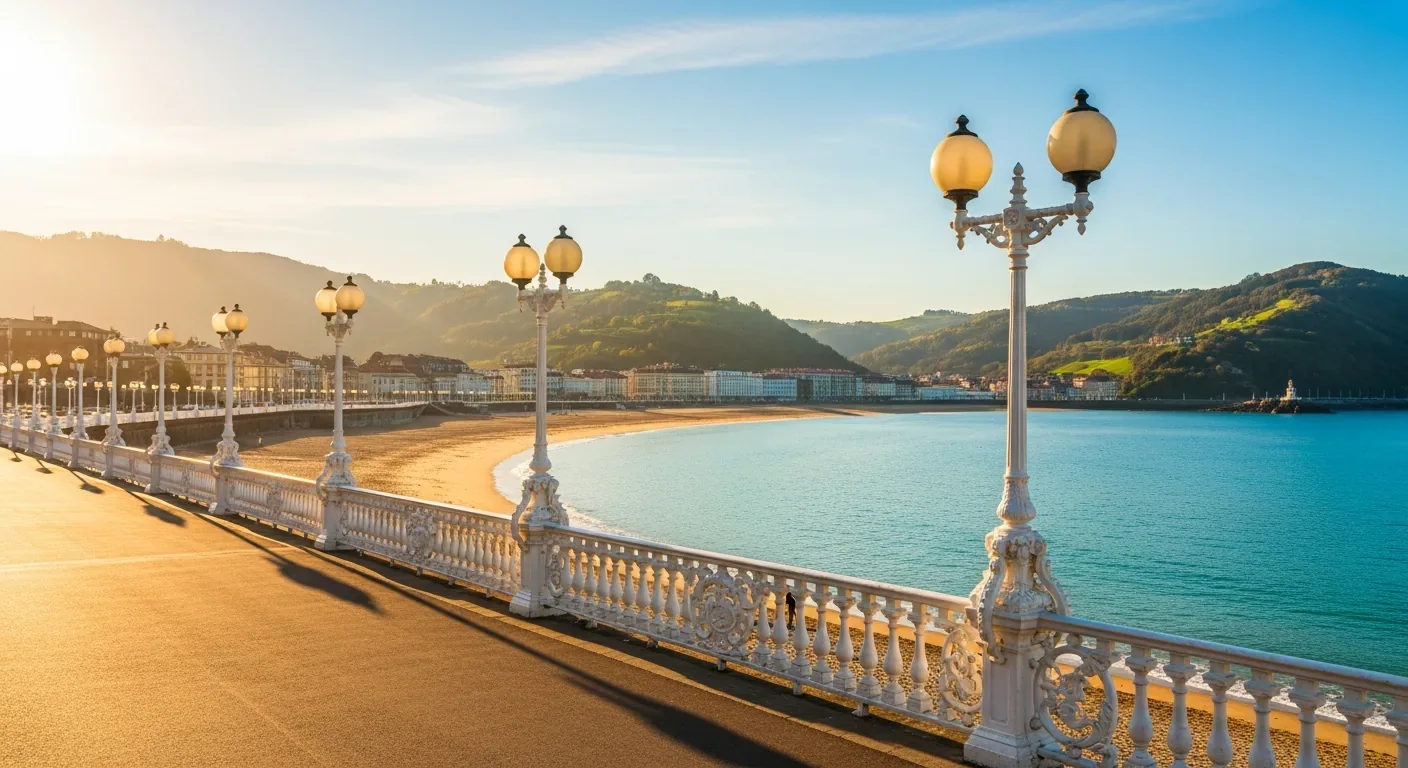
The postcard image from San Sebastián. A perfect 1.5-km arc between Mount Urgull (east) and Mount Igueldo (west), forming a shell-shaped bay (hence the name Concha, which means “shell” in Spanish).
What You Need to Know : - Fine, golden sand, shallow, calm water (the bay is sheltered by the Santa Clara Island (in the center) - Belle Époque Promenade from 2 km running along the beach, ornate balustrade a typical street with double-globe streetlights—which has become a symbol of the city— Santa Clara Island in the center of the bay: accessible by boat From the harbor (summer only) — small, sheltered beach, lighthouse, magnificent view of Donostia — Regularly ranked among the most beautiful urban beaches in Europe - Very crowded during peak season (July–August): Arrive before 9:30 a.m. or after 6:00 p.m. to ensure there is space available
Sights to see along the promenade: the Miramar Palace (west, on the hill), the historic royal baths, the bandstand, and the compass rose painted on the ground near City Hall.
Zurriola — the surfers' beach
To the east, behind Mount Urgull, in the Gros neighborhood. An 800-meter stretch of sand that opens directly onto the Bay of Biscay—meaning consistent waves all year round.
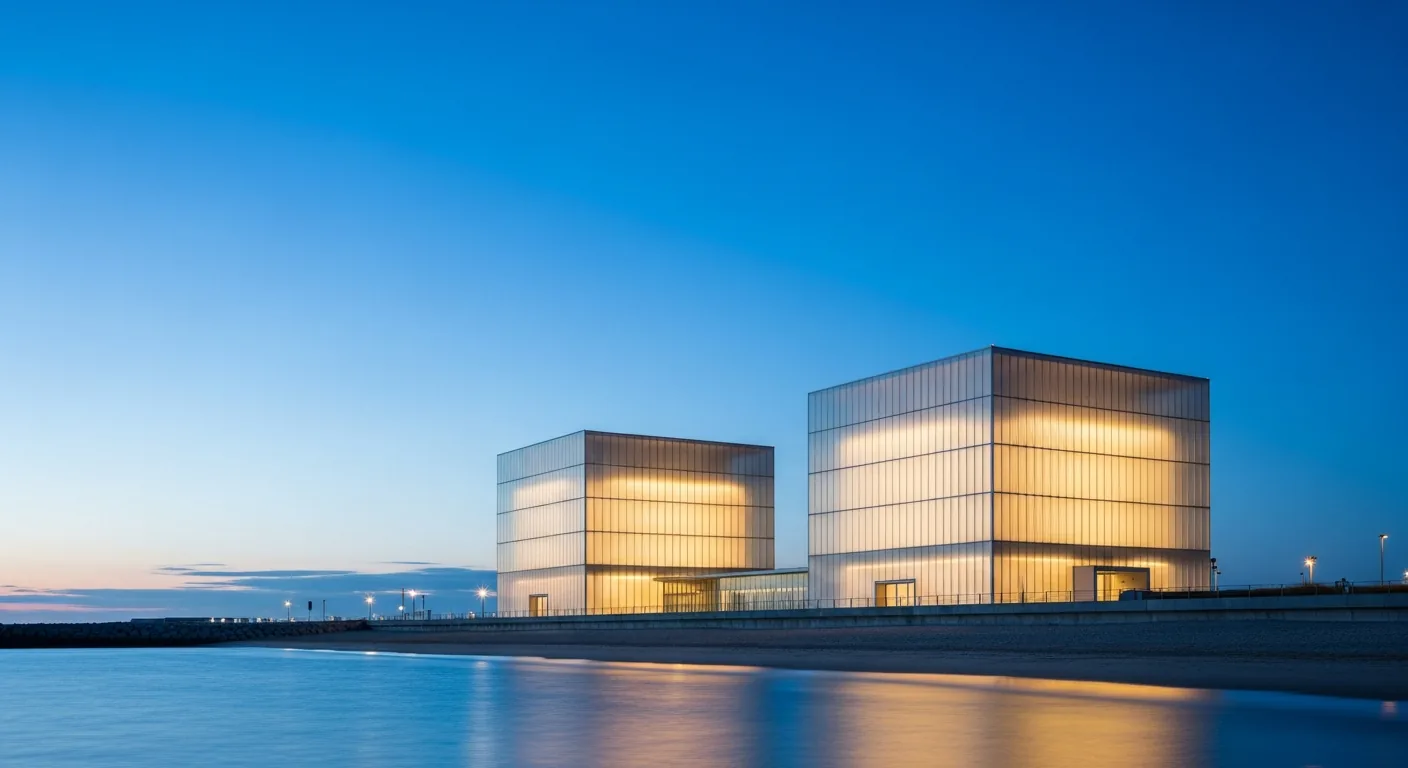
What You Need to Know: - Donostia’s main surf spot, popular with locals and visiting surfers - Several surf schools on the beach; affordable board rentals - Bohemian, youthful, local vibe—less touristy than La Concha - Panoramic view of the Kursaal, two designer glass cubes (Rafael Moneo, 1999) - Not ideal for family swimming (currents, waves)
The Gros neighborhood itself is interesting: it has a residential feel, pintxos bars that are more youthful than those in the Parte Vieja, and more affordable prices.
Ondarreta — the family-friendly beach
At the western end of La Concha Bay, below the Miramar Palace and at the foot of Mount Igueldo. 600 meters of sandy beach.
What You Need to Know : - The quietest beach Of the three, this is a particularly protected water source - Perfect for families with young children - Spectacular view overlooking the bay, Santa Clara Island, and Mount Urgull on the horizon—At the western end: The Peine del Viento Sculptures by Chillida (see the dedicated section) — Less touristy than La Concha, more local
La Parte Vieja: 140 pintxos bars—a guide
Information verified on July 13, 2026: The Parte Vieja is home to bars with varying menus and hours. Txikiteo involves hopping from one bar to another to sample a few pintxos. To plan your route, check Donostia Turismoa, then verify the information posted by each establishment on the day of your visit.
The old town of San Sebastián, rebuilt after the fire of 1813 on a strict grid pattern, is home to more than 140 pintxos bars within just a few streets. It’s the global epicenter of Basque snack culture—and the place with the highest concentration of culinary delights you’ll find anywhere.
Pintxos vs. Tapas — The Fundamental Difference
Pintxos (pronounced "pintchos") are the Basque version of Spanish tapas, but with one key difference:
- Tapa = a small portion served with a drink, traditionally free in certain regions of Spain
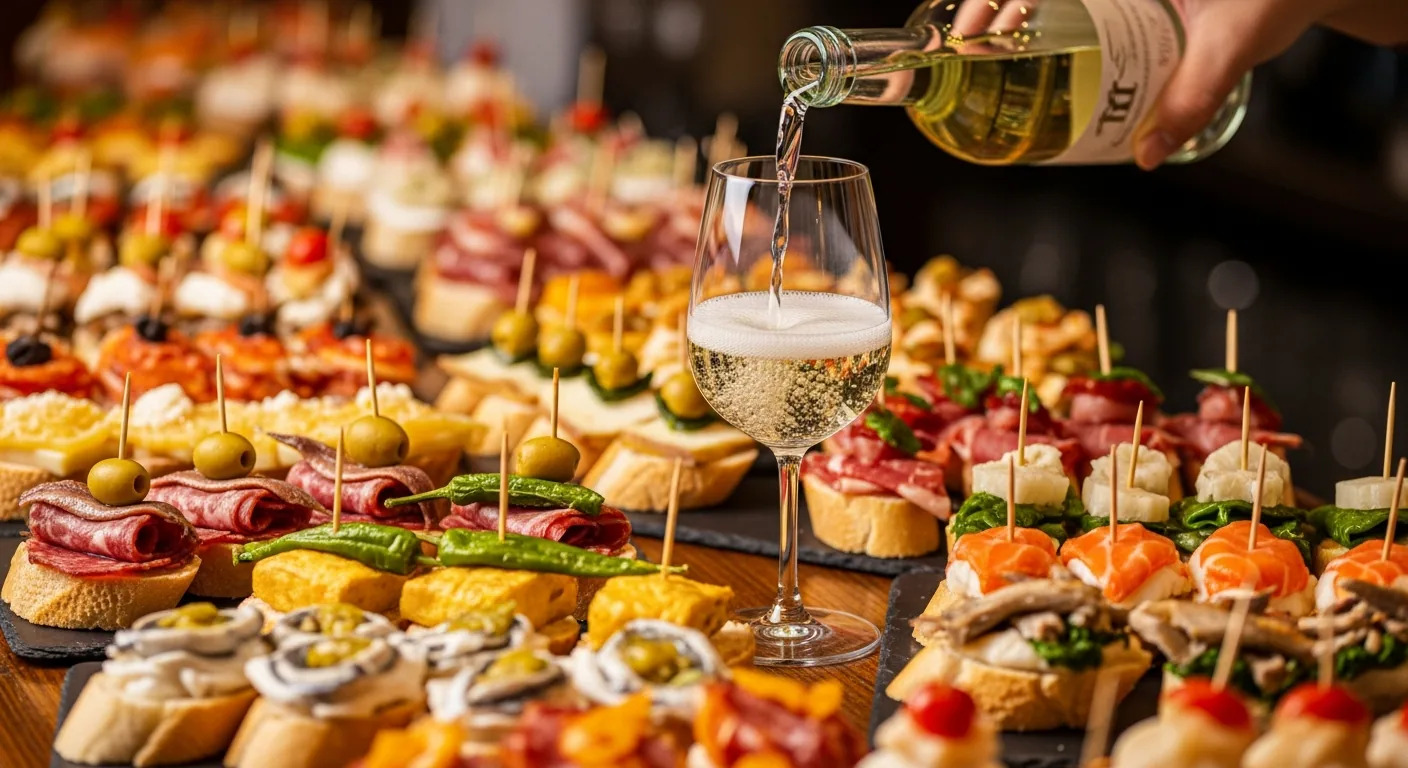
- Pintxo = a small bite-sized dish served on a piece of bread, held in place by a wooden skewer, and displayed on the bar counter
And difference from Bayonne's pintxos : At San Sebastián, the pintxo has has evolved into an ambitious culinary expression. Hot pintxos prepared to order, sophisticated presentations, and techniques borrowed from haute cuisine. Annual World Competition pintxo. The Chef Pedro Subijana (Akelarre 3*) has helped elevate the pintxo to an art form.
In Bayonne, pintxos tend to be more traditional (anchovies, ham, classic gilda). At San Sebastián, You'll find foie gras served on a bed of applesauce, from the Idiazabal Risotto, some octopus rolls with smoked paprika, some Modern Gildas reimagined with ingredients from the market. The scope for creativity is broader.
Txikiteo: bar-hopping
The word “txikiteo” refers to the practice of going from bar to bar, ordering one or two pintxos and a drink at each stop. Nothing more. No tables, no lingering. Standing at the bar, quick movements, overlapping conversations.
Local codes:
- People often eat standing up and go from bar to bar.
- Ordering and payment procedures vary by location: ask at the counter when you arrive.
- Chalkboards usually list the daily specials or dishes prepared to order.
- Maps, fares, and schedules are subject to change; this information was verified on July 13, 2026, with Donostia Turismoa.
Txakoli (txakolina) — the wine of a getaway
The iconic white wine of the Basque Country. Made from the native Hondarrabi Zuri grape variety. A light wine (10–11°), slightly sparkling, with notes of citrus and green apple, and a distinctive briny acidity.
Traditional serving method: Txakoli is poured into the glass from a great height—sometimes as high as 30 to 40 cm. This action stirs up the bubbles and releases the aromas. It pairs perfectly with pintxos, seafood, and grilled fish.
In Donostia, txakoli is often from Getaria (DO Getariako Txakolina), produced in the coastal vineyards 25 km to the west. It is one of the Three Spanish Txakoli DO wines (along with Bizkaiko and Arabako).
The Must-Visit Bars in the Parte Vieja
| Bar | Address | Specialty | Information to be verified |
|---|---|---|---|
| La Cuchara de San Telmo | August 31, 31 | Beef cheeks, pan-seared liver, octopus parmentier | Hours and Daily Menu |
| Bar Nestor | Pescadería, 11 | Potato tortilla (limited quantity), txuleta | Tortilla Service |
| Txepetxa Bar | Pescadería, 5 | Marinated anchovies × 14 servings | Today's Schedule |
| Borda Berri | Fermín Calbetón, 12 | Idiazabal Risotto with Beef Cheek | Today's Schedule |
| Bar Ganbara | San Jerónimo, 21 | Wild mushrooms, 5J ham, langoustines | Today's Schedule |
| La Viña | August 31, 3 | Basque Burnt Cheesecake (Global Viral Hit of 2018) | Hours and Availability |
| Gandarias | August 31, 23 | Iberian ham, Cantabrian anchovies (since 1963) | Today's Schedule |
La Cuchara de San Telmo (31 de Agosto, 31) — No food on display at the counter. Everything is made to order. Beef cheeks braised in red wine, pan-seared foie gras on apple compote, octopus on parmentier. One of the most iconic spots in the Parte Vieja.
Bar Nestor (Pescadería, 11) — This spot is particularly known for its limited-quantity potato omelet, seasonal tomato salad, and txuleta. Since operating hours and reservation policies are subject to change, please check directly with the restaurant on the day of your visit.
Txepetxa Bar (Pescadería, 5) — The Temple of the Anchovy. Each pintxo begins with two fillets of marinated anchovies sparkling on a slice of toasted baguette, then you choose from 14 fillings : crab cream, blueberry sauce, mixed peppers, eggplant caviar, sea urchin, langoustines.
Borda Berri (Fermín Calbetón, 12) — A favorite among local foodies. No display on the counter. Risotto with Idiazabal (smoked Basque cheese), pork ribs, beef cheeks. Modern Basque cuisine, without any pretension.
Bar Ganbara (San Jerónimo, 21) — Focuses on exceptional ingredients: wild mushrooms (in season), fresh langoustines, 5J Iberian ham, and the day’s freshest seafood. Pricier than average, but the quality is impeccable.
La Viña (31 de Agosto, 3) — The Basque burnt cheesecake. A true institution. This dessert has gone viral worldwide since 2018 (thanks to Instagram and the American food press). Best enjoyed at the end of a pintxos tour.
Gandarias (August 31, 23) — Established in 1963. Top-quality Iberian ham, Cantabrian anchovies, traditional atmosphere. A good mix of tourists and locals.
Plaza de la Constitución
In the heart of the Parte Vieja, an iconic square recognizable by its numbered balconies. Former bullfighting arena — the numbers on each balcony corresponded to the boxes rented by spectators who watched the bullfights from their windows in the 19th century. Today, the square is a lively neighborhood, perfect for a pause between two bars pintxos. Historic City Hall to the south.
The Txokos: Private Gastronomic Clubs
One of San Sebastián's most unique cultural institutions, yet one that is little known to tourists. Txokos (pronounced "tchocos") are private dining clubs where members gather to cook and eat together.
Origins and How It Works
Emergence in the 19th century in the city. The concept: a privately owned space leased collectively by a group of friends (often about 100 members). The facility is equipped with a commercial kitchen, of a basement, of a dining room For 30–100 people.
Each member can reserve the kitchen to cook for their group (family, friends). You buy your own ingredients at the market, cook in the txoko’s kitchen, and pay for what you consume on an honor system. No staff, no service.
Culture and Tradition
The txokos have long been exclusively male. The Women were banned until 1980 in most societies. This discrimination has been challenged by social changes. Today, the most txokos have opened their doors to women, even though the tradition of men's cooking persists in some people.
San Sebastián currently has more than 100 txokos assets. The concept is passed down from generation to generation : You often enter a txoko through family heritage or co-optation. Waiting List sometimes over several years.
For Visitors
The Txokos are strictly private — you can't not go there like a restaurant. No sightseeing organized. It's an institution closed for construction, which contributes to the local identity without exposing themselves to visitors.
To understand the txokos is to understand that San Sebastián didn’t wait for Michelin to turn gastronomy into a collective and cultural endeavor—long before the stars came along.
San Sebastián's Michelin-starred restaurants
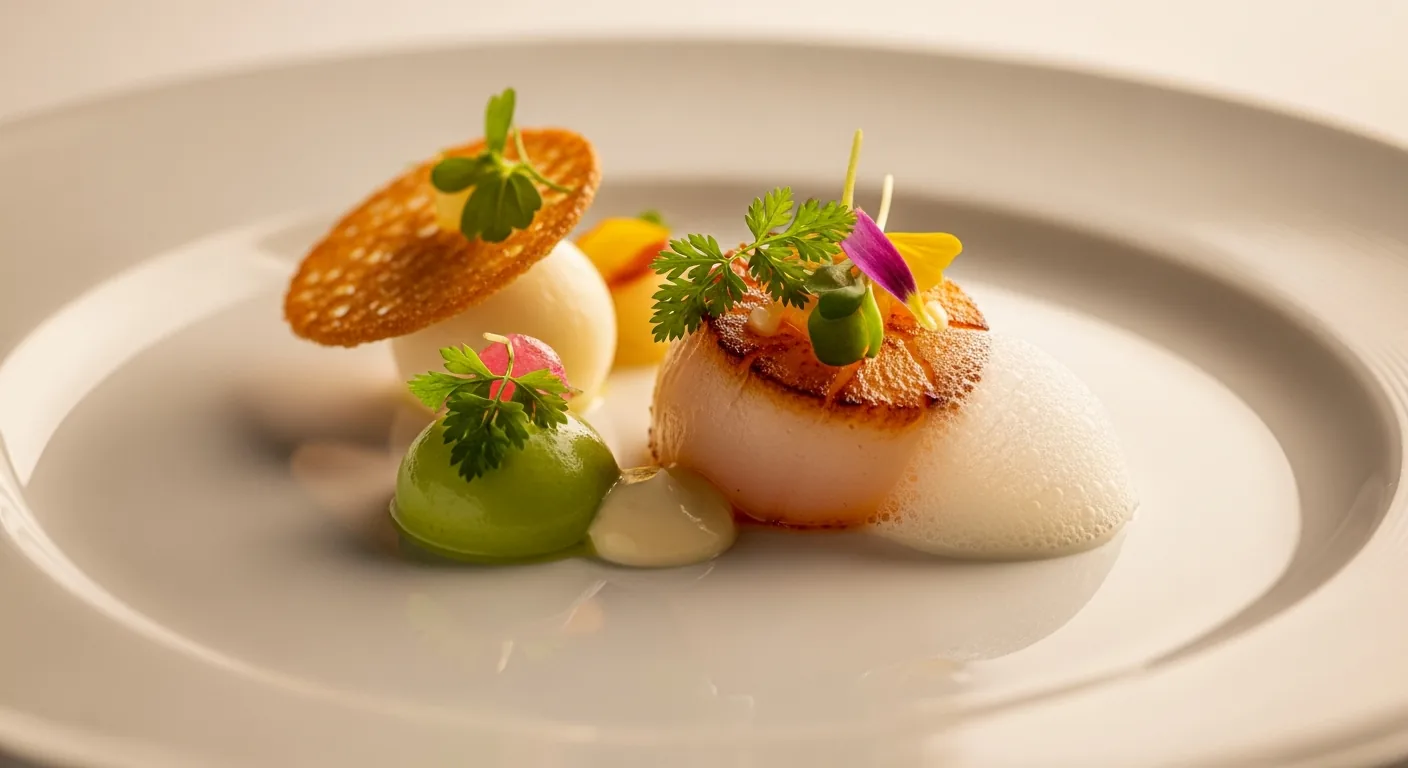
Rankings as of July 13, 2026: The Michelin Guide awarded three stars to Arzak, Akelaŕe, and Martín Berasategui, and two stars to Mugaritz. This selection changes with each edition. Always check the most recent Michelin list, then review the menus, prices, and availability on each restaurant’s official website.
The 3 Stars
| Restaurant | Stars | Chef | Location | Verification |
|---|---|---|---|---|
| Arzak | ★★★ | Elena Arzak | Donostia | Michelin, July 13, 2026 |
| Akelarre | ★★★ | Pedro Subijana | Mount Igueldo | Michelin, July 13, 2026 |
| Martín Berasategui | ★★★ | Martín Berasategui | Lasarte-Oria, 7 km | Michelin, July 13, 2026 |
| Mugaritz | ★★ | Andoni Luis Aduriz | Errenteria, 9 km | Michelin, July 13, 2026 |
Arzak (Avenida del Alcalde José Elosegui, 273) — The Michelin Guide listed it as a three-star restaurant as of July 13, 2026. The restaurant is run by Juan Mari and Elena Arzak and combines creativity with Basque tradition. Check the Michelin listing for the rating, then visit the restaurant’s website for menus, prices, and reservations.
Akelaŕe (Paseo Padre Orcolaga, 56, on Mount Igueldo) — The Michelin Guide listed it as a three-star restaurant as of July 13, 2026. Pedro Subijana creates innovative cuisine rooted in Basque tradition. Check the Michelin listing and the official website before making a reservation.
Martín Berasategui (in Lasarte-Oria) — The Michelin Guide listed three stars as of July 13, 2026. The à la carte menu and tasting menu feature a mix of recent creations and the restaurant’s signature dishes. Check the Michelin listing, then visit the official website for prices and availability.
The 2 Stars
Mugaritz (Aldura Aldea, 20, in Errenteria) — The Michelin Guide listed it as a two-star restaurant as of July 13, 2026. Andoni Luis Aduriz’s restaurant offers a single menu with an experimental approach. Check the Michelin listing and the official website for the schedule, pricing, and reservations.
Other Award-Winning Restaurants
The Michelin selection in and around Donostia is constantly changing. To avoid relying on a list that quickly becomes outdated, check the official, up-to-date selection and view each restaurant’s profile before making a reservation.
Practical Tips for Michelin-Starred Chefs
- Reservations are recommended: check availability on each restaurant's official website.
- Menus and prices: Please refer to the menu published by the establishment on the date of your reservation.
- Professional attire required (ties are not mandatory, but you should dress neatly)
- Online reservations on each restaurant's official website
- Meal duration: Ask the restaurant for this information so you can arrange your return chauffeured transfer.
Must-See Attractions: Mount Igueldo, Mount Urgull, Peine del Viento
Mount Igueldo — the iconic lookout point
At the western end of the bay. 320 meters above sea level. Historic funicular inaugurated on August 25, 1912, still operating with its original wooden railcars — one of the oldest funiculars in Spain still in operation.
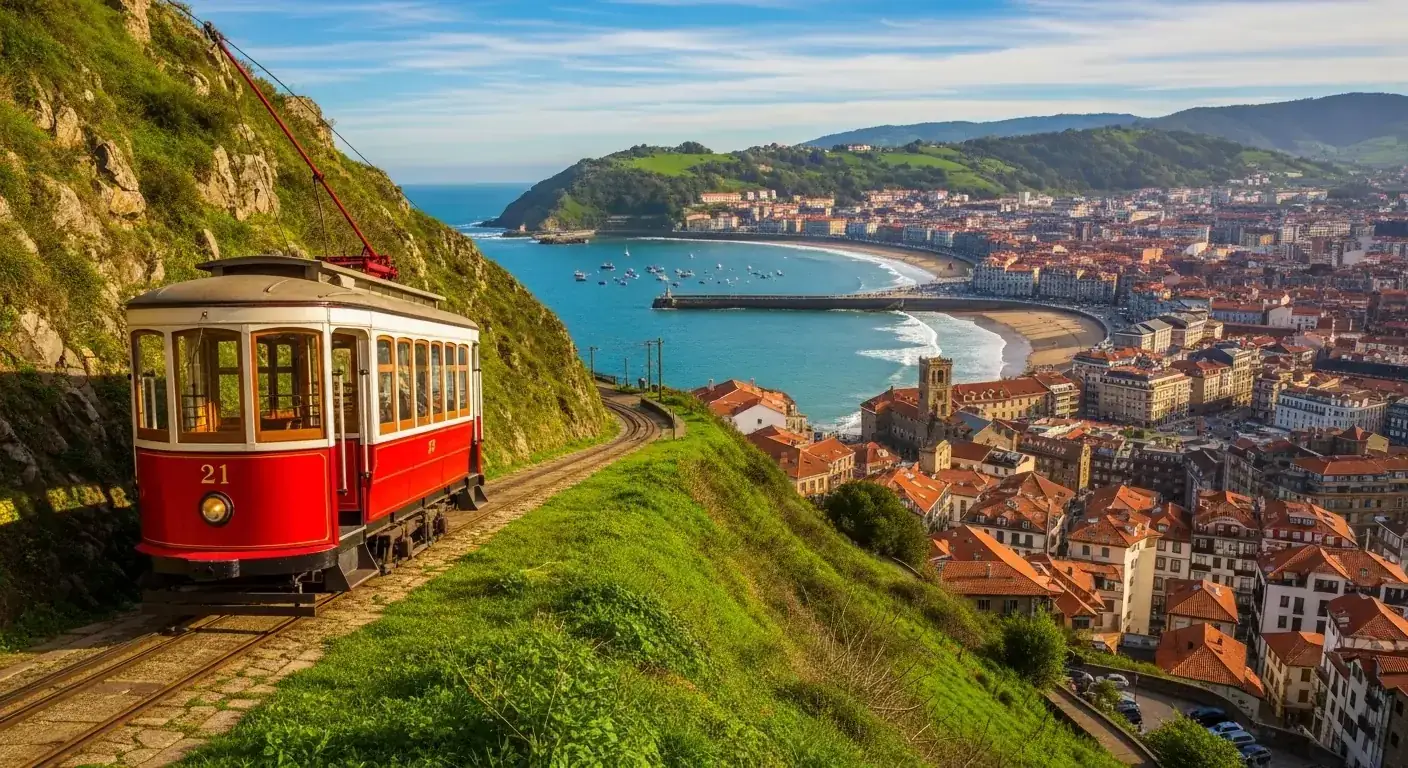
At the summit: views of La Concha Bay, Santa Clara Island, Mount Urgull, and the Basque Coast; a historic amusement park; the Mount Igueldo Tower; and the nearby Akelaŕe restaurant, whose Michelin rating was checked on July 13, 2026.
Tip: Climbing up in the late afternoon allows you to see the bay in ever-changing light. Access depends on the season and weather conditions.
Practical Information: Funicular fares, schedules, and attraction opening hours were verified on July 13, 2026, with Donostia Turismoa. Since this information may vary by season, please check the official guide before you go.
Mount Urgull — History and Views
At the eastern end of the Parte Vieja. Elevation: 123 meters. The summit is crowned by a 12-meter-tall statue of the Sacred Heart (Sagrado Corazón), unveiled in 1950, which is visible from across the bay.
Mount Urgull is home to: - Castillo de la Mota: a 12th-century fortress, renovated in the 16th century - San Sebastián History Museum (Casa de la Historia): free admission - English Cemetery: graves of English soldiers who died in 1813
Directions: On foot from the Parte Vieja; a 30-minute walk along trails. Free.
Peine del Viento — Chillida's Sculptures
At the western end of Ondarreta Beach, against the cliff. Three monumental steel sculptures by Eduardo Chillida (1924–2002), one of the greatest Basque sculptors of the 20th century.
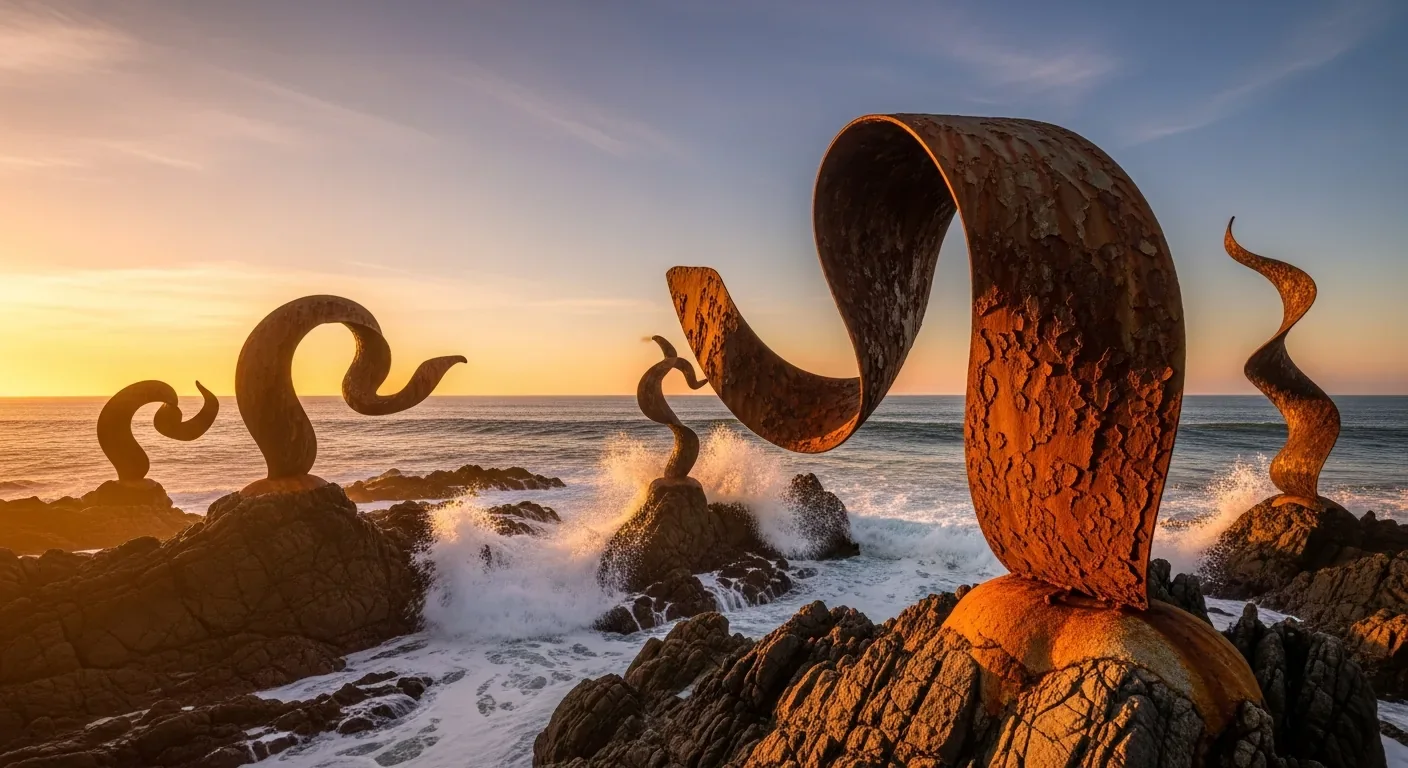
This artwork was installed in 1977. The sculptures are carved directly into the rock, interacting with the ocean. During storms, waves rush into chimneys carved into the rock, creating spectacular water jets and a rumbling sound.
Free, open 24/7, with an unobstructed view of the Atlantic. One of the few places in the world where a major 20th-century work of art is freely accessible, right on the ocean.
Museums and Culture
San Telmo Museum
The Great Museum of Basque History. Housed in a former 16th-century Dominican convent (1544), which was completely renovated and expanded in 2011 by the architects Nieto Sobejano. Rectangular glass panels clad the contemporary façade attached to the former convent.
Collections: - Basque art and history: painting, sculpture, ethnography - Murals by José María Sert (1929–1932) depicting traditional Basque society—a monumental work in the former church - Contemporary sculpture (Oteiza, Chillida) - Regular temporary exhibitions
Practical Information: The museum is located at Plaza Zuloaga, 1. Admission prices, free admission policies, and hours were verified on July 13, 2026, on the San Telmo Museum’s official website. Please check the website again before your visit, especially on holidays and during exhibition changes.
Kursaal — Cultural Center
Two glass cubes translucent in the face of the Zurriola Beach. Designed by the architect Rafael Moneo (1996 Pritzker Prize), opened in 1999. Room 1,800 seats and a smaller auditorium. 2001 Mies van der Rohe Architecture Prize.
The Kursaal hosts: - The San Sebastián Film Festival every September - Symphonic concerts, operas, and ballets - Guided architectural tours (by reservation)
San Sebastián Film Festival (Zinemaldia)
Spain's largest film festival and one of Europe's leading film festivals. Founded in 1953, it is classified as a Category A festival by the FIAPF (on the same level as Cannes, Venice, and Berlin).
Dates: usually late September, 9 days. Main prize: Concha de Oro (Golden Shell).
Stars of the Past : Bette Davis, Audrey Hepburn, Orson Welles, Roman Polanski, Pedro Almodóvar, Quentin Tarantino, and so many others. Atmosphere Electric Festival: free outdoor screenings at the Plaza de la Trinidad, premieres at the Kursaal and the Victoria Eugenia Theater, and events throughout the city.
Website: sansebastianfestival.com
Tamborrada — the patron saint's festival
The Most Iconic Tradition from Donostia. Drums, percussion, marching bands. January 20 Every year, on the day of the San Sebastián (patron of the city).
At midnight on January 19, the flag of Donostia is raised in the Plaza de la Constitución. For 24 hours, dozens of groups (companies) march through the city in military or chef’s uniforms, beating drums and barrels to the rhythm of the Marcha de San Sebastián. At midnight on January 20, the flag is lowered, marking the end of the festival.
More than 17,000 participants, 5,000 children in the Children's Tamborrada on the morning of the 20th. A show unlike any other in the world.
La Concha Regatta (Banderas)
First week of September. Trawler Regatta (traditional Basque rowing boats) in the La Concha Bay. A competition between the rowing clubs in Bizkaia and Guipúzcoa. A tradition since 1879. Basque identity-based sports major.
A huge crowd gathered on the Concha Promenade to watch the races. There was a festive atmosphere with txakoli, pintxos, and ikurriña flags.
Jazzaldia — the jazz festival
| Event | Date | Type | Status |
|---|---|---|---|
| Tamborrada | January 19–20 | Patron Saint's Day, drums | 17,000 participants—the only one of its kind in the world |
| Jazzaldia | Late July | International Jazz Festival | The oldest in Spain (1966) |
| La Concha Regatta | First week of September. | Basque trawlers | A tradition since 1879 |
| Film Festival (Zinemaldia) | Late September | International Cinema | FIAPF Category A, Concha de Oro |
| Semana Grande | Mid-August | Folk festival, fireworks | International Fireworks Competition |
International Jazz Festival, Spain's oldest jazz festival (founded in 1966). Late July, 5 days. Free concerts at several venues (Plaza Trinidad, Plaza Boulevard, Kursaal). Past headliners: Miles Davis, Dizzy Gillespie, Wynton Marsalis, Diana Krall, and many others.
Immediate Spanish surroundings
San Sebastián is an ideal starting point for exploring the surrounding Spanish Basque Country. Here are some day trips within 15–30 minutes of Donostia.
Hondarribia — the "Basque Honfleur"
22 km east of San Sebastián, on the Spanish bank of the Bidasoa River (across from Hendaye). A picturesque village with a fortified old town designated a national historic monument.
Must-See : - The Castle of Charles V (Xth-Xth-Xth-Xth century, restored, now a Parador), overlooking the harbor - Mayor Street : a cobblestone alley lined with half-timbered houses colored - The Church of Our Lady of the Assumption (15th–16th centuries) - The fishing port very active - The Marina : fishing district, grilled fish restaurants
A day in Hondarribia is a great alternative to the long lines in the Parte Vieja during peak season.
Pasaia (Pasajes) — Victor Hugo lived there
7 km to the east from Donostia. Former naval port major, nestled in a horseshoe bay flanked by high cliffs. Three neighborhoods distinct: Pasai Donibane (the most picturesque), Pasai San Pedro and Pasai Antxo.
Pasai Donibane is famous for having hosted Victor Hugo during the summer of 1843, following the death of his daughter Léopoldine. He lived for two months in a house that now bears his name (Casa Víctor Hugo, which has been turned into a museum).
Must-see: - Casa Víctor Hugo: free museum, trilingual signs - Cobblestone main street, half-timbered houses, boat ride across the harbor from one shore to the other (50 centimes per trip) - Seafood restaurants in old fishermen’s houses - Scenic trail to the Faro de la Plata
Getaria — Port and Txakoli
25 km to the west in Donostia. A coastal village known for: - The Getaria txakoli (DO Getariako Txakolina), one of the three Spanish txakoli DOs - The Cristóbal Balenciaga Museum, dedicated to the renowned Basque fashion designer, a native of the village (Modern Art Museum, 2011) - Seafood Restaurants grilled by the sea (renowned in the region, Elkano (Michelin-starred) - The statue of Juan Sebastián Elcano, a Basque navigator who completed Magellan's circumnavigation of the globe in 1522 (the first man to have circumnavigated the globe)
San Sebastián and Bilbao: Combining the Two
Bilbao is 100 km from San Sebastián, which is a 1-hour drive via the AP-8.
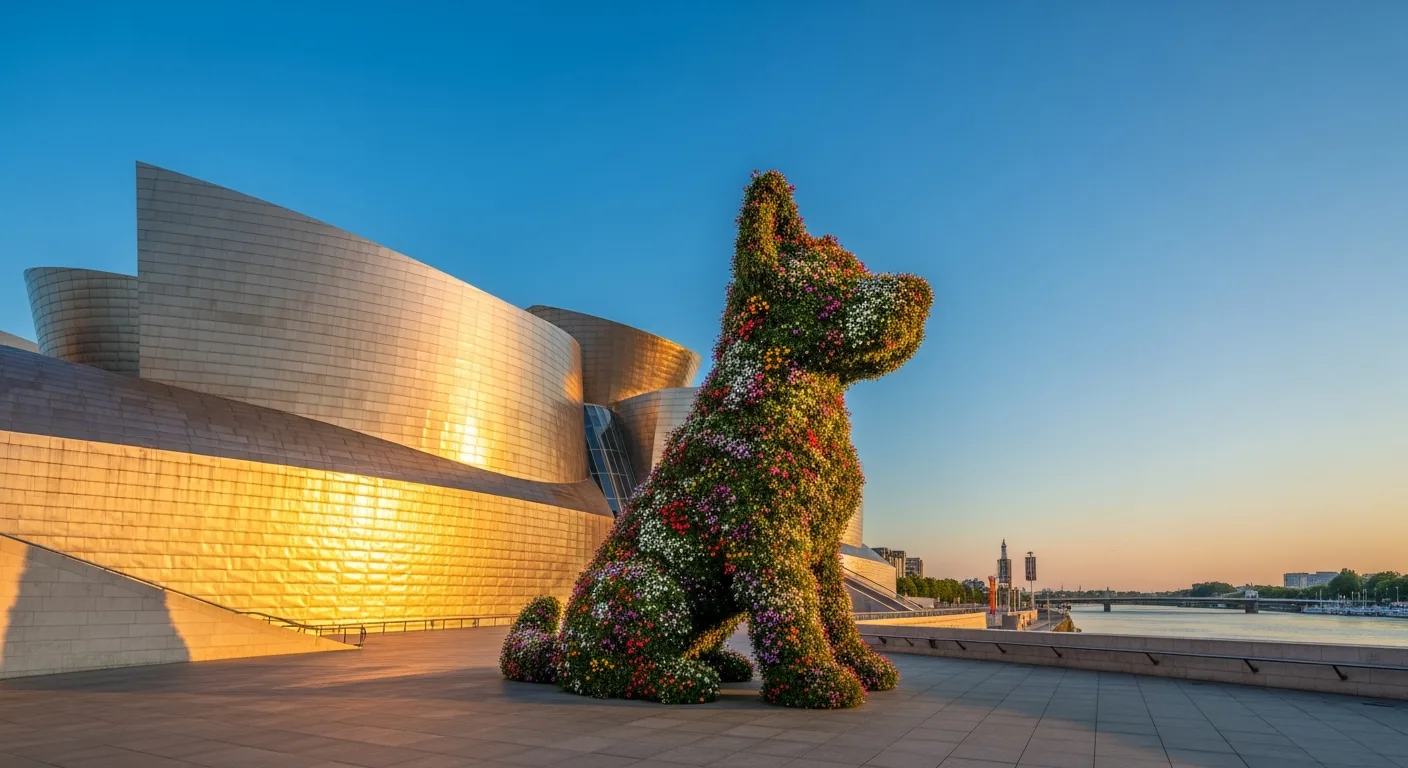
Differences between the two cities: - Donostia: Belle Époque elegance, urban beaches, classic and Michelin-starred cuisine - Bilbao: a former industrial city transformed into a cultural hub centered around the Guggenheim Museum (Frank Gehry, 1997), contemporary architecture, the Ribera Market (Europe’s largest covered market), and the medieval Casco Viejo
Combining both in a single day from Bordeaux is technically possible but quite demanding: 240 km × 2 + 100 km × 2 = nearly 700 km, a 14- or even 15-hour day. It’s better to plan for two days with an overnight stay in Donostia or Bilbao.
Combine with the French Basque Country
San Sebastián is 50 km from Bayonne and 40 km from Biarritz. It’s the perfect base for exploring the cross-border Basque Country.
For details on Biarritz, Saint-Jean-de-Luz, Espelette, Hendaye, and Anglet : See our Guide to Biarritz and the French Basque Country.
For Bayonne (chocolate since 1492, PGI ham, legendary festivals, the Bonnat-Helleu Museum reopening in November 2025): see our Bayonne Guide.
Note: Basque identity does not stop at administrative borders. The Basques refer to the region as Iparralde (Northern Basque Country, French-speaking) and Hegoalde (Southern Basque Country, Spanish-speaking). A common language (Euskara), a shared culture, and families often living on both sides of the border. It is this cultural continuity that you experience when visiting Bayonne, Biarritz, and then Donostia in succession.
When to Visit San Sebastián
| Period | Crowd | Benefits | Disadvantages |
|---|---|---|---|
| January | Moderate | Tamborrada (January 19–20), a unique experience | Cold, wind |
| February–March | Low | Generally lower attendance | Variable weather |
| April–June | Moderate | Our recommendation: mild weather, few tourists, affordable restaurants | - |
| July–August | Very strong | Events, Beaches, Jazzaldia | High volume of visitors; check availability |
| September | Strong | Film Festival (late September), La Concha Regatta, ideal weather: 20–25°C | Hotels are fully booked during the festival |
| October–November | Moderate | Our other recommendation: seasonal mushrooms, a more local vibe | The days are getting shorter |
| December | Low | Christmas spirit and seasonal markets | Gray weather |
Our top recommendations: - September: Film Festival, perfect weather, manageable crowds—the best of both worlds - October–November: laid-back pintxos, affordable hotels, a more local vibe—for those who prefer authenticity
Practical Information
Recommended duration
| Duration | Program | Suitable for |
|---|---|---|
| 1-day round-trip from Bordeaux | Lunch at Parte Vieja (pintxos) + Mount Igueldo in the afternoon + Peine del Viento | A quick, intense exploration |
| 2 days (weekend) | Old Town + 3 beaches + Mount Igueldo + 1 Michelin-starred restaurant | Our recommendation |
| 3 days | Donostia + Hondarribia or Getaria + 2 Michelin-starred dining experiences | In-Depth Exploration |
| 4–5 days | Donostia + Bilbao (Guggenheim) + the Spanish Basque Coast | Culture and Gastronomy Getaway |
- 1 day : very intense from Bordeaux (a 5½-hour round-trip drive). Lunch at Parte Vieja (pintxos) + Sunset at Mount Igueldo. You'll want to come back.
- Weekend (2 days): the perfect balance. Our recommendation for a truly immersive experience.
- 3 days: An in-depth tour of Donostia + Hondarribia or Getaria
- 4–5 days: Donostia + Bilbao + the Spanish Basque Coast
Accommodations
Downtown Donostia (Old Town, City Center): charming hotels in Belle Époque buildings, including several historic properties. Prices and availability vary significantly depending on events and the season; check the accommodations’ websites directly for your chosen dates.
Gros neighborhood (behind the Kursaal): a youthful atmosphere, more affordable prices, close to Zurriola Beach.
Antiguo / Ondarreta: quieter, close to a family-friendly beach, ideal for families.
Planning Your Budget
The budget depends mainly on accommodations, the number of pintxos stops, and whether you choose to dine at a premium restaurant. Rates can fluctuate: be sure to check the prices listed by hotels, restaurants, and transportation providers on the same day. The only guaranteed price here is that of the executive car service, which is confirmed in writing at the time of booking.
Climate
Temperate oceanic climate. Frequent rain (spring, fall). Mild winters (8–12°C), temperate summers (22–28°C, rarely higher). Steady Atlantic breezes year-round. A light jacket is useful even in summer for the evenings.
| Fashion | Travel time from Bordeaux to Donostia | Rates | Details |
|---|---|---|---|
| Car / Rental | ~2 hours 48 minutes (237 km on the A63 and AP-8) | To be checked on the day of departure | Open Border (Schengen) |
| chauffeured transfer | ~2 hours and 48 minutes door-to-door | Starting at 394 € · one-way | Ideal for Michelin-starred restaurants (12:00–2:00 p.m. menu) |
| Train (TGV + transfer) | ~3.5–4 hours (Bayonne → Hendaye → Euskotren) | Depending on the carrier and the date | Several changes |
| Bus (Flixbus, ALSA) | 4–5 hours | Depending on the carrier and the date | Not for heavy luggage |
| Airplane | Not applicable since Bordeaux | — | SS: small airport, no direct flights |
Languages Spoken
Spanish and Euskara (Basque) are the two official languages. Bilingual signs are everywhere. Many shopkeepers speak French (due to the proximity to the border), and English is spoken fluently in restaurants and tourist hotels. Pointing works very well in pintxos bars—it’s even the locals’ preferred method.
Currency
Euro. No need to exchange currency. Credit cards are accepted everywhere (including bars). A few bars in the Parte Vieja still only accept cash—be sure to carry some bills with you.
Frequently Asked Questions
What is the difference between Donostia and San Sebastián?
None. Donostia is the Basque (Euskara) name for the city; San Sebastián is the Spanish name. Both are official and used interchangeably, even by locals. The full administrative name is "Donostia / San Sebastián."
When is the best time to visit?
September typically combines the Film Festival with mild weather; October and November offer a more relaxed atmosphere. May and June are also good options. In July and August, check for accommodations and restaurants early, but don’t assume there’s a fixed deadline for making reservations.
How long does it take to visit San Sebastián?
You'll need at least two days to really get a feel for the city. A weekend (2 nights) is ideal for exploring the Old Town, the beaches, Mount Igueldo, the Peine del Viento, and a memorable restaurant. A day trip from Bordeaux is doable but will be quite intense (a 5.5-hour drive).
Do you need a passport to go to San Sebastián?
No, a French national ID card is sufficient (Schengen Area since 1995). Passports are still accepted. Be sure to carry yours with you in case of rare random checks.
Do they speak French at San Sebastián?
Not always, but because of its proximity to France, many shopkeepers and restaurant owners understand French. English is widely spoken in tourist areas. Spanish and Basque are the official languages.
Do you need to make reservations in advance at Michelin-starred restaurants?
Yes. Availability varies depending on the season, group size, and each establishment’s schedule. Check the Michelin selection verified on July 13, 2026, then book directly on the official website of the restaurant of your choice. Do not rely on a generic timeframe.
How much should you budget for a day of pintxos at San Sebastián?
There is no set price: the total depends on the number of bars, the specialties you order, and the drinks. Check the menus posted that day and decide how many stops you’ll make. For a fine-dining restaurant, check the menu and prices on the official website before making a reservation.
Is it possible to visit San Sebastián in one day from Bordeaux?
Yes, but it’s still a packed day. The standard business route is 237 km and takes about 2 hours and 48 minutes each way. Keep your itinerary short: Parte Vieja, followed by just one of the following: Mount Igueldo, Peine del Viento, or a beach. Confirm your pickup and drop-off times when you make your reservation.
Is San Sebastián suitable for families with children?
Yes. La Concha, the seaside promenade, Mount Igueldo Park, and the Aquarium offer a variety of activities. Pintxos bars can be difficult to navigate with a stroller when they’re very crowded: choose a quieter time by checking how busy it is, rather than relying on a set time slot.
What's the difference between the pintxos at San Sebastián and those in Bayonne?
In Bayonne, pintxos remain traditional (anchovies, ham, classic gilda). At San Sebastián, pintxos have evolved into an ambitious culinary expression (hot dishes prepared to order, modern techniques, sophisticated presentations). Both are excellent, but in different styles.
Why does San Sebastián have so many Michelin stars?
Several factors: the long-standing Basque culinary tradition (txokos dating back to the 19th century), the “New Basque Cuisine” movement that emerged in the 1970s and 1980s (led notably by Juan Mari Arzak and Pedro Subijana), post-democratization openness to the international scene, friendly competition among chefs, and the quality of local products (fishing, livestock, and agriculture in the Basque Country). This is the culmination of half a century of a structured culinary movement.
Are Bilbao and its Guggenheim Museum worth a visit from San Sebastián?
Yes, Frank Gehry’s Guggenheim (1997) is an architectural masterpiece of the 20th century. It’s a 1-hour drive from Donostia. Allow at least 2–3 hours for the visit. If you have two days, visit both. If you only have one day from Bordeaux, stick to Donostia.
Further Reading
- Chauffeur service for San Sebastián : See our page Executive car service Bordeaux ↔ San Sebastián (packages, rates, border crossing, reservations)
- The entire French Basque Country (Biarritz, Saint-Jean-de-Luz, Espelette, Hendaye, Anglet): see the Biarritz Guide and chauffeured transfer between Bordeaux and Biarritz
- Bayonne (chocolate, ham, festivals, Bonnat-Helleu Museum): see the Bayonne Guide and chauffeur service between Bordeaux and Bayonne
- Arriving from the airport or train station: see Bordeaux Airport Transfer and Executive car service from Saint-Jean Train Station
- Combine this with a trip to the Arcachon Basin: see chauffeured transfer Bordeaux ↔ Arcachon, chauffeur service Bordeaux ↔ Cap Ferret, or executive car service Bordeaux ↔ Dune du Pilat
- Add a day in the vineyards: see chauffeured transfer Bordeaux ↔ Saint-Émilion or chauffeur service Bordeaux ↔ Médoc
- The Périgord, too? See executive car service Bordeaux ↔ Sarlat or chauffeured transfer Bordeaux ↔ Lascaux
Sources and References
- Official San Sebastián Tourist Office / Donostia Turismoa — official information, events, restaurants
- San Sebastián / Zinemaldia International Film Festival — program, ticketing, archives
- Jazzaldia — Jazz Festival — lineup, free events
- San Telmo Museum — Official Admission Prices and Hours
- San Sebastián Tamborrada — January Schedule
- Michelin Guide San Sebastián — updated selection, accessed July 13, 2026
- Arzak's Michelin Guide listing — rating accessed on July 13, 2026
- Michelin Listing for Akelaŕe — ranking accessed on July 13, 2026
- Martín Berasategui's Michelin Guide entry — ranking accessed on July 13, 2026
- Michelin Guide entry for Mugaritz — rating accessed on July 13, 2026
- Akelaŕe's Official Website
- Arzak's Official Website
- Martín Berasategui's Official Website
- Mugaritz Official Website
Volatile data verified on July 13, 2026.
On the Way to Donostia
Direct door-to-door trip from Bordeaux (~2 hours 48 minutes), with optional stops in Saint-Jean-de-Luz or Hondarribia—perfect for a day of fine dining. Written fixed-price quote within 30 minutes; sedan or van; English-speaking driver.