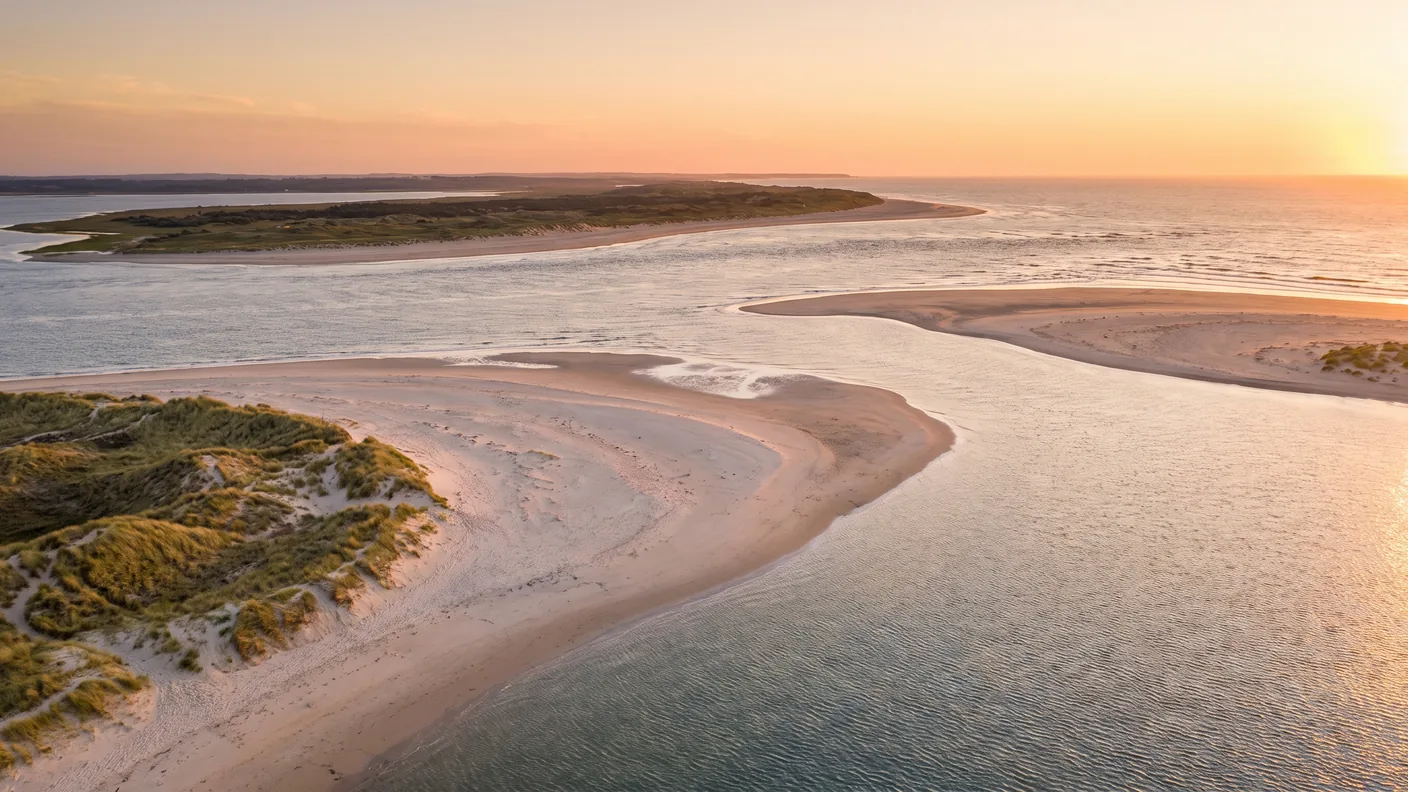
Bordeaux to Le Verdon-sur-Mer: Pointe de Grave and Cordouan
At the very tip of the Médoc, where the Gironde estuary flows into the Atlantic, facing France’s oldest lighthouse still in operation. The UNESCO-listed Cordouan Lighthouse, the Pointe de Grave, the ferry to Royan, and the Vélodyssée—Le Verdon route, 1 hour and 42 minutes from Bordeaux.
Le Verdon-sur-Mer at a Glance
Le Verdon-sur-Mer is located at the northern tip of the Médoc, across from Royan and the Cordouan Lighthouse, which has been a UNESCO World Heritage Site since 2021. [UNESCO 2021]The town has a population of 1,408.[INSEE 2023] From Bordeaux, it’s 98 km and a 1-hour, 42-minute drive, with a fixed-rate transfer starting at 189 €.
| Landmark | Details |
|---|---|
| Department / Region | Gironde (33) · Nouvelle-Aquitaine |
| Status | Municipality at the tip of the Médoc (Pointe de Grave), Médoc Atlantique Community of Communes |
| Population | ~1,408 residents (INSEE 2023), residents known as Verdonnais |
| Must-Sees | Cordouan Lighthouse (UNESCO), Pointe de Grave, ferry to Royan |
| From Bordeaux | ~98 km · ~1 hr 42 min · starting at 189 € |
Where is Le Verdon-sur-Mer located?
Le Verdon-sur-Mer marks the northern boundary of the Médoc—and it does so quite literally: beyond the town, there is no more land, only water, shifting sandbars, and, on the horizon, the slender silhouette of Cordouan. The town occupies a triangular peninsula sandwiched between two bodies of water that are polar opposites: the Gironde estuary to the east, wide, calm, and milky; and the Atlantic Ocean to the west, open and powerful. The two meet at the tip of the peninsula, the famous Pointe de Grave, in a constant clash of currents that has earned these waters their reputation for danger.
Administratively, Le Verdon-sur-Mer has the INSEE code 33544 and the ZIP code 33123. The municipality covers an area of 17.09 km² and is part of the Médoc Atlantique Community of Communes, which includes the municipalities along the northern Médoc coastline. It is a relatively new municipality: for a long time merely a hamlet attached to its neighbor, it was separated from Soulac in 1874, before being officially named “Le Verdon-sur-Mer” by a decree in 1911, which enshrined its maritime character in its very name. Its residents are known as Verdonnais.
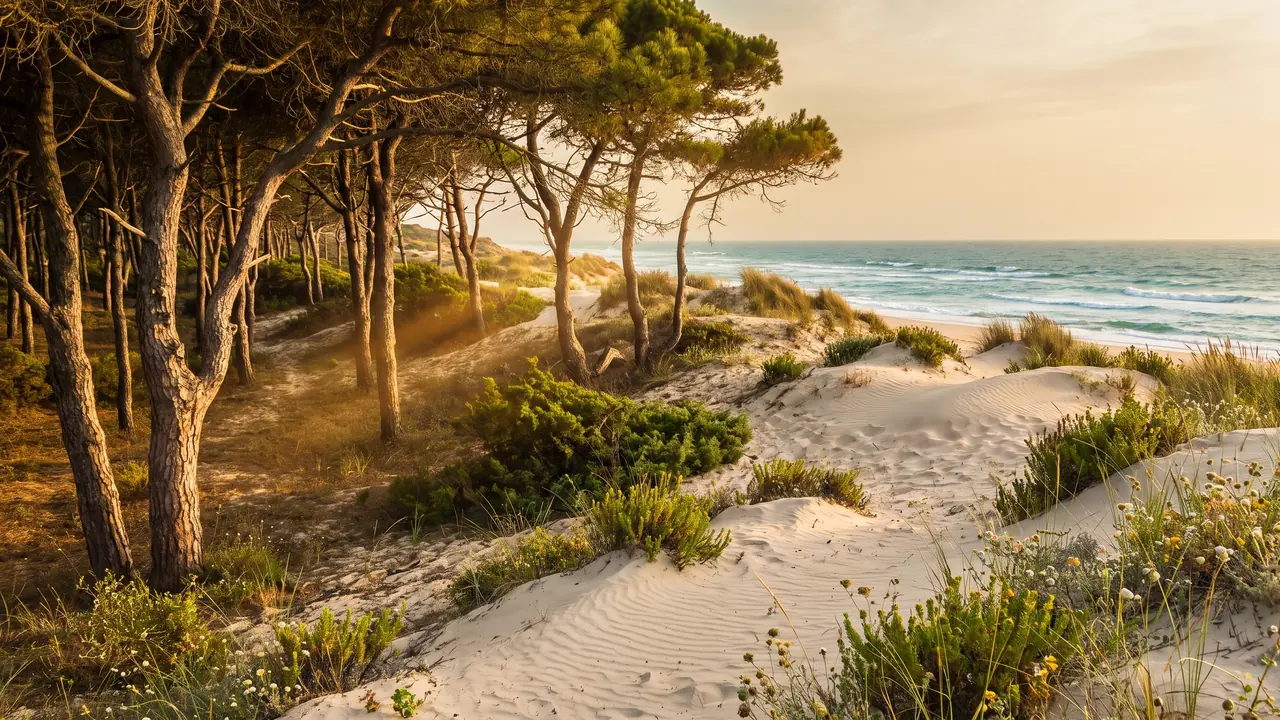
The ocean on one side, the estuary on the other
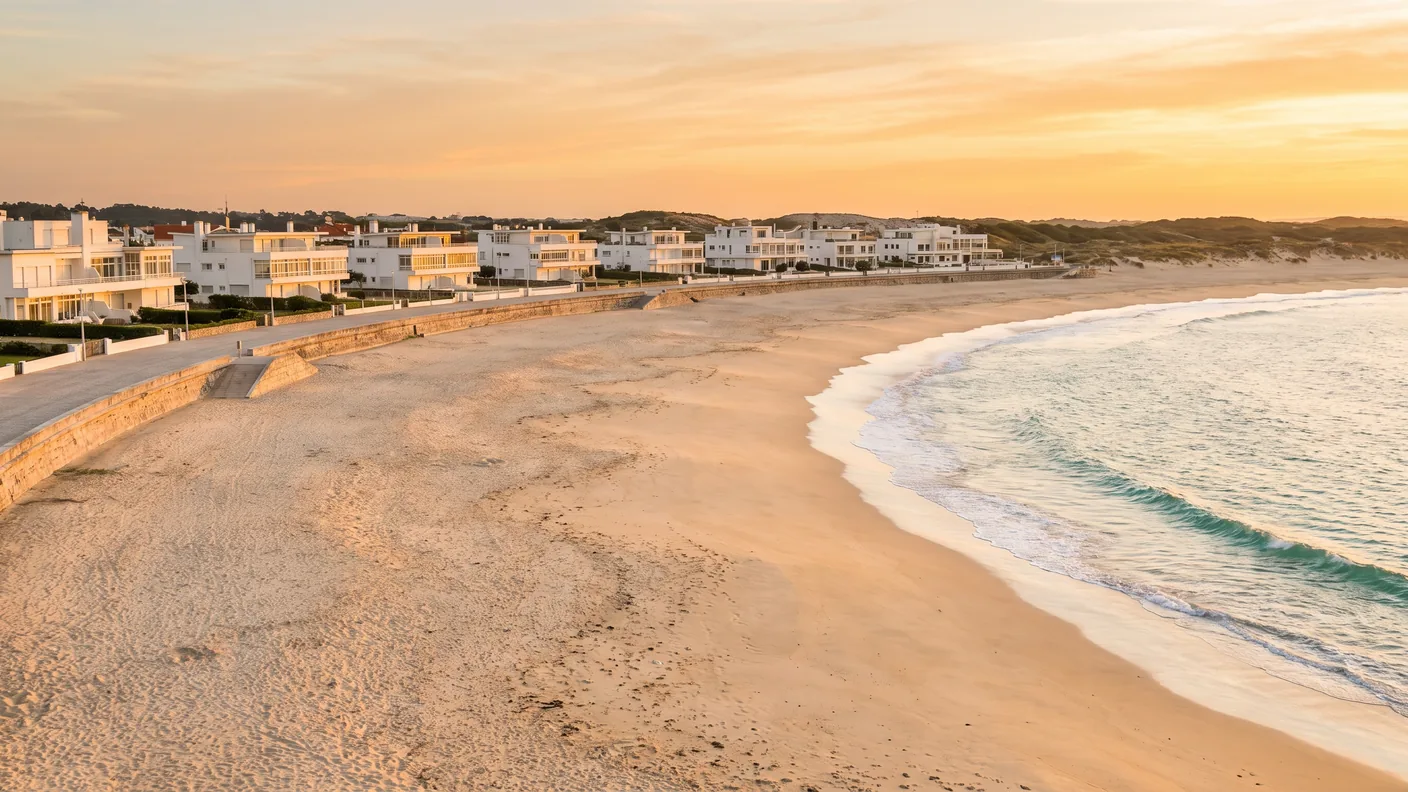
This dual landscape defines the identity of Le Verdon. On the ocean side, the coastline is wild and straight, fringed by a cordon of dunes held in place by beach grass, and swept by a swell that hardly ever subsides. On the estuary side, the landscape softens: the waters, sheltered by the mainland, take on an almost lake-like quality at low tide, revealing vast banks of pale sand where birds come to rest. Between these two worlds, the maritime pine forest covers a large part of the area—as it does along the entire Médoc coastline—and fills the air with the scent of resin warmed by the sun. The Pointe de Grave, meanwhile, features a line of low dunes, forgotten bunkers, and trails facing Royan, whose waterfront is clearly visible across the water.
How far is it from Bordeaux?
From Bordeaux, it’s about 98 kilometers and roughly a 1-hour, 42-minute drive. There are no shortcuts by land: to reach Le Verdon, you must drive all the way up through the Médoc, generally via the D1215 and then the D1, passing through Lesparre-Médoc, the administrative capital of the peninsula, then skirting Soulac before finally arriving at the tip. The OSRM route planner gives a distance of around 102 kilometers depending on the route chosen; the difference from our estimate is due to possible variations as you approach the tip. Let’s be clear: this isn’t a quick local getaway, but a real expedition lasting at least half a day. The rewards—Cordouan, the ferry, the Vélodyssée, and the sunsets over the estuary—more than justify the distance.
| Destination | Distance / travel time from Le Verdon |
|---|---|
| Soulac-sur-Mer | ~9 km |
| Lesparre-Médoc | ~36 km |
| Bordeaux | ~98 km · ~1 hr 42 min |
| Royan (by ferry) | ~6 km across the estuary · duration depends on operating conditions |
| Pointe de Grave | just a few minutes from the town center |
How many people live in Le Verdon-sur-Mer?
According to the 2023 INSEE census, Le Verdon-sur-Mer has a population of 1,408.[INSEE 2023] Spanning 17.09 km², the municipality has a low population density: dunes, pine forests, the foreshore, and port facilities occupy a large portion of the headland.
What Are Le Verdon’s Residents Called?
The residents of Le Verdon-sur-Mer are known as the Verdonnais and the Verdonnaises. Like most towns along the Atlantic coast, Verdon lives at two very distinct paces. In winter, it’s a quiet village, centered around its harbor, fishing, local services, and a community life that feels like it’s at the end of the world. In the summer, the scene changes completely: the population swells, the parking lots at Port Médoc fill up, the shuttles to Cordouan run at full capacity, the ferry makes trip after trip, and the Vélodyssée sees a steady stream of cyclists laden with panniers. This starkly seasonal contrast—between winter calm and summer bustle—is the very hallmark of the towns along the Atlantic coast, and Le Verdon offers an almost caricatured example of it.
This dual character also explains the local economy: tourism and water sports in the summer, with the Port Médoc marina and boat tours; port and residential activities the rest of the year. Le Verdon is not a traditional seaside resort like Soulac, but a modern port that has made its maritime heritage its main attraction—a rare feature along the Gironde coast.
| Indicator | Value |
|---|---|
| Municipal Population (INSEE 2023) | 1,408 residents |
| Changes Since 2017 | Approximately +5.5% |
| Demonym | Verdonnais / Verdonnaises |
| Area | 17.09 km² |
| Intermunicipal Cooperation | CC Médoc Atlantique |
The Cordouan Lighthouse, King of Lighthouses
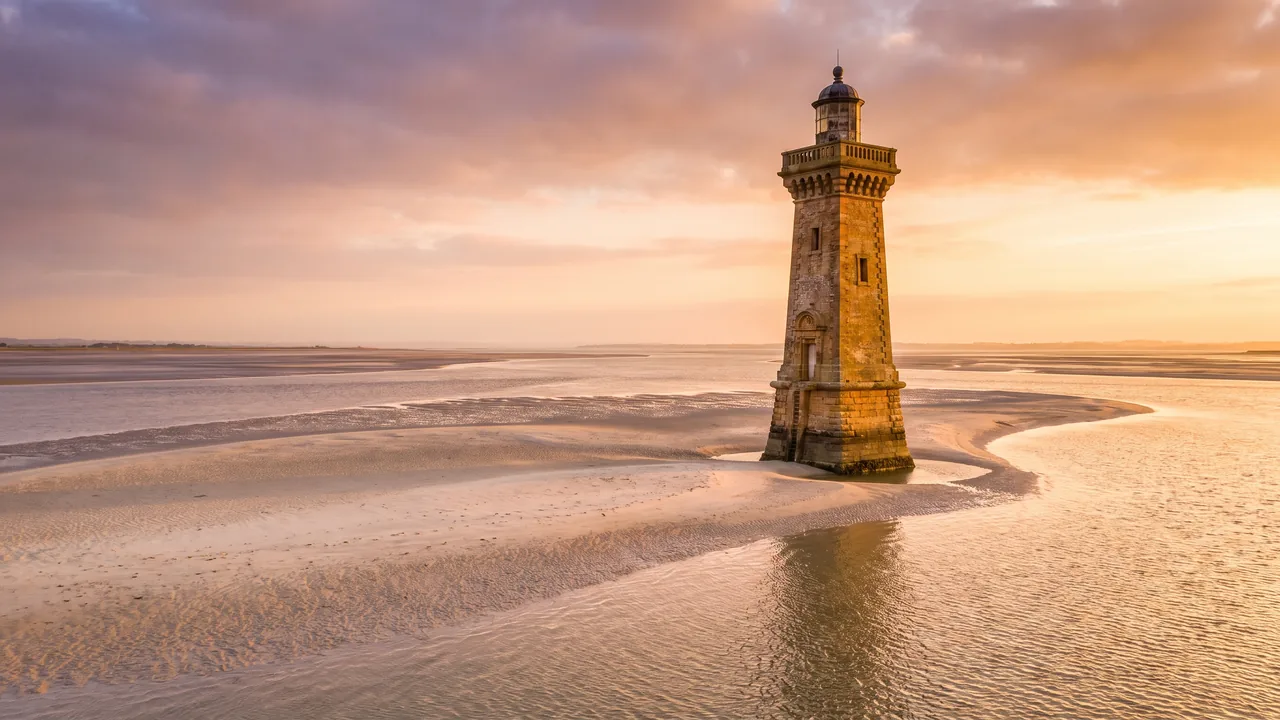
The Cordouan Lighthouse stands about 7 kilometers offshore, on a plateau at the mouth of the Gironde. Part of the municipality of Verdon-sur-Mer, it is accessible by boat from Port Médoc or Royan, depending on the tide, weather, and landing conditions. [Cordouan 2026]
It’s nicknamed “the Versailles of the Sea” and “the King of Lighthouses,” and for once, the superlatives seem almost fitting. Standing approximately 67.5 meters tall, it is the oldest lighthouse in France still in operation—a record for longevity for a structure constantly exposed to the fury of the waves. Its construction spanned from 1584 to 1611, under the direction of architect Louis de Foix. He devoted eighteen years of his life to this titanic project, carried out in the middle of the water, and spent most of his personal fortune on it. He died in 1602 without ever seeing his work completed; the lighthouse was not finished until nearly a decade after his death. [POP 2026]
Why is Cordouan listed as a UNESCO World Heritage Site?
Cordouan has earned numerous heritage designations, and each one speaks to its uniqueness. It was first designated a Historic Monument in 1862, making it the oldest listed lighthouse in France—remarkably, it appeared on the country’s very first list of protected monuments, alongside cathedrals and castles. Then, much later, on July 24, 2021, it was inscribed on the UNESCO World Heritage List. What sets Cordouan apart from the countless lighthouses along the coast is that it is not merely a functional beacon: it is a true work of architecture, designed as a monument. Inside, visitors will find a consecrated chapel, crowned by a dome and illuminated by stained-glass windows, as well as the so-called “royal apartments,” decorated with a splendor worthy of a palace. A monumental staircase leads visitors up floor by floor to the lantern, which sweeps across the horizon. [UNESCO 2021]
France's Last Manned Lighthouse
Cordouan holds another title, a more melancholic one this time: it is France’s last manned lighthouse. While all the other coastal lighthouses have been automated over the decades, Cordouan long maintained a staff of keepers—the last state-employed keepers left in 2012. For centuries, men took turns at the mouth of the estuary, isolated for several days at a time on their rocky islet, tending the light and the monument in all kinds of weather. Today, the lighthouse is still monitored and staffed during the season, but this line of lighthouse keepers—the last of its kind in France—is now a thing of the past, which only adds to the place’s romantic allure.
How can I visit the Cordouan Lighthouse?
Cordouan can only be visited by boat, and the tide dictates the entire itinerary. Boat trips depart from Le Verdon-sur-Mer, via Port Médoc, and from Royan, with schedules based on the day’s tidal coefficients. The boat takes you close to the Cordouan plateau; then, at low tide, you reach the lighthouse on foot, walking across the vast sandbar that lies just above the water around its base—a unique moment when you walk toward a lighthouse standing on dry land, right in the middle of the ocean. The interior tour—including the chapel, the royal apartments, and the climb to the lantern—also depends on the conditions of the day. The tour requires a reservation through an authorized operator and is subject to tide, weather, and landing conditions; please check which departures are available on your chosen day.
The Pointe de Grave and Its Lighthouses
The Pointe de Grave is the Médoc’s final outpost into the sea, the exact point where the Gironde region gives way between the estuary and the ocean. People come here first and foremost for the view: Royan, which seems close enough to touch on the opposite bank; Cordouan, glistening offshore; and the estuary stretching out like an inland sea. But visitors will also discover a small cluster of monuments that, on their own, encapsulate four centuries of maritime and military history—from lighthouses and a semaphore station to war memorials and a great cycling adventure.
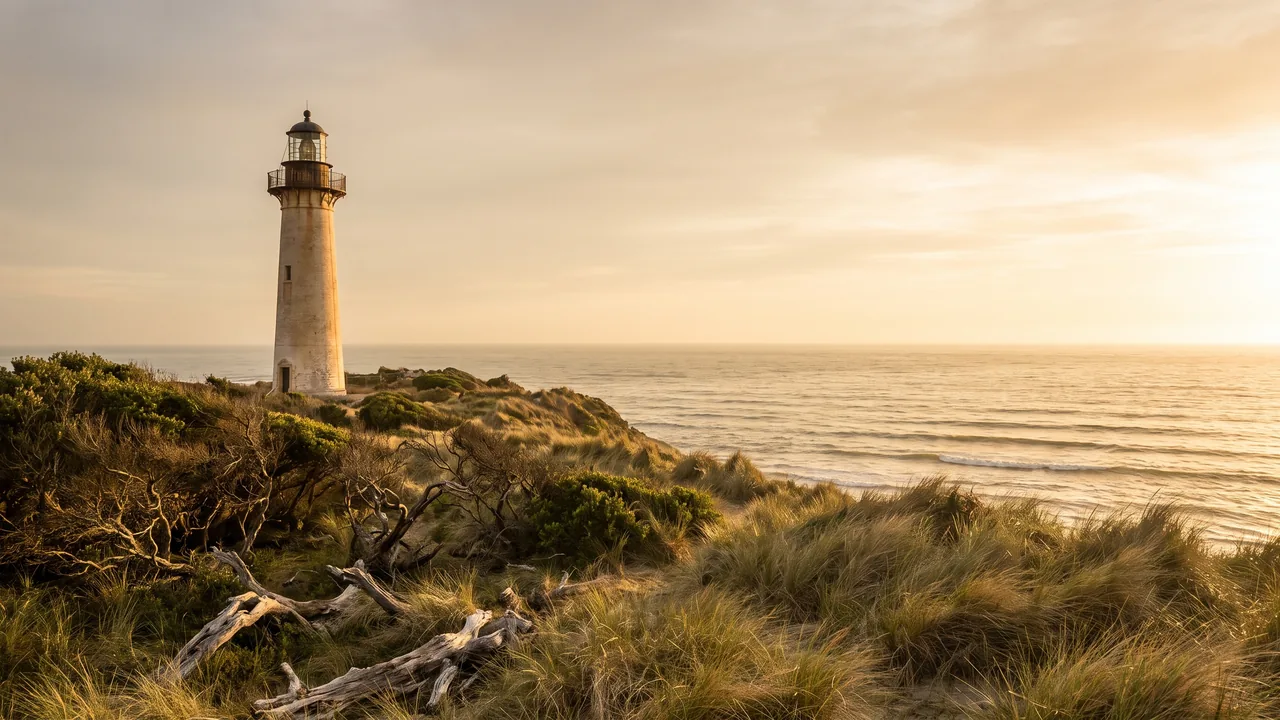
The Grave Lighthouse towers over the headland with its slender silhouette. Built in the mid-19th century and designated a historic monument, it does more than just guide ships: at its base, a museum houses collections from Cordouan as well as scale models of various lighthouses in the Gironde. It’s the ideal complement to an excursion to Cordouan—and the perfect Plan B on days when rough seas prevent boats from setting out. There, with the help of maps and artifacts, you’ll learn how people patiently marked one of the most treacherous river mouths on the Atlantic coast.
Has the Semaphore Always Stood Here?
Here is one of the most persistent misconceptions about this place. It’s easy to imagine that the Saint-Nicolas semaphore has always stood watch from the Pointe de Grave, unchanged. In reality, it has moved. The old semaphore tower stood on the Saint-Nicolas hill, set slightly back from the water; rebuilt in 1864, it was destroyed by German troops in 1943, during the Occupation. The semaphore we see today, however, dates from 1951 and now stands on Pointe de Grave itself. Same name, but two locations and two distinctly different structures: enough to confuse stories and postcards. Keeping this history in mind helps prevent people from mistaking the current semaphore for a venerable relic of the 19th century.
The American Memorial: Between Remembrance and Destruction
An American monument also stands on the headland, serving as a dual memorial: it commemorates both the landing of American troops in 1917 during World War I and Lafayette’s departure for America in 1777—two transatlantic crossings, a century and a half apart, in both directions. Here again, one must be cautious with archival images. The monument we see today is not the original. An imposing monument had been erected between 1926 and 1938 to celebrate this Franco-American friendship; but the Germans dynamited it in 1942. The current structure is a more understated stele rebuilt after the war, erected on the same historic site so that the memory would not fade along with the stones.
The Pointe de Grave, part of the Vélodyssée route
Pointe de Grave is a key stop on La Vélodyssée (EuroVelo 1): the route comes from the north via Royan and the ferry, then crosses the Médoc toward Soulac and the southern Atlantic coast. It is not the northern starting point of the French route, which connects Roscoff to Hendaye.
The ferry to Royan
The ferry carries vehicles, bicycles, and pedestrians between Le Verdon and Royan. The frequency of departures, scheduled travel times, capacity, and any service interruptions may vary depending on the schedule and operating conditions; please check the official schedule for the day before planning a connection. [Gironde Department, checked 24 July 2026]
The service is operated by the Gironde department, using two vessels named “La Gironde” and “L’Estuaire,” which take turns running throughout the day. On board, everything is welcome: cars, RVs, motorcycles, bicycles, and pedestrians—a cheerful mix of vacationers, locals, and cycling tourists. Notably, this ferry crosses a departmental border right in the middle of the water—you leave Gironde (33) and arrive in Charente-Maritime (17), moving instantly from the Médoc region to Saintonge without ever setting foot on land in between.
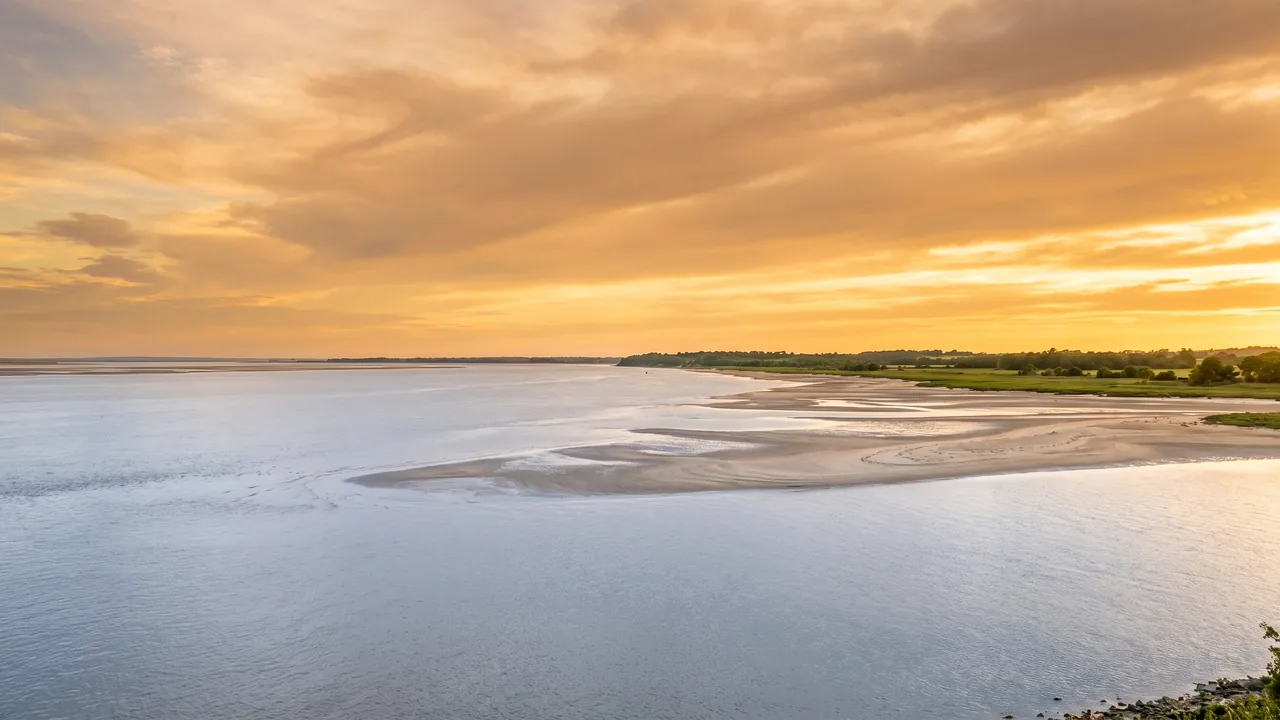
The ferry: a 100-kilometer shortcut
The ferry’s appeal isn’t just for tourists—far from it. For anyone wanting to get from the Médoc side to the Charente side, it offers a spectacular shortcut. Without it, you’d have to travel all the way up the Gironde estuary, go around Bordeaux, and then head back down the other side—an extra hundred kilometers or so and more than two hours of driving. In about twenty minutes, the ferry eliminates this detour and, to top it off, offers a mini-cruise on Western Europe’s largest estuary, with a view of Cordouan along the way. In fact, many visitors plan their day around these two banks: in the morning, they take a boat trip to Cordouan and explore the Verdon side of the estuary; in the afternoon, they take the ferry across to explore Royan, its Grande Conche, and its 1950s architecture. Two departments, two atmospheres, one day.
On the practical side, it’s best to check the daily schedules and peak times, especially in the summer, when lines of vehicles can get long near the ferry terminal. For pedestrians and cyclists, however, boarding is flexible and wait times are short. In any case, the crossing itself—standing on the deck facing the wind—is one of the highlights of a visit to the Verdon.
The Port and the Memory of the 20th Century
Le Verdon has long harboured ambitious plans for a major port, befitting its strategic location. Located right at the mouth of the estuary, the town offered ships a decisive advantage: they did not have to navigate the dozens of kilometers of winding and sometimes treacherous Gironde River to make a stop there. People began to envision Le Verdon as the “outer harbor of Bordeaux,” a quick docking point where large transatlantic liners would unload passengers and cargo before setting sail again. The ambition was not unreasonable, and it nearly came to fruition.
That dream took shape on July 22, 1933, with the inauguration of a transatlantic pier; the first ocean liner to dock there was the Champlain, a major event for this corner of the Médoc. But history proved cruel: the Germans dynamited the pier in 1944 as they retreated, and it was never rebuilt. The port then had to reinvent itself in a different way. A container terminal opened its docks in 1976, focused on modern freight, and then the Port Médoc marina, with its roughly 800 berths, was established in 2004, giving the Verdon a recreational marina from which shuttle boats now depart for Cordouan. From ocean liners to recreational sailboats, the port’s maritime heritage has never waned.
Was the submarine base located in Verdon?
No, and this is a surprisingly common misconception. The famous German submarine base in the region is not in Verdon-sur-Mer: it is located in Bordeaux, in the Bacalan neighborhood, dozens of kilometers upstream from the estuary. What you do find in Verdon, however, are Atlantic Wall bunkers, scattered throughout the dunes and along the ocean beaches, half-buried in the sand or toppled by erosion. These bunkers are part of another chapter of World War II—the systematic fortification of the Atlantic coastline—and have nothing to do with Bordeaux’s imposing submarine base. To confuse the two is to shift an entire chapter of history by some sixty kilometers.
The Médoc Pocket
The tip of the Médoc was also the scene of one of the final episodes of the Occupation in France. After the 1944 D-Day landings and the liberation of most of the country, German troops entrenched themselves in several pockets of resistance along the Atlantic coast. The tip of the Médoc thus formed the “Médoc pocket,” which the Germans defended fiercely, relying on the fortifications of the Atlantic Wall. They did not surrender until April 20, 1945, just a few days before Germany’s general surrender in Europe. The Verdon and its headland still bear, in their dunes dotted with bunkers, the traces of these late-stage battles, long after the rest of the country had returned to peace.
The Verdon Through the Ages
The administrative history of Le Verdon-sur-Mer is surprisingly recent, which stands in stark contrast to the long history of its larger neighbor, Cordouan. While most villages in the Médoc region date back to the Middle Ages, if not to antiquity, Le Verdon was for a long time nothing more than a modest hamlet under the jurisdiction of Soulac. The municipality was not established until 1874, when it was separated from Soulac-sur-Mer, and it was not until 1911 that a decree assigned it its current name, “Le Verdon-sur-Mer,” officially recognizing its maritime character in the official records. By the standards of French municipalities, it is practically a newcomer.
A history shaped by the sea and by wars
While the town itself is young, the area has a long and rich history. Since the 16th century, the fate of Le Verdon has been intertwined with that of Cordouan and the lighthouses tasked with marking the treacherous mouth of the Gironde, a graveyard for many ships. Then came the great port adventure, from the transatlantic pier built in 1933—which was intended to make Le Verdon the outer harbor of Bordeaux—to today’s terminals and marina. Finally, the 20th century left its scars here from the two world wars: the American monument commemorating 1917 and La Fayette, the blockhouses of the Atlantic Wall, and the Médoc pocket, which held out until April 1945. Few towns as small—and as young in administrative terms—concentrate such a rich history—lighthouses, ocean liners, and war—within just a few square kilometers of sand and pine trees.
Today, this youthful administrative character in no way detracts from the Verdon’s richness; on the contrary, it explains its unique character. Born of the sea, the town has never had an old medieval center or a feudal castle; its heritage lies in the estuary, the lighthouses, the port, and the fortified dunes. People don’t visit Le Verdon for its old town stones, but for this ongoing dialogue between land, water, and the history of the 20th century that played out here right to the very end. It is also here that the most common inaccuracies creep in—a relocated monument, a misplaced submarine base, a reconstructed semaphore—and sorting out what is verified from what is merely repeated is part of the pleasure of discovery.
Beaches and Nature
Le Verdon-sur-Mer has six beaches, spread out on either side of the headland, and this dual coastline is what makes them so diverse—to the point that you’re not really talking about the same thing depending on whether you’re on the estuary side or the ocean side. On one side, calm waters and family-friendly swimming; on the other, the raw power of the Atlantic and its dangers. Choosing the right beach in Le Verdon isn’t just a matter of comfort—it’s a matter of safety.
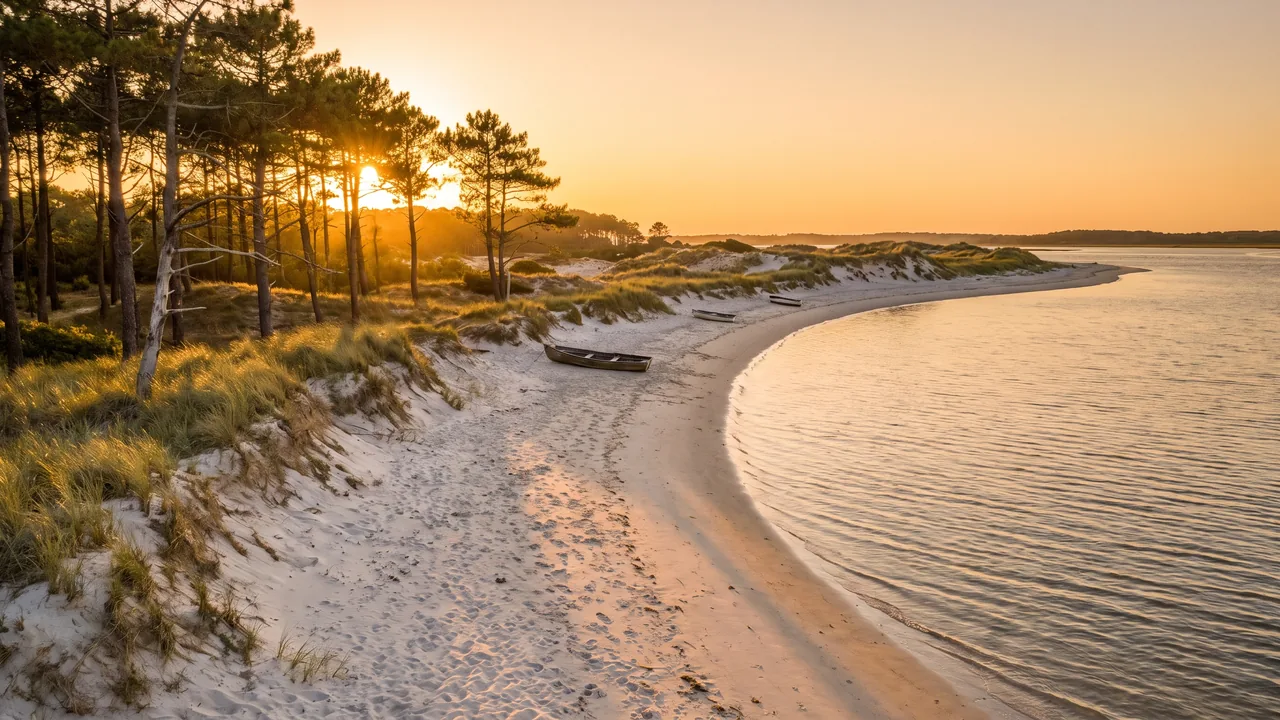
On the estuary side, Chambrette Beach is the most sheltered and the most welcoming. The waters here are calmer, the slope gentle, and the atmosphere decidedly family-friendly; you can enjoy an almost mirror-smooth stretch of water while, just a few hundred meters away, the ocean rages on the other side of the headland. It’s the perfect spot for peaceful swims, sandcastles, and sunsets that set the estuary ablaze—a serene, almost intimate setting, sheltered from the Atlantic’s heavy swells.
Can You Swim Anywhere in Le Verdon?
The answer is clearly no, and this is the key point to watch out for in the Verdon. Saint-Nicolas Beach and the true ocean beaches—Arros Beach, Cantines Beach, Maison de Grave Beach, and Claire Beach—open directly onto the Atlantic, and there, everything changes. These ocean beaches are not lifeguarded and are exposed to rip currents—those treacherous currents that form between sandbars and can drag a swimmer out to sea in a matter of seconds, even when the sea appears calm. The rule is simple and non-negotiable: on the ocean side, exercise the utmost caution; keep a very close eye on children; never swim alone; and stay out of the water whenever the sea is rough. On the estuary side, at La Chambrette, swimming is much calmer, but nothing can replace vigilance. On the ocean side, it’s often better to simply admire the view than to jump into the water.
Beyond the beaches, the town offers a remarkably well-preserved natural setting: long stretches of dunes held in place by beach grass, a fragrant maritime pine forest, and sandy trails that wind from one shore to the other. It’s an ideal playground for hiking and biking—the Vélodyssée bike route actually crosses the headland—far from the concrete and hustle and bustle of the large seaside resorts. The Verdon boasts a wild, luminous landscape that feels like the end of the world, as captivating as its monuments.
What to Do in Verdon-sur-Mer?
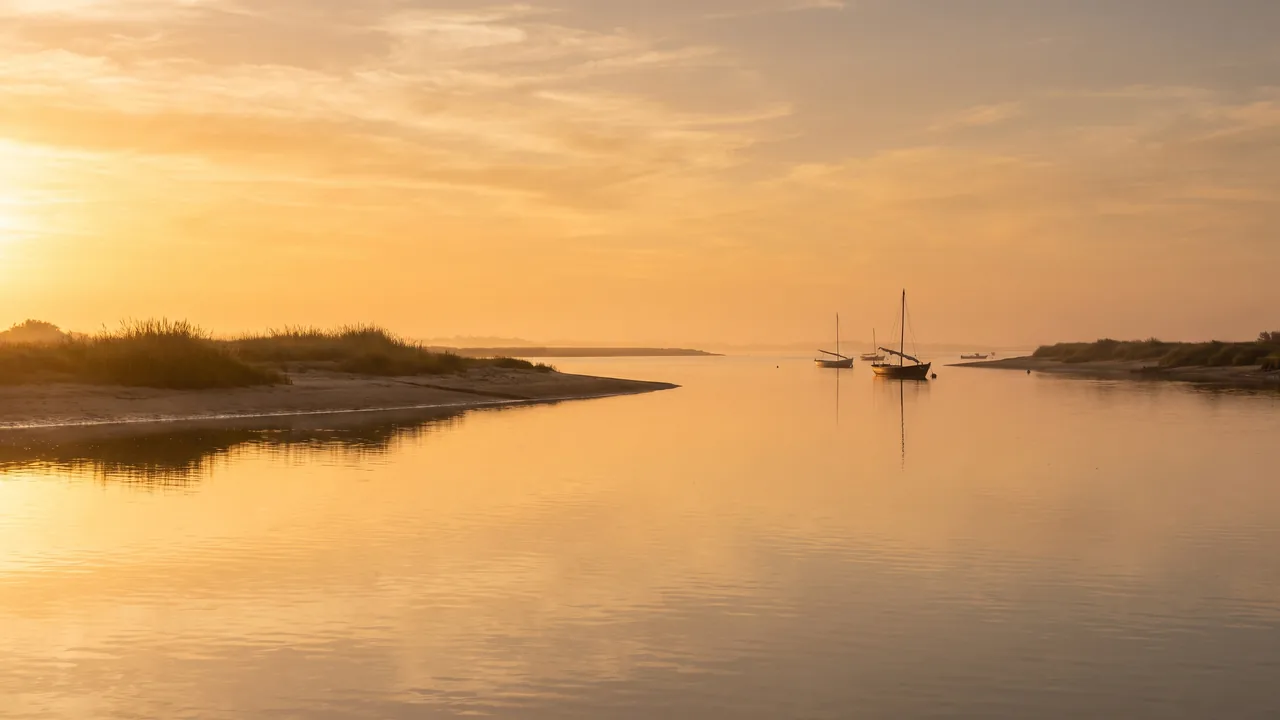
In Verdon-sur-Mer, you can fill an entire day without ever getting bored, as long as you plan around the tides and the ferry schedule. The highlight of the trip is the excursion to Cordouan: you board a shuttle boat at Port Médoc, walk to the lighthouse across the sandbar at low tide, and climb up to the lantern. But the Pointe de Grave alone is worth a good half-day, between the Grave Lighthouse Museum, the American memorial, and the panoramic view of the estuary. Cyclists continue along La Vélodyssée between Royan, the ferry, and the Médoc; families prefer the sheltered beach at La Chambrette, on the estuary side; curious visitors take the ferry to explore Royan on the opposite bank. And when evening falls, the sunset over the estuary, viewed from the Pointe, offers a finale that few coastal spots can match.
- Set out for the Cordouan Lighthouse: shuttle from Port Médoc (Le Verdon), accessible on foot at low tide, tour of the chapel, and climb to the lantern, weather permitting.
- Explore the Pointe de Grave: the Grave Lighthouse and its museum (Cordouan collections, scale models of the Gironde lighthouses), the American Memorial, and the panoramic view of Royan and Cordouan.
- Take the ferry across the estuary to Royan: check the estimated travel time and today's schedule before heading to the Côte de Beauté on the other side.
- Continuing the Vélodyssée through the Médoc: the route comes from the north via Royan and the ferry, then continues toward Soulac and the southern Atlantic coast.
- Go swimming at La Chambrette Beach, on the estuary side, where the waters are calmer and safer than those of the ocean.
- Take the little tourist train at the tip to easily travel between the sites.
- Watch the sunset over the estuary from the Pointe du Médoc, one of the most beautiful spots on the Gironde coast.
| Activity | Good to Know |
|---|---|
| Cordouan Lighthouse | By reservation from Port Médoc, depending on the tide, weather, and landing conditions |
| Pointe de Grave & Museum | Grave Lighthouse (Historic Monument), Cordouan Collections, American Monument |
| Ferry to Royan | Check schedules, duration, and routes on the day of departure · cars, bicycles, pedestrians |
| Vélodyssée | A key stop along the route between Royan, the ferry, Soulac, and the southern Médoc |
| La Chambrette Beach | On the estuary side, calm waters (unsupervised ocean beaches; beware of rip currents) |
| Sunset | From the headland, looking out over the estuary |
A safety reminder is in order to conclude this list: the ocean beaches of Le Verdon are not lifeguarded and are prone to rip currents. Therefore, swimming—especially for children—should be limited to the gentler estuary side, while the ocean side is best left for simply taking in the view. With proper planning around the tides, a single day in the Verdon is enough to take in Cordouan, the headland, the ferry, and a memorable sunset.
Around Verdon-sur-Mer
Le Verdon-sur-Mer isn’t a remote backwater at the end of the world, but rather an ideal base from which to explore—the tip of the Médoc on one side, and, thanks to the magic of the ferry, the Charente shore on the other. Three destinations, in particular, stand out for a getaway to Le Verdon.
Just about ten kilometers to the south, Soulac-sur-Mer boasts a row of charming Belle Époque villas and the Notre-Dame-de-la-Fin-des-Terres Basilica, which is also listed as a UNESCO World Heritage Site as part of the Routes of Santiago de Compostela. On the other side of the estuary, just a ferry ride away, Royan marks the beginning of the Côte de Beauté and its striking 1950s architecture, which was entirely rebuilt after the destruction of the war. Finally, heading back inland, Lesparre-Médoc and the entire Médoc wine region—with its grands crus classés, châteaux, and wine route—are just a short drive away.
What's there to see on the other side of the ferry?
Taking the ferry from Pointe de Grave means crossing into a different department and experiencing a whole new atmosphere in about twenty minutes. Royan, on the opposite shore, is the gateway to the Côte de Beauté: its Grande Conche, its shell-shaped covered market, its concrete Notre-Dame Church, and its 1950s seaside urban design make it an architectural curiosity in its own right. From there, Charente-Maritime unfolds with its resorts, oyster-farming ports, and islands. The ferry thus makes Le Verdon an ideal hub between the wine-growing Médoc and the Saintonge coastline—two destinations that can easily be combined in a single day.
To extend your visit, check out our detailed guides to Soulac-sur-Mer, Royan, and the Médoc—three natural extensions of a day spent at the tip of the peninsula.
| Destination | From Le Verdon | Interest |
|---|---|---|
| Soulac-sur-Mer | ~9 km | UNESCO-listed basilica, Belle Époque villas |
| Royan | ~6 km across the estuary (ferry) | Côte de Beauté, 1950s architecture |
| Lesparre-Médoc | ~36 km | Gateway to the Médoc vineyards |
| Pointe de Grave | a few minutes | Lighthouses, museum, cycling along the Vélodyssée |
| Bordeaux | ~98 km · ~1 hr 42 min | Regional capital, airport |
How to get to Le Verdon-sur-Mer from Bordeaux
Le Verdon-sur-Mer is located 98 kilometers from Bordeaux, which is about 1 hour and 42 minutes via the N215. The route travels up the Médoc through Lesparre-Médoc before reaching Pointe de Grave. The fixed-rate transfer starts at €189 for one to three people, with drop-off in the town center, at Port Médoc, or at the pier.
How much does the trip from Bordeaux cost?
The transfer from Bordeaux to Le Verdon-sur-Mer starts at €189 during the day, for a sedan carrying 1 to 3 passengers. The fare is fixed and confirmed in writing before departure: no meter running, no unpleasant surprises upon arrival, and a price that stays the same even if traffic slows down on the drive up through the Médoc. A surcharge applies at night, on weekends, and on holidays; for groups of five or more passengers, a van will naturally replace the sedan. Nearby trips—to Soulac, for example—as well as transfers from Bordeaux-Mérignac Airport are priced on a quote basis, following the exact same fixed-price model announced in advance.
| Route | Distance / Duration | Starting at |
|---|---|---|
| Bordeaux → Le Verdon-sur-Mer | ~98 km · ~1 hr 42 min | starting at 189 € |
| Bordeaux-Mérignac Airport → Le Verdon | ~105 km | based on a quote |
| The Verdon → Soulac-sur-Mer | ~9 km | based on a quote |
| Bordeaux → Soulac-sur-Mer | ~90 km | based on a quote |
| Back to Le Verdon → Bordeaux | ~98 km · ~1 hr 42 min | based on a quote |
Why choose a private chauffeur for Le Verdon?
The trip to the Verdon presents a number of logistical challenges: a 1-hour-42-minute drive each way—more than three hours of driving in a single day—plus the ferry crossing, boarding the boat to Cordouan, and a schedule entirely dictated by the tides. Leaving the driving to a professional transport service means arriving at the tip fresh and rested, not having to worry about the last ferry’s departure time or scrambling to find parking in Port Médoc, and being able to fully enjoy the sunset over the estuary before being driven back to Bordeaux in comfort. Since the price is set in advance and confirmed in writing, the entire planning process boils down to a single question: What time do we leave?
Frequently Asked Questions
Where is Le Verdon-sur-Mer located?
Le Verdon-sur-Mer is located at the northernmost tip of the Médoc region in Gironde, where the Gironde Estuary meets the Atlantic Ocean. The town forms a triangular peninsula whose tip is Pointe de Grave, facing Royan. It falls under INSEE code 33544 and is part of the Médoc Atlantique Community of Communes. From Bordeaux, you must travel the entire length of the Médoc, a distance of about 98 kilometers and a 1-hour, 42-minute drive. This is the very tip of the Gironde region, off which stands the Cordouan Lighthouse.
How much does it cost to travel from Bordeaux to Le Verdon-sur-Mer with a chauffeur service?
Private transfers from Bordeaux to Le Verdon-sur-Mer start at €189 during the day for a sedan carrying 1 to 3 passengers. The fare is fixed and confirmed in writing before departure; no meter is used. A surcharge applies at night, on weekends, and on holidays; for groups of five or more passengers, a van is provided. The trip is approximately 98 kilometers and takes 1 hour and 42 minutes. Nearby routes—to Soulac or from Bordeaux-Mérignac Airport—are priced based on a quote, following the same fixed-rate and transparent pricing model.
How can I visit the Cordouan Lighthouse?
The tour requires a reservation with an authorized operator and is subject to tide, weather, and landing conditions; please check which departures are available on your chosen day.
Is the Cordouan Lighthouse in Gironde or Charente-Maritime?
The Cordouan Lighthouse is part of the municipality of Verdon-sur-Mer, in Gironde (33), although it can also be reached by boat from Royan, in Charente-Maritime. It stands about 7 kilometers offshore, on a plateau situated exactly at the boundary between the estuary and the ocean. This connection to Gironde often comes as a surprise, since the Charente coast seems just as close. Administratively, however, Cordouan is indeed part of Verdon-sur-Mer—and thus part of Gironde—which makes it a jewel of the Médoc’s cultural heritage.
Who built the Cordouan Lighthouse?
The Cordouan Lighthouse was built between 1584 and 1611 under the direction of architect Louis de Foix. He devoted eighteen years to this extraordinary project, set amid the treacherous waters of the river mouth, and spent most of his fortune on it. Louis de Foix died in 1602, before he could see his work completed: the lighthouse was not finished until after his death. Standing approximately 67.5 meters tall, Cordouan is today the oldest lighthouse in France still in operation.
Why is Cordouan listed as a UNESCO World Heritage Site?
Cordouan was inscribed on the UNESCO World Heritage List on July 24, 2021. This recognition crowns a unique monument: it is not merely a lighthouse, but a veritable palace of the seas, nicknamed “the Versailles of the Sea” and “the King of Lighthouses.” It houses a consecrated chapel and royal apartments. Cordouan had already been designated a Historic Monument since 1862, making it the oldest listed lighthouse in France. Its age, architecture, and maritime role justify this dual distinction.
How does the ferry service between Le Verdon and Royan work?
The ferry carries vehicles, bicycles, and pedestrians between Le Verdon and Royan. The frequency of service, scheduled travel times, capacity, and any service interruptions may vary depending on the schedule and operating conditions; please check the official schedule for the day before planning a connection.
What is Pointe de Grave?
The Pointe de Grave is the northernmost tip of the Médoc, where the Gironde region gives way to the estuary and the ocean. Here stands the Grave Lighthouse, dating from the mid-19th century; at its base is a museum featuring collections relating to Cordouan and scale models of the Gironde’s lighthouses, an American monument, and the Saint-Nicolas semaphore station. It is also a key stop on the Vélodyssée bike route between Royan, the ferry, and the Médoc. From the point, the view takes in Royan on the opposite bank and, offshore, the silhouette of the Cordouan Lighthouse.
Is the semaphore tower at Pointe de Grave the original one?
No, and this is a common source of confusion. The Saint-Nicolas semaphore station has changed locations. The original stood on the Saint-Nicolas hill, set back from the shore; rebuilt in 1864, it was destroyed by German troops in 1943. The semaphore tower we see today at Pointe de Grave is a different structure, built in 1951. Same name, but two distinct buildings in two different locations. Similarly, the current American monument is a postwar memorial: the original monument, erected between 1926 and 1938, was blown up in 1942.
Was the German Submarine Base in Le Verdon?
No. The famous German submarine base in the region is located in Bordeaux, in the Bacalan neighborhood, and not in Verdon-sur-Mer. What you’ll find in Verdon are Atlantic Wall bunkers, scattered throughout the dunes and along the Atlantic beaches. The confusion is common, but the two are distinct. The tip of the Médoc was also one of the last pockets of the Occupation: German troops, entrenched in the “Médoc pocket,” did not surrender until April 20, 1945.
Can you go swimming in Verdon-sur-Mer?
It depends on the location. On the estuary side, Chambrette Beach offers calm waters and a safer, family-friendly swimming spot. On the ocean side, however, Saint-Nicolas Beach and the beaches of Les Arros, Les Cantines, Maison de Grave, and La Claire are not lifeguard-patrolled and are prone to rip currents—dangerous currents that can pull swimmers out to sea. Caution is therefore advised on the ocean side, especially when swimming with children or in rough seas. For a peaceful swim, choose La Chambrette.
How does the Vélodyssée route cross the Pointe de Grave?
Pointe de Grave is a key stop on La Vélodyssée (EuroVelo 1): the route arrives from the north via Royan and the ferry, then crosses the Médoc toward Soulac and the southern Atlantic coast. It is not the northern starting point of the French route, which connects Roscoff to Hendaye.
How many residents are there in Le Verdon-sur-Mer?
Le Verdon-sur-Mer had a population of 1,408 according to the 2023 INSEE census, an increase of about 5.5% since 2017. Its residents are known as Verdonnais and Verdonnaises. It is a small coastal town, covering 17.09 km², whose population swells in the summer with the influx of visitors drawn to Cordouan, the ferry, the beaches, and the Vélodyssée. The rest of the year, Le Verdon returns to its character as a quiet port town, facing the estuary and the ocean.
Further Reading
- View the transfer from Bordeaux to Le Verdon — fixed-price quote, confirmed in writing, starting at €189.
- All our destinations departing from Bordeaux—the Médoc, Arcachon Bay, the Charentes, and beyond.
- Soulac-sur-Mer — the UNESCO-listed basilica and Belle Époque villas, 9 km away.
- Royan — the Côte de Beauté and 1950s architecture, on the other side of the ferry.
- Médoc — Grand Crus, appellations, and the wine route.
Sources and References
- Médoc Atlantique Tourist Office — Le Verdon, Pointe de Grave, and the beaches
- UNESCO — Cordouan Lighthouse — World Heritage listing
- Gironde Department — Le Verdon–Royan Ferry — Schedules and Operational Information
- Cordouan Lighthouse — Official Website — Tours and Access Information
- INSEE — 2023 reference population for Verdon-sur-Mer — municipal population
- The Vélodyssée — Official Website — Atlantic Cycling Route
- Ministry of Culture, POP — Cordouan Lighthouse — History and Heritage Preservation
- Port Adhoc — Port Médoc — Verdon-sur-Mer Marina
- SNCF Connect — Verdon Station — Train Access
Article published on .
On the Way to the End of the Médoc
Direct transfer from Bordeaux (~1 hr 42 min) to Pointe de Grave and the Cordouan pier. Fixed-price quote in writing, with no obligation.