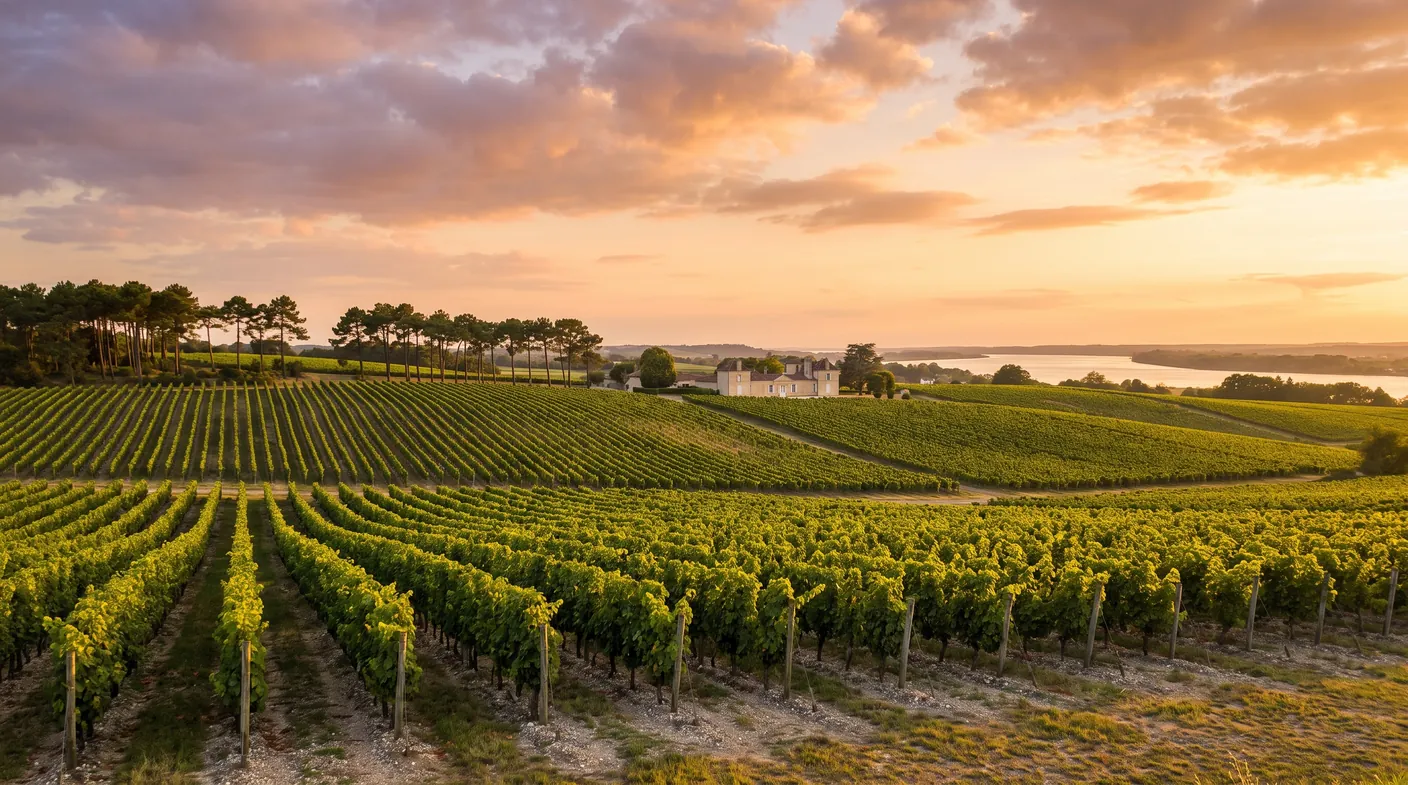
Private driver from Bordeaux to Moulis-en-Médoc: vineyards and Romanesque heritage
One of the six municipal appellations in the Médoc, off the Route des Châteaux. Chasse-Spleen, Poujeaux, Maucaillou, and the Saint-Saturnin Church make up a wine and heritage destination about 46 minutes from Bordeaux.
Moulis-en-Médoc at a glance
Moulis-en-Médoc is one of the six municipal appellations in the Médoc [INAO]. A property’s status in the Crus Bourgeois classification must be verified in the current edition [2025 classification]. The Saint-Saturnin Church has been classified as a historic monument since 1846 [POP]. From Bordeaux, the distances and travel times are 35 km, 46 minutes, and 78 €.
Moulis feels like a secret the Médoc keeps for its connoisseurs. Alongside the big stars of the left bank—Margaux to the south, Pauillac and Saint-Julien further north—the appellation plays a modest role in terms of area but is rich in quality. Here are the essential facts to know before you go.
What sets Moulis apart is precisely what it lacks: no classified growths, no waterfront along the estuary, and no procession of tour buses lined up outside the gates. What it does have, however, fits into the palm of your hand and is well worth the trip—a core of top-tier “crus bourgeois,” a renowned gravel terroir, and a Romanesque church that ranks among the most venerable in the Médoc. This is an appellation for those who enjoy exploring, comparing, and taking their time, rather than simply checking off famous names. The rest of this guide provides details on the appellation, the village, and its heritage, all of which justify this little detour inland.
| Landmark | Details |
|---|---|
| Department | Gironde (33) · Nouvelle-Aquitaine · Médoc |
| Status | Wine-growing town · Lesparre-Médoc district · Médullienne Community of Communes |
| Population | ≈ 1,962 residents (INSEE 2023) · Residents of Moulis |
| Must-Sees | The Moulis AOC · the Crus Bourgeois · the Romanesque Church of Saint-Saturnin |
| From Bordeaux | ≈ 35 km · ~46 min · starting at €78 |
Where is Moulis-en-Médoc located?
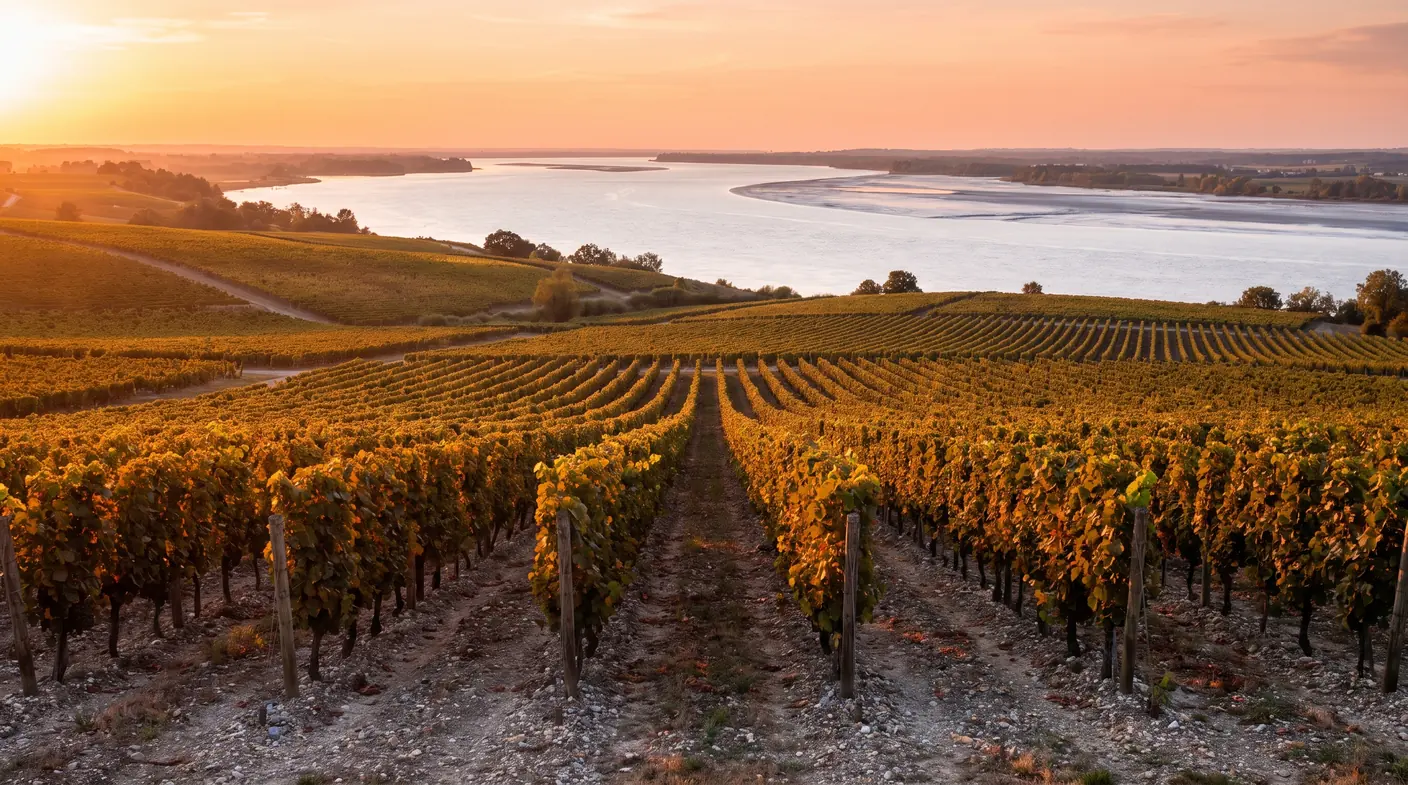
Moulis-en-Médoc is a town in the Médoc, that long wine-growing peninsula stretching from the Gironde estuary in the east to the Landes Forest in the west. However, unlike most of the region’s big names, Moulis does not border the estuary: the village lies inland, set back from the water, on a modest hill that the locals call a “poujeau.” From this promontory, the village overlooks the Jalle de Tiquetorte, one of the small streams that drain the Médoc vineyards and punctuate the landscape.
Administratively, the municipality has the INSEE code 33297 and the ZIP code 33480, and covers an area of 20.56 km². It belongs to the Lesparre-Médoc district, the Sud-Médoc canton, and the Médullienne community of municipalities, which brings together several villages in this central Médoc region. It is a region of vineyards, pine forests, and scattered hamlets, where settlements cluster around the village center and its church rather than along a single main road.
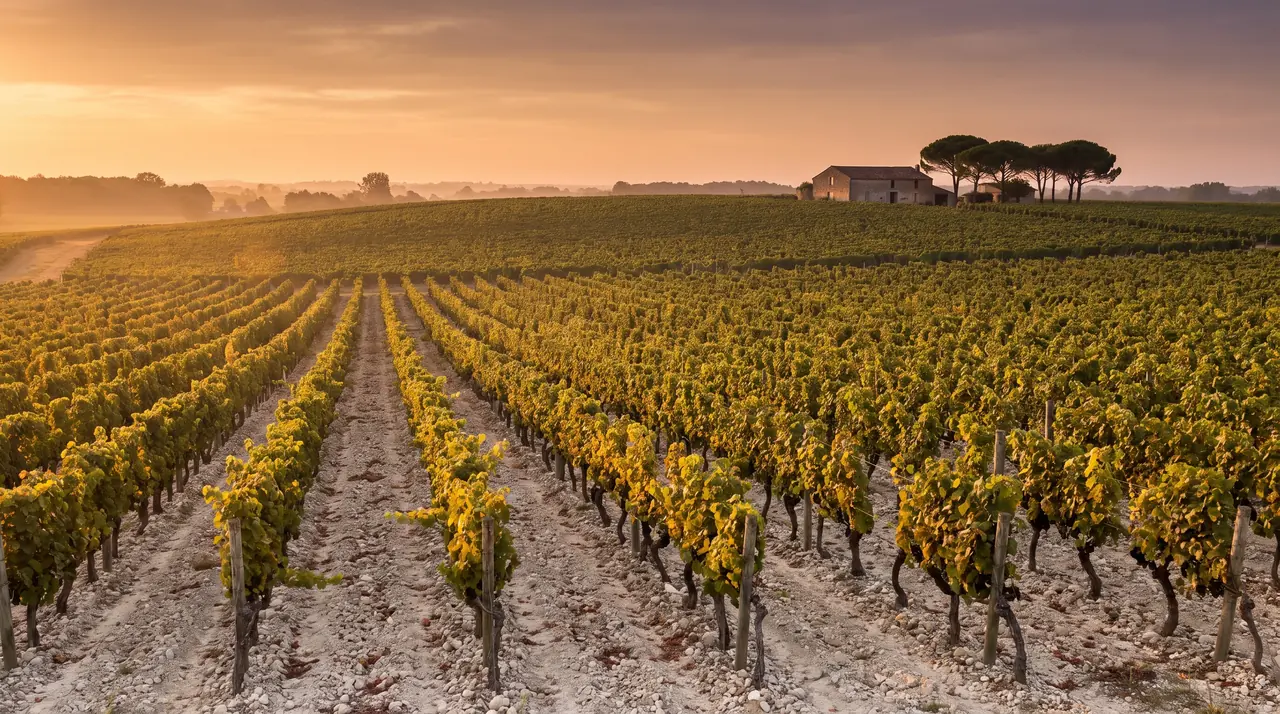
One misconception deserves to be corrected, as it is often misrepresented: Moulis is not “due west” of Margaux, but rather to the northwest of it. The appellation is located roughly halfway between Margaux and Saint-Julien, slightly set back inland, which explains why it lies off the Route des Châteaux—the D2 departmental road that runs along the estuary’s bank, passing by the classified growths. This slightly set-back location is no minor detail: it is what has preserved the village’s tranquility and requires a slight detour to come here for a tasting.
The landscape reflects this unique geography. Here, there are no views of the water or long, open vistas of the Gironde River as there are in Pauillac: Moulis is a land of gentle rolling hills, where gravelly hilltops alternate with pockets of pine forests and quiet streams. The village itself is clustered around its church, a silhouette of light-colored stone that can be spotted from afar across the countryside. This inland feel—almost like a bocage in places—is what gives the area its charm and clearly sets it apart from the more open and busier estuary-side appellations.
Is Moulis-en-Médoc on the Route des Châteaux?
No, and it’s a unique feature worth knowing about. The Route des Châteaux, the D2, runs along the estuary and takes you to Margaux, Saint-Julien, Pauillac, and Saint-Estèphe without ever really leaving the road. Moulis, on the other hand, is reached by heading inland along the narrower roads of the Médoc hinterland. As a result, you don’t “stumble upon” Moulis by chance while visiting the grand châteaux; you have to make a point of going there. This distance from the tourist crowds is what gives the appellation its charm, and explains why tastings there are often held in a tranquility that the towns along the estuary have lost.
How far is it from Bordeaux?
From downtown Bordeaux, the navigation system estimates a 35-kilometer, 46-minute drive. Actual travel time may vary depending on traffic as you leave the metropolitan area, but the fare displayed will remain the same as the one quoted at the time of booking. Moulis is just a short hour’s drive away and is easy to combine with visits to neighboring wine regions.
| From Moulis-en-Médoc | Approximate distance |
|---|---|
| Listrac-Médoc | ≈ 3 km |
| Margaux | ≈ 12 km |
| Pauillac | ≈ 20 km |
| Bordeaux (downtown) | ≈ 35 km · ~46 min |
These figures show just how close Moulis is to its neighbors: Listrac is barely three kilometers away, Margaux is a quarter of an hour away, and all of the Left Bank’s classified growths are within a comfortable radius for a well-organized day of wine tasting.
How many people live in Moulis-en-Médoc?
Moulis-en-Médoc is a village in the truest sense of the word. The town had approximately 1,962 residents according to the latest INSEE census (2023 population), a figure that places it among the small rural towns of the central Médoc, far from urban population centers. Its residents are known as Moulisiens and Moulisiennes, a name that, like that of the wine appellation, has its roots in the history of medieval mills.
What is striking, for a village of this size, is the recent population growth: the population has increased by about 7% since 2017. This growth, modest in absolute terms, reflects a broader trend throughout the Médoc region near Bordeaux—families seeking the lifestyle of a wine-growing countryside while remaining within a reasonable distance from the city and its job market. Moulis is benefiting from this without losing its rural character: no oversized housing developments, no drastic changes to the landscape, but rather a network of homes and estates that is gradually expanding.
Within the Médoc region, this size sets Moulis apart: too small for crowds, yet populous enough to be a year-round community. The contrast is striking compared to some neighboring appellations where the wine’s name almost overshadows that of the village. Here, the wine and the village move in step: most residents are connected, directly or indirectly, to vineyard work or rural life, and you’ll see just as many tractors as you do visitors’ cars. For those who come to taste the wine, this human touch makes all the difference: you’re not visiting a scenic spot, but a village that’s hard at work.
| Indicator | Value |
|---|---|
| Population (INSEE 2023) | ≈ 1,962 residents |
| Changes Since 2017 | ≈ +7 % |
| Demonym | Residents of Moulis |
| Area | 20.56 km² |
| Intermunicipal Cooperation | Medullary CC |
Is Moulis-en-Médoc gaining residents?
Yes, at a steady pace. The increase of about 7% between 2017 and the most recent census confirms that Moulis is attracting new residents, without, however, experiencing a level of growth that would alter the village’s character. This gradual growth can be attributed to the town’s location: close enough to Bordeaux for a manageable daily commute, yet far enough away to offer the tranquility of vineyards and pine forests. For visitors, this means a village that’s lively year-round, with its active wineries and village life, rather than a wine-growing setting that’s static during the tourist season.
Where does the name "Moulis" come from?
The name Moulis is intriguing, and the most commonly cited explanation for its origin is also the most telling: it is said to derive from the word “moulin” (mill). The medieval Médoc was indeed dotted with grain mills—powered by wind or water—that supplied Bordeaux and its region with flour. The village, built on high ground along the Jalle River, is said to have taken its name from these mills. This hypothesis—which is appealing and consistent with the landscape—must nevertheless be treated with caution: place names from this era rarely lend themselves to absolute certainty.
This connection to mills was by no means trivial in the Médoc of yesteryear. Before vineyards became the dominant crop, this region’s economy was more diverse, and milling played a significant role: grain was shipped down to Bordeaux, a major port and a city with a large population to feed. The fact that the village has retained its name speaks volumes about this pre-vineyard past. It’s a useful reminder as we travel through today’s Médoc, which is entirely focused on grapes: beneath the rows of vines lies an older and more diverse agricultural history, traces of which Moulis still bears—even in its name.
It’s worth making a useful distinction right from the start, as this is often a source of confusion. “Moulis-en-Médoc” is the official name of the municipality. “Moulis,” on its own, generally refers to the wine appellation—which, incidentally, can also be written as “Moulis-en-Médoc” on labels. In other words, the village and the AOC share the same root and, at times, the same spelling, but do not cover exactly the same area: the appellation’s territory is not strictly limited to the municipal boundaries. Keeping this distinction in mind helps avoid many misunderstandings when reading a wine list or a road map.
Should we say "Moulis" or "Moulis-en-Médoc"?
Both are used, depending on the context. For the municipality, administrative and postal usage favors “Moulis-en-Médoc,” which distinguishes it from other places with the same name elsewhere in France. When it comes to wine, enthusiasts often say “a Moulis,” just as one might say “a Margaux” or “a Listrac.” On bottles, you’ll find either name; both are recognized for the appellation. In practice, just remember that “Moulis” and “Moulis-en-Médoc” refer to the same terroir: it’s the context—whether it’s the village or the glass—that sets the tone.
The Moulis AOC, the smallest in the Médoc
The Moulis AOC—which is also sometimes spelled “Moulis-en-Médoc”—is one of the six communal appellations in the Médoc, alongside Margaux, Listrac-Médoc, Saint-Julien, Pauillac, and Saint-Estèphe. It was officially recognized by a decree dated May 14, 1938, and produces exclusively red wines. As is the case throughout the Médoc, no white wines are produced under the communal appellation here: the color of the wine is red, made from classic Bordeaux grape varieties.
Moulis, or Moulis-en-Médoc, is one of the six municipal appellations in the Médoc, officially recognized in 1938. The National Institute for Origin and Quality describes its production area, profile, and specifications [official source].
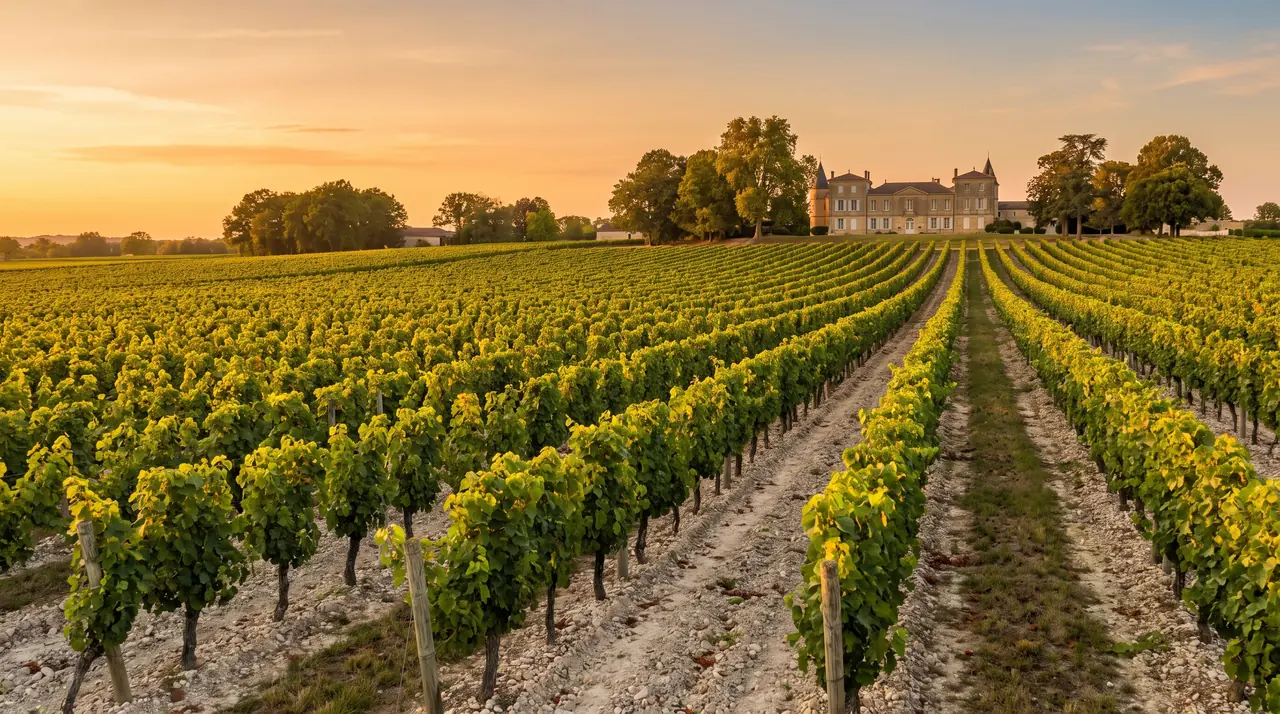
In terms of grape varieties, Cabernet Sauvignon and Merlot dominate the vineyard, complemented by the typical blends of the Left Bank. The former provides tannic structure and aging potential, while the latter contributes roundness and fruit; their balance varies from one estate to another depending on the terroir. For the terroir, specifically, is more varied here than elsewhere: Moulis features a mix of Günzian gravel ridges—these mounds of pebbles and gravel deposited by ancient rivers—and clay-limestone soils. The most famous of these ridges, Grand Poujeaux, is home to several estates within the appellation.
This mosaic of soil types gives Moulis a unique identity: on the gravel soils, structured reds built for aging, in the spirit of the great Médoc wines; on the clay soils, more supple and generous wines. Many estates make the most of both, blending plots to create their signature style. It is this diversity of terroir—within such a small appellation—that explains Moulis’s reputation for quality.
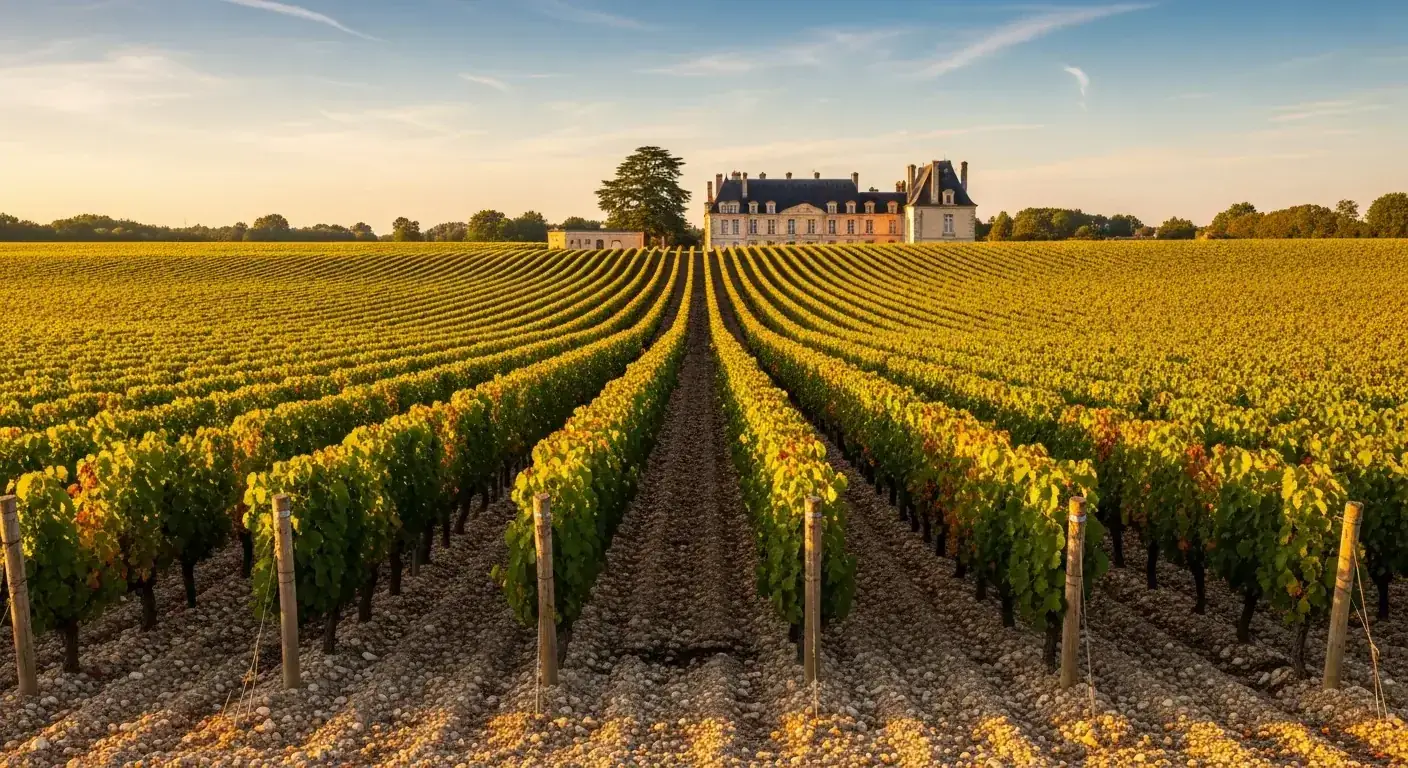
The Grand Poujeaux hillside is well worth a closer look, as it is the heart of the appellation in terms of quality. These gravelly hills, composed of rounded pebbles and gravel deposited during the Quaternary period, provide the vines with poor, well-drained soil: the roots dig deep in search of water, and the grapes ripen slowly, protected from excessive vigor. This is the very essence of the great Médoc terroirs—the factor that distinguishes a decent wine from one with aging potential. In Moulis, this hilltop is home to several of the most renowned estates, as if nature had designated, within just a few hectares, the appellation’s finest location.
What sets a Moulis apart?
A Moulis can often be recognized by its backbone: firm yet ripe tannins, a distinct Médoc structure, and an aging potential that is surprising given its lack of a prestigious classification. The best examples, from the gravel soils of Grand Poujeaux, age with nobility and gain complexity over several years. It is a wine that lacks the fame of its classified neighbors but, in the glass, often outperforms its label. For the wine lover, it offers one of the best value-for-money experiences in the Médoc.
Why are there no classified growths in Moulis?
Because the famous 1855 classification, established for the Paris World’s Fair, did not include any châteaux from Moulis—nor from neighboring Listrac. This is not a judgment on the current quality of the wines, but rather a snapshot of the commercial landscape in the mid-19th century, which has remained unchanged ever since. In Moulis, recognition has therefore been built through a different path: that of the crus bourgeois, a hierarchy unique to the Médoc that exists outside the framework of the 1855 classification. This is precisely what makes the appellation so appealing: here, it is the crus bourgeois that carry the torch, sometimes even rivaling the classified growths.
Do Moulis wines keep well for a long time?
The best, yes, and that’s one of their most surprising qualities. Produced from the Grand Poujeaux vineyards and dominated by Cabernet Sauvignon, the great Moulis wines possess the tannic structure and freshness necessary for long-term aging, much like the most renowned Médoc wines. After a few years in the cellar, their structure softens, the fruit develops depth, and complexity emerges. Not all Moulis wines are suited for very long aging—some, more supple, are best enjoyed in their youth—but the flagship wines of leading Crus Bourgeois estates can easily be cellared for a decade or more, which further blurs the line between them and the classified wines.
Chasse-Spleen, Poujeaux, Maucaillou
While Moulis has no classified growths, it boasts a trio of “crus bourgeois” whose reputation extends far beyond the borders of this small appellation. Three names inevitably come up whenever Moulis is mentioned: Chasse-Spleen, Poujeaux, and Maucaillou. These are the wines that draw wine lovers inland, far from the Route des Châteaux.
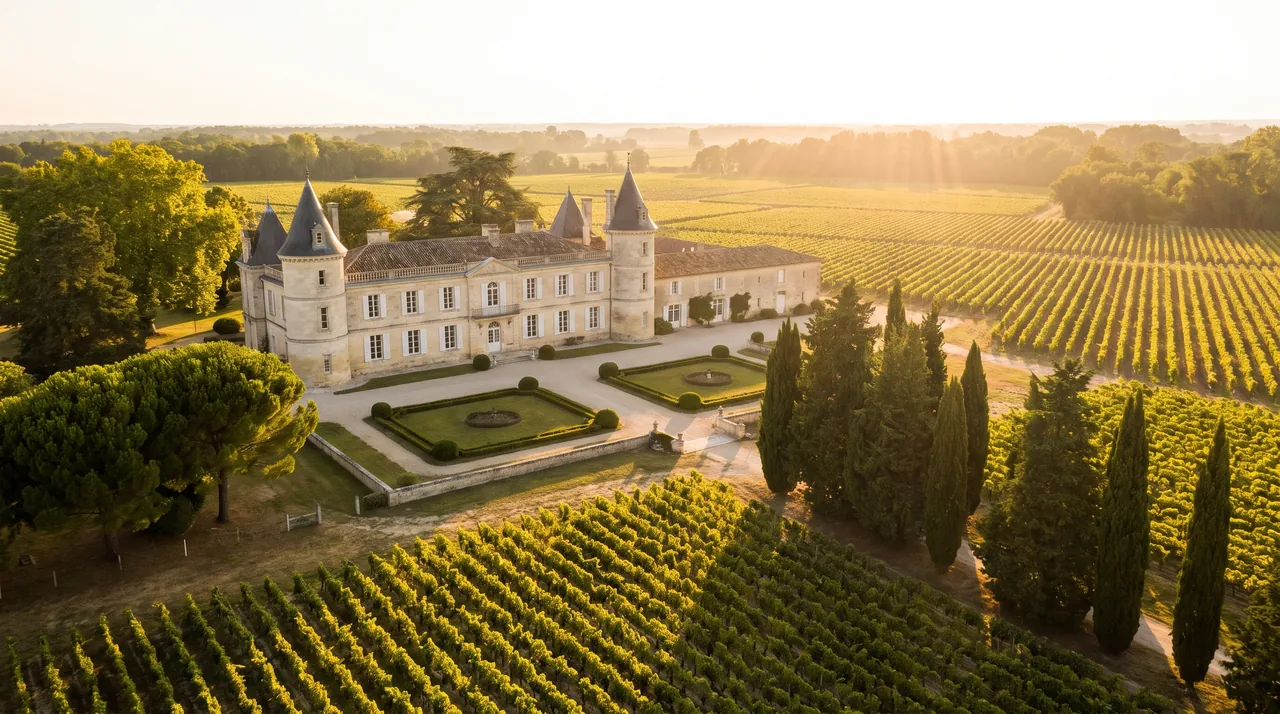
Château Chasse-Spleen is one of the best-known names in the appellation. Its potential status within the hierarchy of Crus Bourgeois must be verified in the current edition: the 2025 classification by the Alliance des Crus Bourgeois du Médoc covers the vintages from 2023 to 2027.
Where does the name “Chasse-Spleen” come from?
This is a question that calls for caution, as it involves a legend—or rather, two legends—neither of which is definitively confirmed by any source. The first account traces the origin of the name to around 1860 and links it to the painter Odilon Redon, illustrator of Charles Baudelaire’s *Les Fleurs du mal*: “spleen”—that melancholic malaise so dear to the poet—is said to have inspired the idea of a wine that dispels it. The second account, meanwhile, attributes to Lord Byron a visit to the estate in 1821, during which he is said to have declared that this wine “drives away dark thoughts .” Both stories are charming; both are part of tradition, not proven fact. It is therefore best to recount them as such, without taking sides: it is also this mystery that gives the château its literary aura.
What’s important to remember is not so much the veracity of one version or the other, but rather what they reveal: Chasse-Spleen cultivated a unique image from the very beginning—one that was more poetic than commercial—in stark contrast to the usual austerity of Médoc château names. Whether the wine actually crossed paths with Baudelaire or Byron matters less, in the end, than the way the estate has made this uncertainty part of its identity. One can taste the wine without knowing the anecdote; but one hardly ever visits Moulis without having it told to them, each account adding a layer to the legend without ever bringing it to a close.
Poujeaux, Maucaillou, and the other Crus Bourgeois
Château Poujeaux is the other major pillar of the appellation. Its vineyard, comprising approximately 70 hectares in a single block, stretches across the famous gravel ridge of Grand Poujeaux—the finest terroir in Moulis. The estate has a long and prestigious history: in the 16th century, these lands were part of the seigneury of what is now Château Latour, one of the very finest wines of the Médoc. This heritage is reflected today in structured, distinguished wines that are regularly cited among the best values in the Bordeaux region.
Finally, Château Maucaillou rounds out the trio with a distinct identity all its own. A clarification is in order here, as this point is often misunderstood: Maucaillou’s grand vin is indeed produced in the Moulis AOC, and not in the Haut-Médoc, contrary to what is sometimes reported. The château, built in 1875, adds a cultural dimension to the region’s wine-growing appeal that is rare in the area: it houses the Museum of Vine and Wine Arts and Crafts, which traces the techniques and tools used in vineyard work. In addition to these three standout estates, there are other high-quality vineyards that contribute to the appellation’s richness: Château Anthonic, which has been farmed organically since 2019, as well as Château Brillette and Château Biston-Brillette. This is enough to create a varied tasting itinerary within what is, after all, a modest area.
Can we visit Maucaillou Castle and its museum?
The official Château Maucaillou website features its museum and wine tourism offerings. It states that visits are available on a self-guided basis or by appointment; this information was posted as of July 24, 2026, and should be verified again before departure [official source].
Listrac-Médoc, the neighboring appellation
People almost never talk about Moulis without mentioning Listrac, its immediate neighbor, located just to the north—barely three kilometers away. The two appellations are so often mentioned together that a paired term has become established in the vocabulary of wine enthusiasts: “Listrac-Moulis.” This proximity is not merely a matter of geography; it reflects a shared destiny. Like Moulis, Listrac-Médoc is an inland communal appellation, set apart from the estuary, which has also remained outside the circle of the classified growths.
Listrac-Médoc produces exclusively red wines and was recognized slightly later than its neighbor, by a decree dated June 8, 1957. Its vineyard, covering approximately 319 hectares in 2023, makes it an appellation of comparable size—though modest, too, by Médoc standards. And here again, the 1855 classification did not include any of its châteaux: Listrac thus shares with Moulis this identity as a terroir where recognition comes through the crus bourgeois rather than through a 19th-century title.
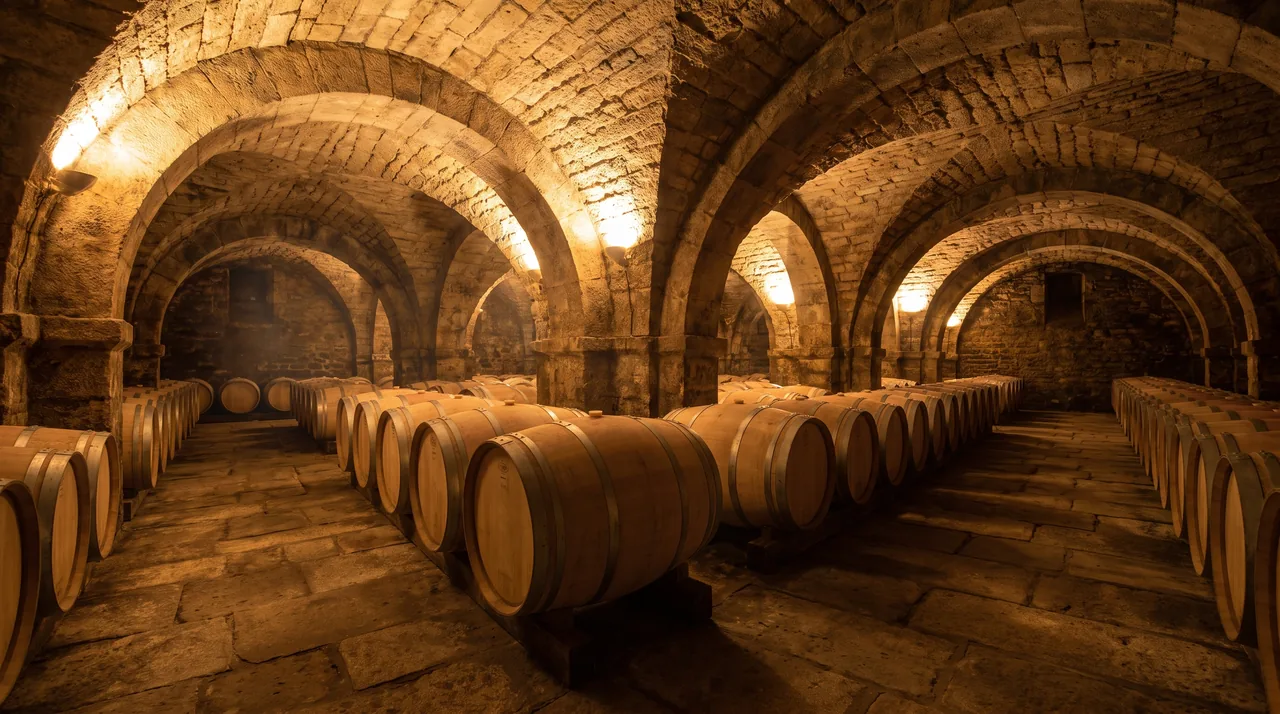
Among the estates that contribute to Listrac’s reputation, Château Clarke—known for its full-bodied character—and Château Fourcas-Hosten are often cited. Another feature shared by both appellations is the presence of a cooperative winery, the Cave Grand Listrac, which brings together the work of numerous winegrowers. Notably, this cooperative produces wines under three different appellations—Listrac, Moulis, and Haut-Médoc—which demonstrates the intertwining of terroirs in this central Médoc region.
This overlap is by no means an administrative coincidence: it reflects the geography of the inland Médoc, where appellation boundaries closely follow the nature of the soils. A single commune may thus fall under several AOCs depending on the specific plots, with the Haut-Médoc serving, in a sense, as a general appellation where the more stringent commune-level appellations cover the finest sectors. For visitors, this means one thing above all: Moulis and Listrac together form a cohesive little region that it would be a shame to separate. In fact, many wine enthusiasts approach them as a single entity, moving easily from one winery to the next, given how much the two appellations share in terms of history and spirit.
What is the difference between Moulis and Listrac?
Both appellations have distinct production specifications and terroirs; the style varies depending on the vineyard parcel, the blend, the vintage, and the producer. For visitors, the two appellations can be explored in a single trip: it takes just three kilometers to travel from one to the other.
Can we pair Moulis and Listrac on the same day?
It’s actually the most logical way to discover them. Barely three kilometers separate the two towns, and their vineyards are located in the same inland Médoc region, away from the main tourist routes. A morning spent at one or two Moulis vineyards, a leisurely lunch, then an afternoon in Listrac—perhaps including a stop at the Grand Listrac winery, which brings together the two appellations and the Haut-Médoc under one roof: the itinerary fits effortlessly into a single day. This proximity is a real asset for anyone who wants to understand the stylistic nuances between two closely related terroirs without having to travel too far.
The Romanesque Church of Saint-Saturnin
Moulis isn’t just about wine. In the heart of the village stands the Church of Saint-Saturnin, one of the Médoc’s most treasured monuments and a reason in itself to stop by the village. It is a Romanesque church, whose Latin cross-plan structure dates back to the second half of the 12th century. Its simple, massive architecture, typical of Gironde Romanesque art, contrasts with the image of the Médoc that is often associated solely with wine.
The church has been classified as a historic monument since 1846—not merely listed. Entry PA00083645 in the Ministry of Culture’s POP database, updated in March 2026, documents its protected status and its major construction phases.
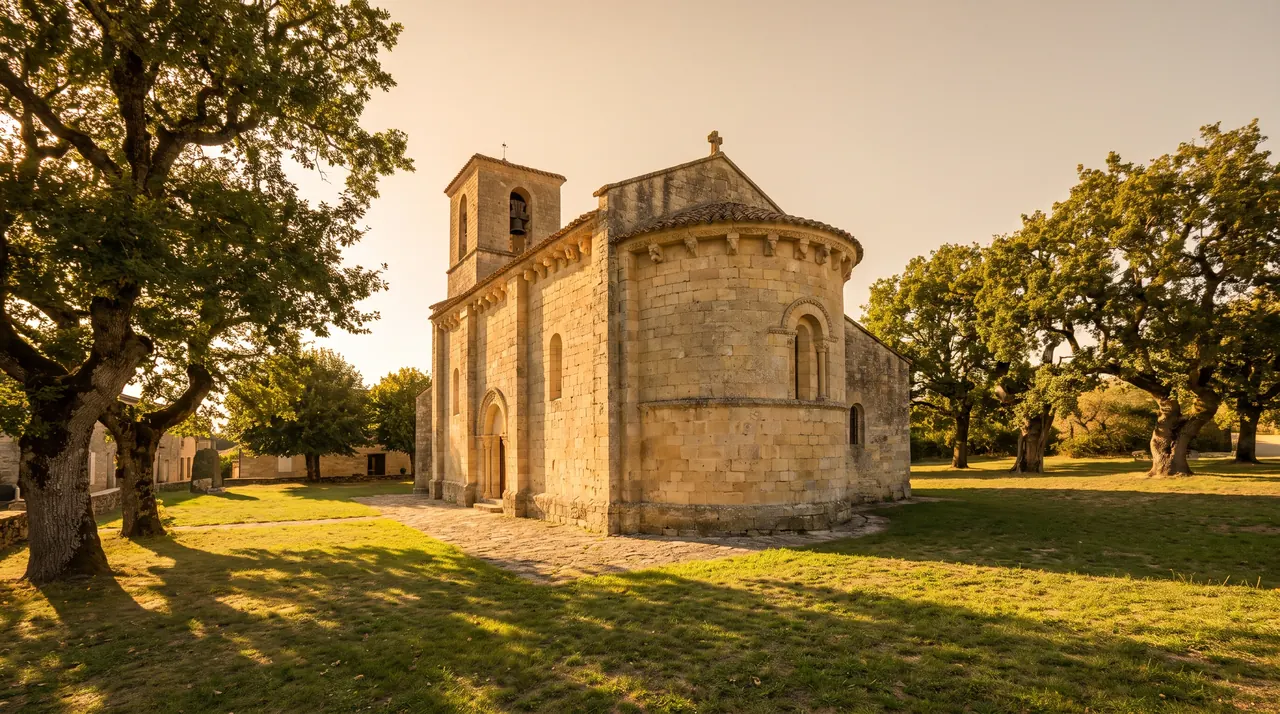
The feature that catches the eye of Romanesque art enthusiasts is the carved capitals at the apse, whose ornamentation reveals Eastern influences—a distant echo of medieval trade routes and exchanges. The church was also built on a site that was already sacred in early Christian times, as evidenced by sarcophagi found on the premises; and it lies on one of the routes that led pilgrims to Santiago de Compostela. This combination of factors explains why it is regularly cited as one of the oldest and most beautiful Romanesque churches in the Médoc.
This dual connection—to Romanesque heritage and the Camino de Santiago—gives Saint-Saturnin a depth that few wine-growing villages can claim. In the popular imagination, the Médoc is synonymous with wine; the church serves as a reminder that it was also a land of passage, faith, and stone long before it became a land of grand cru wines. Taking the time to step inside, between wine tastings, offers a welcome contrast: the coolness of a thousand-year-old nave, the silence of a site ranked among the finest in France, and the feeling of connecting with a history that predates the surrounding vineyards by several centuries.
Why has the Saint-Saturnin Church been a listed historic site since 1846?
Because it belongs to the very first generation of protected monuments in France. The 1846 designation was part of a movement launched under the July Monarchy, when the government established its first-ever policy for heritage preservation and entrusted Prosper Mérimée with the task of identifying buildings worthy of preservation. The fact that the church in Moulis was included in this first group speaks volumes about the interest it already commanded: its Romanesque style, its age, and the richness of its sculptures warranted immediate protection. Even today, this early designation makes it an important milestone in the history of Gironde’s cultural heritage.
What is there to do in Moulis-en-Médoc?
People come to Moulis primarily for the wine, the Romanesque heritage, and the Médoc countryside. Visiting conditions are subject to change: check them directly with the Maison du Vin de Moulis and, for a specific estate, on its official website, such as that of Château Chasse-Spleen. Links verified on July 24, 2026.
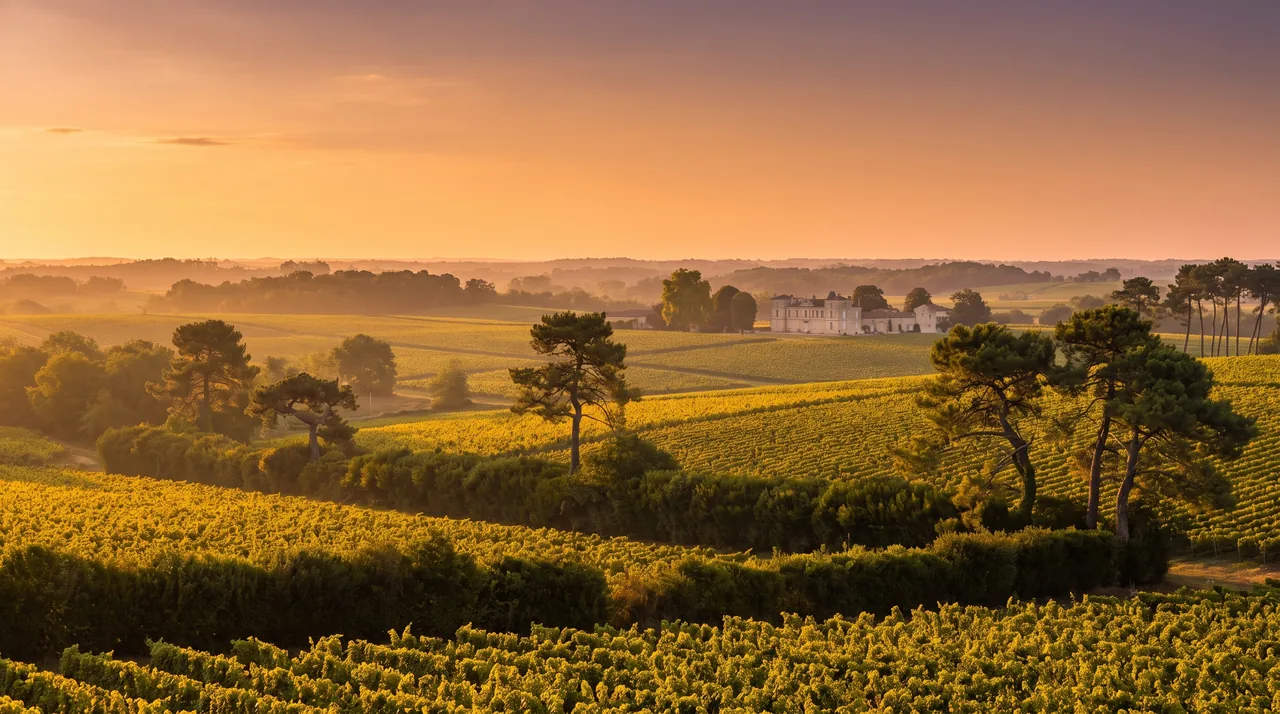
- Castles — Advance reservations are recommended, subject to each estate's policies.
- Visit the Museum of Vine and Wine Arts and Crafts—at Château Maucaillou—for an immersive experience exploring the tools and techniques of vineyard work, which adds a cultural dimension to the wine tasting.
- Moulis Wine Center — check its official website for hours, events, and terms of sale.
- Cave Grand Listrac — tasting sessions and prices to be confirmed with the winery.
- Saint-Saturnin Church — please check with the town hall or the tourist office regarding access to the interior.
- Take your time exploring the Médoc countryside—the small roads winding through vineyards, pine forests, and hamlets, away from the D2, reveal a more hidden side of the Médoc than that of the grand châteaux along the estuary.
A quick note on logistics: Since Moulis is off the main roads, it’s more convenient to travel there by car with an executive car service who can take you from one estate to the next while you enjoy your tastings at your leisure—especially since the distances between the châteaux, though short, are traveled on secondary roads. The table below summarizes the possible itinerary.
| To Do | Good to Know |
|---|---|
| Crus Bourgeois (Chasse-Spleen, Poujeaux, Anthonic…) | Advance reservations are recommended, subject to each resort's terms and conditions |
| Maucaillou Castle + Museum | A fine wine from the Moulis AOC · Museum of Vine and Wine |
| Moulis Wine House | Check the official website for schedules, the program, and terms of sale |
| Grand Listrac Winery | Tastings and prices are subject to confirmation by the winery |
| Romanesque Church of Saint-Saturnin | Check with the local municipality or the tourist office for interior access · Listed as a historic monument since 1846 |
In practice, a wonderful day in Moulis can start with a visit to the Saint-Saturnin Church—though access to the interior is still to be confirmed—followed by two or three wine tastings booked in advance at the wineries, and then a stop at the Maison du Vin after checking its hours and terms of sale on its official website.
How much time should I plan to spend at Moulis-en-Médoc?
It all depends on how much you want to see. Half a day is enough for a focused tour: the church, a wine tasting at a “cru bourgeois,” and a stop at the Maison du Vin. But Moulis also lends itself to a full day of more contemplative exploration, with two or three wineries spaced out by a lunch break, a visit to the Maucaillou Museum, and a detour to the Grand Listrac cellar. The key here isn’t to cram in as many stops as possible, but to give each one some breathing room: the appellation rewards a leisurely pace. Since tours are usually by appointment, a little planning ahead allows you to move from one to the next without any downtime or rushing.
Can you go for a tasting in Moulis without an appointment?
Wineries: Advance reservations are recommended, subject to each estate’s specific policies. Maison du Vin de Moulis: Check the official website for hours, the program, and terms of sale. Cave Grand Listrac: Please contact the winery directly to confirm tasting details and prices.
Around Moulis-en-Médoc
One of Moulis’s greatest assets is its central location within the Médoc wine region: from the village, it’s easy to venture out to neighboring appellations to create a customized itinerary. The closest is Listrac-Médoc, barely three kilometers away, with which Moulis forms a natural pairing for wine tastings. A little further south, Margaux and its twenty-one 1855 classified growths showcase the elegance of the Left Bank, about a dozen kilometers away. To the north, about twenty kilometers away, Pauillac boasts three of the top five wines from the 1855 classification, overlooking the estuary. In between, the entire Route des Châteaux invites you to explore its appellations one by one.
This central location makes Moulis an ideal base for anyone looking to explore different styles. You can spend the morning discovering the understated charm of the inland crus bourgeois, then head to the estuary in the afternoon to experience the grand history of the crus classés—all without traveling long distances. It’s also an opportunity to appreciate, from one appellation to the next, what makes the Médoc so rich: the same Cabernet Sauvignon, the same gravelly slopes, and yet styles that vary according to the soil and the winemaker’s touch. Moulis thus fits naturally into a broader itinerary, like a peaceful day-long stop in the vineyards.
| Destination | Distance from Moulis |
|---|---|
| Listrac-Médoc | ≈ 3 km |
| Margaux | ≈ 12 km |
| Pauillac | ≈ 20 km |
| Bordeaux (downtown) | ≈ 35 km |
What is there to see around Moulis?
From Moulis, the logical route is to head down toward the estuary to rejoin the Route des Châteaux. You can combine the smaller appellations with the finesse of Margaux, continue on to the premier crus of Pauillac, or take in the entire peninsula at a glance by following our guide to the Médoc, from south to north. Moulis then serves as a quiet, inland base camp from which to set out and explore the great names of the Left Bank before returning for a peaceful dinner.
How to get to Moulis-en-Médoc from Bordeaux
Getting to Moulis from Bordeaux is easy: it’s about 35 kilometers and takes roughly 46 minutes by car. The standard route takes the D1215 toward the Médoc, then turns inland along the roads of the central Médoc to reach the village, set back from the estuary. It’s a scenic, countryside drive—no highways—that winds through the vineyards and gets you in the mood long before you arrive. The only thing to watch out for is leaving the Bordeaux metropolitan area during rush hour, which can extend your travel time.
Unlike some towns with good rail service, Moulis remains primarily accessible by road: it is a village in the countryside, whose estates are scattered along small secondary roads rather than clustered around a train station. For visitors, this changes how they approach their day: it’s best to plan your itinerary in advance, pinpoint the estates you’ve chosen, and decide on the order of your stops, since the châteaux aren’t conveniently lined up along a single route like they are on the Route des Châteaux. This scattered layout, the flip side of the tranquility, is precisely what makes Moulis so special: you don’t come here by chance; you come here to take your time.
How much does the trip from Bordeaux to Moulis cost?
Transfers from Bordeaux to Moulis-en-Médoc start at €78 during the day for a sedan accommodating 1 to 3 passengers, at a fixed price confirmed in writing before departure—no meter, no surprises. A surcharge applies for nighttime, weekend, and holiday trips, and a van is provided for groups of more than four passengers. Extensions to neighboring wine regions—Listrac, Margaux, Pauillac—as well as transfers from Bordeaux-Mérignac Airport are priced on a quote basis, depending on the number of stops requested.
| Route | Landmark |
|---|---|
| Bordeaux → Moulis-en-Médoc | ≈ 35 km · ~46 min · starting at €78 |
| Extension to neighboring wine regions (Listrac, Margaux, Pauillac) | Based on a quote |
| Bordeaux-Mérignac Airport → Moulis | Based on a quote |
Why hire a chauffeured transfer to visit Moulis?
Because Moulis is meant to be savored, and a day exploring the Crus Bourgeois doesn’t mix well with driving. Leaving the driving to a chauffeur means you can savor every wine with complete peace of mind, visit one estate after another off the D2 without worrying about the route, and return home without any hassle. It also offers the convenience of door-to-door service, from your address in Bordeaux or the airport right to the gates of the châteaux—a welcome luxury in the inland Médoc, where the estates are reached via narrow country roads. Moulis remains a hidden gem and a gourmet destination, perfect for taking your time: you might as well give yourself the means to enjoy it to the fullest.
Frequently Asked Questions
Where is Moulis-en-Médoc located?
Moulis-en-Médoc is a commune in the Médoc region of Gironde (33) and the Nouvelle-Aquitaine region, located inland, away from the estuary and the Route des Châteaux. The village is built on a small hill overlooking the Jalle de Tiquetorte, northwest of Margaux, roughly halfway between Margaux and Saint-Julien. It belongs to the Lesparre-Médoc district and the Médullienne community of municipalities. The center of Bordeaux is about 35 kilometers away.
How far is Moulis-en-Médoc from Bordeaux?
The website's route planner estimates the trip from Bordeaux at 35 kilometers and 46 minutes. The route takes you along the D1215 toward the Médoc, then through the roads of central Médoc, without using any highways. It’s a short hour-long trip that’s easy to combine with visits to neighboring wine regions like Listrac or Margaux.
How much does it cost to travel from Bordeaux to Moulis-en-Médoc by private chauffeur?
Transfers from Bordeaux to Moulis-en-Médoc start at €78 during the day for a sedan (1 to 3 passengers), at a fixed rate confirmed in writing before departure, with no meter. A surcharge applies at night, on weekends, and on holidays, and a van is used for groups of more than four passengers. Extensions to neighboring wine regions or transfers from Bordeaux-Mérignac Airport are priced on a quote basis. You’ll know the total cost before you get in the car.
How many people live in Moulis-en-Médoc?
Moulis-en-Médoc had a population of approximately 1,962 according to the INSEE census (2023 population). It is a rural village in the central Médoc region, whose population has grown by about 7% since 2017—a steady increase linked to the appeal of the wine-growing countryside near Bordeaux. Residents are known as Moulisiens and Moulisiennes. Despite this increase, the town retains its rural character, featuring vineyards, pine forests, and hamlets scattered around the village center and its church.
What is the Moulis AOC?
The National Institute for Origin and Quality states that Moulis, or Moulis-en-Médoc, is one of the six municipal appellations in the Médoc and that it was officially recognized by the decree of May 14, 1938 [source]. The current specifications remain the regulatory standard.
Are there any classified wines in Moulis?
Moulis has no wines classified in the 1855 classification; its current selection includes, in particular, estates associated with the "crus bourgeois" classification, whose status should be verified in the current edition.
Where does the name "Château Chasse-Spleen" come from?
The origin of the name is a legend, and there are two versions of it that no source can definitively resolve. The first, dating back to around 1860, links the name to the painter Odilon Redon, illustrator of Baudelaire’s *Les Fleurs du Mal*: the poet’s “spleen” is said to have inspired the idea of a wine that dispels it. The second attributes a visit by Lord Byron in 1821, during which he is said to have remarked that this wine “drives away dark thoughts.” Both of these accounts are part of tradition, not established fact: it is best to treat them as such.
Is Maucaillou's top wine classified as AOC Moulis?
Yes. Château Maucaillou’s premier wine is indeed produced in the Moulis AOC, and not in the Haut-Médoc as is sometimes reported. The château, built in 1875, adds a cultural dimension to its wine-growing appeal: it houses the Museum of Vine and Wine Arts and Crafts, which showcases the tools and techniques of vineyard work. It is one of the few places in the region to combine wine tasting with a museum tour, making it an ideal stop for a family outing to explore the appellation.
Is the Saint-Saturnin Church a designated historic site or listed?
The Ministry of Culture states that the Church of Saint-Saturnin is ranked Listed as a historic monument since 1846. The entry PA00083645 describes a building constructed in the early 13th century, with parts that may date back to the late 12th century [source].
What is the difference between Moulis and Listrac?
Moulis and Listrac-Médoc are two neighboring communal appellations in the inner Médoc, separated by barely three kilometers. The two appellations have distinct production regulations and terroirs; the style varies depending on the plot, the blend, the vintage, and the producer.
Can you visit the castles in Moulis without an appointment?
Visiting hours vary by estate. Check them on the official Château Chasse-Spleen website and with the Maison du Vin de Moulis; links verified on July 24, 2026.
What can you do in Moulis-en-Médoc in a day?
A day in Moulis can combine cultural heritage and wine. Saint-Saturnin Church: Check with the town hall or the tourist office for information on access to the interior. Wineries: Advance reservations are recommended, subject to each estate’s specific policies. Maison du Vin de Moulis: Check the official website for hours, events, and terms of sale. Cave Grand Listrac: Confirm tasting details and prices directly with the winery.
Is Moulis on the Castle Route?
No. The Route des Châteaux, the D2, runs along the estuary and passes through Margaux, Saint-Julien, Pauillac, and Saint-Estèphe. Moulis, on the other hand, is located inland and can be reached via secondary roads in the central Médoc. So you don’t “stumble upon” Moulis while following the grands crus classés; you have to make a deliberate detour. This seclusion preserves the appellation’s tranquility and explains why wine tastings there often take place away from the main tourist crowds.
Further Reading
- The most prestigious of the neighboring communes: see the Margaux Guide (Château Margaux, Palmer, and 21 1855 classified growths), about a dozen kilometers south of Moulis
- The entire wine-growing peninsula: see the Médoc Guide (grands crus, appellations, and the Château Route, from south to north)
- Three Premier Crus further north: see the Pauillac Guide (Lafite, Latour, and Mouton-Rothschild, facing the estuary), about 20 kilometers from Moulis
- All our getaway ideas: explore our destinations from Bordeaux, from the vineyards to the Arcachon Basin
- Plan your day at the wineries: book a transfer from Bordeaux to Moulis-en-Médoc, starting at €78 based on the prices shown
Sources and References
- National Institute for Origin and Quality — Moulis or Moulis-en-Médoc — AOP/AOC status and specifications, accessed July 24, 2026
- Alliance des Crus Bourgeois du Médoc — 2025 Classification — edition covering the 2023–2027 vintages, accessed July 24, 2026
- Ministry of Culture, POP database — Saint-Saturnin Church — listed as a historic monument in 1846, entry updated on March 4, 2026
- Château Chasse-Spleen — official website — information about the estate, accessed July 24, 2026
- Château Maucaillou — official website — museum and visiting policies, accessed July 24, 2026
- Moulis Wine House — check opening hours, schedule, and terms of sale; accessed July 24, 2026
Article updated on July 24, 2026.
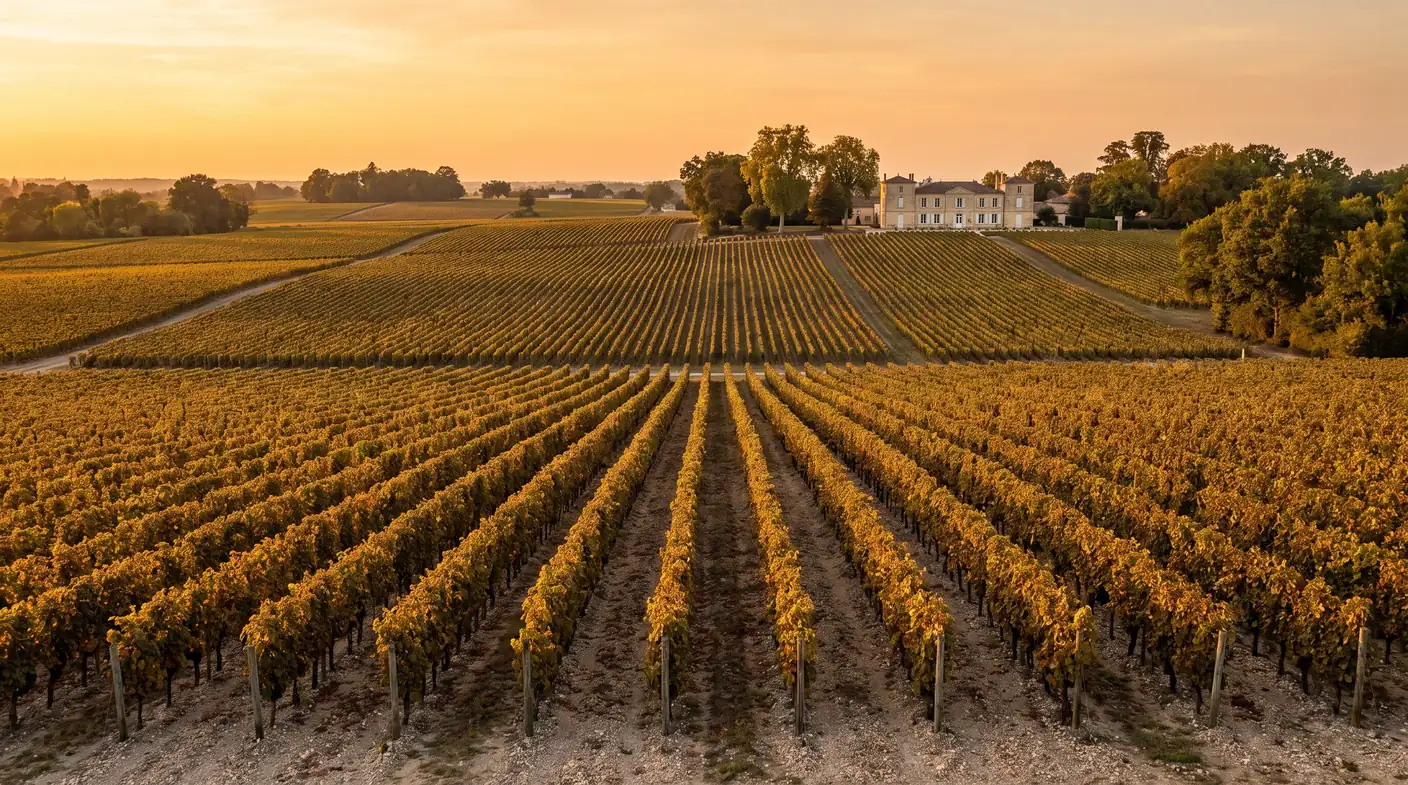
On the way to Moulis
Direct transfer from Bordeaux (~46 min) to Moulis-en-Médoc and its Crus Bourgeois. Fixed-price quote in writing, with no obligation.