Bordeaux to Margaux: the 1855 classified growths
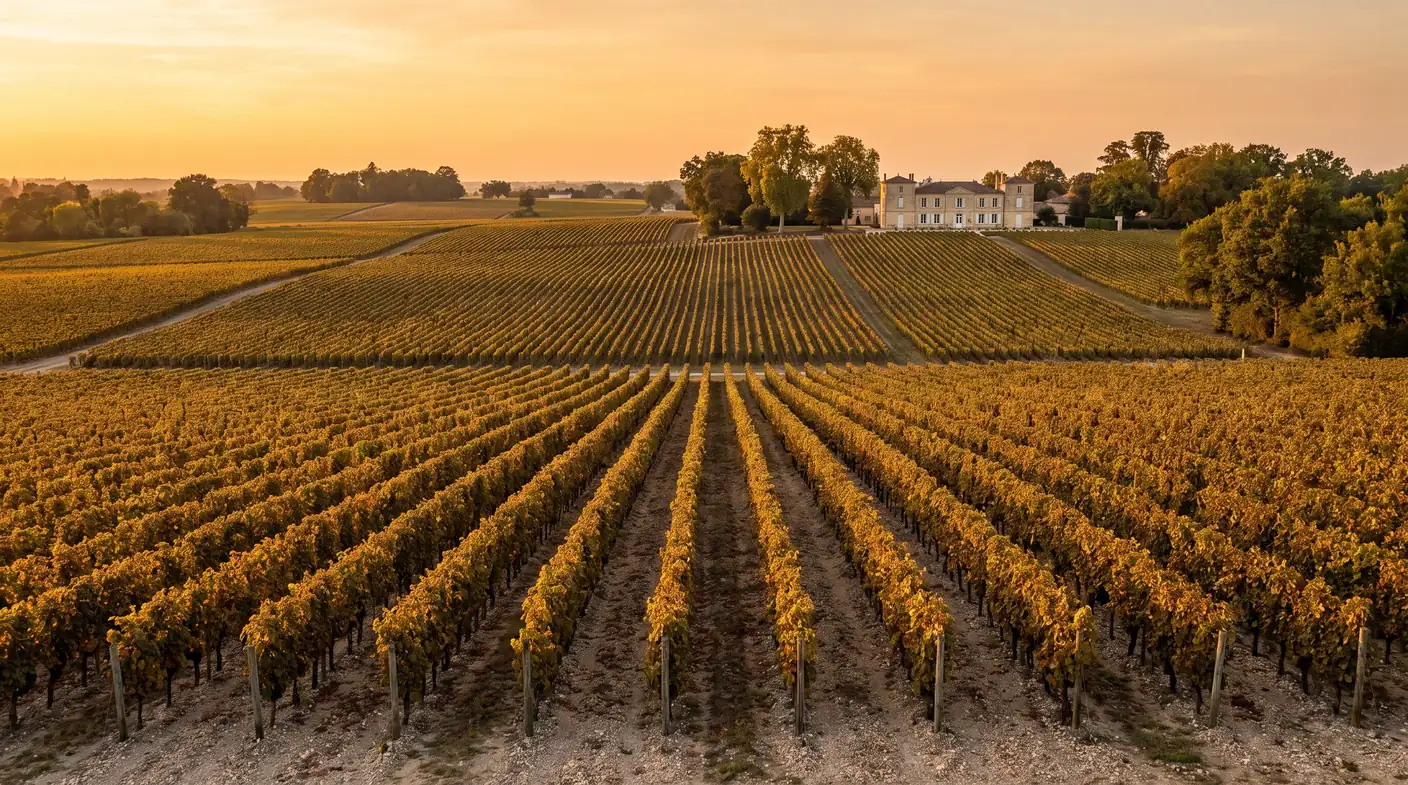
The southernmost appellation in the Médoc, the closest to Bordeaux, and the one with the most classified growths. The neoclassical Château Margaux, Palmer, Rauzan-Ségla, and twenty-one 1855 classified growths on the gravel-covered hills—about 45 minutes from Bordeaux.
Margaux at a glance
Margaux is the southernmost appellation in the Médoc and includes 21 classified growths from 1855, among them Château Margaux and Palmer [source]. Estate visits must be booked in advance, especially at the most sought-after properties. From Bordeaux, the 31 km door-to-door trip takes about 45 minutes, with a private driver starting at 70 € one way.
The name actually refers to three things that are often confused. First, there is a controlled designation of origin, the AOC Margaux, which extends well beyond the village’s borders. Next, there is a municipality, now called Margaux-Cantenac. And finally, there is a château—the most famous of them all, Château Margaux—whose worldwide fame has ultimately given its name to the entire region. Distinguishing between these three levels helps avoid many misconceptions: not everything you drink in Margaux is a Margaux, and not everything labeled Margaux is grown in the village.
| Landmark | Details |
|---|---|
| Department | Gironde (33) · Nouvelle-Aquitaine · Médoc |
| Status | Wine-growing municipality of Margaux-Cantenac · Lesparre-Médoc district |
| Population | ≈ 2,845 residents (INSEE 2023) · Margalais-Cantenacais |
| Must-Sees | Château Margaux · Classified Growths · The Maison du Vin |
| From Bordeaux | ≈ 31 km · ~45 min · starting at 70 € |
Where is Margaux located?
Margaux is located in the southeastern part of the Médoc, on the left bank of the Gironde River, in the Gironde department (33) and the Nouvelle-Aquitaine region. To get there from Bordeaux, travel north along the Médoc peninsula via the famous road that connects the grand châteaux. It is the first major wine-growing destination you encounter upon leaving the city; as such, Margaux occupies a strategic position as the gateway to the great wines of the Médoc.
A quick vocabulary note is in order, as this often confuses visitors. Since January 1st, 2017, the municipality has no longer been called simply Margaux: it merged with neighboring Cantenac to form the new municipality of Margaux-Cantenac, whose administrative seat is in Margaux. This entity has the INSEE code 33268 and ZIP code 33460; it covers 21.62 km² within the Lesparre-Médoc district, the Sud-Médoc canton, and the Médoc Estuaire community of municipalities. The wine appellation, however, has retained its name: people still refer to “a Margaux,” and the Margaux AOC remains the Margaux AOC. It is therefore important to distinguish the municipality (Margaux-Cantenac) from the appellation (Margaux), as their boundaries do not coincide.
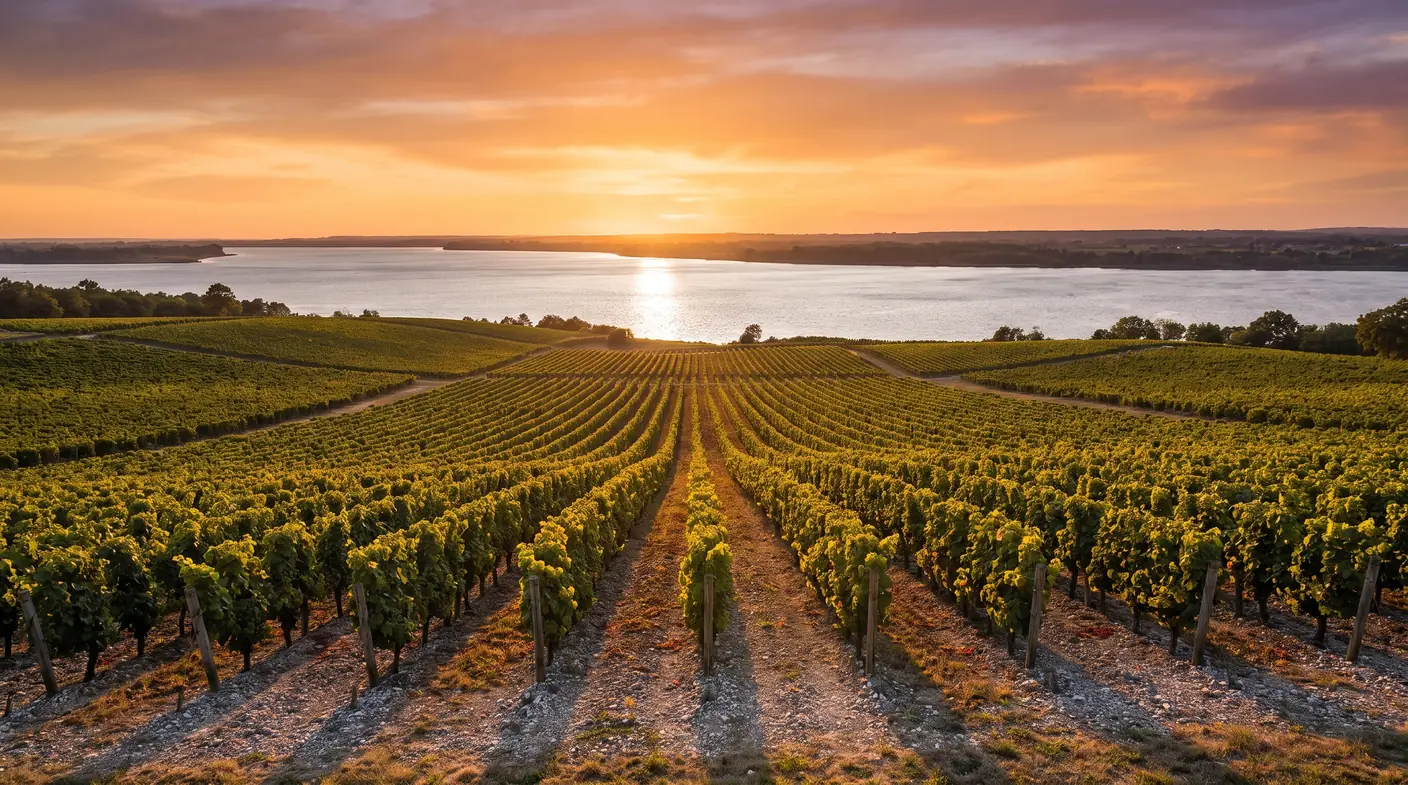
Geographically, the region borders the estuary through its marshes, the low-lying wetlands that line the Gironde. But the main part of the town and, above all, the large vineyards are not located there: they sit slightly inland, on gravel ridges, mounds of pebbles and gravel deposited by the Garonne over millennia. This is the logic of the Médoc wine region: vines avoid stagnant water and seek well-drained, nutrient-poor soils that force them to root deeply. Margaux is therefore not best understood from the riverbanks, but farther inland, across subtle undulations that the untrained eye barely notices.
How far is it from Bordeaux?
Margaux is the southernmost commune in the Médoc region—that is, the one closest to Bordeaux. The town center is about 31 kilometers away, or roughly a three-quarter-hour drive depending on traffic (a route calculation puts it at around 33 km and 42 minutes via regular roads). That’s not far: Margaux is closer to Bordeaux than most other major Médoc appellations. Pauillac, further north, is still about 20 kilometers beyond that. This proximity makes Margaux an easy day trip from the city, one that can be done in half a day.
| From Margaux | Driving distance | Duration |
|---|---|---|
| Cantenac | ≈ 1 km | ~2 min |
| Soussans | ≈ 3 km | ~5 min |
| Pauillac | ≈ 21 km | ~25 min |
| Bordeaux (downtown) | ≈ 31 km | ~45 min |
| Bordeaux-Mérignac Airport | ≈ 30 km | ~40 min |
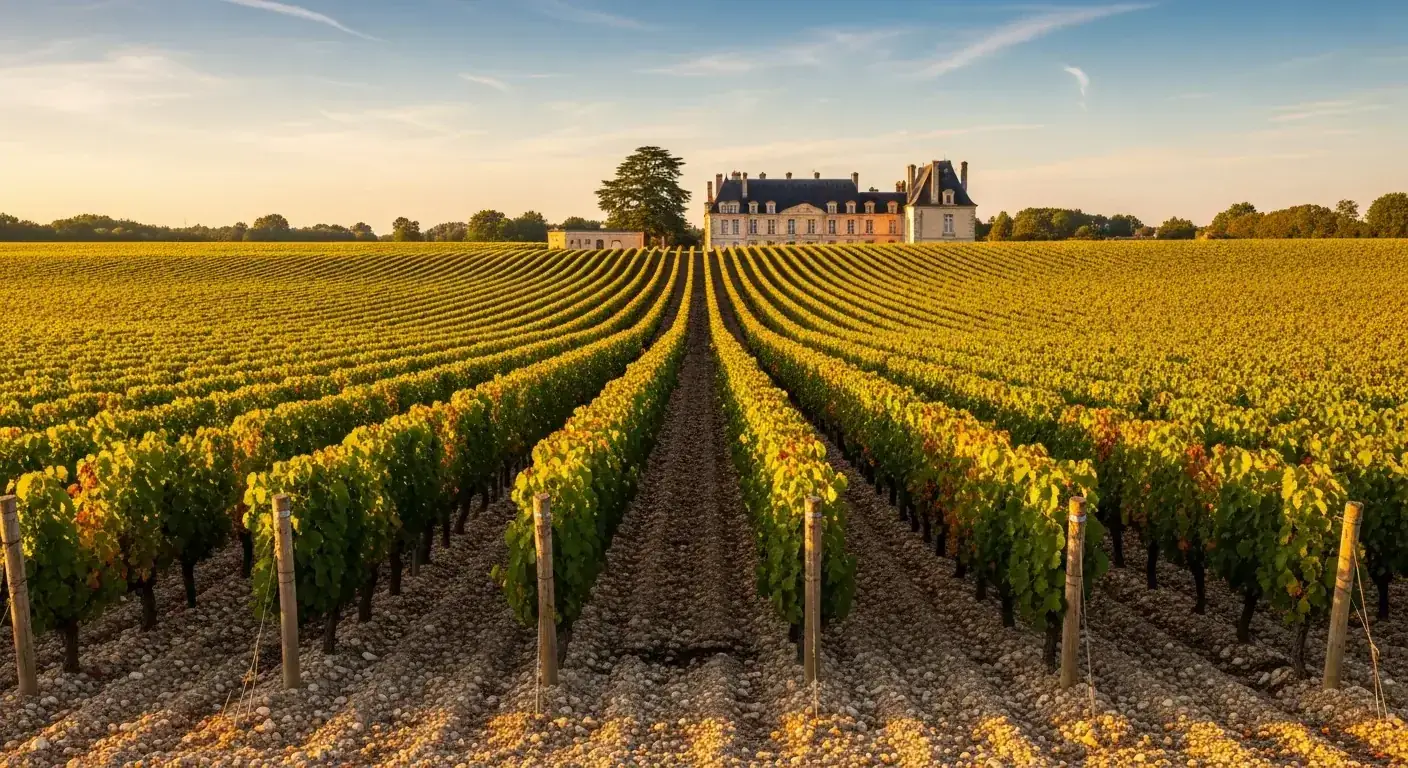
The secret lies first and foremost in the soil. Great Margaux wines are born on gravel ridges—these mounds of pebbles and gravel deposited by the Garonne River over the course of the ice ages. This poor, well-drained soil forces the vines to send their roots deep into the ground, regulates water, and releases at night the heat stored during the day. Within a few hundred meters, the same grape variety can produce a wine of remarkable finesse or a more ordinary red: this is the very logic behind the 1855 classification, which ranks plots rather than brands.
How many people live in Margaux?
According to the 2023 INSEE census, the municipality of Margaux-Cantenac has approximately 2,845 residents. Across its 21.62 km², that gives a modest density of about 132 people per square kilometer: this is the heart of wine country, where vineyards occupy much of the landscape and homes cluster around the villages and estates. Residents are known as Margalais-Cantenacais, a demonym combining the names of the two former municipalities.
This figure encompasses two historically distinct villages, Margaux and Cantenac, which have been united since 2017 but each retain their own identity, church, and historic center. The population remains stable and rural: here, the demographics are reflected less in high-rises than in rows of vineyards, and the area’s worldwide reputation stems from a few dozen estates rather than its size. Margaux is a small area whose influence far exceeds its population.
| Data | Value |
|---|---|
| Municipality | Margaux-Cantenac (INSEE 33268) |
| Municipal Population | ≈ 2,845 residents (INSEE 2023) |
| Area | 21.62 km² |
| Density | ≈ 132 people per square kilometer |
| Demonym | Margalais-Cantenacais |
| ZIP Code | 33460 |
Where does the name Margaux come from?
It is often said that “Margaux” derives from the first name Marguerite—which itself comes from a Greek word meaning “pearl”—and that its fame owes much to the prestige of the wine, to the point that it has become a fashionable female first name. It’s a charming anecdote, and it’s not incorrect as far as the first name is concerned. But we must remain cautious: the origin of the place name itself has not been established with certainty. The connections drawn between the village’s name and that of the saint are more of an appealing hypothesis than a proven fact. It is therefore best to stick to this honest assessment: the name is ancient, its etymology is debated, and the wine’s fame has done the rest.
The AOC Margaux
The Margaux Appellation d’Origine Contrôlée produces only one type of wine: red wine. This is a key point, as it forms the basis for several of the debunking arguments that follow. A Margaux is always red; any white wine produced in this region—even if made by the most famous of the châteaux—cannot claim the Margaux AOC and falls under a different appellation.
The appellation is commonly dated to 1936, the year in which several communal appellations in the Médoc were recognized. For Margaux, however, this is inaccurate: the AOC was established by a Decree of August 10, 1954, which is later than its neighbors. This specific timing is not merely a scholarly detail—it sets Margaux apart from the rest of the Médoc appellations and serves as a reminder that a wine’s official recognition and reputation do not always progress at the same pace.
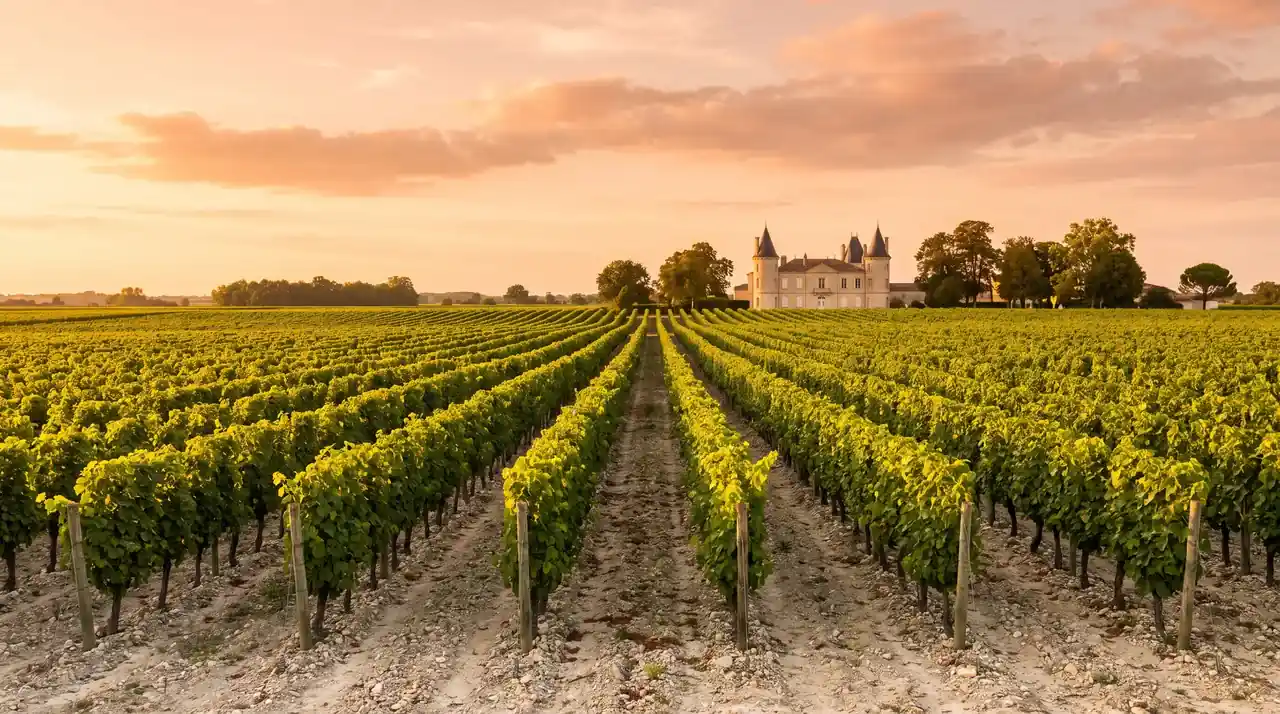
The appellation’s territory is not limited to the village alone: it spans four municipalities—Margaux-Cantenac, Soussans, Arsac, and Labarde. In other words, a wine can be a Margaux without coming from the village of Margaux in the strict sense. The planted area totals approximately 1,519 hectares (2023 figure), spread across these gravelly hills that give the terroir its unity despite the municipalities’ geographical dispersion. It is a vineyard that is a single entity in spirit, though fragmented administratively.
The grape varieties are typical of the Médoc: Cabernet Sauvignon dominates the blend, complemented by Merlot, Cabernet Franc, and Petit Verdot. On Margaux’s warm, well-drained gravel soils, Cabernet Sauvignon ripens fully and produces age-worthy wines with a distinctive character.
What sets a Margaux apart?
If one had to sum up the appellation’s reputation in a single word, it would be “elegance.” Margaux wines are considered the most refined, fragrant, and delicate of the great Médoc wines. They are often described as “feminine,” a dated term best treated with caution, because they tend to be less massive and tannic than wines farther north around Pauillac or Saint-Estèphe. It’s a matter of nuance and finesse rather than power: where other appellations focus on structure and body, Margaux cultivates fragrance, a silky finish, and poise. This identity, as much as its twenty-one classified growths, gives Margaux its distinct place in the Médoc.
How many classified growths are there in Margaux?
In terms of figures, the appellation accounts for approximately 58,000 hectoliters per year, with a yield of around 38 hl/ha. And these twenty-one classified growths are not evenly distributed: there are nine in Margaux, nine in Cantenac, two in Labarde, and one in Arsac. In other words, a renowned wine from the appellation can originate several kilometers from the town of the same name, on the gravelly hills of neighboring municipalities.
Château Margaux, Premier Cru
At the pinnacle of the appellation stands a one-of-a-kind estate: the Château Margaux, the only Premier Cru classified in 1855 in the commune. The Médoc has only four in total—Lafite, Latour, Margaux, and Mouton-Rothschild—to which Haut-Brion, in the Graves region, is added. Margaux is therefore the only village to share its name with one of these premier crus, which has done nothing to clear up the confusion between the appellation, the commune, and the château.
The building itself is an architectural masterpiece. It is not a medieval structure, as is sometimes imagined, but a Palladian-inspired neoclassical château, built around 1810–1815 at the behest of Bertrand Douat, Marquis de la Colonilla, based on plans by the Bordeaux architect Louis Combes. A peristyle with four Ionic columns surmounted by a triangular pediment dominates the main façade, displaying a noble simplicity inherited from a reinterpreted classical tradition. It is considered the most significant Neoclassical building in the Bordeaux region—a work of architecture as much as a place of production.
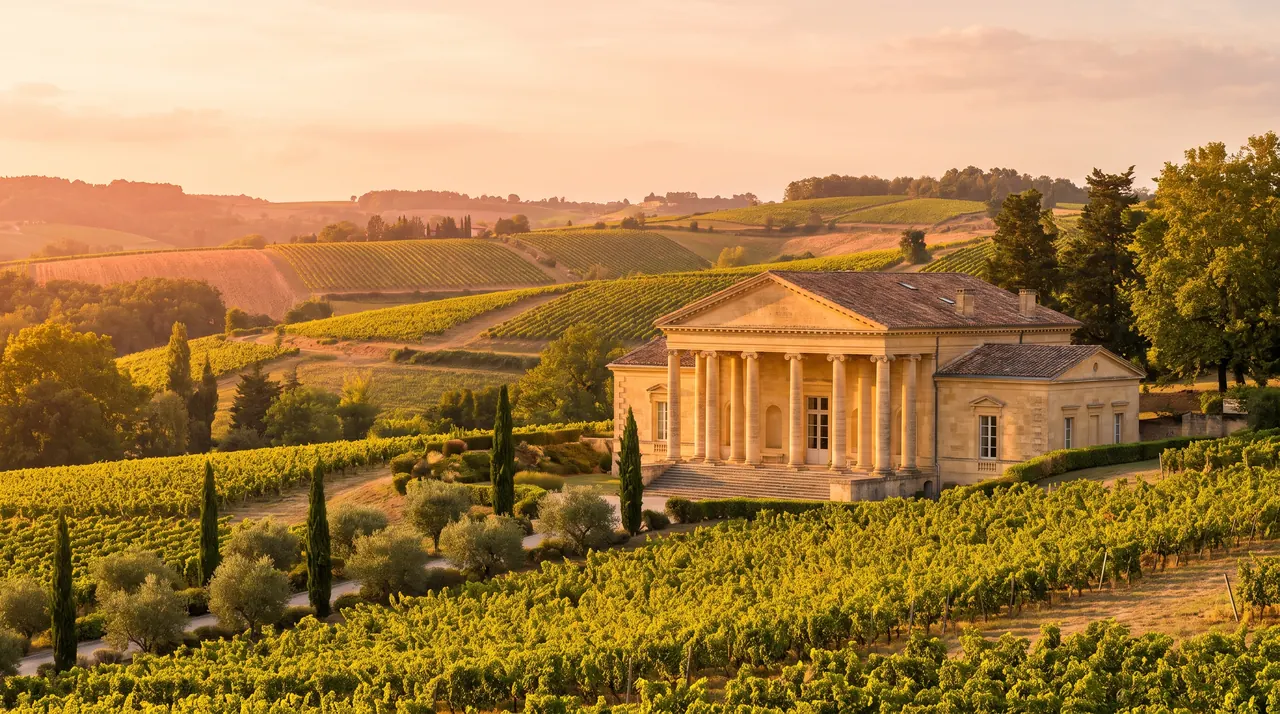
The quality of this structure has earned the estate official recognition as a historic landmark: Château Margaux is Listed as a historic monument since 1965 (PA00083617). As for ownership, the estate has belonged to the Mentzelopoulos family since 1977, with Corinne Mentzelopoulos at the helm. In just a few decades, this family has elevated—or rather, cemented—the château’s place among the world’s finest wines.
A “Versailles of the Médoc”?
Château Margaux is often referred to as “the Versailles of the Médoc.” It’s a lovely phrase that does justice to the majesty of the façade and the vastness of the grounds. But it should be taken for what it is: an informal tourist epithet, born of the admiration of visitors and tour guides, rather than an official title or classification. The monument’s actual protected status is enshrined in a single administrative line: it was designated a historic monument in 1965. The rest is mere folklore—flattering, well-deserved, but without legal standing.
Is Le Pavillon Blanc a Margaux?
The estate produces a renowned white wine, the Pavillon Blanc du Château Margaux, made from 100% Sauvignon. This sometimes leads people to assume that there is such a thing as a “white Margaux.” This is a misconception: since the Margaux AOC recognizes only red wine, this white wine cannot claim the Margaux appellation. It is marketed as a Bordeaux Blanc AOC. The paradox is intriguing—one of the most prestigious white wines in the Bordeaux region is produced at the premier cru of Margaux, yet it does not bear the name of the appellation that surrounds it. This is why the word “Margaux” always refers to a red wine, without exception.
As for the vineyards, the estate spans about 100 hectares: approximately 87 are planted with red grape varieties, three-quarters of which are Cabernet Sauvignon, and about a dozen are reserved for the Pavillon white wine. A modest area given its global reputation—but it is precisely this scarcity, combined with carefully controlled yields, that has made the wine legendary.
The 21 Classified Growths of 1855
This is where the appellation’s true uniqueness lies: Margaux has more estates in the 1855 classification than any other Médoc appellation, with twenty-one classified growths [source]. No other Médoc appellation has as many. The concentration is such that, along the same gravel ridges, one classified estate follows another within a few hundred metres.
The breakdown is distributed across the five tiers of the 1855 classification: one First Growth, five Second Growths, ten Third Growths, three Fourth Growths, and two Fifth Growths. The premier cru, as we have seen, is Château Margaux. The five seconds are Rauzan-Ségla, Rauzan-Gassies, Durfort-Vivens, Lascombes, and Brane-Cantenac. The ten third-growths include Château Palmer, Kirwan, d’Issan, Giscours, Malescot Saint-Exupéry, Cantenac-Brown, and Marquis d’Alesme. Finally, there are three fourth-growths—Marquis de Terme, Pouget, and Prieuré-Lichine—and two fifth-growths, Dauzac and du Tertre.
| Rank (1855 classification) | Number | Examples |
|---|---|---|
| Premier Cru | 1 | Château Margaux |
| Second-growth wines | 5 | Rauzan-Ségla, Rauzan-Gassies, Durfort-Vivens, Lascombes, Brane-Cantenac |
| Third-growth wines | 10 | Palmer, Kirwan, d'Issan, Giscours, Malescot Saint-Exupéry, Cantenac-Brown, Marquis d'Alesme… |
| Fourth-growth wines | 3 | Marquis de Terme, Pouget, Prieuré-Lichine |
| Fifth-growth wines | 2 | Dauzac, du Tertre |
Palmer and Rauzan-Ségla: the stories behind the estates
Two estates alone epitomize the eventful history of Margaux’s grands crus. Château Palmer, a third-growth estate located in Cantenac, owes its name to the English general Charles Palmer, who purchased the estate on June 16, 1814, following the Napoleonic Wars; it is now jointly owned by Mähler-Besse and Sichel, which have been partners since 1938. Château Rauzan-Ségla, a second-growth estate, has been owned since 1994 by the Wertheimer family, owners of Chanel. These histories—a British officer, a family-run wine merchant, a Parisian fashion house—illustrate how Margaux has long blended French and foreign heritage, and how these châteaux are now worth far more than just their vineyards.
These estates are not just names on a label: Château Palmer boasts some 66 hectares of vineyards, Rauzan-Ségla a comparable area, and several of these classified growths—Lascombes, Brane-Cantenac, Malescot Saint-Exupéry—are regularly cited by critics as performing above their rank. This is more than enough to keep visitors engaged well beyond the first cru alone.
Wine Production and Aging
The style of a Margaux is first developed in the vineyard, on the gravelly soil, and then refined in the cellar. The blend is dominated by the Cabernet Sauvignon, which finds the conditions for full ripeness in these well-drained, warm soils, complemented—depending on the estate and vintage—by the Merlot, the Cabernet Franc and a hint of Petit Verdot. This late-ripening, deeply colored grape variety adds aromatic freshness and depth to the great blends of the Médoc.
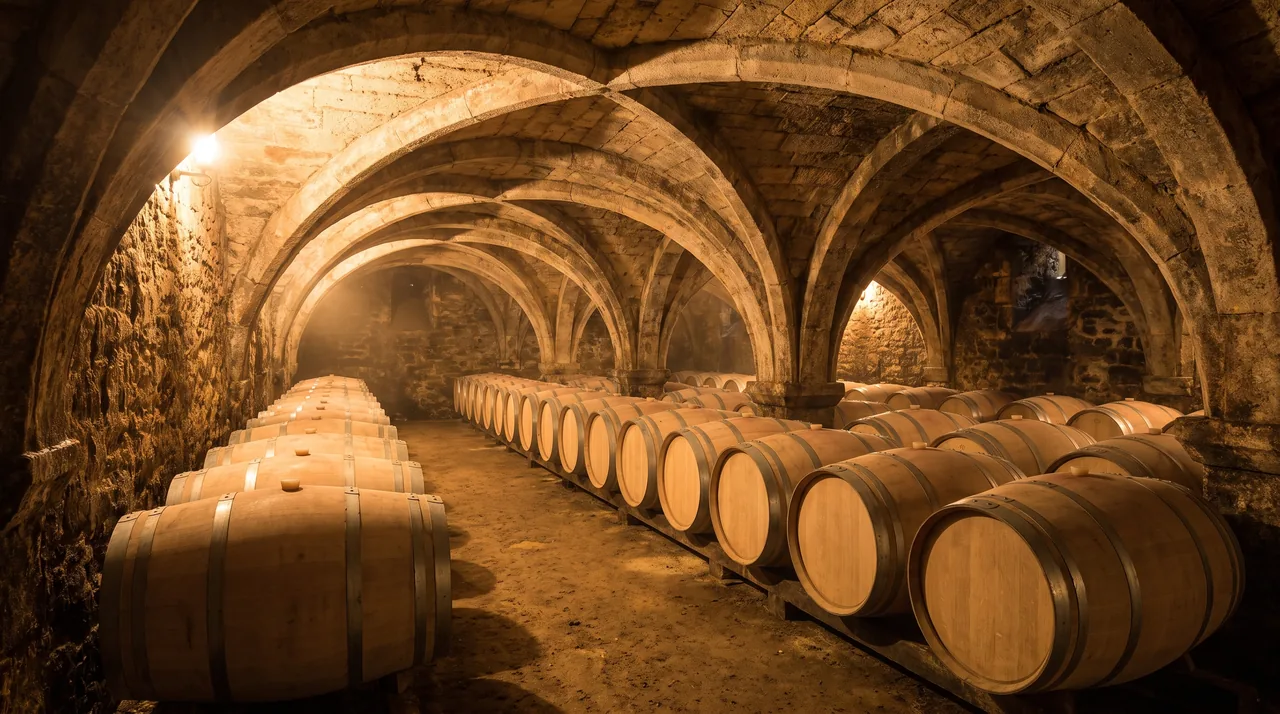
After the harvest and fermentation, the grands crus of Margaux undergo aging in oak barrels, a stage during which the wine blends, refines, and gains complexity through contact with the wood. It is here that a wine meant for aging acquires the texture and depth that will allow it to age for decades. Each château has its own methods, proportions of new oak, and aging durations, carefully tailored to its terroir—we won’t go into detail about the figures, which vary from one estate to another and from one vintage to the next.
Why are Margaux wines said to be “feminine”?
The appellation’s reputation for finesse stems from a combination of factors: gravel soils that yield ripe tannins without heaviness, a Cabernet Sauvignon that expresses itself here with more aroma than muscle, and a blending style focused on balance. The result is wines with a floral and refined bouquet, silky tannins, and a long, graceful finish—hence the recurring image of “feminine” wines, meaning elegant and well-integrated rather than robust. The description is convenient and a bit dated; nevertheless, it accurately captures what sets a Margaux apart from a more northerly Médoc: where others impress with power, Margaux charms with grace.
What grape varieties are used to make Margaux?
Like all wines from the Médoc, Margaux is based on a blend: Cabernet Sauvignon provides structure and aging potential, Merlot adds body and roundness, Cabernet Franc contributes aroma, and Petit Verdot brings a hint of spice and color. Since 2023, the appellation regulations have even allowed for a small proportion of Castets, a long-forgotten Médoc grape variety. It is the balance of this palette, vintage after vintage, that distinguishes a “textbook” Margaux from a great Margaux—and explains why the same terroir can produce such different wines from one château to another.
The Heritage of Margaux-Cantenac
Wine often overshadows everything else, but Margaux-Cantenac boasts a built heritage well worth seeing, starting with its two village churches. The most remarkable is the Church of Saint-Didier in Cantenac, designated a historic monument in 1995 (entry PA00083902). Rebuilt between 1769 and 1783, it houses furnishings that are also protected, having been designated as a historic monument since 1970. It is the most officially recognized monument in the town, one whose status is beyond dispute.
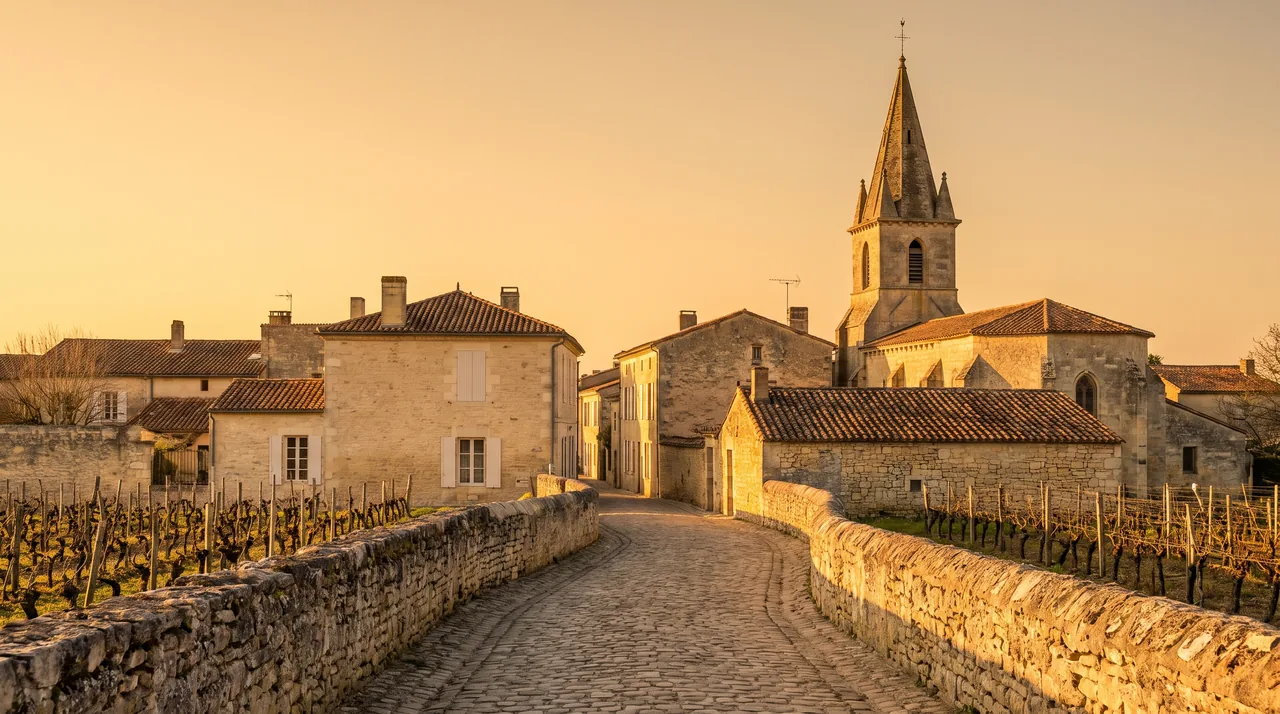
The other church, Saint-Michel de Margaux, is sometimes described as “listed.” This is not accurate: it is listed in the General Inventory of Cultural Heritage, which serves documentation and research purposes, not protection as a historic monument. The distinction matters for those who wish to be precise: being listed in the General Inventory means being described and cataloged; being classified or designated as a historic monument means enjoying legal protection. Saint-Didier de Cantenac belongs to the second category, while Saint-Michel de Margaux belongs to the first.
Where can I learn about wine?
The appellation’s visitor center is the Maison du Vin de Margaux, located at 7 Place de la Trémoille, in the heart of the town. It combines the appellation’s wine center with a tourist information office: visitors can find advice, information, and wine tastings there, and it serves as the natural starting point for organizing tours of the châteaux [source]. For passing visitors, it is where the abstract idea of twenty-one classified growths becomes a concrete selection of wines to taste.
From Two Villages to Margaux-Cantenac
The recent history of Margaux is, first and foremost, the story of a merger. Margaux and Cantenac were two neighboring but distinct wine-growing towns, each with its own center, church, and vineyards. On January 1st, 2017, they came together to form the new municipality of Margaux-Cantenac, whose administrative seat was established in Margaux. This kind of merger was common in France during the 2010s, but it did not erase the local identities: people still refer to the villages of Margaux and Cantenac, and the wine appellation has not changed its name.
Beyond this recent episode, the region has been shaped by wine for centuries. Vineyards have shaped the landscape, the economy, and even the place names here, and it is indeed the worldwide fame of Château Margaux that has carried the village’s name far beyond the Gironde. Few towns with fewer than three thousand residents are known on every continent; Margaux owes this to its wines.
Why is there a train station in such a small village?
People are sometimes surprised to find a train station in Margaux. This is due to the Médoc’s railway history: the Margaux station, on the Médoc line, has been in service since 1868. In the 19th century, the railway opened up the peninsula and carried people, goods, and wine to Bordeaux and beyond. The line still serves the town, a major advantage for reaching the village, though with one important limitation: it links towns, not the châteaux scattered across the vineyards, often some distance from the stations.
What is there to do in Margaux?
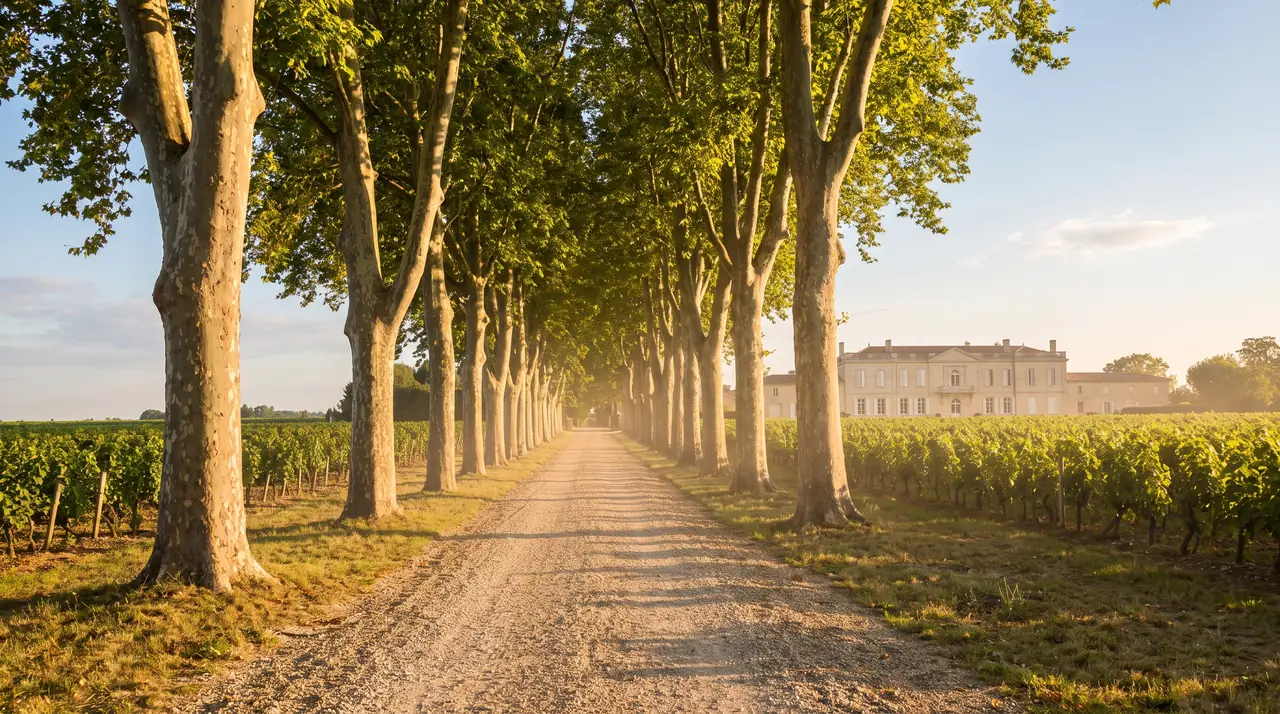
At Margaux, the program revolves around wine—but that’s not all. People come first and foremost to taste—whether at the classified growths or at the Maison du Vin—those elegant reds for which the appellation is famous. People also come for the architecture—to admire the neoclassical façade of Château Margaux and the wide, tree-lined avenues leading to the estates—and for the drive along the Route des Châteaux, which strings together the classified growths like pearls on a necklace. The pace is that of the Médoc countryside: take your time, stop along the way, and watch the gravelly hills undulate in the light. Most château tours are by appointment, which means it’s best to plan your day in advance rather than winging it from gate to gate. Allow half a day for the essentials, or a full day if you’re going from one tasting to the next.
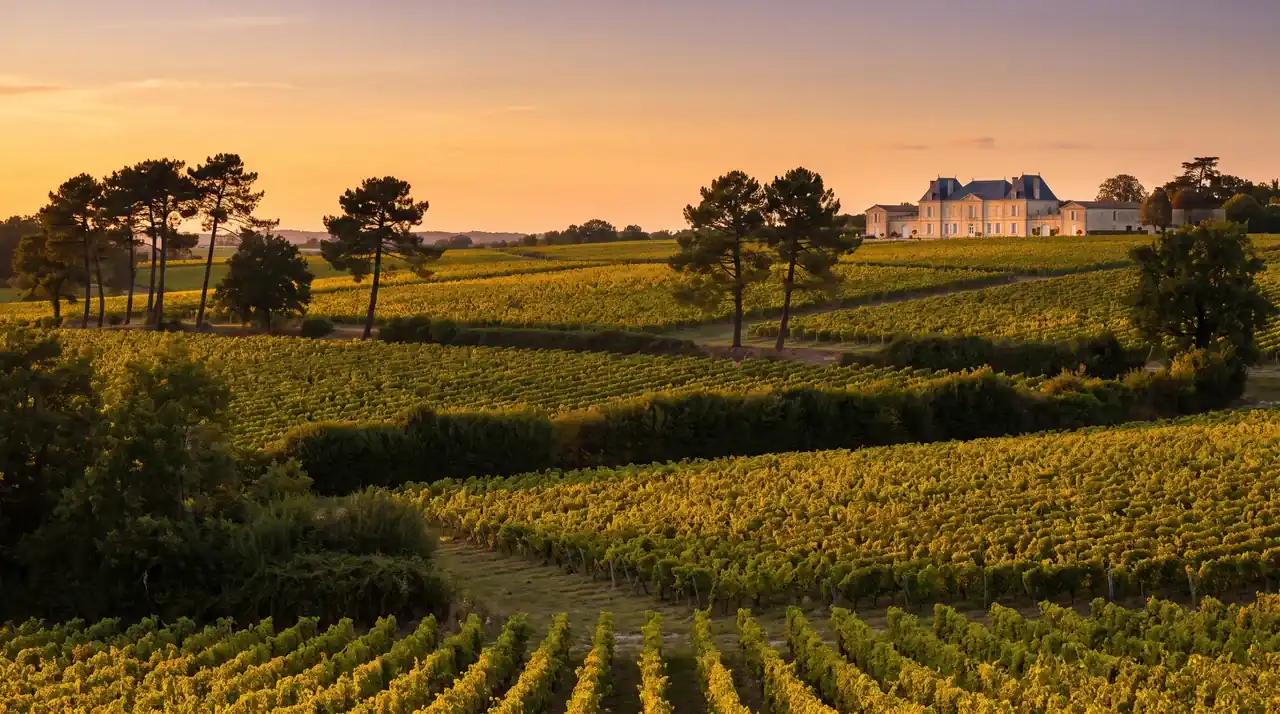
- Wine tasting at classified growths—the raison d'être of Margaux: tours and tastings are generally booked in advance, often through the Maison du Vin, which directs visitors to the open estates.
- The Margaux Wine House—located at 7 Place de la Trémoille, in the heart of town—serves as the appellation’s wine center, a tourist information office, and the starting point for tours.
- Follow the Route des Châteaux—the D2 departmental road, which winds its way north through the Médoc from Bordeaux, passing one grand cru after another.
- Admire the architecture of Château Margaux—its neoclassical façade with Ionic columns, designated a historic monument, and its grounds; one of the most beautiful wine-producing estates in the Bordeaux region.
- Visit the churches in the two towns—Saint-Didier de Cantenac, a designated historic monument, and Saint-Michel de Margaux—in their respective villages.
- Arriving by train — the Margaux station, on the Médoc line, has served the town since 1868; convenient for the village, but less so for the châteaux located further out.
A quick note to dispel two common misconceptions. The Fête de la Fleur is sometimes associated with Margaux: it is a traveling gala organized each year in June by the Commanderie du Bontemps, which takes place at a different castle each year and is therefore not specific to Margaux nor held on a fixed date. Similarly, there is no clearly documented regular market day in the village: it’s best to ask around once you’re there rather than relying on what you assume to be the norm.
| Activity | Where | Good to Know |
|---|---|---|
| Tasting of Classified Growths | Wineries in the appellation | By appointment · through the Maison du Vin |
| House of Wine | 7 Place de la Trémoille, Margaux | Welcome, advice, tasting |
| Castle Route | D2, from Bordeaux | Head north through the classified growths |
| Château Margaux (façade) | Margaux | Neoclassical building designated a historic monument in 1965 |
| Saint-Didier Church | Cantenac | Designated a historic monument in 1995 |
A practical tip: most grand cru estates are open to visitors only by appointment, and rarely on weekends. Château Margaux, for example, offers cellar tours by appointment Monday through Friday [source]. It’s best to book tastings in advance or go through the Maison du Vin de Margaux, which centralizes all the information. Since the châteaux are scattered throughout the vineyards, a well-planned tour covers two or three estates in the same morning rather than rushing around all day.
How can I visit the castles in Margaux?
The Route des Châteaux is the D2: it runs north from Bordeaux, passing through Margaux, Saint-Julien, Pauillac, and Saint-Estèphe, covering nearly 80 kilometers and eight appellations all the way to the tip of the Médoc—enough to keep you busy for two to three days if you want to see it all. To help plan your visits, the Maison du Vin de Margaux (7 Place de la Trémoille) serves as a central hub for information and sells wines from the appellation at estate prices. The grand Fête de la Fleur, a traveling gala organized by the Commanderie du Bontemps, takes place in June but changes venues each year: it is not an event specific to Margaux.
Can we take the train?
Yes, but with one caveat. The Margaux train station, on the Médoc line, connects Bordeaux-Saint-Jean to the town in about 40 minutes; however, it drops visitors off in the village, while the châteaux are scattered throughout the vineyards, sometimes several kilometers apart and with no direct connection between them. To go from one winery tasting to the next, it’s best to use door-to-door transportation.
About Margaux
Margaux isn't a destination in and of itself: it serves as the gateway to a peninsula entirely dedicated to wine, and nearby attractions are just a few minutes away. Nearby, Cantenac (about 1 km away) and Soussans (about 3 km away) are part of the appellation’s territory and extend the vineyards without you really noticing that you’ve changed villages. Arsac and Labarde, the other two communes in the AOC, round out the picture. Further north, Pauillac (about 20 kilometers away) is home to three First Growths and offers a more powerful counterpoint to the Margaux wines. And finally, Bordeaux is about 45 minutes south.
| From Margaux | Distance | Must-See |
|---|---|---|
| Cantenac | ≈ 1 km | Saint-Didier Church (Listed Building) · Château Palmer |
| Soussans | ≈ 3 km | Municipality of the Margaux appellation |
| Arsac / Labarde | ≈ 5–8 km | Municipalities in the Margaux AOC |
| Pauillac | ≈ 21 km | Three Premier Crus · The Estuary |
| Bordeaux | ≈ 31 km | City, waterfront, UNESCO-designated historic center |
Should we go all the way to Pauillac?
If the weather permits, yes. Traveling from Margaux back toward Pauillac means moving from finesse to power, comparing two sides of the Médoc in a single day: the grace of the Margaux wines to the south, the robust structure of the Pauillac wines to the north, with the Gironde estuary as a backdrop. It’s also an opportunity to explore a larger part of the peninsula—for this, you can consult the Pauillac guide, the guide to the Médoc as a whole, or even the Saint-Estèphe guide, at the northern tip of the major appellations. Margaux is the ideal starting point for this journey, as it is the first appellation you encounter upon leaving Bordeaux.
How to get to Margaux from Bordeaux
Getting to Margaux from Bordeaux is easy: it’s about 31 kilometers and takes three-quarters of an hour, taking the D2 departmental road—the Route des Châteaux—which runs north through the Médoc. Since Margaux is the first major appellation you’ll come across, it’s also the natural first stop on a getaway to the crus classés starting from the city. The drive itself is worth the detour, winding through gravel-covered hills and tree-lined avenues.
How much does the ride cost?
Transfers from Bordeaux start at 70 € during the day in the Eco class (1 to 3 passengers), at a fixed price confirmed in writing before departure—no meter, no surprises. Other classes, nighttime schedules, transfers to neighboring wine regions, and airport transfers are priced separately. You’ll know the price before you get in—that’s our policy.
| Route | Distance | Duration | Starting at |
|---|---|---|---|
| Bordeaux → Margaux | ≈ 31 km | ~45 min | 70 € |
| Bordeaux-Mérignac Airport → Margaux | ≈ 30 km | ~40 min | based on a quote |
| Expansion into neighboring wine regions | variable | — | based on a quote |
| Margaux Loop → Pauillac | ≈ 21 km | ~25 min | based on a quote |
Why choose a chauffeur service?
Because Margaux is meant to be savored, and savoring means not driving. Leaving the driving to a private chauffeur allows you to sample several classified growths in complete peace of mind, without worrying about parking or the return trip, and to fully enjoy your visits. This is especially useful here because, although the Margaux train station has served the village since 1868, it doesn’t go to the châteaux, which are often isolated in the middle of the vineyards, quite a distance from the village. A door-to-door transfer covers that last kilometer the train doesn’t reach—and brings you back to Bordeaux at the end of the day, at the time of your choosing.
Frequently Asked Questions
Where is Margaux located?
Margaux is located in the southeastern part of the Médoc, on the left bank of the Gironde estuary, in the Gironde department (33) and the Nouvelle-Aquitaine region. It is the southernmost commune-level appellation in the Médoc, and therefore the closest to Bordeaux: the town center is about 31 kilometers away, or roughly a three-quarter-hour drive via the D2, the Route des Châteaux. The village and the major vineyards are situated slightly set back from the estuary, on gravelly hilltops.
Is Margaux still a municipality?
Yes, but its name has changed. As of January 1, 2017, Margaux merged with its neighbor Cantenac to form a new municipality called Margaux-Cantenac, with its administrative seat in Margaux (INSEE code 33268, zip code 33460, area 21.62 km²). The wine appellation, however, has retained its name: people still say “a Margaux,” and the Margaux AOC remains the Margaux AOC. It is therefore important to distinguish between the municipality, Margaux-Cantenac, and the appellation, Margaux.
How many people live in Margaux?
According to the 2023 INSEE census, the municipality of Margaux-Cantenac has a population of approximately 2,845, with a population density of about 132 people per square kilometer. It is located in the heart of wine-growing country, where vineyards cover a large portion of the landscape. The residents are known as Margalais-Cantenacais, a name derived from the two former municipalities of Margaux and Cantenac, which merged in 2017.
When was the Margaux AOC established?
The Margaux Appellation d'Origine Contrôlée was recognized by a decree dated August 10, 1954. It is often, and incorrectly, dated to 1936, the year in which several Médoc communal appellations were established; for Margaux, official recognition came later. The AOC applies only to red wine—there is no white Margaux. The authorized grape varieties are those of the classic Médoc, dominated by Cabernet Sauvignon.
Which municipalities does the Margaux designation cover?
The Margaux AOC region is not limited to the village alone: it spans four municipalities, namely Margaux-Cantenac, Soussans, Arsac, and Labarde. A wine can therefore be a Margaux without coming from the village of Margaux in the strict sense. The planted area totals approximately 1,519 hectares (2023 figure), spread across the gravel-covered hilltops that form a unified terroir despite the administrative division among these four municipalities.
What are the top wines from Margaux?
Margaux is home to twenty-one classified growths from the 1855 classification, the highest number of any commune in the Médoc: one Premier Cru (Château Margaux), five Deuxièmes Crus (Rauzan-Ségla, Rauzan-Gassies, Durfort-Vivens, Lascombes, Brane-Cantenac), ten third-growths (including Palmer, Kirwan, d’Issan, Giscours, Malescot Saint-Exupéry, Cantenac-Brown, Marquis d’Alesme), three fourth-growths (Marquis de Terme, Pouget, Prieuré-Lichine), and two fifth-growths (Dauzac, du Tertre). This concentration of great estates is unique in the Médoc.
Is Château Margaux the only Premier Cru in the appellation?
Yes. Château Margaux is the appellation’s only 1855 Premier Cru, and one of the five premier crus of the Bordeaux region, alongside Lafite, Latour, Mouton-Rothschild, and Haut-Brion. The château is a neoclassical building constructed around 1810–1815 based on plans by architect Louis Combes; it has been listed as a historic monument since 1965. The estate has been owned by the Mentzelopoulos family since 1977, under the leadership of Corinne Mentzelopoulos.
Is Le Pavillon Blanc a Margaux?
No. Château Margaux’s Pavillon Blanc is a white wine made from 100% Sauvignon Blanc, but the Margaux AOC only recognizes red wine. This white wine therefore cannot claim the Margaux appellation; it is marketed as a Bordeaux Blanc AOC. It’s a delightful paradox—one of the most prestigious white wines in the Bordeaux region comes from the Margaux premier cru, yet it does not bear the appellation’s name. The word “Margaux” always refers to a red wine.
Why is Château Margaux called “the Versailles of the Médoc”?
Because of the grandeur of its neoclassical façade—a peristyle with four Ionic columns topped by a triangular pediment—and the vastness of its grounds, which evoke the “Grand Siècle.” But take note: “the Versailles of the Médoc” is an informal nickname used by tourists, born of visitors’ admiration, and not an official title. The monument’s true status can be summed up in a single line: it has been listed as a historic monument since 1965 (entry PA00083617).
Can we visit the castles in Margaux?
Yes, but almost always by appointment. The classified growths host tours and tastings that must be booked in advance; the Maison du Vin de Margaux, located at 7 Place de la Trémoille, helps organize these visits and directs visitors to estates that are open to the public. You shouldn’t just show up unannounced at different wineries. It’s best to plan your day in advance by booking one or two tastings and allowing enough time to travel between the estates.
How far is Margaux from Bordeaux?
The center of Bordeaux is about 31 kilometers from Margaux, or roughly a three-quarters-hour drive via the D2, the Route des Châteaux, which runs north through the Médoc (a route calculator estimates about 33 km and 42 minutes). Since Margaux is the southernmost commune in the Médoc, it is the most accessible from the city and the first major wine-growing destination you encounter when leaving Bordeaux.
How much is a chauffeured transfer from Bordeaux to Margaux?
Transfers from Bordeaux to Margaux start at 70 € during the day in the Eco class (1 to 3 passengers), with a fixed fare confirmed in writing before departure and no meter. Other classes, nighttime service, extensions to neighboring wine regions, and transfers from Bordeaux-Mérignac Airport are priced separately. You’ll know the total cost before you get in the car.
What's there to see around Margaux?
Nearby, Cantenac (≈ 1 km) and Soussans (≈ 3 km) extend the appellation’s vineyards; Arsac and Labarde round out the four communes of the AOC. Further north, Pauillac (≈ 21 km) is home to three Premier Crus and offers a more powerful contrast, before Saint-Estèphe at the far end of the major communes. To the south, Bordeaux is about 45 minutes away. Margaux is the ideal starting point for a journey up the Route des Châteaux through the Médoc.
Further Reading
- Three Premier Crus further north: see the Pauillac Guide (Lafite, Latour, Mouton-Rothschild, the estuary), about 20 kilometers from Margaux
- The entire wine-growing peninsula: see the Médoc Guide (grands crus, appellations, and the Route des Châteaux, from south to north)
- On the other side of the communal vineyards: see the Saint-Estèphe Guide (Cos d'Estournel, Montrose, the northern Médoc)
- All our getaway ideas: explore our destinations from Bordeaux, from the vineyards to the Arcachon Basin
- Plan your day at the wineries: request a fixed-price quote on the booking page for a door-to-door transfer from Bordeaux to Margaux, starting at 70 €
Sources and References
- AOC Margaux — Wikipedia — appellation, 4 municipalities, 21 classified growths, 1954 decree
- Château Margaux — Wikipedia — 1er cru, neoclassical, designated a historic monument in 1965
- Château Palmer — Wikipedia — 3rd growth, General Charles Palmer
- Margaux-Cantenac — Wikipedia — new municipality formed in 2017, demographics
- Saint-Didier Church in Cantenac — POP/Mérimée PA00083902 — designated a historic monument in 1995
- Margaux Médoc Tourism — châteaux, tours, and tourist information
- INAO — Margaux — specifications and the 21 wines classified in 1855
- Château Margaux — Tours and Contact — Official Tour Policies
Article updated on July 18, 2026.
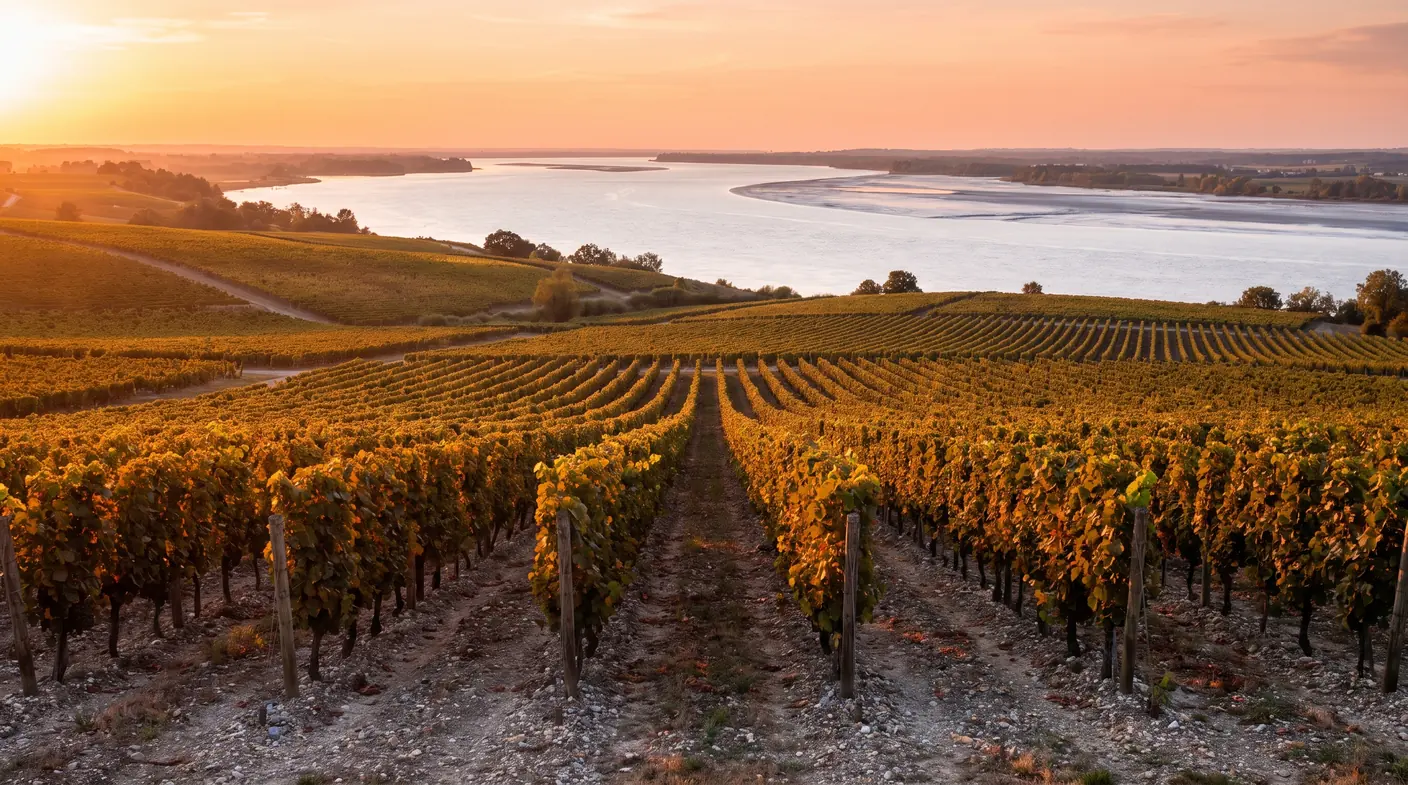
On the way to Margaux
Direct transfer to Margaux and its classified growths, about 45 minutes from Bordeaux. Written, fixed-price quote with no obligation.