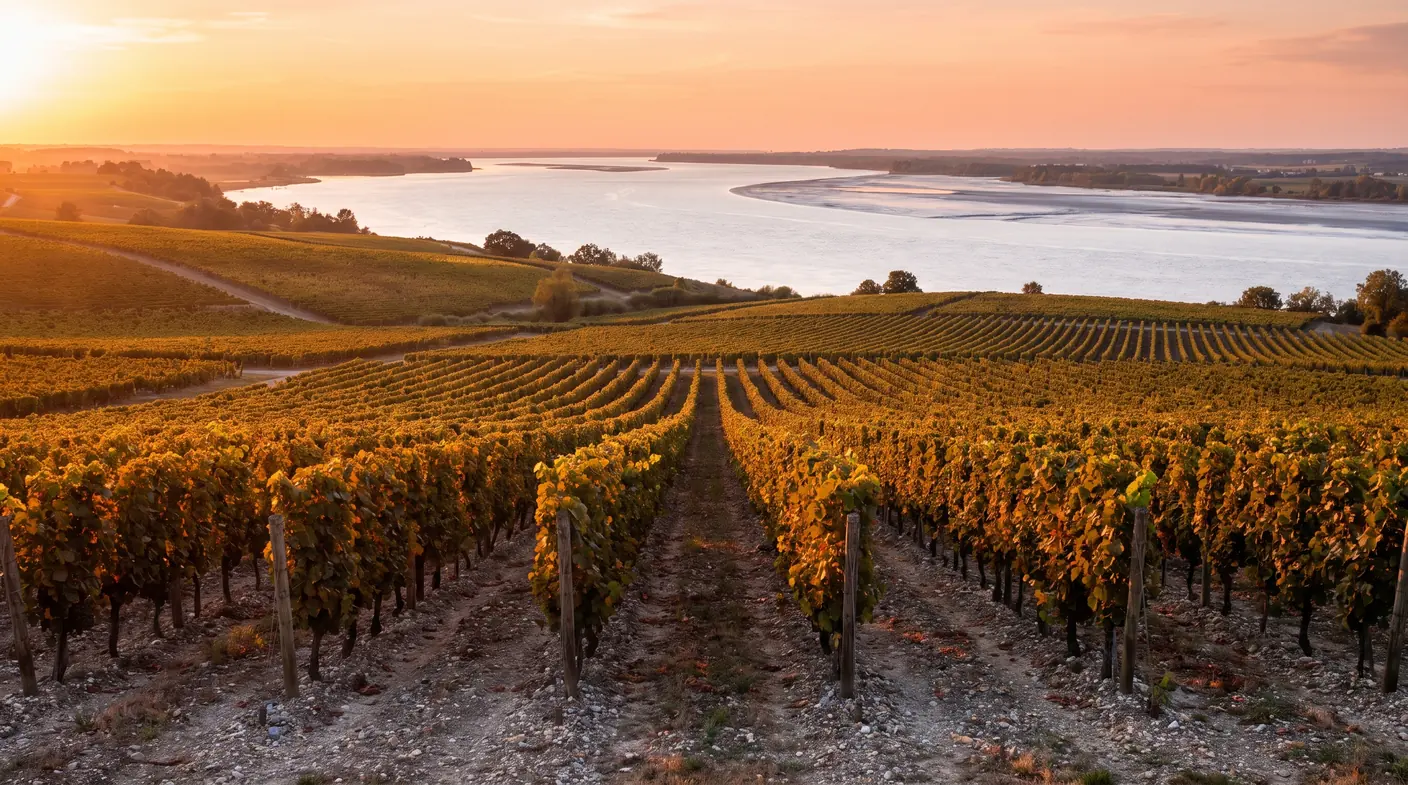
Pauillac and Its First Growths
The only town in the Médoc to boast three First Growths: Lafite, Latour, and Mouton-Rothschild. A port city on the Gironde estuary, the Route des Châteaux, Pauillac lamb, and wine labels designed by renowned artists—all just an hour from Bordeaux.
Pauillac at a Glance
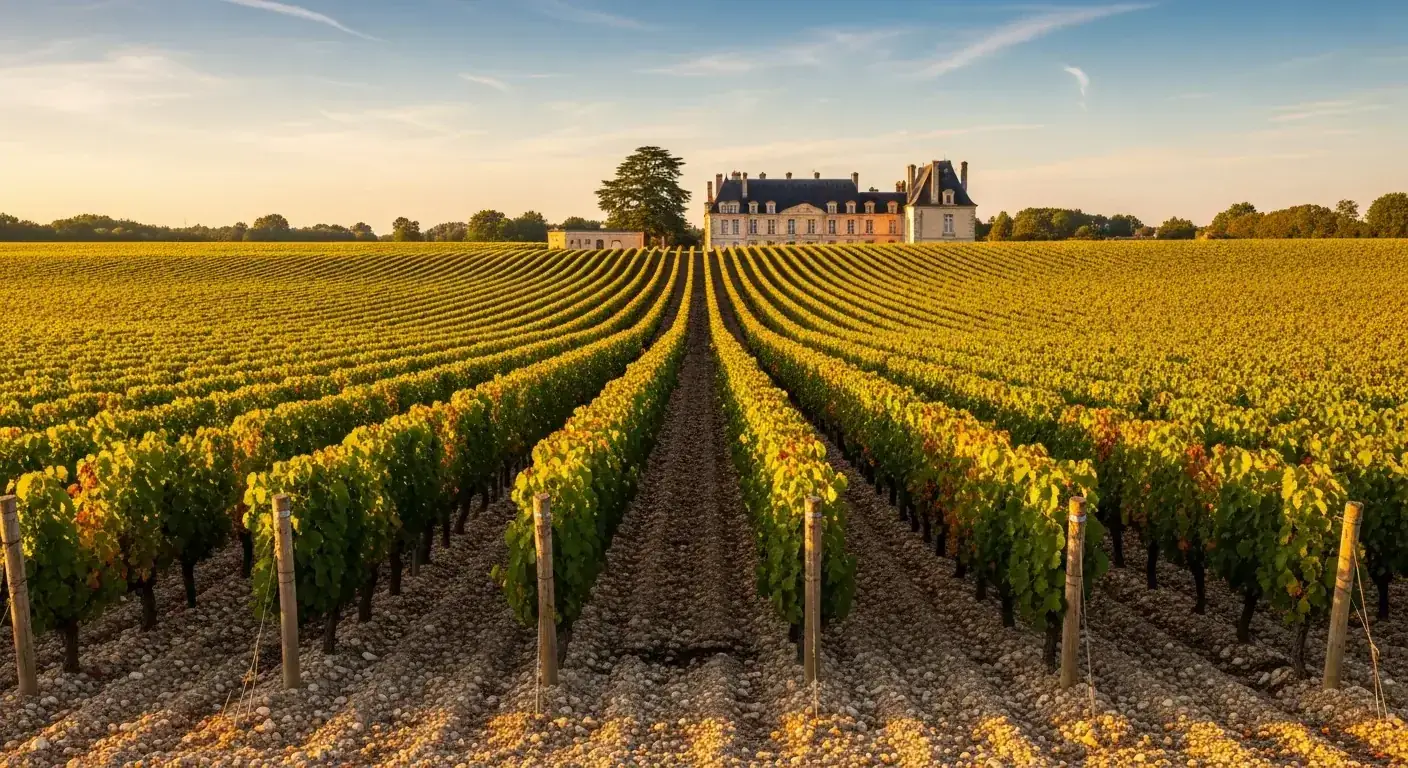
Pauillac encompasses three First Growths from the 1855 classification: Château Lafite Rothschild, Château Latour, and Château Mouton Rothschild, which was promoted to First Growth status in 1973. The appellation produces only red wines and includes eighteen classified growths. Its landscape combines gravel-covered hills, rows of Cabernet Sauvignon vines, and the Gironde estuary. From Bordeaux, the one-way journey covers approximately 52 km and takes one hour; the advertised private chauffeur service starts at €109 during the day for a sedan accommodating 1 to 3 passengers, subject to the surcharges indicated in the quote. A successful visit requires advance planning by appointment, as the estates are scattered and their visiting policies vary. The Maison du Tourisme et du Vin serves as a convenient starting point to check opening hours, select châteaux, and organize tastings without having to drive yourself. Pauillac rounds out its wine-growing identity with its riverbanks, its estuary, and Pauillac lamb, protected by a Protected Geographical Indication (PGI).
Few towns boast such prestige in such a small area. Here, the châteaux are far more famous worldwide than the town that is home to them. Before looking at the details of the wines, appellations, and the city’s maritime history, here are the essential facts to help you locate Pauillac and understand why this town in the Gironde holds a special place in the history of wine. Each figure below has been verified: this helps avoid the approximations that often circulate about Pauillac, starting with its administrative status and classification.
| Landmark | Details |
|---|---|
| Location | Gironde (33) · Médoc Peninsula, left bank of the estuary |
| Status | A wine-growing town on the estuary · Lesparre-Médoc district |
| Population | ~5,190 residents (INSEE 2023), the residents of Pauillac |
| Must-Sees | The three First Growths, the estuary, and the Maison du Tourisme et du Vin |
| From Bordeaux | ~52 km · ~1 hr · starting at €109 |
Where is Pauillac located?
Pauillac is a municipality in the Médoc, in the Gironde department (INSEE code 33314, ZIP code 33250). It covers an area of approximately 22.74 km² on the Left Bank — the west bank — of the Gironde estuary, about 50 kilometers north of Bordeaux. The Médoc forms a long peninsula wedged between the estuary to the east and the Atlantic Ocean to the west; Pauillac occupies its eastern part, home to the large vineyards facing the water.
The town lies between two other famous names in the wine region: Saint-Julien-Beychevelle to the south and Saint-Estèphe to the north. This central location, in the heart of the Haut-Médoc wine region, explains why Pauillac is considered the unofficial capital of the grands crus. Administratively, the town belongs to the Médoc Cœur de Presqu’île community of municipalities, which encompasses several villages in this part of the Gironde department.
One point deserves clarification, as it is often misrepresented in guidebooks and on tourist maps. Pauillac is neither a subprefecture nor a canton seat. The district and subprefecture to which it belongs is Lesparre-Médoc, about twenty kilometers to the northwest. Since the 2015 redistricting of the cantons, Pauillac has been part of the canton of Nord-Médoc, whose administrative office is also located in Lesparre. One sometimes reads the opposite: this is a misconception that should be dispelled, likely stemming from Pauillac’s symbolic importance in the wine region.
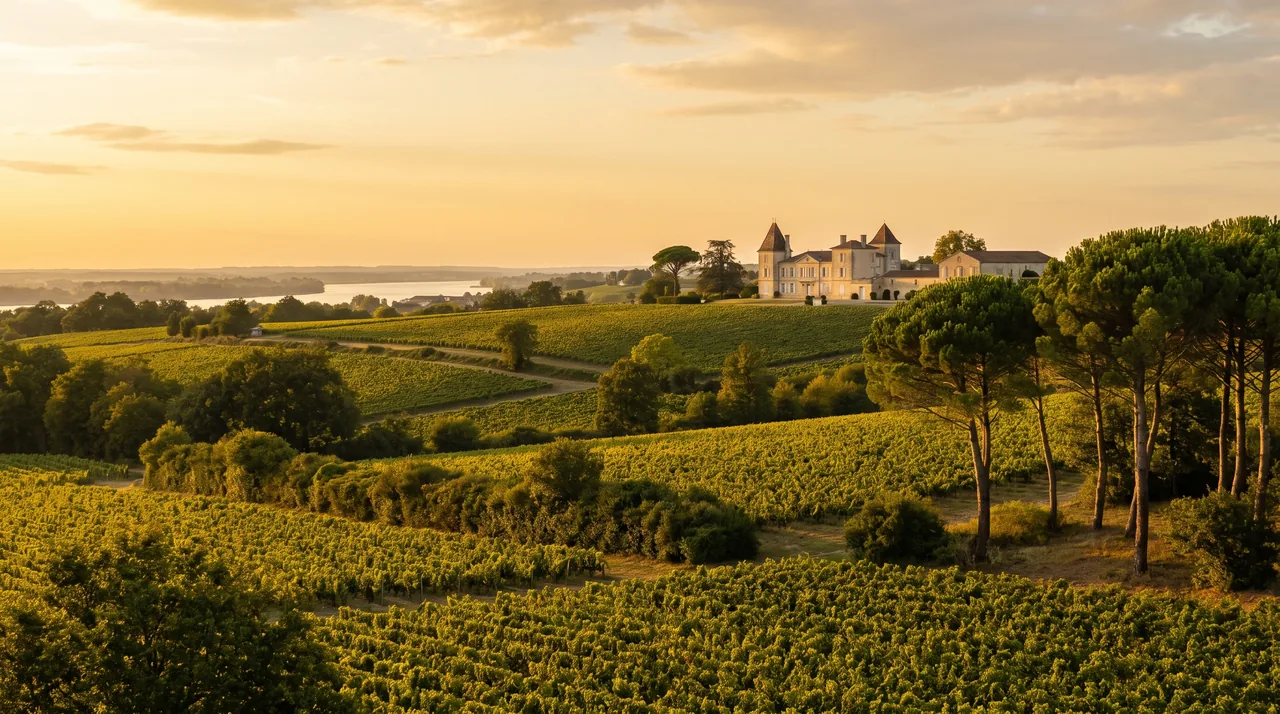
At a glance, the geography of the area is obvious: the Médoc stretches its vineyards as close as possible to the estuary, on the gravelly ridges that line the water, while the sandier inland areas leave more room for the pine forest. Pauillac occupies precisely this prime strip of land, right on the banks of the Gironde. It is this geography—vineyards on one side, the river on the other—that explains both the quality of the wines and the town’s historic role as a port, two assets rarely found together in a single town within the Bordeaux wine region.
How far is it from Bordeaux?
From Bordeaux, it’s about 52 km and roughly an hour’s drive, depending on traffic; route calculators like OSRM tend to show 55 km by road, with the difference stemming from the routes they use. You reach Pauillac via the D1215 and then the D2, the road that, once you enter the vineyards, becomes the famous Route des Châteaux. The route gradually follows the estuary and passes through the Haut-Médoc appellations, which in itself is already a delightful prelude to the journey. Here are the main driving distances to help you find your way around the northern Médoc.
| From Pauillac | Distance | Landmark |
|---|---|---|
| Saint-Julien-Beychevelle | ~6 km | Wine-growing village in the south |
| Saint-Estèphe | ~7 km | Neighboring appellation to the north |
| Lesparre-Médoc | ~24 km | Médoc Subprefecture |
| Bordeaux | ~52 km | ~1-hour drive · starting at 109 € |
How many people live in Pauillac?
According to the latest available census, Pauillac has 5,190 residents (INSEE municipal population, 2023), a figure that has risen slightly. On a national scale, it remains a small town; but within the Médoc wine region—which is often divided into villages of just a few hundred people—Pauillac stands out as a true town. In fact, it is the largest town in the Médoc wine region, which means it is home to a concentration of shops, services, and a lively daily life not found in the neighboring hamlets.
What are the residents of Pauillac called?
The residents are known as the Pauillacais and the Pauillacaises. The town combines two complementary sides. On one hand, it is a hub of services and commerce, with its market, marina, schools, and bustling waterfront. On the other, it is a wine mecca where enthusiasts from around the world flock each year to taste the finest vintages. This dual nature—a lively town and a wine mecca—gives Pauillac a unique atmosphere: here, everyday life coexists with the understated luxury of some of the world’s most prestigious wine estates.
This modest but stable population stands in stark contrast to the town’s immense fame. Few towns of this size can boast such strong global recognition: the name “Pauillac” appears on the wine lists of the finest restaurants, from Tokyo to New York, far beyond what one would expect given a population of this size. This is the very paradox of this region, where a handful of square kilometers carries considerable weight in the world of wine.
| Data | Value |
|---|---|
| Municipal Population | ~5,190 residents (INSEE 2023) |
| Trend | Up |
| Demonym | Pauillacais, Pauillacaises |
| Area | ~22.74 km² |
| Local rank | Largest city in the Médoc wine region |
Where does the name Pauillac come from?
The name Pauillac belongs to a family of place names that is very common in the Bordeaux region and, more broadly, throughout the Southwest. It is thought to derive from the Gallo-Roman personal name Paullius (or Pavillius), followed by the locative suffix -acum, which is of Gallic origin and was later Latinized. Taken together, the name can be understood as “the estate of Paullius”: the name of an ancient landowner combined with the name of the place that belonged to him. In other words, originally, Pauillac referred less to a village than to an agricultural property associated with a particular man.
What does the suffix -ac mean?
This -acum suffix, which gave rise to the -ac ending in Gascon and French, is found in numerous towns in the Southwest and the Gironde. It reflects a network of large agricultural estates inherited from the Roman era: each -ac generally refers to the name of a former Gallo-Roman owner. It is this same linguistic mechanism that shaped countless place names in the region, evidence of the density of ancient rural settlement in this corner of the Gironde.
Nothing in this etymology, therefore, refers to vineyards, wine, or the estuary. Pauillac was originally a name for a man and a piece of land, long before it became the name of a famous wine. Winegrowing, however, would not establish itself as the commune’s defining characteristic until much later, as the Médoc—long a marshy area—was drained, reclaimed, and then planted, gradually becoming dotted with the châteaux that are the source of its glory today. The name, however, has endured through the centuries virtually unchanged, preserving the legacy of that distant, ancient estate.
The AOC Pauillac
The Protected Designation of Origin Pauillac has been recognized by the Decree of November 14, 1936, one of the very first French AOC wine appellations (Official source: Bordeaux Wine Council, accessed July 24, 2026). It refers exclusively to red wines : At Pauillac, there are no white, rosé, or sweet wines produced under the communal appellation. All the terroir’s energy is focused on a single style: age-worthy reds that are tannic and refined, crafted to age for decades in the cellar.
The king of grape varieties is the Cabernet Sauvignon, which commonly represents 70 to 80% of the blend for grand cru wines, complemented by Merlot and Cabernet Franc, and sometimes with a touch of Petit Verdot. It is this Cabernet-dominated blend that gives Pauillac wines their tannic structure, their aromas of blackcurrant and cedar, and the aging potential for which they are renowned. Where other Bordeaux appellations rely more heavily on Merlot, Pauillac fully embraces the power and longevity of Cabernet Sauvignon.
What sets the Pauillac apart?
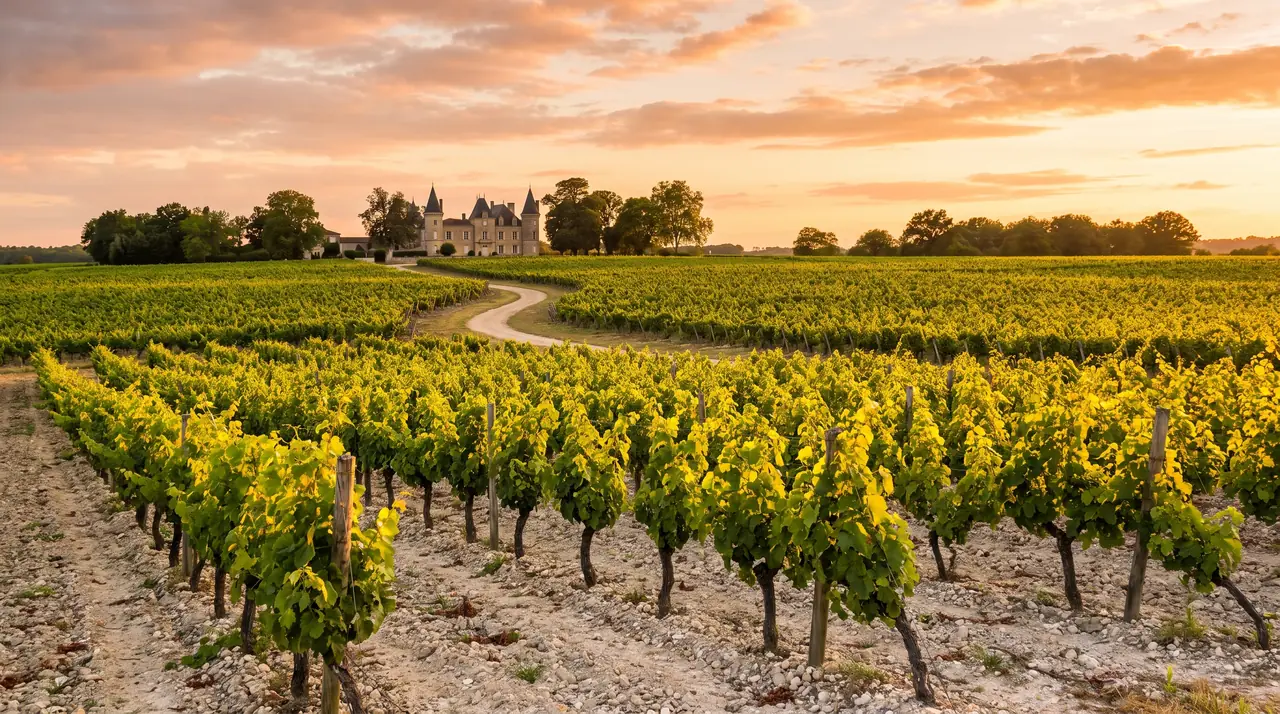
What makes Pauillac unique is, first and foremost, its soil. The vineyard is situated on hillsides of Günzian gravel: accumulations of pebbles, gravel, and sand deposited by the Garonne River during the Quaternary period, forming well-drained mounds that rise slightly above the surrounding landscape. This poor, well-drained soil plays a dual role. It forces the vines to send their roots deep into the ground to find water, which limits yields and concentrates the grapes; and at night, it releases the heat stored during the day, providing the Cabernet Sauvignon—a late-ripening and demanding grape variety—with the ideal conditions to reach full maturity.
Added to this is the proximity of the estuary, whose body of water moderates the extremes of the climate and partially protects the vineyard from spring frosts. Together, these factors create a terroir of great consistency, capable of consistently producing exceptional vintages. It is this combination—deep gravel soils, perfect drainage, the influence of the estuary, and a predominance of Cabernet—that defines the Pauillac style: structured, dense wines that are often austere in their youth but promise to reach heights of complexity after a few years of aging.
The appellation covers approximately 1,222 hectares (as of 2023), cultivated by some 47 winegrowers. This relatively compact area boasts one of the highest concentrations of prestigious wines in the world. Critics agree that the best Pauillacs rank among the most renowned—and most sought-after—red wines on the planet, which explains the prestige of the three châteaux listed below and the sometimes astronomical prices their bottles fetch at auction.
It’s also worth noting that the 1855 classification applies only to red wines from the Gironde region: Pauillac, which is entirely dedicated to red wine, is the absolute archetype of this. Nowhere else has the hierarchy established under Napoleon III left such a lasting mark on the landscape and the collective consciousness. Each château cultivates its reputation with the precision of a master craftsman, from vineyard work to aging in oak barrels—a process that often lasts nearly two years. It is this level of excellence, applied to an exceptional gravel terroir, that elevates the finest Pauillacs to the status of global benchmarks for red wine.
| AOC facts | Details |
|---|---|
| Color | Red wines only |
| Recognition decree | November 14, 1936 |
| Main grape variety | Cabernet Sauvignon (70–80% of the grands crus) |
| Other grape varieties | Merlot, Cabernet Franc, Petit Verdot |
| Area | ~1,222 ha (2023) · ~47 winegrowers |
| Soil | Günzian gravel ridges, excellent drainage |
The three First Growths: Lafite, Latour, Mouton
This is the fact most often cited about Pauillac, and it is absolutely correct: the municipality is the only appellation in the Médoc to be home to three First Growths. No other Médoc appellation boasts as many. To understand what this means, we must go back to the 1855 ranking, prepared at the request of Napoleon III on the occasion of the Paris World's Fair. This classification of red wines from the Gironde region, drawn up by Bordeaux wine brokers, originally identified four premier crus: Lafite, Latour, and Margaux in the Médoc, plus Haut-Brion, the sole representative of the Graves region.
Two of these four founding châteaux are located in Pauillac: Château Lafite Rothschild and Château Latour. A third, Château Mouton Rothschild, joined them more than a century later, under unique circumstances that we will detail. Official websites accessed on July 24, 2026. Together, these three estates form an unparalleled trio, located just a few kilometers apart. Here is a detailed look at each one, covering its history and terroir.
Château Lafite Rothschild
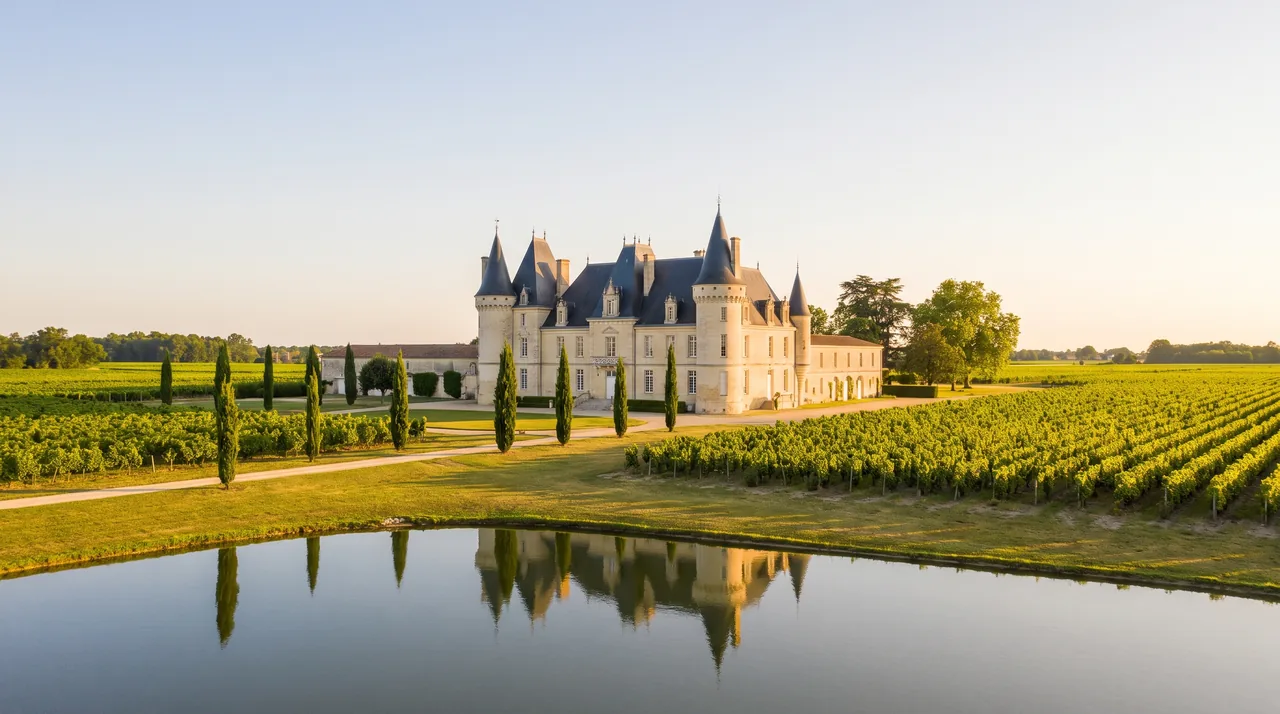
Château Lafite Rothschild has been classified as a First Growth since 1855. Located in the northern part of the commune, on the border with Saint-Estèphe, it was acquired in 1868 by Baron James de Rothschild, patriarch of the French branch of the family, who gave the estate its name. Its vineyards cover approximately 112 to 116 hectares, with Cabernet Sauvignon accounting for about 70% of the plantings. Lafite is renowned for the elegance and finesse of its wines, often described as the most subtle and airy of the Pauillac trio—a hallmark of delicacy rather than raw power.
Château Latour
Château Latour, also classified as a premier cru as early as 1855, is located at the southern end of the appellation, on the border with Saint-Julien. Its name comes from a old tower which once stood on the banks of the estuary, a remnant of a medieval defensive structure. The estate has belonged to 1993 to François Pinault's Artémis Group. Its historic center, the historic enclos covering approximately 47 hectares in a single block, is planted with about 80% Cabernet Sauvignon. Latour also made a lasting impression by becoming, with the 2018 vintage, the The first of the classified growths to be certified 100% organic — a symbolic milestone for an estate of this stature.
Where Lafite emphasizes finesse, Latour embodies power and depth: its wines are considered the most full-bodied and best suited for very long aging of the three. Two contrasting styles, just a few kilometers apart, on the same gravelly terroir—which explains why, once in the glass, connoisseurs readily compare these two leading figures of the Médoc.
Château Mouton Rothschild: the only one to be promoted
The history of Château Mouton Rothschild is the most unique—and the most frequently misrepresented. Unlike Lafite and Latour, Mouton was not a First Growth in 1855: it was classified as a Second Cru, at the top of its category but just below the highest tier. One must be careful not to write that it was “first as early as 1855”: this is false, yet the error persists. The estate had been acquired in 1853 by Nathaniel de Rothschild, of the English branch of the family, just two years before the famous classification.
It was not until 1973, after a long struggle spanning several decades led by Baron Philippe de Rothschild, that Mouton was finally promoted to First Growth. The decree formalizing this promotion was signed by the then Minister of Agriculture, Jacques Chirac. To this day, this remains the only change ever made to the 1855 classification: an absolutely unique event in the history of Bordeaux wine, where the 1855 hierarchy is considered sacrosanct. The château’s motto bears witness to this comeback: the phrase “I cannot be first, I will not settle for second—I am Mouton” was succeeded by the proud declaration “I am first, I was second—Mouton never changes.”
So keep this nuance in mind, because it distinguishes the connoisseur from the mere narrator: at Pauillac, two of the premier crus have held that status since 1855 (Lafite and Latour), while the third (Mouton) attained it in 1973. It is this exception that makes the Pauillac trio even more fascinating than its sheer prestige alone.
Together, Lafite, Latour, and Mouton cover barely a few hundred hectares, yet they account for a disproportionate share of the prestige—and value—of Bordeaux wine. Their bottles are sometimes sold at prices befitting true collector’s items, particularly at international auctions. For visitors, the main attraction is not so much tasting these rare bottles as it is understanding, firsthand, what makes this corner of Pauillac so special: a single strip of gravel facing the estuary, three renowned families, and more than a century and a half of quiet rivalry between exceptional neighbors.
| Castle | Rank in the standings | Owner / Landmark |
|---|---|---|
| Lafite Rothschild | First Growth since 1855 | Baron James de Rothschild (1868), northern part of the town |
| Latour | First Growth since 1855 | Artémis / François Pinault (1993), south of the town |
| Mouton Rothschild | Classified as a 2nd Growth in 1855, promoted to 1st Growth in 1973 | Nathaniel de Rothschild (1853); decree signed by Jacques Chirac |
Other classified growths in Pauillac
The three First Growths are only part of Pauillac’s exceptional classification. Pauillac has a total of eighteen classified growths as of 1855, a density that very few appellations can claim. Their distribution presents an interesting fact that wine enthusiasts like to point out: the town has no Third Growth. While the Médoc as a whole boasts a number of famous third-growth wines, Pauillac does not include this specific classification.
The breakdown is as follows: 3 First Growths, 2 Second Growths, no Third Growths, 1 Fourth Growth, and 12 Fifth Growths. This abundance of fifth crus—often of very high quality—makes Pauillac a prime hunting ground for wine enthusiasts seeking great wines at prices more affordable than those of the top three crus. In fact, many of these fifth-growths rival the higher classifications from other communes.
Second, fourth, and fifth growths
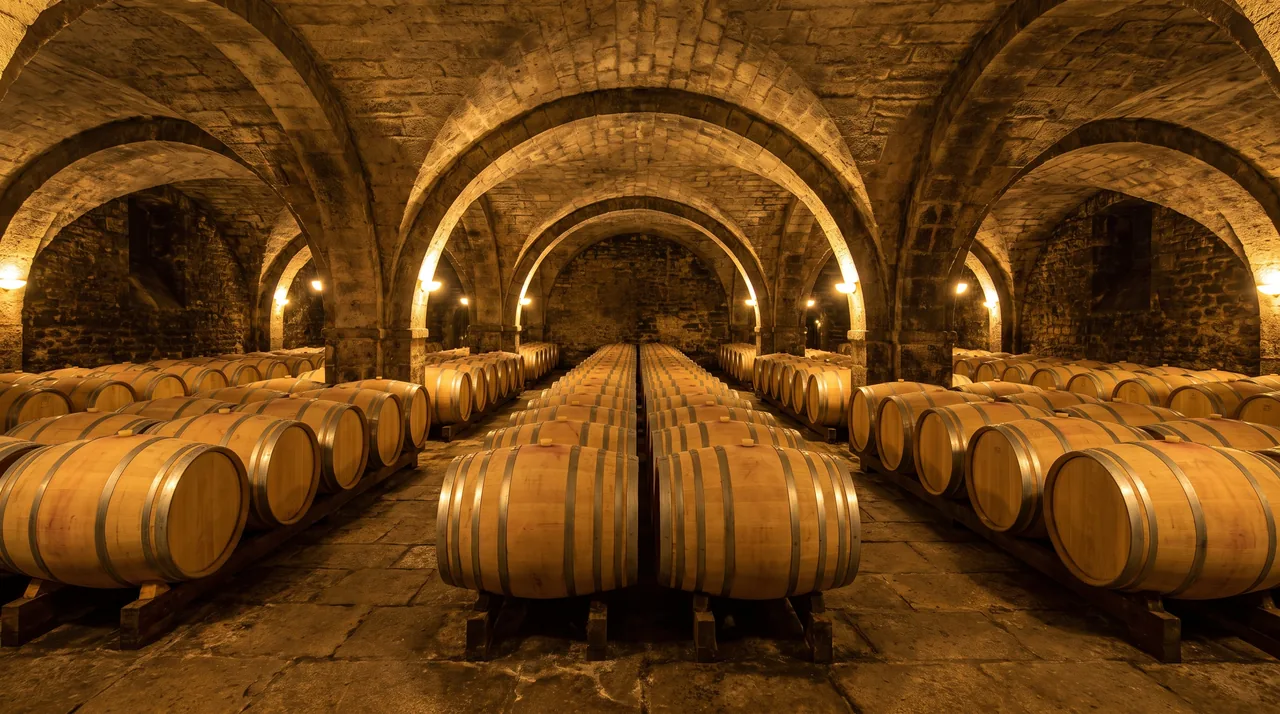
The two second growths are the separate estates of the Pichon family: Château Pichon-Longueville Baron and Château Pichon-Longueville Comtesse de Lalande, which face each other on either side of the road in the southern part of the town, not far from Latour. Their shared history, stemming from the division of a single estate in the 19th century, makes them one of the most famous pairs in the Médoc. The fourth-growth is Château Duhart-Milon, owned by the Lafite Group, whose exacting standards it shares.
Among the twelve Fifth Growths are some highly regarded names: Pontet-Canet, a pioneer of biodynamics in the Médoc and one of the most admired estates today; Grand-Puy-Lacoste, a benchmark for consistency; Batailley; d’Armailhac and Clerc-Milon, both part of the Mouton Rothschild group; and Lynch-Bages, undoubtedly the best known to the general public. All of these estates offer those interested in discovering Pauillac a more accessible entry point than the top three.
Lynch-Bages, the perennial candidate?
The case of Lynch-Bages has been a topic of conversation among wine enthusiasts for generations. Some critics believe that the consistency and quality of its wines—which are acclaimed worldwide—deserve a higher ranking than that of a Fifth Growth. This is an opinion, not an official fact: the 1855 classification, with one exception—Mouton in 1973—has never been revised, and Lynch-Bages remains, administratively speaking, a fifth growth. This observation illustrates above all how much the rigid 19th-century hierarchy continues to fuel the debate, even as the market itself has long since reshuffled the deck in terms of price and reputation.
This wealth of classified growths makes Pauillac an appellation best explored in concentric circles: you can discover the Pauillac style through a renowned fifth growth before, perhaps one day, treating yourself to one of the three top estates. The estates surrounding Mouton—such as d’Armailhac and Clerc-Milon—or the unmissable Pontet-Canet already offer a very accurate glimpse of the region’s power and finesse. This is also what makes the appellation so strong: a rare depth of range, where even the lowest-ranked wines retain genuine substance and character.
| Rank (1855) | Number | Examples in Pauillac |
|---|---|---|
| First Growth | 3 | Lafite Rothschild, Latour, Mouton Rothschild (since 1973) |
| Second Growth | 2 | Baron Pichon-Longueville, Countess Pichon of Lalande |
| Third Growth | 0 | None at Pauillac |
| Fourth Growth | 1 | Duhart-Milon |
| Fifth Growth | 12 | Pontet-Canet, Lynch-Bages, Grand-Puy-Lacoste, Batailley… |
Mouton Rothschild and Art
Mouton Rothschild is not only known for its 1973 vintage. The château pioneered a tradition that has become legendary in the world of wine: since 1945, a different artist has designed the label each year, whose signature appears on the upper part of the bottle. The idea, conceived by Baron Philippe de Rothschild in the aftermath of World War II, has turned each bottle into a small work of art in its own right, transforming the collection of vintages into a veritable gallery.
Which artists designed the labels?
The list of signatories includes some of the biggest names in modern art. Pablo Picasso designed the label for the 1973 vintage—precisely the year the estate was promoted to First Growth status, as if by a twist of fate—joined over the decades by Marc Chagall, Salvador Dalí, and Joan Miró. Each year thus brings its own original creation, with the artist being compensated—in keeping with the estate’s tradition—with bottles from the château. Taken together, this series of labels constitutes an anthology of 20th-century art applied to wine, sought after by collectors and museums in its own right.
This connection to art is no mere coincidence at Mouton: it is an extension of a family tradition of pioneering spirit. Baron Philippe de Rothschild was, in fact, also a technical innovator. As early as 1924, he mandated that all bottling take place at the château—a first in Bordeaux, where it was customary for wine to be shipped in barrels to wine merchants. This decision guaranteed the wine’s authenticity, from vine to bottle, and set a precedent throughout the appellation. The château also houses a Museum of Wine in Art, which brings together precious objects, tapestries, silverware, and works of art dedicated to vines and wine across civilizations—a visit that naturally extends the connection between Mouton and creativity.
In practical terms, this dual distinction—the Class of 1973 and the gallery of artist-designed labels—makes Mouton Rothschild one of the most talked-about châteaux in the Médoc. People come here as much for the wine as for the history, and a visit to the Museum of Wine in Art is the perfect way to round out an exploration of the Château Route. It’s also a fine example of how a winery, through vision and tenacity, can rewrite a hierarchy once thought to be set in stone—enough to fuel conversation, glass in hand, long after the tour is over.
The port city and the estuary
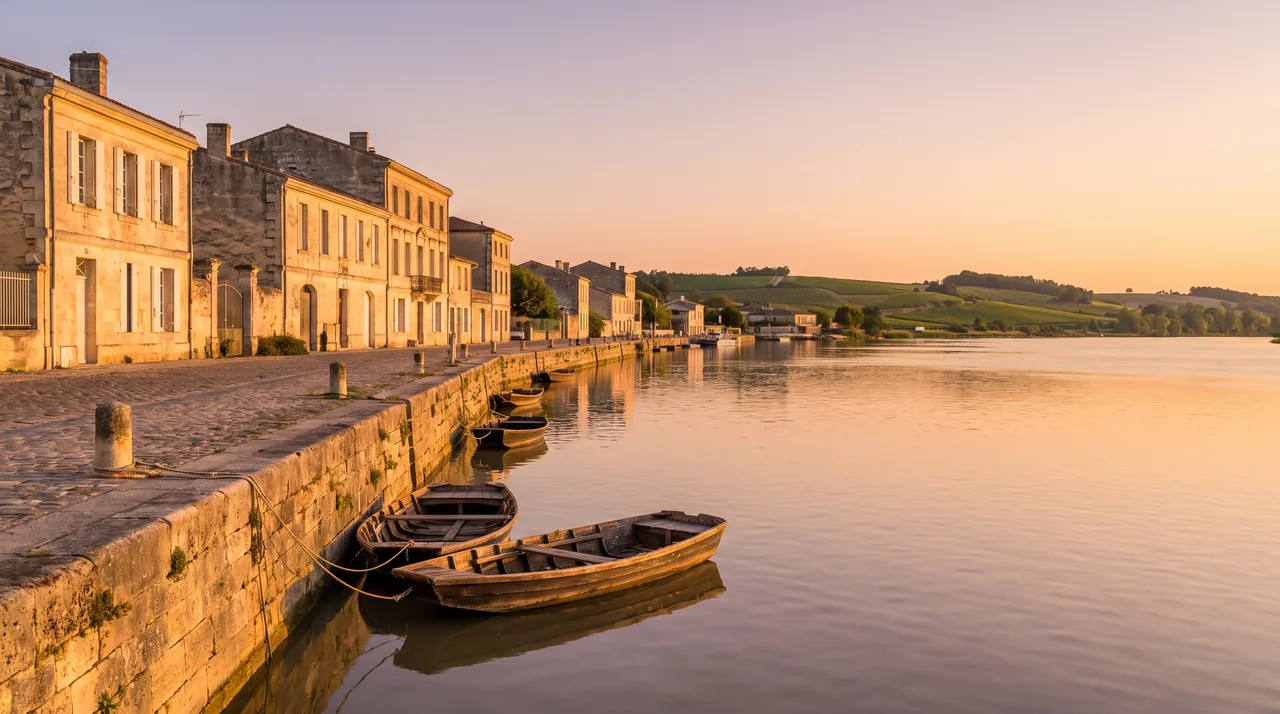
People often forget—given how much the castles dominate the image of Pauillac—that the town is first and foremost a port city. Its docks stretch for about 1,300 meters along the Gironde estuary, making it, as they say, the longest riverfront in the department. It is there, facing the water, that the heart of Pauillac life beats: café terraces, strollers, the market, the marina, and an unobstructed view of Western Europe’s largest estuary. The vineyards begin just a few hundred meters away, but it is the estuary that has truly shaped the town.
This estuary area has a rich maritime history that has been somewhat forgotten today. From the late 19th century through World War II, Pauillac served as a port of call for transatlantic liners: beginning around 1896, large ships would stop there before or after crossing the Atlantic, taking on and disembarking passengers and mail. For a generation of emigrants and travelers, Pauillac was thus their last glimpse of France—or their first.
A Stopover in History's Grand Narrative
World War I, too, left an unexpected mark. Pauillac was home to a U.S. Navy seaplane base—the U.S. Naval Air Station at Pauillac, located at the Trompeloup site from December 1917 to February 1919. Thousands of American sailors passed through here, temporarily turning this corner of the Médoc into a little piece of America. The town also claims a connection to La Fayette: the ship La Victoire, which carried the marquis to revolutionary America, set sail from the region on March 25, 1777. The current marina, built in 1977, is named “La Fayette” in memory of this pivotal moment in Franco-American friendship.
Wine, of course, is never far away. The town is home to the “La Rose Pauillac” cooperative winery, founded in 1933 and described as the oldest cooperative in the Médoc. It enables small local winemakers to produce and market their wines collectively under the Pauillac appellation—a down-to-earth, community-driven alternative to the opulence of the neighboring grands crus, and a great way to enjoy a more affordable Pauillac.
What is Pauillac lamb?
Local cuisine has its own icon: the lamb from Pauillac, protected by a Protected Geographical Indication (PGI) (INAO Official Fact Sheet, accessed July 24, 2026). Be wary of the persistent misconceptions about it: it is not a "pre-salé" lamb, not a Label Rouge, and not an AOC. It is a farm-raised lamb, raised with its mother and slaughtered young—around 75 days old—whose light, delicate, and tender meat is traditionally served roasted, accompanied by a full-bodied Pauillac whose tannins pair perfectly with the meat. This pairing of local terroir and cuisine is so iconic that the town dedicates a major festival to it every spring.
Thus, even before being a destination for fine wines, Pauillac is a city with a strong connection to the water: a harbor, quays, a history of crossings and stopovers, and a restaurant that pairs its lamb with its red wines. It is this more humble, everyday side that pleasantly surprises visitors who have come solely for the châteaux. Taking the time to stroll along the quays at sunset, when the estuary turns orange against the backdrop of the vineyards, remains one of the most beautiful ways to capture the soul of the town, far from the somewhat static image of prestigious wine labels.
Heritage and the Maison du Tourisme et du Vin
The architectural heritage of Pauillac is more understated than its wine châteaux, but it gives structure to the town center and is worth taking a moment to admire. Saint-Martin Church, a parish church built between 1824 and 1829 according to plans by architect Armand Corcelles, dominates the town center with its neoclassical silhouette. It’s worth a look for its grandeur and simplicity—though we cannot attribute any specific heritage classification to it here, as its status has not been verified: it’s best to simply present it for what it is, the 19th-century church that watches over the town.
Where can you find information and enjoy a taste of the city?
The ideal starting point for a visit is the Maison du Tourisme et du Vin de Pauillac, located on the waterfront along the estuary. It brings together under one roof the tourist office and a tasting area offering a selection of about 24 wines from the eight Médoc appellations—Médoc, Haut-Médoc, Margaux, Saint-Julien, Pauillac, Saint-Estèphe, Moulis, and Listrac. This gives you the chance to compare styles, refine your palate, and make an informed choice about which châteaux you’d like to visit.
Its terrace overlooks the estuary, and here you can book most of the area’s activities: winery tours, cruises on the Gironde, and wine-tasting workshops. It’s the best place to plan a day in the area—tastings included—without getting lost in the maze of vineyard roads or stumbling upon closed gates. For many visitors, the Maison du Tourisme et du Vin is thus the logical first stop, even before setting out to explore the grand crus.
Beyond these two key features, Pauillac’s charm lies in its scale: a town on a human scale, quiet side streets, and the ever-present estuary that comes into view around every corner. While it may not be as spectacular as the châteaux in the wine region, it’s a cohesive and peaceful setting that reminds us that Pauillac is, first and foremost, a place to live. A short stroll between the church, the riverfront, and the Maison du Tourisme et du Vin is enough to get a feel for it—ideally before or after a morning spent at the vineyards.
What is there to do in Pauillac?
At Pauillac, we love to plan our day around wine, but the city and its estuary have plenty of other pleasures to offer. You can step through the gates of a grand cru for a guided tasting—most of them are open to visitors by appointment only, and the Maison du Tourisme et du Vin is in charge of organizing these events. We then drive along the Route des Châteaux, Route D2, which features the most photographed facades in the Médoc. We stroll along the piers, stretching over a kilometer, before setting off in the summer for a Estuary Discovery Cruise. On Saturday morning, the market brings the town center to life; in the spring, the town celebrates its lamb at a major community event. There’s enough to fill an entire day without ever leaving town, with its wine heritage, fine dining, and waterfront.
- Taste the grand cru wines—most of which are available by appointment only, which can be booked through the Maison du Tourisme et du Vin.
- Follow the Route des Châteaux (D2), the iconic road that runs through the entire Médoc wine region.
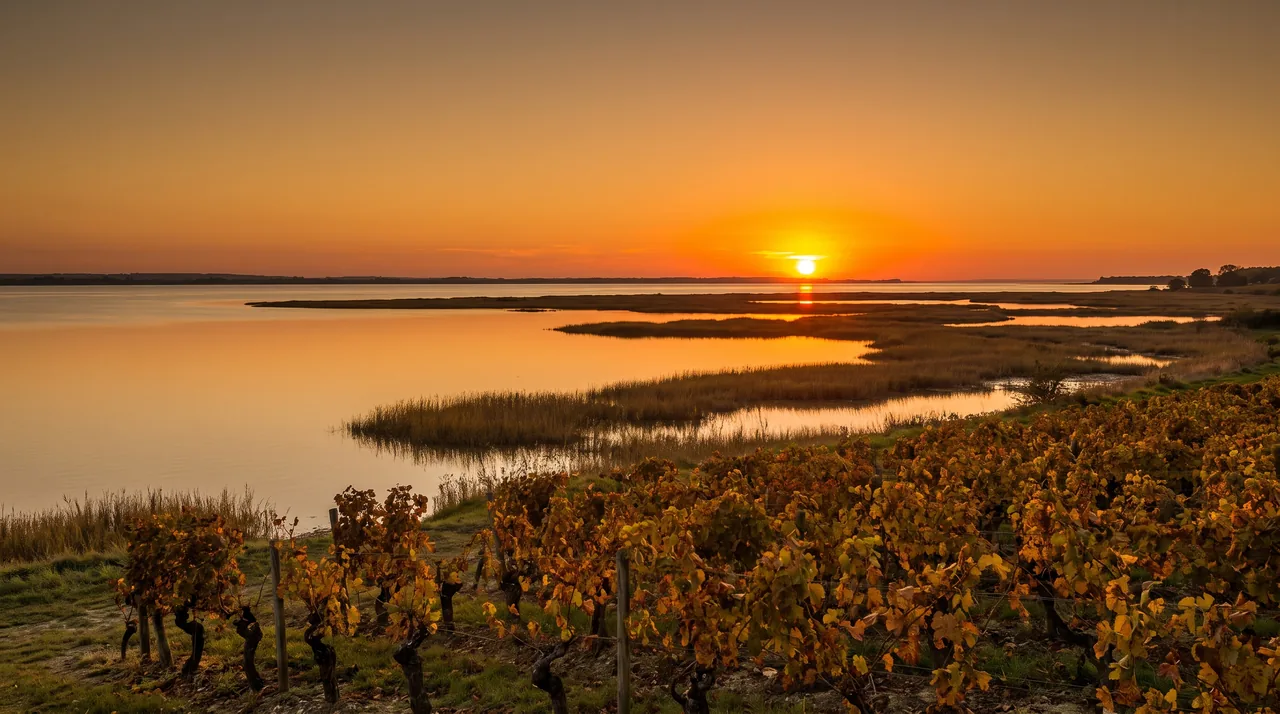
- Take a walk along the waterfront of the estuary, with approximately 1,300 meters of riverfront facing the Gironde.
- Set sail on a cruise to explore the Gironde Estuary, offered during the summer.
- Go to the market on Saturday morning, in the heart of town, to buy local products.
- Celebrate the Festival of the Lamb on Pentecost weekend, featuring the local PGI.
- Enjoy "Music & Cook & Wine", free concerts in the gardens of the Tourist Office.
A quick note to clear up a common misunderstanding: the Cordouan Lighthouse and Fort Médoc are not in Pauillac. These are Medoc excursions in their own right, located elsewhere on the peninsula, and should be distinguished from a visit to the town itself. You can, of course, combine them into a single trip, but they are separate stops and should not be confused with Pauillac’s heritage sites.
In practice, a perfect day in Pauillac combines two or three winery visits in the morning, a lunch featuring lamb, and then a late afternoon spent on the waterfront or on a cruise along the estuary. There’s no need to rush: the town is compact enough to easily move from one winery to the waterfront, and has enough to offer that you’ll want to come back. It’s best to book your tastings in advance—since most of the top wineries are open by appointment only—and to leave some time for unexpected encounters.
| Desire | Where / When | Good to Know |
|---|---|---|
| Grand Cru Tasting | In the castles | By appointment · through the Maison du Tourisme et du Vin |
| Route des Châteaux | D2 | Linking several fields along a single axis |
| Walk & Cruise | Docks and Estuary | Summer Cruises · ~1,300 m of docks |
| Market | Downtown | Saturday morning |
| Lamb Festival | In town | Pentecost Weekend |
About Pauillac
Pauillac is an excellent base from which to explore the northern Médoc, as the neighboring appellations are just a few minutes away. Saint-Estèphe, about 7 km to the north, is home to full-bodied, age-worthy wines, such as Cos d’Estournel—recognizable by its pagodas—and Montrose. Saint-Julien-Beychevelle, about 6 km to the south, is considered one of the most consistent appellations in the Médoc, serving as a bridge between the power of Pauillac and the elegance of Margaux. Further on, about 24 km away, Lesparre-Médoc, the subprefecture, marks the entrance to the more rural Médoc—a region of marshes, forests, and Atlantic beaches.
What day trips are available from Pauillac?
If you’re heading out to the coast, two landmarks are worth a visit, even though they’re not located within the town. Fort Médoc, in Cussac-Fort-Médoc, is part of the “estuary lock” system designed by Vauban and listed as a UNESCO World Heritage Site as part of the fortifications built by the king’s engineer. The Cordouan Lighthouse, nicknamed the “King of Lighthouses” and the “Versailles of the Sea,” stands in the open water at the mouth of the Gironde River and can be visited by boat. An itinerary starting from Pauillac can thus combine fine wines, a fortress, and the estuary all in a single day. To extend your journey, check out our neighboring guides below.
- Saint-Estèphe (~7 km, to the north) — see our guide: Bordeaux → Saint-Estèphe.
- The Médoc as a whole, its 8 appellations, and the Route des Châteaux — see Bordeaux → Médoc.
- Sauternes and its sweet wines, on the left bank south of Bordeaux — see Bordeaux → Sauternes.
| Nearby Destination | Distance | Interest |
|---|---|---|
| Saint-Julien-Beychevelle | ~6 km | Neighboring appellation to the south |
| Saint-Estèphe | ~7 km | Cos d'Estournel, Montrose |
| Lesparre-Médoc | ~24 km | Subprefecture, Rural Médoc |
| Fort Médoc (Cussac) | Day trip | Vauban Fortress, UNESCO |
How to get to Pauillac from Bordeaux
The drive from Bordeaux to Pauillac is about 52 km and takes roughly one hour, via the D1215 and then the D2. Once there, Pauillac serves as the natural starting point for the Route des Châteaux and visits to premier cru vineyards, eliminating the need for multiple round trips to the city. You save time, but more importantly, you’re right in the heart of the vineyards, where everything happens within a few kilometers.
How much does the ride cost?
For a private driver, the Bordeaux → Pauillac transfer starts at €109 during the day for a sedan accommodating 1 to 3 passengers. The fare is fixed and confirmed in writing before departure: no meter, no surprises upon arrival. Please note that there is a surcharge for nighttime, weekend, and holiday trips, as well as for van service when there are more than 3 passengers. Trips to neighboring wine regions—Saint-Julien, Saint-Estèphe—or from Bordeaux-Mérignac Airport are priced on a quote basis, depending on the desired route.
| Route | Distance / Duration | Starting at |
|---|---|---|
| Bordeaux → Pauillac | ~52 km · ~1 hr | 109 € |
| Pauillac → neighboring wines | Depending on the itinerary | Based on a quote |
| Bordeaux Airport → Pauillac | Depending on traffic | Based on a quote |
Why choose a chauffeur service?
The argument here is very practical, going beyond mere convenience. The train on the Médoc line does serve the town of Pauillac, but not the châteaux: these are often located several kilometers from the station, scattered among the vineyards, with no public transportation connecting them. Yet a day in Pauillac is best spent moving from estate to estate, along small roads that wind through the vineyards. A chauffeur service solves the problem: door-to-door travel from Bordeaux, waiting time between tastings, and, above all, the freedom to sample the grand crus without ever having to drive or keep track of the kilometers. It is, by far, the simplest and most stress-free way to fully enjoy the top three wines in a single day.
All in all, Pauillac rewards those who take the time to discover it: three premier crus within easy reach, eighteen crus classés, an estuary steeped in history, and a unique local cuisine. Just an hour from Bordeaux, the town offers a condensed taste of the Médoc’s most prestigious offerings in a single day, without ever having to choose between the vineyards and the river. It is this rare combination of fine wine and waterfront charm that, even today, makes a getaway to Pauillac so worthwhile.
Frequently Asked Questions
How much does a trip from Bordeaux to Pauillac cost with a private driver?
The Bordeaux → Pauillac transfer starts at €109 during the day for a sedan accommodating 1 to 3 passengers. The price is fixed and confirmed in writing before departure—no meter, no surprises. It covers door-to-door service from your address in Bordeaux or from the airport. A surcharge applies at night, on weekends, and on holidays; for groups of more than 3 passengers, we’ll use a van. Trips to neighboring wine regions or the airport are priced based on a quote, depending on the chosen route.
What are the premier crus of Pauillac?
Pauillac brings together three First Growths—a unique occurrence in the Médoc: Château Lafite Rothschild, Château Latour, and Château Mouton Rothschild. Lafite and Latour have been classified as First Growths since the 1855 classification. Mouton Rothschild, on the other hand, was initially classified as a second growth and was not promoted to first growth until 1973. These three châteaux, all dedicated to Cabernet Sauvignon, are among the most renowned and sought-after red wines in the world.
What is Pauillac lamb?
Pauillac lamb is a meat protected by a Protected Geographical Indication (PGI). Contrary to popular belief, it is not “pre-salé” lamb, nor is it Label Rouge or AOC. It is a sheep raised in a sheepfold, reared by its mother, and slaughtered young—around 75 days old—with light-colored, tender meat. It is traditionally served roasted, accompanied by a fine Pauillac. Every year, the town holds a Lamb Festival in its honor on Pentecost weekend.
Why wasn't Mouton Rothschild classified as a First Growth in 1855?
In the 1855 classification, Château Mouton Rothschild was ranked as a second growth, not a first growth. It was not until 1973 that it was promoted to first growth, following a long campaign led by Baron Philippe de Rothschild. The decree confirming this promotion was signed by Jacques Chirac, then Minister of Agriculture. To this day, it remains the only change ever made to the 1855 classification, making Mouton’s case absolutely unique in the history of Bordeaux wine.
How long does the trip from Bordeaux to Pauillac take?
Allow about an hour to cover the roughly 52 kilometers between Bordeaux and Pauillac, via the D1215 and then the D2, depending on traffic. Some route calculators indicate a distance of 55 km by road. Once you arrive, be sure to set aside time to explore the vineyards themselves: the châteaux are scattered along the Route des Châteaux, and a full day will allow you to visit two or three of them around Pauillac at a leisurely pace.
Is Pauillac the subprefecture of the Médoc?
No. Pauillac is neither a subprefecture nor a canton seat, contrary to what is sometimes reported. The district and subprefecture to which the municipality belongs are located in Lesparre-Médoc, about 20 kilometers away. Since the 2015 redistricting, Pauillac has belonged to the canton of Nord-Médoc, whose administrative office is also in Lesparre. Pauillac remains, however, the largest town in the Médoc wine region and an important service hub for the peninsula.
How many residents are there in Pauillac?
Pauillac has a population of approximately 5,190 according to INSEE municipal population data (2023 census), a figure that has risen slightly. It is the largest town in the Médoc wine region, although it remains modest by national standards. Its residents are known as Pauillacais and Pauillacaises. The municipality covers approximately 22.74 km² on the left bank of the Gironde estuary, between Saint-Julien-Beychevelle to the south and Saint-Estèphe to the north.
Can we visit the grand crus of Pauillac?
Yes, but most of the grand cru estates can only be visited by appointment: you can’t just show up unannounced. The easiest way is to go through the Maison du Tourisme et du Vin de Pauillac, which organizes tastings and books estate tours. It also offers, on-site, a selection of about 24 wines from the Médoc’s eight appellations—ideal for comparing styles before choosing which châteaux you’d like to explore along the Route des Châteaux.
Does Pauillac produce white wine?
No. The Pauillac appellation, recognized by the decree of November 14, 1936, refers exclusively to red wines. There are no white, rosé, or sweet wines designated under this communal appellation. The dominant grape variety is Cabernet Sauvignon, which makes up 70 to 80% of the blend for the grands crus, complemented by Merlot and Cabernet Franc. It is these age-worthy, tannic, and distinguished reds that have earned Pauillac its worldwide reputation.
How many classified growths are there in Pauillac?
Pauillac includes eighteen wines classified under the 1855 classification: 3 First Growths, 2 Second Growths, no Third Growths, 1 Fourth Growth, and 12 Fifth Growths. The absence of any Troisième Crus is a distinctive feature of the commune. This high proportion of fifth-growths—many of which are of excellent quality, such as Pontet-Canet, Lynch-Bages, and Grand-Puy-Lacoste—makes Pauillac an ideal place to find great wines at more affordable price points.
Who designs the labels for Mouton Rothschild?
Since the 1945 vintage, Château Mouton Rothschild has commissioned a different artist each year to design the upper portion of its label. Among the signatories are some of the greatest names in modern art, such as Pablo Picasso—who designed the label for the 1973 vintage, the year the estate was promoted to First Growth status—Marc Chagall, Salvador Dalí, and Joan Miró. This tradition, initiated by Baron Philippe de Rothschild, makes each bottle a small, collectible work of art that is highly sought after.
Does the train stop at the castles in Pauillac?
The train on the Médoc line serves the town of Pauillac, but not the châteaux, which are often located several kilometers from the station and have no public transportation connections. However, a tour of the vineyards is best enjoyed by traveling from estate to estate along vineyard roads. That’s why a chauffeur service is particularly well-suited to the itinerary: it provides door-to-door travel from Bordeaux, waits between tastings, and lets you enjoy the fine wines without having to drive.
When is the best time to visit Pauillac?
Spring and fall are the most pleasant seasons. Spring brings the vineyards in full growth and local highlights such as the Fête de l'Agneau on Pentecost weekend; fall coincides with the grape harvest and offers superb light over the estuary. Summer is the perfect time for cruises to explore the Gironde and the “Music & Cook & Wine” events in the gardens of the Tourist Office. The Saturday morning market, meanwhile, brings the town to life all year round.
Further Reading
- Book your ride: Bordeaux → Pauillac by chauffeured transfer, fixed-price quote starting at €109.
- Continue north through the Médoc: Saint-Estèphe, Cos d'Estournel, and Montrose.
- Explore the entire peninsula: the Médoc, its eight appellations, and the Château Route.
- Let's switch gears to sweet wines: Sauternes and Château d'Yquem.
- All our destinations from Bordeaux: explore the route map.
Sources and References
- AOC Pauillac — Wikipedia — appellation, 18 classified growths, terroir
- Château Mouton Rothschild — Wikipedia — promoted to First Growth in 1973, labels designed by artists
- Château Lafite Rothschild — Wikipedia — 1855 First Growth, Rothschild 1868
- Château Latour — Wikipedia — 1855 First Growth, Artémis 1993
- Pauillac Lamb — Wikipedia — PGI, farm-raised lamb
- Maison du Tourisme et du Vin de Pauillac — tours, tastings, estuary
Article updated on July 18, 2026.
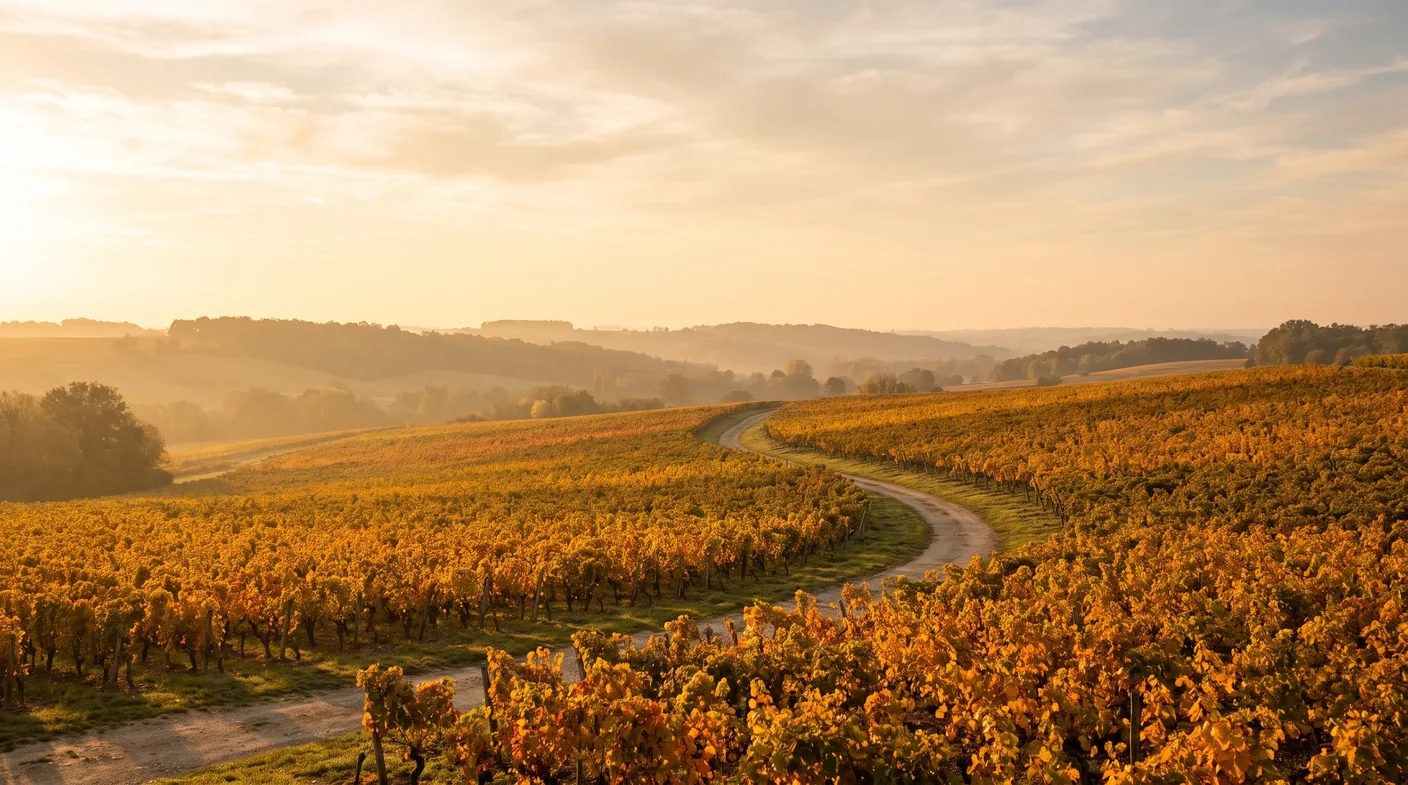
On the way to Pauillac
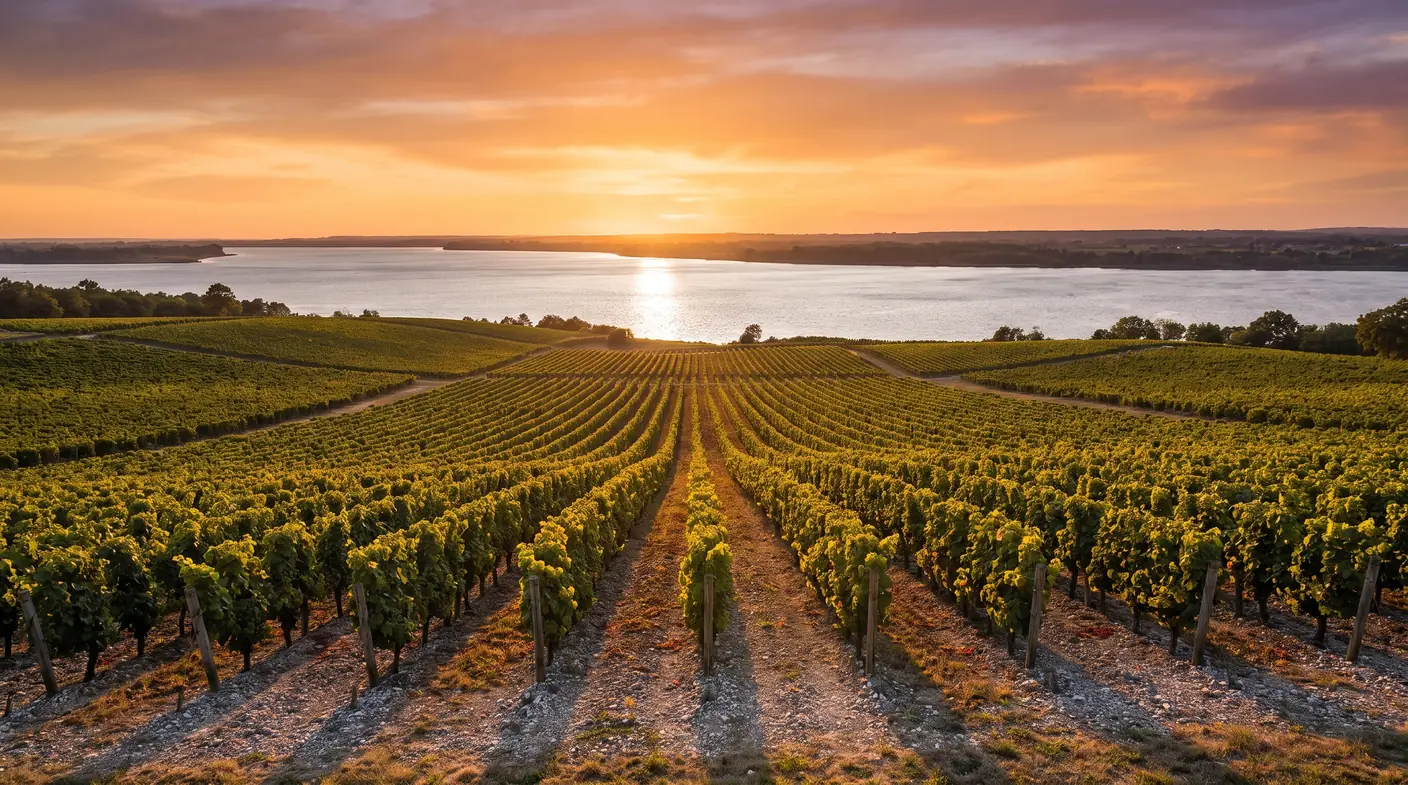
Direct transfer from Bordeaux (~1 hour) to Pauillac, its premier cru vineyards, and the estuary. Fixed-price quote in writing, with no obligation.