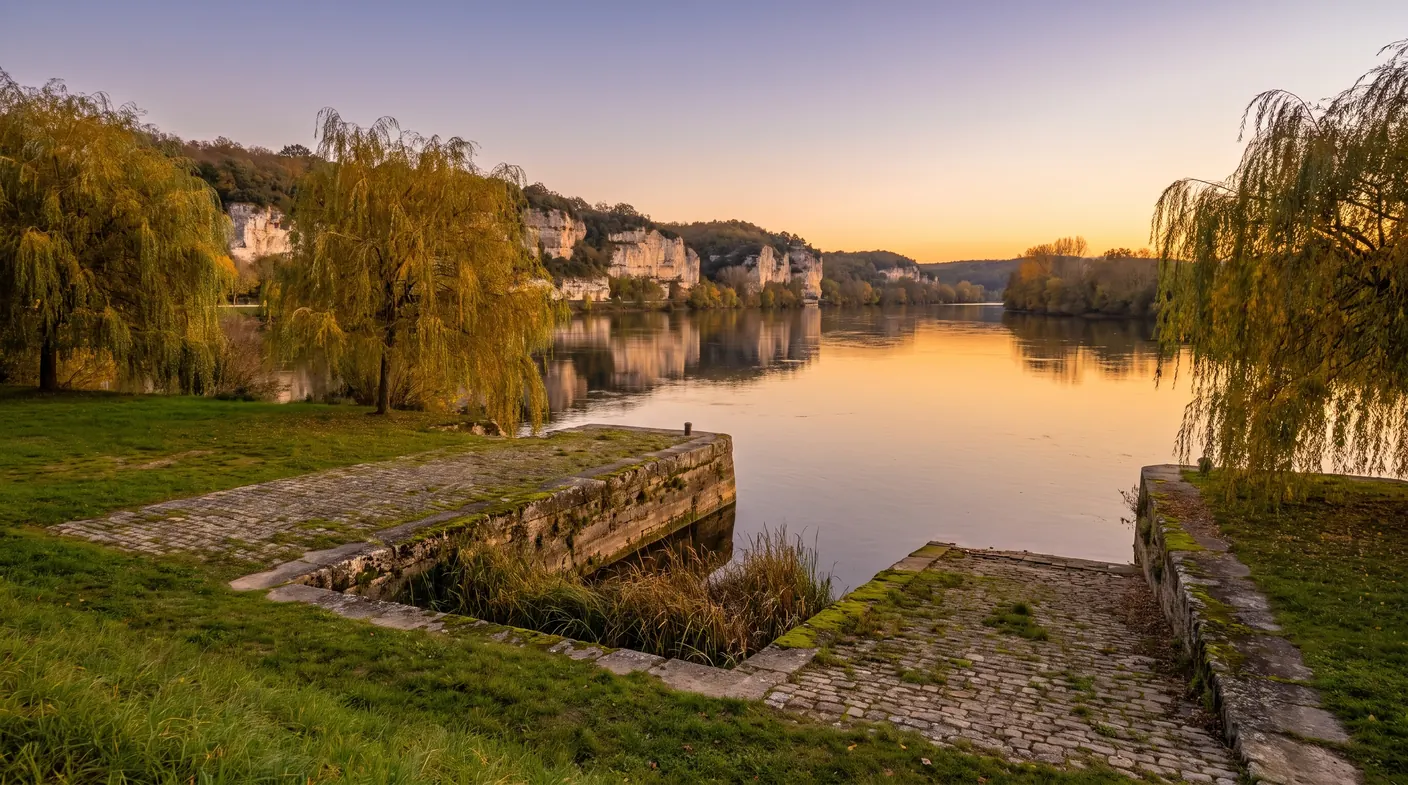
Bordeaux to Asques: a port on the Dordogne
A small village at the edge of a limestone plateau overlooking a bend in the Dordogne River, on the right bank. A former river port that has become a boating stop, a church inherited from a Hospitaller commandery, and nearby Saint-André-de-Cubzac (Cousteau’s town), Fronsac, and Libourne. Half an hour from Bordeaux.
Asques at a Glance
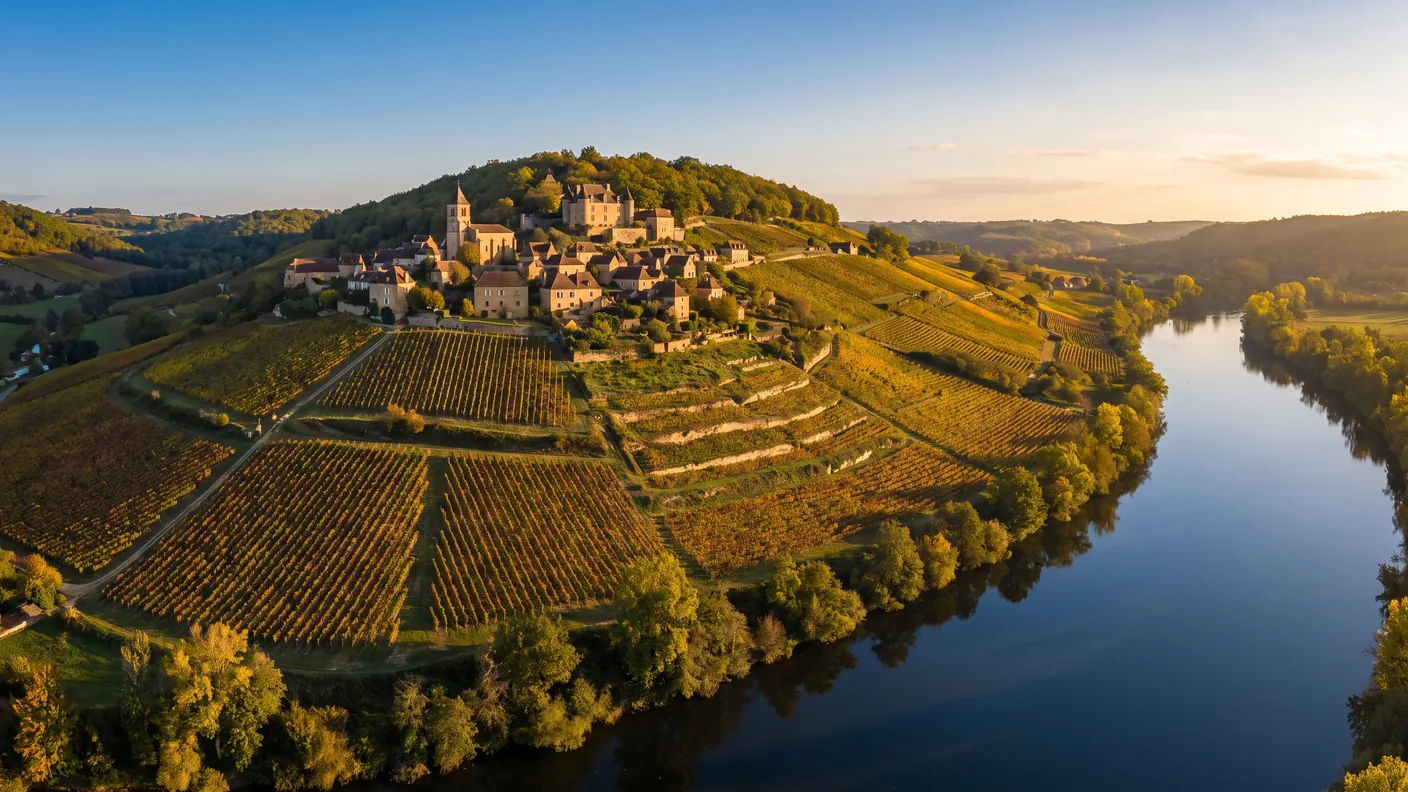
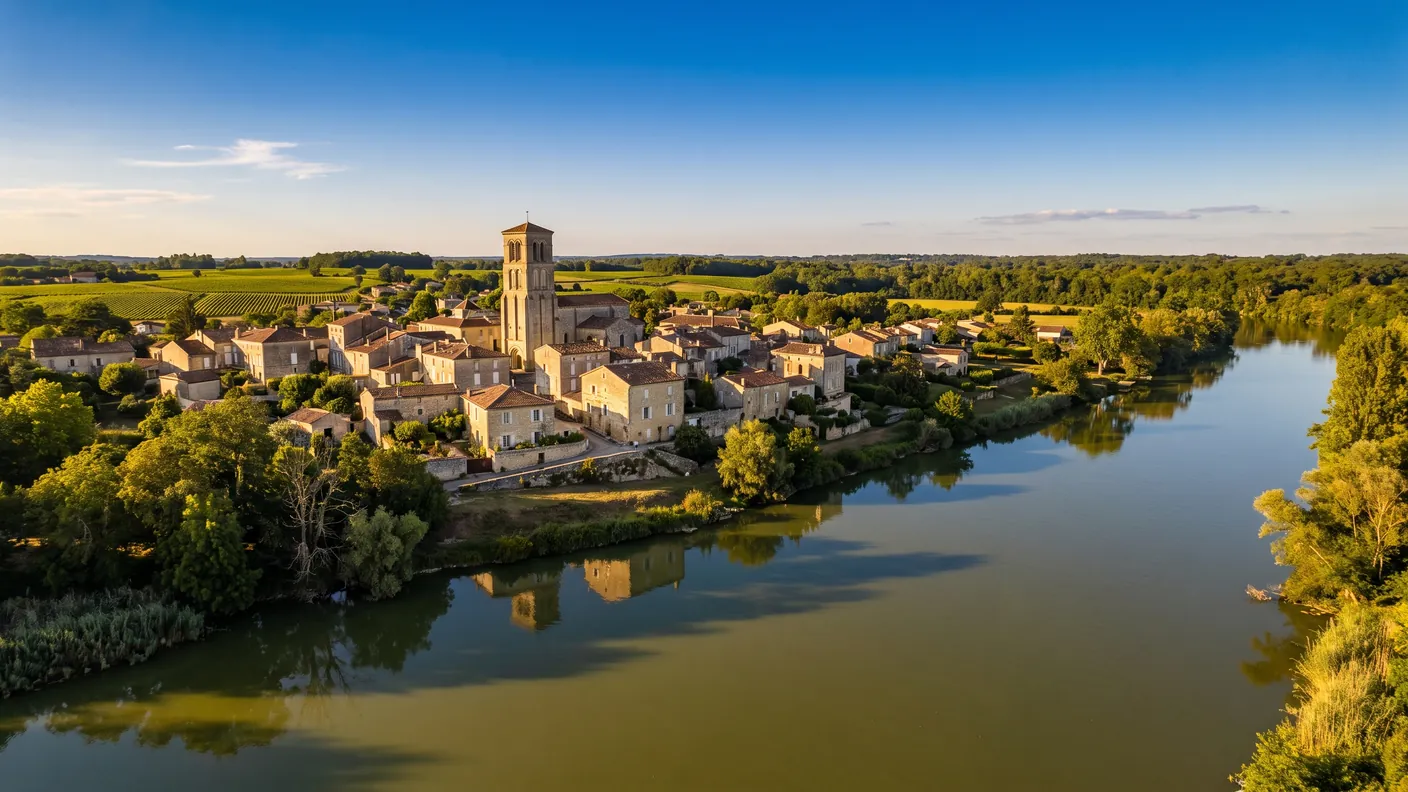
Asques is a tiny village in the Gironde—with just over four hundred residents—perched on a limestone plateau overlooking a wide meander of the Dordogne River on the right bank, in the Fronsadais region. Its size is matched only by the charm of its setting: a former river port, once bustling with gabares laden with barrels, now a peaceful marina for boaters on the Dordogne. Its only building of historical significance, the Church of Saint-Jean, is the last remaining vestige of a commandery of the Order of Saint John. Let’s be clear from the outset: in Asques itself, there are no castles or grand cru vineyards to visit, but rather a stone village on the water’s edge. The trip truly comes into its own when you explore the surrounding area—Saint-André-de-Cubzac, Fronsac, Libourne, and the Dordogne Valley. This guide distinguishes fact from fiction, backed by sources, to tell the true story of this unassuming village on the right bank.
Here are the key points to keep in mind before hitting the road. Distances are calculated door-to-door from Bordeaux, not as the crow flies: this distinction is important, since several guidebooks list Asques as being “19 km” from Bordeaux, which corresponds to the crow’s flight path rather than the actual road route. The price listed is for a private driver reservation, with a fixed rate provided in advance, so there are no unpleasant surprises on the meter, regardless of traffic or stops along the way along the Dordogne.
| Landmark | Details |
|---|---|
| Department | Gironde (33), Nouvelle-Aquitaine |
| Status | River Village · Libourne District · Fronsadais Community of Municipalities |
| Population | approximately 440 residents (INSEE 2023) · the residents of Asques |
| Area | 6.28 km² · limestone plateau overlooking the Dordogne, right bank |
| Don't miss it | The harbor and marina, Saint-Jean Church, and the banks of the Dordogne River |
| From Bordeaux | about 30 km · about 40 min · starting at €68 |
A word of clarification is in order right away, as there are two French municipalities named Asques. The one discussed in this guide is Asques en Gironde (INSEE code 33016, ZIP code 33240), on the Dordogne River; it should not be confused with the other Asques, located in Tarn-et-Garonne (82), more than 100 kilometers to the east. For such a small village, reliable information is scarce and often copied from one website to another. This guide therefore strives to distinguish verified facts from repeated claims, drawing on official and local sources, and to honestly present Asques for what it is: not a destination known for its monuments, but an authentic riverside village whose charm extends throughout the Fronsadais region and the Dordogne Valley.
Where is Asques?
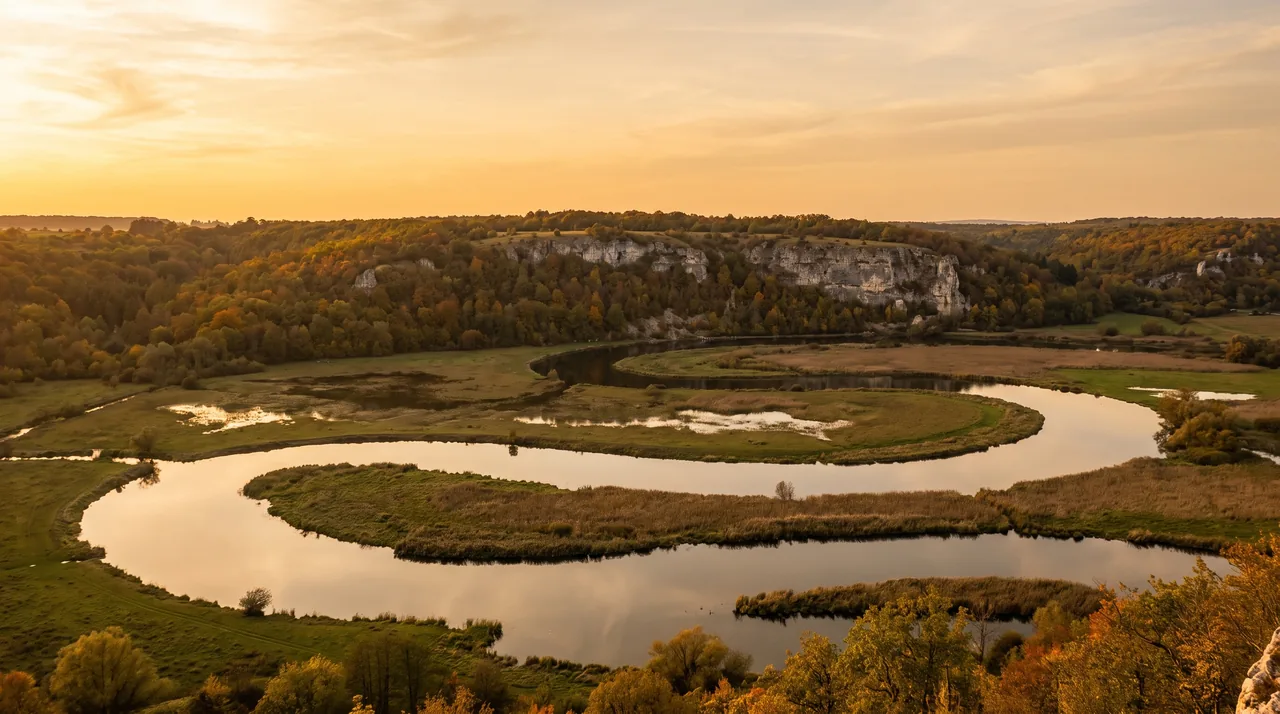
Asques is a small town in the Gironde department, covering an area of just 6.28 km², situated at the edge of a limestone plateau overlooking a wide meander of the Dordogne River on the right bank. Administratively, the village belongs to the Libourne arrondissement and the Libournais-Fronsadais canton; it is part of the Fronsadais Community of Communes—and not the Grand Cubzaguais, despite its immediate proximity to Saint-André-de-Cubzac. Its territory, drained by the small Virvée stream, slopes down from the wooded plateau toward the wet meadows of the valley, in a gently rolling landscape where water is never far away.
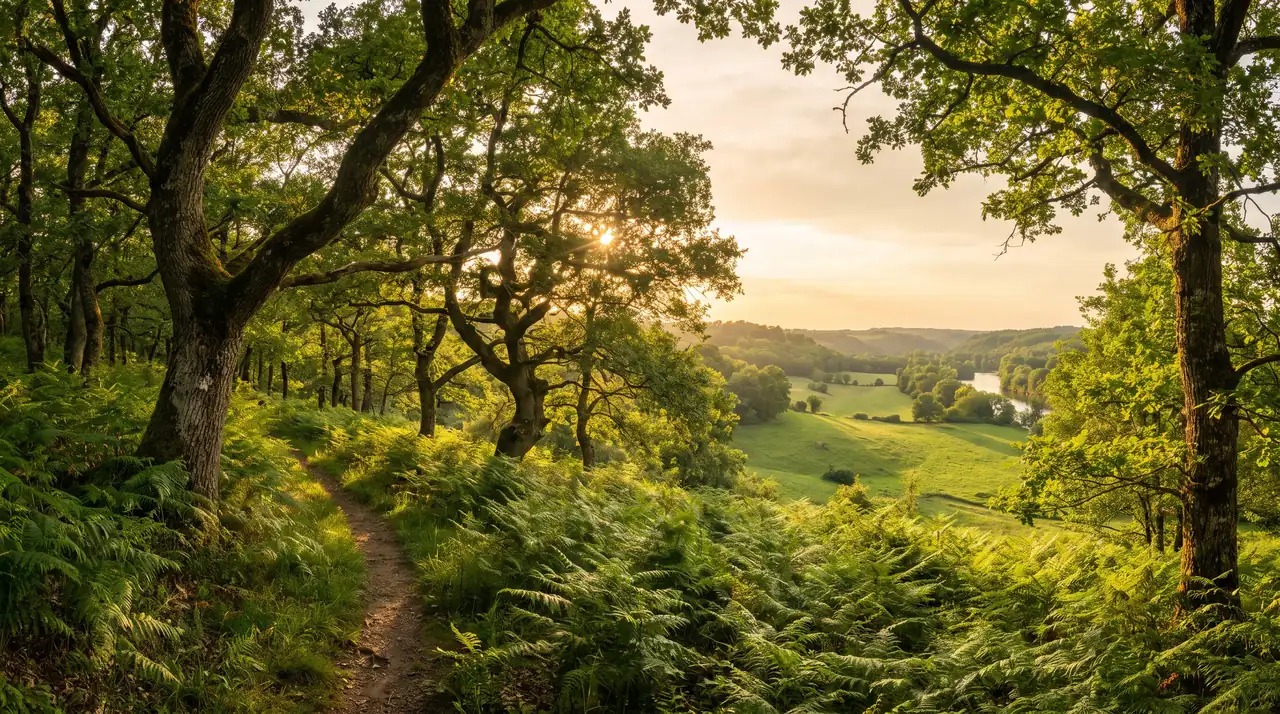
The neighboring towns clearly define the geography of the area. Across the river, on the other bank of the Dordogne, lies Saint-Loubès; behind the plateau lies Saint-Romain-la-Virvée. It is a transitional landscape, between the oak forests on the hillside, the rows of vineyards facing the river, and the palus—these former marshlands that were drained long ago for farming and livestock raising. The landscape isn’t particularly dramatic, but it’s an intimate, lush green countryside that opens out onto the river. You quickly realize that the true star of the show here is the Dordogne, which has shaped the landscape, sustained the inhabitants, and shaped the village’s history.
Why shouldn't we confuse the two Asques?
Confusion is common in search engines and GPS systems, since the two municipalities are spelled exactly the same way. The one in Gironde—our town—is linked to the old Gascon form “Ascas”; since its precise etymology isn’t clearly documented, it’s best to refrain from attributing a legendary origin to it. The other Asques, in Tarn-et-Garonne, is located near the Garonne River, upstream from Moissac. To book a trip or plan a route, you must therefore always specify “Asques, Gironde”—or even add the ZIP code 33240—to avoid a detour of more than 100 kilometers in the wrong direction. For a village of this size, this simple check can prevent many navigation errors.
How far is Asques from Bordeaux?
From downtown Bordeaux, it’s about 30 km and roughly a 36-minute drive to Asques; a route calculator puts the distance at nearly 31 km. Leave the city via the bypass, cross the Dordogne River, then follow the right bank through the Fronsadais region. Beware of a misleading figure: some guidebooks list “19 km,” but this is the distance as the crow flies, which has nothing to do with the actual route, which follows the river’s meanders and the hillside roads. In practice, Asques is a nearby getaway, less than three-quarters of an hour from the Place des Quinconces: leave Bordeaux after lunch and you’ll be at the water’s edge before mid-afternoon.
| From Asques | Distance |
|---|---|
| Saint-André-de-Cubzac (Cousteau, bridges) | ≈ 6 km |
| Fronsac (the hill, fine wines) | ≈ 11 km |
| Libourne (port town) | ≈ 13 km |
| Bordeaux (downtown, by car) | ≈ 30 km |
| Bordeaux (as the crow flies) | ≈ 19 km — of no practical interest |
How many people live in Asques?
Asques has approximately 440 residents according to the latest census (INSEE, Municipal Population 2023), a population that is declining slightly, with a density of approximately 70 people per square kilometer. In other words, it’s a tiny village: there’s no supermarket, no train station, and no crowds of tourists—just a rural community deeply attached to its way of life, nestled between the river, the woods, and the vineyards. It is precisely this simplicity that gives the place its charm: people come here for the tranquility, the light reflecting off the Dordogne, and the unspoiled atmosphere of a village that has retained its old-world charm, away from the major tourist routes of the Gironde.
What are the residents of Asques called?
The residents are known as Asquais and Asquaises. The village’s name is linked to the Old Gascon form “Ascas,” but its exact origin has not been reliably documented: there are various appealing interpretations here and there, none of which are confirmed by any serious source, and which this guide therefore prefers to set aside rather than repeat. What is certain, however, is that the village was significantly more populous and lively in the past. Its demographic peak occurred between the mid-18th century and the 19th century, when the port was at its height: barges sailed down the Dordogne, artisans worked on the docks, and the population far exceeded current numbers.
This demographic history is still evident in the town’s architecture: stone houses clustered near the water, a few beautiful mansions once owned by merchants or barge captains, and a village layout designed for river-based activity that has since disappeared. To understand Asques, then, is to accept a disconnect: today’s village, peaceful and residential, is no longer the bustling port of yesteryear. It is this contrast between its former prosperity and its present tranquility that gives the place its quiet melancholy—and makes exploring its past, starting with its port, all the more fascinating.
| Indicator | Value |
|---|---|
| Population (INSEE 2023) | ≈ 440 residents |
| Recent Trend | slightly down |
| Density | ≈ 70 people per square kilometer |
| Demonym | Men from Asquais, Women from Asquais |
| Area | 6.28 km² |
| Population Peak | mid-18th–19th century (period of port prosperity) |
The Dordogne River Port
At the heart of Asques’ identity lies its port. Situated at the foot of the limestone cliff, around a slipway that descends toward the water, it enjoyed great prosperity in the 18th and 19th centuries. At that time, the Dordogne River was a major thoroughfare: long before the railroad and trucks, everything destined for Guyenne—especially wine, but also timber, stone, and foodstuffs—traveled up or down the river. Asques, strategically located on the right bank between the wine-growing hinterland and the major markets downstream, benefited from this constant traffic.
In this port, small fishing boats and, above all, gabares—those traditional flat-bottomed boats that brought commercial prosperity to the Dordogne and Garonne rivers—bustled with activity. Loaded with barrels of wine from the hinterland, as well as wood, rope, and vine stakes, they would sail downstream to Bordeaux and Libourne to deliver their cargo, before heading back upstream. The gabare was the ideal vessel for the river: its flat bottom allowed it to navigate shallow waters and dock directly at the riverbank or wharf, without the need for heavy port infrastructure. A whole community of riverside dwellers thrived around this trade.
How did the port of Asques operate?
The port supported a diverse population of fishermen, barge operators, and artisans: there were coopers to make and hoop the barrels, clog makers, blacksmiths to shoe and repair, and bakers to feed all these people. Each trade revolved around the river and its trade. The village’s rhythm followed that of the water—tides, floods, the vineyard and harvest seasons—and social life centered on the wharf during loading and departures. This river-based economy—which is hard to imagine today given how quiet the place is—explains the relatively high population density of the time and the presence, in the village, of houses that were more opulent than one would expect in such a small village.
Why did the port of Asques decline?
The decline of the port of Asques, as with so many river ports, stemmed from the rise of land transportation. It was especially after 1918 that rail and road transport definitively supplanted the river: first the train, then the truck, carried goods faster, farther, and in all weather conditions, gradually rendering the river barges obsolete. Trade abandoned the Dordogne, water-based trades disappeared, and the village slowly lost its population. What had once been a major economic artery became once again a simple river lined with meadows. The port, deprived of its purpose, fell into a slumber—but it did not die entirely, for another, more peaceful use would eventually breathe new life into it: recreational river tourism.
What is a marina today?
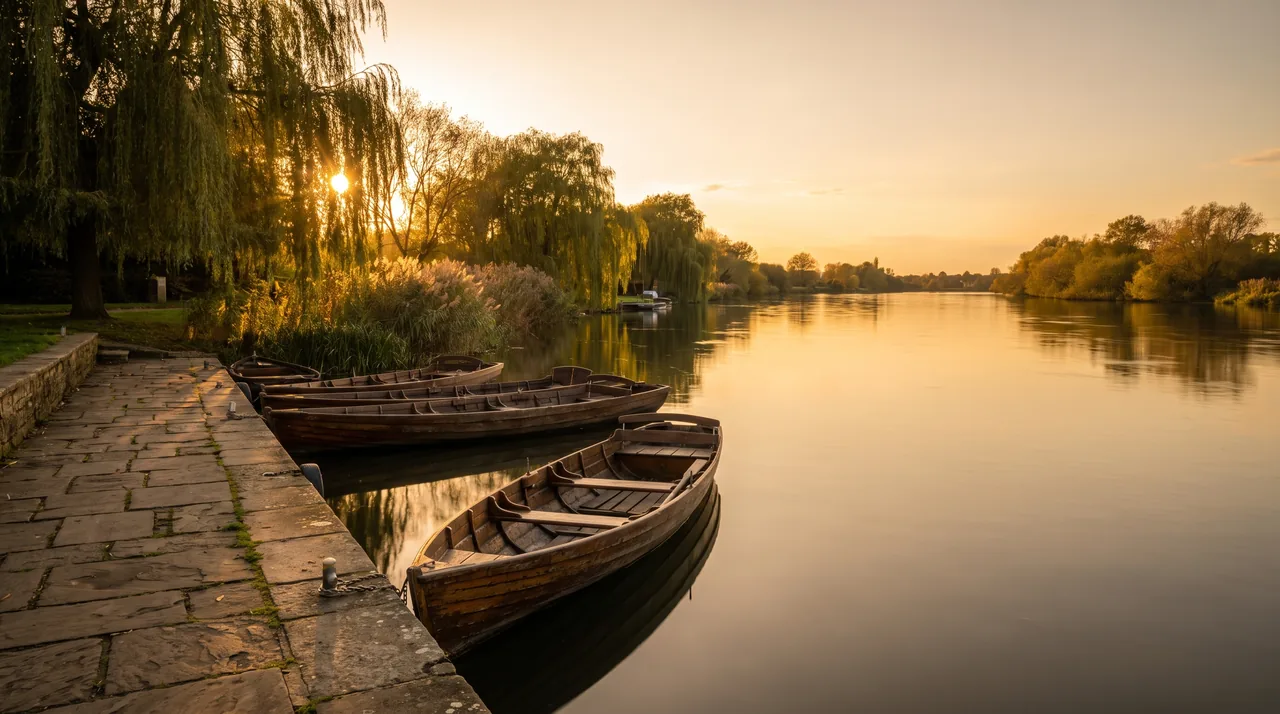
Today, the old port of Asques has become a pleasant marina dedicated to river tourism. The facility can accommodate about ten boats, including several berths reserved for visiting boaters, with a draft deep enough to allow larger vessels to dock, and the amenities expected by boaters—water, electricity, and showers. For those traveling up or down the Dordogne, it’s an ideal stopover: a peaceful spot, a preserved natural setting, and a stone village just a short walk away. The rest stop extends, in a gentle and contemporary way, Asques’s river heritage: where barrels once passed, recreational boats now sail, and the river remains, as always, the soul of the place.
The Church of Saint John of the Commandery
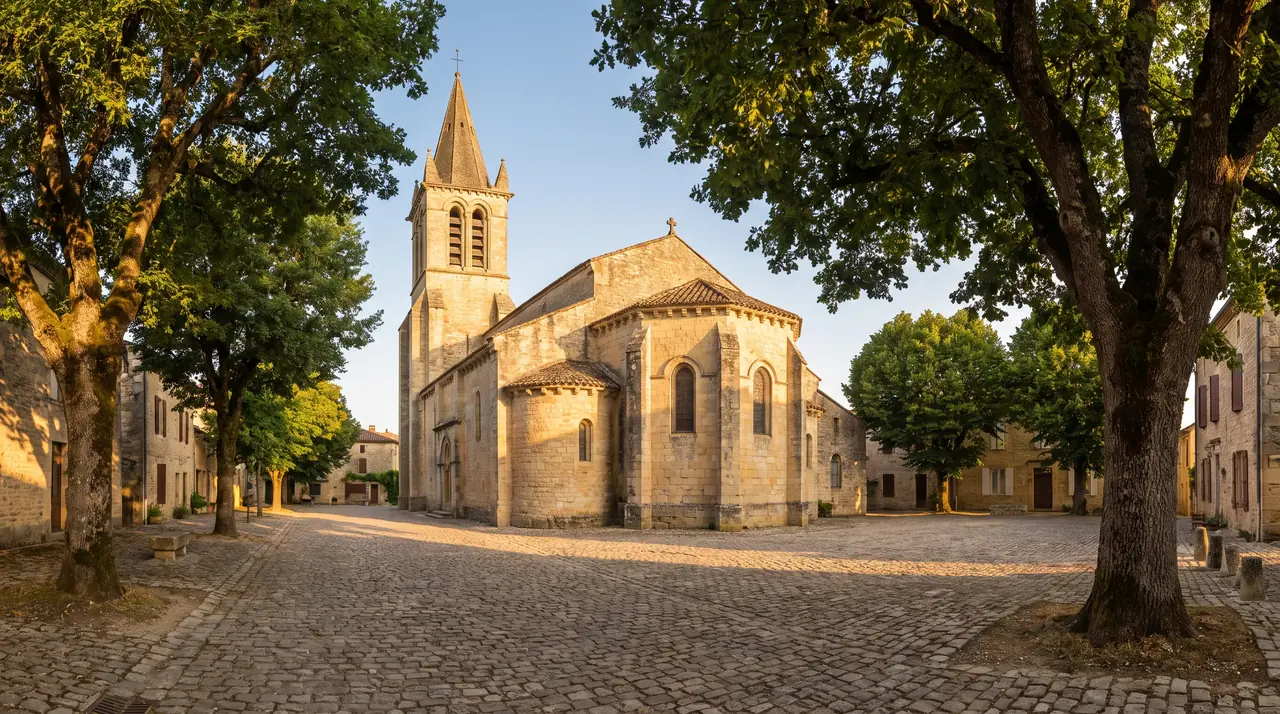
The only real landmark in Asques is its St. John's Church, and its history alone makes it worth a visit. For this building is not just a simple village church: it is thethe last remaining vestige of a commandery some Order of Saint John of Jerusalem, the great religious and military order that emerged from the Crusades and would later become the Order of Malta. Originally, in the 12th century, it was a chapel under the jurisdiction of the Grand Priory of Toulouse. The fact that traces of a settlement by such a prestigious order still remain in a village of four hundred people lends Asques an unexpected historical depth.
What was the Hospitaller Commandery?
The Knights Hospitaller of Saint John of Jerusalem were a religious and military order founded during the Crusades to aid and protect pilgrims in the Holy Land. To finance their mission, they received land and revenues throughout Europe, organized into commanderies: veritable rural estates, each with a chapel, managing vineyards, fields, and rights and dues for the benefit of the order. The commandery of Asques was one of these economic and spiritual centers, attached to the Grand Priory of Toulouse. This connection explains the church’s patron saint—Saint John, in reference to Saint John the Baptist, patron saint of the Order—and serves as a reminder that, in the Middle Ages, this quiet village in the Dordogne was part of an international network that extended as far as the Mediterranean and the East.
What does Saint-Jean Church look like today?
The current building has a rectangular floor plan, a single nave, and a flat apse, topped by a bell tower whose upper sections were rebuilt in the 15th century. The church was subsequently enlarged and restored in 1788, giving it its sober and balanced neoclassical façade. Inside, the stained-glass windows, created in 1875–1876 by the Bordeaux-based Dagrant workshop—a renowned studio for religious stained glass in southwestern France during the 19th century—are particularly noteworthy. The complex forms a modest yet charming place where the centuries overlap: its medieval origins as a hospital, the renovations of the late Middle Ages, the embellishments of the Age of Enlightenment, and the religious fervor of the 19th century. It is the kind of village church that, without pretension, encapsulates a long local history.
Is the church in Asques designated as a historic monument?
A clarification is in order here, as the opposite is sometimes claimed: the Church of Saint-Jean d'Asques is neither classified nor listed as a historic monument. It is a heritage building of interest, but it does not enjoy official protection; it is therefore best not to refer to it as a “historic monument.” Another point of confusion to clear up: the name of Saint-Martin, which is sometimes associated with Asques, appears in only a single text from the Revolutionary period; the current church is indeed dedicated to Saint-Jean, in keeping with its origins as a hospital. On a site where information is scarce, these nuances matter: they prevent the village from being accorded administrative prestige it does not possess, while doing justice to the already remarkable reality of its history.
From the Neolithic Period to the River's Decline
The history of Asques dates back much further than that of its port. The site has been inhabited since the Neolithic period, as evidenced by the discovery of a polished axe—this type of stone tool attests to human presence on these hillsides overlooking the Dordogne several millennia ago. It’s easy to see the appeal of the location: a secure limestone promontory on the banks of a fish-rich, navigable river, offering protection, water, and resources all at once. All the conditions were in place very early on for people to settle at this point in the valley.
What do Asques' medieval origins reveal?
In the Middle Ages, the village of Asques was part of the parish of Saint-Romain-de-Boursas, and part of its territory belongs to the Hospital Staff, which maintained their commandery and chapel there—the present-day Church of Saint-Jean. At that time, the village’s economy was based on traditional rural activities, combining viticulture, farming, and fishing, under the religious and feudal authority of the era. This dual affiliation—parish on one hand, hospitaller on the other—is typical of the medieval organization of the inland Gironde, where the major orders and chapters shared land and revenues. Nothing spectacular, but deep-rooted traditions that prepared the village to later seize the opportunity the river would offer.
How did the river bring prosperity to the village?
It was in the 17th century that everything changed. The draining of the marshes—the valley’s famous swamps—opened up new arable land, while river navigation began to flourish on the Dordogne. Asques then became a bustling port, and its prosperity peaked between the mid-18th and 19th centuries. During the Revolution, the municipality of Asques was established, formalizing the village’s administrative status. Then came the decline: after 1918, the port’s decline—superseded by rail and road—led to the village’s own decline, and it gradually returned to the rural tranquility it enjoys today. Over the course of a few centuries, Asques thus experienced the full cycle of a small river port: growth, its heyday, and then a period of dormancy—a trajectory shared by many towns in the Dordogne Valley.
Today, this history is best seen in the landscape rather than in books: the wharf plunging into the water, the houses in the village, the commandery church, and the meadows reclaimed from the marshes. Asques has neither a grand castle nor any heroic feats to recount; its appeal lies precisely in this humble, unbroken history—that of a village that has lived in step with its river. It is this unassuming thread—from the Neolithic era to the decline of the gabares—that gives depth to a stroll along the banks of the Dordogne, provided one takes the time to follow it.
The vineyards on the right bank
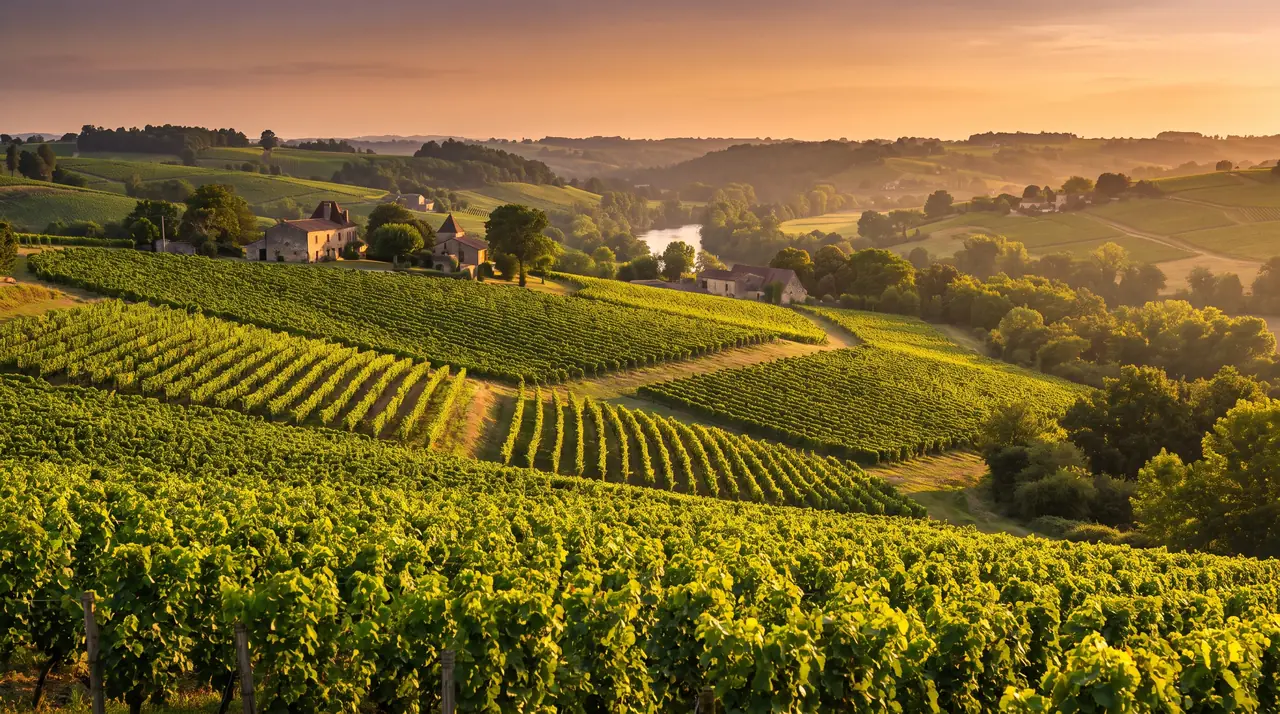
As is the case almost everywhere in the Fronsade and Cubzagué regions, vineyards are found in Asques. The hillsides overlooking the Dordogne are planted with vines that produce wines under the AOC Bordeaux and Bordeaux Supérieur appellations—regional designations that cover a large part of the Gironde wine-growing region. These are wines from the right bank, where Merlot dominates, born of a terroir of limestone and clay hillsides bathed in the river’s light. This comes as no surprise: we are here in the heart of the great Bordeaux wine region, where nearly every commune makes its own contribution.
What kinds of wine are produced in Asques?
Let’s be clear and honest: Asques is an ordinary wine-growing town, not a renowned wine region. It has no grand cru classé, no prestigious château, and no famous communal appellation. The wines of Asques are straightforward Bordeaux and Bordeaux Supérieur wines, much like those produced across thousands of hectares in the inland Gironde: pleasant and genuine, but lacking the fame of their neighboring big names. Saying this is not to belittle the village: it is simply to give Asques its rightful place. Here, the wine-growing prestige lies not in the village itself, but all around it: one need only look up at the neighboring hillsides to see some of the most renowned appellations on the planet.
Where can you find the finest wines around Asques?
Just a few kilometers away, the wine region takes on a whole new dimension. Fronsac and its neighboring village, Canon-Fronsac, produce, on their molasse hillsides, distinguished red wines that are increasingly sought after. A little further on lie the legendary lands of the right bank: Pomerol, with its legendary wines, and Saint-Émilion, a UNESCO World Heritage site nestled in the heart of an exceptional vineyard. In other words, Asques is ideally situated as a base for exploring Bordeaux’s greatest wines, all while staying in a peaceful, unpretentious setting. This may be the best way to experience this corner of the Gironde: step into an authentic riverside village, then head out—just a few minutes away—to taste the wines that have made the Right Bank famous.
The Dordogne and the Valley
The main attraction of Asques is the landscape. On the right bank, the Dordogne River traces a wide meander dominated by the limestone plateau, offering beautiful views of the calm water and the reed-lined banks. Behind it, the small Virvée stream drains the area toward the river, while the floodplain is occupied by the palus—former marshes that were drained in the 17th century and transformed into floodplains. It is a vibrant wetland environment, ideal for waterfowl, shifting light, and peaceful walks throughout the seasons.
What remains of fishing as it used to be?
For a long time, the river was a source of sustenance. In the past, people fished the Dordogne for species that are now rare or no longer found there: sturgeon and salmon, in particular, whose seasonal migration was a regular part of life for the valley’s fishermen. Unfortunately, we must speak of this in the past tense: this type of fishing has disappeared, a victim of overfishing, dams, and environmental degradation in the 20th century. Another point to clarify, as confusion is common: there are no “carrelets” in Asques. These fishing huts built on stilts, with their large square nets, are a characteristic feature of the Gironde estuary downstream, not of the Dordogne riverbanks at Asques. Attributing “carrelets” to the village would paint a pretty picture, but it would be a false one.
Where does the Dordogne River join the Garonne River?
As you travel down the river, you approach one of the region’s major confluence points. Downstream from Asques, the Dordogne joins the Garonne at Bec d’Ambès: this is where the Gironde estuary—the largest in Western Europe—begins. This setting explains the character of the landscape—wide waters, tides that are noticeable even here, and wet meadows—and serves as a reminder that Asques is part of a vast river system connecting the hinterland to the ocean. For visitors, this geography gives meaning to the stroll: the peaceful meander visible from the harbor is not merely a backdrop; it is a link in a network of waterways that, stretching from Bergerac to the Atlantic, has shaped the entire economic and human history of southwestern France.
What is there to do in and around Asques?
Let’s be honest: Asques is a very small village, and you can easily see it all in no time. That’s why this section fully embraces the “and beyond” theme: the charm of Asques lies in strolling around town—inevitably a short walk—extended by the surrounding Fronsadais region and the Dordogne Valley. In the village itself, the itinerary is simple and leisurely: stroll through the harbor and along the river, admire the Commandery Church, and wander through the village’s cobblestone streets. Nearby, just a few minutes’ drive away, lie destinations with far more to offer—the birthplace of Commander Cousteau, the panoramic hilltop of Fronsac, the port town of Libourne, not to mention the great vineyards of the right bank. The best way to visit Asques, then, is to make it a charming stopover during a day of leisurely exploration on the right bank—amidst water, vineyards, and historic sites—rather than a destination in its own right.
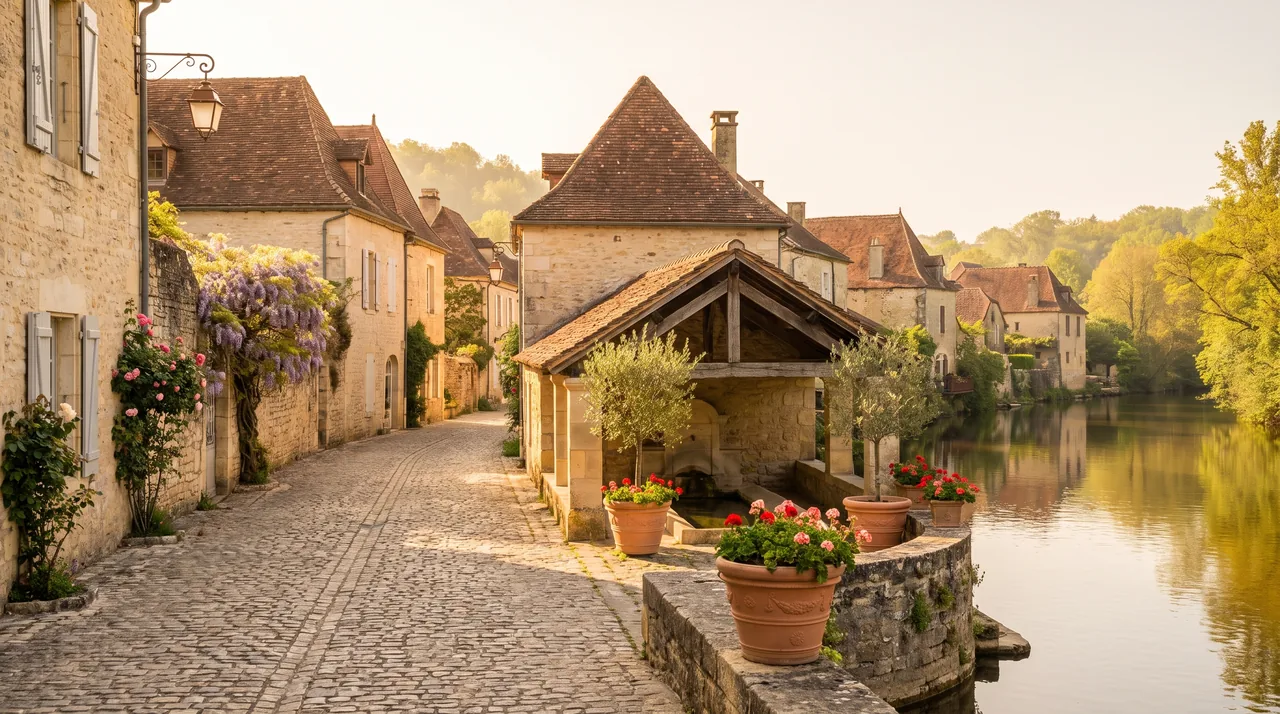
- Stroll through the harbor and along the wharf, by the banks of the Dordogne, where the gabares once docked.
- Observe the boat dock and recreational boats as river tourism unfolds along the Dordogne.
- Visit the Church of Saint-Jean, the only remaining structure of the Hospitaller commandery, with its Dagrant stained-glass windows.
- Explore the stone village: the washhouse and fountain, the 19th-century wayside cross, and the village’s old houses.
- Take a trip to Saint-André-de-Cubzac (≈ 6 km): the birthplace of Jacques-Yves Cousteau, the fortified church of Saint-André-du-Nom-de-Dieu, and bridges over the Dordogne River.
- Climb up to the Fronsac hill (≈ 11 km, 76 m) to enjoy the panoramic view and see the Fronsac and Canon-Fronsac wine regions.
- Visit Libourne (≈ 13 km), a port town at the confluence of the Isle and Dordogne rivers.
- Follow the Dordogne Valley along the river, past its meanders, marshes, and villages on the right bank.
This short itinerary can be tailored to your preferences and the season. Families will enjoy a stroll along the waterfront and exploring Saint-André-de-Cubzac, where the legacy of Cousteau resonates with people of all ages. Wine lovers will head to Fronsac and, beyond that, to Pomerol and Saint-Émilion; those curious about local heritage will linger at the Commandery Church and the bastides of the Libournais region. In any case, Asques serves as a peaceful starting point, away from the crowds, from which to explore a region of exceptional richness. The table below summarizes the must-see attractions, both in town and nearby, to help you easily plan your itinerary.
| To Do | Where | Good to Know |
|---|---|---|
| Strolling around the harbor and along the wharf | Along the Dordogne River, Asques | Formerly a port for gabares, now a marina |
| See the Church of Saint John | Bourg d'Asques | Remains of the Hospitaller Commandery (not designated as a historic monument) |
| Discover the stone village | The Village of Asques | Washing trough and fountain, 19th-century wayside cross, historic houses |
| Cousteau, the fortified church, and the bridges | Saint-André-de-Cubzac (≈ 6 km) | Birthplace of Commander Cousteau |
| The Hill and the Great Wines | Fronsac (≈ 11 km) | Panorama at 76 m, Fronsac / Canon-Fronsac AOC |
| The Port Town | Libourne (≈ 13 km) | Market, riverbanks, confluence of the Isle and the Dordogne |
Around Asques
Asques’ greatest asset is its location. Nestled on the right bank, the village is just a few minutes away from much better-known sites, which naturally extend the visit. To the west, Saint-André-de-Cubzac (≈ 6 km) and its bridges over the Dordogne; to the east, Fronsac (≈ 11 km) and its panoramic hilltop; a little further on, Libourne (≈ 13 km), the capital of the Libournais region. Beyond that, the entire Cubzaguais, Fronsadais, and Dordogne Valley regions await the traveler, not to mention the world-renowned vineyards of the right bank. It’s hard to find, for such a small village, a starting point so well-equipped.
What is there to see in Saint-André-de-Cubzac?
Just six kilometers away, Saint-André-de-Cubzac is a must-visit neighboring town. The small town is best known as the birthplace of Jacques-Yves Cousteau, born on June 11, 1910: the pioneer of scuba diving, co-inventor of the self-contained diving apparatus, filmmaker, and ocean advocate, has deep ties to the town, and his legacy permeates the community. Saint-André also boasts a remarkable fortified church, Saint-André-du-Nom-de-Dieu, and is distinguished by its bridges spanning the Dordogne—including a famous 19th-century metal structure. For those staying in Asques, it’s the most obvious place to visit: there you’ll find shops, a market, and lively activity, all set against a backdrop where the river’s history and the explorer’s legacy come together.
Are Fronsac and Libourne worth a visit?
Without a doubt. Fronsac, about ten kilometers away, stands on its famous hill 76 meters above the Dordogne River: a promontory with a prestigious history, offering a sweeping panorama of the valley, at the heart of the Fronsac (recognized in 1937) and Canon-Fronsac (1939) appellations. It is one of the most beautiful viewpoints in the Libourne region and a must-see destination for lovers of fine wines. A little further on, Libourne is an elegant port town founded in the Middle Ages at the confluence of the Isle and Dordogne rivers: its arcaded square, riverbanks, lively market, and medieval gate make it a charming little town full of character, the historic capital of the wine trade on the right bank. Between the two, the Fronsadais countryside unfolds with vineyards, woods, and villages, bathed in a light you’ll never forget.
These destinations are covered in dedicated guides to help you plan your itinerary: see the guide to Saint-André-de-Cubzac, the guide to Fronsac, and—to extend your journey eastward into the Libournais region—the guide to Coutras and its famous battle of 1587. By combining Asques with its neighboring towns, you can plan the perfect day on the right bank: the charm of a riverside village, the legacy of a legendary explorer, a panoramic view of the valley, and some of the world’s finest wines—all within a stone’s throw of each other.
| Destination | Distance | Must-See |
|---|---|---|
| Saint-André-de-Cubzac | ≈ 6 km | Cousteau's hometown, fortified church, bridges over the Dordogne |
| Fronsac | ≈ 11 km | Le Tertre (76 m), Fronsac and Canon-Fronsac AOC |
| Libourne | ≈ 13 km | A riverside town at the confluence of the Isle and the Dordogne |
| Dordogne Valley | as time goes by | Meanders, marshes, boating stop, villages on the right bank |
| Bordeaux | ≈ 30 km | Back to the city and the airport |
Getting to Asques from Bordeaux
Getting to Asques from Bordeaux is quick and easy. The trip covers about 30 kilometers and takes around 40 minutes by car: you leave the city via the bypass, cross the Dordogne River, then head to the right bank through the vineyards and woods of Fronsadais, all the way to the small waterfront port. It’s a local getaway, perfect for a half-day or a day of exploring that combines Asques with its neighboring towns. The village is perfect for a leisurely exploration: there’s little traffic, parking is easy, and, best of all, you get the feeling of leaving the city behind for the riverside countryside in less than three-quarters of an hour.
How much does the trip from Bordeaux to Asques cost?
The Bordeaux → Asques transfer is available starting at €68 during the day for a sedan (1 to 3 passengers), at a fixed price confirmed in writing before departure—no meter and no unpleasant surprises, regardless of traffic conditions. A surcharge applies at night, on weekends, and on holidays; for groups of more than four passengers, a van is provided. Rides to nearby destinations—Saint-André-de-Cubzac, Fronsac, Libourne—or from Bordeaux-Mérignac Airport are priced on a quote basis, following the same clear, pre-determined pricing structure. The table below summarizes the main options from or around Asques, so you can plan your trip with complete peace of mind.
| Route | Distance | Duration | Starting at |
|---|---|---|---|
| Bordeaux → Asques | ≈ 30 km | ≈ 40 min | starting at 68 € |
| Bordeaux-Mérignac Airport → Asques | based on a quote | — | based on a quote |
| Asques → Saint-André-de-Cubzac | ≈ 6 km | a few minutes | based on a quote |
| Asques → Fronsac | ≈ 11 km | — | based on a quote |
| Asques → Libourne | ≈ 13 km | — | based on a quote |
Why choose a chauffeur service for Asques?
Because Asques is best enjoyed without any pressure. an executive car service drops you off right by the harbor, waits for you while you take a stroll along the waterfront, and then takes you to Saint-André-de-Cubzac, Fronsac, or Libourne without having to worry about parking or the return trip: it’s the perfect way to spend a day exploring villages, heritage sites, and wine tastings—especially if you plan to sample the grand crus of the right bank with complete peace of mind. The price is set in advance, pickup is at your address in Bordeaux or at the airport, and the itinerary is tailored to your preferences as you travel along the Dordogne. To plan your trip, simply book your ride from Bordeaux to Asques or explore all our destinations on the Right Bank.
Frequently Asked Questions
Where is Asques?
Asques is a small village in the Gironde department (33), in Nouvelle-Aquitaine, situated on a limestone plateau overlooking a meander of the Dordogne River on the right bank. It belongs to the Libourne arrondissement, the Libournais-Fronsadais canton, and the Fronsadais Community of Municipalities—and not to the Grand Cubzaguais, despite its proximity to Saint-André-de-Cubzac. It covers an area of just 6.28 km². The village is located about 30 km and a 40-minute drive from Bordeaux, upstream from the confluence of the Dordogne and Garonne rivers.
Should Asques (Gironde) be confused with Asques in Tarn-et-Garonne?
No, and that’s a common pitfall. There are two French municipalities named Asques: one in Gironde (INSEE code 33016, zip code 33240), on the Dordogne River, which is the one covered in this guide; the other is in Tarn-et-Garonne (82), near the Garonne River upstream from Moissac, more than 100 kilometers to the east. GPS systems and search engines often confuse the two. When booking a trip or entering a route, always specify “Asques, Gironde” or add the ZIP code 33240 to avoid a long detour in the wrong direction.
How many people live in Asques?
Asques had a population of approximately 440 according to the latest census (INSEE 2023), a figure that has declined slightly, with a population density of about 70 people per square kilometer. It is therefore a very small rural village, with no train station or large stores, but set in a well-preserved natural setting between the river, the woods, and the vineyards. It was significantly more populated and livelier in the past: its demographic peak occurred between the mid-18th and 19th centuries, when its river port was in full swing and provided a livelihood for fishermen, barge operators, and artisans.
What are the residents of Asques called?
The residents of Asques are known as Asquais and Asquaises. The village’s name is linked to the Old Gascon form “Ascas,” but its precise etymology has not been reliably documented: one sometimes comes across appealing explanations that no serious source confirms, and which are best not repeated. What is established, however, is the village’s long-standing connection to the Dordogne River and its port, which for a long time shaped the lives and population of its residents.
What is the Port of Asques?
The port of Asques is an old river port situated at the foot of a limestone cliff, centered around a slipway leading down to the Dordogne River. Prosperous in the 18th and 19th centuries, it saw small fishing boats and, above all, gabares—traditional flat-bottomed boats—loaded with barrels of wine from the hinterland bound for Bordeaux and Libourne, as well as timber, rope, and vine stakes. The port declined after 1918, supplanted by rail and road transport. Today, it has become a peaceful marina dedicated to river tourism.
Is it still possible to dock at Asques by boat?
Yes. The old port of Asques has been converted into a marina for recreational boating and river tourism on the Dordogne. The facility can accommodate about ten boats, including several berths reserved for passing visitors, with a draft that allows vessels of a certain size to dock, along with the amenities expected by boaters—water, electricity, and showers. It’s an ideal stopover for anyone traveling up or down the river: a peaceful spot, a preserved natural setting, and a stone village just a short walk away—all in keeping with the area’s historic port heritage.
What is there to see at the Church of Saint-Jean d'Asques?
The Church of Saint-Jean is the only historic monument in Asques and the last remaining vestige of a commandery of the Hospitallers of Saint John of Jerusalem—later known as the Order of Malta—which originally, in the 12th century, was a chapel under the jurisdiction of the Grand Priory of Toulouse. The building has a rectangular floor plan, a single nave, and a flat apse, a bell tower whose upper sections were rebuilt in the 15th century, a neoclassical façade resulting from the 1788 expansion, and beautiful stained-glass windows created in 1875–1876 by the Dagrant workshop in Bordeaux. Note: The church is neither classified nor listed as a historic monument.
What kinds of wine are produced in Asques?
Asques produces wines under the AOC Bordeaux and Bordeaux Supérieur appellations, as do much of the Fronsadais and Cubzaguais regions: reds from the right bank, where Merlot dominates, grown on limestone and clay-rich slopes. To be honest, it’s an ordinary wine-growing town, with no Grand Cru Classé or prestigious châteaux. The wine-growing prestige lies with its neighbors: Fronsac and Canon-Fronsac nearby, and Pomerol and Saint-Émilion a little further away. Asques is therefore a peaceful starting point from which to explore Bordeaux’s greatest wines.
What is there to do in Asques and the surrounding area?
Once there, you can stroll around the harbor and the wharf, along the banks of the Dordogne, and take in the view of the marina and its boats; visit the Church of Saint-Jean de la Commanderie, and explore the stone village—with its washhouse-fountain, 19th-century calvary, and old houses. Since the village is small, the fun continues nearby: Saint-André-de-Cubzac (≈ 6 km) and the Cousteau memorial, the panoramic hilltop in Fronsac (≈ 11 km), the fortified town of Libourne (≈ 13 km), and the entire Dordogne Valley. It’s a charming stop on a beautiful day along the right bank.
What is the connection between Asques and Commander Cousteau?
Asques itself has no direct connection to Cousteau, but its immediate neighbor does. Jacques-Yves Cousteau, a pioneer of scuba diving, co-inventor of the self-contained diving apparatus, filmmaker, and advocate for the oceans, was born on June 11, 1910, in Saint-André-de-Cubzac, about 6 kilometers from Asques. The small town keeps his memory alive. For a visit to Asques, this is the most natural outing: there you’ll also discover a remarkable fortified church, Saint-André-du-Nom-de-Dieu, and beautiful bridges spanning the Dordogne, in a setting where the river’s history and the explorer’s legacy come together.
How far is Asques from Bordeaux?
Asques is located about 30 km and a 40-minute drive from Bordeaux. Leave the city via the beltway, cross the Dordogne River, then follow the right bank through the Fronsadais region. Note: Some guidebooks list “19 km,” but this is the distance as the crow flies, which has nothing to do with the actual route, which winds around the river’s bends. In practice, it’s a short getaway, less than three-quarters of an hour from downtown Bordeaux.
How much does a trip from Bordeaux to Asques cost with a private chauffeur?
The Bordeaux → Asques transfer is available starting at €68 during the day for a sedan (1 to 3 passengers), at a fixed price confirmed in writing before departure, with no meter and no unexpected charges based on traffic conditions. A surcharge applies at night, on weekends, and on holidays; for groups of more than four passengers, a van is provided. Transfers to Saint-André-de-Cubzac, Fronsac, or Libourne, as well as transfers from Bordeaux-Mérignac Airport, are quoted on a case-by-case basis, following the same clear, pre-determined pricing structure. Pickup is available at your address in Bordeaux or at the airport.
When is the best time to visit Asques?
Asques is best visited during the warmer months, from spring through fall, when the light plays across the meandering Dordogne River and the marina comes alive with passing boaters. The riverbanks and vineyard-covered hillsides are at their best during this time, and you can combine your stroll with a trip to Saint-André-de-Cubzac, Fronsac, or Libourne. Fall, during the grape harvest, offers beautiful colors on the hillsides along the right bank. No matter the season, the village remains peaceful: it’s a serene destination to be savored at a leisurely pace.
Further Reading
- Cousteau's hometown: see the guide to Saint-André-de-Cubzac (Commander Cousteau, the fortified church, the bridges over the Dordogne), about 6 km away
- The hill and the great wines: see the Fronsac guide (the panoramic view at 76 m, the Fronsac and Canon-Fronsac appellations on the right bank), about 11 km away
- The Battle of Henry IV: see the Coutras guide (the victory of 1587, at the confluence of the Isle and Dronne rivers, east of the Libournais region)
- Explore the Right Bank: Discover all our destinations around Bordeaux, from the Dordogne Valley to the Libournais vineyards
- Compare and then book: review the Bordeaux → Asques transfer and its terms and conditions, then request the fixed price in writing.
Sources and References
- Asques (Gironde) — Wikipedia — geography, demographics, church, history
- Asques Town Hall — History — Port, Gabares, Heyday in the 18th and 19th Centuries
- The Village of Asques — Gironde Tourism — port, limestone plateau, heritage
- Saint-Jean d'Asques Church — Gironde Tourism — Former Commandery, History
- Asques Boat Stop — Gironde Tourism — River Tourism
- Jacques-Yves Cousteau — Saint-André-de-Cubzac — local influence
- INSEE — Population of Asques — 440 residents in 2023
Article published and updated on .
Our Latest Guides
Off to the Dordogne
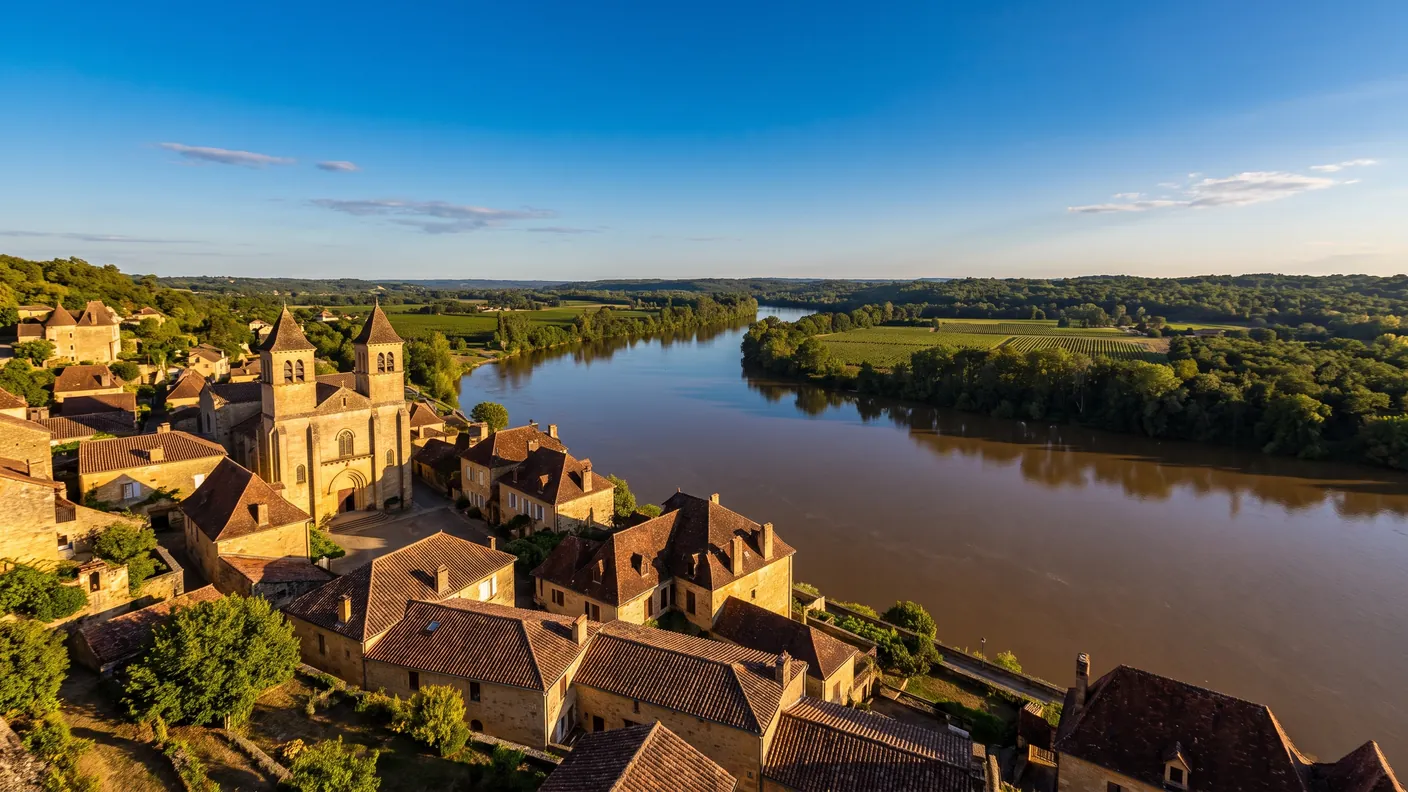
Direct transfer from Bordeaux (~35 min) to Asques, its port, and the banks of the Dordogne. Fixed-price quote in writing, with no obligation.