
Coutras, the Town of Henry IV
The site of Henry IV’s first major victory, at the confluence of the Isle and Dronne rivers: the Battle of 1587, the King’s Well, the listed church, and the Libournais vineyards—just outside Pomerol and Saint-Émilion, less than an hour from Bordeaux.
Coutras at a Glance
Coutras is a small town in the Gironde department, in the Libournais region, situated at the confluence of the Isle and Dronne rivers, about 50 kilometers northeast of Bordeaux. Its name went down in history on October 20, 1587: it was here that the future Henry IV, then Henri of Navarre, won his first major victory, the Battle of Coutras, over the royal Catholic army. A city of remembrance, but also a great railway junction. Located between Bordeaux, Périgueux, Angoulême, and Limoges, Coutras is home to a beautiful, listed church, the Well of Henry IV, and a park with remarkable trees, all set amid the vineyards of Bordeaux’s Right Bank. Situated between two rivers, at the gateway to the Libournais region and its grand crus, it’s a charming and little-known getaway in the Gironde, less than an hour’s drive from Bordeaux—where French history, water, and vineyards come together.
Here are the key details to know before you go. Distances are calculated door-to-door from Bordeaux; the fare shown is for a private driver reservation at a fixed price provided in advance, with no unexpected meter charges regardless of traffic or stops along the way.
| Landmark | Details |
|---|---|
| Department | Gironde (33), Nouvelle-Aquitaine |
| Status | Town in the Libournais region · Libourne district · Nord-Libournais canton |
| Population | approximately 8,680 residents (INSEE 2023) · Les Coutrillons |
| Area | 33.69 km² · at the confluence of the Isle and the Dronne |
| Don't miss it | The battlefield of 1587, the church, and the Henri IV well |
| Distance from Bordeaux | about 62 km · about 58 min by car |
| In History | Battle of Coutras, October 20, 1587 (Henry IV's first victory) |
First, a word of clarification: Coutras is the subject of a few common misconceptions, which this guide corrects with supporting sources. The Battle of Coutras was not a victory for Henry IV, “King of France”—he was not yet king: in 1587, Henry of Navarre was the leader of the Protestant faction, and this battle was the future king’s first major victory, two years before he ascended the throne. As for the Château de Coutras, it has almost entirely disappeared: the Renaissance mansion was dismantled by Marshal Richelieu in 1737, and little remains of it other than a park. Finally, there is no “Coutras” appellation: the local wine falls under the regional AOCs of Bordeaux and Bordeaux Supérieur. Every statement in this guide is based on verifiable sources, cited at the end of the article.
Here’s a rundown of everything you need to know: Coutras’s location at the confluence of the Isle and Dronne rivers, the famous battle of 1587 and Henry IV’s first victory, the king’s legacy and the well named after him, the Church of Saint John the Baptist, the rivers and the major railroad junction, the town’s history dating back to antiquity, the vineyards and their wines, notable sites in the surrounding area, the best time of year to visit, and the easiest way to get there from Bordeaux by private chauffeur—all thoroughly researched and verified.
Where is Coutras located?
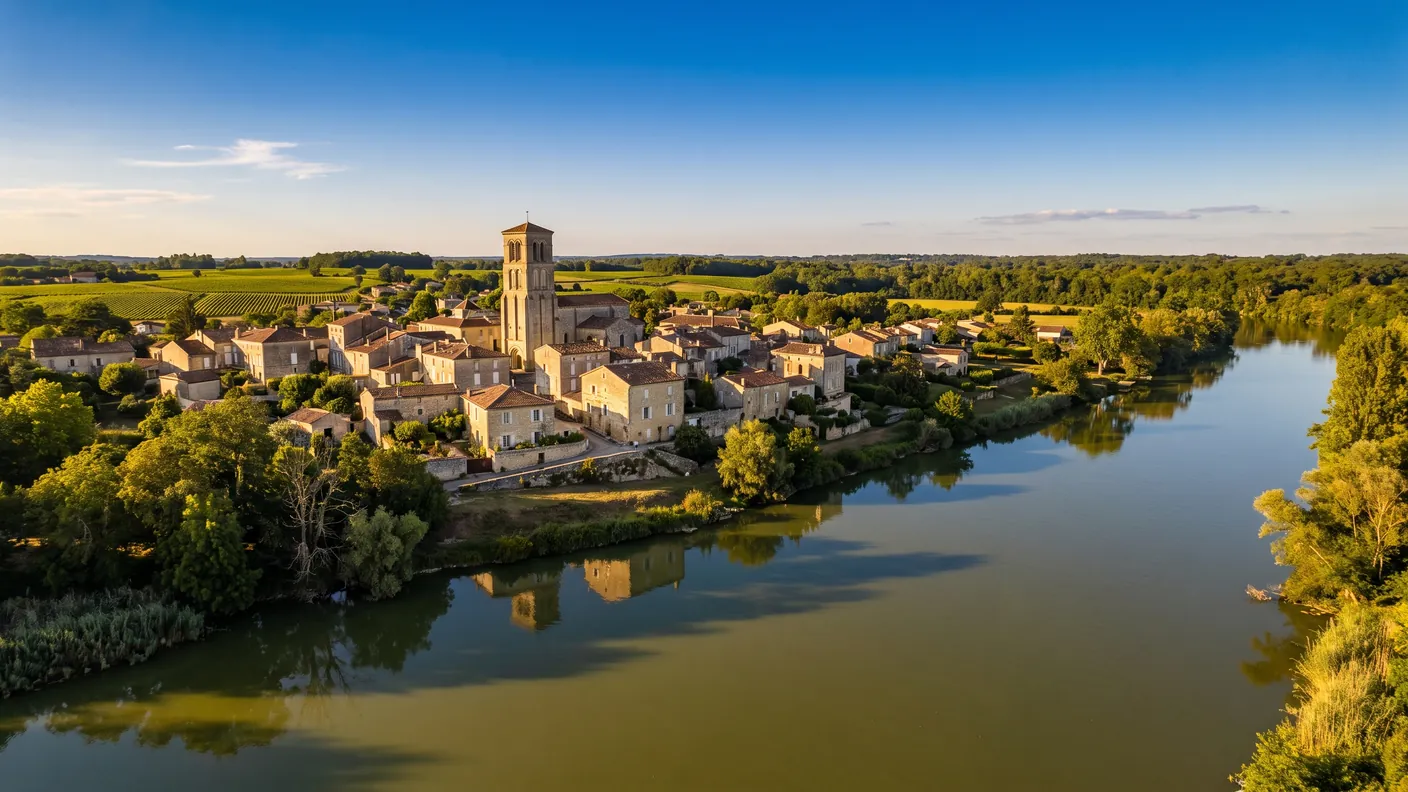
Coutras is located in the eastern part of the Gironde department (33), in the Nouvelle-Aquitaine region, in the Libournais area, at the confluence of the Isle and Dronne rivers, about 50 kilometers northeast of Bordeaux and about 15 kilometers northeast of Libourne. It is a municipality in the Libourne arrondissement and the Nord-Libournais canton, and a member of the Libournais Urban Community, of which it is one of the most populous towns. Its location, at the confluence of two rivers and several major roads coming from the north and east, has always made it a transit point and a crossroads: this explains both the battle that took place there in 1587 and the importance of its train station, one of the major rail hubs in southwestern France. Surrounding the city lies a landscape of vineyards, rivers, and woods, on the edge of the vast Libournais wine region, between Saint-Émilion and the nearby Périgord.
At the confluence of the Isle and the Dronne
Coutras owes a great deal to its two rivers. The Isle, a tributary of the Dordogne that flows down from the Limousin region through Périgueux, and the Dronne, which originates in the Charente and the Périgord Vert, converge within the town’s boundaries: this confluence, set amid a landscape of wooded banks, wet meadows, and mills, is what gives the place its charm. Water has long shaped life in Coutras—fishing, mills, navigation, and fords—and it was in part the geography of these rivers, by channeling the movements of troops, that determined the course of the famous battle of 1587. Today, the banks of the Isle and the Dronne offer beautiful walks, blending nature and heritage, just a stone’s throw from downtown. Here, you’ll find yourself in a lush, peaceful region of freshwater, away from the main tourist crowds, yet steeped in history.
A Vibrant Town in the Libourne Region
With approximately 8,680 residents According to the 2023 census, Coutras is a small, bustling town with a thriving commercial district—one of the most populous in the Libourne region after Libourne—whose residents are known as the Coutrillons (or Coutrassiens). With all the amenities of a town center—shops, a market, a middle school, and a train station—it serves as a hub for a region of vineyards and rivers, north of the great wine-growing region. Its way of life is largely shaped by its train station, one of the region's main rail hubs, which connects it to Bordeaux, Périgueux, Angoulême, and Limoges, and which has made it a major rail crossroads since the 19th century. Combining its role as a crossroads, the memory of its historic battle, and its vineyards, Coutras has cultivated a strong identity as a town of passage and history, at the gateway to Saint-Émilion and the Périgord, where visitors love to stop and explore.
The Battle of Coutras (1587)

On October 20, 1587, Henry of Navarre won a victory at Coutras over the royal army led by Duke Anne de Joyeuse, who was killed in the battle. The entry in the Protestant Museum, accessed in July 2026, places this battle within the context of the Eighth War of Religion and the chronology leading to Henry of Navarre’s accession to the throne in 1589.
October 20, 1587: Henry IV's first victory
In October 1587, in the midst of the Wars of Religion (the “War of the Three Henries”), two armies faced off near Coutras. On one side was the royal Catholic army, commanded by Anne, Duke of Joyeuse, a favorite of King Henry III; on the other was the Protestant (Huguenot) army, led by Henry of Navarre, leader of the Reformed Party and heir to the throne. The forces were roughly equal—about 5,000 infantrymen and 1,800 cavalrymen on each side. On the morning of October 20, Henry of Navarre skillfully deployed his troops, interspersing platoons of infantry among his cavalry squadrons; after a prayer, his knights charged in tight ranks. Joyeuse, however, sent his cavalry in too early, at a full gallop, on horses that were already exhausted: the clash turned into a disaster for the Catholic side. Within a few hours, the royal army was annihilated, with a horrifically lopsided casualty count—about forty dead on the Protestant side compared to more than two thousand on the Catholic side, including some three hundred gentlemen. The Duke of Joyeuse himself, who had surrendered, was shot dead with a pistol.
A Turning Point in the Wars of Religion
The Battle of Coutras was a turning point. For the first time, the Protestants emerged victorious in a major pitched battle, and the future king gained immense prestige there. Tradition has it that Henri of Navarre, ever the gallant, had the flags captured from the enemy carried to his mistress, Diane d’Andoins, the “beautiful Corisande”—a famous anecdote, to be taken for what it is: a charming tale. Two years later, in 1589, Henry of Navarre became Henry IV, King of France, and, after years of war, would restore peace through the Edict of Nantes (1598). Coutras thus holds a special place in his epic story: it was there that the man from Béarn proved himself a great commander. The battlefield, on the plain near the confluence, is open to visitors: a peaceful place of remembrance, where a bit of French history still lingers, just a few minutes from downtown Coutras.
| The Battle of Coutras | Details |
|---|---|
| Date | October 20, 1587 |
| Winner | Henry of Navarre (the future Henry IV), Protestant camp |
| Defeated | Anne, Duke of Joyeuse (killed), Royal Catholic Army |
| Background | the Wars of Religion |
| Scope | the future Henry IV's first major victory |
Henry IV and the King's Well
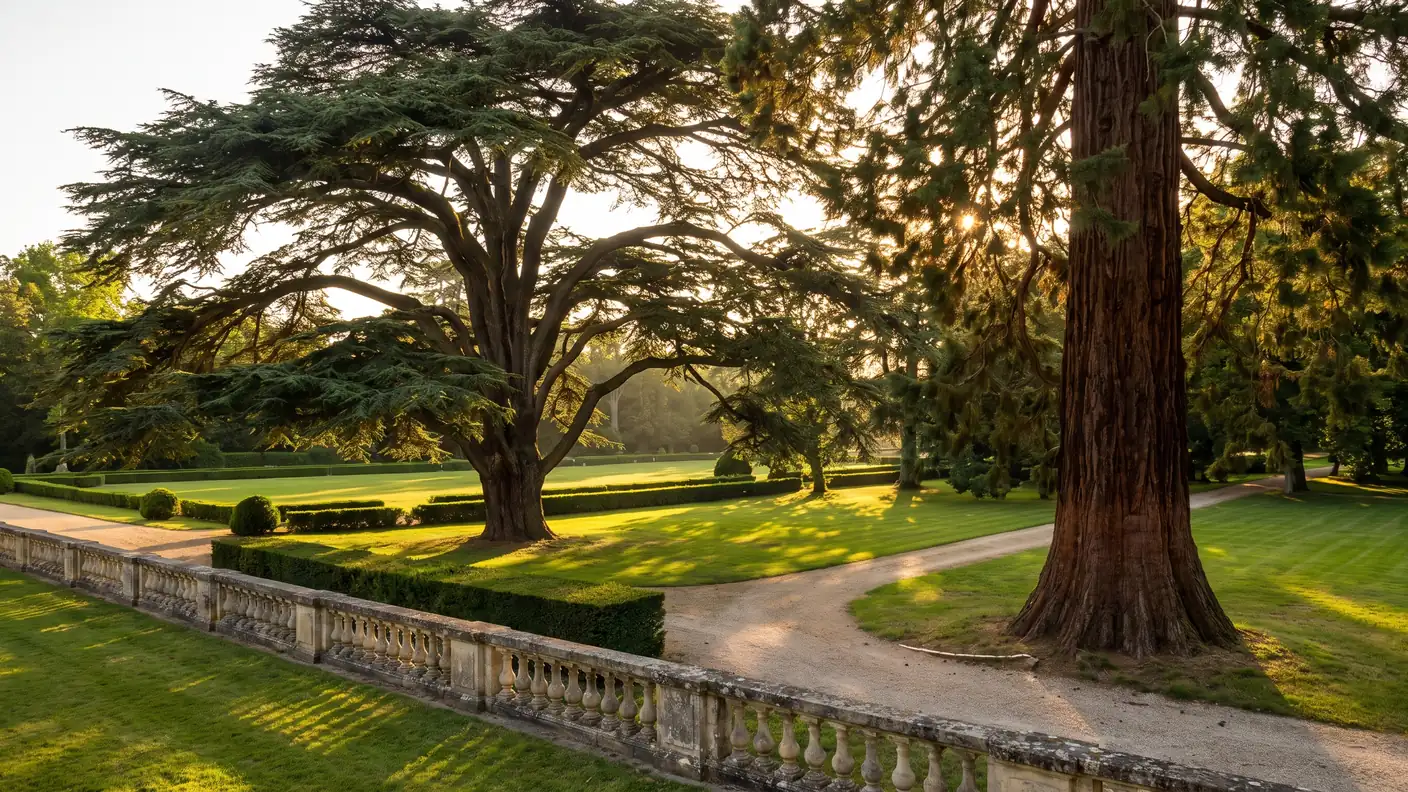
Beyond the battlefield, Coutras preserves the memory of Henry IV: the well that bears his name—designated a historic monument—and the grounds of the former castle stand as testament to this. These are all traces of great history in this small town in the Gironde.
The Henri IV Well
The most iconic monument commemorating the royal family in Coutras is the Henri IV Well, an elegant 17th-century well, officially listed as a historic monument since 1911, dedicated to the memory of King Henry IV; its refined architecture, with its coping and ironwork, makes it a beautiful example of the local heritage. Source: POP Database. It is one of the landmarks along the walking tour of Coutras, a historical detail not to be missed, just a few steps from the church. Around it, the town has maintained its attachment to the figure of the man from Béarn, whose name and memory are everywhere: Coutras is proud to have been the site of his first great victory and to have welcomed, within its walls, the future first king of the Bourbon dynasty. This well, modest yet steeped in meaning, embodies that memory.
The Castle and the Park
Coutras also had its own castle, which no longer exists. A medieval fortress, demolished in the early 16th century by Odet de Foix, Viscount of Fronsac, gave way to a Renaissance residence, which Marshal-Duke Richelieu later had dismantled in 1737. Very little remains today of either building: a park with remarkable trees—majestic cedars and sequoias planted in the 19th century—and the charm of a historic garden. It is a green oasis in the heart of the city, a pleasant place for a stroll, where one can still imagine the mansions of yesteryear and the splendor they once enjoyed. Between the well, the park, and the battlefield, Coutras offers a true journey in the footsteps of Henry IV and history itself—a journey to be taken on foot, winding through the streets and gardens of this small town.
St. John the Baptist Church
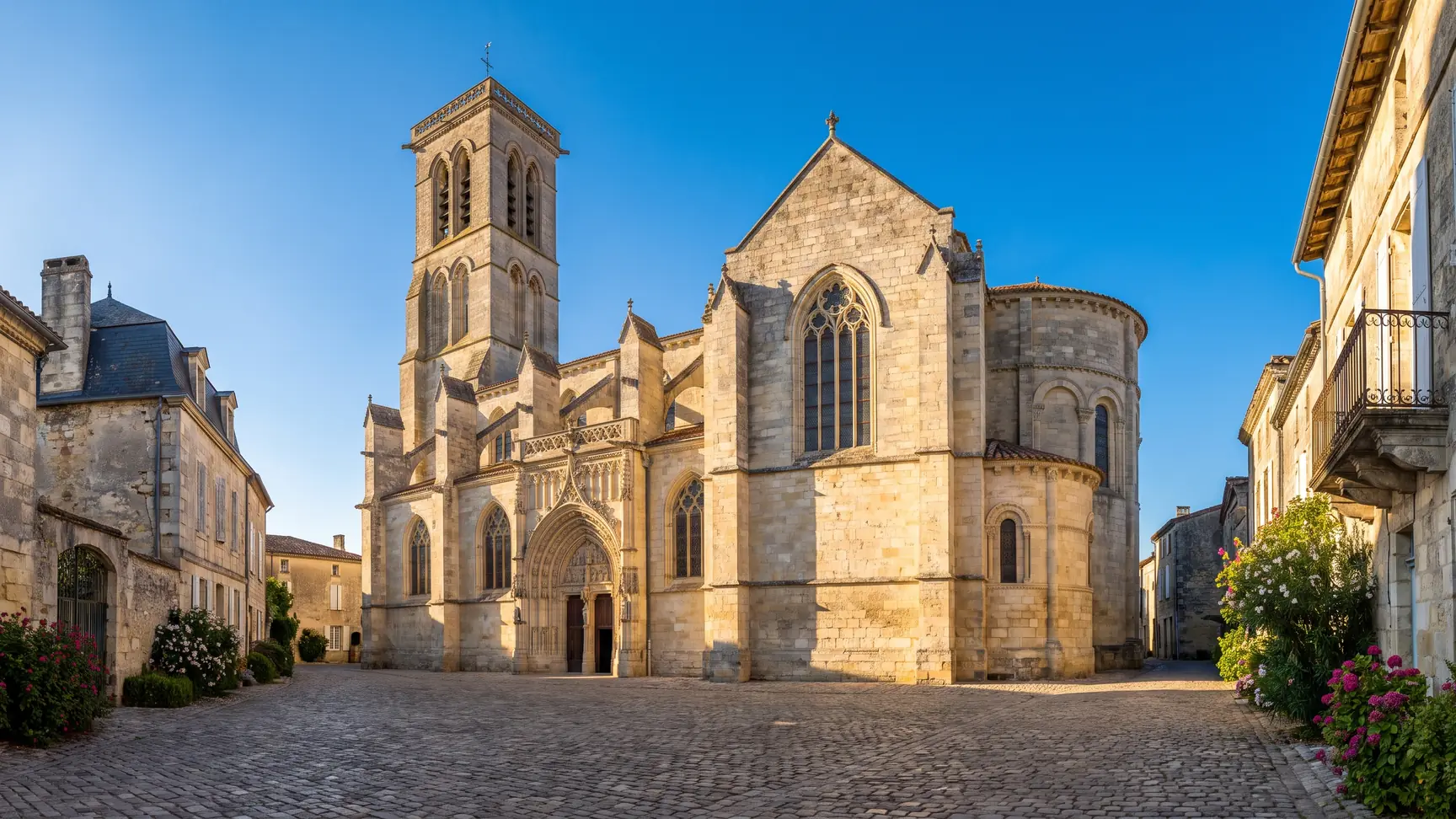
In the heart of the town, the Church of Saint John the Baptist has a Romanesque core dating from the 12th century and is Coutras’s principal historic landmark. Source: POP Database. A beautiful testament to the city’s religious history, worth exploring during your walk.
A Romanesque core, with Neo-Gothic additions
The Church of Saint John the Baptist is a composite building whose core is Romanesque: a fine apse dating from the 12th century and a dome over the crossing, both remnants of the original church. In the 15th and 16th centuries, side aisles were added; then, in 1874, architect Charles Durand designed a Neo-Gothic façade and bell tower-porch, which sometimes lead visitors to describe the whole building as Gothic. In fact, the Romanesque sections—the apse and the dome-vaulted bay—are listed as a historic monument, by order of December 21, 1925. This blend of styles reflects the centuries of construction and renovation the building has undergone, through wars and periods of reconstruction. Standing in the center of town, the church is a landmark and a place of remembrance that, like the town itself, weathered the turmoil of the Wars of Religion: it is the main heritage highlight of a visit to Coutras, situated between the Henri IV well and the riverbanks.
Strolling Through Coutras
Around the church, the center of Coutras invites you to take a leisurely stroll: historic streets, stone houses, squares, and a lively market, all in the atmosphere of a small provincial town that has retained its character. As you stroll through the town, you’ll discover the Henri IV well, the park of the former castle, the banks of the Isle and Dronne rivers, and you’ll find time to stop for a break at a café or on a terrace. The town, which long prospered thanks to trade, wine, and the railroad, retains a discreet yet tangible heritage from this past—one on a human scale. Coutras is not a museum town: it is a living city, where heritage blends with daily life, and where history—from the great battle to the rivers and the railroad—is just around every corner for those who take the time to look for it.
The Rivers and the Major Intersection
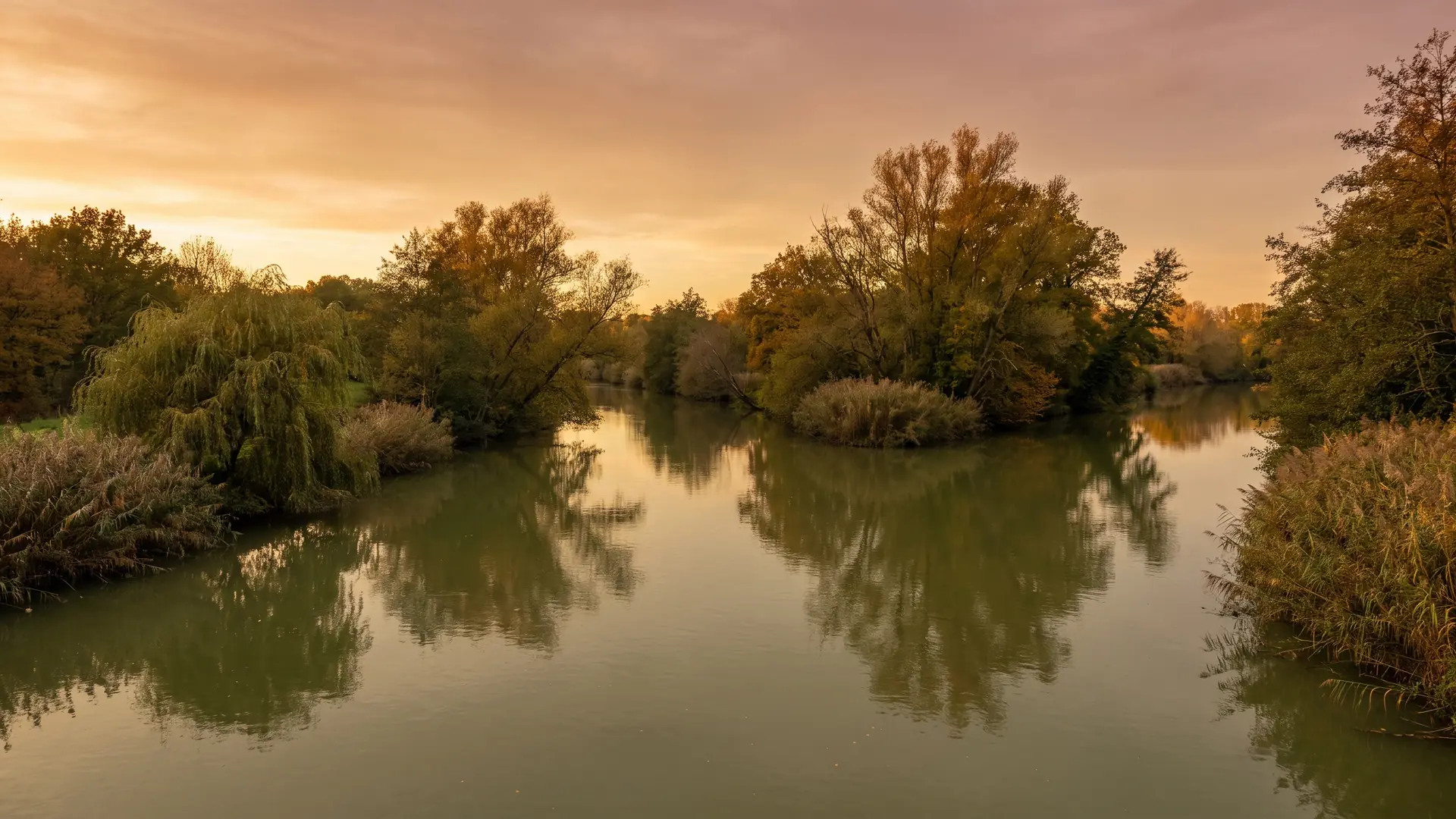
Coutras was born of water and continues to thrive on its location at a crossroads: the confluence of the Isle and Dronne rivers on one side, and the major railroad hub on the other, make the town a key transit point in the Libournais region. Two rivers and a train station that tell its story.
The Confluence: A Water-Filled Landscape
Where the Isle and the Dronne meet in Coutras, they create a peaceful, lush riverside landscape—one of the most charming in the Libournais region. The two rivers, with their calm waters lined with willows, alders, and reeds, converge amid meadows and woods. This site, long used for fishing, mills, and river navigation—goods were once transported downstream to the Dordogne and Libourne—now offers beautiful walks along the water, whether on foot or by bike. It is a preserved natural area, rich in birdlife and tranquility, just a stone’s throw from downtown. The geography of these rivers has shaped the history of Coutras: it was in part their course that, in 1587, channeled the armies and determined the battlefield. Water, here, is everywhere—in the landscape, in history, and in the soul of the town.
A rail hub
In keeping with its long-standing role as a river junction, the 19th century added a railway junction. The Official TER departures from Coutras Station, accessed in July 2026, list trains to Bordeaux-Saint-Jean, Périgueux, Limoges-Bénédictins, Angoulême, and Brive-la-Gaillarde, among other destinations. Since destinations and schedules are subject to change, be sure to check this SNCF page for your travel date.
The History of Coutras
A Gallo-Roman site, a battleground during the Wars of Religion, and a railway junction: Coutras has endured through the centuries at this crossroads of rivers and roads. A few key events shed light on the history of this town in the Libourne region.
From Ancient Times to the Renaissance
The site of Coutras has been inhabited since ancient times. Its very name bears witness to this: according to toponymists, it derives from a Gallic and Latin compound—rate (fortress, in Gallic) and cortem (estate, in Latin)—attested in the ancient forms Corterate or Corteratis, which points to a Gallo-Roman settlement. Like the rest of the Libournais region, the area experienced the long English rule over Guyenne during the Middle Ages, before returning to French control in 1453. During the Renaissance, Coutras belonged to prominent families—the Foix, then the Foix-Candale—who maintained a castle there. It was against this backdrop, in the midst of the Wars of Religion that were tearing the kingdom apart, that the Battle of 1587 took place—the most famous episode in the town’s history, which would forever link the name of Coutras to that of Henry IV.
From the Duchy to the Modern City
After the Wars of Religion, the region of Coutras and neighboring Fronsac became a duchy that later passed to the Richelieu family. Marshal de Richelieu brought courtly splendour to the area in the 18th century. But it was in the 19th century that Coutras underwent its great transformation, with the arrival of the railroad: the town became a major railroad hub, which boosted its commerce, crafts, and growth. From a town of rivers and vineyards, Coutras also became a railroad town, connected to Bordeaux and the vast national rail network. Today, it thrives on this threefold identity—water, vineyards, and rail—proud of its glorious past and its role as a crossroads town in the Libournais region, at the junction of the Gironde, Charente, and Périgord.
The Coutras Vineyard
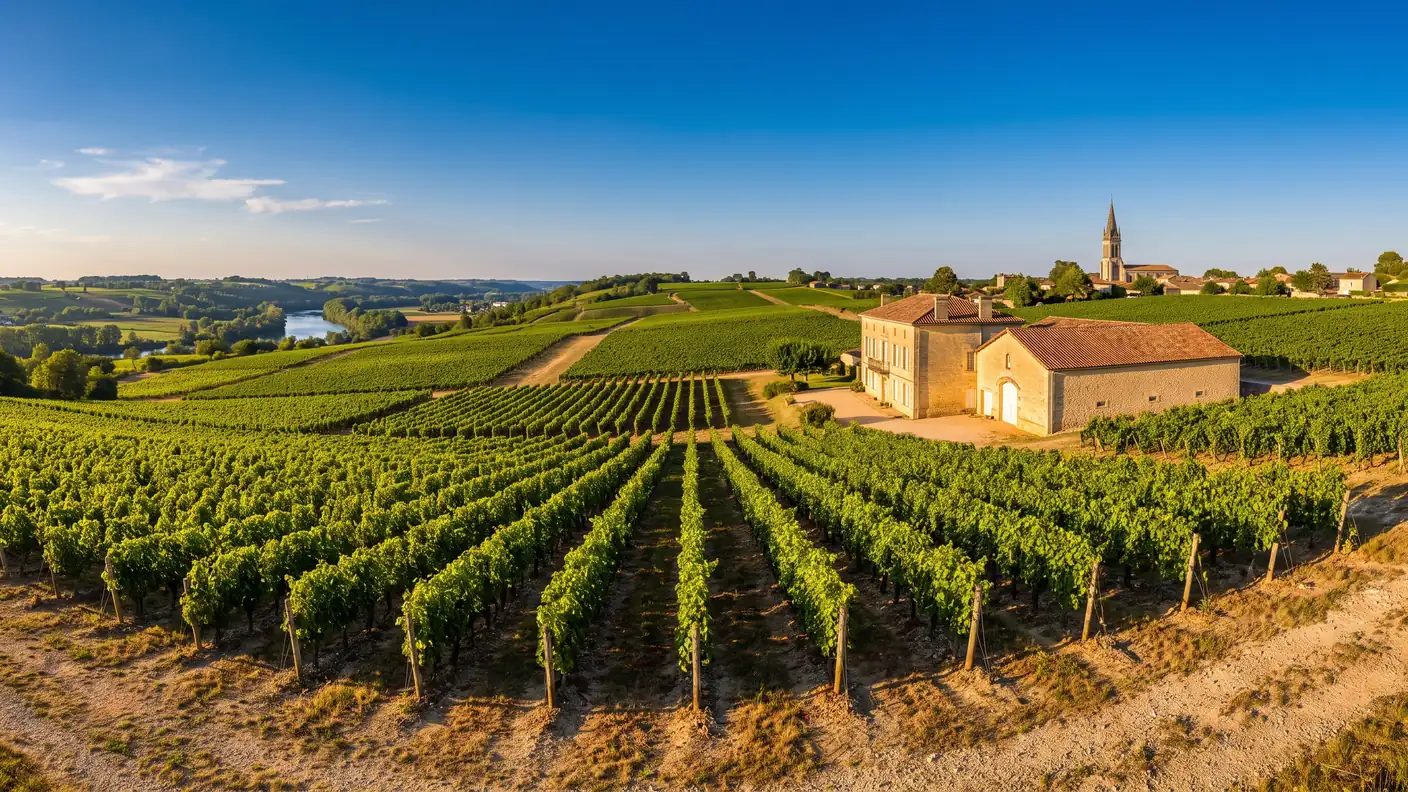
The area around Coutras is home to a vineyard belonging to the great Bordeaux wine-growing family: it produces wines with the Bordeaux and Bordeaux Supérieur appellations, right on the doorstep of the prestigious Fronsadais, Pomerol, and Saint-Émilion vineyards, all of which are nearby. Wine is an integral part of the Libournais region’s identity and economy.
Bordeaux and Bordeaux Supérieur
The Libournais region has been a wine-growing area since ancient times, and wine has always been a source of prosperity there. Around Coutras, the vineyards fall under the regional appellations of Bordeaux and Bordeaux Supérieur—there is no “Coutras” AOC of its own—which primarily produce red wines made from Merlot and Cabernet varieties, that are smooth and fruity, as well as white and rosé wines. It was precisely in the region of Coutras and Fronsac, in the 18th century, that the concept of “cru” first appeared in the Libournais, a sign of the early reputation of local wines. On the hillsides and terraces overlooking the Isle and Dronne rivers, numerous châteaux and family-run estates carry on the tradition, offering high-quality wines at affordable prices, a far cry from the exorbitant prices of the neighboring grand crus.
At the Gateway to the Grand Crus
Another reason the Coutras wine region is so appealing is its location: the town lies on the doorstep of some of the world’s most prestigious vineyards. Just a few kilometers to the south lie the Fronsadais region (AOC Fronsac and Canon-Fronsac), the Pomerol vineyards—home to legendary wines like Pétrus—and the UNESCO-listed town of Saint-Émilion, with its grand crus. A visit to Coutras can thus easily be extended—with a private chauffeur—to explore these legendary appellations, pairing an accessible local wine with a neighboring grand cru. That’s the appeal of a base like Coutras: you can taste authentic and affordable Bordeaux wines while being just minutes away from the most sought-after vineyards on the Right Bank. This is where a private chauffeur really comes into its own, allowing you to plan a wine tour without worrying about driving between tastings.
| The Coutras Vineyard | Details |
|---|---|
| Appellations | Bordeaux · Bordeaux Supérieur (no "Coutras" AOC) |
| Colors | mostly reds (Merlot, Cabernets) · also whites and rosés |
| Terroir | the hillsides and terraces of the Isle and Dronne rivers |
| On the outskirts of | Fronsac, Pomerol, Saint-Émilion |
| Landmark | It was here that the concept of a wine “cru” first appeared in the 18th century. |
What is there to see around Coutras?
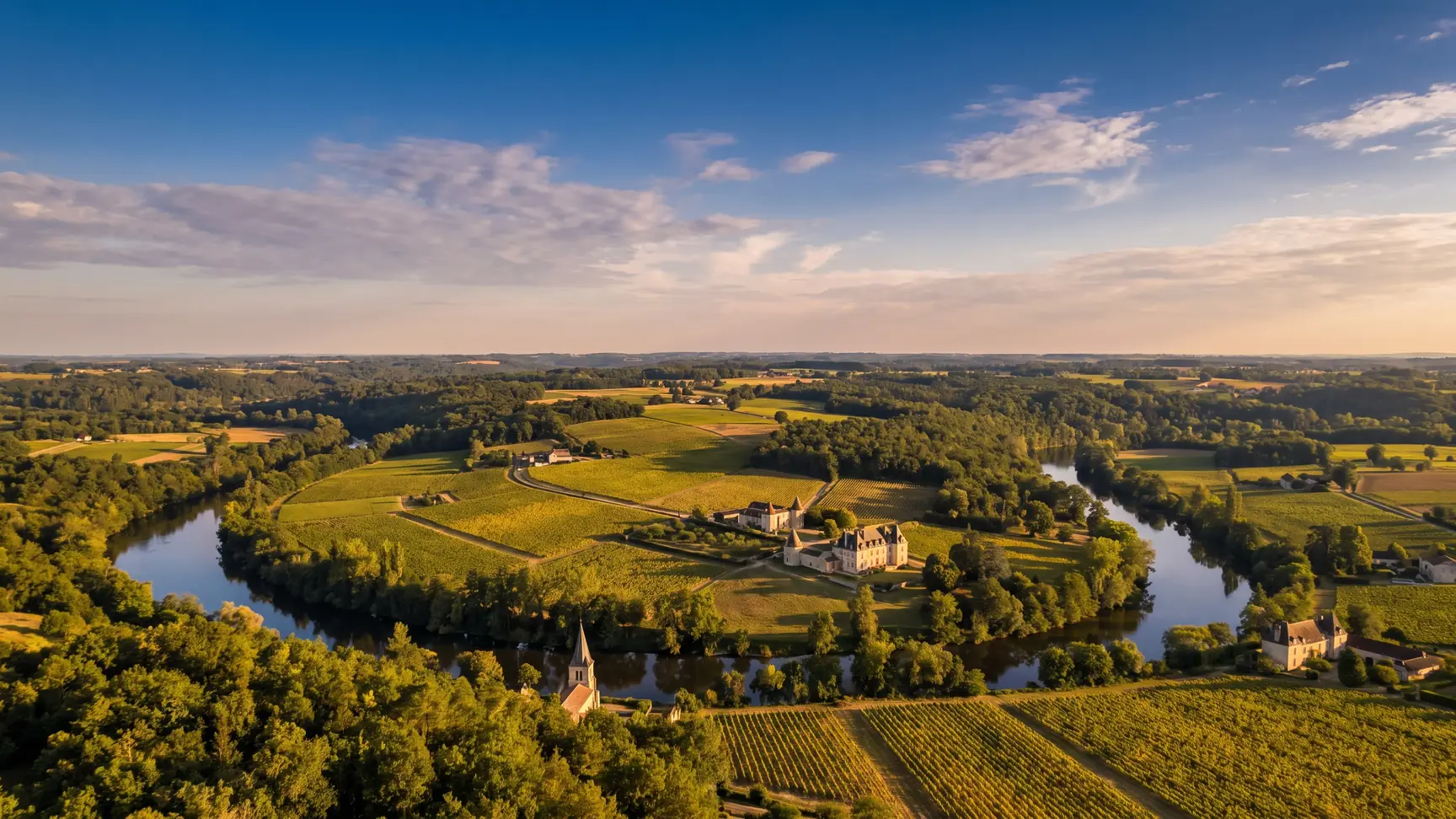
Coutras is an excellent starting point for exploring the Libournais region and its fine wines, as well as the outskirts of the Charente and Périgord regions: Libourne, Fronsac, Saint-Émilion, and Aubeterre are all within easy reach. The distances are short, and you can quickly go from a historic town to legendary vineyards.
Libourne, Fronsac, and the Grand Crus
To the south, Libourne—the major wine-trading town on the Dordogne—is about fifteen kilometers away: a lively bastide founded in the 13th century, nestled in the heart of the vineyards. Nearby lies the Fronsadais region, featuring the Fronsac hill and its renowned wines, the prestigious Pomerol vineyards, and above all Saint-Émilion, the medieval town listed as a UNESCO World Heritage Site, with its monolithic church, cobblestone streets, and Grand Cru Classé wines—an absolute must-see, about thirty kilometers away. With a private chauffeur, it’s easy to plan a customized loop from Coutras through these wine highlights, enjoying tastings one after another without worrying about driving. This is one of the town’s greatest assets: its proximity to some of the most famous vineyards on the planet.
Toward the Charente and the Périgord
Coutras is also a gateway to the north and east. Traveling up the Dronne River, you reach Aubeterre-sur-Dronne, one of the “most beautiful villages in France,” with its stunning monolithic church carved into the cliff face, about thirty kilometers away in the Charente. Further on lie the Cognac region and the Charente, and, to the east, the Périgord—Bergerac, Montaigne, and the Isle Valley toward Périgueux. Coutras, situated at the crossroads of three provinces, is thus an excellent base from which to explore this entire region of vineyards, rivers, and charming villages. With a driver to take you between these stops, you can easily turn your visit to Coutras into a tailor-made tour, combining history, heritage, and fine wines at your own pace, without the hassle of driving or finding parking.
| Around Coutras | Distance | Interest |
|---|---|---|
| Libourne | ~15 km | Wine-trading town on the Dordogne |
| Fronsac | ~14 km | A renowned vineyard: the Fronsac hill |
| Pomerol | ~15 km | Vineyard of legendary wines (Pétrus) |
| Saint-Émilion | ~25 km | UNESCO-designated medieval city, fine wines |
| Aubeterre-sur-Dronne | ~30 km | Most Beautiful Village, Monolithic Church |
When is the best time to visit Coutras?
Coutras is worth visiting year-round, but spring and summer—when the light dances on the rivers and the vineyards come to life—are the most pleasant times to visit. The spring covers the hillsides in soft greenery, offers mild days perfect for exploring the town, the church, the Henri IV well, the battlefield, and the banks of the Isle and Dronne rivers, and sees the wineries reopen for tastings. In summer, the town is bathed in abundant light: it’s the perfect time of year to stroll through the town center, take a walk along the river, enjoy the outdoor cafes, and tour the wineries, all in a lively atmosphere. The riverbanks offer coolness and tranquility, and the lush, peaceful Coutras region is perfect for exploring—on foot, by bike, or in a chauffeur-driven car, whichever you prefer—as you discover its heritage, nature, and vineyards.
Fall Harvest and Winter
Fall is a magnificent time of year to explore the Coutras region: the grape harvest brings the Libournais wineries to life, the vine leaves turn shades of gold and purple on the hillsides, and the air is filled with the scent of grape must; it’s the perfect time to learn about winemaking and taste the new vintages, before venturing on to the neighboring grand crus of Pomerol or Saint-Émilion. Winter, a quieter time of year, reveals the town and its rivers in a peaceful atmosphere, beneath the vast skies of the Gironde: visitors can explore the historic sites and the battlefield without the crowds, in the contemplative spirit of a place of remembrance. In any season, the mild oceanic climate, the beauty of the river landscapes, and the proximity to the region’s finest vineyards make Coutras a rich and easy getaway—less than an hour from Bordeaux—where French history meets the wines of the Right Bank.
Getting to Coutras from Bordeaux
Coutras is located about 62 km from Bordeaux, which is about a 58-minute drive via the A89 highway toward Périgueux, then along the roads of the Libournais region. Note: Coutras is one of the region’s major rail hubs, and its station—on the lines from Bordeaux to Périgueux, Angoulême, and Limoges—connects it directly to the metropolitan area. However, the train does not allow you to explore the surrounding area—including the battlefield, the church, the riverbanks, and the scattered vineyards of the region—nor does it make it easy to travel on to Pomerol or Saint-Émilion. For a trip from Bordeaux that combines history, cultural heritage, and wine tastings, a chauffeur-driven car is the most practical and flexible option.
Train or chauffeur service?
For Coutras—and especially for exploring the surrounding area—an executive car service from Bordeaux offers complete freedom: a direct, door-to-door trip from Bordeaux, with no transfers or waiting, and the option to make stops along the way as you please. This is especially valuable for a day combining history and wine tastings—the battlefield and the town of Henry IV, followed by two or three wineries in the Libourne region, in Fronsac, Pomerol, or Saint-Émilion—where you’ll want to be able to taste the wines without worrying about driving. We offer this route at a fixed price confirmed in advance: allow about 148 € for a one-way trip, in a Mercedes sedan or a van seating up to 8 passengers, with a professional driver. The price, set at the time of booking, remains fixed: it does not depend on traffic, potential traffic jams, or the number of stops requested along the way, unlike a taxi meter.
This is the perfect option for a day of wine tourism and cultural exploration, a family trip following in the footsteps of Henry IV, a special event (such as a wedding or birthday celebration at a château in the Libourne region), or a simple transfer to or from Bordeaux-Mérignac Airport. You can travel alone, as a couple, or in a small group of up to 8 people, with luggage, and request stops in Libourne, Saint-Émilion, or at a vineyard along the way. In practice, booking is quick and easy: simply provide the pickup address in Bordeaux and the destination in Coutras, along with the date, desired time, and number of passengers, and you’ll receive a fixed-price quote in writing. On the day of the trip, the driver picks up the passengers at the agreed-upon address and takes them directly to Coutras, without any detours—a real plus for starting your day of history and wine with peace of mind.
| Route | Distance | Duration | Landmark |
|---|---|---|---|
| Bordeaux → Coutras | ~62 km | ~58 min | Starting at ~€118 for a private chauffeur service |
| Coutras → Libourne | ~15 km | ~20 min | wine market town |
| Coutras → Pomerol | ~15 km | ~20 min | Pétrus vineyard |
| Coutras → Saint-Émilion | ~25 km | ~30 min | UNESCO World Heritage Site, fine wines |
Whether you come to commemorate the Battle of 1587 and Henry IV’s first victory, to see the church and the King’s Well, to witness the confluence of the rivers, or to explore the vineyards and their proximity to the grands crus of the Right Bank, Coutras is a treat for lovers of authentic Bordeaux, at the crossroads of history, water, and vineyards—a charming crossroads town that, for those who take the time to stop there, reveals a glorious chapter in French history.
Whether it’s for a wine-tasting tour, a trip following in the footsteps of Henry IV, or an event, booking a private chauffeur guarantees a comfortable and punctual ride—book a driver from Bordeaux to Coutras or explore all our destinations.
Frequently Asked Questions
Where is Coutras located?
Coutras is a small town in the Gironde department (33), in the Nouvelle-Aquitaine region, in the Libournais area, situated at the confluence of the Isle and Dronne rivers, about 50 kilometers northeast of Bordeaux and about 15 kilometers north of Libourne. Part of the Libourne arrondissement and the Nord-Libournais canton, it has a population of approximately 8,680 (known as Coutrillons) and is part of the Libournais Urban Community. Famous for the Battle of 1587 and as a major rail hub, it is located about a 58-minute drive from Bordeaux (approximately 62 km).
How far is it from Bordeaux to Coutras?
About 62 km by road, or about a 58-minute drive, via the A89 highway toward Périgueux, then along the roads of the Libournais region. By private chauffeur from Bordeaux, the fare is fixed and provided in advance, starting at approximately €148 one way (sedan or van, door-to-door price). Coutras also has a major train station on the lines from Bordeaux to Périgueux, Angoulême, and Limoges, but the train does not allow for easy travel between the battlefield and the area’s wineries.
What was the Battle of Coutras?
It was a major battle of the Wars of Religion, fought on October 20, 1587, near Coutras. The Protestant (Huguenot) army, commanded by Henri of Navarre—the future Henri IV—crushed the royal Catholic army led by Anne, Duke of Joyeuse, who was killed. Thanks to a clever tactic—placing platoons of infantry between his cavalry squadrons—and his opponent’s premature and disorderly charge, Henry of Navarre won his first major victory in open battle there. This was a turning point: two years later, in 1589, he became Henry IV, King of France. The battlefield, near the confluence, is open to visitors.
Was Henry IV king at the time of the Battle of Coutras?
No, not yet. In 1587, at the Battle of Coutras, he was Henry of Navarre, leader of the Protestant faction and heir to the French throne, but not yet king. The Battle of Coutras was his first major military victory, which solidified his authority. He did not become Henry IV, King of France, until 1589, upon the death of Henry III, and it took him several more years of war to assert his authority and restore peace, notably through the Edict of Nantes in 1598. Coutras therefore holds a special place in history: it was there that the future king proved himself a great military leader.
What to See in Coutras?
The battlefield of 1587, on the plain near the confluence of the Isle and Dronne rivers, a site commemorating Henry IV’s first victory. The Church of Saint John the Baptist, whose 12th-century Romanesque apse and dome are listed as historic monuments (with a Neo-Gothic façade and bell tower dating from 1874). The 17th-century Henri IV Well, classified as a historic monument, which commemorates the king. The park of the former castle, with its remarkable trees (cedars, sequoias). And the banks of the Isle and Dronne rivers, perfect for a stroll. Nearby: Libourne, Fronsac, Pomerol, and Saint-Émilion, all just a short distance away.
Is the Henri IV Well in Coutras a designated historic site?
Yes. The Henri IV Well in Coutras, an elegant 17th-century well, has been listed as a historic monument since 1911. According to tradition, it commemorates the future King Henri IV’s stay in the town around the time of the famous battle of 1587. With its finely crafted well curb and ironwork, it is one of the landmarks along the walking tour through downtown Coutras, just a few steps from the Church of Saint John the Baptist. Together with the battlefield and the park of the former castle, it forms part of the walking tour through the town that follows in the footsteps of Henry IV.
Is there a castle in Coutras?
There was once a castle in Coutras, but it has now almost entirely disappeared. A medieval castle, demolished in the early 16th century by Odet de Foix, Viscount of Fronsac, was replaced by a Renaissance mansion, which Marshal-Duke Richelieu in turn had demolished in 1737. All that remains is a beautiful park, planted in the 19th century with remarkable trees—majestic cedars and sequoias—which offers a green oasis in the heart of the town. The park invites visitors to take a stroll between the Henri IV Well and the battlefield, following in the footsteps of Coutras’s storied history.
How many people live in Coutras?
With a population of approximately 8,680 according to the 2023 census, it is a small, bustling town—one of the most populous in the Libourne region after Libourne itself. Its residents are known as Coutrillons (or Coutrassiens). Equipped with all the amenities of a regional center—shops, a market, a middle school, and a train station—it serves as a hub for a region of vineyards and rivers. Its vitality owes much to its location at a crossroads: at the confluence of the Isle and Dronne rivers, and especially to the major rail hub that connects it to Bordeaux, Périgueux, Angoulême, and Limoges. It is a town of passage and history, at the gateway to Saint-Émilion and the Périgord.
Why is Coutras a rail hub?
Because its geographic location, at the junction of the Gironde, the Charente, and the Périgord, has made it a natural rail junction since the 19th century. At Coutras, the lines coming from Bordeaux split off toward Périgueux and the Périgord, toward Angoulême and Paris, and toward Limoges. Coutras Station has thus remained one of the major rail hubs in southwestern France, served by the Nouvelle-Aquitaine TER and Intercités trains. This role as a crossroads—inherited first from the confluence of the rivers and later from the railways—explains the town’s growth and prosperity throughout its history.
What kind of wine is produced in Coutras?
Around Coutras, the vineyards fall under the regional appellations of Bordeaux and Bordeaux Supérieur; there is no “Coutras” AOC of its own. The area primarily produces red wines made from Merlot and Cabernet grapes—smooth and fruity—as well as white and rosé wines. In fact, it was in the region of Coutras and Fronsac that the concept of “cru” first emerged in the 18th century. Numerous family-owned châteaux dot the hillsides. Above all, Coutras lies at the gateway to the most prestigious vineyards of the Right Bank: the Fronsac region, Pomerol (home of Pétrus), and Saint-Émilion are just a few kilometers away.
What is there to see around Coutras?
Libourne, the major wine market town on the Dordogne River (~15 km). The Fronsadais region and its Fronsac hill, home to renowned wines (~14 km). The prestigious Pomerol vineyard, home to legendary wines such as Pétrus (~15 km). And above all, Saint-Émilion, the medieval town listed as a UNESCO World Heritage Site, with its monolithic church and its grand cru wines (~25 km). To the north, Aubeterre-sur-Dronne, one of the most beautiful villages in France, with its striking monolithic church (~30 km, in Charente). Coutras, situated at the crossroads of three provinces, is an excellent base from which to explore this entire region of vineyards and rivers.
Can I book a private driver from Bordeaux to Coutras?
Yes. We offer the Bordeaux → Coutras route (approximately 62 km, about 58 minutes via the A89) at a fixed price, starting at around €148 one way, in a Mercedes sedan or a van seating up to 8 passengers, with a professional driver. The trip is direct, door-to-door, with the option to make stops as desired—ideal for a day combining history (the town and the battlefield of Henry IV) with wine tastings at the great neighboring vineyards (Fronsac, Pomerol, Saint-Émilion), where you’ll want to taste the wines without worrying about driving. The fixed quote is provided and confirmed in writing before departure.
Further Reading
- The neighboring town on the Isle River: see the Saint-Denis-de-Pile Guide (the listed Romanesque church, the Isle Valley)
- The UNESCO City of Wine: see the Saint-Émilion Guide (medieval town, monolithic church, grand cru wines)
- The Wine Market Town: Discover Our Guides to the Libournais and the Right Bank
- Plan your trip: Book a private driver from Bordeaux to Coutras or explore all our destinations
Sources and References
- Wikipedia — Coutras — geography, demographics, history, battle, heritage
- Protestant Museum — Eighth War of Religion — Battle of Coutras on October 20, 1587, and the Death of the Duke of Joyeuse
- POP Base — Henri IV Well — 17th-century well listed in 1911
- POP Database — Saint-Jean-Baptiste Church — Romanesque apse and dome, listed in 1925
- Wikipedia — Henry IV — Henry of Navarre, future king, Edict of Nantes, 1598
- INSEE — Municipality of Coutras (33138) — Population in 2023 (~8,680 residents), area
- TER Nouvelle-Aquitaine — Coutras Station — official schedules and departure times as of July 2026
Article updated on .
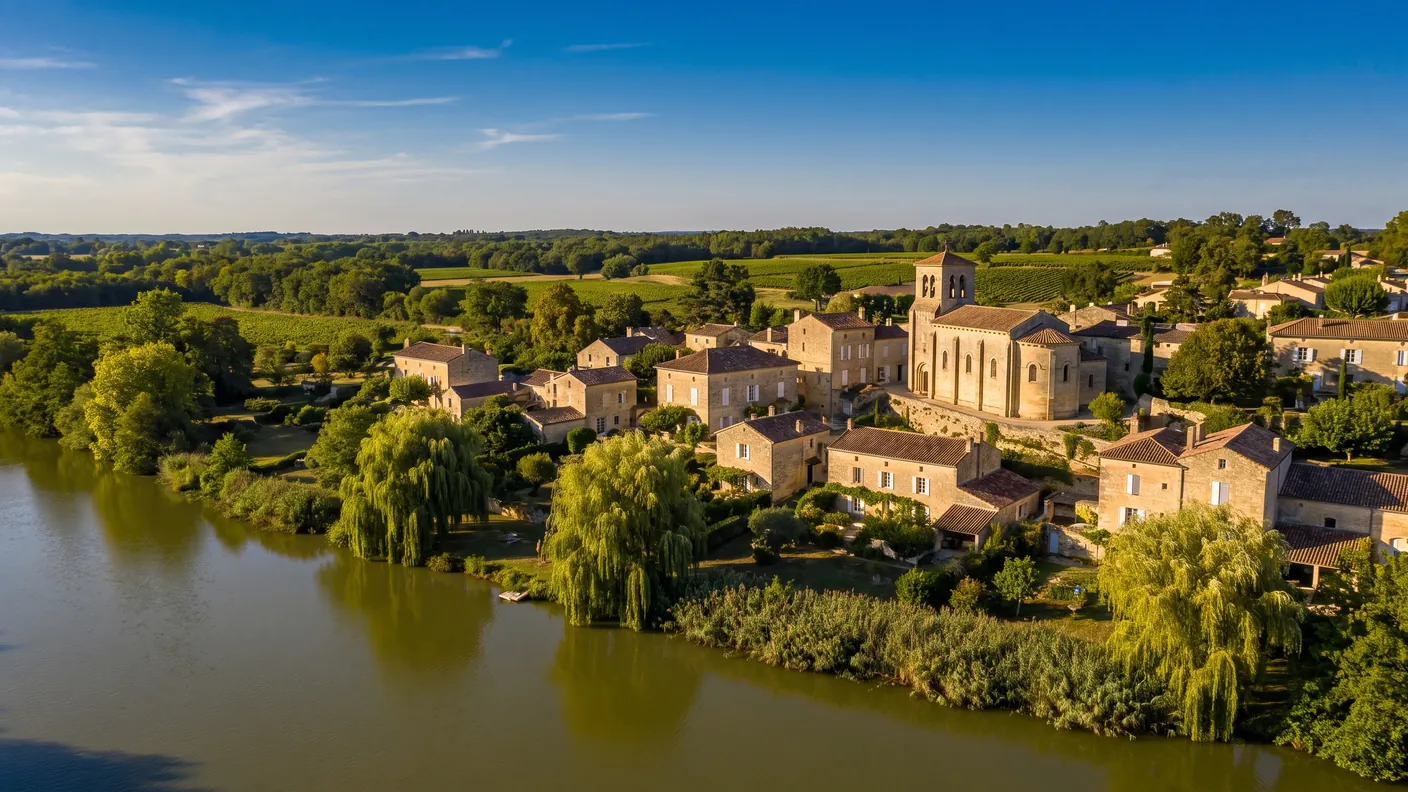

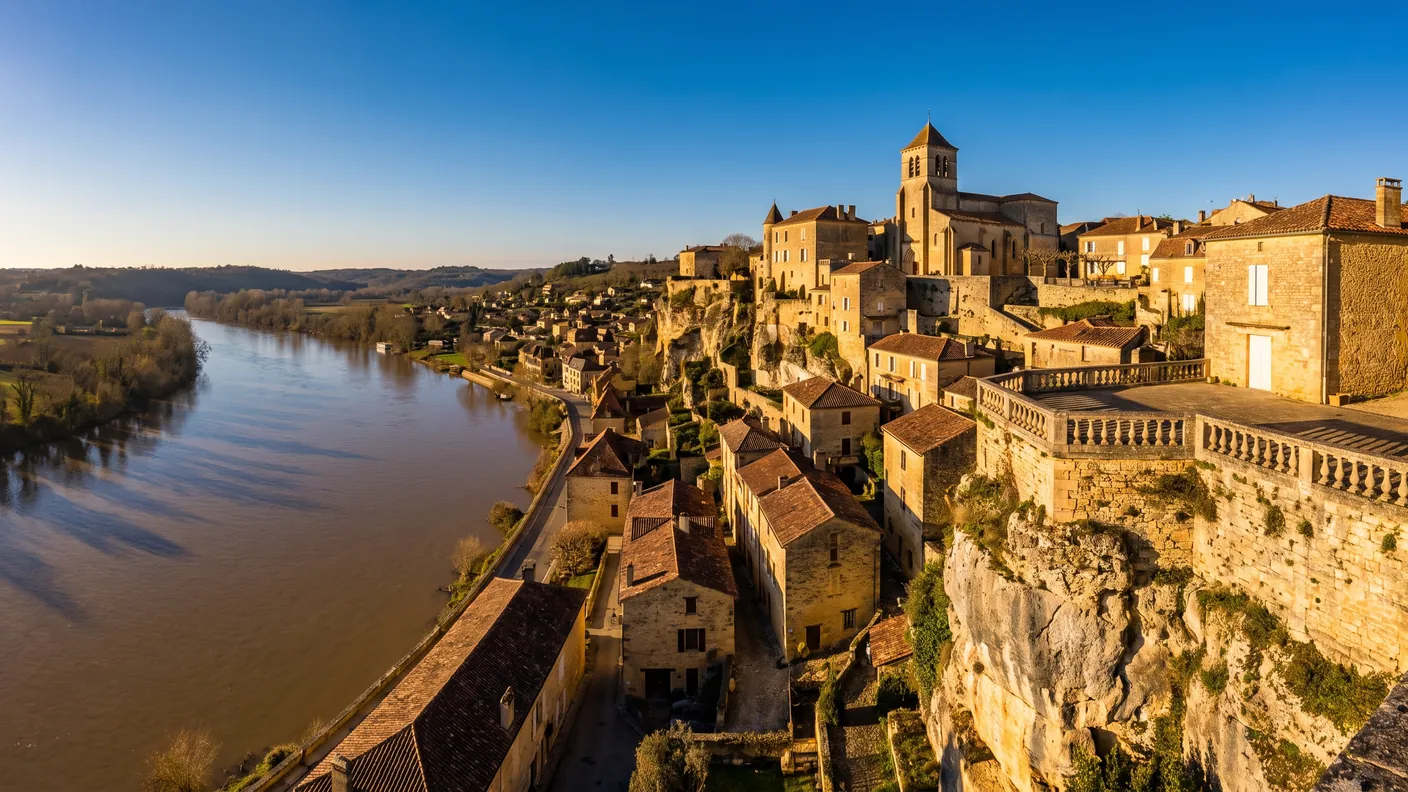
On the Way to the City of Henry IV
Direct trip from Bordeaux (~58 min) to Coutras, the site of the 1587 battle, and the Libournais vineyards, with stops along the way at your discretion—Fronsac, Pomerol, Saint-Émilion. Fixed, written quote—no surprises on the meter.