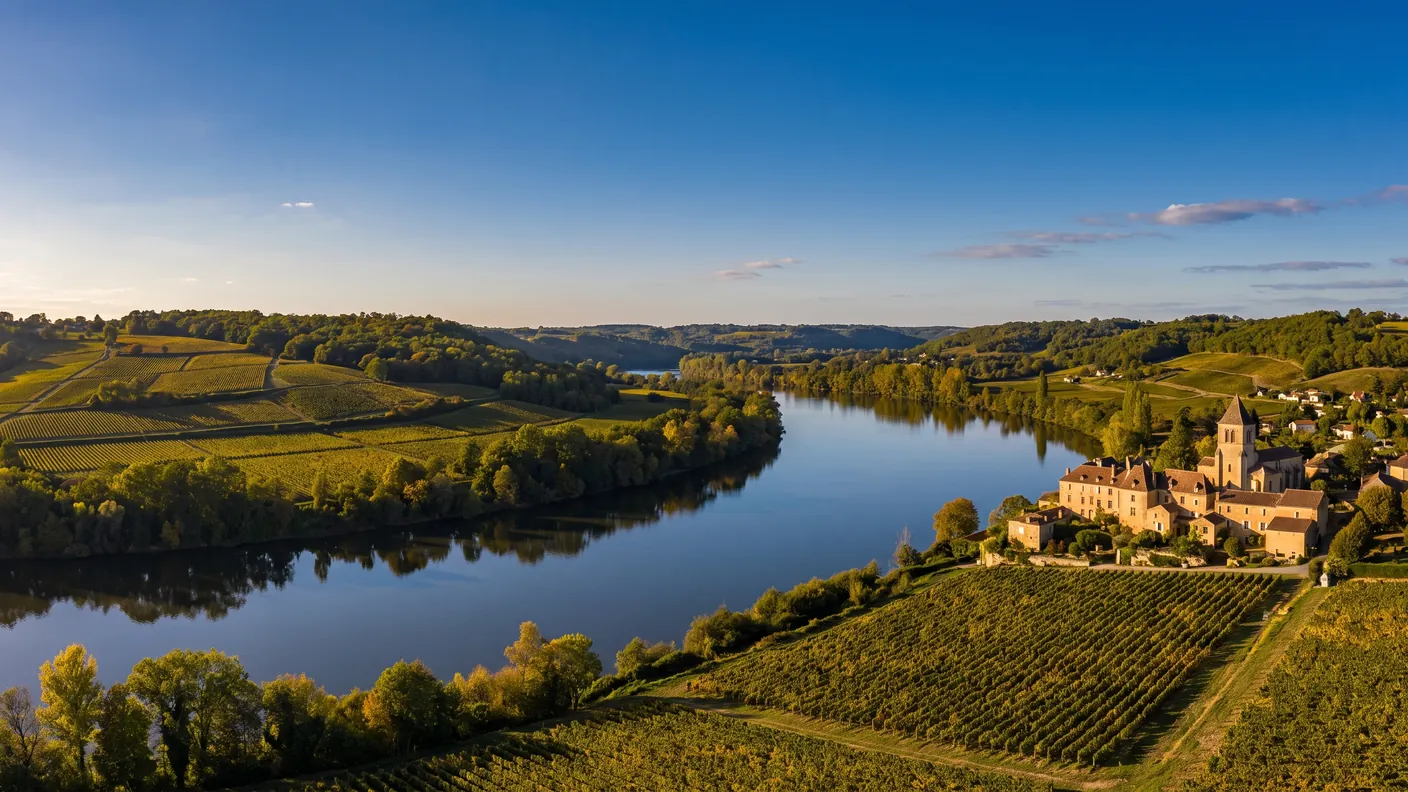
Bordeaux to Castillon-la-Bataille: the final battle
It was here, on July 17, 1453, that the final battle of the Hundred Years' War was fought: Castillon-la-Bataille, on the Dordogne River, with its historic site, its grand summer festival, and the Castillon Côtes de Bordeaux vineyards—plus your private door-to-door transfer from Bordeaux, without having to rent a car.
Castillon-la-Bataille at a Glance
Castillon-la-Bataille is a small town in the Gironde department, on the right bank of the Dordogne River, about 54 km east of Bordeaux—it was here that the final battle of the Hundred Years’ War took place on July 17, 1453. [1]This decisive French victory, marked by the artillery of the Bureau brothers and the death of the English commander John Talbot, brought an end to three centuries of English rule over Aquitaine. Every summer, a grand historical reenactment brings this epic event to life. This guide distinguishes fact from fiction: the town has been called “Castillon-la-Bataille” only since 1953 (it was previously known as Castillon-et-Capitourlan, not “Castillon-sur-Dordogne”); the show has been performed since 1977 and takes place in Belvès-de-Castillon, not in the town itself. Castillon also lends its name to a wine region, the Castillon Côtes de Bordeaux AOC. We then outline the easiest way to get there from Bordeaux: a private door-to-door transfer.
Here are the key details to know before you go. Distances are calculated door-to-door from Bordeaux; the fare listed is for a private driver reservation at a fixed price provided in advance, with no unexpected meter charges regardless of traffic or stops along the way. Historical and demographic information has been verified with City Hall, the Army Museum, INSEE, the show’s official website, and the appellation’s official website; dates and times are subject to change and should be confirmed with the organizers.
| Landmark | Details |
|---|---|
| City | Castillon-la-Bataille (Gironde, Libourne District) |
| Location | on the right bank of the Dordogne, east of Saint-Émilion |
| Residents | 3,344 residents of Castillon (2023) |
| Must-See | the site of the Battle of 1453, the historical reenactment, the vineyard |
| Distance from Bordeaux | about 54 km · about 1 hour by car |
Where is Castillon-la-Bataille located?
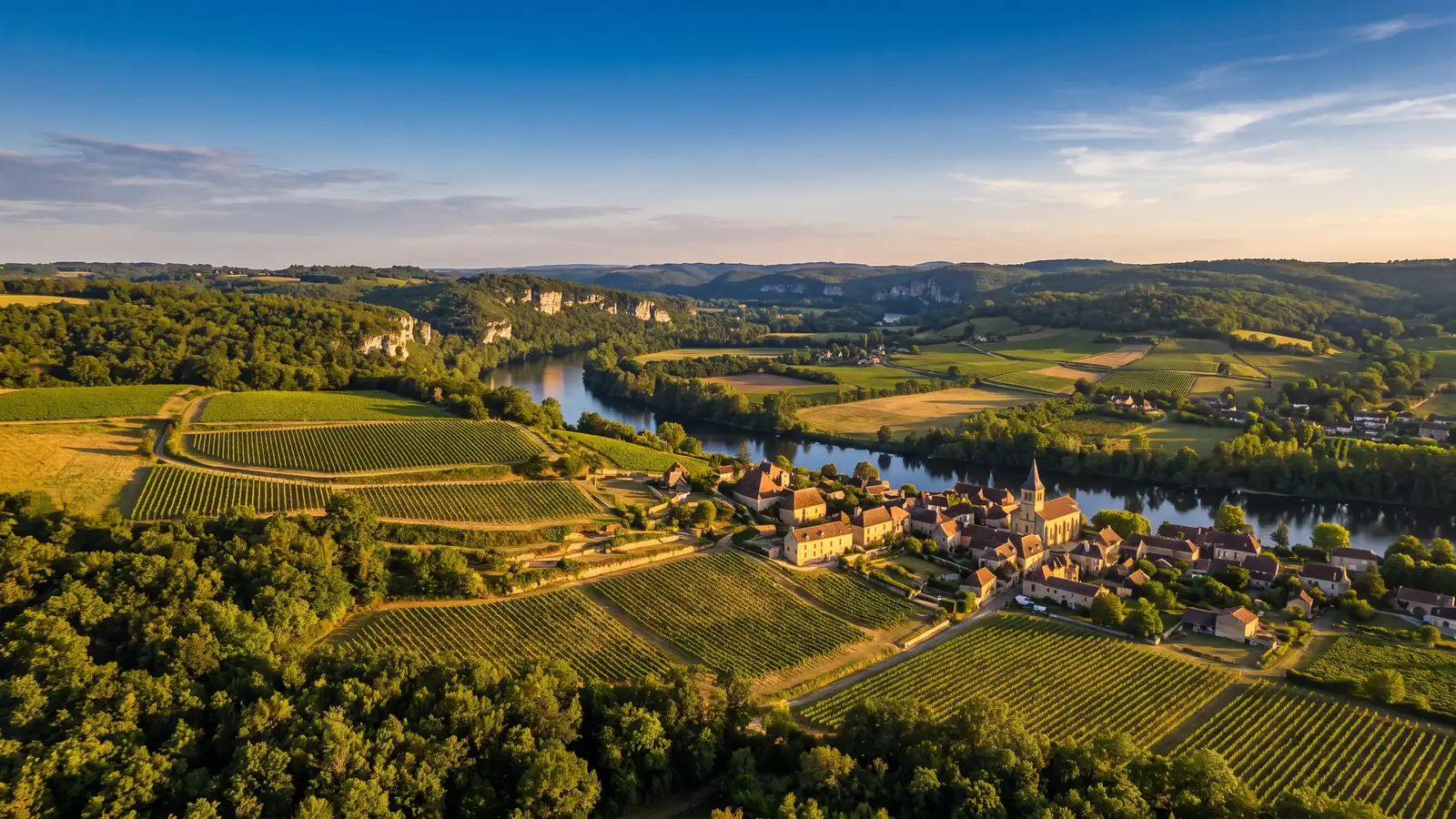
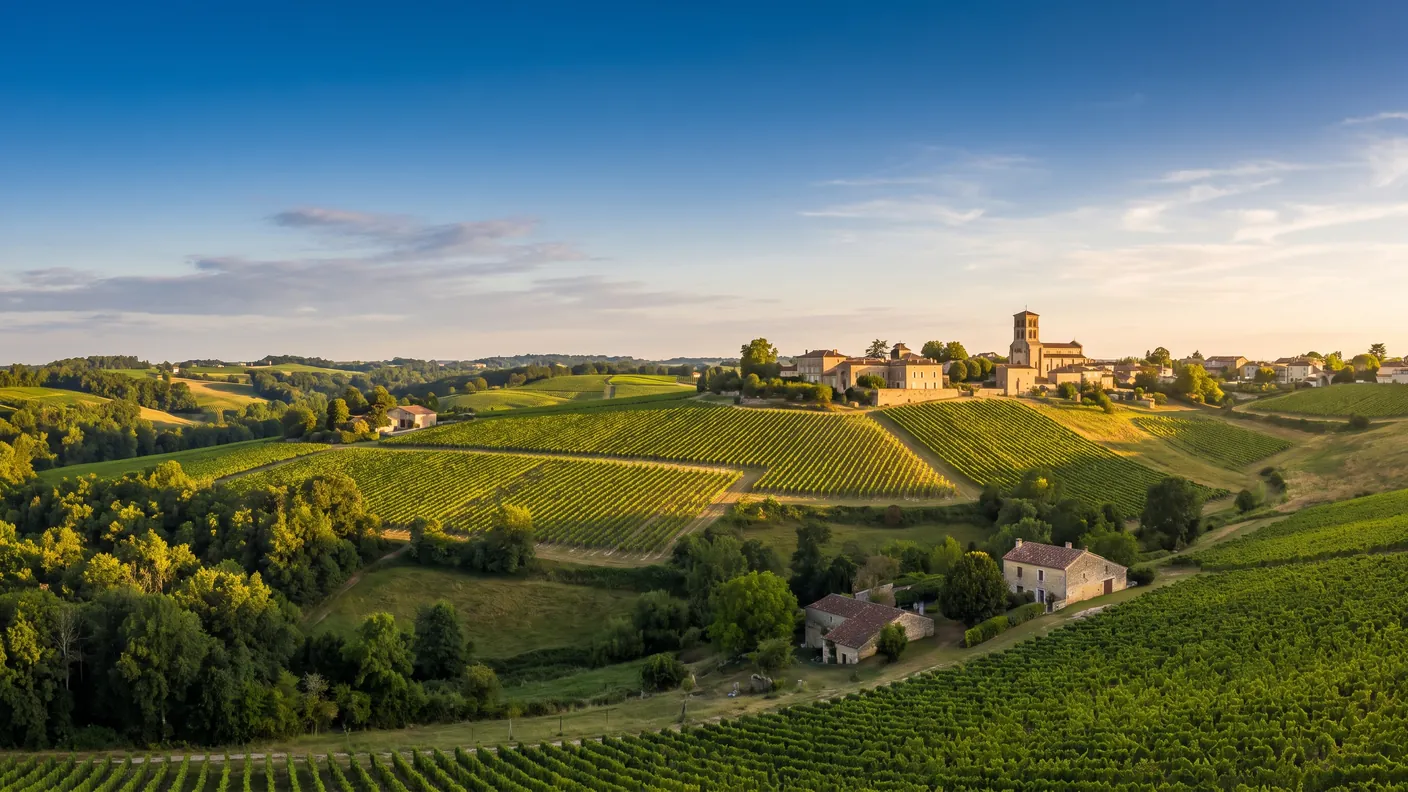
Castillon-la-Bataille is located in eastern Gironde, on the right bank of the Dordogne, at the gateway to the Libournais region and very close to Saint-Émilion. It is a country of vineyards, by river and hillsides : the Dordogne Valley, the wine-growing plateau that extends from Saint-Émilion, and the hills in the eastern part of the department. The town, with a population of 3,344, is situated on the right bank of the river, across from the town of Mouliets-et-Villemartin. Administratively, it belongs to the Libourne arrondissement, the Coteaux de Dordogne canton, and the Castillon-Pujols community of municipalities. It is located about 56 kilometers from Bordeaux, at the crossroads of two worlds: that of thehistory — the site of the 1453 battle that marked the end of the Middle Ages — and that of the wine, under the Castillon Côtes de Bordeaux appellation. This location makes Castillon an ideal base for exploring the Libournais wine region and the major landmarks of French history, just one hour from Bordeaux.
On the Dordogne River, at the gateway to the Libournais region
Castillon is built on the right bank of the Dordogne, the great river that flows through eastern Gironde before joining the Garonne at Bec d'Ambès. This location—on the river and at the crossroads of several terroirs—was key to its history: it was on the banks of the Dordogne, at the confluence with the Lidoire, where the Battle of 1453 took place. Today, Castillon is a small, bustling town in the Libournais, shaped by its vineyards and the river. Across the river, it faces Mouliets-et-Villemartin, and is only a few kilometers from Saint-Émilion, whose prestigious vineyards extend all the way here. For visitors, Castillon is an ideal starting point: both a place of historical significance, with its battle site and reenactment, and the gateway to a vast wine-growing region. It’s easily accessible from Bordeaux, just under an hour’s drive through the Entre-deux-Mers and Libournais regions.
A vineyard on the outskirts of Saint-Émilion
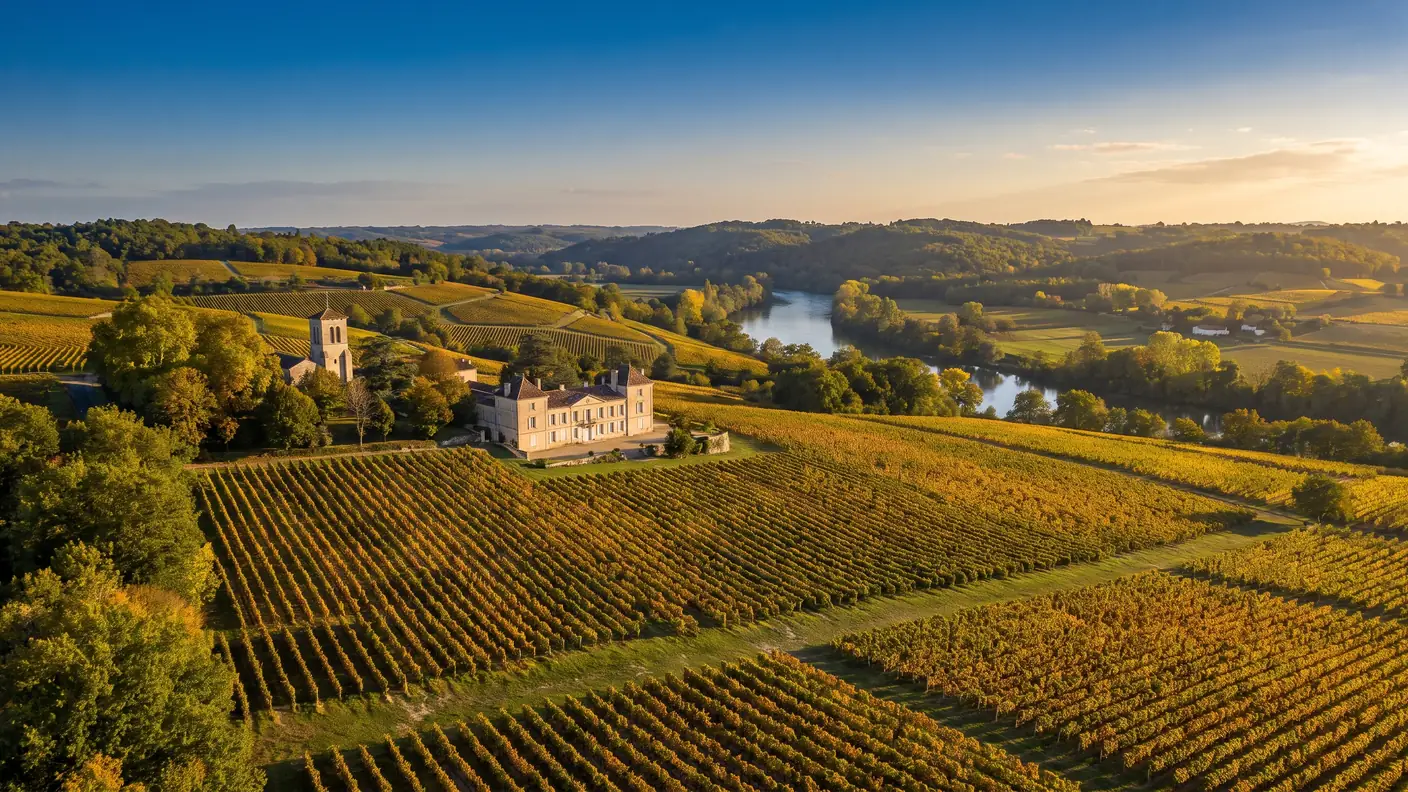
Castillon’s greatest asset lies in its terroir. The town lends its name to the Castillon Côtes de Bordeaux appellation, a red wine region that extends eastward from the limestone plateau of Saint-Émilion—the same terroir, the same grape varieties, often at more affordable prices. All around, the hillsides are covered with vineyards, dotted with wineries that welcome visitors for tastings. To the north, just a few kilometers away, lies the prestigious Saint-Émilion wine region, a medieval town listed as a UNESCO World Heritage Site and home to world-renowned grand crus. Castillon is thus ideally situated for exploring the Libournais wine region—Saint-Émilion, Pomerol, Castillon, and the Côtes de Francs—all within a radius of about twenty kilometers. A chauffeur service who knows the area allows you to travel from one estate to another without worrying about driving or parking—ideal for leisurely tasting the great wines of the Right Bank.
The Battle of 1453: The End of the Hundred Years' War
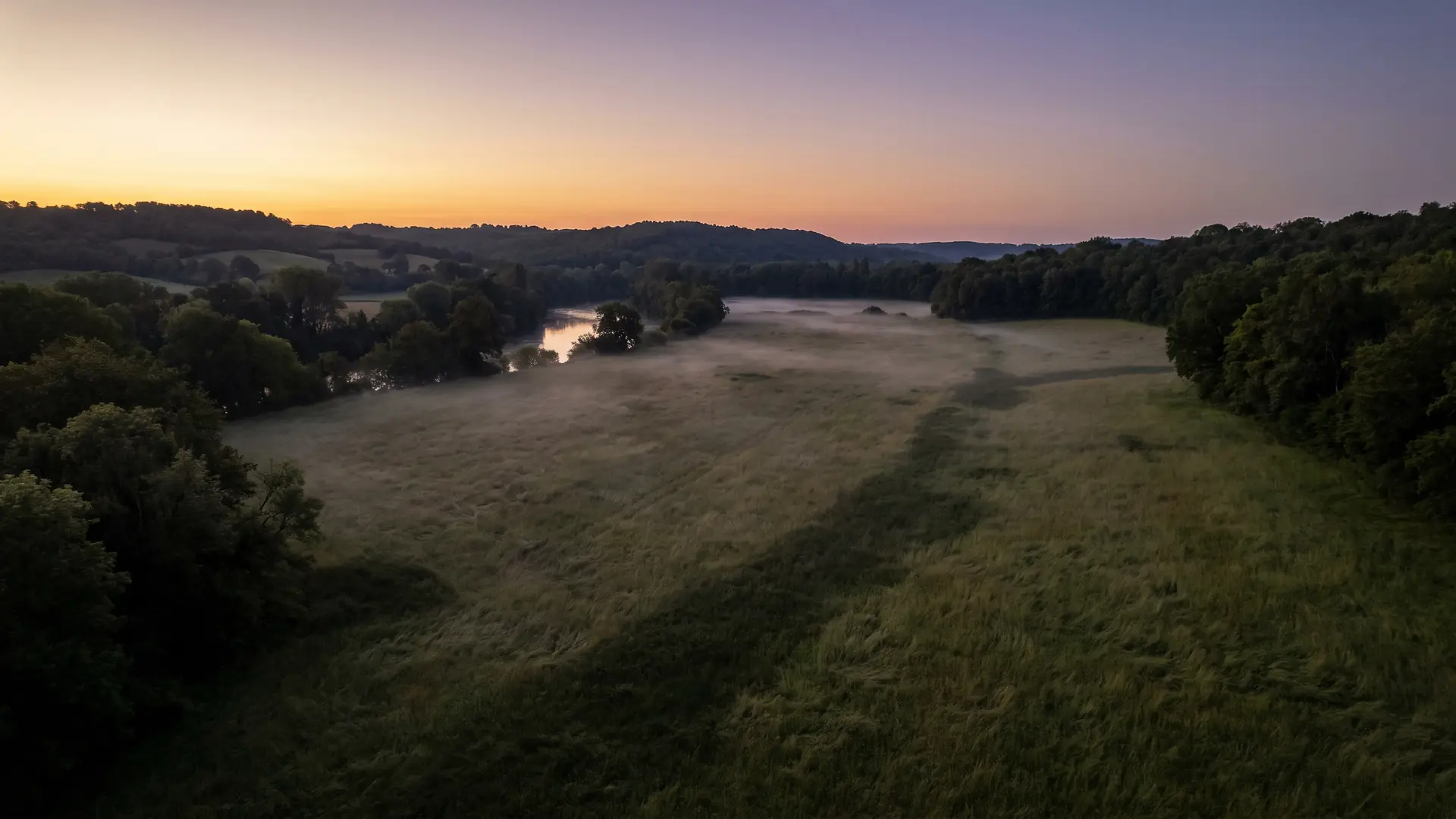
On July 17, 1453, the final battle of the Hundred Years' War was fought at Castillon: a decisive French victory that, in a single afternoon, put an end to three centuries of English rule over Guyenne. This was one of the major turning points in French history and is central to the city’s very identity. Here is what the sources say, without any embellishment.
The Cannon's First Major Victory
The Battle of Castillon is a turning point in military history : It was the first major victory won through the decisive use of artillery. [2] The Brothers Jean and Gaspard Bureau, masters of artillery to King Charles VII of France, had their cannons in a fortified camp, at the confluence of the Dordogne and the Lidoire. When the English army of John Talbot, the Earl of Shrewsbury, launched the assault, and it was broke by heavy fire from culverins and bombards. The “ old Talbot ", a legendary war veteran, fell on the battlefield: according to some sources, a culverin ball killed his horse and shattered his leg before an archer finished him off—the end of a chivalric figure swept away by the age of gunpowder. On that day at Castillon, field artillery turned the tide of battle and, with it, brought an end to the military Middle Ages. The exact number of cannons varies depending on the source—several hundred, it is said—but the event left a lasting mark on the art of war.
The End of English Aquitaine
The significance of Castillon extends far beyond the battle itself. Since the marriage of Eleanor of Aquitaine to Henry Plantagenet in the 12th century, all of Guyenne—Aquitaine, of which Bordeaux was the capital—had been under the rule of the English crown. The English defeat on July 17, 1453, hastened the end of this rule: Bordeaux surrendered on October 14, 1453, and Aquitaine returned to French control. Soon, the English held nothing on the continent but the stronghold of Calais. Although no formal peace treaty was signed—the war effectively petered out—the Battle of Castillon is considered the last battle of the Hundred Years’ War, which had pitted France against England for over a century. This speaks to the significance of the place: just a few kilometers from here, on a summer afternoon, one of the great turning points in European history took place. The town has made this part of its identity—even in its name—and dedicates a spectacular show to it every summer.
The Grand Historical Spectacle of Castillon
Every summer, a grand historical reenactment brings the Battle of 1453 to life: staged since 1977 by hundreds of volunteers and dozens of horsemen, it is one of the largest historical reenactments in France. It is the must-see event for the city and the region. Here is what the sources confirm, in detail.
A giant nighttime reenactment
The show “ The Battle of Castillon " is a large historical reenactment performed in nighttime, in the summer, at a large outdoor venue. Created in 1977 (not 1978, as is sometimes stated) by the Castillon 1453 Association, directed by Éric Le Collen, it brings together approximately 600 volunteers and about forty horses and horse-drawn carriages — Costumes, battles, horseback processions, pyrotechnics, and sound-and-light shows bring the epic events of 1453 to life. It is one of France’s greatest historical spectacles, on par with Puy du Fou, fueled by the enthusiasm of an entire region. A helpful note: the show does not take place not in the town of Castillon itself, but on the “ Battle Village ", to Belvès-de-Castillon, at the foot of the Castegens Castle (a site covering about 7 hectares), a few kilometers away. It’s best to know this information before heading there. The dates, which are usually in July and August, should be checked each year on the official website. [3]
A Living Place of Remembrance
Beyond the spectacle, Castillon keeps the memory of its battle alive all year round. The town, which has been known as “La Bataille” since 1953, has made the battle the centerpiece of its identity and its tourist appeal. The battle site, on the banks of the Dordogne, and the Maison du Vin et du Tourisme offer insights into the event and its context. However, attending the evening show, amid the excitement of the crowd, remains the most gripping way to relive 1453: It’s a highlight—one you’ll want to book in advance—and a wonderful idea for a summer evening outing, perfect to combine with a day spent exploring the Libourne wine region and enjoying a tasting. This is where an executive car service really comes into its own: your chauffeur will drive you to the “Village de la Bataille” in Belvès-de-Castillon for the evening show, then take you back to Bordeaux or your lodging with complete peace of mind, without having to worry about driving at night or finding parking at a site that’s very crowded on performance nights. It’s the perfect way to make the most of your evening.
Castillon-et-Capitourlan, now known as “La Bataille”
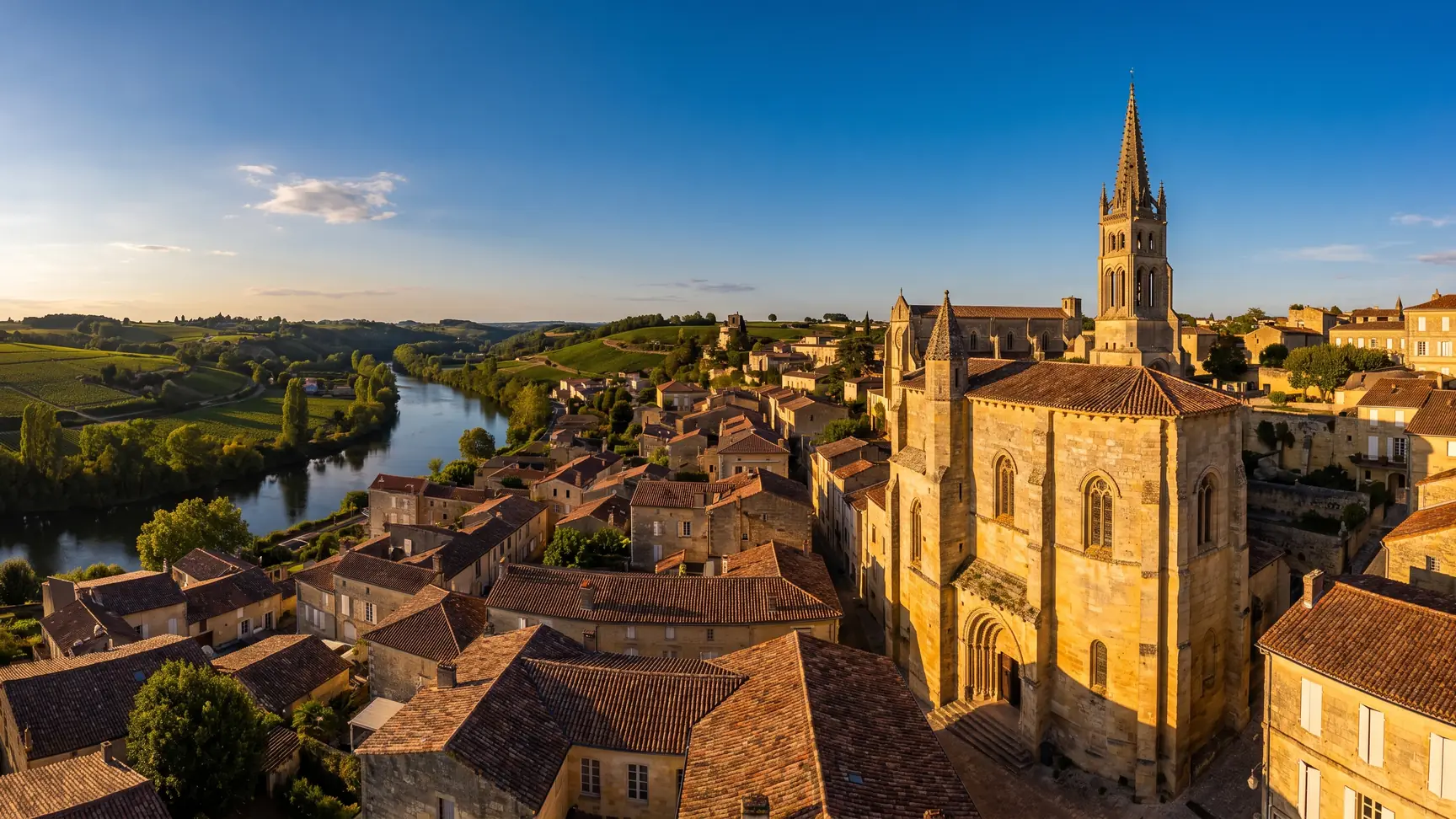
The town has been known as “Castillon-la-Bataille” only since 1953, in honor of the event of 1453: it was previously called Castillon-et-Capitourlan, and not “Castillon-sur-Dordogne” as is often stated.[1] The story behind the name deserves to be told accurately. Here are the verified facts.
A Name Change in 1953
The city's current name is a recent one: on November 27, 1953, for the 500th anniversary of the battle, the town was officially renamed "Castillon-la-Bataille". Previously, following a merger in 1803 with the neighboring municipality of Capitourlan, it was called "Castillon-et-Capitourlan" — and not “Castillon-sur-Dordogne,” which was an even older name that should not be used as the name from before 1953. This name change, which took place in the midst of postwar reconstruction, reflects the town’s attachment to its founding episode: by adding “la Bataille” to its name, Castillon officially asserted its role in one of the major turning points in French history. It was also during this period, and in the decades that followed, that the idea for a major historical reenactment was conceived, which would come to fruition in 1977. The name, the reenactment, the memory: everything in Castillon traces back to that July 17, 1453, which made the town famous.
A small town in the Libourne region
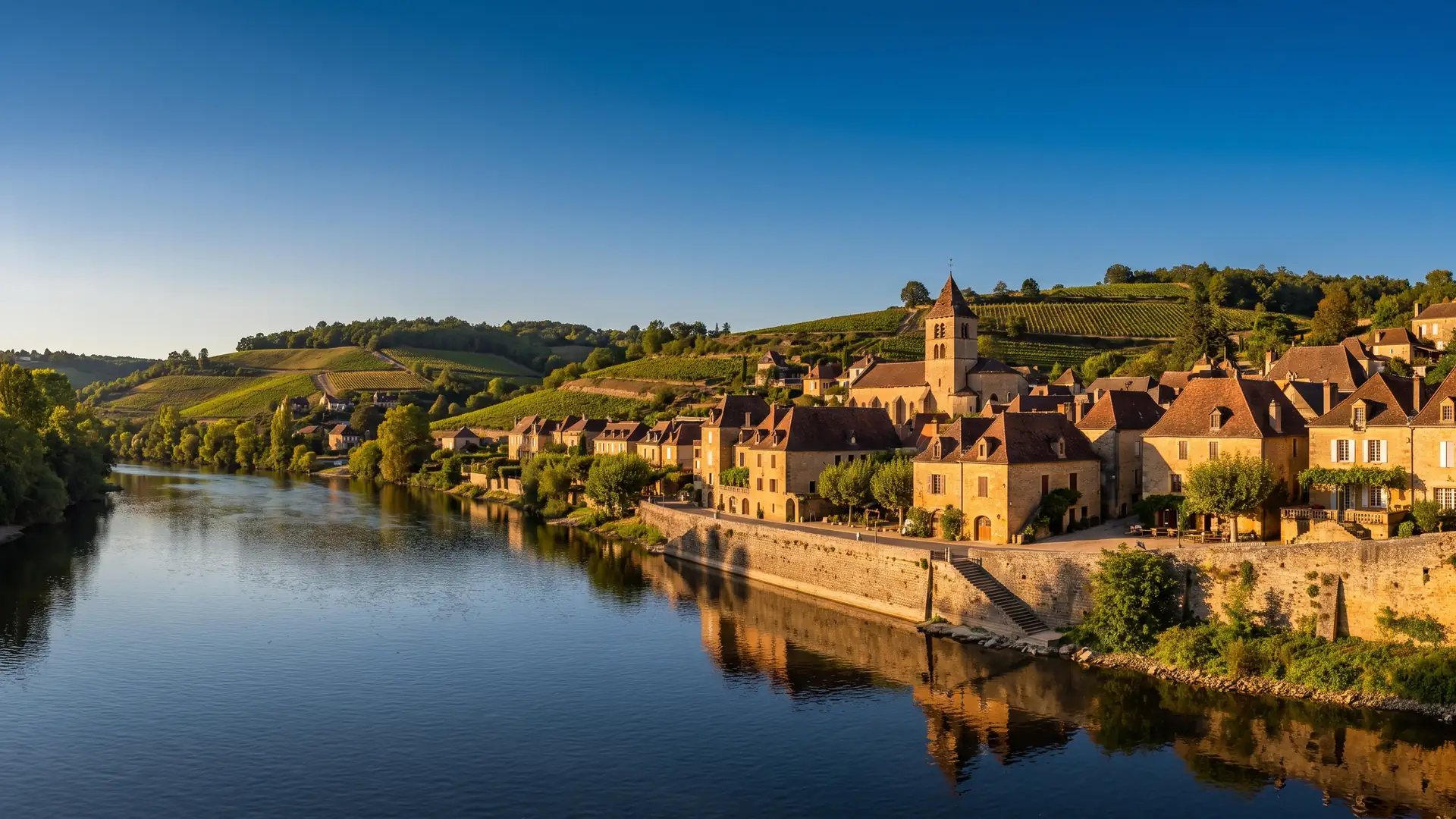
Beyond the battle, Castillon is a small, bustling town in the Libournais, with a population of 3,344, set among the vineyards beside the Dordogne. It retains a modest but genuine heritage: the Saint-Symphorien Church, built in the 18th century, listed as a Historic Monument since 1925, overlooks the city with its bell tower. The quays on the Dordogne, the atmosphere of a wine-growing town and the market serve as a reminder that Castillon also lives to the rhythm of the river and wine, far beyond mere memories of war. The town is the capital of a region of hillsides and vineyards, at the crossroads of the Entre-deux-Mers and Libournais regions. For visitors, it’s a convenient base: both a place of remembrance, with its historic battlefield and theatrical performance, and a starting point for exploring the vineyards on the right bank. Here, you can experience the authentic atmosphere of a small town in the Gironde, blending history, the river, and fine wines, just an hour from Bordeaux.
Name, show, distances: what we often see
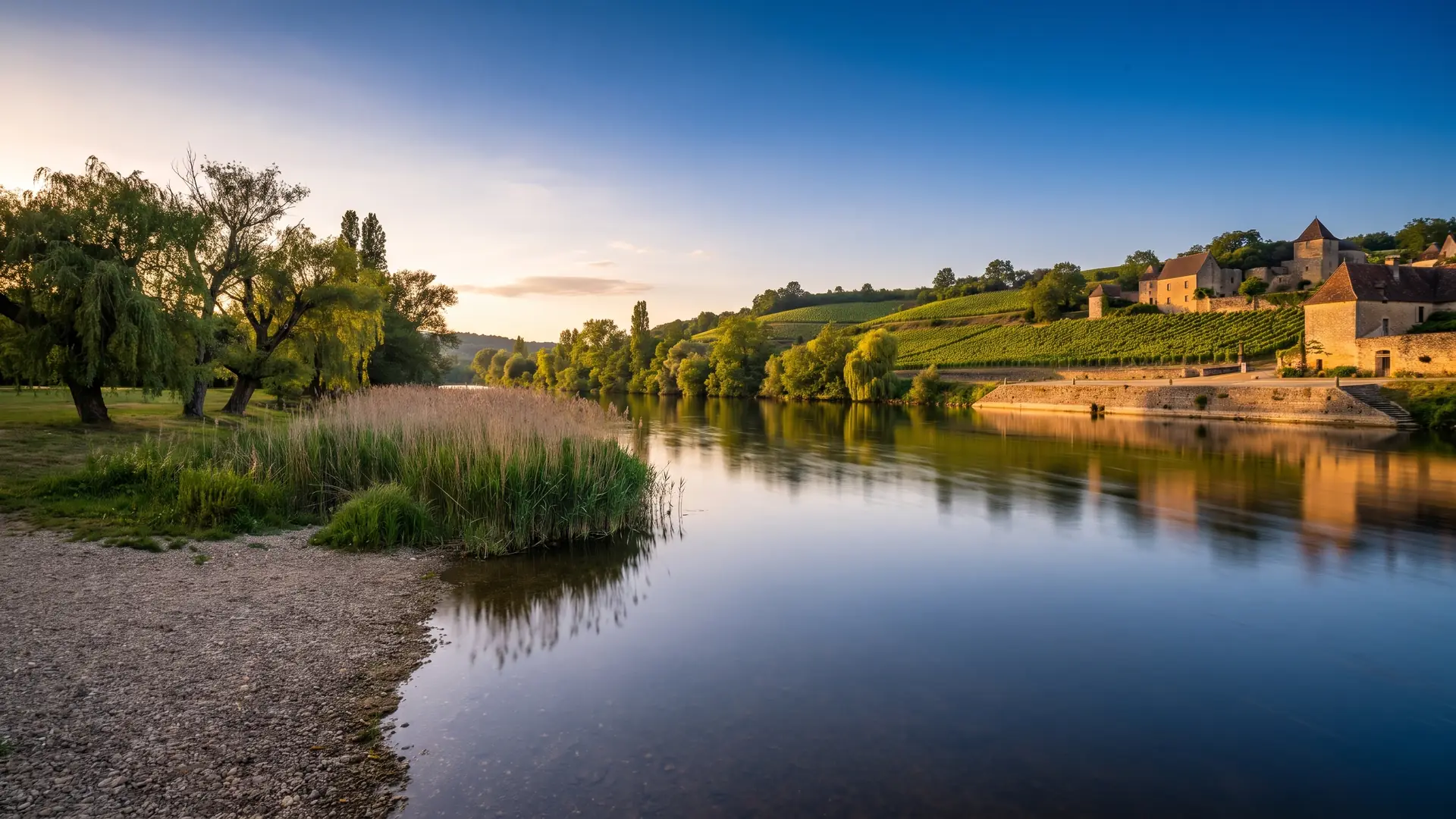
Several claims are circulating about Castillon that deserve to be corrected, with supporting sources—which is the whole point of a reliable guide. The name used before 1953, the spectacle, and the distance to Saint-Émilion: here’s what’s true and what’s false.
"Castillon-sur-Dordogne" and the date of the show
It is often stated that the town was called “Castillon-sur-Dordogne” just before it became Castillon-la-Bataille in 1953. This is incorrect: the name used immediately prior to the change was “Castillon-et-Capitourlan” (following a merger in 1803). “Castillon-sur-Dordogne” is an even older name, which should not be presented as the name used before 1953. Similarly, the major historical reenactment is often dated to “1978”: it has actually been staged since 1977. And it involves about 600 volunteers and some 40 horses—not “400” as is sometimes reported. These details matter: they reveal the truth about an event and a town that are deeply attached to their history. An honest guide will verify these figures and dates rather than simply copying approximations that circulate from one website to another.
The show is in Belvès-de-Castillon, and Saint-Émilion is about 19 km away
Another important clarification: the show “The Battle of Castillon” does not take place not in the town of Castillon, but on the “ Battle Village ", to Belvès-de-Castillon, at the foot of Castegens Castle, a few kilometers away—it’s best to know this so you don’t go to the wrong place. Finally, you sometimes read that Saint-Émilion is “10 km” from Castillon: that’s the distance as the crow flies. By car, it takes about 19 km (about twenty minutes), just long enough to wind around the hillsides. It is these distinctions—verified, without any approximations—that set a reliable guide apart from a copied text. They in no way detract from Castillon’s appeal—quite the contrary: it is a major site of historical significance, home to an exceptional performance, and a high-quality vineyard, all of which are worth exploring with a deeper understanding. A driver familiar with the area will be able to take you to the right place, whether it’s the performance venue or the estates on the right bank.
The Castillon Côtes de Bordeaux Vineyard
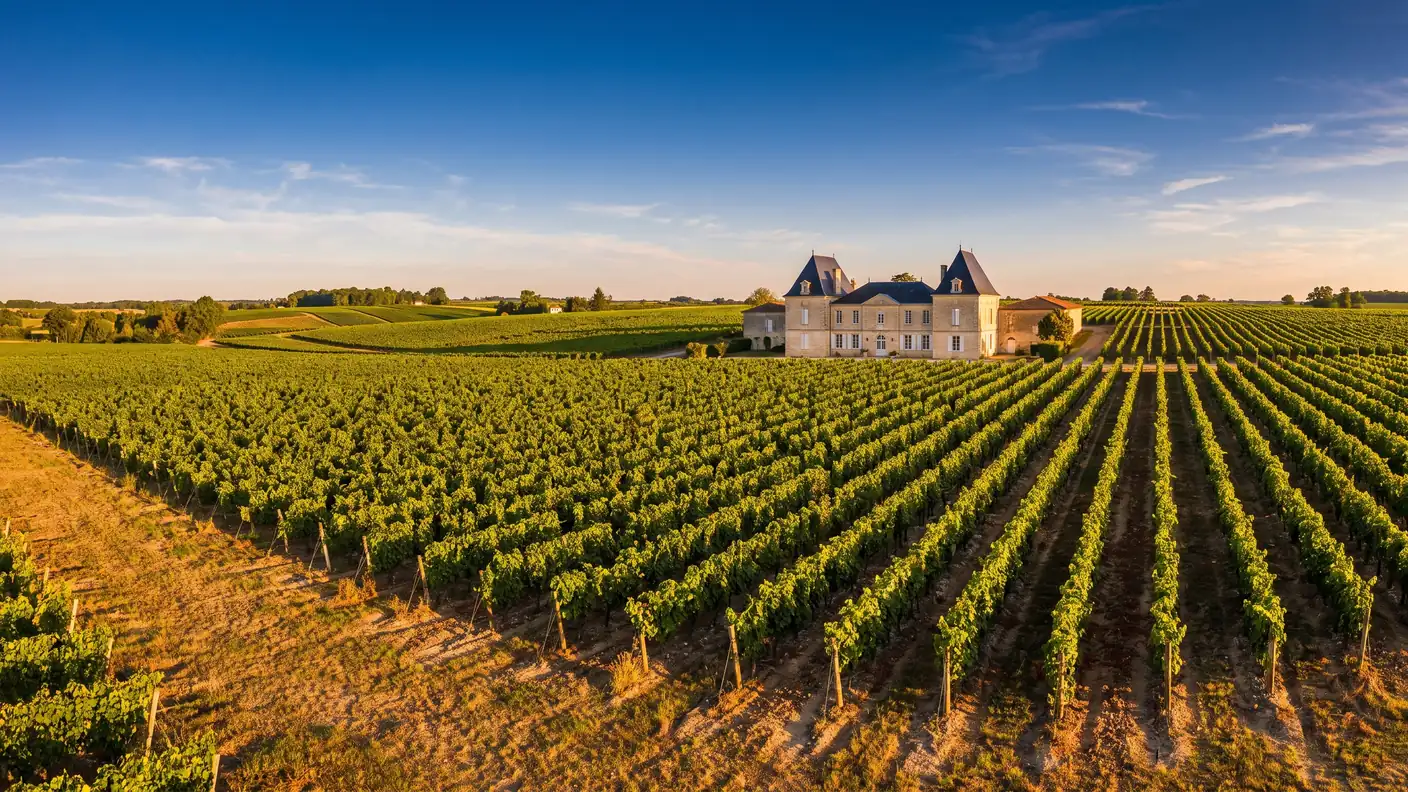
Castillon lends its name to a red wine appellation, Castillon Côtes de Bordeaux, which extends the Saint-Émilion plateau eastward—the same terroirs, the same grape varieties, often at more affordable prices. It is one of the most interesting vineyards on the right bank. Here is what the sources confirm.
A wine-growing region that extends from Saint-Émilion
The Castillon Côtes de Bordeaux appellation was established in 2009 (decree of October 31, 2009), succeeding the former Côtes-de-Castillon AOC (created in 1989). It produces exclusively red wines from approximately nine communes in the Libournais region, centered around Castillon. Its greatest asset is its terroir: the vineyards extend eastward from the limestone plateau of Saint-Émilion, sharing its geology and exposure. The same grape varieties are grown here—primarily Merlot (about 70%), complemented by Cabernet Franc (about 20%) and Cabernet Sauvignon (about 10%). The wines—supple, fruity, and full-bodied—often offer excellent value for the money, following in the footsteps of their prestigious neighbor. This is what makes Castillon so appealing to wine lovers: the chance to discover, just a few kilometers from Saint-Émilion and at more affordable prices, wines from the same family, produced at châteaux that are often family-run and welcoming.
Wine Tasting on the Right Bank
The Castillon region is a wonderful place to explore the world of wine. Many wineries offer tastings—often by appointment—along with direct sales, providing an opportunity to meet passionate winemakers and sample Castillon Côtes de Bordeaux wines right at the estate. The Maison du Vin de Castillon also offers a chance to learn about the appellation and pick up a few bottles to take home. And here you are right in the heart of the Right Bank: in just a few minutes, you can reach Saint-Émilion and its grands crus, Pomerol, and the Côtes de Francs—a concentration of Bordeaux’s finest red wine terroirs, all within a radius of about twenty kilometers. The advantage of a private transfer is clear here: you’re driven from one estate to the next, you can taste to your heart’s content, and you return to Bordeaux or your accommodations stress-free. Opening hours and visitation policies vary and should be confirmed directly with each château. It’s the most relaxing way to discover the wines of the Right Bank.
| Wine in Castillon | Details (according to sources) |
|---|---|
| Designation | Castillon Côtes de Bordeaux (reds), established in 2009 |
| Grape Varieties | ~70% Merlot, ~20% Cabernet Franc, ~10% Cabernet Sauvignon |
| Terroir | extends eastward from the limestone plateau of Saint-Émilion |
| Scope | ~9 towns in the Libourne region around Castillon |
| Good to Know | wine tastings at the châteaux, often by appointment |
What is there to do in Castillon-la-Bataille?
In Castillon-la-Bataille, you can watch the grand historical reenactment of the 1453 battle, explore the battle site and the Maison du Vin, taste the Castillon Côtes de Bordeaux wines, and venture out to Saint-Émilion and the Libournais wine region. Here, in concrete terms, are the actual, verified activities in the region. The heart of the tour is the combination of history and vineyards; the rest takes place in the surrounding area—we specify this each time.
- The show “The Battle of Castillon”—a large-scale nighttime reenactment held in the summer in Belvès-de-Castillon (Village of the Battle); advance reservations required
- The site of the Battle of 1453—on the banks of the Dordogne, at its confluence with the Lidoire, a major historical site
- The Wine and Tourism Center — to learn about the battle and discover the Castillon Côtes de Bordeaux appellation
- Taste Castillon Côtes de Bordeaux—red wines from the right bank—at the châteaux in the region (often by appointment)
- The Church of Saint-Symphorien—an 18th-century building designated a Historic Monument—and the banks of the Dordogne River
- The Market — Monday mornings (Jean-Jaurès Avenue), local products
- Saint-Émilion — the UNESCO-designated medieval town and its fine wines, about 19 km (about 24 min) away
The show, the venue, and the wine
The main event in Castillon is, of course, the historical reenactment: a massive reenactment of the 1453 battle, staged at night during the summer in Belvès-de-Castillon (at the “Village de la Bataille”), featuring hundreds of volunteers and dozens of horsemen—a highlight that requires advance booking. During the day, you can explore the battle site along the Dordogne River and visit the Maison du Vin et du Tourisme, where you can learn about the event and discover the wine appellation. Round out your visit with a tasting of Castillon Côtes de Bordeaux at one of the many châteaux in the area, often by appointment. The town itself, with its Saint-Symphorien Church, the banks of the Dordogne, and its Monday morning market, is well worth a leisurely stroll. It’s the perfect way to spend a wonderful day, combining history, the river, and wine—ideally capped off by an evening show on a summer night. A private chauffeur is the perfect solution for a stress-free ride home after a late-night performance.
The Libourne Wine Region and Its Surroundings
Castillon is an ideal gateway to the Libourne wine region, one of Bordeaux's most prestigious red wine regions. About 20 minutes away, Saint-Émilion (about 19 km by road) boasts a medieval town listed as a UNESCO World Heritage Site and world-renowned wines—a must-see destination. All around it, Pomerol, the Côtes de Francs and, of course, the appellation Castillon Côtes de Bordeaux comprise a selection of the finest vineyards on the right bank. On the other bank of the Dordogne, we reach Mouliets-et-Villemartin and the Entre-deux-Mers region; traveling upriver, you reach Bergerac and the Périgord Pourpre. A chauffeured transfer who knows the area can put together a customized itinerary for you, taking in historic sites, medieval towns, and fine wines, without the hassle of driving or finding parking. The show dates and the opening hours of the wineries, which vary, should be confirmed in advance.
| Activity | Where / When | Good to Know |
|---|---|---|
| "The Battle of Castillon" Show | Belvès-de-Castillon, Summer (Nighttime) | Since 1977; advance reservations required |
| Site of the Battle of 1453 | on the banks of the Dordogne | Confluence of the Dordogne and Lidoire Rivers |
| Tastings | castles in the area | Castillon Côtes de Bordeaux, by appointment |
| Market | Jean-Jaurès Avenue, Monday morning | local products |
| Saint-Émilion | ~19 km (~24 min) | UNESCO World Heritage Site, fine wines |
What is there to see around Castillon?
Near Castillon, you’ll discover the medieval town of Saint-Émilion and its grand cru wines, the vineyards of the right bank, the Dordogne Valley, and, further afield, Libourne and Bergerac. The town is ideally situated in the heart of a vast wine region: here are the must-see destinations, all of which can be visited on a day trip.
Saint-Émilion and the Great Vineyards
About 20 minutes from Castillon, Saint-Émilion (approximately 19 km away) is one of the most beautiful medieval towns in the Gironde region, listed as a UNESCO World Heritage Site for both its village and its vineyards—a unique distinction. Visitors can explore the monolithic church carved into the rock, wander through the steep narrow streets, and taste world-renowned grand cru wines. All around lie the vineyards of the right bank: Pomerol, the Côtes de Francs, and of course Castillon Côtes de Bordeaux, extending from the plateau. To the west, Libourne (about 25 km away), a market town known for its wine trade, completes the picture. From Castillon, you can thus plan an exceptional wine-tasting itinerary, taking in a medieval town, fine wines, and châteaux, all within a radius of about twenty kilometers. A private chauffeur allows you to travel from one estate to another without worrying about driving or parking, and to taste the great wines of the Right Bank in complete peace of mind.
The Dordogne, Mouliets, and the Périgord
Castillon is also a gateway to the Dordogne Valley. On the opposite bank, across from the city, Mouliets-et-Villemartin opens on theEntre-deux-Mers and its vineyard-covered hillsides. Traveling eastward up the river, you’ll soon reach Sainte-Foy-la-Grande, a charming country house, then Bergerac (about 39 km away) and the Purple Périgord, with its Monbazillac and Pécharmant vineyards, its fortified towns, and its charming villages. The Dordogne River, a designated Biosphere Reserve designated by UNESCO, is also perfect for walks along its banks. Around Castillon, you can easily go from the place of remembrance to the vineyard, from the Gironde to the Périgord, in a landscape of river and hillsides. A private driver who knows the area can put together a customized itinerary for you, combining history, fine wines, and the tranquility of the valley—all without the hassle of driving or finding parking—so you can fully enjoy this rich and diverse region, just an hour from Bordeaux.
When is the best time to visit Castillon-la-Bataille?
Castillon-la-Bataille is open to visitors year-round, with a highlight in the summer, when the grand historical reenactment of the 1453 battle takes place. Thesummer (July–August) is the peak season: it's the season for "The Battle of Castillon" performance, performed in the evening in Belvès-de-Castillon—the region’s major event—so be sure to book in advance. It’s also a wonderful time of year to explore the vineyards and the banks of the Dordogne. The spring (April–June) is the perfect time for a peaceful visit: the soft light highlights the hillsides and the valley, the wine châteaux welcome visitors for tastings, and nature is at its most vibrant. Thefall (September–October) is a beautiful time of year: it's the season for grape harvest, the light bathes the vineyards in a golden glow, and the crowds begin to thin out.
Even thewinter It has its charm, with the town and valley enjoying a peaceful atmosphere, but the show isn't happening, and some resorts are shortening their hours. No matter the time of year, the Monday morning market and the battle site and the Maison du Vin are open year-round. Plan on spending at least half a day exploring Castillon and its history; a full day, capped off by the summer evening show, or a weekend trip that includes Saint-Émilion and the Right Bank vineyards, will allow you to enjoy it to the fullest. No matter the season, Castillon offers a getaway combining French history and fine wines, just an hour from Bordeaux—and in the summer, one of the country’s most beautiful historical reenactments.
| Season | Atmosphere | Ideal for |
|---|---|---|
| Summer (July–August) | evening historical reenactment | history, evening outing, vineyard |
| Spring (April–June) | lush green hillsides, gentleness | tastings, Dordogne, heritage |
| Fall (Sept.–Oct.) | grape harvest, golden light, tranquility | wine tourism, photography, walks |
Getting to Castillon from Bordeaux
Castillon-la-Bataille is about 54 km from Bordeaux, or about an hour's drive. The route heads east through the Entre-deux-Mers and Libournais regions, following the Dordogne Valley. The town has a train station served by regional trains from Bordeaux on the Dordogne Valley line.
| Route | Distance | Duration | Details |
|---|---|---|---|
| Bordeaux → Castillon-la-Bataille | ~54 km | ~1 hour | Starting at ~102 € for a private chauffeur service |
| Bordeaux-Mérignac Airport → Castillon | ~65 km | ~1 hr 5 min | pickup at the terminal |
| Castillon → Saint-Émilion | ~19 km | ~24 min | UNESCO World Heritage Site, fine wines |
| Castillon → Bergerac | ~39 km | ~45 min | Purple Périgord |
By car, you can reach Castillon from Bordeaux in just under an hour, passing through the Entre-deux-Mers and Libournais regions along the Dordogne River. By train, Castillon-la-Bataille has a station on the Dordogne Valley TER line (Bordeaux–Sarlat), with connections from Bordeaux-Saint-Jean—which is convenient, but the historical reenactment itself takes place in Belvès-de-Castillon, a few kilometers away, with no direct service. That’s the whole point of a private transfer: door-to-door, it drops you off exactly where you want—the town, the battle site, the “Village de la Bataille” for the show, or a wine-producing château—and then brings you back to Bordeaux at the agreed-upon time. Whether you’re heading out for an evening show or a wine-tasting getaway on the Right Bank, this is the simplest and most relaxing option—especially if you want to sample local wines or return late without having to drive.
Whether you’re attending the grand historical reenactment, exploring the site of the final battle of the Hundred Years’ War, or sampling wines from the Right Bank, booking a chauffeur service guarantees a comfortable and punctual ride—book a driver from Bordeaux to Castillon-la-Bataille or explore all our destinations.
Frequently Asked Questions
Where is Castillon-la-Bataille located?
Castillon-la-Bataille is a small town in the Gironde department, in the eastern part of the department, on the right bank of the Dordogne River, on the edge of the Libourne region and very close to Saint-Émilion. It is located about 54 km from Bordeaux, or just under an hour’s drive. Administratively, it is part of the Libourne arrondissement, the Coteaux de Dordogne canton, and the Castillon-Pujols community of municipalities. The town, with a population of 3,344, is famous for the Battle of July 17, 1453—the last battle of the Hundred Years’ War, which took place right here—and for its vineyards, the Castillon Côtes de Bordeaux AOC. It lies across the river from Mouliets-et-Villemartin and is only about 20 minutes from Saint-Émilion. It has a train station, but a private transfer from Bordeaux remains the simplest option, especially for the evening historical reenactment.
How much does a transfer from Bordeaux to Castillon-la-Bataille cost?
We offer a fixed-price transfer from Bordeaux to Castillon-la-Bataille, starting at approximately €129 one way (about 54 km, about a 1-hour drive), in a Mercedes sedan or van seating up to 8 passengers, with a professional driver. The trip is direct, door-to-door: pickup at the airport, Saint-Jean train station, or your hotel in Bordeaux, and drop-off wherever you wish—the city, the battle site, a wine-producing château, or the “Village de la Bataille” in Belvès-de-Castillon for the show. The fixed-price quote is provided and confirmed in writing before departure, with no unexpected meter charges. This is particularly convenient for an evening show—the driver will take you back to Bordeaux so you don’t have to worry about driving at night—or for a wine-tasting getaway on the Right Bank. For groups, this is often the simplest and most economical option.
What happened at the Battle of Castillon in 1453?
On July 17, 1453, the final battle of the Hundred Years' War was fought at Castillon. The French army of Charles VII, led by brothers Jean and Gaspard Bureau, masters of the royal artillery, had entrenched its cannons in a fortified camp at the confluence of the Dordogne and Lidoire rivers. When the English army of John Talbot, Earl of Shrewsbury, launched its assault, it was mowed down by artillery fire: this was the first major victory won thanks to cannons. Talbot, known as “Old Talbot,” was killed in the battle. The defeat hastened the end of English rule over Aquitaine: Bordeaux surrendered on October 14, 1453, and Guyenne returned to French control after three centuries under the English crown. Although no peace treaty was signed, Castillon is considered the last battle of the Hundred Years’ War.
When is the Battle of Castillon reenactment?
The grand historical spectacle “The Battle of Castillon” takes place every summer, usually in July and August, as an evening performance. Created in 1977 by the Castillon 1453 Association, it brings together about 600 volunteers and some 40 horses and horse-drawn carriages for a massive reenactment of the 1453 battle, featuring combat scenes, cavalcades, and sound-and-light effects—one of the largest historical spectacles in France. Please note: it does not take place in the town of Castillon itself, but at the “Village de la Bataille” in Belvès-de-Castillon, at the foot of Castegens Castle, a few kilometers away. You’ll need to make a special trip there and book in advance, as performances are often sold out. The exact dates, which vary each year, should be checked on the show’s official website. It’s a wonderful idea for a summer evening outing.
Why is the town called Castillon-la-Bataille?
In honor of the battle of 1453 that took place on its territory. But this name is recent: it was on November 27, 1953, on the occasion of the 500th anniversary of the battle, that the town was officially renamed “Castillon-la-Bataille .” Previously, following a merger in 1803 with the neighboring town of Capitourlan, it had been called “Castillon-et-Capitourlan ”—and not “Castillon-sur-Dordogne,” which was an even older name that should not be used to refer to the town prior to 1953. By adding “la Bataille” to its name, in the midst of postwar reconstruction, the town officially asserted its role in one of the major turning points in French history: the end of the Hundred Years’ War and English rule over Aquitaine. The town’s name, its attractions, and its history all trace back to that day, July 17, 1453.
What is there to do in Castillon-la-Bataille?
The main attraction is the historical show “The Battle of Castillon,” a massive reenactment performed at night during the summer in Belvès-de-Castillon (advance reservations required). During the day, visitors can explore the site of the 1453 battle, on the banks of the Dordogne, and the Maison du Vin et du Tourisme, which showcases the event and the wine appellation. You can then taste the Castillon Côtes de Bordeaux—red wines from the right bank—at the local châteaux (often by appointment). The town, with its 18th-century Saint-Symphorien Church, its Dordogne riverbanks, and its Monday morning market, is well worth a leisurely stroll. Nearby, Saint-Émilion (about 19 km away), a UNESCO-listed medieval town renowned for its grand cru wines, is a must-see destination. It’s the perfect way to spend a lovely day or weekend, combining French history, the river, and fine wines, just an hour from Bordeaux.
Was the town called Castillon-sur-Dordogne?
Not just before 1953, contrary to what is often stated. The name used immediately prior to the 1953 change was “Castillon-et-Capitourlan,” following a 1803 merger with the neighboring municipality of Capitourlan. “Castillon-sur-Dordogne” is an even older name, which should not be presented as the name used before 1953. The town was officially renamed “Castillon-la-Bataille” on November 27, 1953, to mark the 500th anniversary of the battle. This detail, often overlooked, is typical of the inaccuracies that circulate from one website to another: a reliable guide verifies these details rather than simply copying them. It in no way detracts from the town’s appeal; on the contrary, it highlights just how much Castillon values its history—so much so that it incorporated the battle into its very name during the postwar reconstruction.
What is the Castillon Côtes de Bordeaux wine region?
This is the appellation for red wines that bears the town’s name. Established in 2009 (as the successor to the former Côtes-de-Castillon AOC of 1989), it produces exclusively red wines across approximately nine communes in the Libournais region surrounding Castillon. Its greatest asset is its terroir: the vineyards extend eastward from the limestone plateau of Saint-Émilion, sharing its geology and grape varieties—primarily Merlot (~70%), complemented by Cabernet Franc (~20%) and Cabernet Sauvignon (~10%). The wines, supple and fruity, often offer excellent value for the money, following in the footsteps of their prestigious neighbor. Many châteaux host tastings, often by appointment, and the Maison du Vin de Castillon offers an introduction to the appellation. This is an opportunity to discover wines from the same family, just a few kilometers from Saint-Émilion and at more affordable prices.
How far is it from Bordeaux to Castillon-la-Bataille?
About 54 km by road, or about an hour's drive. The route heads east through the Entre-deux-Mers and Libournais regions, following the Dordogne Valley. For an executive car service, the fare is fixed and provided in advance, starting at about €102 one way. Castillon has a train station on the Dordogne Valley TER line (Bordeaux–Sarlat), with connections from Bordeaux-Saint-Jean; however, the historical event itself takes place in Belvès-de-Castillon, a few kilometers away, with no direct service. That’s why a private transfer is particularly convenient here: it drops you off exactly where you want to go—the town, the battle site, the “Village de la Bataille” for the show, or a wine-producing château—and then takes you back to Bordeaux, which is ideal for an evening of entertainment.
Is Castillon close to Saint-Émilion?
Yes, very close: Saint-Émilion is about 19 km from Castillon by road, or about 20 minutes (the “10 km” sometimes cited is the distance as the crow flies). This proximity makes Castillon an ideal base for visiting the famous medieval town of Saint-Émilion, a UNESCO World Heritage Site recognized for both its village and its vineyards, with its monolithic church and world-renowned wines. The two terroirs are, in fact, linked: the Castillon Côtes de Bordeaux vineyards extend the limestone plateau of Saint-Émilion to the east. This makes it possible to combine, in a single day, a visit to the site of the 1453 battle, a Castillon Côtes de Bordeaux wine tasting, and an excursion to Saint-Émilion. A private chauffeur familiar with the area can tailor this itinerary to your preferences, freeing you from the hassle of driving or finding parking.
What is there to see around Castillon-la-Bataille?
Castillon lies at the heart of a vast wine-growing region. About twenty minutes away, Saint-Émilion (approximately 19 km) boasts its UNESCO-listed medieval town, its monolithic church, and its grand cru wines. All around lie the vineyards of the right bank: Pomerol, the Côtes de Francs, and, of course, the Castillon Côtes de Bordeaux appellation. To the west, Libourne (about 25 km away), a market town known for its wine trade, rounds out the picture. On the opposite bank of the Dordogne, across from Castillon, Mouliets-et-Villemartin opens onto the Entre-deux-Mers region. Traveling eastward up the river, you’ll reach the bastide town of Sainte-Foy-la-Grande, then Bergerac (about 39 km away) and the “Purple Périgord,” home to Monbazillac and its bastide towns. The Dordogne, designated a UNESCO Biosphere Reserve, is also perfect for beautiful walks. A chauffeured transfer who knows the region can tailor an itinerary just for you, taking in historic sites, medieval towns, and fine wines.
When is the best time to visit Castillon-la-Bataille?
Summer (July–August) is the highlight of the year, as it’s the season for the grand historical spectacle “The Battle of Castillon,” performed in the evening in Belvès-de-Castillon—an event not to be missed, so be sure to book in advance. It’s also a beautiful time of year for the vineyards and the banks of the Dordogne. Spring (April–June) is ideal for a peaceful visit: soft light, lush green hillsides, and wine tastings at the châteaux. Fall (September–October) is a beautiful time, with the grape harvest and golden light on the vineyards. Winter is quieter: the show isn’t performed, and some estates have reduced hours, but the battle site, the Maison du Vin, and the Monday market remain open. Allow at least half a day for Castillon and its history; a full day capped off by the evening show in summer, or a weekend trip that includes Saint-Émilion, will let you enjoy it to the fullest.
Further Reading
- The neighboring city, a UNESCO World Heritage Site : see the Guide to Saint-Émilion (Medieval city and fine wines of the Right Bank)
- The village across the Dordogne River: see the Guide to Mouliets-et-Villemartin (the Entre-deux-Mers region and the hillsides)
- A neighboring village in the Castillonnais region: see the Guide to Sainte-Radegonde (the listed Romanesque church)
- Understanding our rates and vehicles: see the "Book a Driver" page (sedan & van, fixed-price quote)
- Plan your trip: Book a private chauffeur from Bordeaux to Castillon-la-Bataille or explore all our destinations
Sources and References
- Town of Castillon-la-Bataille — history — the Battle of July 17, 1453, and the adoption of its current name in 1953
- Army Museum — The Era of Reforms — The Role of the Royal Artillery and the Bureau Brothers at Castillon
- The Battle of Castillon — official show and schedule — nighttime reenactment held every summer since 1977, featuring ~600 volunteers and 40 horses and horse-drawn carriages, at the Village de la Bataille in Belvès-de-Castillon (Castegens Castle)
- Castillon Côtes de Bordeaux — AOC established in 2009 (formerly Côtes-de-Castillon, 1989), red wines, ~9 communes in the Libournais region, ~70% Merlot, extends eastward from the Saint-Émilion plateau
- INSEE — Castillon-la-Bataille (33108) — municipal population: 3,344 (2023); demonym: Castillonnais; municipality in the Dordogne Valley, Libourne district
Article verified on ; double-check the show dates before each season.
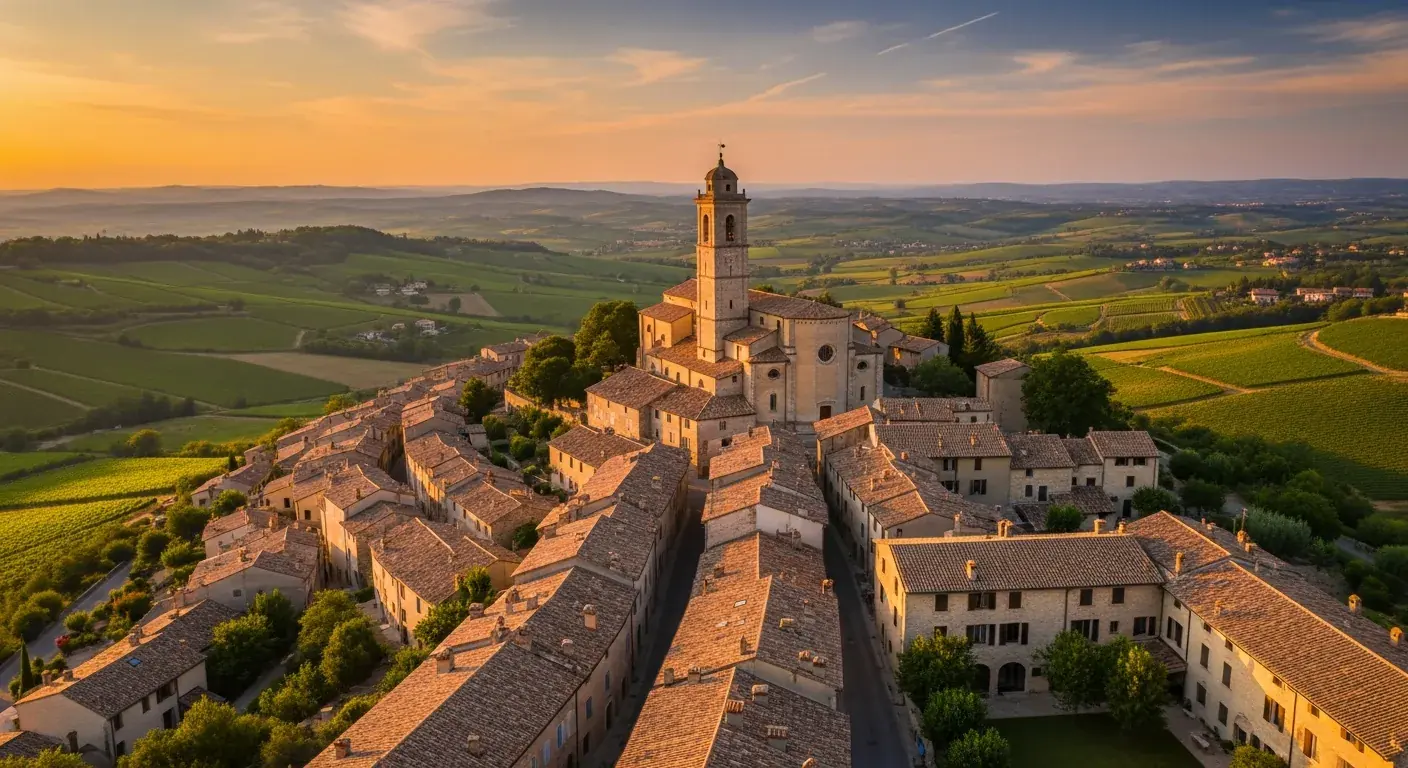
On the way to the 1453 site
Direct transfer from Bordeaux (~1 hr) to Castillon-la-Bataille, the site of the final battle of the Hundred Years' War—from the airport, train station, or hotel to the town, the battle site, the Village de la Bataille for the show, or the vineyards. Fixed-price written quote, with no unexpected meter charges.