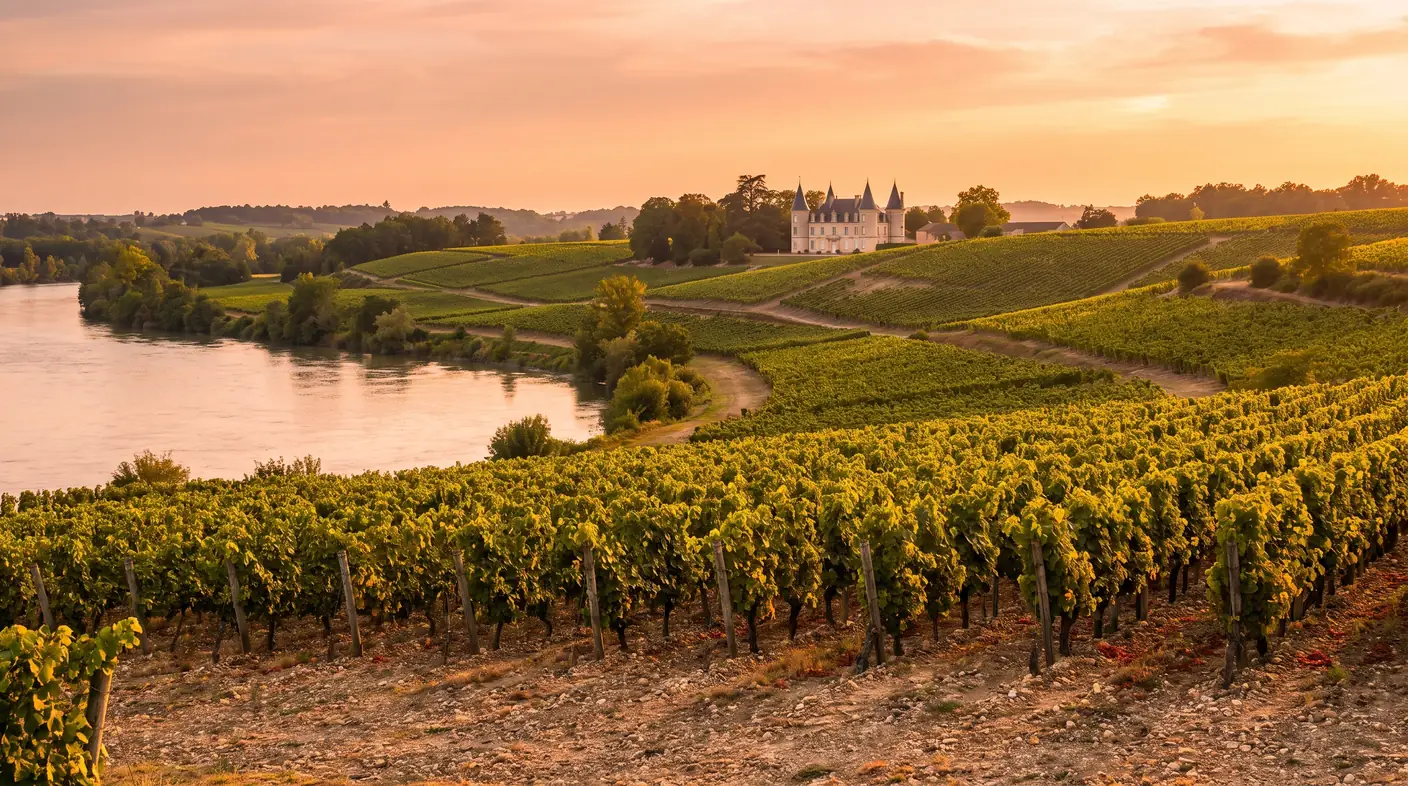
Cérons, the sweet wine of the Graves
A small appellation for sweet white wine, nestled in the Graves region between Barsac and Podensac, on the left bank of the Garonne. A lesser-known cousin of Sauternes, a listed Romanesque church, a former Carthusian monastery, and the Graves vineyards—all less than an hour from Bordeaux.
Cérons at a Glance
Cérons is a small appellation for sweet white wine nestled on the left bank of the Garonne, tucked away in the heart of the Graves wine region, between Barsac to the south and Podensac to the north. A lesser-known cousin of Sauternes and Barsac, this sweet wine is also produced from noble rot and hand-sorted grapes, but with the utmost discretion: the designated area is vast, yet actual production is minuscule. The village itself boasts a beautiful Romanesque church, Saint-Martin, whose portal and apse are designated as Historic Monuments, a Carthusian monastery facing it, and a market hall dating from the late 19th century. Less than an hour from Bordeaux, Cérons is worth visiting for its wineries and its stone heritage. This guide distinguishes verified facts from common misconceptions: it features INSEE statistics, sourced facts, and corrections to common misunderstandings, so you can truly understand this little-known appellation before coming here to taste its wines with full knowledge of the facts.
| Landmark | Details |
|---|---|
| Location | Gironde (33), Nouvelle-Aquitaine |
| Status | Wine-growing town · Langon district · Convergence Garonne Community of Communes |
| Population | ~2,126 residents (INSEE 2023), the residents of Céronne |
| Must-Sees | The sweet AOC wine, the historic church, and the Graves region |
| From Bordeaux | ~41 km · ~44 min · starting at 83 € |
This guide begins by describing, in order, the geographical location of Cérons and the uncertain origin of its name, then moves on to the heart of the matter—its sweet white wine, noble rot, and the sorting process—before exploring the town’s heritage: the listed Romanesque church, the Château-Chartreuse, and the market hall. Next are all the things to do there, the surrounding villages, and, finally, the easiest way to get there from Bordeaux. At every step, facts are linked to a source, and common misconceptions—which abound as soon as one delves into the world of sweet wines—are identified and corrected. For Cérons faces a paradox: its name vaguely evokes a sweet wine from the Bordeaux region, yet people don’t always know where it’s located, exactly what it produces, or what sets it apart from its illustrious neighbors in Sauternes and Barsac.
Where is Cérons located?
Cérons is a commune in the Gironde department (33), in the Nouvelle-Aquitaine region. It has the INSEE code 33120 and the ZIP code 33720, and covers a modest area of approximately 7.83 km². Administratively, it is part of the Langon arrondissement, the Landes des Graves canton, and the Convergence Garonne community of municipalities. The village lies on the left bank of the Garonne River, within the larger Graves wine-growing region, nestled among a plain of vineyards stretching along the river. Two small waterways flow through it: the Saint-Cricq stream and the Gargalle, unassuming yet very real, which drain the hillside toward the Garonne. It is a landscape shaped by the river and vineyards, with no pronounced topography, but with soils that are crucial for viticulture.
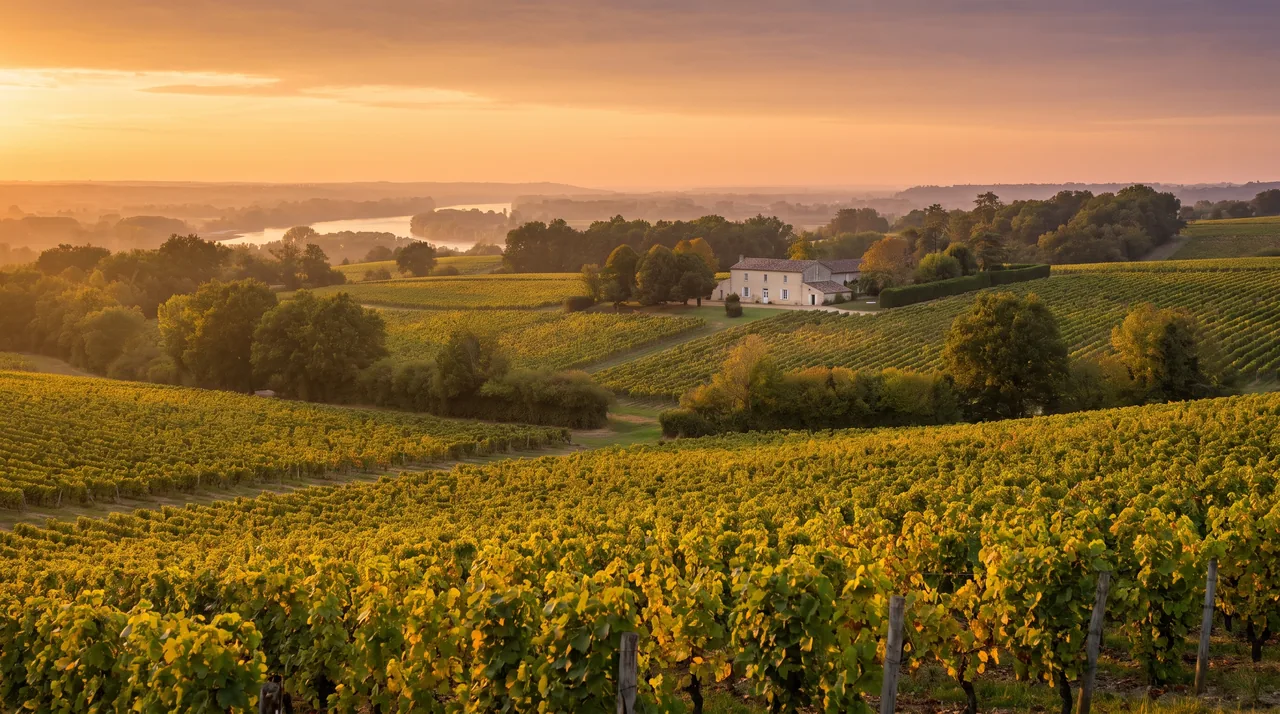
The very name “Graves” says it all about the soil: terraces of gravel and pebbles deposited by the Garonne over the millennia—poor, well-drained soils that are ideal for grapevines. Cérons occupies one of these terraces, between Barsac—its immediate neighbor to the south—and Podensac to the north. Here, we are in the heart of the Left Bank wine region, halfway between the Bordeaux metropolitan area and Langon, along a route that follows the Garonne River. The town also has excellent transportation links: the A62 highway interchange is about 2 km away, and a train station on the Bordeaux–Sète line serves the town. This ease of access—rare for such a peaceful village—explains why it’s easy to make a half-day trip here from Bordeaux.
As for the landscape, it can be summed up in a few strokes: a gentle vineyard-covered plain, crisscrossed by rows of vines, sloping gently toward the river and dotted with groves, hedges, and stone farmhouses. The terrain is nothing spectacular, but it is sufficient to drain the water and expose the vines to the sun. It is a tranquil wine-growing region, far from the hustle and bustle, where one moves almost seamlessly from the dry whites of the Graves to the lesser-known sweet wines of the local appellation. Here, we’re a world away from the clichés of spectacular vineyards: Cérons is best discovered by taking your time, as you wind along the small roads that meander between the estates, alongside the Garonne. It’s a setting that invites you to slow down, to wander from one winery to the next rather than just checking items off a list.
Cérons—in the Graves or in the Sauternes region?
This question comes up often, as Cérons occupies an ambiguous position. Geographically, the town is part of the Graves region: it shares its gravelly soils, landscapes, and a significant portion of its production, since the winemakers there also produce red Graves and dry white wines. But it is also the birthplace of a distinct sweet wine appellation, the AOC Cérons, an enclave within the Graves region bordering the great sweet wines of Barsac and Sauternes, a little further south. In other words, Cérons is neither quite part of the Sauternes region nor simply a village in the Graves: it is a crossroads, a bridge between the dry whites of the left bank and the great sweet wines of the southern Garonne. This dual identity, as we shall see, is evident even in the village’s cellars.
How far is it from Bordeaux?
From downtown Bordeaux, it’s about 41 km and roughly a 44-minute drive (an OSRM route calculation puts it at around 40 km). You reach Cérons via the left bank, following the road that runs along the Garonne River toward Langon. The proximity of the A62 interchange, about 2 km from the town, provides direct and smooth access, without a long detour on narrow county roads. This short distance makes Cérons an easy day trip: leave Bordeaux in the late morning, have lunch in town or nearby, spend the afternoon tasting wines, and head back in the evening. The appellation’s neighboring towns—Podensac, just nearby, and Illats—are only a few minutes away, allowing you to explore the entire small region in a single trip.
| From Cérons | Approx. distance | Note |
|---|---|---|
| Podensac | ~2 km | Northern Neighbor · Maison des Vins de Graves |
| Barsac | bordering (to the south) | Neighboring sweet AOC |
| Cadillac | opposite bank | Right bank of the Garonne |
| Bordeaux | ~41 km | ~44-minute drive |
How many people live in Cérons?
Cérons is a medium-sized village by rural standards. Its municipal population was 2,126 according to the census INSEE, 2023 — a vibrant town, more populous than many of the area’s purely wine-growing villages, thanks to its location on the Bordeaux-Langon corridor and its rail service. Given its area of 7.83 km², this population results in a density of approximately 271 inhabitants per square kilometer, making it a fairly dense town for its category, with a true population center rather than a mere hamlet scattered among the vineyards. This is a far cry from the “scattered hamlet” one might sometimes imagine behind a lesser-known appellation: Cérons has a community life all its own.
A clarification is in order, as the figures are sometimes misreported. Here and there, one reads a population density of around 370 inhabitants per square kilometer: this figure is inconsistent with the municipality’s official population and area, and it is best not to repeat it. The calculation is simple: 2,126 residents over 7.83 km² does indeed equal approximately 271 residents per km², not 370. When faced with data copied from one website to another without verification, it’s always best to go back to the INSEE source and do the math yourself. This level of rigor is by no means trivial: it prevents the spread, from page to page, of figures that eventually come to be accepted as true simply through repetition. An honest guide has a duty to point out these approximations rather than simply copying them.
Who are the people of Céronne?
The residents of Cérons are known as Céronnais and Céronnaises. As is the case throughout the Graves region, part of the population lives, directly or indirectly, in tune with the rhythm of the vineyards: estate owners, vineyard workers, and seasonal workers who come to lend a hand during the grape harvest. But Cérons is not a monocultural village focused solely on wine: its proximity to Bordeaux and Langon, its train station, and the highway also make it a residential town, where people live while working elsewhere. In the fall, however, the sorting season brings the vineyards to life, particularly those dedicated to sweet wines: teams go back and forth through the rows to pick only the grapes that have reached perfect ripeness. The rest of the year, the town returns to the tranquility of a village on the Left Bank, nestled among its church, market hall, and vineyards.
| Data | Value |
|---|---|
| Municipal Population | ~2,126 residents (INSEE 2023) |
| Area | 7.83 km² |
| Density | ~271 people/km² |
| Demonym | Men and women from Céronne |
| ZIP Code | 33720 |
| INSEE Code | 33120 |
Where does the name Cérons come from?
The origin of the name Cérons is uncertain, and one should be wary of the overly confident explanations that are sometimes put forward. The most commonly cited theory traces the place name to an ancient form, “Sirio,” associated with an ancient settlement near the Garonne River. This name, “Sirio,” is thought to be related to the Ciron, the small river that, a little further south, is the source of Sauternes’s fame: a shared hydronymic root would thus link the village to the river. The hypothesis is appealing, but it remains just that: a hypothesis. It is presented in the conditional tense, as is appropriate for such an ancient place name, shaped by centuries of oral tradition before being fixed in writing.
The ancient site of Sirio is also associated with a Roman road—known in local tradition as the “Chemin Gallien”—and a crossing point over the Garonne, either a ford or a passage, at the spot where the river could be crossed. This is hardly surprising: the banks of the Garonne were settled and developed very early on, and ancient thoroughfares often predated modern roads. It is best, however, to keep things general and avoid pinning down a specific date: ancient sources are incomplete, and it would be impossible to date everything to the nearest century without risking error. Let’s focus on the essentials: the name Cérons has its roots in a very ancient riverine past, situated between a southern river and a crossing point on the Garonne.
This lack of clarity is nothing out of the ordinary. The oldest place names have been distorted by Gascon dialects, regional accents, and scribes, so that tracing them back to their original form is often a matter of conjecture rather than certainty. That is why serious toponymists offer hypotheses rather than definitive truths: “Sirio” is one such hypothesis—plausible and appealing, but unproven. We should therefore be wary of websites that make categorical claims or go so far as to invent fanciful Latin forms. In this area, honesty calls for caution: we do not know with absolute certainty where the name Cérons comes from, and that is perfectly fine.
Is there a connection between Cérons and the Ciron?
As for the name, perhaps. The ancient form “Sirio,” which is associated with Cérons, is in fact linked to the Ciron—that cool, wooded river that, a few kilometers further south, gives rise to the autumn mists that are the source of the great sweet wines of Sauternes and Barsac. There would thus be, in the very name of Cérons, a distant echo of this river that gave rise to the Sauternes region. But be careful: this connection is linguistic and hypothetical, not geographical in the strict sense—the Ciron does not flow through the town of Cérons, which is drained by its own streams, the Saint-Cricq and the Gargalle. The similarity of the names is a clue, an etymological lead, not proof of a shared watercourse. It is, if you will, a lovely coincidence between a village known for its sweet wines and the river of neighboring sweet wines.
What is the Cérons AOC?
The Cérons AOC refers to a white wine made from grapes harvested when overripe, botrytized, and/or sun-dried on the vine. The current specifications note that the appellation was initially recognized by the decree of September 11, 1936.[2] The grapes are harvested by hand in successive passes.
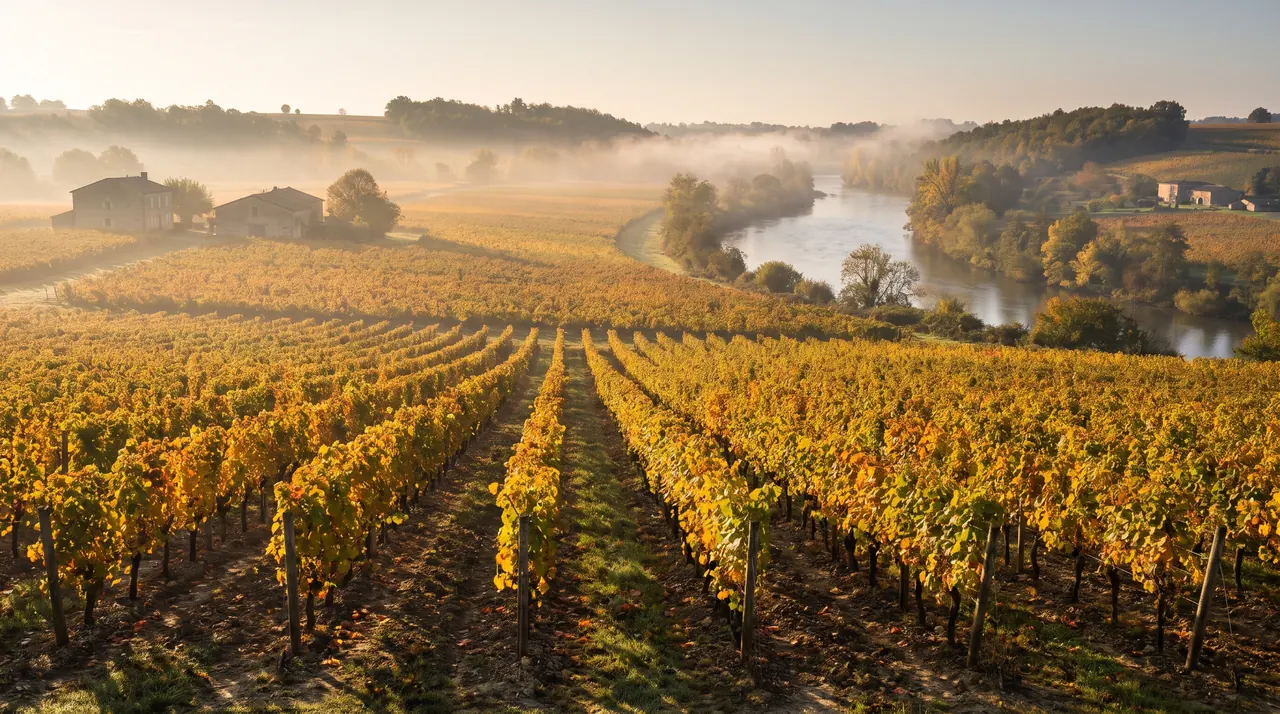
The appellation covers three municipalities on the left bank of the Garonne: Cérons, Illats, and Podensac. The authorized grape varieties are Sémillon, Sauvignon, Sauvignon Gris, and Muscadelle; the yield is set at 40 hectoliters per hectare.[2] This sweet wine region is part of the Graves wine region.
What is a Cérons?
A Cérons, in the strict sense of the appellation, is therefore a sweet white wine made from grapes that have been overripe and concentrated by botrytis or sun-drying. Aromatically, it follows in the tradition of the sweet wines from the southern Garonne, with notes of candied fruit, honey, and flowers, though it is often lighter and more approachable than the great Sauternes. However, one must be wary of oversimplification: simply saying “Cérons” isn’t always enough to know what’s in your glass. As we’ll see, most winemakers in the area produce many other wines besides sweet wines, and the sweet wine appellation represents only a tiny fraction of their production. A “Cérons wine,” in everyday language, can therefore refer just as easily to an appellation-designated sweet wine as to a dry red or white Graves produced in the commune.
Why is the Cérons AOC so little known?
The INAO reports that, depending on the vintage, only 30 to 80 hectares are claimed by about twenty producers.[1] This small area explains the wine’s exclusivity. Manual harvesting in successive passes and the possibility of producing other appellations in the region also limit the volumes produced under the Cérons appellation.
This dual market is the key to understanding Cérons. The region’s winemakers have a choice: depending on the vintage and the condition of the harvest, they can classify their grapes as AOC Cérons (sweet) or vinify them as AOC Graves—dry reds and whites—or even as Graves Supérieures for sweet whites. A single plot, on a single estate, can thus shift from one appellation to another from one vintage to the next. This practice, which is perfectly legal and common, explains the modest volumes of sweet wines produced: when the market for sweet wine is sluggish or noble rot is slow to set in, the grapes are used to make Graves rather than Cérons. This is also what makes a visit to the region so enriching: in a single cellar, you can often taste a rare sweet wine alongside full-bodied reds and lively dry whites, all born from the same gravelly terroir.
| AOC Designation | Details |
|---|---|
| Type of wine | Sweet white wine (botrytized and/or sun-dried) |
| Acknowledgments | Decree of September 11, 1936 |
| Municipalities | Cérons, Illats, Podensac (left bank) |
| Grape Varieties | Sémillon, Sauvignon, Sauvignon Gris, Muscadelle |
| Maximum yield | 40 hl/ha |
| Production | 30 to 80 hectares claimed, depending on the vintage |
What is noble rot?
The specifications describe Botrytis cinerea as the fungus responsible for “noble rot.” Under the climatic conditions in Cérons, it helps concentrate the sugars and aromas in the ripe grapes.[2] The grapes are then selected by hand through a series of sorting steps.
This phenomenon demands a harvest of exceptional precision. Noble rot never progresses uniformly: on a single cluster, some berries are perfectly ripe, while others are just beginning to develop concentration, and still others remain healthy. The harvesters must therefore go back and forth through the rows several times, picking only the berries that have reached their optimal stage during each pass. These successive passes are called “selections,” and they are done entirely by hand. It is a slow process, spread out over several weeks, and entirely at the mercy of the weather: a single ill-timed rain shower can turn noble rot into ordinary gray mold and compromise part of the harvest. This “tried” harvest method is one of the most costly in existence, and it alone accounts for much of the rarity of Cérons’ sweet wine.
What is noble rot?
Noble rot is the controlled growth of Botrytis cinerea on ripe, healthy grapes. The same fungus that, in most vineyards, ruins harvests under the name “gray mold” becomes, here, under very specific conditions of morning humidity and daytime heat, a valuable ally. By piercing the grape’s skin, it allows water to evaporate: the grape becomes concentrated in sugar, but also in aromas, developing notes of honey, dried apricot, candied fruit, and orange peel. A botrytized grape—brownish and unappetizing to the eye—actually contains a golden juice of extraordinary richness. It is this unpredictable transformation—never guaranteed from one year to the next—that constitutes both the magic and the risk of great sweet wines, in Cérons as well as among its neighbors.
Is Cérons a "little Sauternes"?
This is the convenient label often applied to Cérons: a “little Sauternes,” a second-rate sweet wine. The description is both flattering and unfair. It’s accurate in that Cérons shares the same principles as Sauternes and Barsac—botrytis, sorting, and a predominance of Sémillon—and is often a bit less rich and a bit lighter than the great Sauternes wines. But it’s misleading if one concludes that Cérons is a downgraded Sauternes: these are two distinct appellations, each with its own set of regulations, that simply happen to be neighbors on the map. The sweet wine from Cérons has its own style, often described as an “intermediate” sweet wine—more lively, more approachable, less opulent. This is not a classification; it is an identity. To refer to it as a “little Sauternes” is to define Cérons by what it is not, when it deserves to be tasted for what it is.
This middle-of-the-road character, far from being a flaw, is what makes the wine so interesting. Whereas a great Sauternes calls for a special occasion, a specific food pairing, and sometimes many years of aging, a Cérons is much more approachable—whether as an aperitif, with foie gras, or with blue cheese—and often at a much more affordable price. In short, it offers a gateway into the world of Bordeaux sweet wines: a way to understand botrytis, grape selection, and the grapes’ natural sugar, without breaking the bank or waiting twenty years. Curious wine lovers would do well to compare a Cérons, a Barsac, and a Sauternes side by side: this is the best way to grasp what unites these three neighbors and what, despite everything, sets them apart.
The Romanesque Church of Saint Martin
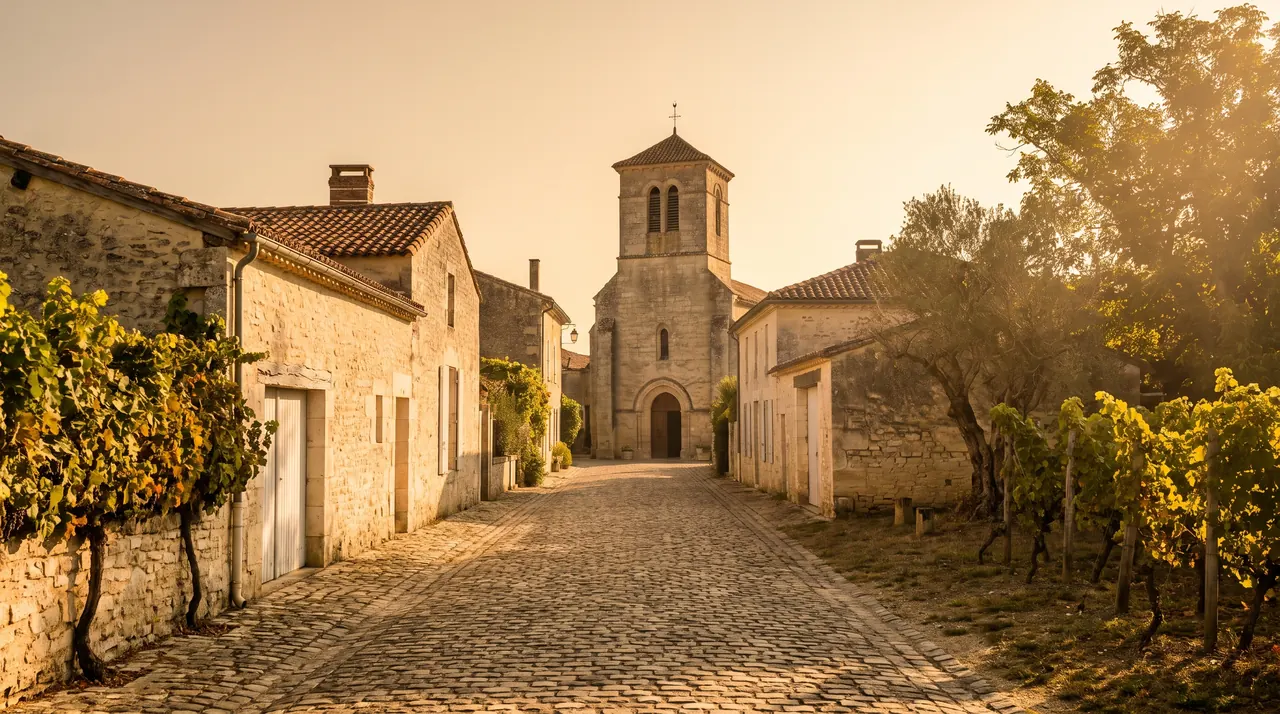
Beyond its vineyards, Cérons boasts a heritage gem: the Church of Saint-Martin. Its original construction dates back to the 12th century, in the height of the Romanesque period, and the building has stood the test of time, expanding and evolving over the centuries. Today, it is the town’s most remarkable landmark, situated right in its heart, facing the castle. Its simple, solid silhouette of light-colored stone bears witness to the village’s ancient history: long before it became a name on a sweet wine label, Cérons was a medieval parish, a village in the Garonne Valley organized around its sanctuary. The church thus serves as a reminder of a fact that the wine’s prestige might otherwise cause us to forget: these lands were inhabited and cultivated long before the appellations were established.
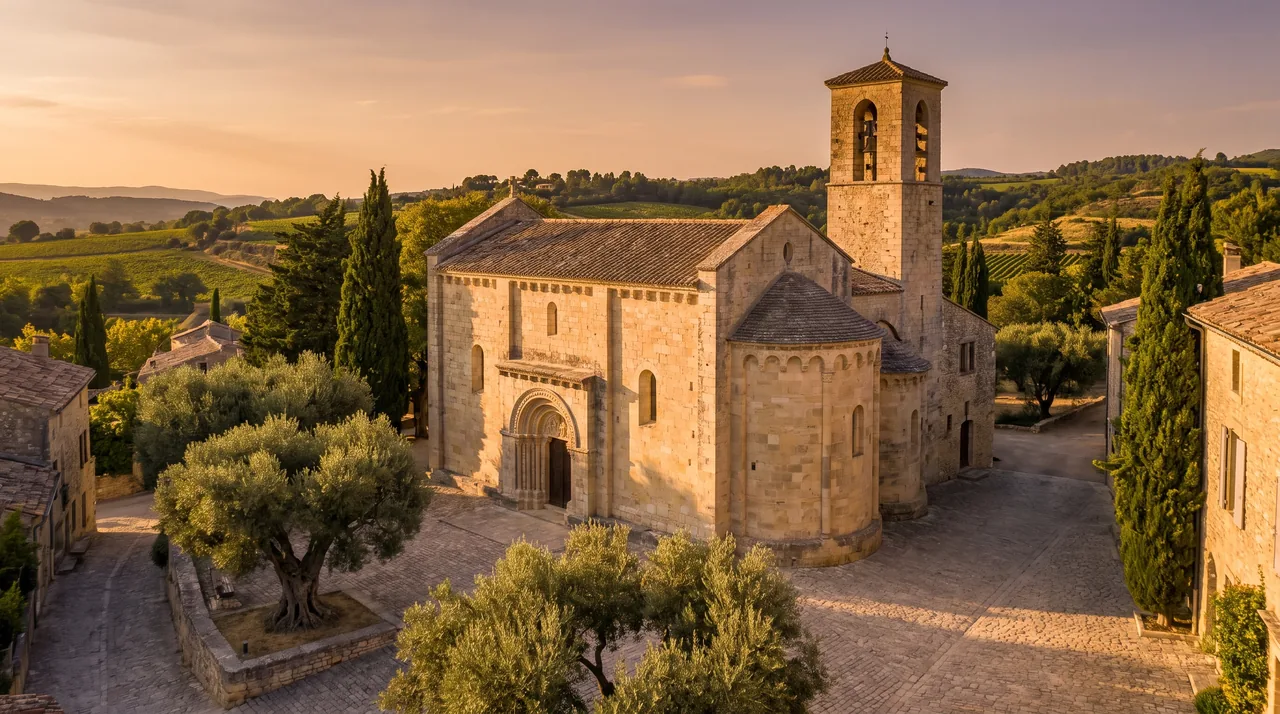
The heritage protection specifically applies to the portal and the apse of Saint-Martin Church, which were designated by decree on October 22, 1913, under the Mérimée reference PA00083516.[3] The rest of the building has undergone several alterations and is not covered in the same way by this entry.
What exactly is classified?
This distinction is worth noting, as one often reads, somewhat hastily, that “the church in Cérons is a listed historic monument.” This is not entirely accurate: only the portal and the apse are designated as historic monuments, a status granted in 1913. The designation does not automatically extend to the entire building; other, later-added sections are not protected in the same way. This clarification is by no means nitpicking: it does justice to the reality of the building, a composite structure in which only the oldest Romanesque parts were deemed worthy of protection. For visitors, the lesson is simple: it is by lingering over the carved portal and the apse at the rear of the church that one discovers the true medieval treasure of Cérons.
Despite its modest appearance, this church speaks volumes about the history of rural Gironde. Gironde Romanesque architecture, with its compact form and light-colored stone, spread along the ancient pilgrimage routes and river valleys, and Cérons offers a fine example of this style. The successive layers—the 15th-century transept, the 18th-century side aisles, and the 19th-century bay—bear witness to a community that has continually maintained and expanded its place of worship, in step with the times and its available resources. Taking the time to walk around it, spot the restored masonry, and compare the styles is like reading eight centuries of village history under the open sky—all while enjoying a few tastings of sweet wine.
What is there to see at Cérons Castle and the market hall?
Across from the Romanesque church stands the Château de Cérons, historically known as “Château Calvimont.” It is not a medieval fortress, but a wine-producing charterhouse—a characteristic, elegant, single-story Gironde-style building that was popular in the 17th and 18th centuries. The main building was constructed between the late 17th and 18th centuries, at a time when Bordeaux’s judicial nobility was eager to invest in estates on the left bank. Today, it stands as one of the village’s most striking civilian landmarks, in constant dialogue with the bell tower of the nearby church. The light-colored stone, harmonious proportions, and setting among the vineyards make it a quintessential example of the Graves’ understated charm.
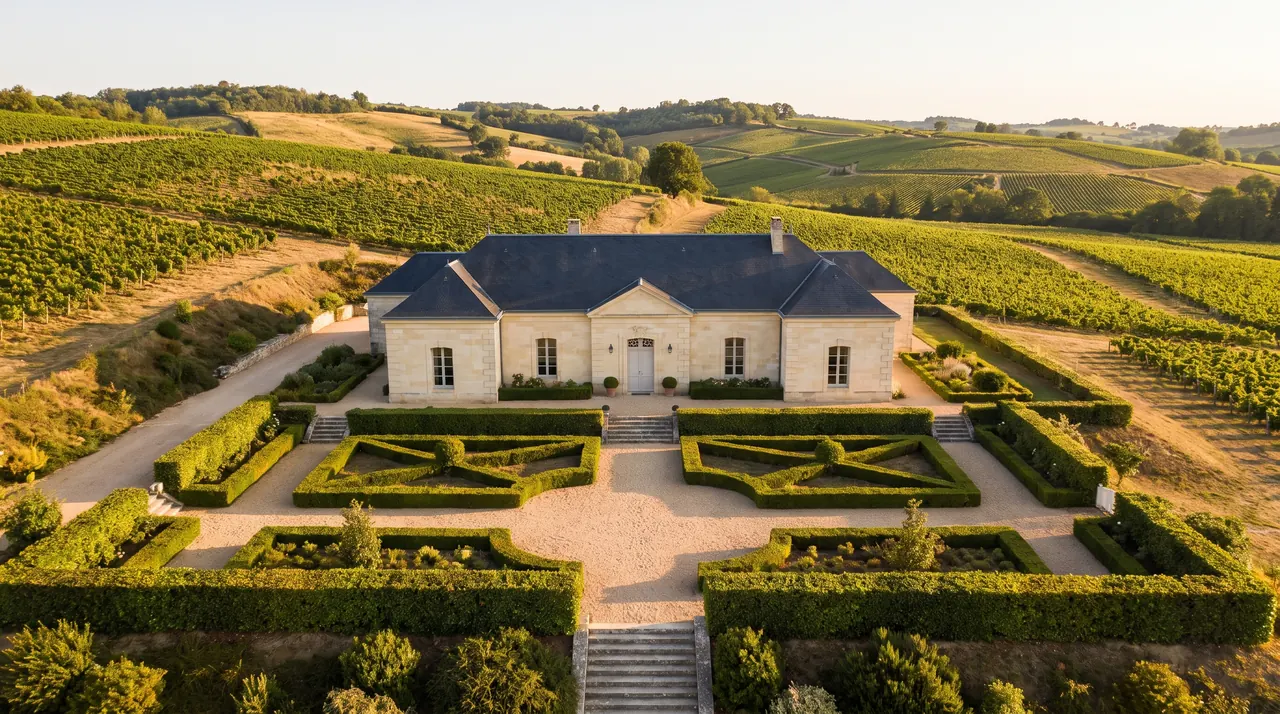
This charterhouse is a fine example of Gironde wine-growing architecture: an elongated main building facing its vineyards, without the defensive features of a fortified castle. In the 18th century, the estate belonged to the Marquis de Calvimont, a member of the Bordeaux Parliament, whose name has remained associated with the estate—hence the historic name “Château Calvimont.” Even today, Château de Cérons remains an active wine estate, producing, in particular, red and white Graves wines in keeping with the town’s dual winemaking tradition. It stands opposite the Romanesque church and, together with it, forms the historic heart of the village: just a few steps apart, the medieval sanctuary and the Enlightenment-era mansion alone encapsulate several centuries of local history.
Is Cérons Castle a designated historic site?
No, and that’s an important point to note. Unlike the neighboring church, whose portal and apse are listed as historic monuments, the Château de Cérons is not protected as a historic monument. The beautiful Carthusian monastery is worth a look, but it is not on the list of protected monuments: only the church is. Another common point of confusion to clear up: do not confuse the Château de Cérons (also known as Calvimont) with the “Grand Enclos du Château de Cérons,” which is a separate winery with a similar name. Both properties contribute to the village’s reputation, but they are indeed two different places, and it’s best not to confuse them when planning a visit or purchasing a specific bottle of wine.
What is the Cérons market hall used for?
The village preserves a third piece of its heritage, one that is more modest but charming: its market hall. It was built between 1882 and 1884, at the end of the 19th century, at a time when many villages in the Gironde were constructing covered market halls to house the market and facilitate trade. This type of building, often timber-framed and open on the sides, marked the commercial heart of the town. The Cérons market hall thus bears witness to an active village life, centered not only on viticulture but also on local commerce and fairs. Together with the Romanesque church and the Carthusian castle, it forms a small trio of historic landmarks that gives the village its character: in just a few steps, one moves from medieval sacred architecture to 18th-century elegance, and then to 19th-century commerce.
What is there to do in Cérons?
People come to Cérons primarily for the wine, but the experience goes far beyond a simple tasting. The village is perfect for a half-day or even a full day, combining wine exploration, heritage, and the landscapes of the left bank. It’s a pleasure to start by stepping inside a winery to sample both the appellation’s lesser-known sweet wines and the dry red and white Graves wines that represent the other side of the town. Round out your visit by stopping by nearby Podensac, where the Maison des Vins de Graves brings together hundreds of the region’s wines under one roof. Between visits to the wineries, there’s the area’s stone heritage—the listed Romanesque church, the Château-Chartreuse, and the market hall—as well as the banks of the Garonne, where the Graves vineyards stretch out in rows. Finally, Cérons is an ideal base from which to explore the great neighboring sweet wines. Here are the main options, which you can adjust according to your preferences and schedule.
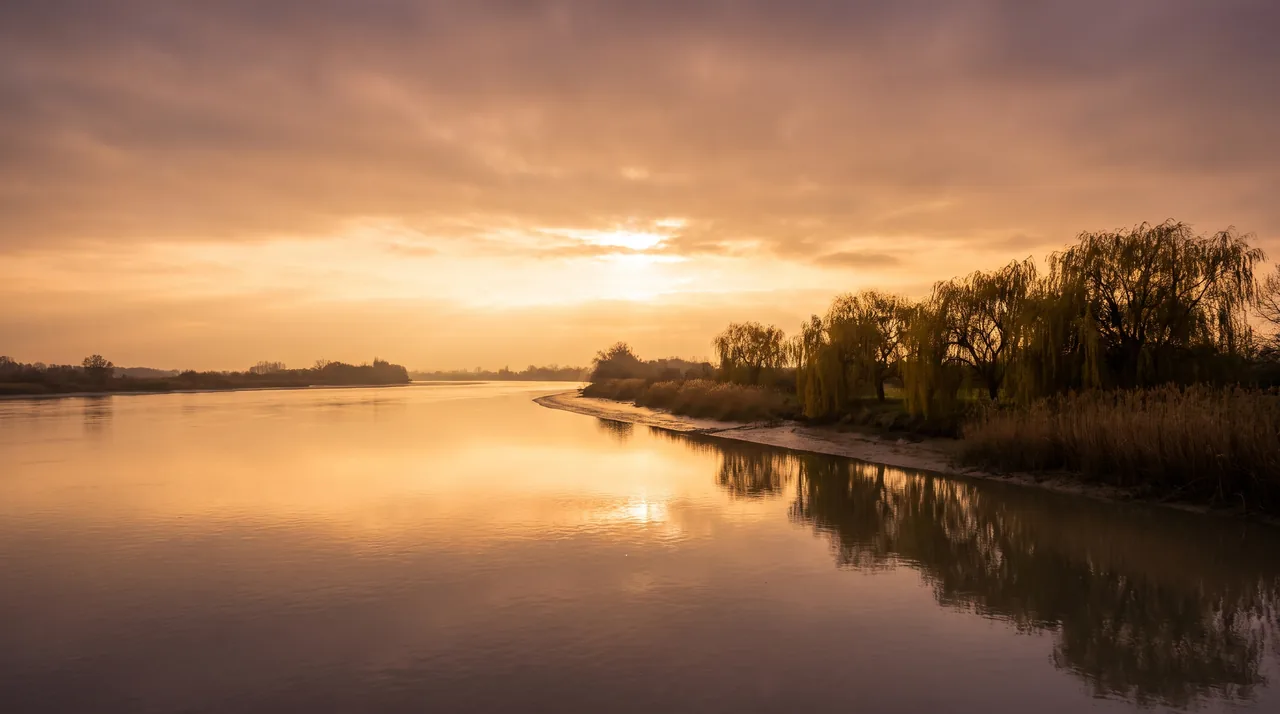
- Enjoy a tasting at the Cérons estates—such as Château de Cérons or the Grand Enclos at Château de Cérons—where visitors can often sample the appellation’s sweet wine alongside the dry reds and whites of Graves, all in the same cellar. Most estates welcome visitors by appointment: it’s best to book and confirm in advance.
- The Maison des Vins de Graves, in Podensac (~2 km): Open since 1981, it offers about 300 Graves wines at estate prices, making it the perfect place to compare styles before buying.
- The town’s historic sites: the Romanesque Church of Saint-Martin, whose portal and apse are designated as Historic Monuments, and the late 19th-century market hall (1882–1884), which can be explored on foot in just a few minutes.
- The banks of the Garonne and the Graves vineyards, perfect for a leisurely stroll among the rows of vines, along the river that shaped the gravel terraces.
- Expand your horizons to include the great sweet wines of the south: the nearby Barsac and Sauternes, to compare Cérons’ lighter style with the more opulent style of its illustrious neighbors.
- Cross the Garonne to the right bank: Cadillac, Loupiac, and Sainte-Croix-du-Mont are home to other sweet wine appellations, directly across from the Graves region.
Can you do a wine tasting at Cérons without an appointment?
Only to a certain extent, and it’s best to know this before you go. The estates in Cérons, like most wineries on the Left Bank, usually welcome visitors by appointment: a quick call or message before you head out will help you avoid finding the doors closed, especially on Sundays or during the off-season. For wine tastings without time constraints, the Maison des Vins de Graves in Podensac is the simplest option: there, you can compare hundreds of regional wines all in one place, without having to visit each winery individually. As for the village markets and events, they vary by season: rather than relying on an unverified fixed date, check with the town hall or the tourist office before visiting. The golden rule remains the same throughout the wine region: plan ahead and make reservations.
| Activity | Where | Good to Know |
|---|---|---|
| Wine Tasting at the Winery | Cérons Castle, Grand Enclos… | Sweet + Graves · often by appointment |
| Graves Wine Center | Podensac (~2 km) | ~300 wines at estate prices, since 1981 |
| Heritage of the Town | St. Martin's Church, market hall | Portal and apse designated as historic monuments |
| Along the Garonne & Graves | Around the Village | A Walk Through the Vineyards |
| Great Sweet Wines from Neighboring Regions | Barsac, Sauternes (to the south) | Compare Styles |
Around Cérons
Cérons is perfect for exploring the wider area, as the points of interest are concentrated within a radius of just a few kilometers, on both sides of the Garonne River. To the north, Podensac (~2 km) is the immediate neighbor: this is where you’ll find the Maison des Vins de Graves, a must-visit to get a comprehensive overview of the entire region in a single stop. To the south, Barsac boasts its great sweet wines, in an appellation neighboring but distinct from that of Cérons, before the Sauternes region begins—the birthplace of the world’s most famous sweet wines. On the opposite bank, accessible by bridge, lies the world of the right-bank sweet wines—Cadillac, Loupiac, Sainte-Croix-du-Mont—which, from the other side of the river, echo the wines of the left bank.
A little further south, Langon—the subprefecture and seat of the district that includes Cérons—serves as the gateway to the Sauternes region: its shops, restaurants, and market make it a convenient stop to round out a day in the vineyards. As you travel these few kilometers, you realize just how many appellations are concentrated in this stretch of the Garonne Valley: Graves, Cérons, Barsac, and Sauternes on the left bank; Cadillac, Loupiac, and Sainte-Croix-du-Mont on the right bank. Few wine-growing regions offer such a high concentration of terroirs within such a short distance. For visitors, this means that a single day is enough to go from a dry white wine from Graves to a great sweet wine, crossing just a few bridges and traveling through a few kilometers of vineyards.
Which stages should be combined with Cérons?
Several itineraries can easily be planned to suit your preferences. To stay within the world of sweet wines, extend your visit from Cérons to Sauternes and its golden sweet wine, passing through Barsac: in a single day, you can compare three neighboring sweet wine appellations. To combine wine and cultural heritage, a detour to Langon —the gateway to the Sauternes region on the banks of the Garonne—adds a pleasant stop in town, with its shops and market. And to explore the Graves in all their diversity, head to Portets and its châteaux, a bit closer to Bordeaux on the same riverbank. All these stops are part of our itineraries starting from Bordeaux, which are easy to combine into a single outing.
| Destination | Approx. distance | Interest |
|---|---|---|
| Podensac | ~2 km | Graves Wine Center |
| Barsac | bordering (to the south) | A sweet wine from the neighboring AOC |
| Cadillac | opposite bank | Right Bank, sweet wine |
| Sauternes | to the south | The Great Sweet Wine of the Sauternes Region |
| Bordeaux | ~41 km | ~44-minute drive |
Getting to Cérons from Bordeaux
Getting to Cérons from Bordeaux is easy: it’s about 41 km and a 44-minute drive along the left bank of the Garonne. Take the A62 highway, whose interchange is about 2 km from the town, then follow the road that runs along the river (the D1113). The drive takes you through the Graves vineyards and gets you in the mood even before you arrive. It’s the perfect distance for a day trip: leave Bordeaux in the late morning, have lunch in town or nearby, spend the afternoon visiting various sites, and head back in the evening without feeling tired or rushed. Cérons is thus the perfect base for a gourmet day exploring sweet wines—including Cérons, Barsac, and Sauternes—without ever straying far from the city.
How much does the ride cost?
The Bordeaux → Cérons route is available starting at €83 during the day, for a sedan that seats 1 to 3 passengers. This rate is fixed and confirmed in writing before departure: no meter, no surprises upon arrival. Surcharges apply at night, on weekends, and on holidays, and a van replaces the sedan for groups of more than 3 passengers. Extensions to neighboring villages—Podensac, Barsac, Sauternes—or from Bordeaux-Mérignac Airport are priced on a quote basis, depending on the desired itinerary and schedule. The principle remains the same: a price known in advance, tailored to the number of passengers and the day’s itinerary, with no unpleasant surprises upon arrival.
| Route | Distance / Duration | Rates |
|---|---|---|
| Bordeaux → Cérons | ~41 km · ~44 min | starting at 83 € |
| Nearby villages (Barsac, Podensac, etc.) | variable | based on a quote |
| Bordeaux Airport → Cérons | variable | based on a quote |
Why hire a private driver?
The answer can be summed up in one word: wine tasting. In Cérons and the surrounding area, you’ll taste sweet wines and Graves, often at several consecutive estates, and you might want to venture as far as Barsac or Sauternes. Getting behind the wheel after these tastings would be neither ideal nor sensible. Hiring a private driver allows you to fully enjoy the visits, savor every glass to your heart’s content, and move stress-free from one winery to the next, even on the small wine-growing roads. It also offers the freedom of a true door-to-door experience: you depart from your address in Bordeaux and return the same way, at your own pace throughout the day, without a set schedule or the hassle of finding parking. For a relaxed wine-tasting journey exploring the lesser-known sweet wines of the Left Bank, this is the most comfortable option available.
Frequently Asked Questions
Is Cérons a Sauternes?
No. Cérons and Sauternes are two distinct appellations that are simply neighbors on the left bank of the Garonne. Both produce sweet white wines from botrytized grapes harvested in select passes, but each has its own set of specifications and its own terroir. The Cérons AOC is nestled within the Graves region, bordering Barsac and Sauternes; it is distinguished by a style that is often lighter and more understated. Referring to Cérons as a “little Sauternes” is therefore convenient but inaccurate: it is an appellation in its own right, to be savored for what it is.
Does the Cérons AOC produce red wine?
No: the Cérons appellation is reserved for sweet white wines. However, the town and the winemakers in the area also produce, under other appellations, red wines and dry whites—most often under the Graves AOC, or even Graves Supérieures for sweet whites. This is the famous dual market for Cérons: a single estate can produce a sweet wine under the Cérons appellation alongside dry reds and whites from Graves. So when referring to a “Cérons wine,” it’s important to specify: is it a sweet wine bearing the Cérons appellation, or a Graves wine produced in the commune?
How much does a trip from Bordeaux to Cérons cost with a private driver?
The Bordeaux → Cérons route is available starting at €83 during the day for a sedan carrying 1 to 3 passengers. This rate is fixed and confirmed in writing before departure, with no meter and no surprises upon arrival. Surcharges apply at night, on weekends, and on holidays; for groups of more than 3 passengers, a van will be provided instead of a sedan. Extensions to neighboring villages—Podensac, Barsac, Sauternes—or from Bordeaux-Mérignac Airport are priced based on a quote, depending on the itinerary and the day’s schedule.
How many people live in Cérons?
Cérons had a population of 2,126 according to the 2023 INSEE census, with a total area of 7.83 km², resulting in a population density of approximately 271 people per square kilometer. One sometimes sees a density figure of approximately 370 people/km²: this figure is inconsistent with the official population and area figures and should not be cited; a simple calculation confirms this. The reliable reference remains the municipal population published by INSEE. Residents of the municipality are known as Céronnais and Céronnaises.
Where is Cérons located?
Cérons is a commune in the Gironde department (33), in Nouvelle-Aquitaine, on the left bank of the Garonne River. It is located in the Graves wine region, between Barsac to the south and Podensac to the north, about 41 km southeast of Bordeaux. Administratively, it is part of the Langon arrondissement, the Landes des Graves canton, and the Convergence Garonne community of municipalities. Its territory, drained by the Saint-Cricq and Gargalle streams, is well connected: the A62 interchange is about 2 km away, and a train station serves the town on the Bordeaux–Sète line.
Which municipalities produce Cérons AOC wine?
The Cérons appellation covers three municipalities on the left bank of the Garonne: Cérons, from which it takes its name, Illats, and Podensac. This small sweet wine region forms an enclave within the Graves wine region, with which it shares gravelly soils, and borders the Barsac and Sauternes appellations. The authorized grape varieties are Sémillon (the dominant variety), Sauvignon, Sauvignon Gris, and Muscadelle, with a yield capped at 40 hectoliters per hectare. While the designated area is fairly large, production of sweet wines here is very limited.
Why is the Cérons appellation so little known?
This is because the actual area used for sweet Cérons wines remains very small compared to the authorized area and varies by vintage. The reason lies in the region’s dual market opportunities: most winemakers can produce their grapes as AOC Graves wines—dry reds and whites—rather than as sweet Cérons wines, which are more expensive to produce and sold in a niche market. The long and risky process of hand-sorting the grapes discourages large-scale production. As a result, sweet Cérons wine remains a rarity.
Is the church in Cérons designated as a historic monument?
Partially. Saint-Martin Church, whose original construction dates back to the 12th century, is not listed in its entirety: its portal and apse are listed as historic monuments by a decree dated October 22, 1913 (reference PA00083516). These Romanesque sections are the most remarkable parts of the building. The rest of the church reflects a long history of alterations: 15th-century side chapels, side aisles added in 1712, a bay extended in 1844, and a Neo-Gothic bell tower. Simply stating that “the church is listed” is therefore an oversimplification: only the portal and the apse are listed.
Is Cérons Castle a designated historic site?
No. The Château de Cérons, historically known as Château Calvimont, is an elegant wine-producing charterhouse built between the late 17th and 18th centuries, across from the Romanesque church; in the 18th century, it belonged to the Marquis de Calvimont, a member of the Bordeaux Parliament. However, unlike the church, it is not listed as a historic monument. Today, it is an active winery, producing Graves wines, among others. Be careful not to confuse it with the “Grand Enclos du Château de Cérons,” which is a separate property with a similar name.
What is noble rot?
Noble rot is the controlled growth of a fungus, Botrytis cinerea, on ripe, healthy grapes. Fostered by the damp autumn mists, it penetrates the grape’s skin, causing the fruit to dehydrate and become candied. The result is a spectacular concentration of sugars and aromas, with notes of honey, dried apricot, and candied fruit. It is this phenomenon that gives the sweet wine of Cérons—as well as those of Barsac and Sauternes—its richness. Elsewhere, the same fungus is merely a harmful gray mold; here, under these specific conditions, it becomes an ally.
Where does the name Cérons come from?
The origin is uncertain and is treated as a hypothesis. The most common theory traces the name to an ancient form, “Sirio,” associated with an ancient site near the Garonne River, which is itself linked to the Ciron, the river in the neighboring Sauternes region. This site of Sirio is associated with a Roman road—traditionally known as the “Chemin Gallien”—and a crossing point over the Garonne. As with many very ancient place names, shaped by centuries of oral tradition, it is best to remain cautious: the hypothesis is appealing, but it is not a certainty.
How far is Cérons from Bordeaux?
Cérons is located about 41 km southeast of Bordeaux, which is roughly a 44-minute drive (a route calculator estimates the distance at around 40 km). You can reach it from the left bank of the Garonne via the A62 highway—whose interchange is about 2 km from the town—and then the road that runs along the river. This proximity, enhanced by rail service on the Bordeaux–Sète line, makes Cérons an easy destination for a half-day or full-day trip from Bordeaux, without ever having to travel far.
What can you do in Cérons in a day?
Half a day or a full day is enough to enjoy Cérons. You can taste wines at a vineyard—including appellation sweet wines and dry red and white Graves wines, usually by appointment—then stop by the Maison des Vins de Graves in nearby Podensac, which has been offering around 300 wines at estate prices since 1981. Round out your visit with the town’s historic sites: the Romanesque Saint-Martin Church and its 19th-century market hall. Finally, Cérons is an ideal base for exploring the great sweet wines of neighboring Barsac and Sauternes, a little further south.
Further Reading
- Book your trip from Bordeaux to Cérons: a fixed quote confirmed in writing, door-to-door, with no obligation.
- All our destinations departing from Bordeaux: castles, vineyards, and villages in the Gironde.
- Sauternes: Sweet, Golden Wine and Château d'Yquem.
- Langon: the Garonne River, the church, and the gateway to the Sauternes region.
- Portets: Les Graves, the port, and Mongenan Castle.
Sources and References
- INAO — Cérons — certification, municipalities, selective harvesting, and 30 to 80 hectares claimed depending on the vintage
- Ministry of Agriculture — Cérons AOC Specifications — Initial Decree, Production Area, Grape Varieties, Yield, Botrytis, and Hand-Harvesting
- Saint-Martin Church in Cérons — POP/Mérimée PA00083516 — portal and apse listed in 1913
- Cérons Town Hall— History, Geography, Market Hall
- Maison des Vins de Graves (Podensac) — nearby wine tasting
- INSEE — Municipality of Cérons (33120) — Demographics
Article updated on .
Our Latest Guides
 Entre-deux-Mers & Southern Gironde
Sauternes: Sweet, Golden Wine and Château d'Yquem
Read the guide → Entre-deux-Mers & Southern Gironde
Langon: the Garonne River, the church, and the gateway to the Sauternes region
Read the guide → Entre-deux-Mers & Southern Gironde
Portets: Les Graves, the harbor, and Mongenan Castle
Read the guide →On the Way to the Graves
Direct transfer from Bordeaux (44 min) to Cérons for sweet wine tastings. Fixed-price quote in writing, with no obligation.