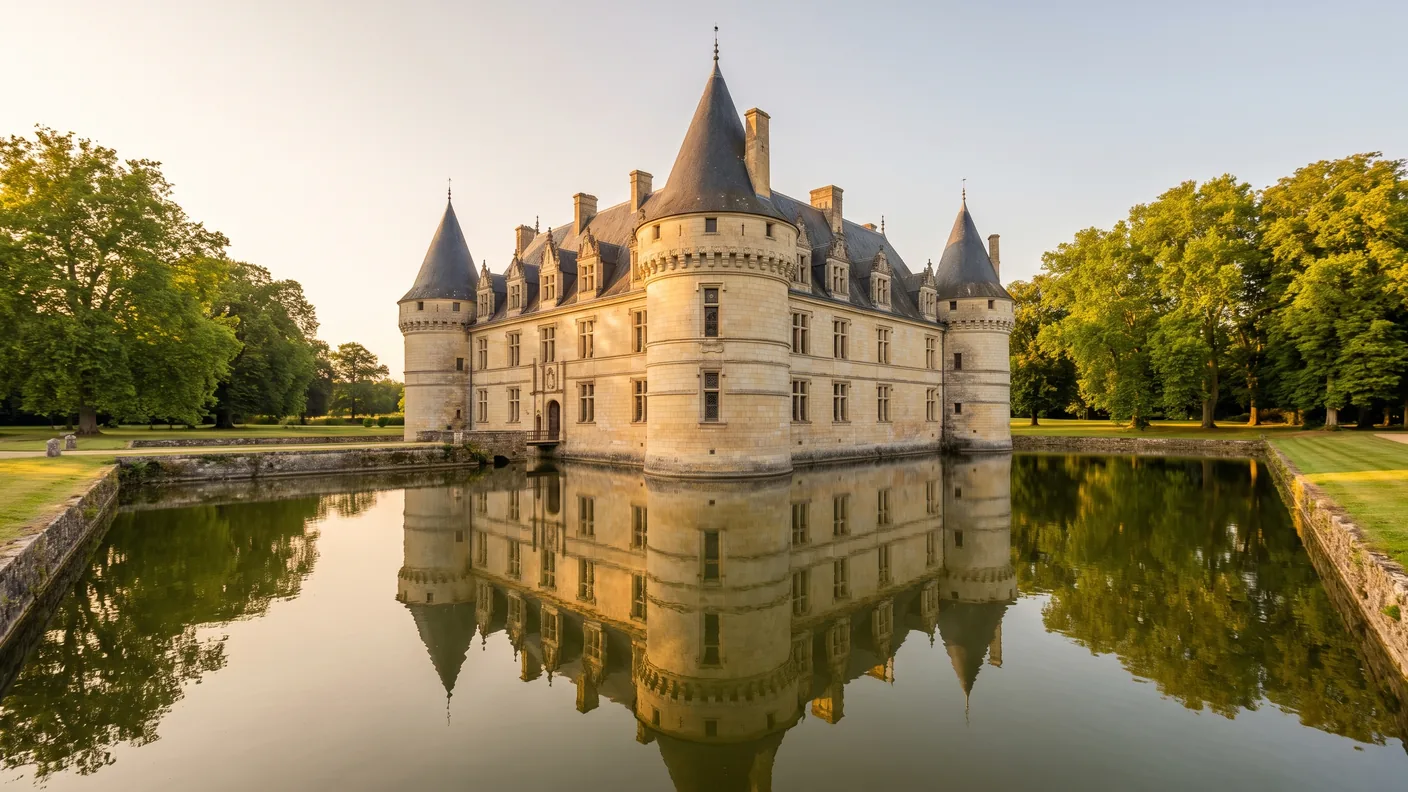
Bordeaux to Chef-Boutonne: Javarzay Castle and the Boutonne spring
A Renaissance castle with its towers long gone, a museum dedicated to Poitou headdresses, and a river that springs from beneath a washhouse right in the heart of town. A “Petite Cité de Caractère” in the Poitou region, Chef-Boutonne preserves its unassuming heritage on the outskirts of the Mellois area—just over two hours from Bordeaux.
Chef-Boutonne at a glance
Chef-Boutonne (Deux-Sèvres) is a Petite Cité de Caractère in Poitou, on the edge of the Mellois region. Its name says it all: here, the river Boutonne has its source right in the city, beneath a washhouse. There, you can visit the Javarzay Castle, an early-16th-century Renaissance building designated a Historic Monument in 1862, which has retained only two of its original twelve towers and houses a headdress museum with around 400 Poitou headdresses. The city is also the birthplace of the industrialist Jean-François Cail. Count ~189 km from Bordeaux, about 2 hours and 20 minutes via the A10, or fares from €320 with a private driver, door-to-door, from the center of the Gironde to the foot of the castle.
| Landmark | Details |
|---|---|
| Department | Deux-Sèvres (79) · Nouvelle-Aquitaine |
| Status | Petite Cité de Caractère · new municipality since January 1st, 2019 |
| Population | ≈ 2,371 residents (Chef-Boutonnais) |
| Country | Mellois in Poitou · Niort District |
| Must-Sees | Javarzay Castle · Headwear Museum · Source of the Boutonne River |
| From Bordeaux | ≈ 189 km · ~2 hrs 20 mins via the A10 · with chauffeur fares from €320 |
There are villages you pass through without even noticing them, and others that reward those who stop to explore. Chef-Boutonne belongs to the latter category. Nothing on the map indicates the presence of this large Poitevin town, tucked away between Niort and the Charente; yet within a very small area, it boasts a listed Renaissance castle, a rare ethnographic museum, and a natural phenomenon that gave the town its name—a river that gushes from the ground right in the heart of the streets, as if the town itself had sprung from its own source.
This guide brings together everything you need to know before you visit: the history of Chef-Boutonne over the centuries, why its castle now has only two towers out of twelve, what you’ll find in its headdress museum, where the Boutonne River originates, what to do in town and the surrounding area—near Melle and its silver mines—and how to arrive well-rested from Bordeaux, without worrying about trains or parking. Every fact cited here has been verified using the official sources listed at the end of the article.
Where is Chef-Boutonne located?
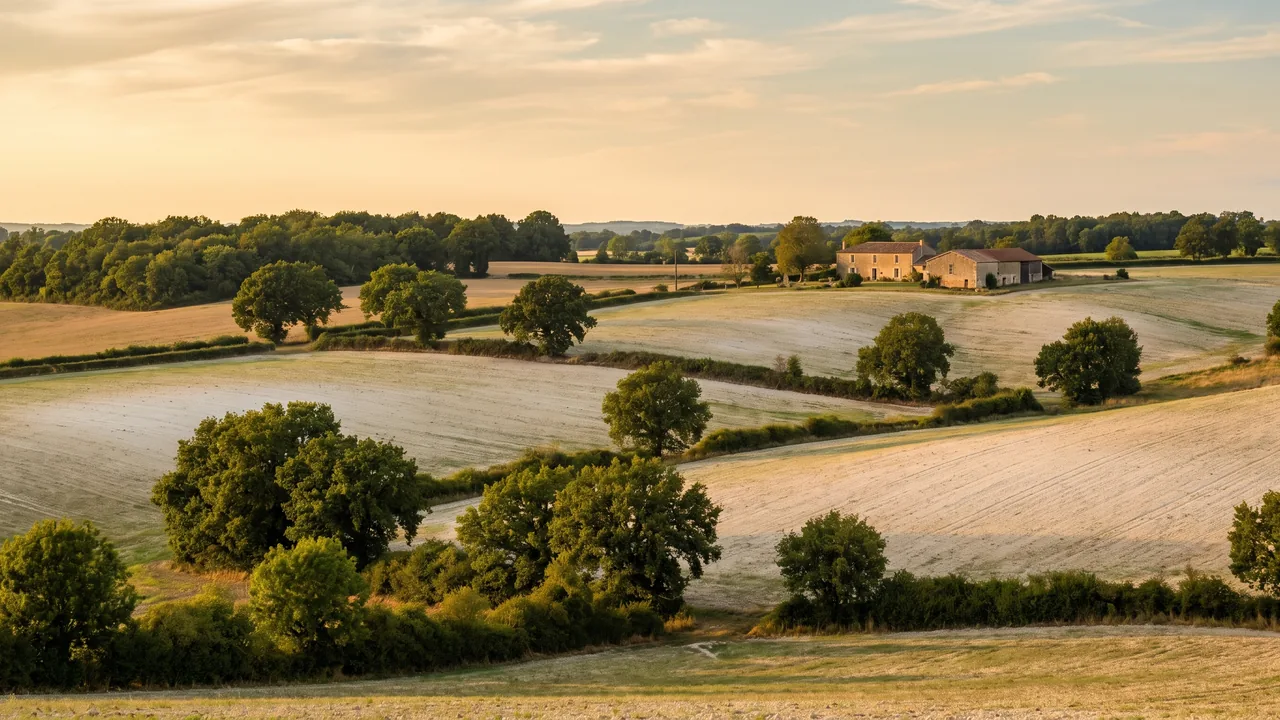
Chef-Boutonne is nestled south of the Deux-Sèvres (79), in the region New Aquitaine, in the Niort district. Here we are right in the heart of Mellois region, a limestone plateau in historic Poitou where fields of light-colored soil, hedgerows, and small woodlands alternate—a quiet landscape, without spectacular topography, that exudes a sense of tranquility. The town belongs to the Mellois en Poitou Community of Municipalities and has approximately 2,371 residents, known as the Chef-Boutonnais. A vocabulary point to correct right away: one still sometimes reads that the city is located “in Poitou-Charentes.” That region ceased to exist on January 1st, 2016, incorporated into the Nouvelle-Aquitaine region. The term “Poitou” remains valid, but only as a historical and cultural designation, not as a local administrative unit.
Since January 1st, 2019, Chef-Boutonne is a new municipality: It has absorbed the former municipalities of Tillou, Crézières, and La Bataille, which explains why the population figure covers a larger area than just the historic town center. The city is crossed by—and, above all, powered by the Boutonne, a river that originates right here and then flows westward: it is a tributary of the Charente, which is about 100 kilometers long and joins the main river near Tonnay-Boutonne, in Charente-Maritime. Do not confuse the two towns: Tonnay-Boutonne, located downstream, is a different town in a different department—the only thing they have in common is the name of the river.
How far is it from Bordeaux?
From Bordeaux, allow about 189 km and A 2-hour, 20-minute drive, mainly via the A10 highway heading north, then via the roads of the Mellois region for the final few kilometers. Chef-Boutonne is not located along the main highway route: you’ll need to exit the A10 near Niort or Saint-Jean-d’Angély to head inland, where the village awaits at the end of a series of small departmental roads. It is precisely this slight distance that has preserved its tranquility and authenticity—but which also makes it poorly served by public transportation, a point we’ll return to later. By car, the door of your home in Bordeaux takes you directly to the foot of the Château de Javarzay, with no transfers or connections required.
| From Chef-Boutonne | Driving distance | Duration |
|---|---|---|
| Melle | ≈ 16 km | ~18 min |
| Saint-Jean-d'Angély (Charente-Maritime) | ≈ 45 km | ~50 min |
| Niort | ≈ 47 km | ~50 min |
| Bordeaux | ≈ 189 km | ~2 hours 20 minutes |
A word about the neighboring towns, since the administrative geography here can be a bit tricky. Melle and Niort share the Deux-Sèvres department with Chef-Boutonne. However, Saint-Jean-d'Angély, often mentioned in the same breath, is located in Charente-Maritime (17): it’s a neighboring town, but in a different department. It’s useful to keep it in mind as a landmark—it’s where you’ll naturally exit the A10 when coming from the south—but don’t “file” it away under Deux-Sèvres. This location at a discreet crossroads—between Niort to the north, Charente-Maritime to the west, and the Cognac vineyards further south—makes Chef-Boutonne a countryside stopover at the center of a surprisingly rich heritage triangle.
Javarzay Castle
The Javarzay Castle is the flagship landmark of Chef-Boutonne, and the main reason to make the trip. It is a building Renaissance, raised in the early 16th century, circa 1514–1515, at the request of François de Rochechouart, lord of the Rochechouart-Chandeniers branch and comrade-in-arms of King Francis I. Built of tuffeau—a light-colored limestone from the Loire Valley—and topped with slate, it marks the transition from a medieval fortress to a pleasure residence of the early French Renaissance. A word of caution regarding the dates: sources differ between 1513, 1514, and “around 1515.” The reliable conclusion is an “early-16th-century date under François de Rochechouart”—the rest is a matter of informed estimation. The castle bears the name Javarzay, a former parish attached to Chef-Boutonne, and not that of the town.
Twelve original towers, two of which remain
Here’s the most persistent misconception about Javarzay—one that needs to be corrected before you even arrive: no, the castle hasn’t retained its twelve towers. Its original walls once had twelve; today, only two. The first is the entrance gatehouse, a square tower flanked by watchtowers, which still bears traces of its former drawbridge. The second is a large corner tower, bristling with machicolations and battlements, topped by a conical roof that still shelters its original 16th-century framework. Of these two surviving structures, it is the Renaissance main building that has endured, while the ten other towers and a large portion of the curtain walls have disappeared over the centuries. This duality—two medieval defensive towers flanking a pleasure residence—is precisely what gives the site its charm and architectural appeal.
The main building retains all the architectural features of the early Renaissance: mullioned windows that divide the façade into a stone cross, a spiral stair tower leading to the upper floors, and a Renaissance chapel whose carved door and stained-glass windows have been restored. In these details, one senses the spirit of a court noble who returned from the Italian campaigns with a taste for new styles, yet who had not entirely renounced the symbols of feudal power: the machicolations of the corner tower are there as much for show as for defense. It is this charming hesitation between fortress and villa that so precisely dates the château to the turn of the 1500s.
The Yew-Tree Outline of the Twelve Towers
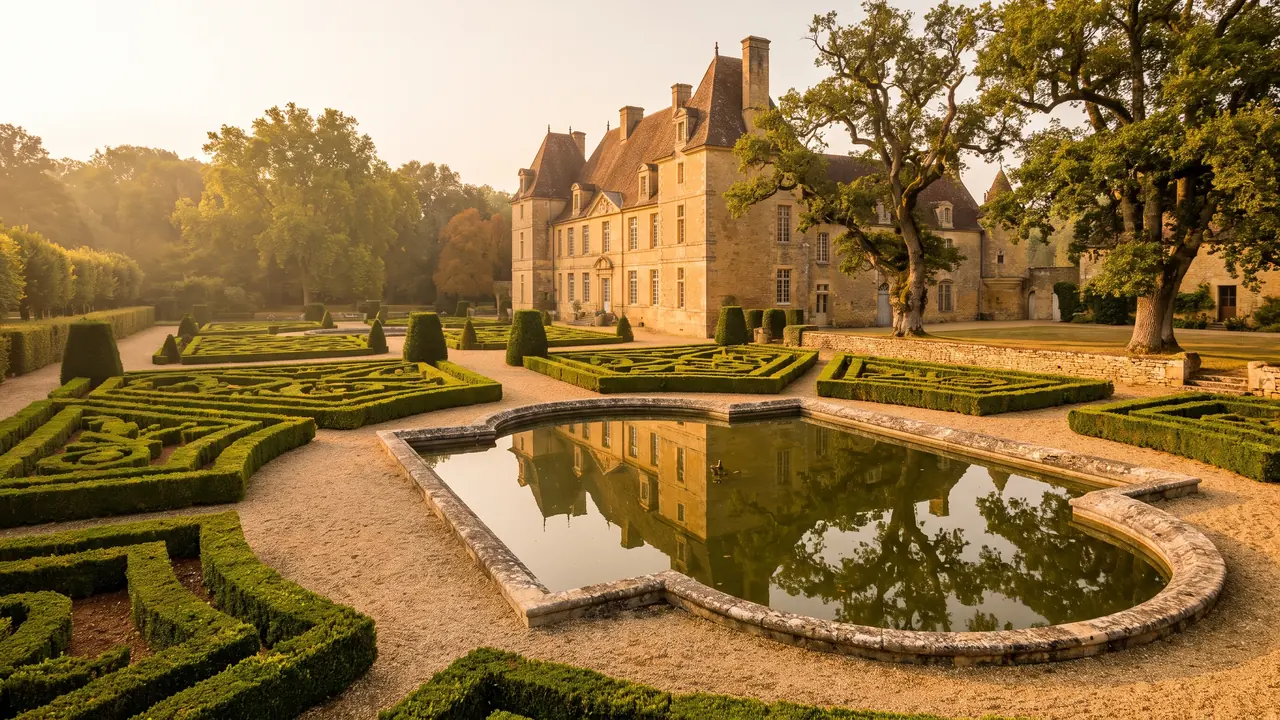
The most beautiful discovery of the tour is also the most subtle, and many visitors miss it. In the inner courtyard, a hedge of trimmed yews marks the exact location of the twelve vanished towers on the ground. This landscaping feature is a true “vegetal ghost” of the castle: where the stone has been removed, greenery has taken over to trace the original layout, allowing visitors to walk, step by step, along a wall that no longer exists. It is an elegant and educational way to make visible what time has erased—and a small delight for the attentive visitor who, once made aware of it, will never look at the courtyard the same way again. The castle was restored in 1995, which helped highlight these interplays of scale between the medieval past and the present.
Designated a Historic Monument in 1862
Be aware of a common misunderstanding regarding its status: the Château de Javarzay is classified Historic monument—the highest level of protection under French law—and not “listed,” which refers to a lower level. Better yet: it appears on the 1862 Founding List, one of the very first lists of Historic Monuments in France—the same initiative that protected monuments such as Notre-Dame de Paris and Mont-Saint-Michel. Its entry in the Mérimée database bears the reference PA00101216. Do not confuse this date with protection (1862) with the date of catering (1995): The first indicates how long it has been recognized as a heritage site, while the second refers to its recent restoration. The fact that a modest Poitou castle appears alongside the great national shrines on the very first list ever compiled speaks volumes about the value that 19th-century scholars already recognized.
| Javarzay Castle | Details |
|---|---|
| Period | Renaissance · early 16th century, circa 1514–1515 |
| Sponsor | François de Rochechouart, companion of Francis I |
| Materials | Tuffeau and slate |
| Towers | 12 originally · 2 remaining (gatehouse + corner tower) |
| Protection | Listed as a historic monument on the 1862 list (Mérimée PA00101216) |
| Restoration | 1995 |
The history of the estate’s owners further enhances its prestige. Among them are two names that are well known far beyond the Poitou region: Jérôme Phélypeaux de Pontchartrain, Secretary of State to Louis XIV, who purchased the estate in 1712 for 100,000 livres; and Malesherbes, a magistrate and leading figure of the Enlightenment, who remains famous as one of Louis XVI’s defense attorneys during his revolutionary trial. Thus, over the centuries, this country château has belonged to a minister of the Sun King and to a man who risked his life to defend the last king of the Ancien Régime—a striking snapshot of French history nestled in a village in the Deux-Sèvres department.
The Headwear Museum and Jean-François Cail
The castle is more than just a beautiful shell: it houses the Chef-Boutonne Municipal Museum of Art and History, better known as the Headwear Museum. The museum explores three intertwined themes: the history of the castle itself, a remarkable collection of women’s headdresses and bonnets from the Poitou region, and a section dedicated to the region’s most famous native son, the industrialist Jean-François Cail. Located on the first floor of the Renaissance main building, the museum is an integral part of the castle tour: visitors move from historic rooms to ethnographic display cases without ever leaving the old tuffeau stone walls. It is one of those intimate, local museums where, in just an hour, you can gain an understanding of daily life in the region and the life story of a man who, having started out here, transformed the industry of his century.
The Headdresses of Poitou
The core of the collections is devoted to Women's headdresses and bonnets from the late 19th century and the early 20th century, with no total number listed on the official fact sheet. Source: Javarzay Castle Museum, verified in July 2026. In the countryside of that era, headdresses were not mere accessories: at a glance, they indicated the wearer’s hometown, marital status, and sometimes her wealth. The museum showcases this variety of shapes, folds, lace, and boning that distinguished one parish from its neighbor—an entire sartorial language that has now vanished. The most elaborate headdresses could require hours of ironing and stiffening, and were passed down as precious heirlooms. Bringing together four hundred pieces of this fragile textile heritage—often destined to disappear—makes this museum one of the most comprehensive repositories of Poitou headdresses—a subject that may seem modest at first glance, but which tells the story of an entire rural society and its way of conducting itself in the world.
Jean-François Cail, a local native
The museum's other major figure is Jean-François Cail, born in Chef-Boutonne on February 8, 1804, the son of a wheelwright. Nothing would have led one to expect that this craftsman’s son would become one of the greatest industrialists of the Second Empire. He was an engineer and a master builder: his firm, the Cail facilities, manufactured locomotives — including the famous Crampton type — as well as equipment for the candy and the distilleries, in France and abroad. A clarification is in order, as local lore sometimes tends to exaggerate: Cail did not “invent the TGV” or “the first high-speed train,” as is often claimed. He was an industrialist and a locomotive builder—which is already quite an achievement—but not the father of modern high-speed rail.
Cail's legacy is literally etched on France's most famous monument. His name appears among the 72 scholars and industrialists engraved by Gustave Eiffel around the perimeter of the first floor of the Eiffel Tower, alongside mathematicians, chemists, and engineers who shaped the 19th century the age of science and technology. The fact that the son of a wheelwright from Chef-Boutonne is honored on the Iron Lady, in gold letters visible from the Champ-de-Mars, sums up the extraordinary rise of this man who hailed from a small town in the Deux-Sèvres department. The museum rightly dedicates a special section to him: he is a source of local pride and a fine example of the social mobility made possible by the Industrial Revolution. His name also appears in various public spaces throughout the city, all the way to Place Cail, where the tourist office is located.
The Boutonne Spring, right in the heart of the city
Few cities can claim to have a river that originates right in their own streets. Chef-Boutonne can: the Boutonne rises in the very heart of the city, beneath a washhouse, at the corner of Rue de la Justice and Rue Hippolyte-Hainaut. This is no figure of speech: the water gushes forth there, from the limestone subsoil, and immediately flows off to form the stream that will become a river. This phenomenon is the direct origin of the town’s name. “Chef” comes from the Latin *Caput*, meaning “head”—in the sense of a source or beginning. Chef-Boutonne is therefore, literally, “the head of the Boutonne.” The older form highlighted by the town, “Caput Wulton,” should be understood as an interpretive note rather than a documented medieval attestation; but the idea it conveys—a town born from its own waters—is, in fact, perfectly real and visible.
A river that begins beneath a washhouse
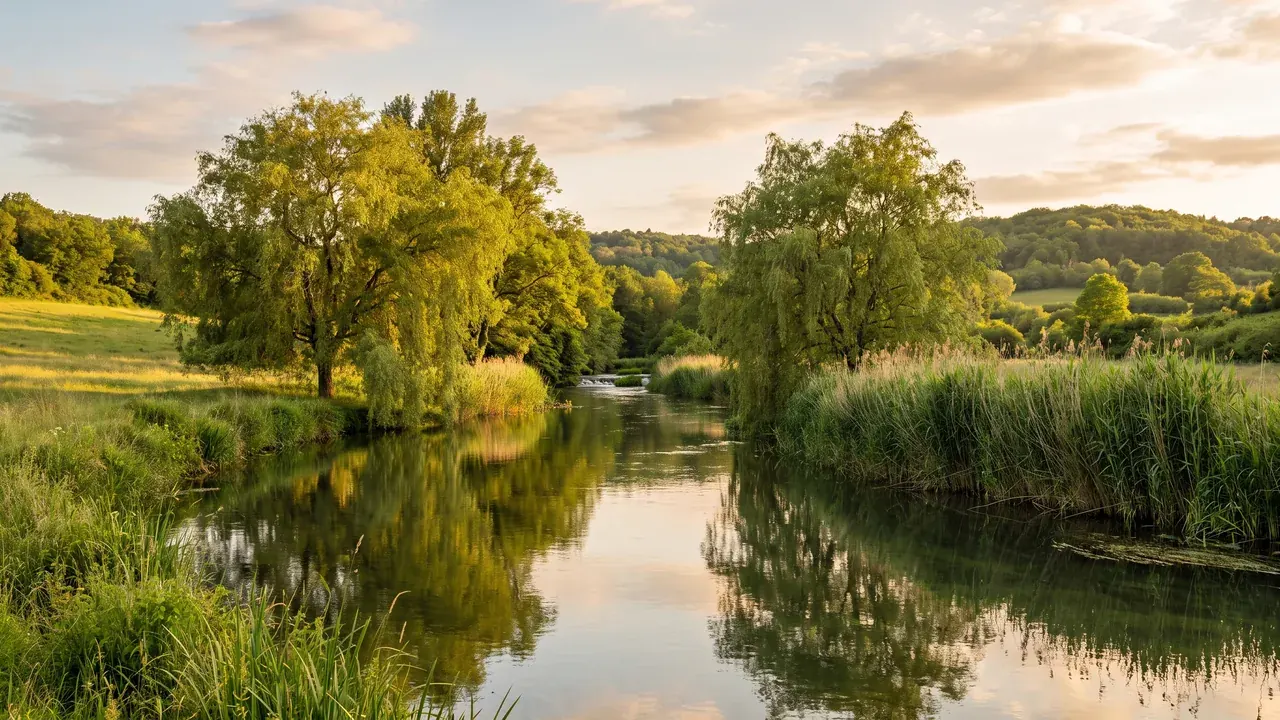
Visiting the spring is like a small, secular pilgrimage. There is a washhouse there, a remnant of a time when all domestic life revolved around running water. The Boutonne River, born here, then flows westward for about a hundred kilometers before emptying into the Charente River—of which it is a tributary—near Tonnay-Boutonne. The river’s course has long shaped life in the region: washhouses, mills, and vegetable gardens clung to its banks. The washhouses of Chef-Boutonne — the one at the spring, as well as those in Javarzay with its washerwomen’s house, at Moulin Neuf, and in Pouvareau — remained in use until around 1960, which is surprisingly recent. Walking from one to the next is like following the river’s course and traveling back in time by barely half a century.
Forty-one mills on the Boutonne River
The water from the Boutonne River wasn't just used for washing clothes—it drove the local economy. In the Deux-Sèvres department, the Boutonne River once served as 41 water mills, including 14 for the municipality of Chef-Boutonne alone. Source: City of Chef-Boutonne, local heritage. This figure reflects the intensity of the milling activity that once thrived in the valley: grain was milled here, but water power was also used for other rural industries. To explore all of this on foot, the town offers the “ At the Headwaters of the Boutonne ", a loop of about 4.2 km a one-and-a-half-hour hike starting from Javarzay Castle; a second trail, “ Hidden Nature " (~4.5 km) rounds out the walk. These trails, managed by the Mellois en Poitou Community of Municipalities, connect the spring, the washhouses, the riverbanks, and the castle grounds—the best way to understand, as you walk, why this town is named after its river.
Churches and Stone Heritage
Beyond its castle, Chef-Boutonne boasts a beautiful architectural heritage, dominated by two churches that are polar opposites in terms of their historical periods: one Romanesque and medieval, the other from the 19th century, separated by seven hundred years of history. Added to these are the washhouses, the market hall, and the tuffeau-stone houses that give the “Petite Cité de Caractère” its visual unity. It is a heritage site modest in scale but dense and cohesive, where each building tells a chapter in the town’s history—from the medieval parish of Javarzay to the market town of the Second Empire. One detail to keep in mind: the two churches and the castle have different dates of designation, and it’s easy to confuse them.
Saint-Chartier Church in Javarzay
The Saint-Chartier Church in Javarzay is the oldest religious monument in the town. Romanesque, dated 12th century, she was designated a Historic Monument in 1840 — that is, twenty-two years before the castle, and in an entry entirely separate from its own. Be sure to keep these two dates straight so as not to confuse them: the church in Javarzay is listed as 1840, the Château de Javarzay in 1862. Located within the territory of the former parish of Javarzay, which was later incorporated into Chef-Boutonne, it bears witness to the area’s long history of settlement and the Romanesque fervor that spread throughout Poitou, filling the region with churches built of pale stone and featuring semicircular portals. Its location, just a few steps from the castle of the same name, serves as a reminder that Javarzay was long a community in its own right before merging with its neighbor.
The Church of Notre-Dame in Chef-Boutonne
Contrary to the chronology, the Notre-Dame Church in Chef-Boutonne is a much more recent building: it was built in 1826, based on the architect's plans Pierre-Théophile Segrétain. Its construction was part of the widespread movement to rebuild parish churches in the wake of the Revolution and the Concordat, when municipalities built new churches to replace those that had been demolished or sold. Segrétain, an architect active in the Deux-Sèvres department, designed several public and religious buildings in the region. Between the Romanesque church of Javarzay and this 19th-century church, visitors can see at a glance the diversity of styles and eras that the new municipality now brings together within a single territory.
Washing houses, market hall, and tuffeau stone houses
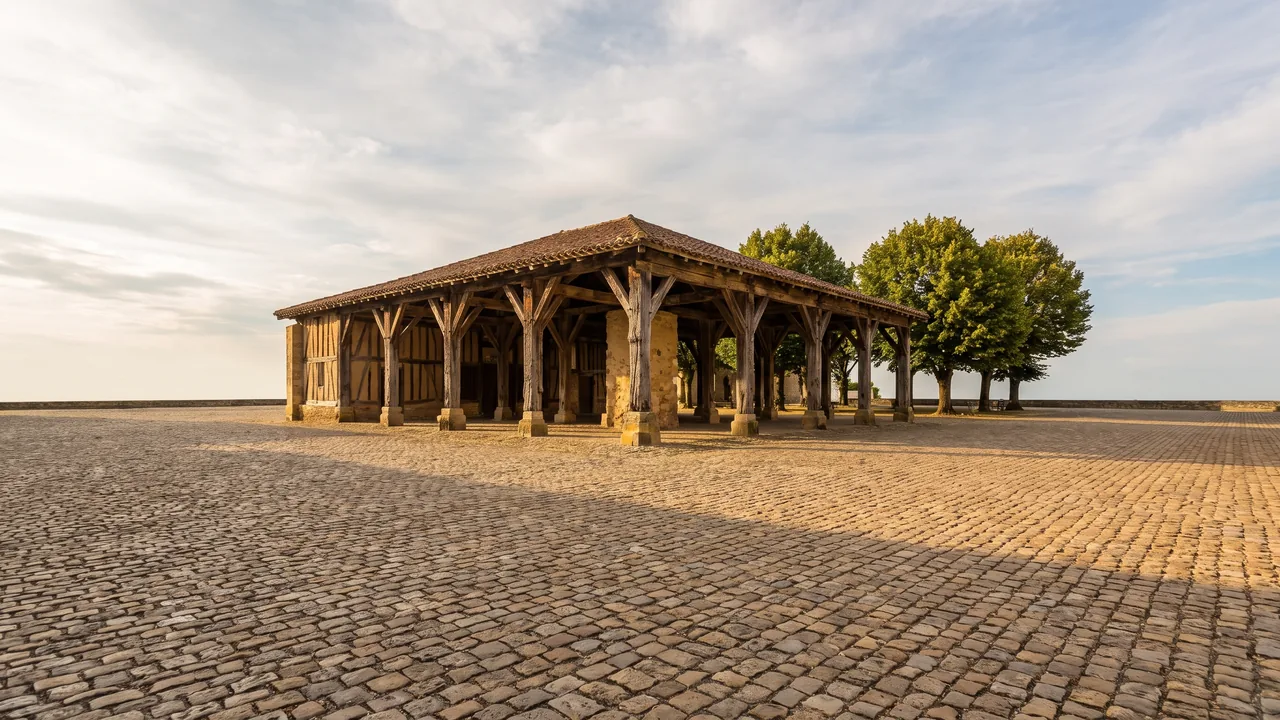
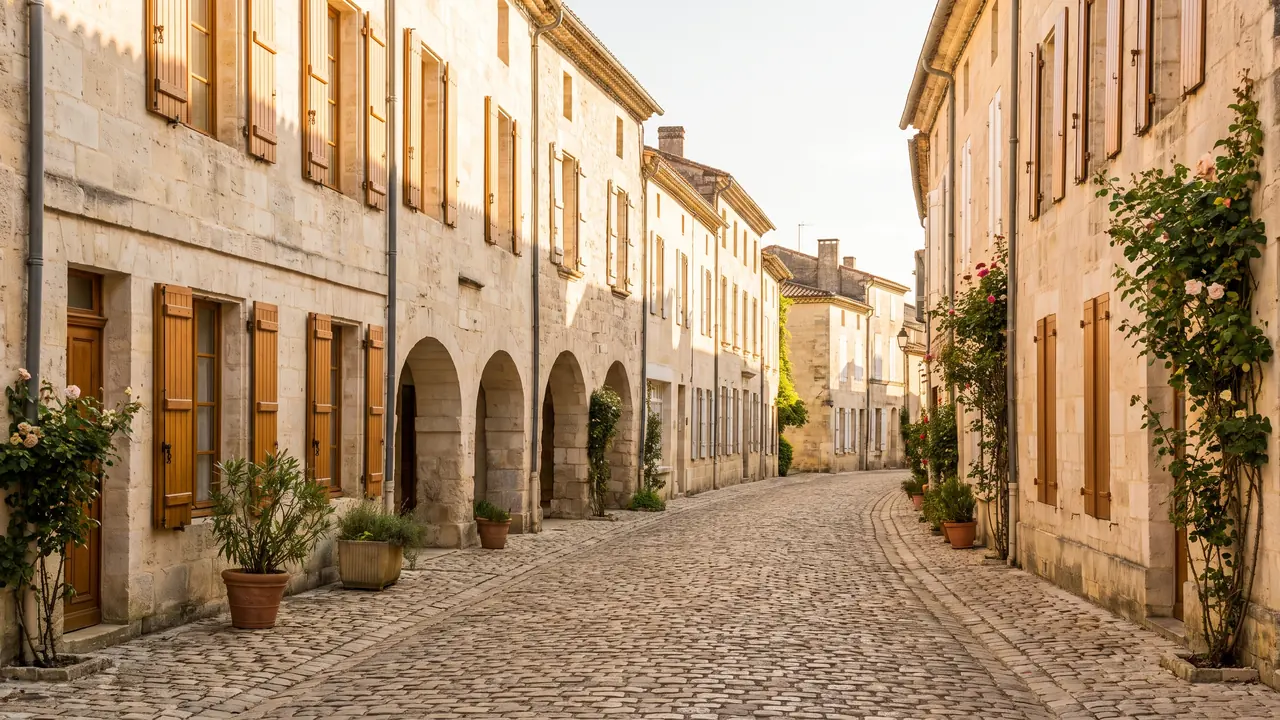
The rest of the town’s heritage can be explored as you wander through the streets. The washhouses, mentioned earlier, dot the banks of the stream and offer a glimpse into daily life before 1960. The market hall, built of stone with a wooden frame, marks the center of the commercial district, where the Saturday market is still held. All around, the tuffeau stone houses with their light-colored shutters form a cohesive, understated, and bright ensemble, typical of the small towns of the Mellois region. It is this consistency—the same stone, the same proportions, the same patina—that earned Chef-Boutonne its “Petite Cité de Caractère” designation. There’s nothing monumental here, but rather a well-preserved, small-town-scale urban fabric that invites you to explore it at a leisurely pace, your eye drawn to a carved lintel, an antique door, or the straight line of a narrow alley.
Chef-Boutonne Through the Centuries
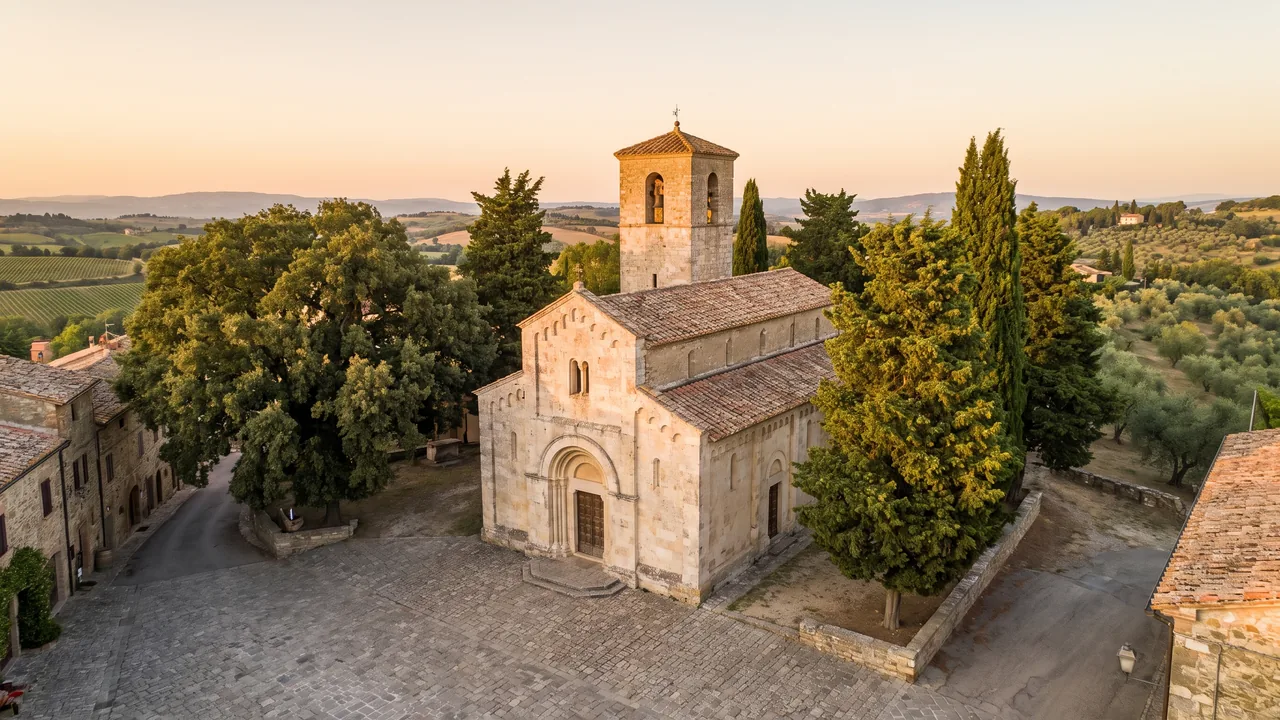
To understand Chef-Boutonne is to trace the history of a spring that became a fortress, then a market town, and finally a new municipality. The common thread remains the same: the gushing water, the strategic passage it controls, and the people who have succeeded one another in capitalizing on this starting point. From the medieval stronghold to the village of today, each century has left its mark—a castle, a church, an industrialist’s name—in a region that has never been large but has always carried a bit more weight than its size would suggest.
From the Medieval Fortress to the Revolution
Tradition has it that in 1061, William VIII of Aquitaine set out from the fortress of Chef-Boutonne to attack the Count of Anjou. Take this account for what it is—a legend passed down through the generations rather than a firmly established fact—but it attests to the existence, from very early on, of a stronghold at this strategic location. The town grew slowly: it had a population of 1,280 in 1714. The medieval castle, distinct from the Renaissance castle of Javarzay, was demolished at the start of the Revolution, and the village chapel was razed in 1824, which explains the construction of the Church of Notre-Dame around 1826. It was also during the Revolution that the neighboring parishes of Javarzay and Lussais, which had previously been separate, were annexed to Chef-Boutonne — with Javarzay sometimes dated to 1858 — bringing the famous castle and its Romanesque church into the municipal boundaries.
From an industrious town to a new municipality
The 19th century was a time of rapid growth: it was during this period that Chef-Boutonne gave birth to Jean-François Cail and acquired a new church, a market hall, and a network of shops and fairs. But the 20th and 21st centuries brought a steady population decline, a trend common to so many rural towns: the population has steadily decreased, falling from 2,583 residents in 2016 about 2,371 in 2023. To maintain services and reduce administrative burden, the municipality took a decisive step on January 1st, 2019 by becoming a new municipality: it merged with Tillou, Crézières, and La Bataille. It is this expanded Chef-Boutonne—a blend of historic town and rural hamlets—that we visit today: a small rural capital that relies on its heritage and its “Petite Cité de Caractère” designation to attract visitors.
What is there to do in Chef-Boutonne?
In Chef-Boutonne, you can spend a nice half-day—or even a full day, including the surrounding area—enjoying a concrete and varied itinerary. Start with the Château de Javarzay and its headdress museum, the highlight of the tour; then walk to the “sources” of the Boutonne River, all the way to the washhouse where the river begins; stroll through the tuffeau-stone streets of this “Petite Cité de Caractère” (Petite Cité de Caractère) and stop by the market hall, especially on Saturday mornings, market day. For seasonal events, check the City of Chef-Boutonne’s calendar before setting your date. Finally, the marked hiking trails—“Aux sources de la Boutonne” and “Nature cachée”—allow you to extend your exploration of the Mellois countryside. Here are the key details you’ll need to know to plan your visit.
- Visit Javarzay Castle and its Headwear Museum — the listed Renaissance building, its two remaining towers, the yew hedge marking the sites of the twelve lost towers, and the collections of Poitou headdresses from the late 19th century and the early 20th century (9 Avenue des Fils Fouquaud).
- Take a walk to the “source” of the Boutonne—the spring gushes forth beneath a washhouse at the corner of Rue de la Justice and Rue Hippolyte-Hainaut in downtown.
- Visit the Saturday morning market—in the town square, around the market hall, featuring local products from the Mellois region (roughly from 8 a.m. to 1 p.m.; check with the tourist office at 1 Place Cail for confirmation).
- Take the “Aux sources de la Boutonne” trail—a loop of about 4.2 km (~1 hr 30 min) starting at the castle, passing by springs, wash houses, and riverbanks.
- Hike the “Hidden Nature” trail—a second marked trail of about 4.5 km through the surrounding countryside.
- Discover the washhouses—the one by the spring, as well as the washerwomen’s house in Javarzay, which was in use until around 1960.
| Activity | Where / When | Good to Know |
|---|---|---|
| Javarzay Castle + Headwear Museum | 9 av. des Fils Fouquaud · season | headdress collections; seasonal hours, to be confirmed |
| Source de la Boutonne | Rue de la Justice / Rue Hippolyte-Hainaut | A river that originates beneath a washhouse; open to the public |
| Market | Downtown · Saturday morning | Local products from the Mellois region; hours to be confirmed through the tourist office |
| "At the Source of the Boutonne" Tour | Start at the castle · ~4.2 km | Loop ~1 hr 30 min, spring, wash houses, riverbanks |
How long should I stay?
For Chef-Boutonne alone, expect a half-day: The castle and its museum take a good hour to explore, the spring and the washhouses another, and a leisurely stroll through the village nicely rounds out the experience. For a full day, link the town to its neighboring towns: Melle and its silver mines are just sixteen kilometers away, and you can continue on to Niort or to the Cognac vineyards further south. This is actually the ideal format for a day trip from Bordeaux: leave in the morning, visit Chef-Boutonne and Melle in the same day, and return in the late afternoon. A driver who coordinates the routes and schedules between the two sites makes this combination particularly seamless, without having to worry about the roads in the Mellois region or parking in the small towns.
Strolling Through the "Petite Cité de Caractère"
Chef-Boutonne holds the “Petite Cité de Caractère de Nouvelle-Aquitaine” designation, a regional network that brings together some 30 municipalities recognized for the quality of their heritage and built environment—approximately 38 municipalities in Nouvelle-Aquitaine alone. This designation recognizes small towns with fewer than 6,000 residents that possess remarkable heritage and are committed to its preservation. For visitors, it’s a guarantee: behind that sign at the town’s entrance lies a well-preserved, cohesive historic center that’s well worth the detour. In Chef-Boutonne, strolling is the best way to explore: here, you don’t just check things off a list—you take your time.
The charm of a small market town
We stroll through the streets of pale stone, past the tuffeau-stone houses with their light-colored shutters, all the way to the market hall, which marks the commercial center. We head down toward the washhouses and the spring, then back up toward the church and the castle. The atmosphere is that of a small market town in Poitou: no tourist crowds, no souvenir shops, just the everyday life of a rural town going about its business. This is precisely what travelers weary of overcrowded sites are looking for: an authentic place, on a human scale, where heritage blends into daily life rather than being displayed behind glass. On a Saturday morning—market day—the town comes alive and shows its true character; on other days, it offers the calm and unhurried pace of rural Poitou, which time seems to have spared. Be sure to wear comfortable shoes: everything is within walking distance, and it’s by walking that you truly grasp the flow of the water that shaped the town.
Melle and the Frankish Kings' Silver Mines
Just sixteen kilometers from Chef-Boutonne, in the same Deux-Sèvres department, the small town of Melle (population approximately 5,752) is definitely worth including in your itinerary. It boasts two treasures: a one-of-a-kind ancient mining site and a group of three remarkable Romanesque churches. This is the most natural way to round out a day in Chef-Boutonne, and the distance—less than twenty minutes by car—makes it easy to visit both towns back-to-back. Melle and Chef-Boutonne are part of the same intermunicipal community, Mellois en Poitou, and share the same gentle limestone plateau; visiting them together provides a cohesive picture of this unassuming corner of southern Poitou.
The Silver Mines of the Frankish Kings
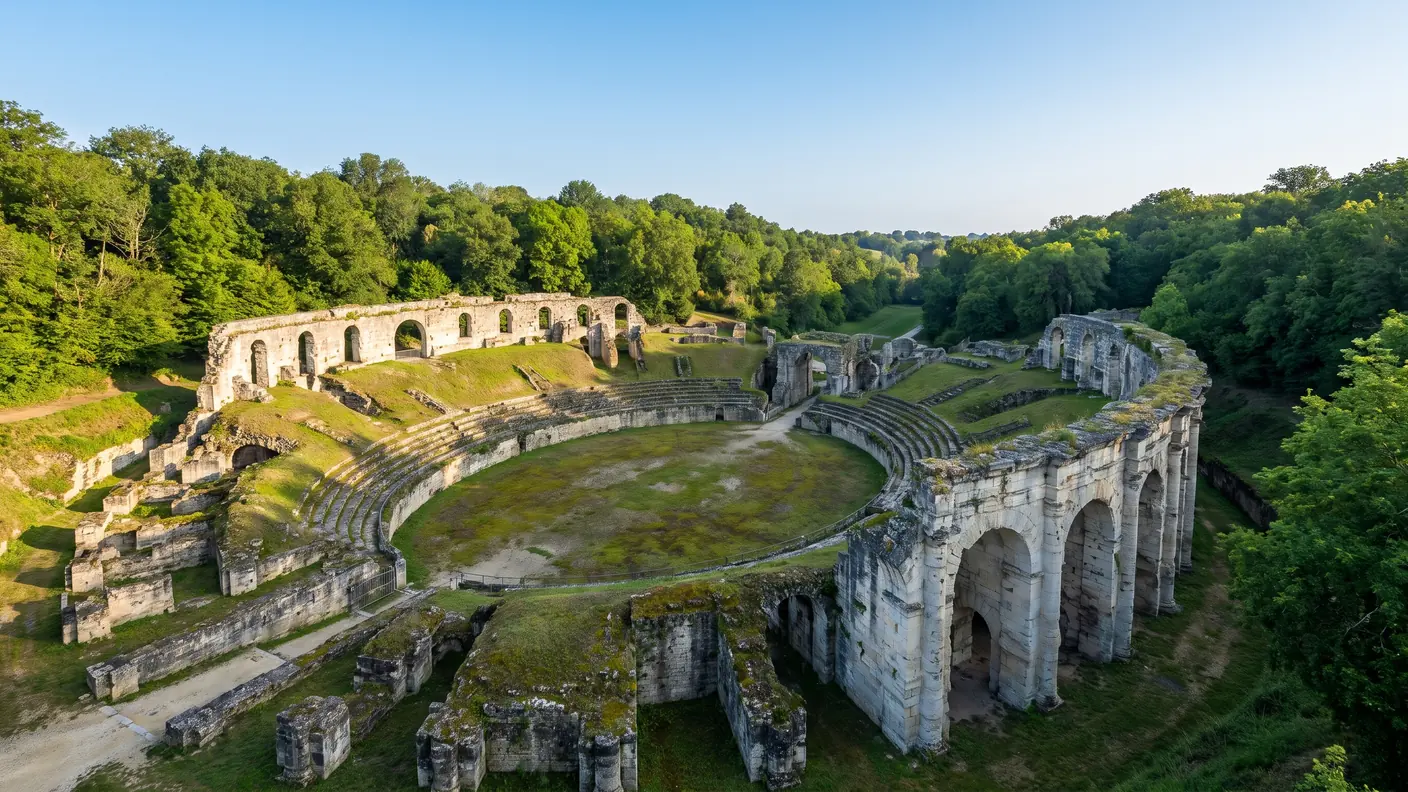
The most spectacular site in Melle is that of the Frankish Kings' Silver Mines. Between the 7th and 10th centuries, miners extracted silver-bearing lead: that is, silver obtained by smelting lead ore. This silver was used to mint the Carolingian deniers, the silver currency of the empire of Charlemagne and his successors. Today, visitors can see the underground tunnels dug by medieval miners, as well as a museum that brings to life the techniques of mining and metallurgy. It is one of the oldest mines in Europe open to visitors and a rare testament to industrial activity in the early Middle Ages: descending into these tunnels is like walking where metal was once extracted from the ground to finance an empire. A cool and captivating tour, especially popular in the summer, just a few minutes from Chef-Boutonne.
Three Romanesque churches, only one of which is a UNESCO World Heritage Site
Melle owns three Romanesque churches, which is exceptional for a city of this size. Be careful, however, of a common misconception: just one of them is listed as a UNESCO World Heritage Site. It is Saint-Hilaire de Melle, designated a Historic Monument in 1914 and listed by UNESCO as part of the “Routes of Santiago de Compostela in France.” Source: UNESCO, List of Components of Property No. 868. The other two — Saint-Pierre (designated a historic monument in 1862) and Saint-Savinien — are beautiful, protected monuments, but are not components of the UNESCO property. Do not apply this label to them. That said, a tour of these three buildings offers a condensed overview of Poitou Romanesque art, with its carved portals, ornate capitals, and light-colored stone—an ideal extension of the Romanesque church in Javarzay, which you can explore in Chef-Boutonne.
Around Chef-Boutonne
Chef-Boutonne is a base in the countryside from which to explore several heritage sites, provided you have a car—since public transportation options are limited there. Beyond nearby Melle, you can head toward Niort, the prefecture of Deux-Sèvres and the gateway to the Marais Poitevin, this “Green Venice” where you can navigate by flat-bottomed boat among the pollarded ash trees. To the west, in Charente-Maritime, Saint-Jean-d’Angély is home to a royal abbey, also listed by UNESCO as part of the Routes of Santiago de Compostela. And further south lies the Cognac wine region, at the gateway to the Charentes, with its wine cellars and brandy distilleries. Chef-Boutonne is thus located at the center of a triangle where Romanesque art, marshes, abbeys, and vineyards converge.
Less than an hour
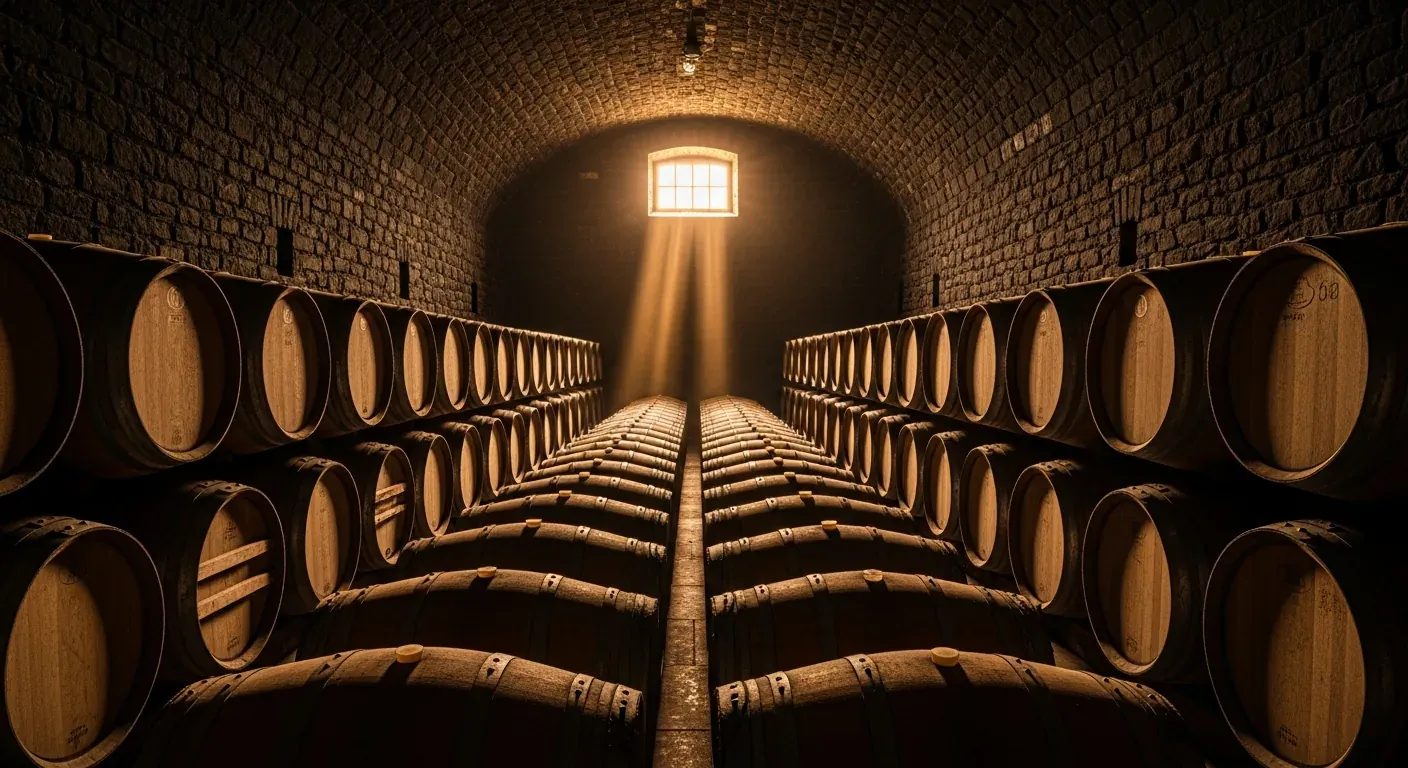
The distances are reasonable, making it easy to combine visits. Melle is a quarter of an hour away, Niort and Saint-Jean-d'Angély about 50 minutes each. From there, the major cities of the Charentes region are not far away: the entire northern part of Nouvelle-Aquitaine is within reach. To plan a longer getaway, check out our neighboring guides—the Rome of Aquitaine in Saintes, the distilleries in Cognac or the Old Port of La Rochelle — to plan a customized itinerary through the Charentes and Poitou regions, combining several stops into a single trip.
| Destination | Distance | Must-See |
|---|---|---|
| Melle | ≈ 16 km | Silver Mines of the Frankish Kings, 3 Romanesque Churches |
| Niort | ≈ 47 km | Prefecture, keep, gateway to the Marais Poitevin |
| Saint-Jean-d'Angély (17) | ≈ 45 km | Royal Abbey, UNESCO Santiago de Compostela |
| Cognac vineyards | to the south | Wine Cellars and Brandy Distilleries of the Charentes Region |
How to get to Chef-Boutonne from Bordeaux
The easiest way to get to Chef-Boutonne from Bordeaux is to take the direct route via the A10, then follow the roads through the Mellois region. The village has poor train service—it has no active train station connected to the main lines—and bus connections are infrequent and slow. With a private driver, you’ll depart from your home or the Bordeaux-Mérignac Airport and arrive directly at the foot of the Château de Javarzay, without having to change vehicles or search for parking in the village’s narrow streets. This is the best way to reach a rural destination like this.
How much does the ride cost?
The route from Bordeaux to Chef-Boutonne covers about 189 km in 2 hours 20 minutes via the A10 and the roads of the Mellois region. Our rates start at €428 during the day, for a sedan carrying up to 3 passengers, a fixed price confirmed in writing before departure—no meter, no surprises upon arrival. The exact quote depends on the specific pickup address, the time of day (a surcharge applies at night, on weekends, and on holidays), and the vehicle chosen—sedan or van. For a day combining Chef-Boutonne and Melle, or an extension to Niort, request a customized quote: the driver will remain at your disposal and manage all trips on-site.
| Route | Distance | Duration | From |
|---|---|---|---|
| Bordeaux → Chef-Boutonne | ≈ 189 km | ~2 hours 20 minutes | 320 € |
| Bordeaux-Mérignac Airport → Chef-Boutonne | ≈ 185 km | ~2 hours 20 minutes | based on a quote |
| Route Extension Chef-Boutonne → Melle | ≈ 16 km | ~18 min | based on a quote |
Why choose a chauffeur service?
A executive car service makes all the difference. On a trip lasting more than two hours, you can read, relax, or plan your visit while we drive; we’ll drop you off as close as possible to the castle, and we’ll pick you up wherever you’d like—at the spring, at the market square, or after a stop in Melle. For a destination with such limited rail access, this option eliminates the hassle of figuring out connections and car rentals. It’s ideal for an outing with family or friends—without needing a designated driver on the winding roads of the Mellois region—as well as for business travel. The vehicle is clean, air-conditioned, equipped with water on board, and driven by a uniformed driver, and you travel at your own pace. Explore all our destinations to plan other getaways in the Charentes and Poitou regions.
Frequently Asked Questions
How much does a chauffeured transfer cost from Bordeaux to Chef-Boutonne?
The trip from Bordeaux to Chef-Boutonne (approximately 189 km, 2 hours 20 minutes via the A10 and the roads through the Mellois region) starts at 428 € during the day for a sedan carrying up to 3 passengers. The price is fixed, confirmed in writing before departure, with no meter. The exact amount depends on the pickup address, the time of day, and the vehicle selected. A surcharge applies at night, on weekends, and on holidays.
What is there to do in Chef-Boutonne?
We visit the Renaissance castle of Javarzay and its headwear museum (featuring some 400 Poitou-style caps), we’ll walk “to the headwaters” of the Boutonne River to the washhouse where the river begins, stroll through the tuffeau-stone streets of this “Petite Cité de Caractère” (Petite Cité de Caractère), and visit the Saturday morning market. Events vary by season; check the town’s calendar before you visit. Two marked trails round out the experience.
Where is Chef-Boutonne located?
Chef-Boutonne is a commune in the southern part of the Deux-Sèvres department (79), in the Nouvelle-Aquitaine region, within the Niort arrondissement and the Mellois region. Please note: the region is no longer called “Poitou-Charentes,” as that designation was abolished in 2016. The village has a population of approximately 2,371 and is located 16 kilometers from Melle, about 50 kilometers from Niort, and approximately 189 km from Bordeaux—a 2-hour-and-20-minute drive.
Why is the city called Chef-Boutonne?
The name comes from the river that has its source there: the Boutonne. “Chef” is derived from the Latin *Caput*, meaning “head,” in the sense of source or beginning. Chef-Boutonne therefore means “the head of the Boutonne.” The river literally springs forth right in the middle of town, beneath a washhouse, at the corner of Rue de la Justice and Rue Hippolyte-Hainaut—a rare case of a town born from its own spring.
Has Javarzay Castle retained its twelve towers?
No. Its original enclosure had twelve towers, but only two remain today: the entrance gatehouse and a large corner tower with a conical roof. In the courtyard, a hedge of trimmed yew trees marks the locations of the ten lost towers on the ground. The Renaissance-style castle was built in the early 16th century, around 1514–1515, under François de Rochechouart, and was designated a Historic Monument in the 1862 list.
What is the Chef-Boutonne Headwear Museum?
This is the municipal museum of art and history, housed in the Château de Javarzay. It features women’s headdresses and bonnets from the Poitou region dating from the late 19th and early 20th centuries, the history of the castle, and a section dedicated to the industrialist Jean-François Cail, a native of the town. In the countryside of that era, a headdress immediately revealed at a glance the wearer’s hometown and marital status: a rare collection of this vanished textile heritage.
Who was Jean-François Cail?
Jean-François Cail (born in Chef-Boutonne on February 8, 1804, the son of a wheelwright) was one of the greatest industrialists of the Second Empire. An engineer and manufacturer, he founded the Cail company, which produced locomotives—including the Crampton type—as well as equipment for sugar refineries and distilleries. His name is among the 72 scientists engraved on the Eiffel Tower. However, he did not “invent the TGV”: he was a locomotive builder, not the father of high-speed rail.
Is Javarzay Castle open to visitors?
Yes, Javarzay Castle is open to visitors during the season and houses the Headwear Museum. There, you can explore the entrance gatehouse, the Renaissance corner tower, the chapel, and the yew hedge that marks the locations of the twelve towers. It is located at 9 Avenue des Fils Fouquaud, in Chef-Boutonne. Hours vary by season: it’s best to confirm them with the tourist office (1 Place Cail) before visiting.
What is there to see around Chef-Boutonne?
Sixteen kilometers away, Melle features the Frankish Kings’ Silver Mines (underground tunnels and a museum) and three Romanesque churches, including Saint-Hilaire, a UNESCO World Heritage Site. Niort, the prefecture of Deux-Sèvres and gateway to the Marais Poitevin, is about fifty minutes away, as is Saint-Jean-d’Angély and its royal abbey (in Charente-Maritime). Further south lie the Cognac vineyards. Chef-Boutonne is thus a great base for exploring the Poitou and Charentes regions.
Are Melle and its three churches all on the UNESCO list?
No. Melle has three Romanesque churches, but only one is listed as a UNESCO World Heritage Site: Saint-Hilaire, as part of the Routes of Santiago de Compostela. Saint-Pierre (designated a Historic Monument in 1862) and Saint-Savinien are beautiful protected monuments, but they are not part of the UNESCO site. The town is also worth a visit for its Frankish kings’ silver mines, which were in operation between the 7th and 10th centuries.
When is the market held in Chef-Boutonne?
The market is held on Saturday mornings in the town center, around the market hall, roughly from 8 a.m. to 1 p.m., featuring local products from the Mellois region. Exact times should be confirmed with the tourist office, located at 1 Place Cail. This is when the town comes alive the most: a great day to combine a visit to the castle, the source of the Boutonne River, and the atmosphere of the Petite Cité de Caractère.
How long does it take to get from Bordeaux to Chef-Boutonne?
Allow about 2 hours and 20 minutes for the 189-kilometer drive, mainly along the A10 highway heading north, then along the roads of the Mellois region for the final few kilometers. The village is not located along the main highway route: you’ll need to exit the A10 near Niort or Saint-Jean-d’Angély to head inland. By car, you’ll arrive right at the foot of the castle, with no need to change roads or make any connections.
Is it possible to get to Chef-Boutonne by train from Bordeaux?
It’s inconvenient: Chef-Boutonne has poor rail service, with no station connected to the main lines, and bus connections from nearby stations are infrequent and slow. It’s precisely for this type of rural destination that a private chauffeur makes all the difference: he’ll take you door-to-door from Bordeaux or Mérignac Airport to the château, and can follow up with a visit to Melle on the same day, without any transportation logistics to worry about.
Further Reading
- The Rome of Aquitaine: see the Saintes Guide (Roman amphitheater and Romanesque art, in the neighboring Charentes region)
- Brandy houses: see the Cognac Guide (cellars and vintages, further south toward the Charentes)
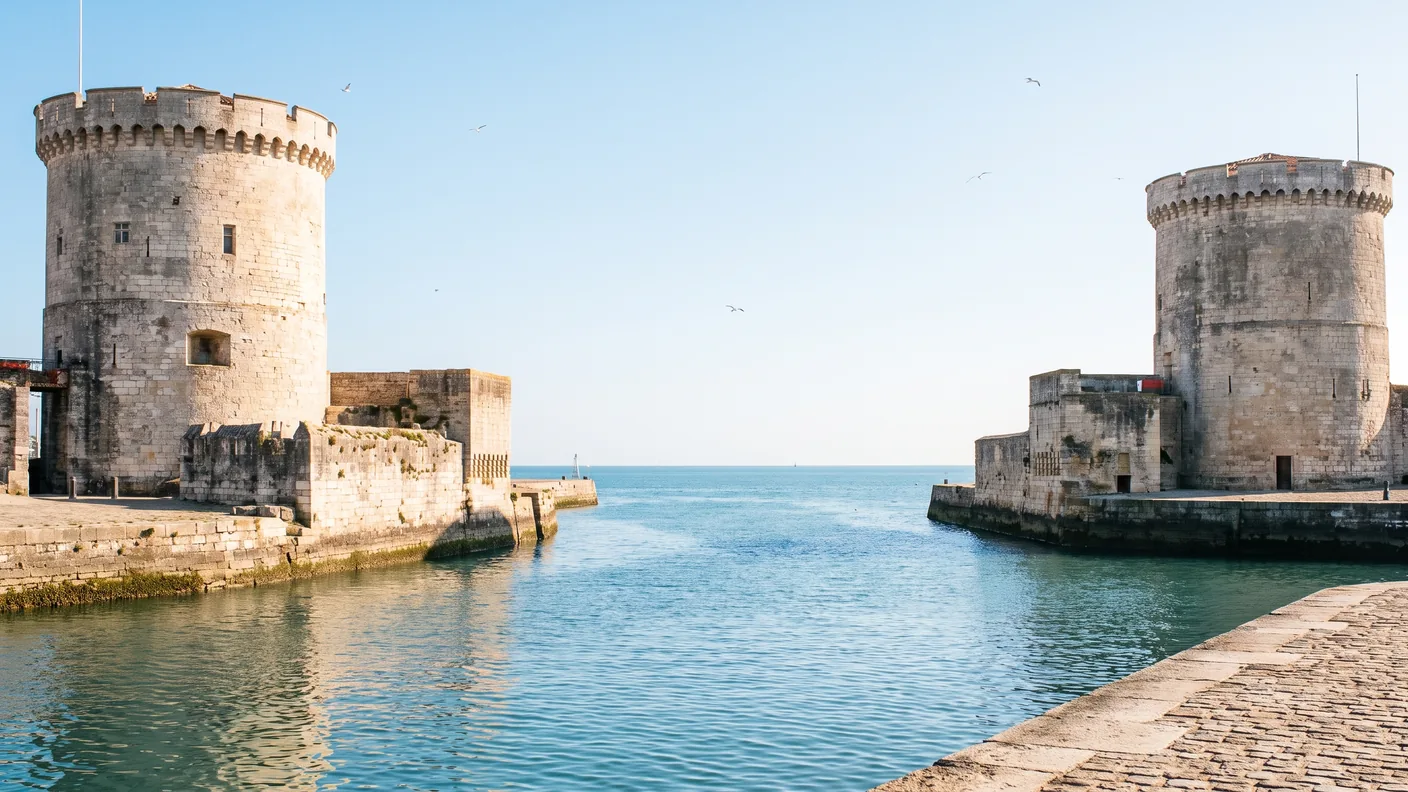
- The Old Port: see the La Rochelle Guide (the three medieval towers on the Atlantic coast)
- Book your trip: book online or browse all our destinations
Sources and References
- Javarzay Castle Museum — City of Chef-Boutonne — collections of headdresses, the castle, and Jean-François Cail
- Town of Chef-Boutonne — Heritage — Source of the Boutonne River and Mills
- Mérimée Database / POP (Ministry of Culture) — Historic Monument (MH) designation for the castle (PA00101216)
- Small Towns of Character in Nouvelle-Aquitaine — designation
- INSEE — Municipality of Chef-Boutonne (79083) — Demographics
- Tourism in Deux-Sèvres — Mellois in Poitou — tours, market, Melle
- UNESCO — The Routes of Santiago de Compostela in France (Property 868) — inscription and components, including Saint-Hilaire de Melle
Article updated on .
On the way to the source of the Boutonne
Direct transfer from Bordeaux (~2 hours 20 minutes via the A10) to the Château de Javarzay, its museum, and the Mellois region. Fixed-price quote in writing, with no obligation.