Bordeaux to La Palmyre: the zoo, Coubre Forest and Côte de Beauté
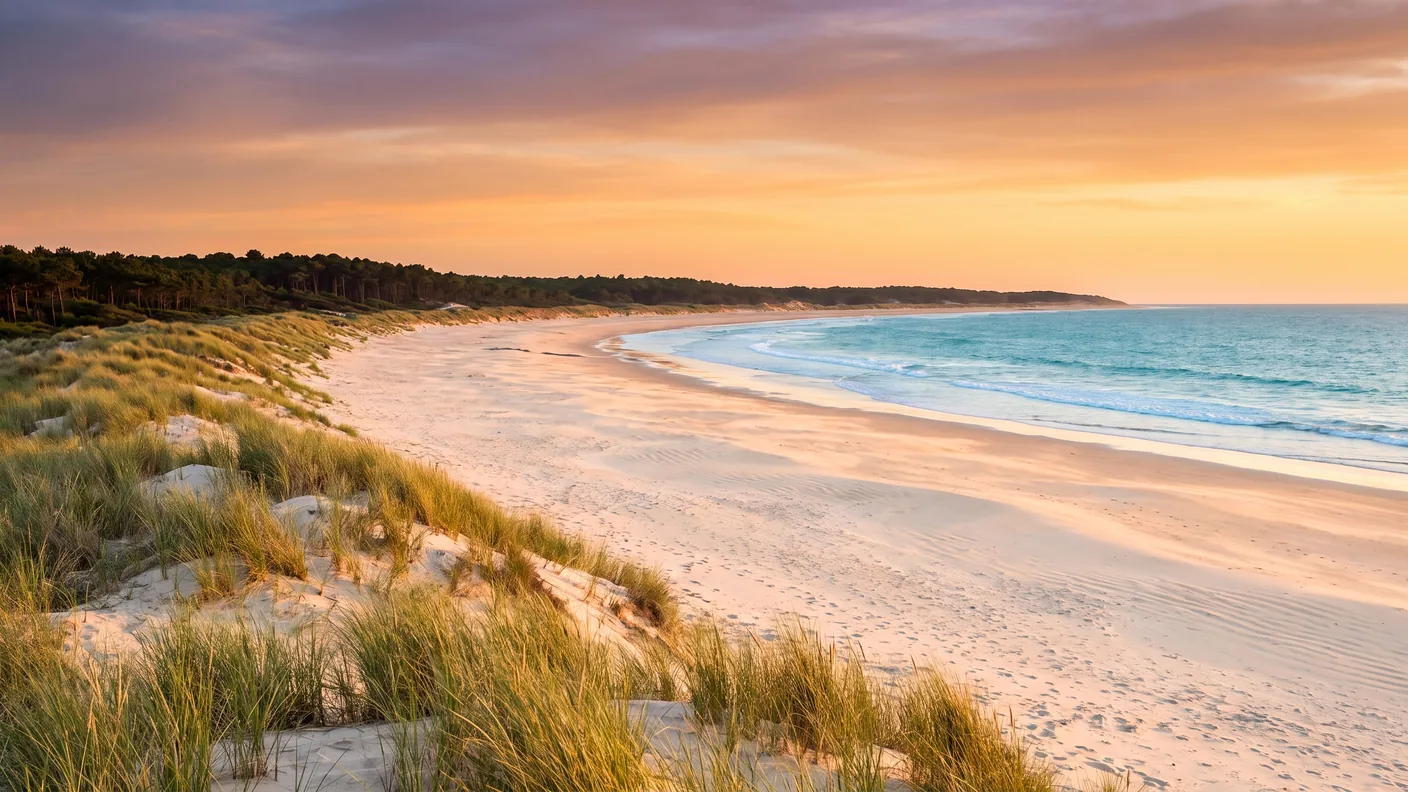
One of France’s most visited zoos, a pine forest spanning nearly 4,880 hectares, and a red-and-white lighthouse overlooking the Atlantic. A seaside resort in the town of Les Mathes, on the Côte de Beauté, La Palmyre combines beaches, nature, and wide-open spaces—all less than two hours from Bordeaux.
La Palmyre at a Glance
La Palmyre is not a municipality: It is the seaside resort in the municipality of Mathes (Charente-Maritime), born in the 1960s on the Arvert Peninsula, in the heart of the Côte de Beauté. People come here for three wonders. The La Palmyre Zoo First, opened in 1966, one of France's most visited wildlife parks, with more than 1,600 animals spread across 18 hectares. The La Coubre State Forest Next, nearly 4,880 hectares of pine trees planted in the 19th century century to stabilize the dunes. The Coubre Lighthouse Finally, France’s first lighthouse built entirely of concrete, standing 64 meters tall, which overlooks the neighboring town of La Tremblade. Surrounding it are long beaches, the Bonne Anse lagoon, and the oyster beds of Marennes-Oléron. Allow ~146 km from Bordeaux, about 1 hour and 56 minutes via the A10, or Starting at €245 by private car, door-to-door.
| Landmark | Details |
|---|---|
| Municipality | Les Mathes (17) · Charente-Maritime · Nouvelle-Aquitaine |
| Status | Seaside resort on the Côte de Beauté, Arvert Peninsula |
| Population | ≈ 2,180 residents in Les Mathes (Mathérons) |
| Must-Sees | La Palmyre Zoo · La Coubre Forest · La Coubre Lighthouse · beaches |
| From Bordeaux | ≈ 146 km · ~1 hr 56 min via the A10 · starting at €245 by private car |
Here's the first thing to keep in mind so you don't make a mistake: La Palmyre is a locality, not a municipality. On maps and signs, this is the name of a large seaside resort that occupies the southern tip of the municipality of Mathes — 2,180 residents, known as the Mathérons (INSEE, Population 2023) — on the Arvert Peninsula, right where the pine forest meets the Atlantic Ocean. The resort is barely over sixty years old: it sprang up in the 1960s around a zoo that would go on to become famous, then expanded to include campgrounds, vacation rentals, and resort villages, eventually becoming one of the major family resorts on the Charente coast. In the summer, the population increases twenty- or thirtyfold.
This guide covers everything you need to know before you come: exactly where La Palmyre is located, what there is to see at the zoo and why its reputation is well-deserved, what the vast Coubre Forest and its striped lighthouse are all about, where to swim safely, what you can do once you’re there, and how to arrive well-rested from Bordeaux without worrying about parking, which is scarce and expensive during peak season. Every figure cited here—distances, dates, dimensions—has been verified against the official sources listed at the end of the article, and we take care to distinguish between areas within Les Mathes and those belonging to neighboring municipalities.
Where is La Palmyre located?
La Palmyre is located at the southwestern tip of the municipality of Mathes, on the Arvert Peninsula, this corner of Charente-Maritime nestled between the Gironde estuary and the Atlantic Ocean. Administratively, the municipality is part of the Rochefort district and the urban community Royan Atlantique and the canton of La Tremblade; its INSEE code is 17225, its ZIP code is 17570. La Palmyre itself does not have its own ZIP code: it is one of the hamlets in the municipality, along with Le Grand Logis, La Baraque, La Fouasse, and Cravans. The station is entirely surrounded by the Coubre Forest, in the face of the Bonne Anse Bay, on this coastline that has been known since the early 20th century the Côte de Beauté — the stretch of beaches and cliffs that runs from Pointe de la Coubre to the Gironde.
The geography of the area can be summed up in a simple sequence: the sea, a long strip of dunes, then the pine forest, and finally the resort nestled among the trees. The town of Les Mathes covers 34.38 km² at an elevation that never exceeds 40 meters—a flat, wooded, sandy landscape where people mainly get around by bike in the summer. This remote location long isolated the area: it wasn’t until the 19th century, with the stabilization of the dunes, that the peninsula ceased to be a shifting desert, and it wasn’t until the 1960s that La Palmyre became a vacation destination. Today, it is one of the most popular resorts on the Côte de Beauté, equidistant from Royan to the south and La Tremblade to the north.
How far is it from Bordeaux?
From Bordeaux, it’s about 146 km and a 1-hour, 56-minute drive. The route takes the A10 highway north to the area around Saintes or Saintes-Saujon, then follows the roads of the Arvert Peninsula through the forest to the zoo. It’s not the fastest route in the region—the last part is on local roads, which are often busy in the summer—but it drops you off right at the zoo entrance, at the beach parking lots, or right outside your lodging. From La Palmyre, Royan is only about 20 minutes away, La Tremblade is a quarter of an hour away, and the major historic cities of the Charentes region—Rochefort and Saintes—are less than an hour away, making the resort a great base for exploring the area.
| From La Palmyre | Driving distance | Duration |
|---|---|---|
| La Tremblade | ≈ 12 km | ~15 min |
| Royan | ≈ 18 km | ~21 min |
| Rochefort | ≈ 45 km | ~45 min |
| Saintes | ≈ 52 km | ~52 min |
| Bordeaux | ≈ 146 km | ~1 hr 56 min |
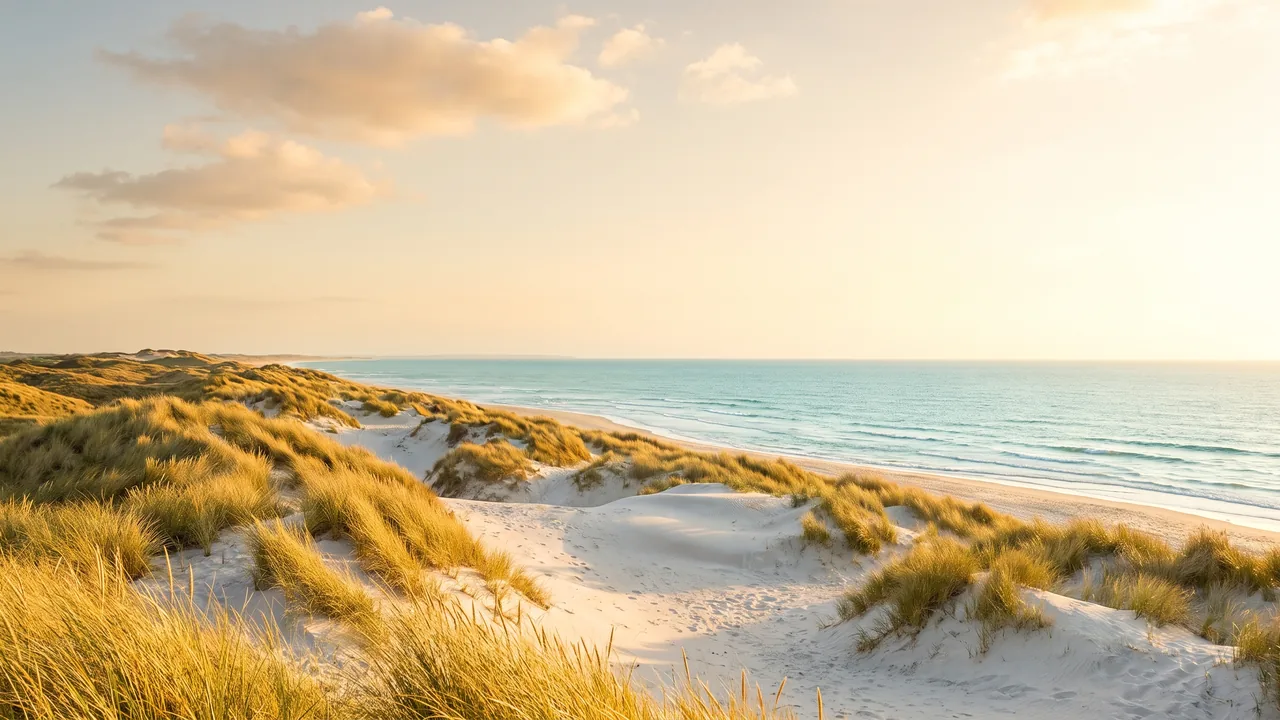
You have to picture this landscape to understand why it’s worth visiting: at La Palmyre, nature reigns supreme. The resort nestles in a clearing in the national forest, just a few hundred meters from the sea; the streets lead to bike paths that wind beneath the pine trees, and the trees themselves hide the sea until the very last moment. This interweaving of sand, trees, and water—the result of a century and a half of dune stabilization efforts—gives La Palmyre an atmosphere very different from that of concrete-filled resorts: here, there’s no sterile boardwalk, but rather a green resort where you can go from the shade of the pines to the dazzling beaches in just a few pedal strokes.
The La Palmyre Zoo
The La Palmyre Zoo is the resort's main attraction and one of the most popular attractions on the entire Atlantic coast. Opened in June 1966, it is currently rolling out 18 hectares a wooded park in the heart of the pine forest and features 1,600 animals of 110 species (La Palmyre Zoo, official figures accessed in 2026) — giraffes, lions, cheetahs, elephants, polar bears, gorillas, flamingos, giant otters. With approximately 600,000 visitors per year, it is one of the most visited zoos in France; today, it is the third private park in terms of visitor numbers, behind Beauval and Marineland. This success is nothing new: as early as its first season, in the summer of 1966, the zoo attracted some 129,500 visitors, a launch that determined the future of the entire station.
Claude and Irène Caillé: A Family Adventure
The zoo was born out of the passion of a couple, Claude and Irène Caillé—people often mention only Claude, but his wife was indeed a co-founder. In 1966, they opened a small wildlife park covering a few hectares on the edge of the forest, at a time when seaside tourism was just beginning to take hold on the peninsula. It was an instant success, and the business has always remained in the family: three generations of Caillés have led it in succession. Today, the park is chaired by Patrick Caillé, the founders’ son, and managed by his grandson, Pierre Caillé. It is a family business in every sense of the word, employing about fifty full-time staff and up to one hundred twenty during peak season. Claude Caillé passed away in March 2011; Irène, his co-founder, followed him a few months later, in September of the same year.
Today: 18 hectares and more than 1,600 animals
All that remains of the small park from its early days is its spirit. The zoo has expanded over the decades—for example, an area dedicated to great apes opened in 2009—to reach its current size of 18 hectares. The visitor trail, several kilometers long, winds through the pine trees, alternating between savanna enclosures, ponds, and aviaries. The zoo is a member of EAZA (the European Association of Zoos and Aquariums) and participates in European Endangered Species Programs (EEPs) designed to preserve threatened species, which places it firmly within a conservation framework rather than one of mere exhibition. Unlike the major monuments of the Charentes region, it is not designated as a historic monument: it is a relatively new private attraction whose value lies in its animal collections and forested setting, not in its age.
From its very first season, in the summer of 1966, the La Palmyre Zoo attracted nearly 130,000 visitors—a strong start that shaped the future of the entire resort.
Anecdotes and Memorable Moments
Sixty years of history have left us with some powerful images. The first gorillas arrived in 1974; the famous Rock of the Flamingos, which has become the park's visual symbol, dates back to 1984; and the enclosure of the giant otters was inaugurated more recently, in 2022. The zoo also had its moment in the media spotlight: in June 1988, and again in July 1990, the journalist Georges de Caunes voluntarily had himself locked up there for fifteen days in a cage labeled “ Homo sapiens ", a famous happening that humorously questioned the way people view captive animals. Attendance, meanwhile, peaked at 705,901 visitors in 2014, a record for the zoo; today, it attracts around 600,000 visitors annually, a figure that continues to make it one of the most visited zoos in the country.
| The Zoo by the Numbers | Details |
|---|---|
| Opening | June 1966 |
| Founders | Claude and Irène Caillé (3 generations) |
| Area | 18 hectares |
| Animals / Species | More than 1,600 animals · ~110 species |
| Attendance | ≈ 600,000 per year (record of 705,901 in 2014) |
| Rank | The third-largest private zoo in France |
| Status | Family-owned business · EAZA member · no historic preservation status |
The Coubre National Forest
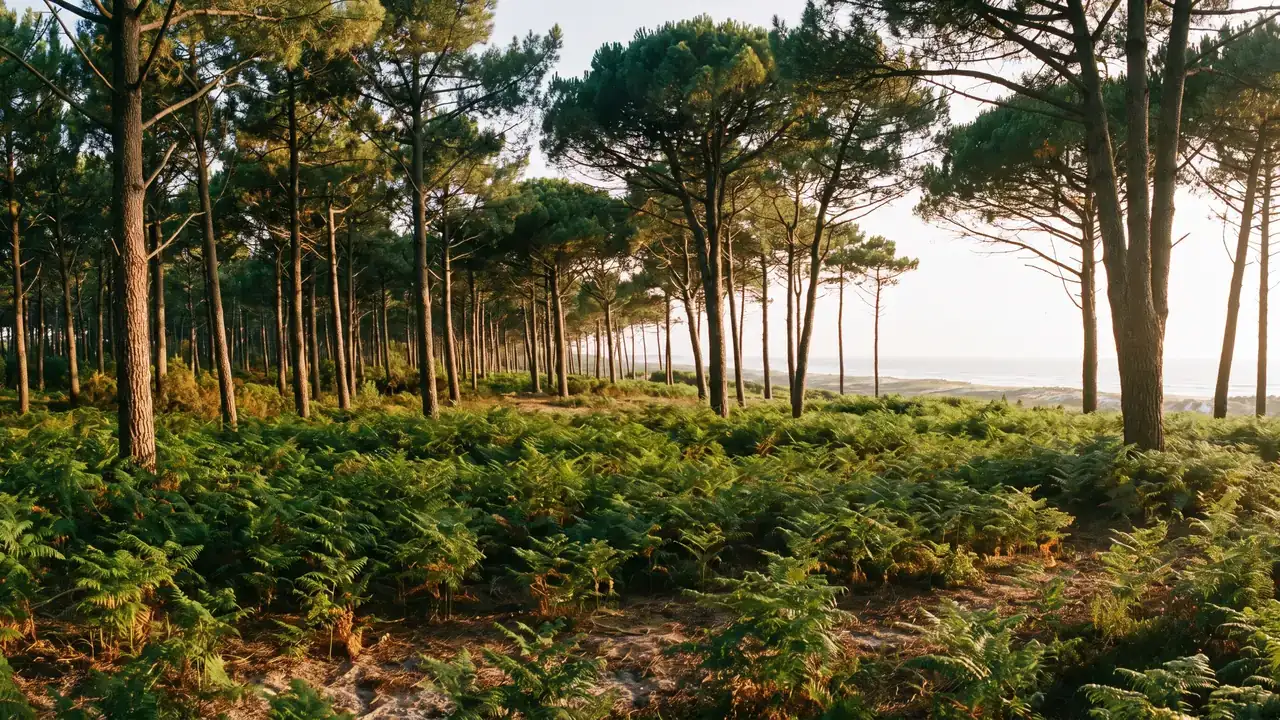
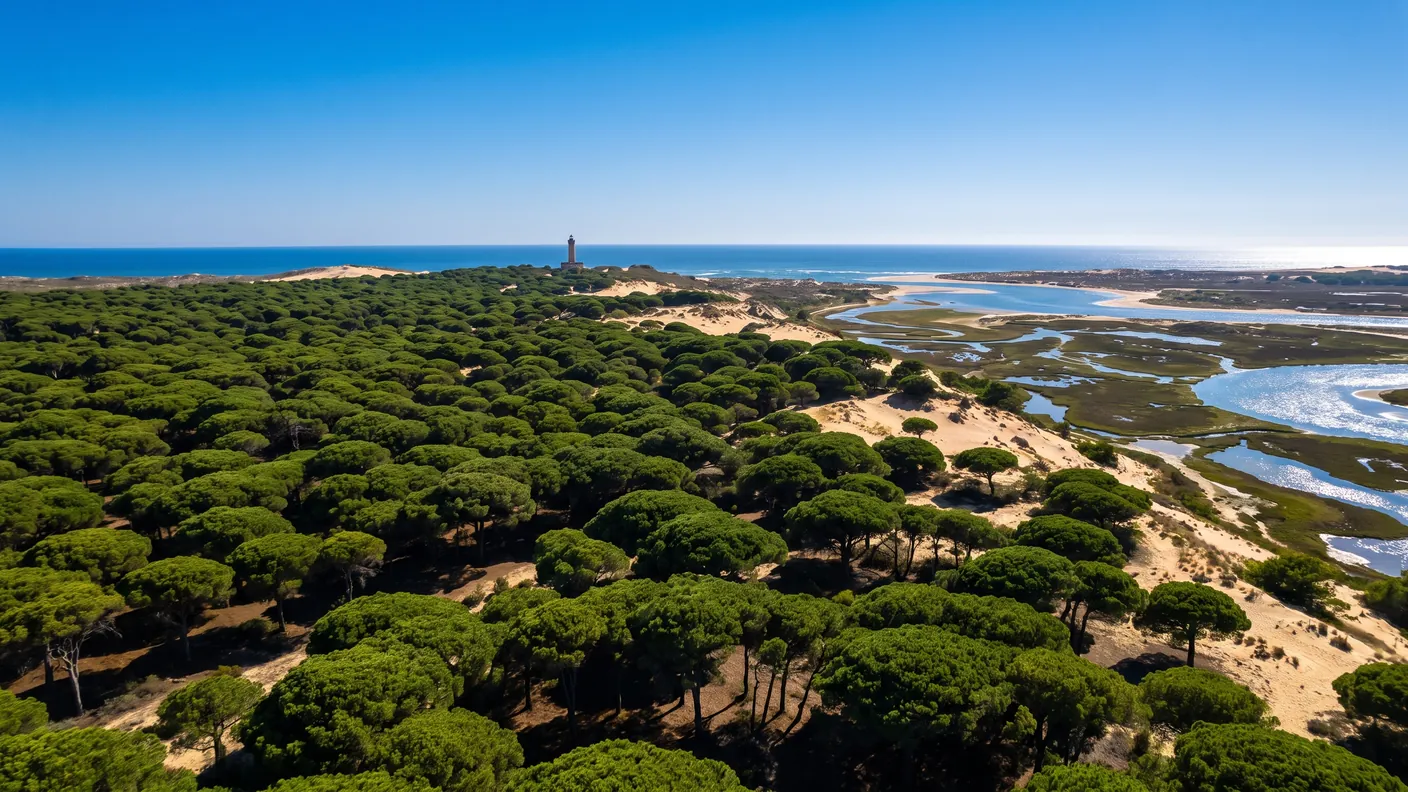
Surrounding La Palmyre lies one of the largest forested areas on the Atlantic coast: the La Coubre State Forest, a management area of 4,879.34 hectares for the 2021–2040 land-use plan, dominated by the maritime pine and managed by the National Forest Service (ONF, 2021–2040 Land-Use Plan). It’s important to note that this forest doesn’t belong solely to the Mathes family: it is shared among four municipalities — La Tremblade, Les Mathes, Saint-Augustin, and Saint-Palais-sur-Mer. This is not an ancient forest, but a recent human creation on a historical scale: an artificial afforestation project undertaken in the 19th century to halt the advance of the dunes, which threatened to bury roads, crops, and hamlets. Crisscrossed by bike paths and trails, it now serves as a backdrop to the resort and a link between the beaches.
Afforestation to Stabilize the Dunes
Before the pine trees were planted, the Arvert Peninsula was nothing but a vast expanse of shifting sand. Driven by westerly winds, the dunes advanced several meters each year, engulfing everything in their path. To stabilize them, the government launched a massive dune stabilization project: a decree of 1810 established the framework; the first pine seedlings were planted as early as 1824; and the work took on a new scale beginning in 1859 under the direction of forestry engineer Médéric de Vasselot de Régné. Beach grass was planted to hold the sand in place, followed by maritime pines to anchor it permanently. Within one or two generations, the shifting desert became the forest we know today—one of France’s finest examples of reclaiming a coastline through reforestation, of which La Palmyre is a direct descendant.
The wild, beautiful, and dangerous coast
Along its oceanfront, the forest borders what is known as the wild coast: more than 20 kilometers of beaches open, battered by the waves, and constantly changing, between Pointe de la Coubre and Ronce-les-Bains. The scenery is spectacular—tall dunes, rolling waves, a clear horizon—but let’s be clear: the Swimming is prohibited there along the entire wild stretch, to the left of the Coubre Lighthouse, because of strong currents and shifting sandbars which make swimming dangerous, even in calm waters. People come to the wild coast to hike, gaze out at the ocean, and watch experienced surfers—not to go swimming with their families. This instability is by no means trivial: the sea is constantly eroding the coast, and the forest is retreating year after year under the onslaught of erosion.
The Coubre Lighthouse
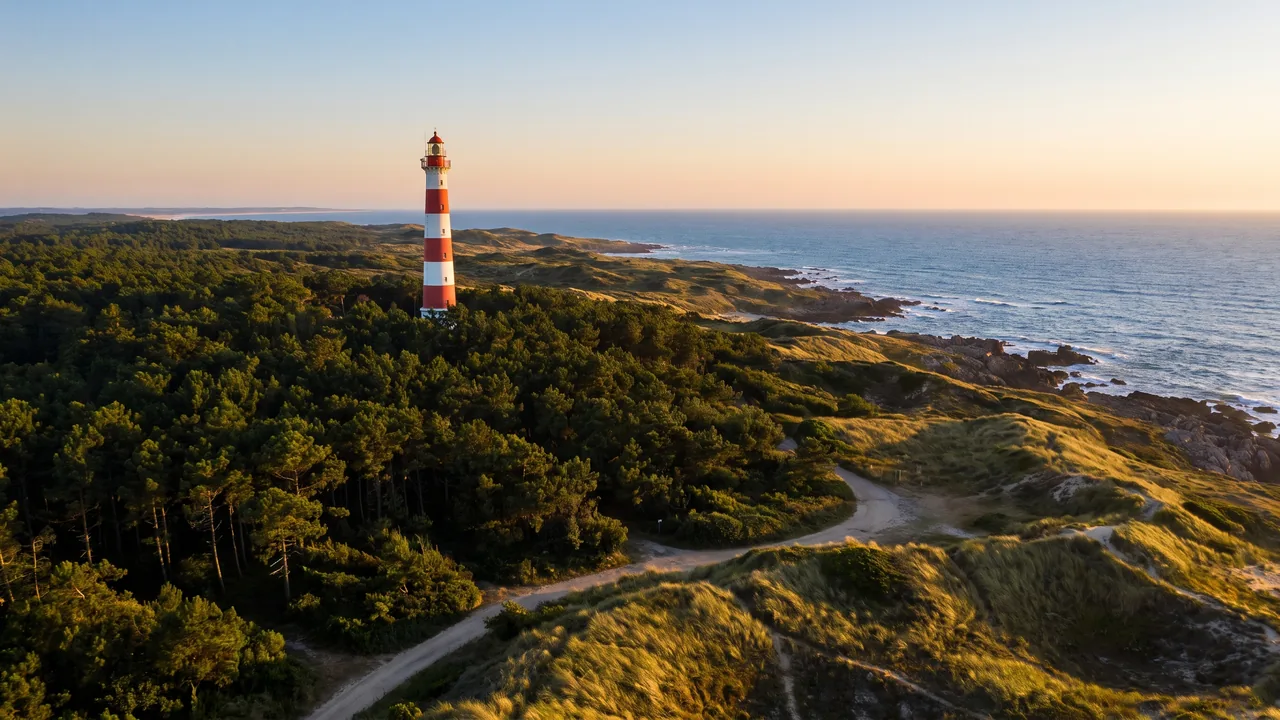
Its tall silhouette, striped in red and white, is the very embodiment of the Côte de Beauté: the Coubre Lighthouse stands at the northern tip of the peninsula, above the dunes and the forest. Be careful, though—this is a classic geographical trap: the lighthouse is administratively part of the neighboring municipality of La Tremblade, and not in Les Mathes or at La Palmyre. So we say “accessible from La Palmyre” or “near La Palmyre,” but never “at La Palmyre.” Put into service on October 1, 1905, it was the first French lighthouse built entirely of concrete. Standing 64 meters tall, visitors climb 300 steps to reach a platform offering a sweeping view of the ocean, the Gironde estuary, and the vast green expanse of the forest.
France's First Concrete Lighthouse
Built in 1904–1905, the Coubre Lighthouse marked the first use of concrete in this type of structure in France. Its light reaches approximately 28 nautical miles, or nearly 52 kilometers — to guide ships entering the Gironde estuary, one of the busiest shipping lanes on the Atlantic coast. Its color scheme is easy to remember: red at the top, white at the bottom. The lighthouse was automated in 2000 and no longer has a caretaker; it is now managed remotely. Since 2005, it has served as museum and is open to visitors: about 30,000 people climb its 300 steps each year. Its heritage value has finally been officially recognized: it is Designated a Historic Monument on April 15, 2011 (POP, Instruction Manual PA17000095, in the town of La Tremblade). A delightful detail: the spiral staircase leading up to the lantern is lined with approximately 7,500 blue opalines, and tradition attributes the plans to Gustave Eiffel—an appealing attribution, but one that should be taken with a grain of salt rather than as an established fact.
The Lighthouse and the Sea: A Battle Against Erosion
The history of the Coubre Lighthouse is also the story of a battle with the ocean. When it was first lit in 1905, it stood at about 1,800 meters from the shore; in 2018, erosion had brought it closer to Just 150 meters by the sea at high tide, to the point that its demolition was once considered. Between 1887 and 2006, the sea “swallowed up” some 500 hectares of forest in this area—a dramatic decline that explains why swimming is prohibited along the nearby wild coast. The current lighthouse is not, in fact, the first to stand at this location: a the original stone lighthouse, 57 meters tall, had collapsed as early as 1907, barely two years after the new structure was lit up. Given this unstable slope, it’s easy to see why the engineers of 1905 had opted for concrete.
Two lighthouses that should not be confused
One last useful clarification, since confusion is common: the large red-and-white lighthouse that visitors see is indeed the one at the Coubre, and not some mysterious “La Palmyre lighthouse.” Yet there was a different lighthouse, a more inconspicuous one, located in the La Palmyre forest: the peninsula’s first lighthouse, lit in the 1860s, it was decommissioned in 1895 when the service decided to build a more powerful lighthouse at the tip of La Coubre. This small lighthouse is not the one we climb today. And it’s nothing like the famous one, of course, either Ancient Palmyra in Syria: The similarity ends with the name. Just remember that there’s only one lighthouse to visit in the region—the Coubre Lighthouse—and that it’s located in the town of La Tremblade.
The beaches and Bonne Anse Bay
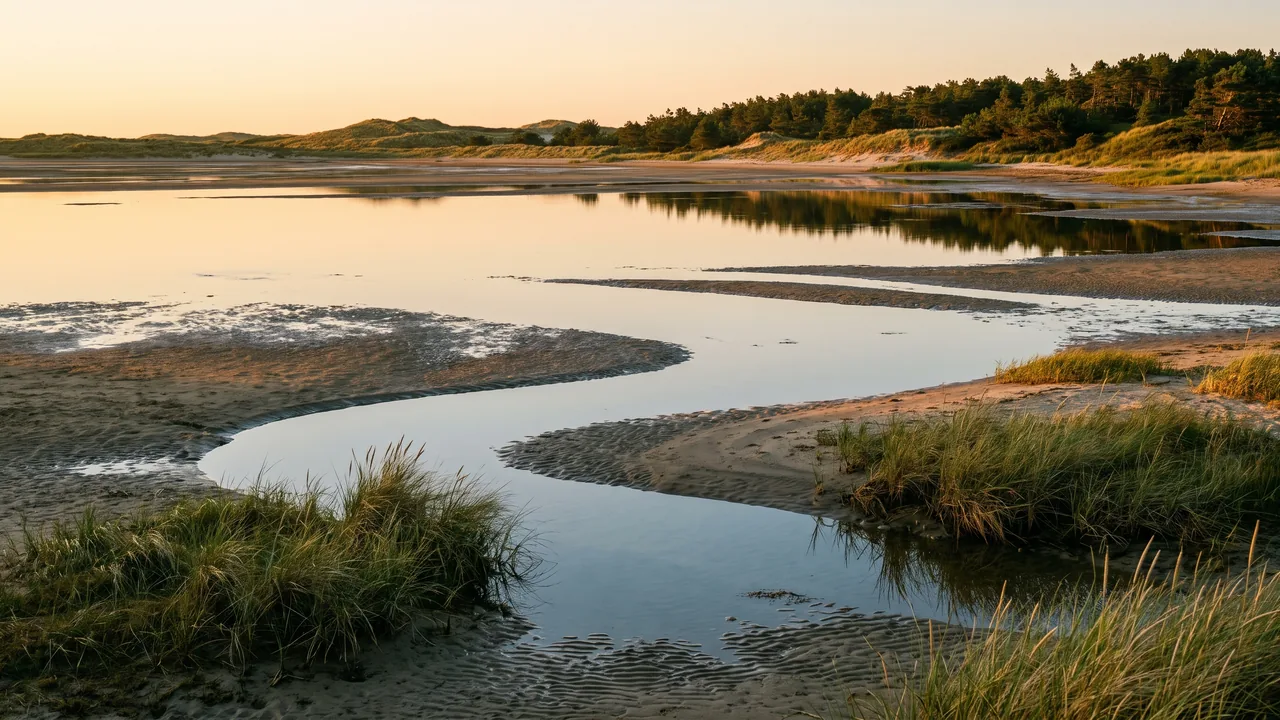
La Palmyre offers two different views of the sea: on one side, the open ocean and its wide sandy beaches; on the other, a sheltered lagoon, Bonne Anse Bay. Located in the town of Les Mathes, the bay opens onto the mouth of the Gironde River and covers approximately 700 hectares; it is a protected natural site designated as a Natura 2000 area, one of the most important in Charente-Maritime for seabirds. Its shallow, calm waters make it an ideal playground for light water sports—catamaran sailing, stand-up paddleboarding, kayaking, and wingfoiling—sheltered from the Atlantic swells. Along the oceanfront, lifeguard-patrolled beaches allow families to swim in complete safety. Conversely, it’s important to remember that swimming is prohibited along the wild coastline to the left of the lighthouse: the best practice is to always choose a supervised area.
Beaches with lifeguards
The lifeguard stations, their dates, and operating hours vary by season. Before each swim, check the official Les Mathes–La Palmyre beaches page and follow the flags, regulations, and instructions from the lifeguards while on site. Bonne Anse Bay may seem more sheltered, but conditions there depend on the tides; this does not exempt you from following local signage. On the wild coast, swim only in areas that are explicitly authorized and supervised.
Bonne Anse Bay, a lagoon that formed in the 19th century
Bonne Anse Bay has a fascinating recent geological history: it was formed in the 19th century after the disappearance of a small island, Île d’Armote, whose erosion gave rise to a large, arrow-shaped lagoon protected from the ocean by a sandbar. This sheltered body of water, which empties and fills with the ebb and flow of the tides, has become a sanctuary for seabirds and a major natural site in the department, part of the Gironde Estuary and Pertuis Sea Marine Nature Park. For visitors, the scenery is ever-changing: at low tide, the bay transforms into a vast expanse of wet sand crisscrossed by wading birds; at high tide, it fills with water and the sails of catamarans glide across it. The area is ideal for both birdwatching and introductory water sports.
What is there to do in La Palmyre?
At La Palmyre, you won't be bored for a minute. Of course, we start with the zoo, which can easily take half a day—or even a whole day—with kids. We bathe to the lifeguard-patrolled beaches of Le Clapet or Les Pins de Cordouan, where you can try your hand at boating in the calm lagoon of Bonne Anse. We climb the 300 steps of the Coubre Lighthouse for the view, just a few minutes from the resort. We hop on our bikes to explore the forest along its bike paths, all the way to the lighthouse or toward Ronce-les-Bains. Finally, we take a leisurely stroll through the market from La Palmyre, in the morning, to stock up on local products and oysters. Here’s a practical guide to the activities you should know about when planning your trip—all confirmed and easy to combine once you’re there.
- Visit the La Palmyre Zoo—18 hectares, more than 1,600 animals; plan on spending half a day to a full day; it’s the resort’s top attraction.
- Swimming at supervised beaches — “Le Clapet” and “Pins de Cordouan” (monitored ~June 15 → 1er September, 11 a.m.–7 p.m.); three additional areas in July and August.
- Climb to the Coubre Lighthouse—300 steps, 64 meters, home to a museum since 2005, with panoramic views of the ocean, the Gironde River, and the forest (in the neighboring town of La Tremblade).
- Water Sports in Bonne Anse Bay — catamaran, stand-up paddleboarding, kayaking, and wingfoiling in a sheltered 700-hectare lagoon, perfect for beginners.
- Explore the forest by bike—a bike path about 35 km long connects Saint-Palais-sur-Mer to Ronce-les-Bains via La Palmyre and the lighthouse; the Vélodyssée (EuroVelo 1) also crosses the mountain range.
- Visit the La Palmyre market—Wednesday and Sunday mornings (8 a.m.–1 p.m.) during peak season, plus night markets in the summer (mid-June through late August, starting at 6 p.m.).
- Take a walk along the wild coast—more than 20 km of beaches stretching toward Pointe de la Coubre, where you can enjoy the ocean and the sunsets (swimming prohibited: dangerous currents).
| Activity | Where / When | Good to Know |
|---|---|---|
| La Palmyre Zoo | La Palmyre · All Season | Plan on spending half a day to a full day |
| Supervised Swimming | Le Clapet, Pins de Cordouan · June 15 → 1er Sept. | 3 more areas in July–August |
| La Coubre Lighthouse | Pointe de la Coubre (La Tremblade) | 300 steps · museum since 2005 |
| Water Sports | Bonne Anse Bay | Sheltered lagoon · ideal for beginners |
| Biking in the Forest | Route ~35 km · Vélodyssée (EuroVelo 1) | Connects the beaches and the lighthouse |
| La Palmyre Market | Wednesday & Sunday mornings (8 a.m.–1 p.m.) | Summer Night Markets |
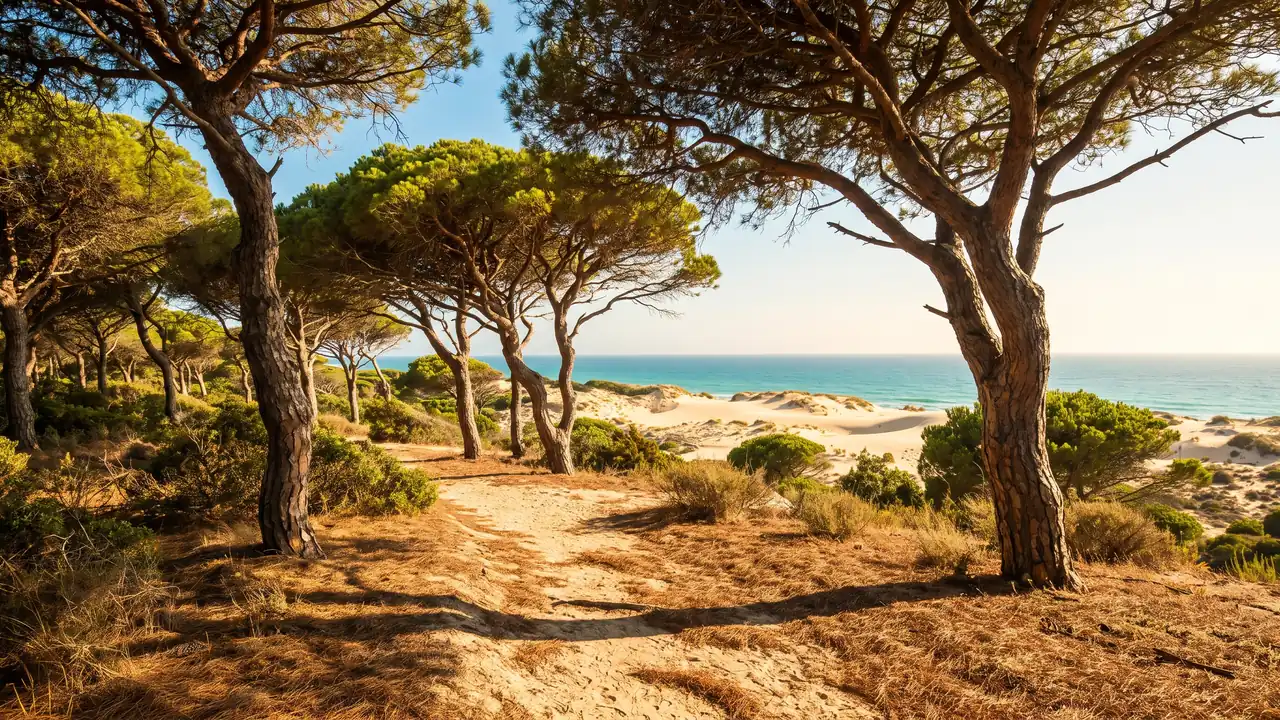
The great thing about La Palmyre is that you can do all of this without ever having to drive once you’re there. The resort was designed with biking and walking in mind: bike paths connect the zoo, the beaches, the bay, and the lighthouse directly through the forest, in the shade of the pine trees. A typical day might include a morning at the zoo, a picnic in the forest, an afternoon of swimming at a lifeguard-patrolled beach, and, at the end of the day, a bike ride to the lighthouse to watch the sunset over the ocean. Come evening, the summer night markets and the resort’s restaurants take over. It’s this concentration of activities packed into a tiny wooded area that explains why families keep coming back, season after season.
Oysters from Marennes-Oléron and La Tremblade
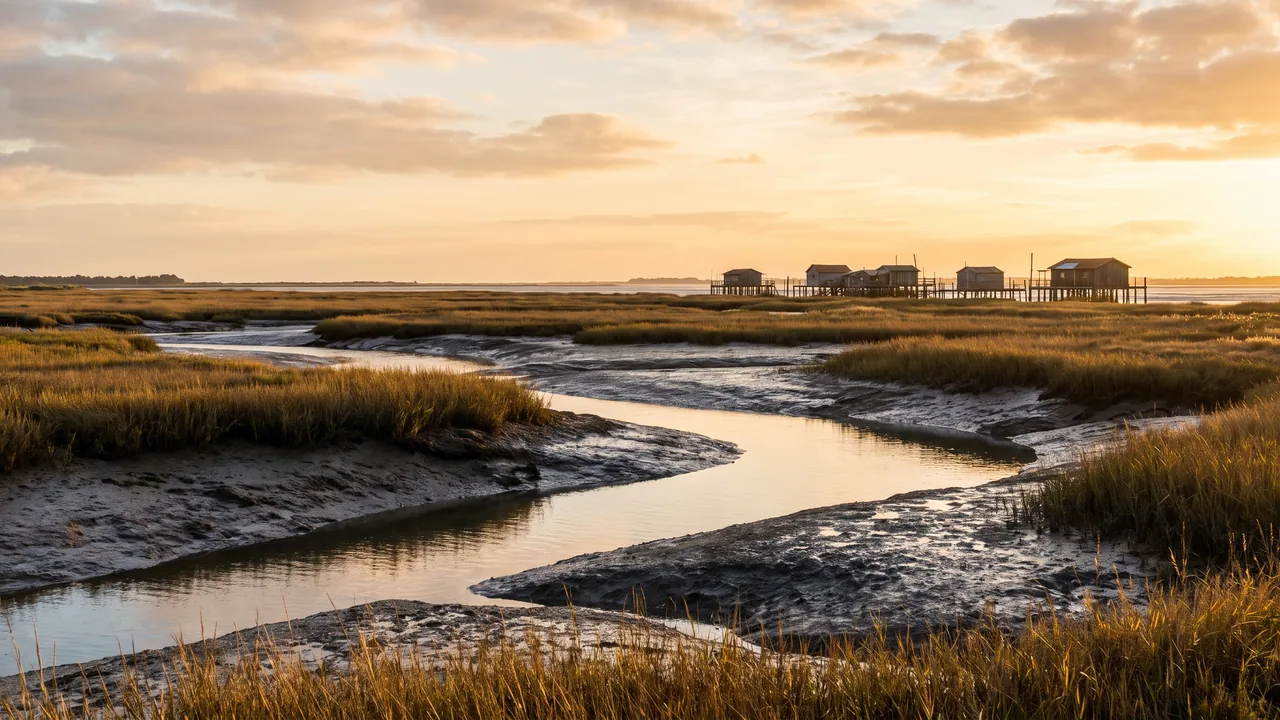
About a dozen kilometers from La Palmyre, at the tip of the peninsula, the neighboring town of La Tremblade is one of the major oyster-fishing ports in the famous basin of Marennes-Oléron. You walk along a a channel about 2 kilometers long lined with colorful oyster huts, where you can buy oysters directly from the producer and often enjoy them right there, overlooking the oyster beds. It’s one of the simplest and most authentic culinary excursions to take from the resort: a round trip of just under an hour that immerses you in the world of marshes, oyster beds, and the oyster farmers’ “sang-neuf” houses. Ronce-les-Bains, the area’s most popular beach, isn’t actually a separate town: it’s part of the seaside resort of La Tremblade, just as La Palmyre is part of Les Mathes.
A PGI, not an AOC
A point of clarification that will please oyster lovers: Marennes-Oléron oysters are not protected by an AOC or an AOP, contrary to a persistent misconception, but by a Protected Geographical Indication (PGI). In fact, they are the only oysters in France to hold a PGI, an official European quality designation that guarantees their origin and their maturation in the basin’s salt marshes. The local specialty is the “fine de claire” or “spéciale de claire” oyster, matured in these former salt marshes where blue algae (navicula) sometimes give them their characteristic green hue. Savoring a dozen oysters along the banks of the La Tremblade channel, with a glass of Charente white wine in hand, is one of the unmissable little pleasures of a stay in La Palmyre—and the perfect opportunity to pick up a few baskets of oysters to take home.
Royan and the Côte de Beauté
About 20 minutes south, Royan (approximately 18 km) is the seaside capital of the Côte de Beauté and a natural complement to a stay at La Palmyre. It is a city with a tragic history and unique architecture: almost entirely destroyed in 1945—first on January 5, then on April 14 and 15 during Operation Vénérable, which was intended to dislodge the German garrison entrenched in the “Royan Pocket ”—it was rebuilt in the 1950s in a resolutely modern style, making it today a showcase of postwar architecture. Here, you can stroll along the waterfront, visit the covered market, and discover a city that served as a laboratory for concrete architecture—as bold as Royan was once ravaged.
Notre-Dame, a Masterpiece of Concrete
The flagship monument of the reconstruction is the Notre-Dame Church, raised between 1955 and 1958 on the architect's plans Guillaume Gillet. Its elliptical nave, measuring 45 meters high, its ribbed concrete structure and walls adorned with stained-glass windows make it one of the great masterpieces of 20th-century religious architecture century in France, comparable in its boldness to the contemporary works of Le Corbusier. It is a dark, vertical structure of raw concrete that captivates visitors with its sheer scale. Royan also bears a painful memory: during the bombings of April 14–15, 1945, it was the first city in France to be struck by napalm. This history explains the modern character of the city today, which was completely rebuilt on its ruins.
The Gironde Ferry
From Royan, a ferry crosses the Gironde estuary to Verdon-sur-Mer and Pointe de Grave on the Médoc side—the crossing takes about 20 minutes and carries more than 1.3 million passengers a year. It’s a popular shortcut for reaching the Médoc and its vineyards without having to go through Bordeaux. Beware of a common pitfall: the ferry terminal is actually in Royan, not at Pointe de la Coubre near La Palmyre—the latter is merely a sandbar with no ferry service. For those who want to combine the Côte de Beauté and the Médoc in a single trip, the ferry from Royan is a route worth considering, which your driver can include in the itinerary according to your preferences.
Where to stay in La Palmyre?
La Palmyre is, above all, a large family-friendly resort, designed for outdoor lodging and recreation. It is home mainly to campgrounds, some vacation rentals and some vacation villages, rather than downtown hotels: the resort has grown up around the pine trees and dunes, favoring large complexes nestled in the forest, just a few minutes from the beaches and the zoo. Options range from family-friendly campgrounds to high-end all-inclusive resorts, all with one thing in common: their immediate proximity to nature.
Campgrounds, Clubs, and Resorts
Among the iconic spots is the Club Med La Palmyre offers an all-inclusive package with the forest at your doorstep and the ocean right in front of you, while camping villages such as theAtlantique Parc, in Les Mathes, offer swimming pools and activities for families. No matter where you're staying, a private driver offers a real advantage: it allows you to delivered directly to the entrance of the campground, club, or residence, with your luggage and beach gear, without having to hunt for a parking spot in the summer—a real headache during peak season, when the resort is fully booked and the areas around the zoo and beaches are packed. This is especially appreciated upon arrival on a busy day, after more than three hours of travel and transfers if you’re coming by train.
How to get to La Palmyre from Bordeaux
The easiest and most relaxing way to get to La Palmyre from Bordeaux is by direct private car transfer. You’ll depart from your home or Bordeaux-Mérignac Airport and arrive right at the zoo, at a beach parking lot, or at the doorstep of your accommodations—no transfers, no train connections in Saintes or Royan, and no need to search for parking. On a peninsula that’s packed in the summer, where the zoo and beach parking lots fill up by mid-morning, this level of convenience makes all the difference—especially when traveling with children and beach gear.
How much does the ride cost?
The route from Bordeaux to La Palmyre covers approximately 146 km in 1 hour and 56 minutes via the A10 and then the roads of the Arvert Peninsula. Our rates start at 307 € during the day for a sedan carrying up to 3 passengers; this fixed price is confirmed in writing before departure—no meter, no surprises upon arrival. The exact quote depends on the specific pickup address, the time of day (a surcharge applies at night, on weekends, and on holidays), and the vehicle you choose: a sedan for a couple or a small family, or a van for a group or bulky luggage. Request your quote online, and you’ll receive a quick response with no obligation.
| Route | Distance | Duration | As soon as |
|---|---|---|---|
| Bordeaux → La Palmyre | ≈ 146 km | ~1 hr 56 min | 245 € |
| Bordeaux-Mérignac Airport → La Palmyre | ≈ 150 km | ~1 hr 50 min | based on a quote |
| La Palmyre Extension → Royan | ≈ 18 km | ~21 min | based on a quote |
Why choose a chauffeur service?
An executive car service makes your day at La Palmyre unforgettable. You can relax or plan your visit during the ride; we’ll drop you off as close as possible to the zoo or your accommodations, and we’ll pick you up wherever you’d like—at the beach, after an oyster tasting in La Tremblade, or following a visit to the lighthouse. This option is ideal for a family outing—no designated driver and no stress about parking during peak season—whether you’re staying at Club Med or at a campground. The vehicle is clean, air-conditioned, equipped with water on board, and driven by a uniformed driver, and you travel at your own pace. It’s also the most comfortable option for a day trip, or for combining La Palmyre with Royan and the Côte de Beauté.
Frequently Asked Questions
How much does a private chauffeur service from Bordeaux cost with La Palmyre?
The trip from Bordeaux to La Palmyre (approximately 146 km, 1 hour 56 minutes via the A10 and then the Arvert Peninsula) starts at 307 € during the day for a sedan carrying up to 3 passengers. The price is fixed, confirmed in writing before departure, with no meter and no surprises. The exact amount depends on the pickup address, the time of day (surcharges apply at night, on weekends, and on holidays), and the vehicle chosen—a sedan or a van.
What is there to do in La Palmyre?
First, we visit the La Palmyre Zoo (18 hectares, more than 1,600 animals), swim at the lifeguard-patrolled beaches of Le Clapet and Les Pins de Cordouan, enjoy water sports in Bonne Anse Bay, and hike up to the Coubre Lighthouse. You can explore the forest by bike along a trail that’s about 35 km long, and the La Palmyre market is held on Wednesday and Sunday mornings. The resort is perfect for doing everything by bike, without having to get back in the car.
Is the La Palmyre Zoo worth a visit?
Yes, it’s the resort’s flagship attraction and one of the most visited zoos in France; today, it ranks as the country’s third-most-visited private park, with around 600,000 visitors per year. Opened in 1966 by Claude and Irène Caillé, it is home to more than 1,600 animals representing about 100 species across 18 hectares of wooded grounds. Plan on spending half a day to a full day there, especially if you’re visiting with children.
Is La Palmyre a municipality?
No. La Palmyre is a seaside resort in the municipality of Les Mathes (Charente-Maritime, INSEE code 17225), which was established in the 1960s on the Arvert Peninsula. It does not have its own ZIP code or town hall: it is one of the hamlets of Les Mathes, a municipality with approximately 2,180 residents known as the Mathérons.[2] It is located on the Côte de Beauté, nestled within the Coubre Forest, facing Bonne Anse Bay.
Is the Coubre Lighthouse located at La Palmyre?
No, the Coubre Lighthouse is administratively part of the neighboring town of La Tremblade, at the tip of the Coubre—even though it is very close to La Palmyre and easily accessible from the resort. Not to be confused with the former “La Palmyre Lighthouse,” a more inconspicuous light located in the forest that was decommissioned in 1895. The large red-and-white-striped lighthouse that visitors see today is indeed the Coubre Lighthouse.
Can we go up to the Coubre Lighthouse?
Yes. The Coubre Lighthouse, standing 64 meters tall, can be visited via a staircase of 300 steps and has housed a museum since 2005; approximately 30,000 people climb it each year. Commissioned on October 1, 1905, it was the first French lighthouse built entirely of concrete and has been classified as a Historic Monument since 2011.[1] From the top, the view takes in the ocean, the Gironde estuary, and the Coubre Forest.
Where can you go swimming at La Palmyre?
The lifeguard stations, their dates, and operating hours vary by season. Before each swim, check the official Les Mathes–La Palmyre beaches page and follow the flags, regulations, and instructions from the lifeguards while on site. Bonne Anse Bay may seem more sheltered, but conditions there depend on the tides; this does not exempt you from following local signage. On the wild coast, swim only in areas that are explicitly authorized and supervised.
How long does it take to get from Bordeaux to La Palmyre?
Allow about 1 hour and 56 minutes for the drive—146 km north on the A10 highway, then along the roads of the Arvert Peninsula that wind through the forest to the resort. The last part of the trip, on local roads, can be busy during peak season. A private chauffeur will drop you off directly at the zoo entrance, at a beach parking lot, or right at the door of your accommodations, with no transfers required.
When is the La Palmyre market held?
The La Palmyre market is held on Wednesday and Sunday mornings, from 8 a.m. to 1 p.m., during peak season; in October, it takes place only on Sundays. In the summer, from mid-June through late August, night markets also liven up the town starting at 6 p.m. It’s the perfect place to stock up on regional products and buy oysters from the nearby Marennes-Oléron basin.
Where can I enjoy oysters near La Palmyre?
In La Tremblade, about a dozen kilometers away, lies a major oyster port in the Marennes-Oléron basin. There, you can stroll along a channel about 2 km long, lined with colorful oyster huts where you can buy oysters directly from the producers and often enjoy them right on the spot. Marennes-Oléron oysters are the only ones in France protected by a PGI (Protected Geographical Indication), and not by an AOC, as is sometimes believed.
What's there to see around La Palmyre?
La Tremblade and its oyster beds are about 12 km away; Royan and its 1950s architecture are about 18 km away; Rochefort and its naval base are about 45 km away; and Saintes and its Roman monuments are about 52 km away. From Royan, a ferry crosses the Gironde River to the Médoc. La Palmyre is a great base for exploring the Côte de Beauté and the Charentes region, with short trips between each stop.
Where to stay in La Palmyre?
La Palmyre is a large, family-friendly resort where accommodations consist mainly of campgrounds, tourist residences, and vacation villages nestled in the pine forest, rather than downtown hotels. You’ll find everything from camping villages with swimming pools and entertainment to all-inclusive resorts like Club Med La Palmyre. A chauffeured transfer will drop you off right at the door of your accommodation, along with your luggage, so you don’t have to worry about parking during the summer.
Does the fare change at night or on weekends?
A surcharge may apply at night, on weekends, and on holidays, as is the case for all our trips. The fare is always communicated and confirmed in writing before departure: you’ll know the exact price when you book, with no unpleasant surprises upon arrival. The quote also depends on the pickup address and the vehicle you choose—a sedan for a small family or a van for a group and beach gear.
Further Reading
- All-inclusive by the ocean: check out Club Med La Palmyre (the resort in the Coubre Forest)
- The Royal Arsenal: see the Rochefort Guide (the Corderie Royale and the frigate Hermione, about 45 minutes away)
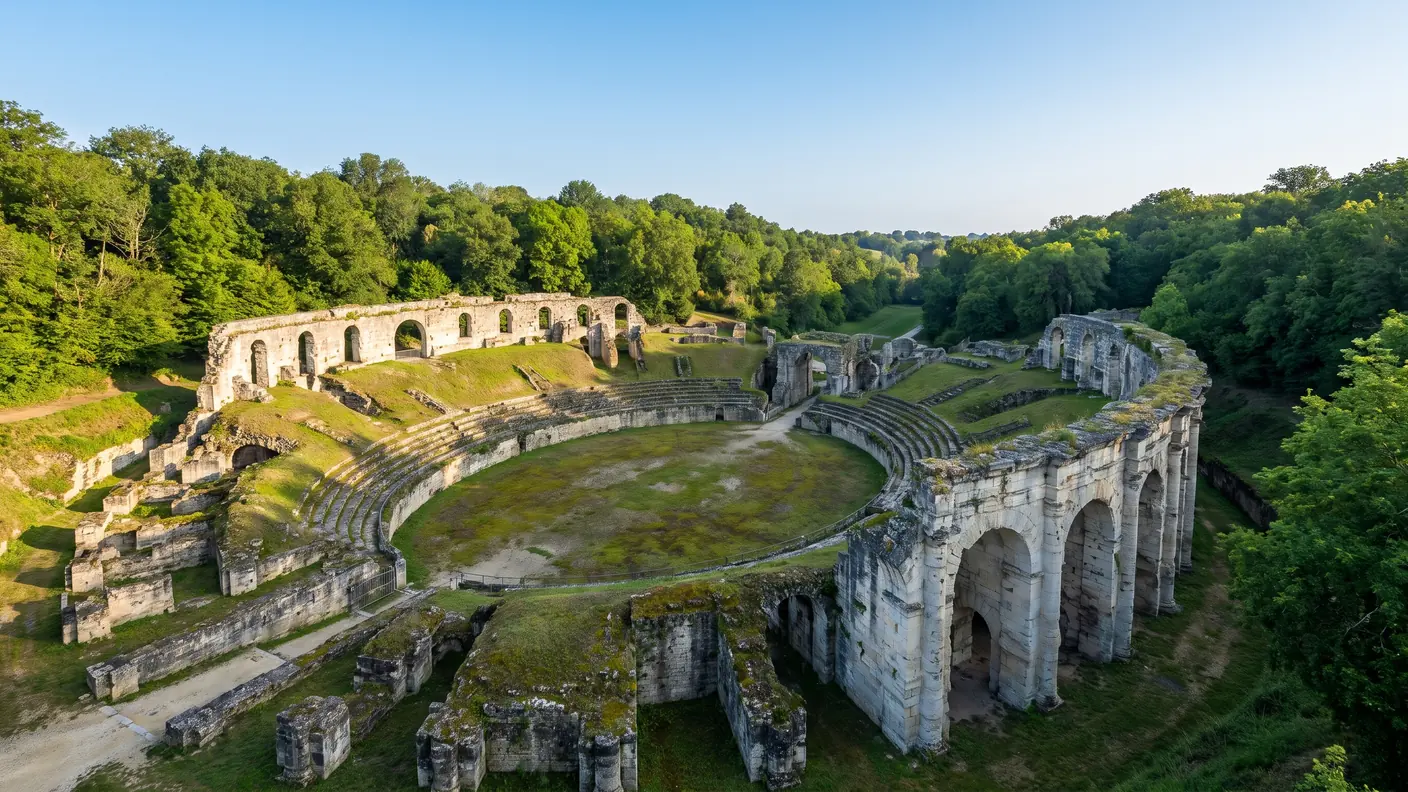
- The Rome of Aquitaine: see the Saintes Guide (the Roman amphitheater and the Abbaye aux Dames, about 52 min away)
- Book your trip: book online or browse all our destinations
Sources and References
- La Palmyre Zoo — founding, animals, attendance, the Caillé family
- Les Mathes Town Hall – La Palmyre — beaches, market, resort
- Royan Atlantique — Tourist Office — Côte de Beauté, cycling, oysters
- Mérimée Database / POP (Ministry of Culture) — La Coubre Lighthouse (PA17000095, La Tremblade)
- INSEE — Municipality of Les Mathes (17225) — Demographics
- ONF / Conservatoire du littoral — La Coubre Forest, Bonne Anse Bay
Article updated in July 2026.
Off to the Côte de Beauté
Direct transfer from Bordeaux (~1 hr 56 min via the A10) to the La Palmyre Zoo, the Coubre Forest, and the beaches. Fixed-price quote in writing, with no obligation.