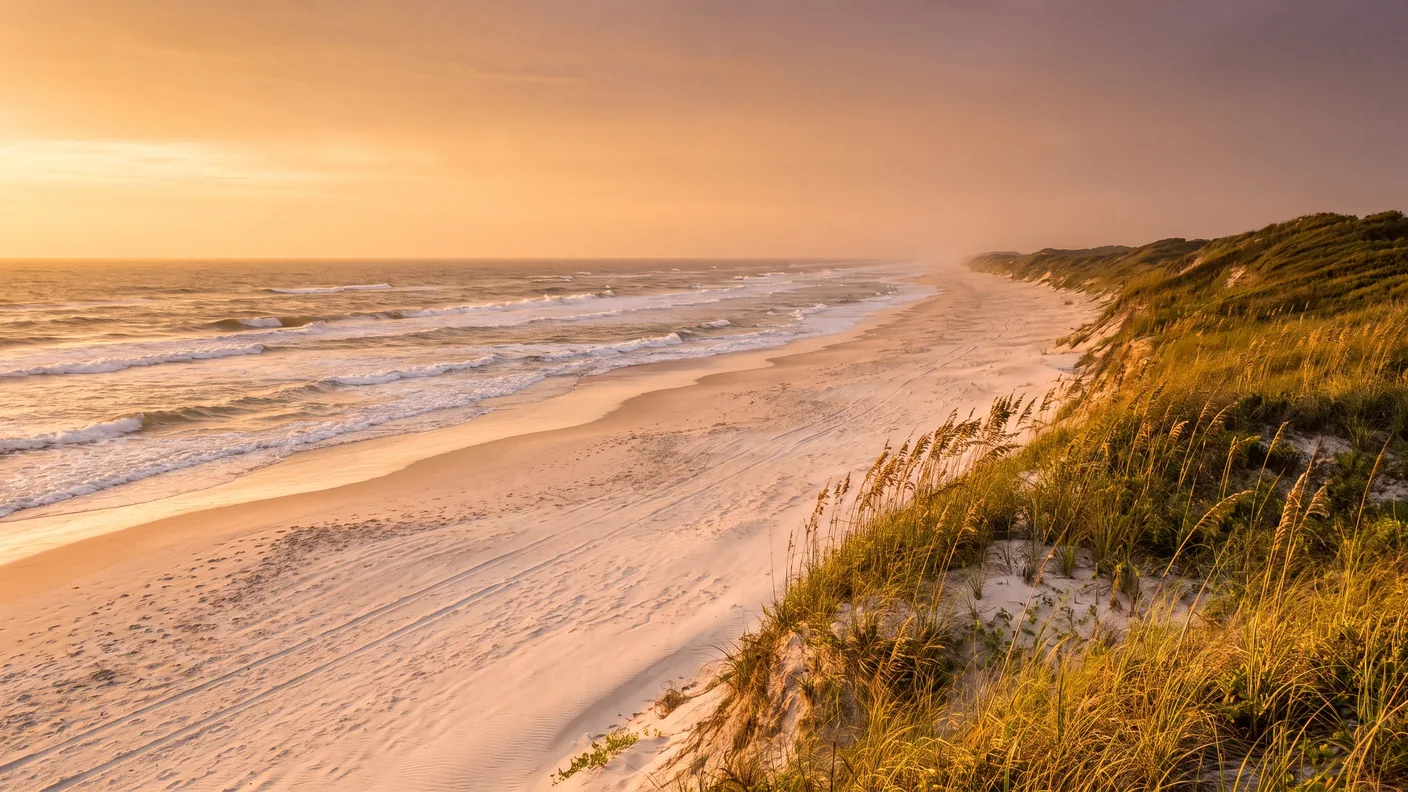
Bordeaux to Lacanau: ocean, lake and Médoc forest
Three distinct areas within a single, vast municipality spanning 214 km²: the ocean resort of Lacanau-Océan, the large freshwater lake, and the Médoc pine forest. A surfing hotspot, Atlantic beaches stretching as far as the eye can see, and sailing on the lake—the Médoc coast is about 54 minutes from Bordeaux.
Lacanau at a glance
Lacanau is made up of three distinct landscapes. To the west lies the Atlantic Ocean and its sandy beaches stretching as far as the eye can see, pounded by a steady swell that has earned the town its reputation among surfers. To the east of the town, a large, calm freshwater lake fringed with reeds and docks, where you can paddle and swim far from the waves. Between the two lies a maritime pine forest covering more than half the area—one of the largest in the Gironde. Add a seaside resort founded around 1900, a world-class surfing event every summer, and a secluded nature reserve, and you have a Medoc destination like no other. This guide tells the story of Lacanau by carefully distinguishing between verified facts and word-of-mouth rumors, to provide you with reliable information before you hit the road.
Before going into detail, here’s a quick overview of the town. It sets the stage: an extraordinary landscape, a small year-round population that swells in the summer, and quick access from Bordeaux. Each of these points is explored in the following sections—geography, history, surfing, the lake, the forest, and getting there—with common misconceptions addressed in each one.
| Landmark | Details |
|---|---|
| Department / Region | Gironde (33) · Nouvelle-Aquitaine |
| Status | A town in the Médoc region, on the Atlantic coast · Médoc Atlantique Community of Communes |
| Population | ~5,739 residents (INSEE 2023) · the residents of Canaul |
| Centers | Lacanau-City · Lacanau-Océan · the lake |
| Area | 214 km² (one of the largest municipalities in Gironde) |
| From Bordeaux | ~45 km · ~54 min · starting at €87 |
Where is Lacanau located?
The Atlantic Médoc, not the Arcachon Basin
Lacanau is located along the central coast of the Médoc, the long peninsula that encloses the Gironde estuary to the west of Bordeaux. The municipality stretches from east to west, from the lake to the ocean, covering a vast area of approximately 214 km² (214.02 km² to be precise), making it one of the largest municipalities in Gironde. Administratively, it has the INSEE code 33214 and the ZIP code 33680, and is part of the Lesparre-Médoc district and the Sud-Médoc canton. An interesting geographical fact: the 45th parallel north—halfway between the equator and the North Pole—runs through the municipality.
There’s a common misconception: Lacanau is not located in the Arcachon Basin. The town lies directly on the Atlantic Ocean, on the Médoc coast, and is separated from the Arcachon Basin by the Lège-Cap-Ferret peninsula, further to the south. The only connection—and it is indirect—lies in the network of ponds: Lake Lacanau is connected to the Bay via the Canal des Étangs, a channel dug in the 19th century. But people don’t swim in the Bassin at Lacanau: they brave the Atlantic swell on the ocean side, or enjoy the calm, fresh water on the lake side.
In terms of intermunicipal organization, Lacanau is part of the Médoc Atlantique Community of Municipalities, whose headquarters are in Soulac-sur-Mer, further to the north. Be careful not to confuse it with the Médullienne Community of Municipalities, located to the southeast (Castelnau-de-Médoc, Le Porge, Saumos…), to which Lacanau does not belong. The municipality is organized around three distinct areas, detailed below: the town center—Lacanau-Ville—situated on the shore of the lake; the seaside resort of Lacanau-Océan, about a dozen kilometers to the west via the D6 departmental road; and the lake area itself, including Le Moutchic and Longarisse.
This vastness also explains the diversity of the landscapes: within a single municipality, you can go from the calm shores of the lake to wind-swept sand dunes, passing through a veritable sea of pine trees. Few municipalities in the Gironde offer such a wide range of environments—from freshwater to saltwater—spanning just a few kilometers. With a population density of about 27 people per square kilometer, there’s no shortage of space: the forest alone accounts for more than half of the territory, leaving vast areas of unspoiled nature between populated areas.
This location, between the Gironde estuary to the east and the ocean to the west, places Lacanau at the heart of the geographical Médoc—not to be confused with the wine-growing Médoc of the grands crus, which stretches further to the northeast along the estuary. Two Médocs coexist: one of vineyards and châteaux, and one of the ocean, lakes, and forest. Lacanau belongs entirely to the latter: here you’ll find no prestigious appellations or classified estates, but beaches, pine trees, and freshwater as far as the eye can see.
How far is it from Bordeaux?
From Bordeaux, it’s about 45 kilometers and roughly a 54-minute drive to Lacanau-Ville, the town center. The most direct route heads due west through the Médoc and its forest. One thing to keep in mind when planning a day at the beach: Lacanau-Océan, the beach resort and its waves, is another 12 to 13 kilometers further than the town center. To get to the beach from Bordeaux, you should plan on about an hour’s drive and a total of 57 kilometers. The distinction between the town and the ocean makes a huge difference when planning your schedule.
| From / To | Approximate distance |
|---|---|
| Bourg (Lacanau-Ville) ↔ Lacanau-Océan | ~13 km |
| Lacanau ↔ Carcans | ~13 km |
| Lacanau ↔ Arès (Le Bassin) | ~29 km |
| Lacanau ↔ Bordeaux (town center) | ~45 km |
| Bordeaux ↔ Lacanau-Océan | ~57 km |
How many people live in Lacanau?
A population that increases tenfold in the summer
According to the latest available census, the population of Lacanau stands at 5,739 (INSEE, 2023). It is a growing town: its population has increased by nearly 17% since 2017, driven by the appeal of the coastline and its proximity to Bordeaux. But this figure tells only part of the story. In the summer, the population soars well beyond 40,000: vacationers, second-home owners, campers, and surfers flock to the ocean and the lake. The contrast between the calm of winter and the summer buzz is one of the hallmarks of the Médoc’s resort towns. The residents have a charming nickname: they’re called the Canaulais and the Canaulaises.
| Indicator | Value |
|---|---|
| Municipal Population | ~5,739 residents (INSEE 2023) |
| Changes Since 2017 | about +17% |
| Density | ~27 people/km² |
| Summer population | more than 40,000 people |
| Demonym | Men and women from Canaulais |
This seasonal duality shapes the entire local economy. Most of the activity—lodging, restaurants, shops, surf schools, and bike and water sports equipment rentals—is concentrated in just a few months, when the population increases tenfold. The rest of the year, Lacanau returns to the peaceful rhythm of a typical Médoc town, focused on the forest, fishing, and a steadily growing resident population. This growth in the permanent population—one of the most dynamic along the Gironde coast—reflects a lasting appeal for a lifestyle nestled between the ocean, the lake, and pine forests, less than an hour from the Bordeaux metropolitan area.
Where does the name “Lacanau” come from?
The name Lacanau has its roots in the very landscape of the town. The most common theory links the place name to the Gascon root “canau,” which refers to a canal or drainage ditch. Older forms such as “Canali” (attested as early as 1099) or “La Canau” can be found. The meaning fits the terrain perfectly: before becoming a seaside resort, Lacanau was a land of moors and marshes that had to be drained and reclaimed over the centuries. The lake, ponds, ditches, and canals have shaped the area just as much as its name. It was only later, with the stabilization of the dunes and the planting of trees, that the forested and seaside character we know today emerged.
Lacanau-Ville, Lacanau-Océan, and the lake
To understand Lacanau is to understand that it is not a single village but an archipelago of places connected by the forest. Three main hubs shape life in the town, each with its own atmosphere and crowd. You can drive from one to the next in just a few minutes, but each time you enter a completely different world.
The village and the lake
Lacanau-Ville, commonly known simply as “the village,” is the administrative and historic heart of the municipality. It is home to the town hall, the church, local shops, and markets—in short, everyday life. The village sits on the shore of a freshwater lake, set back from the ocean, in a landscape that is more peaceful and intimate than that of the resort. This is the “real Lacanau” for the locals—the one that keeps on living even after the beaches empty out at the end of the season.
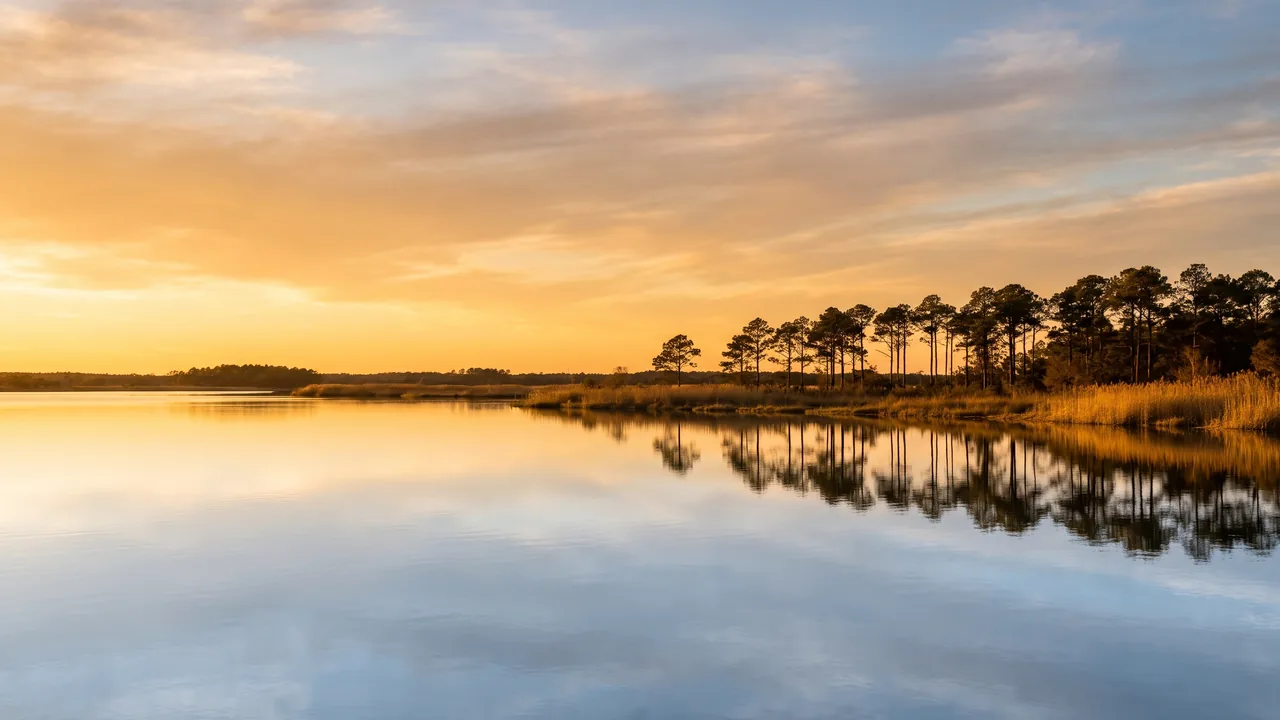
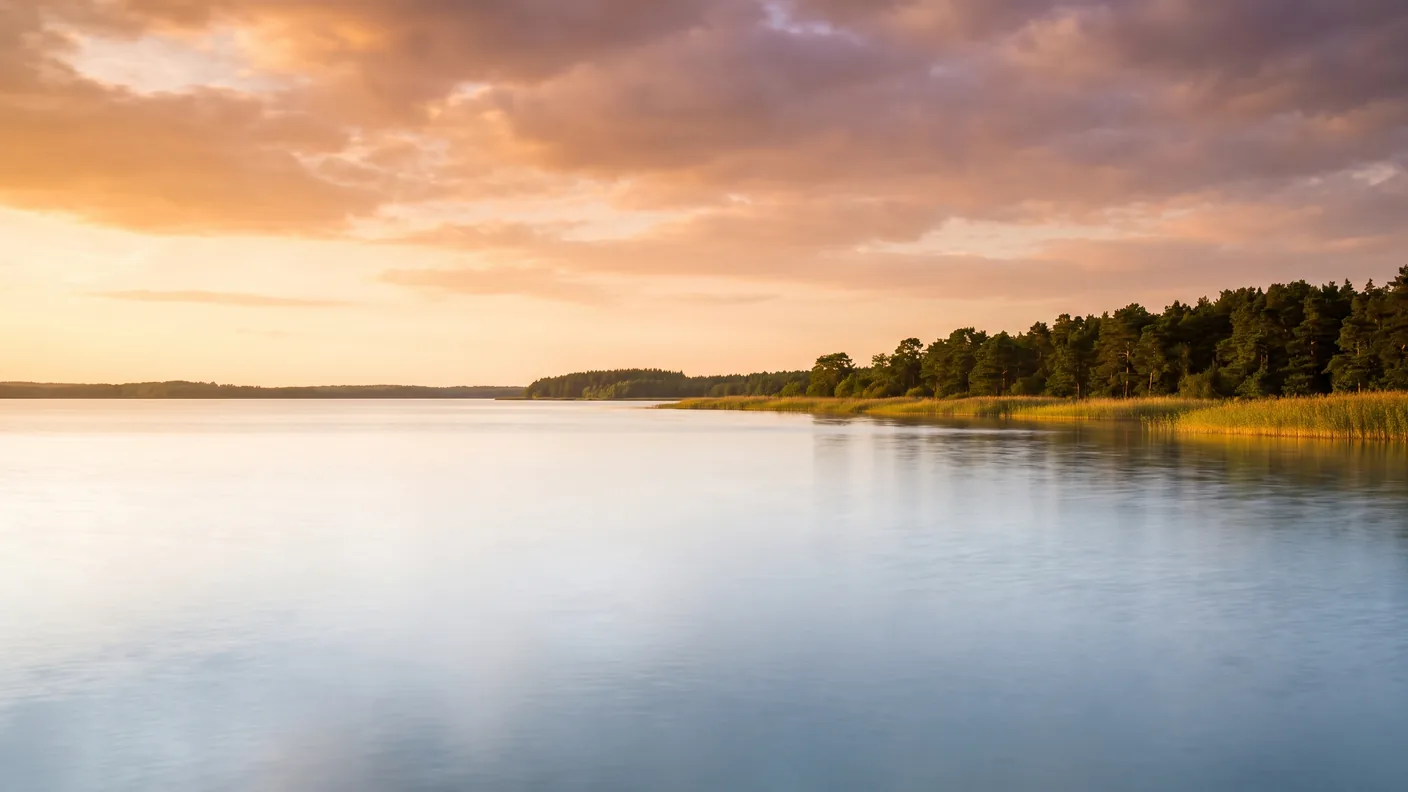
Surrounding the body of water is the lake area proper, with localities such as Le Moutchic, Longarisse, and Le Tedey. This is where people enjoy freshwater swimming, sailing, and paddleboarding, far from the ocean’s swells and currents. Families with young children, fans of low-impact water sports, and anglers find a welcome alternative here to the often more challenging ocean beaches. The water here is warmer and calmer, and the scenery of pine trees and reeds creates a landscape very different from that of the coast.
Lacanau-Océan, the resort
About a dozen kilometers to the west, at the end of the road that runs through the forest, lies Lacanau-Océan. This is the seaside resort proper: the boardwalk, the terraces, the surf schools, and the large central beach that stretches for kilometers of sand to the north and south. The town boasts some 16 kilometers of ocean beaches and can accommodate tens of thousands of people during peak season. The resort has preserved a few early 20th-century villas, reminders of its Belle Époque origins, intermingled with more recent seaside development. This is where the summer pulse of Lacanau beats, and where the major surfing competition takes place every summer.
Traveling between these three areas is almost always done by car or bike, through the forest. From the village to the resort, the D6 runs straight west for about a dozen kilometers; the bike path runs parallel to this road beneath the pine trees and allows you to reach the ocean without a car. This scattered layout is both the charm and the challenge of Lacanau: you’ll never stay in exactly the same place, depending on whether you’re coming for the waves, the lake, or the tranquility of the village. So it’s best to know, before booking, which Lacanau you’re looking for.
The Birth of the Seaside Resort
From Drained Heathland to Seaside Resort
For centuries, the Médoc coastline was nothing more than a vast no man’s land of shifting dunes, marshes, and barren heaths—a hostile and sparsely populated area. Two major projects changed all that. First came the stabilization of the dunes: spearheaded by engineer Nicolas Brémontier, a vast planting program launched by a decree dated July 2, 1801, stabilized the dune ridge by planting maritime pines and marram grass; the work was completed around 1876. It was this undertaking that gave rise to the coastal forest we now pass through on our way to the ocean.
This project is sometimes confused with the law of June 19, 1857, enacted under Napoleon III: while that law did transform Gascony, it organized the drainage and afforestation of the Landes region’s interior, not the stabilization of the coastal dune system, which predates it. In Lacanau, it was therefore the project undertaken at the very beginning of the 19th century that afforested the coast and made the land habitable.
The seaside resort, for its part, emerged around 1900. The project was spearheaded by Pierre Ortal, who first announced it as early as 1884; the Lacanau Real Estate Company was established in 1890, the first subdivisions were laid out in 1903–1904, and the first villas were built in 1906–1907 — La Primavera, the Ortal Villa, the Bonnamy Chalet, and the Les Mouettes Villa. In 1910, the opening of the road connecting the town to the ocean definitively opened up the young resort and launched its growth. In barely a century, the area transformed from a barren dune into a popular vacation destination.
This transformation unfolded over the course of an era. Where in the 18th century there was nothing but sand and unhealthy marshes, the hygienists and vacationers of the Belle Époque discovered the benefits of the sea air and sea bathing. Lacanau-Océan was thus born from the convergence of a newly planted forest, a burgeoning seaside trend, and the arrival of the railroad, which suddenly brought the ocean within reach of the people of Bordeaux.
A train, not a streetcar
The Lacanau line deserves some clarification, as a common misconception is often circulating. The line connecting Bordeaux to Lacanau was not a tramway but a full-fledged local railway line. Opened in 1885, it was extended to the Lacanau-Océan station in 1905, allowing the first vacationers to reach the beaches by train. The line closed in 1978. However, its route has not disappeared: converted into a greenway, it now welcomes cyclists and walkers between Bordeaux and the ocean, along one of the region’s busiest bike paths. The tracks have become a path, but the route itself remains.
Lacanau and Surfing
If Lacanau immediately brings to mind an image, it’s that of a surfer riding an Atlantic wave. The town is one of the coast’s top surfing spots, renowned for the consistency of its waves and the quality of its beach breaks. There are numerous certified surf schools there that teach beginners and help experienced surfers improve their skills all summer long. This reputation is well-established and long-standing, but it’s important to present it for what it is.
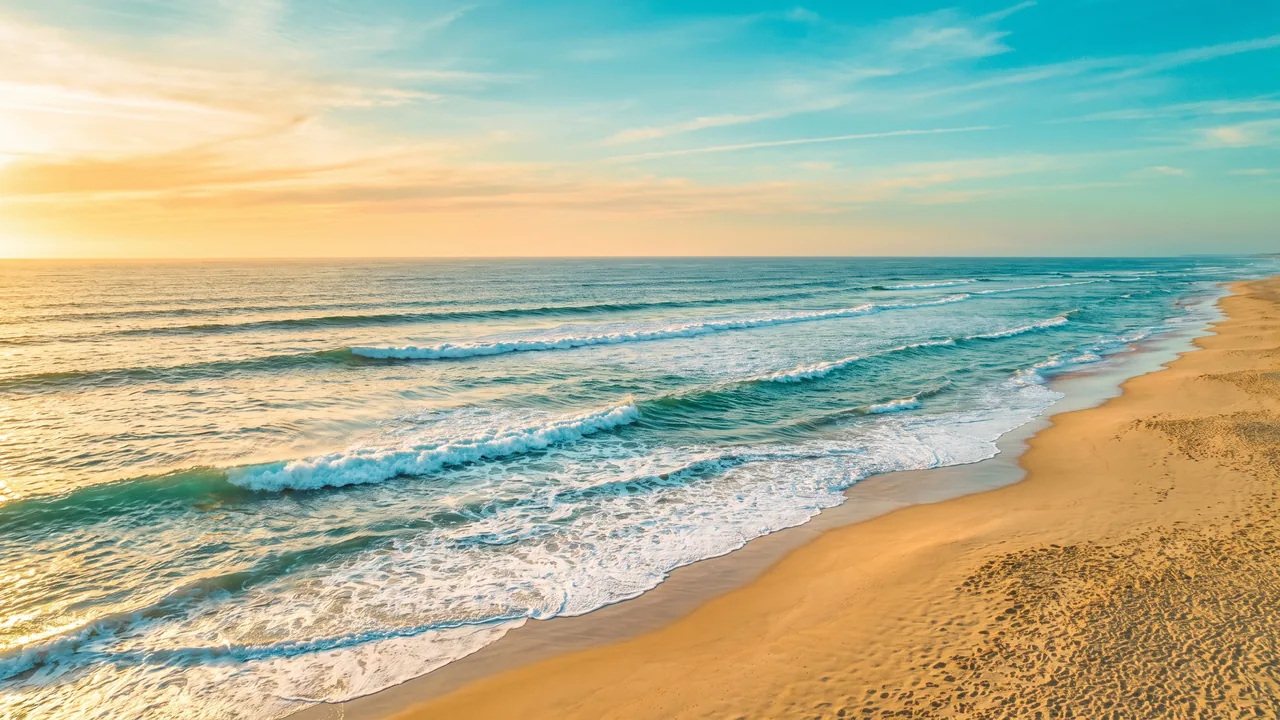
We sometimes read that Lacanau is said to be “the surfing capital of Europe” or home to “the oldest club in Europe.” These phrases are appealing marketing claims, not official titles—it’s better to talk about reputation than records. One fact, however, is well established: in 2015, Lacanau received the two-star “Surf Town” designation from the French Surfing Federation, a concrete recognition of its surfing ecosystem.
In practice, the surfing season extends well beyond the summer. Spring and fall often offer the best conditions, with more consistent swells and fewer people in the water. The Lacanau-Océan schools, led by certified instructors, offer à la carte lessons and multi-day courses, with wetsuits and boards provided. Both beginners and experienced surfers will find something to suit them, provided they follow safety guidelines and stay within authorized areas—surfing takes place outside of supervised swimming areas, precisely because of the currents.
Beyond the competition, surfing permeates the very identity of Lacanau-Océan: surf shops, board-shaping workshops, terraces where people relive their sessions, and a laid-back atmosphere that kicks into high gear as soon as the first sunny days arrive. The resort lives to the rhythm of the tides and swell forecasts, which surfers and bodyboarders scrutinize just as others check the weather. It’s this culture—as much as the waves themselves—that sets Lacanau apart from purely beach resorts and attracts a loyal community every year, of all ages and skill levels.
The Lacanau Pro
The major event is the Lacanau Pro, now known as the Caraïbos Lacanau Pro. Founded in 1979, it was the first international surfing competition held in France. It joined the professional world tour (then the ASP, now the World Surf League) in 1983 and is now the only French stop on the WSL Qualifying Series—the stepping stone to the world’s elite. Please note one change: the competition, which was long held in mid-August, now takes place in July. The 45th edition took place from July 8 to 14, 2026, with the QS events running from July 8 to 13 (Caraïbos Lacanau Pro, 2026 edition); check with the organizer for the dates of the next edition. Since dates may change from year to year, it’s always best to check them before making plans. Access to the beach to watch the heats is free, making it a popular and festive event.
| The Lacanau Pro | Landmark |
|---|---|
| Creation | 1979 · First International Surfing Competition in France |
| Entry into the World Circuit | 1983 (ASP, now WSL) |
| Current Status | the only French stop on the WSL Qualifying Series |
| Period | in July (2026 edition = 45th, July 8–14) |
| Spectator Access | free, on the beach |
Baïnes: Never Neglect Safety
The ocean at Lacanau is magnificent but challenging. The main danger has a name: the baïnes. These are depressions carved into the sand between the beach and the first sandbars; at low tide, the water that has accumulated there flows out through a narrow channel, creating a powerful rip current capable of dragging a swimmer out to sea in a matter of seconds. Swim only in supervised areas and obey the flags. If you get into trouble, avoid exhausting yourself, signal for help immediately, and follow the lifeguards’ instructions; if you witness someone in distress, alert the lifeguard station without delay. Official guidelines from the Atlantic Maritime Prefecture. This warning applies to the entire Médoc coastline, where rip currents are the leading cause of accidents.
Saint-Vincent Church
A church moved to escape the floodwaters
The architectural heritage of Lacanau is modest—which makes sense for a region that was long covered in moors and marshes. The most notable landmark is Saint-Vincent Church, located in the village. Its origins date back to the Middle Ages, to the 14th century. But the building we see today is not in its original location: the old church, threatened by rising water levels in the nearby lagoon, was abandoned and then rebuilt on drier ground in the heart of the village between 1764 and 1767. The town celebrated the 250th anniversary of this reconstruction in 2017.
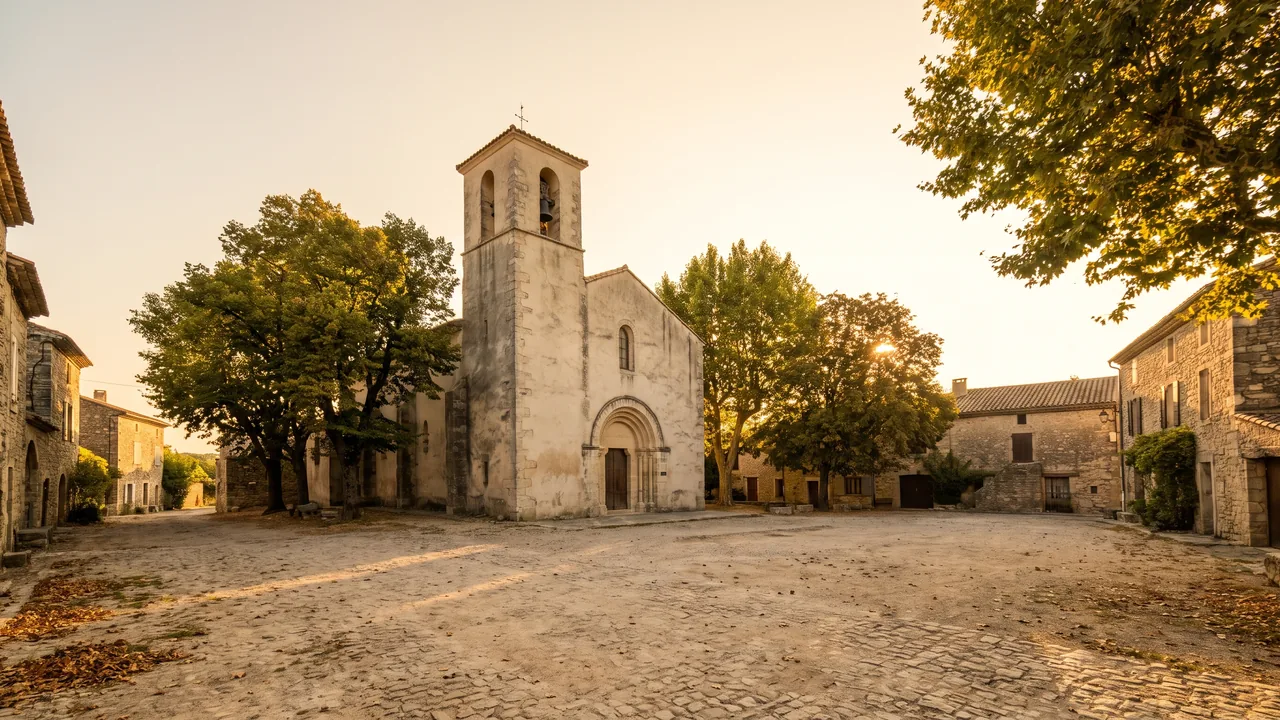
The church is located on one of the pilgrimage routes to Santiago de Compostela that cross the Médoc region, which has drawn pilgrims passing through on their way south over the centuries. Its simple silhouette, built of light-colored stone, perfectly captures the spirit of the place: here, the true heritage is natural—dunes, forests, lakes—rather than architectural. Don’t expect to find the grand wine châteaux of the Médoc in Lacanau: the town belongs to a different Médoc—one of the ocean and lagoons—where history has been shaped by sand and water rather than by cut stone.
The furniture is protected—but not the building
One point deserves clarification, as it is a frequent source of error. The Saint-Vincent Church in Lacanau houses objects protected as historic monuments: notably a 16th-century Pietà and a 17th-century statue of Saint James, both listed in the Palissy database, which catalogs such artifacts. However, the building itself is not classified. The Mérimée entry often cited in connection with it (reference PA00102594) actually refers to another Saint-Vincent Church, with the same name, located in Carcassonne—which has nothing to do with Lacanau. In other words: in Lacanau, the furnishings are protected, but not the walls.
Lake Lacanau
One of the major lakes in the Médoc
Lake Lacanau—also known as the Lacanau Pond—is the town’s other major natural attraction. This natural freshwater lake covers approximately 1,985 hectares (nearly 20 km²) and has a maximum depth of just 7 meters. Its scenic value has long been recognized: it has been a registered site since 1967 and a classified site since 1968. Unlike Lake Hourtin-Carcans, which is shared between two neighboring municipalities, Lake Lacanau lies entirely within the boundaries of the municipality of Lacanau.
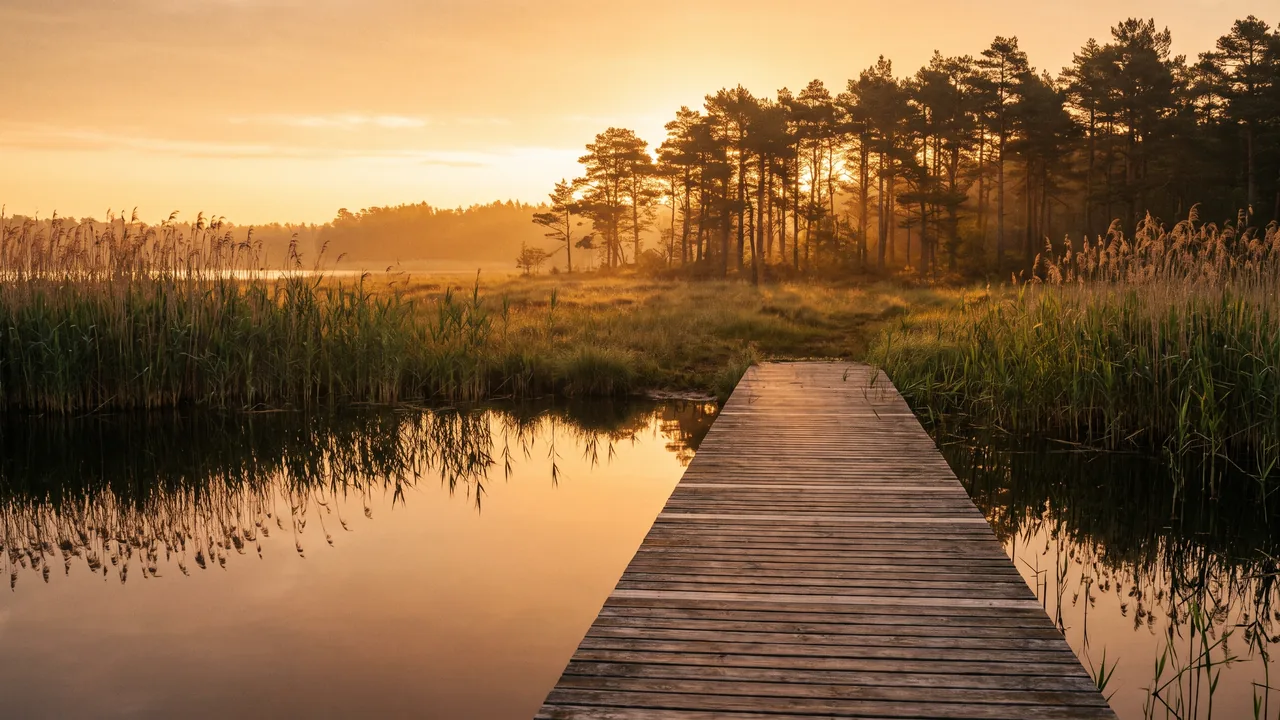
A clarification is in order, as it is sometimes claimed that Lacanau is home to “the largest lake in France.” This is inaccurate. The country’s largest natural freshwater lake is Lake Hourtin-Carcans, located just to the north (approximately 5,667 hectares), and Lake Cazaux-Sanguinet, further south, is also larger (approximately 5,800 hectares). Nevertheless, Lake Lacanau remains one of the major natural freshwater lakes in the Médoc and the Landes de Gascogne. A wide range of activities are available there: sailing, windsurfing, stand-up paddleboarding, water skiing, canoeing, pedal boats, fishing, and supervised swimming at Moutchic. All these lakes in the Médoc are part of the same chain, connected by the Canal des Étangs—a waterway dug between 1854 and 1879—which runs from Hourtin-Carcans in the north to the Arcachon Basin in the south.
The lake’s designation as a protected site in the late 1960s helped preserve its shores from excessive urbanization. As a result, large stretches of the shoreline remain untouched, lined with reeds, pine trees, and freshwater beaches where you can lay out your towel away from the crowds. The contrast with the ocean is striking: here, there are no waves or currents, the water warms up quickly in the summer, and the surface glistens silver at sunset. It’s a haven for families, weekend windsurfers, and patient anglers.
The Canal des Étangs alone tells part of the Médoc’s hydraulic history. Dug in the second half of the 19th century to connect the large lakes to one another and to the Arcachon Basin, it once served to drain water and facilitate trade in a region that had long been marshy. Today, it forms a discreet blue ribbon followed by canoes and walkers, connecting Hourtin-Carcans in the north to the Arcachon Basin in the south, passing through Lake Lacanau. It is this network that explains the strange connection between the ocean, the freshwater lakes, and the Arcachon Basin—three worlds that are, nevertheless, quite distinct.
The Cousseau Pond Nature Reserve
Nestled between Lake Lacanau and Lake Hourtin-Carcans lies a hidden gem: the Étang de Cousseau National Nature Reserve. Designated in 1976 and managed by SEPANSO, it protects approximately 610 hectares of rare habitats—ponds, marshes, wooded dunes, and wet heathlands—that are home to remarkable flora and fauna. An important note for planning a visit: the reserve is accessible only on foot or by bike, never by car. That’s the price of its tranquility, and it’s also what makes it an ideal nature getaway—just a short bike ride from the lake or the village—for anyone who wants to discover the wild and quiet side of the Médoc.
The pine forest and the dunes
The Forest That Grew from the Dunes
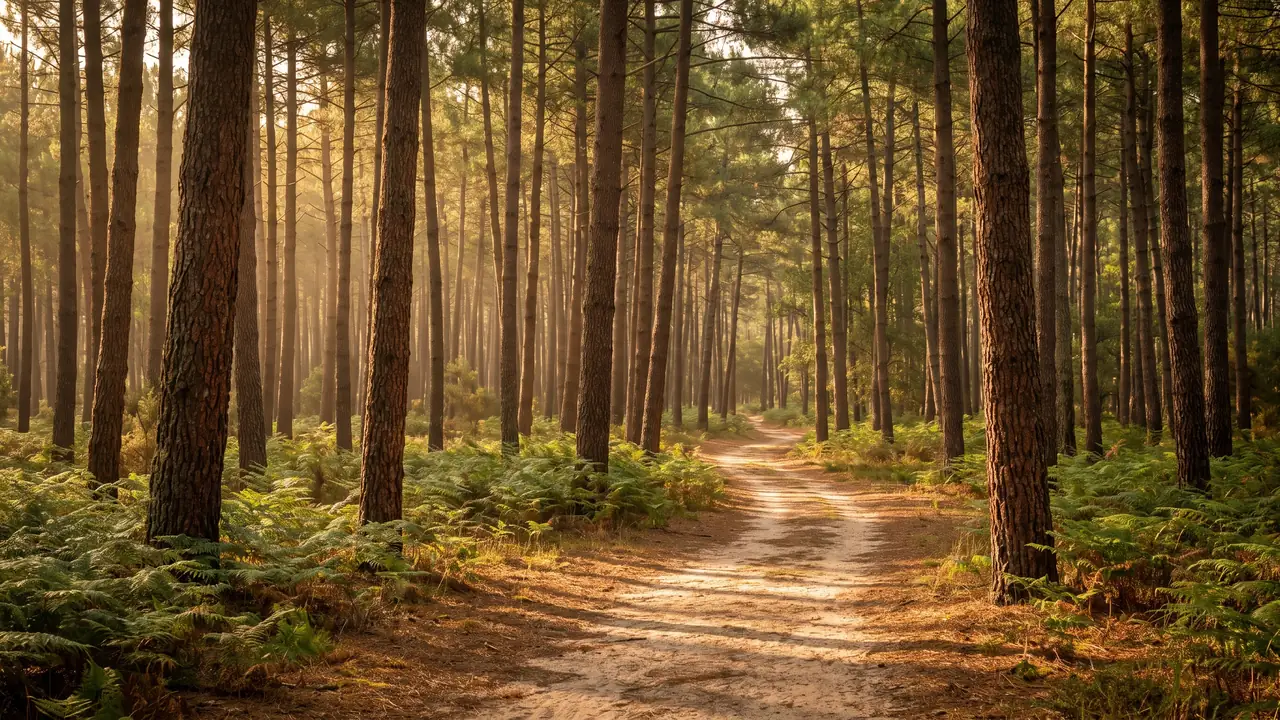
Between the lake and the ocean lies the third facet of Lacanau: the forest. The Landes du Médoc national forest alone covers more than half of the municipality’s territory—approximately 52.6% in 2018. These maritime pines are not there by chance: they are the direct legacy of the dune stabilization project undertaken in the 19th century. What was once shifting sand has, over the course of a few generations, become a dense, fragrant forest, crisscrossed by bike paths and trails, which moderates the climate and shelters a whole discreet world of flora and fauna.
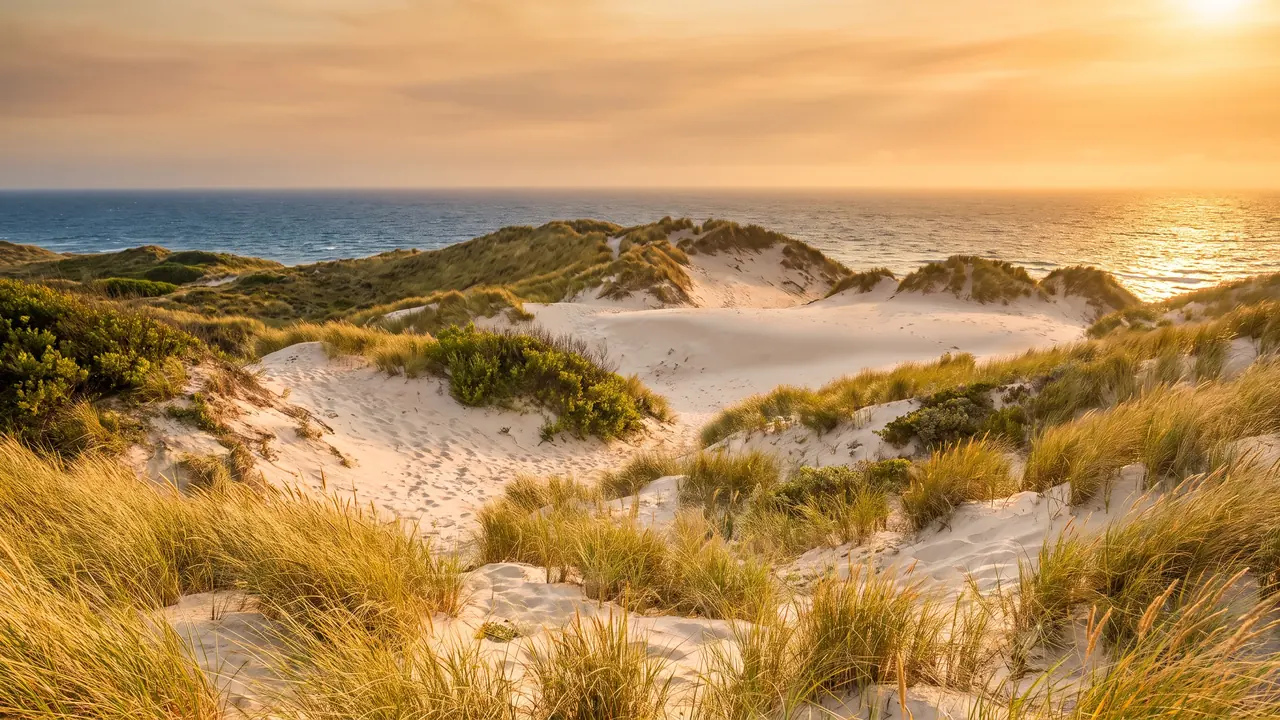
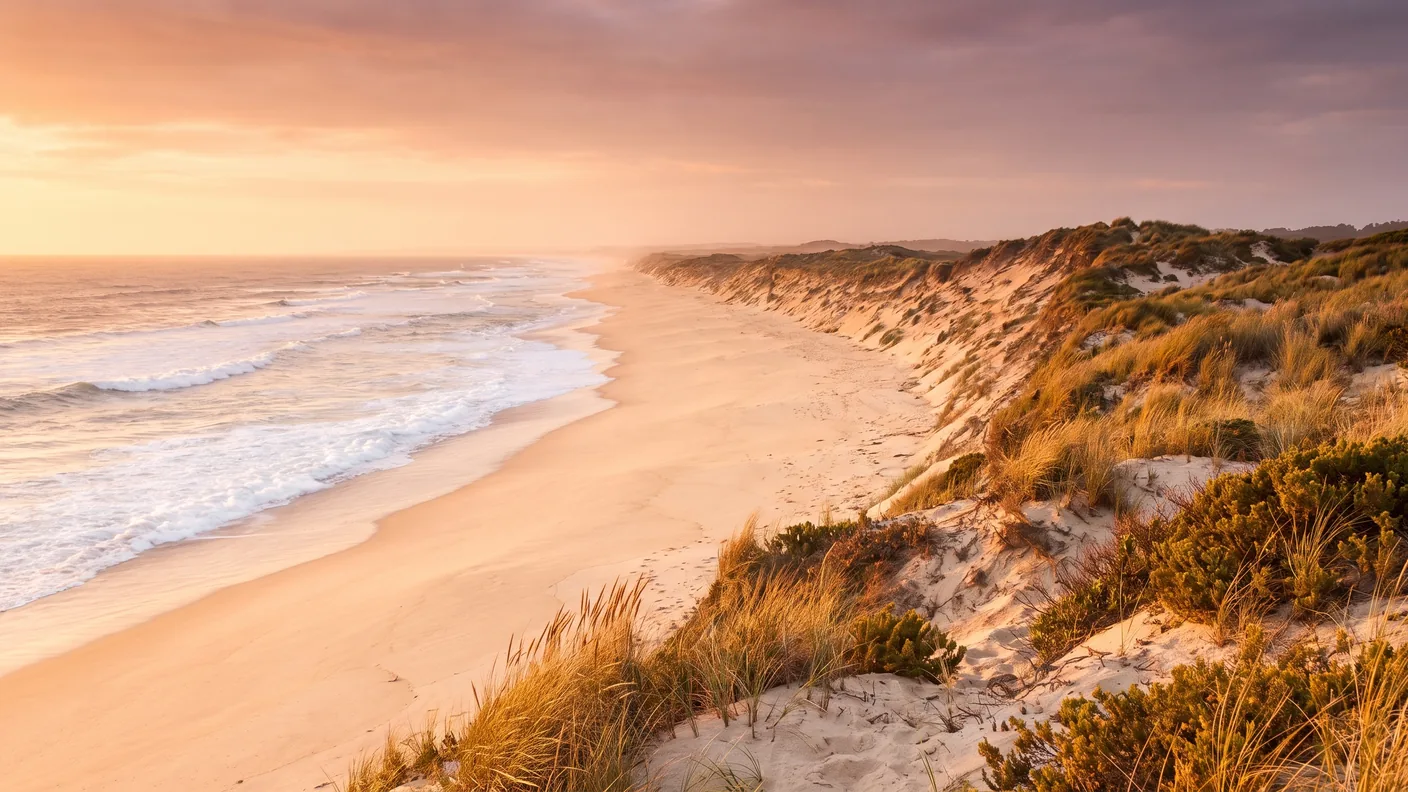
Further west, just before the ocean, the forest gives way to a dune field. These pale sand dunes, crowned with marram grass with long, supple stems, remain partly alive: the wind and the sea are constantly reshaping them. Behind the ridge, the Atlantic Ocean rolls out its waves—the same ones that delight surfers and, as we’ve seen, require the utmost caution due to the rip currents. Forest, dunes, ocean: three parallel bands that you cross in just a few minutes, from the cool shade of the pines to the salty sea air.
Coastal erosion is a serious issue in Lacanau-Océan, where the shoreline is receding in some areas due to the combined effects of storms and currents. Protective structures and regular monitoring of the shoreline are part of daily life at the resort, which must adapt to a constantly shifting coastline. For walkers, this shifting geology is evident right on the dunes: wooden fences installed to hold back the sand, marked trails to prevent trampling of the fragile vegetation, and signs reminding visitors that every tuft of beach grass plays a role in stabilizing the dune ridge. Walking to the beach here means traversing a landscape that is constantly reshaping itself.
For visitors, the forest isn’t just a backdrop—it’s a playground in its own right. Dozens of kilometers of bike trails wind through it, connecting the village, the lake, and the ocean in the shade of the pine trees. People walk, run, and bike there in the cool shade when the beach is sweltering. It’s also the forest that gives Lacanau its distinctive scent—a blend of pine resin, warm sand, and sea air—and makes the climate more bearable in the height of summer. Between swims, a stroll through the forest is the best way to find a little peace and shade.
What to Do in Lacanau?
At Lacanau, you can fill an entire day without ever getting bored—as long as you choose your setting: the ocean for thrills, the lake for tranquility, the forest for a cool escape. When it comes to waves, you can take your first surfing lesson at one of the certified schools in Lacanau-Océan, or simply come watch the free heats of the Lacanau Pro from the sand every July. For swimming, choose a supervised ocean beach or one of the two lake facilities, which are safer for children. On the water, sailing and stand-up paddleboarding await those who prefer a more leisurely experience. On foot or by bike, you can reach the Cousseau Pond Nature Reserve or head out on the Vélodyssée bike path. And for those who prefer solid ground, there’s golf on the dunes, the town market, and kilometers of forest trails.
- Surfing or learning: certified schools and consistent beach breaks at Lacanau-Océan, for all skill levels.
- Attend the Lacanau Pro: a world-class surfing competition in July, with free admission on the beach.
- Swimming Safely: Supervised ocean beaches (North, Central, South / des Écureuils, Super Sud) and lake resorts (Le Moutchic, La Grande Escoure).
- Water activities on the lake: sailing, windsurfing, stand-up paddleboarding, canoeing, and pedal boats on freshwater.
- Explore the Cousseau Nature Reserve: approximately 610 hectares of protected land, accessible only on foot or by bike.
- Cycling along the Vélodyssée: EuroVelo 1 and the Bordeaux–Lacanau trail, which follows the route of a former railroad line.
- Play a round of golf at the Ardilouse Golf Course: an 18-hole course set among the dunes, which opened in 1980.
- Strolling through the market and the forest: the town market and miles of bike paths under the pine trees.
| Desire | Where / What | Good to Know |
|---|---|---|
| Surfing | Lacanau-Océan, accredited schools | Consistent waves · Lessons for all skill levels |
| Major Event | Lacanau Pro, on the beach | In July · Free |
| Swimming | Supervised Beaches & Lake Resorts | Always between the flags (baïnes) |
| Low-impact water sports | The Lake (Le Moutchic, Longarisse) | Sailing, stand-up paddleboarding, canoeing, pedal boats |
| Nature | Cousseau Pond Nature Reserve | On foot or by bike only |
| Bicycle | Vélodyssée & Bordeaux–Lacanau Bike Trail | Repurposed former railroad track |
| Golf | Ardilouse Golf Course | 18-hole course on the dunes (1980) |
One last tip for planning your trip: at Lacanau, almost everything depends on the weather and the season. On sunny summer days, it’s best to head to the ocean early in the morning, before the crowds and the heat set in, and then spend the afternoon at the lake or in the forest. On cooler or windier days, the lake and forest trails take center stage, sheltered from the westerly wind. And in the off-season, you can enjoy nearly deserted beaches and trails, bathed in the low-angle light that gives the Médoc coastline its unique charm. Whatever your plans, be sure to bring something to cover up with: on the coast, the wind can quickly cool things down on a beautiful day.
Around Lacanau
Three neighbors to combine
Lacanau is ideal for an extended getaway, as its neighboring towns share the same variety of landscapes while each offering a slightly different flavor. To the north, about 13 kilometers away, Carcans provides access to the other major lake in the Médoc, Lake Hourtin-Carcans—the largest natural freshwater lake in France—as well as to the ocean and the large Bombannes recreation area. To the south, Le Porge boasts a long ocean beach and the Landes forest, in an even wilder setting. And heading southeast, about thirty kilometers away, you reach Arès, which opens onto the Arcachon Basin and its salt marshes—a whole other world, one of calm waters and oyster huts.
| Destination | Distance from Lacanau | What You'll Find There |
|---|---|---|
| Carcans | ~13 km | Lake Hourtin-Carcans, the ocean, Bombannes |
| Le Porge | to the south | Large ocean beach, Landes forest |
| Ares | ~29 km | Arcachon Bay, salt marshes, oyster farming |
To learn more, check out our guides dedicated to these destinations: Carcans and Lake Hourtin-Carcans, Le Porge and its ocean beach, and the Arcachon Basin. From Lacanau, each destination is easily accessible, allowing you to create a customized day trip that combines lakes, the ocean, and the Arcachon Basin, depending on your mood.
How to get to Lacanau from Bordeaux
Getting to Lacanau from Bordeaux is easy: the town is located about 45 kilometers and a 54-minute drive from the town center of Lacanau-Ville. If you’re heading to the beach, keep in mind that Lacanau-Océan is an additional 12 to 13 kilometers away—a 1-hour-and-5-minute drive and 57 kilometers from downtown Bordeaux. The drive itself has its own charm: after leaving the city, the road winds deep into the Médoc forest—a long, straight stretch beneath the pine trees that already hints at the sea breeze.
How much does the ride cost?
The Bordeaux → Lacanau route starts at €87 during the day for a sedan carrying 1 to 3 passengers. This price is fixed and confirmed in writing before departure: no meter, no surprises upon arrival. Surcharges apply at night, on weekends, and on holidays, and a van replaces the sedan for groups of more than 3 passengers or when there is a lot of luggage. Service to the more distant Lacanau-Océan, as well as transfers to Bordeaux-Mérignac Airport, are priced on a quote basis, depending on the exact distance and desired schedule. During peak season, it’s wise to plan your departures in advance, as the Bordeaux-Lacanau route is very busy on sunny mornings and during evening return trips.
| Route | Distance / Duration | Rates |
|---|---|---|
| Bordeaux → Lacanau-Ville | ~45 km · ~54 min | starting at €87 |
| Bordeaux → Lacanau-Océan | ~57 km · ~1 hr 5 min | based on a quote |
| Bordeaux-Mérignac Airport → Lacanau | according to the schedule | based on a quote |
Why hire a private driver?
In the summer, parking at Lacanau-Océan is often a headache: the beachfront parking lots fill up early in the morning, and the resort gets completely packed. Being dropped off right at the beach and picked up at the agreed-upon time saves you from driving around in circles looking for a spot—and lets you enjoy your day to the fullest, including the sand, a drink, and the sunset, without worrying about the trip back. Door-to-door service is also ideal for groups carrying surfboards and gear, or for families who prefer to travel stress-free. It offers the convenience of a pre-booked ride, with a price you know in advance and a vehicle reserved just for you.
Don't forget about the trip back: after a day at the beach, traffic on the Lacanau road can be heavy in the late afternoon on sunny days. Booking a transfer with a pickup time arranged in advance avoids waiting and the hassle of finding parking, and lets you stay on the sand until the very last ray of sunshine. For a group getaway—whether it’s a full day or a trip combining Lacanau with a nearby town like Carcans or Arès—a customized quote is the easiest option: you provide your schedule, and we’ll take care of the rest.
Frequently Asked Questions
Where is Lacanau located?
Lacanau is a commune in the Gironde department (33), in the Nouvelle-Aquitaine region, on the Atlantic coast of the Médoc, about 45 kilometers west of Bordeaux. It covers nearly 214 km², stretching from the large freshwater lake in the east to the ocean in the west, with a vast pine forest in between. Be aware of a common misconception: Lacanau is not located in the Arcachon Basin but rather faces the ocean, separated from the Arcachon Basin by the Lège-Cap-Ferret peninsula.
Is Lacanau located in the Arcachon Basin?
No. Lacanau overlooks the Atlantic Ocean directly, on the Médoc coast, and not the Arcachon Basin, which is located further south behind the Lège-Cap-Ferret peninsula. The only connection to the Arcachon Basin is indirect: Lake Lacanau is linked to it by the Canal des Étangs, which was dug in the 19th century. But the activities typical of the Arcachon Basin aren’t practiced at Lacanau—here, you’ll find the Atlantic swell on the ocean side and calm, fresh water on the lake side.
How many people live in Lacanau?
Lacanau has a population of approximately 5,739 according to the latest INSEE census (2023), representing an increase of nearly 17% since 2017. The residents are known as Canaulais and Canaulaises. This figure represents the permanent population; in the summer, with vacationers, second-home owners, campers, and surfers, the population far exceeds 40,000 people. The contrast between the peaceful winter and the bustling summer is typical of the seaside resorts of the Médoc.
Why is Lacanau known for surfing?
Lacanau is one of the top surfing spots on the Atlantic coast, renowned for its consistent waves and high-quality beach breaks, with numerous certified surf schools. In 2015, the town was awarded the two-star “Surf Town” designation by the French Surfing Federation. Be wary, however, of claims such as “European surfing capital”—these are marketing slogans, not official titles. It’s better to talk about a solid reputation than a record.
When is the Lacanau Pro taking place?
The Lacanau Pro (Caraïbos Lacanau Pro) is now held in July, rather than in mid-August as it used to be. The 45th edition took place from July 8 to 14, 2026, with the QS events running from July 8 to 13 (Caraïbos Lacanau Pro, 2026 edition); check with the organizer for the dates of the next edition. Created in 1979, it was the first international surfing competition held in France; it joined the world tour in 1983 and is now the only French stop on the World Surf League’s Qualifying Series. Access to the beach to watch the heats is free. Since dates are subject to change, be sure to check them each year.
Is Lake Lacanau the largest lake in France?
No. Lake Lacanau covers approximately 1,985 hectares, making it one of the largest natural freshwater lakes in the Médoc, but not the largest in France. That title belongs to Lake Hourtin-Carcans, located just to the north (approximately 5,667 hectares); Lake Cazaux-Sanguinet, further south, is also larger. However, Lake Lacanau is entirely located within the municipality of Lacanau, and it has been designated a protected site since 1968.
What is there to do at Lake Lacanau?
The freshwater Lake Lacanau is the perfect spot for laid-back water sports: sailing, windsurfing, stand-up paddleboarding, canoeing, water skiing, pedal boats, and fishing. Swimming is allowed in supervised areas, particularly at Moutchic and La Grande Escoure—a great option for families with young children, far from the ocean’s waves and currents. Its shores, partly untouched and lined with reeds and pine trees, also offer lovely walks, with water that warms up quickly in the summer.
What is a "baïne," and why should you be wary of it?
A "baïne" is a depression carved into the sand between the beach and the first sandbars. At low tide, the accumulated water flows out through a narrow channel, creating a powerful rip current capable of dragging a swimmer out to sea in a matter of seconds. This is the main danger at the ocean beaches of Lacanau. Swim only in supervised areas and follow the flag signals. If you get into trouble, avoid exhausting yourself; signal for help immediately and follow the lifeguards’ instructions. If you witness someone in distress, alert the lifeguard station without delay.
Which beaches in Lacanau are lifeguard-patrolled?
On the ocean side, Lacanau-Océan features several beaches with lifeguards during the season: North Beach, Central Beach, South Beach (known as Écureuils Beach), and Super Sud, spread out along the resort’s kilometers of sandy shore. On the lake side, there are also two supervised swimming areas, at Moutchic and La Grande Escoure. Lifeguard service is provided only during the season and at specific times: always swim between the flags and follow the instructions, due to the rip currents along the coast.
Can we visit the Cousseau Pond Nature Reserve?
Yes, but only on foot or by bike. The Étang de Cousseau National Nature Reserve, designated in 1976 and managed by SEPANSO, protects approximately 610 hectares of rare habitats—ponds, marshes, wooded dunes, and wet heathlands—between Lake Lacanau and Lake Hourtin-Carcans. It is not accessible by car, which helps preserve its tranquility. It’s a beautiful nature getaway, just a few kilometers from the town or the lake, where you can discover the untamed Médoc, rich in remarkable flora and fauna.
How much does a trip from Bordeaux to Lacanau cost with a chauffeur service?
The Bordeaux → Lacanau route starts at €87 during the day for a sedan transporting 1 to 3 passengers to the town of Lacanau-Ville. This is a fixed rate confirmed in writing before departure; no meter is used. Surcharges apply at night, on weekends, and on holidays, and a van replaces the sedan for groups of more than 3 passengers or when there is a large amount of luggage. Service to the more distant Lacanau-Océan, as well as transfers to Bordeaux-Mérignac Airport, are priced on a quote basis.
How long does it take to get from Bordeaux to Lacanau?
It takes about 54 minutes and 45 kilometers to reach the town of Lacanau-Ville from Bordeaux. If you’re heading to the beaches, keep in mind that Lacanau-Océan is 12 to 13 kilometers farther than the town center: plan on a 1-hour-and-5-minute drive and 57 kilometers from downtown Bordeaux. The road winds through the Médoc forest, a long straight stretch beneath the pine trees. During peak season, it’s best to plan your departure and return times in advance, as the road gets very busy when the weather is nice.
What is there to see around Lacanau?
The surrounding area offers beautiful variations on the same landscapes. To the north, about 13 kilometers away, Carcans provides access to Lake Hourtin-Carcans (France’s largest natural freshwater lake), the ocean, and the Domaine de Bombannes. To the south, Le Porge charms visitors with its long ocean beach and Landes forest, set in a truly wild setting. Further away, about thirty kilometers away, Arès opens onto the Arcachon Basin and its salt marshes. From Lacanau, each destination can be easily combined for a customized day trip.
Further Reading
- Book your trip: direct transfer from Bordeaux to Lacanau, fixed price starting at €87, confirmed in writing. See the fare from Bordeaux to Lacanau-Ville.
- All our destinations: the ocean, the Bassin, the vineyards, and the villages of the Médoc, departing from Bordeaux. View the map of destinations.
- Carcans and Lake Hourtin-Carcans: France's largest natural freshwater lake, the ocean, and Bombannes. Read the guide.
- Le Porge: the vast ocean beach and the Landes Forest, further south along the Médoc coast. Read the guide.
- Arcachon Bay: Oysters, villas, and the Dune du Pilat—the other side of the Gironde coastline. Read the guide.
Sources and References
- City of Lacanau / Médoc Océan Tourist Office — beaches, surfing, lake, market
- INSEE — Municipality of Lacanau (33214) — Demographics, Area
- World Surf League / Lacanau Pro — Surfing Competition, Dates
- SEPANSO — Cousseau Pond Nature Reserve — reserve, access, habitats
- Mérimée/Palissy Database (POP, Ministry of Culture) — church furnishings (Palissy)
Article published on .
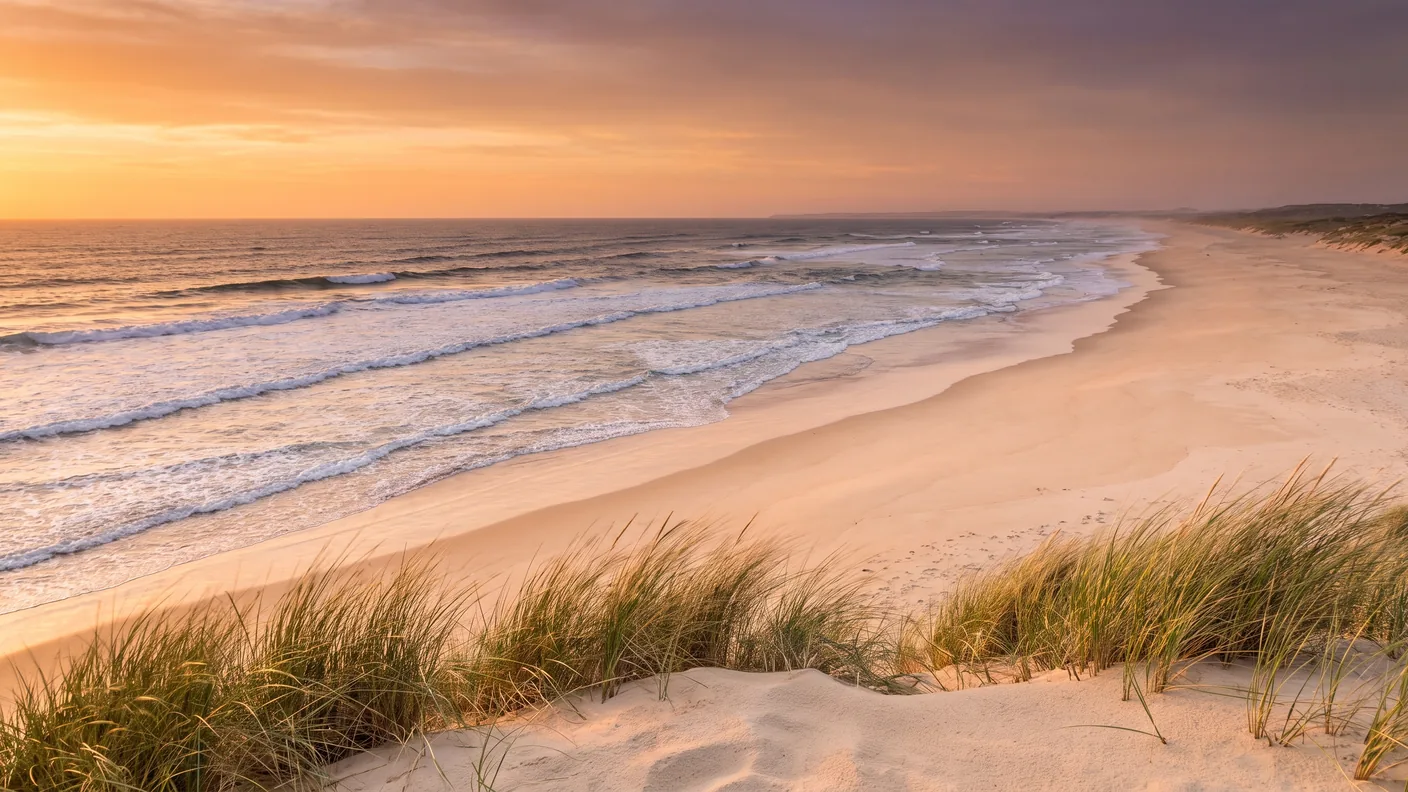
Heading to the Médoc coast
Direct transfer from Bordeaux (~54 min) to Lacanau-Océan, the lake, and the surf spots. Fixed-price quote in writing, with no obligation.