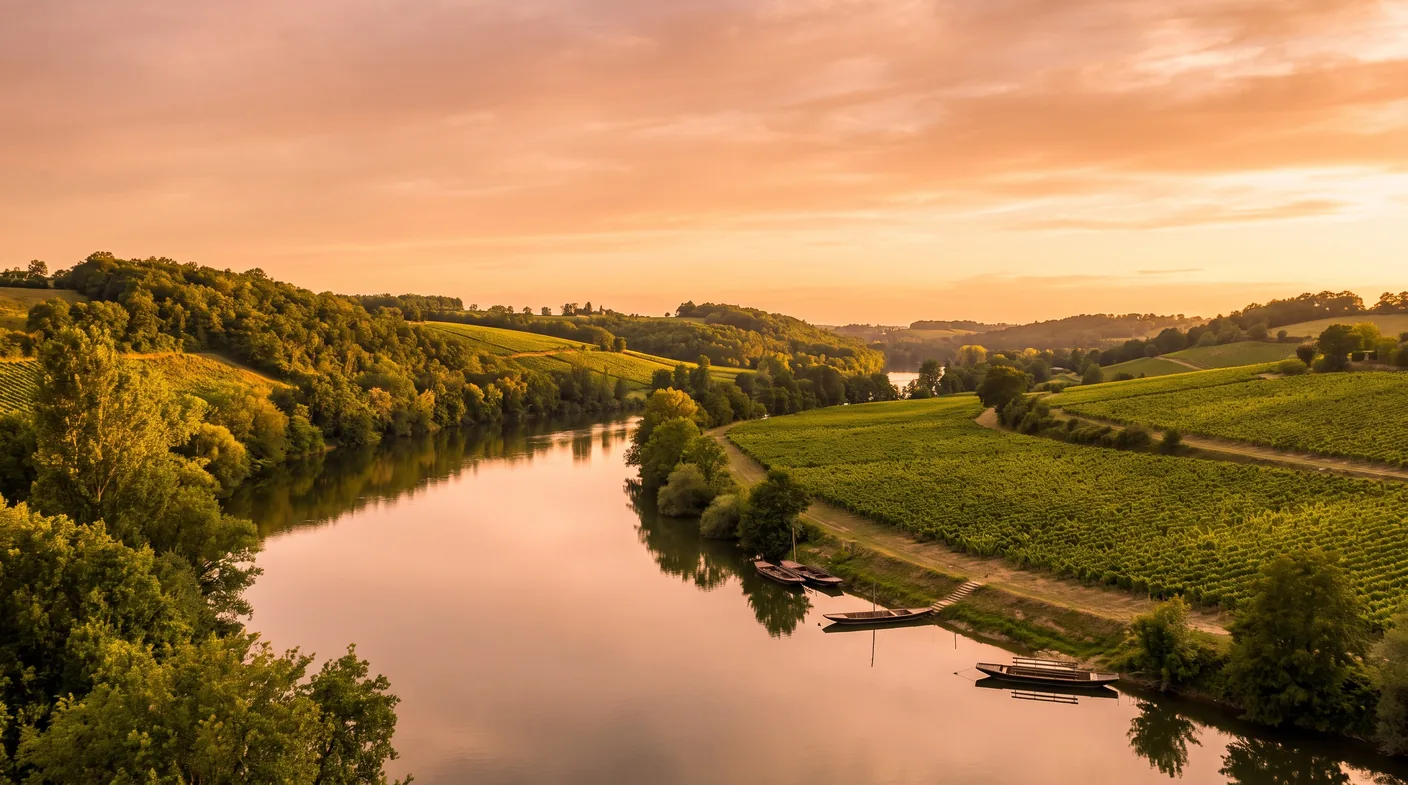
Bordeaux to Le Biac in Langoiran: fortress, vineyards and Garonne
A wine-growing hamlet and riverside town on the right bank of the Garonne, in Entre-deux-Mers. Explore Le Biac and its wine estate, Langoiran’s listed Romanesque church and former river port, plus nearby Rions, Cadillac and the UNESCO-listed Abbey of La Sauve-Majeure. About 45 minutes from Bordeaux.
Le Biac and Langoiran at a Glance
Le Biac is a wine-growing hamlet in Langoiran, on the hillsides along the right bank of the Garonne River. [Ville de Langoiran 2022]The town has a population of 2,215.[INSEE 2023] From Bordeaux, it’s about 26 km and a 45-minute drive, with a flat rate starting at 62 €. The fortified castle and the Romanesque church round out the local heritage.
Le Biac: Practical Guidelines
| Landmark | Details |
|---|---|
| Location | Le Biac, a hamlet in Langoiran (Gironde, Nouvelle-Aquitaine), on the right bank of the Garonne |
| Status | Langoiran municipality, Langon district, Portes de l'Entre-Deux-Mers Community of Communes |
| Residents | 2,215 residents of Langoiran (INSEE 2023) [INSEE 2023] |
| Must-Sees | the fortified castle, Le Biac and its grounds, the Romanesque church, the banks of the Garonne |
| From Bordeaux | about 26 km · about 45 min · starting at €62 |
What is Le Biac?
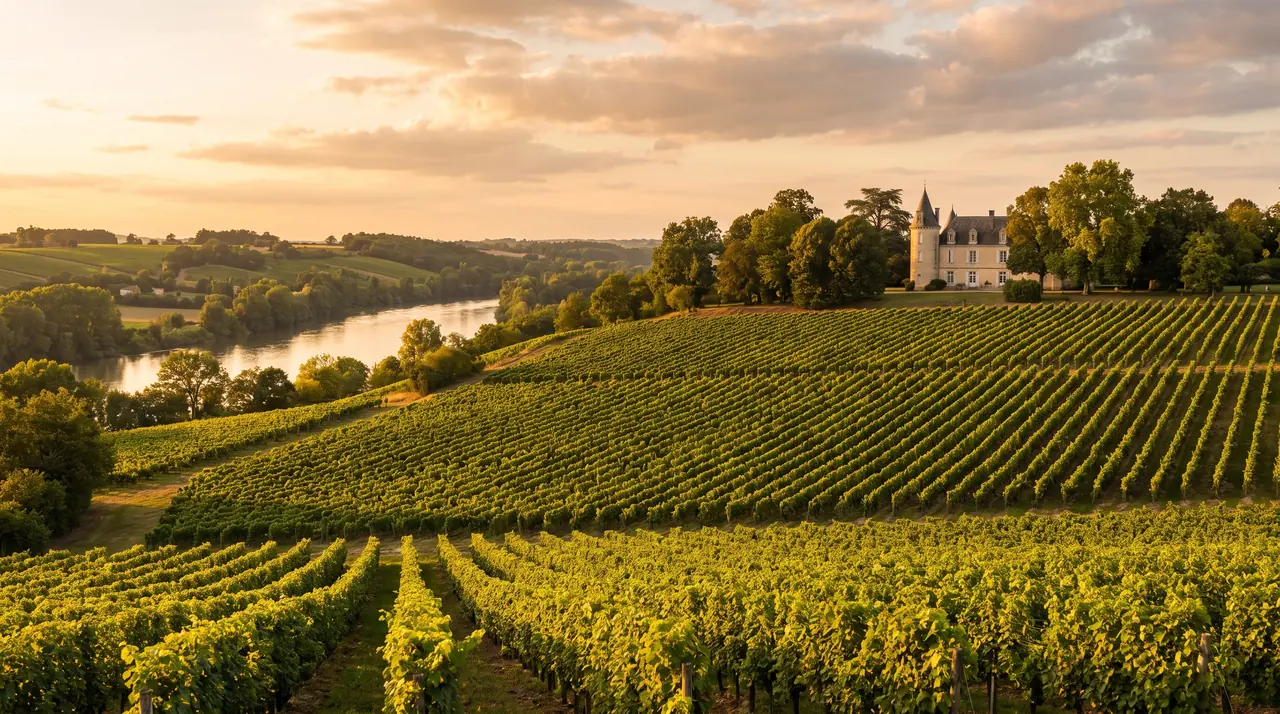
Le Biac is a wine-growing hamlet in the municipality of Langoiran, not an independent municipality. Situated on a hillside on the right bank of the Garonne River, it consists of a few houses and the Château Biac estate. People come here for the vineyards and the panoramic view of the valley, while the main attractions are located in Langoiran. [Ville de Langoiran 2022]
The name is actually somewhat misleading. Le Biac primarily refers to Château Biac, an estate with a well-documented history: it is said to have been built in 1755 by the daughter of the Baron de Langoiran, on the hills overlooking the valley. [Château Biac 2026]The vineyard, classified under the Cadillac-Côtes de Bordeaux appellation, produces red wines, a dry white, and a sweet wine; it has been run by the Asseily family since 2006, who have brought it back into the spotlight. According to sources, the estate covers between nine and fifteen hectares—a manageable-sized property, carved into the hillside. It is this very château—thriving and full of life—that has made the name Biac known far beyond the borders of Langoiran.
A hamlet on a hillside, not a village
Le Biac must be taken for what it is: a rural hamlet with no town hall, no town square, and no shops. Its administrative affairs are handled by Langoiran, on which it depends entirely. This is by no means unusual in Gironde, where countless hamlets—often linked to an estate or a former farmstead—dot the vineyards without ever forming a town. What makes Le Biac so endearing is precisely this unassuming nature: people come here for the vineyards, the light, and the horizon—not for a shopping street. The true architectural heritage, meanwhile, lies a little further down, in Langoiran itself, between the river and the hillsides. Le Biac is the realm of the vineyards; Langoiran, that of the monuments. In Gironde, hamlets like this often take their identity from a single house, a wine cellar, or a path lined with vines; in Le Biac, it’s the view that makes the difference—that sweeping panorama of the Garonne’s bend, which you’d never suspect from the road below. People come up here to breathe and to look around, just as much as to taste the wine.
Château Biac, an estate founded in 1755
Château Biac is one of the main reasons to visit the hamlet. Founded in the mid-18th century, it reflects the winemaking history of these early slopes along the Garonne, where vines were planted on the best-exposed sites, facing south and overlooking the river. The Asseily family has run it since 2006 and restored its reputation through meticulous production of both red and sweet wines within the Cadillac-Côtes de Bordeaux appellation. As is the case throughout the region, visits and tastings must be arranged in advance and are subject to the estate’s availability: it’s best to contact them before heading out, rather than hoping to find the door open by chance. And above all, do not confuse this Château Biac—which is active and inhabited—with the fortified castle of Langoiran, which is now nothing more than a medieval ruin—two monuments that are polar opposites in every way, starting with their purpose and the era in which they were built.
Le Biac or Graves? A Misunderstanding to Clear Up
It is sometimes stated that Le Biac is located “on the Graves plateau.” This is a geographical error. The Graves region stretches along the left bank of the Garonne, south of Bordeaux; Le Biac, on the other hand, is located on the right bank, right in the heart of Entre-deux-Mers, within the Cadillac-Côtes de Bordeaux appellation. The river clearly separates the two regions: in Langoiran, one need only look across to the opposite bank, toward Portets, to see where the Graves region begins. For a wine lover, this distinction is no mere detail: it shapes the soils, the dominant grape varieties, and the style of the wines. Le Biac is unmistakably a right-bank terroir, and confusing it with the Graves is like crossing the river by mistake.
Langoiran, the municipality that includes Le Biac
Langoiran is a commune in the Gironde department, of which Le Biac is a locality. Located on the right bank of the Garonne River, it encompasses the port, the town center, and Haut-Langoiran. The fortified castle has been classified as a historic monument since 1892[POP 2026], and the Church of Saint-Pierre-ès-Liens since 1908. [POP 2026]
The wine-growing hamlet and Château Biac are situated on the hillsides, while the town’s heritage sites are spread out between the valley and the hills. Read the complete guide to Langoiran: the fortified castle, the port, and the town’s heritage
The Cadillac-Côtes de Bordeaux Wine Region
Langoiran and Le Biac are part of the Cadillac-Côtes de Bordeaux wine region, an appellation on the right bank of the Garonne. On these sun-drenched hillsides, vineyards reign supreme: they cover a large part of the region and shape the rolling hillside landscape that gives the town its charm. Red wines are the main production here—the Cadillac-Côtes de Bordeaux appellation is now renowned for them—but the region is also home to white wines, both dry and, above all, sweet. This dual character is one of the keys to the local terroir: a single village can offer both a red for the meal and a white for dessert.
For there is another Cadillac: the “Cadillac” appellation itself, reserved for sweet white wines. It belongs to the prestigious circle of great sweet wines from Bordeaux. On the left bank, Sauternes, Barsac, and Cérons shine; on the right bank, facing them, Loupiac, Sainte-Croix-du-Mont, and Cadillac hold their own. Langoiran lies at the heart of this region of sweet wines, where the morning mists of the Garonne encourage noble rot—the famous botrytis that concentrates sugars and produces the great sweet wines. It is a versatile terroir, capable of producing both full-bodied reds and golden whites: enough to offer, right there on the spot, a beautiful journey through the styles of Bordeaux.
Cadillac, a great sweet Bordeaux wine
Cadillac sweet wines are well worth exploring. Made from overripe grapes concentrated by botrytis, they share the same ambition as their illustrious neighbors: to offer a rich, long-finishing golden wine with notes of candied fruit and honey. Long overshadowed by Sauternes, the sweet wines of the right bank—Cadillac, Loupiac, Sainte-Croix-du-Mont—now offer a value for money that appeals to discerning wine lovers. Tasting them on site, facing the hillsides where they were born, naturally adds to the pleasure. It’s also an opportunity to understand, glass in hand, why this stretch of the Garonne is home to so many sweet wine appellations within such a short distance.
Château Biac and Château Langoiran: two signature estates
Two estates are particularly representative of the local vineyards. Château Biac, situated on the heights of Biac, produces a range of wines—from reds to sweet wines—within the Cadillac-Côtes de Bordeaux appellation; as mentioned earlier, its history dates back to 1755. Château Langoiran, operated by Vignobles Gonfrier, covers about twenty hectares—roughly 23 hectares—and overlooks the Garonne Valley. These two estates illustrate the diversity of a terroir where each hillside has its own exposure, soil, and style. As always, tastings and tours should be scheduled in advance, depending on the estates’ availability: a quick call before arriving helps avoid disappointment and often ensures a warmer welcome. Another benefit of an on-site tasting is understanding the connection between the landscape and the wine in your glass: seeing the slope, the exposure, and the proximity to the river, then tasting the wine produced there. That’s where the Langoiran vineyard truly comes into its own—far better than on a label. And there’s nothing stopping you from leaving with a few bottles—a liquid memento of a day spent on the hillsides.
Travel to Le Biac in Langoiran from Bordeaux
Le Biac is located about 26 kilometers from Bordeaux, or about 45 minutes along the right bank of the Garonne. Once past the city limits, the road follows the D10 between the river and the hillsides of the Entre-deux-Mers region. A door-to-door transfer eliminates the need for transfers and takes you directly to the hamlet or wine estate.
Without a car, getting there is more challenging: the villages of the Entre-deux-Mers region are poorly served by public transportation, and visiting Langoiran, Rions, Cadillac, or La Sauve-Majeure one after another requires a great deal of freedom of movement. This is precisely where a private door-to-door transfer comes into its own: you leave from your address in Bordeaux, choose your stops, and enjoy the scenery without worrying about parking or schedules. For a day trip involving multiple sites, this is often the smoothest option, especially if the itinerary includes a wine tasting. The distances between Langoiran, Rions, Cadillac, and La Sauve-Majeure are short, but the small, winding, and poorly marked hillside roads aren’t well-suited for improvisation: it’s better to let someone else do the driving so you can focus on the scenery. You save time, you don’t have to search for directions, and you can change the order of your visits depending on your mood and the weather.
How much does the ride cost?
A transfer from Bordeaux to Biac in Langoiran starts at €62 during the day for a sedan carrying one to three passengers. This is a fixed rate: it is confirmed in writing before departure, with no meter and no unpleasant surprises upon arrival. A surcharge may apply at night, on weekends, and on holidays, and a van is available for groups of more than four passengers. For a multi-stop tour—Langoiran, Rions, Cadillac, La Sauve-Majeure—or for a transfer from Bordeaux-Mérignac Airport, the price is determined by quote, based on the desired route. The idea remains the same: knowing the cost in advance, so you can travel with peace of mind.
| Route | Base | Indications |
|---|---|---|
| Bordeaux → Le Biac, Langoiran (day trip, 1–3 passengers) | starting at 62 € | ~26 km · ~45 min · fixed price |
| Stops in Entre-deux-Mers (Rions, Cadillac, etc.) | based on a quote | custom tour |
| From Bordeaux-Mérignac Airport | based on a quote | depending on the route |
| 5 or more passengers | based on a quote | van |
| Nights, weekends, holidays | surcharge | confirmed in writing |
Why choose a chauffeur service?
For a getaway to the Entre-deux-Mers region, a chauffeur service offers three simple advantages: the freedom to plan your own itinerary, the comfort of traveling without having to drive—which is especially nice if your plans include a wine tasting—and the peace of mind that comes with knowing the price in advance. You can visit the château, stroll along the banks of the Garonne, and sample a sweet wine—all without ever having to get behind the wheel or worry about finding a parking spot. From Bordeaux, this option transforms a region that can be a bit difficult to access into a seamless, door-to-door day trip. It’s undoubtedly the most relaxing way to explore Langoiran, Le Biac, and their neighbors, at your own pace and according to your preferences.
Frequently Asked Questions
What is Le Biac?
Le Biac is a locality—a hillside hamlet—in the municipality of Langoiran, in Gironde, on the right bank of the Garonne River, in the Entre-deux-Mers region. It is neither a municipality, nor a village in the strict sense, nor a port: just a few houses scattered among the vineyards on the hills overlooking a bend in the river. Its fame stems mainly from Château Biac, a winery founded in 1755 and classified under the Cadillac-Côtes de Bordeaux appellation. Be careful not to confuse this Château Biac, the winery, with the fortified castle of Langoiran, a medieval ruin located further down in the municipality.
What is Château Biac?
Château Biac is a winery located in the hamlet of Le Biac, on the hills above Langoiran. It is said to have been built in 1755 by the daughter of the Baron of Langoiran, on a hillside overlooking the Garonne Valley. Classified under the Cadillac-Côtes de Bordeaux appellation, it produces red wines, a dry white, and a sweet white on a property spanning a few hectares. Taken over by the Asseily family in 2006, it has regained a strong reputation. Not to be confused with the Langoiran castle, which is a ruined medieval monument.
Is Le Biac in Entre-deux-Mers or in the Graves?
In Entre-deux-Mers. Langoiran and its hamlet Le Biac are located on the right bank of the Garonne River, within the Cadillac-Côtes de Bordeaux appellation. The Graves, meanwhile, stretch along the left bank, south of Bordeaux: this is the vineyard visible across the river, near Portets. It is sometimes mistakenly stated that Le Biac is “on the Graves plateau”—this is a misunderstanding. The river clearly marks the boundary between the two terroirs, which have neither the same soils nor the same style of wines.
How much does a trip from Bordeaux to Le Biac cost with an executive car service?
A private transfer from Bordeaux to Biac in Langoiran starts at €62 during the day for a sedan accommodating one to three people. The rate is fixed and confirmed in writing before departure, with no meter used: the quoted price is the price you pay. A surcharge may apply at night, on weekends, and on holidays, and a van is available for groups of more than four passengers. For a multi-stop tour in the Entre-deux-Mers region or a transfer from Bordeaux-Mérignac Airport, the price is determined by quote, based on the desired route.
How long does it take to get from Bordeaux to Le Biac?
It takes about 45 minutes by car from downtown Bordeaux, covering a distance of about 26 kilometers along the right bank of the Garonne. With a private door-to-door transfer, you’ll be picked up directly from your address, which is the easiest way to get to Le Biac in Langoiran.
Further Reading
- The Complete Guide to Langoiran: See the Langoiran Guide (detailed information on the castle, the Garonne River, and the vineyards)
- The nearby fortified village: see the Rions Guide (medieval walls and the Lhyan Gate, just a few minutes away)
- The UNESCO-listed abbey: see the Guide to La Sauve-Majeure (Romanesque ruins founded in 1079, in the Entre-deux-Mers region)
- Understanding our rates and vehicles: See the Bordeaux → Le Biac transfer (sedan and van, fixed-price quote in writing)
- Explore the region: view the Bordeaux → Le Biac transfer or browse all our destinations
Sources and References
- INSEE — 2023 reference population for Langoiran — 2,215 residents
- City of Langoiran — Heritage Study — Le Biac Among the Municipality’s Major Estates
- Château Biac — History of the Estate — Ownership and Origins in the 18th Century
- Ministry of Culture, POP — Langoiran Castle — historic monument protection
- Ministry of Culture, POP — Saint-Pierre-ès-Liens Church — historic monument protection
- Town of Langoiran — Langoiran’s Rich Heritage — Castle, Church, and Port
- INAO — Côtes de Bordeaux Cadillac — appellation area and specifications
Article updated in July 2026.
Our Latest Guides
 Entre-deux-Mers & Southern Gironde
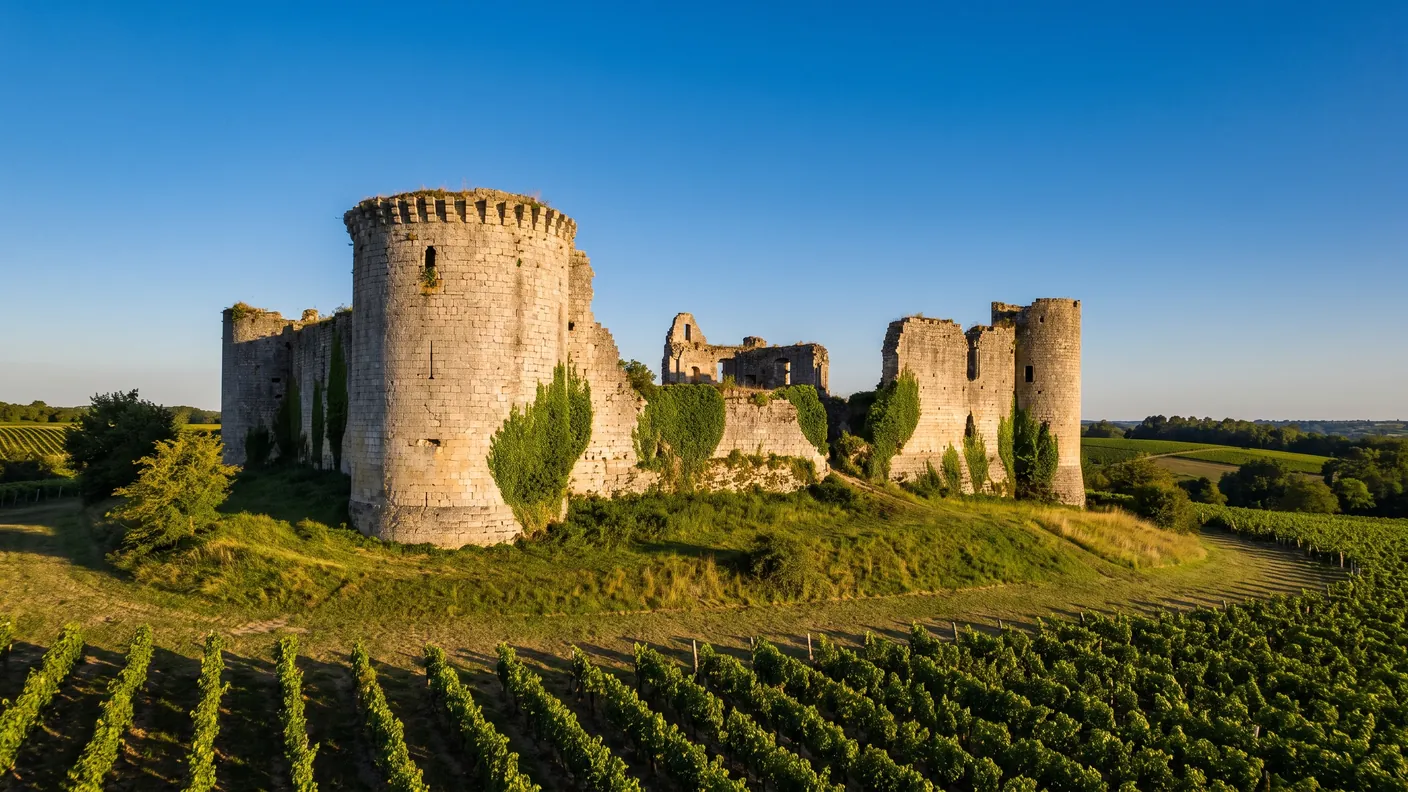
Langoiran: The Fortified Castle and the Garonne Valley
Read the guide →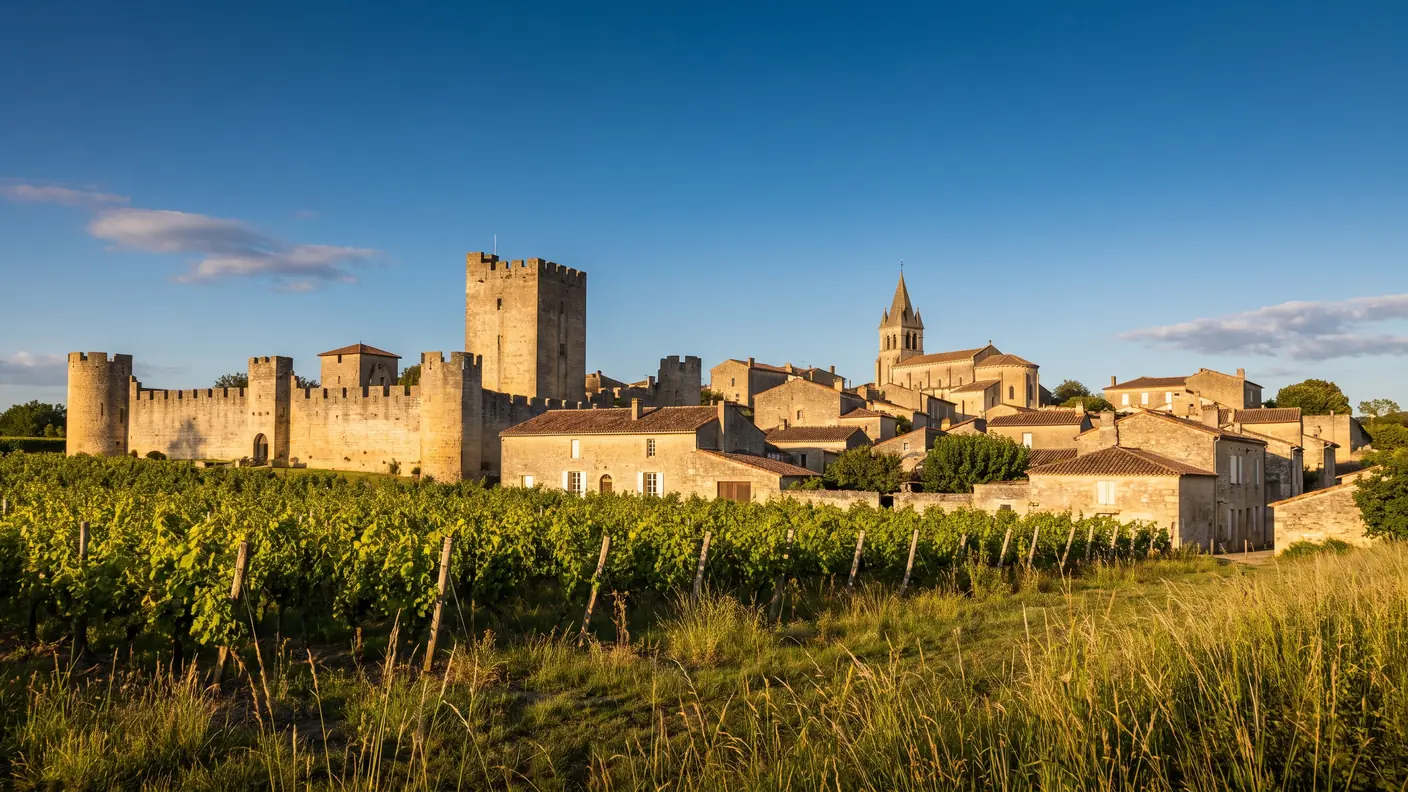 Entre-deux-Mers & Southern Gironde
Rions: The Fortified Village on the Banks of the Garonne
Read the guide →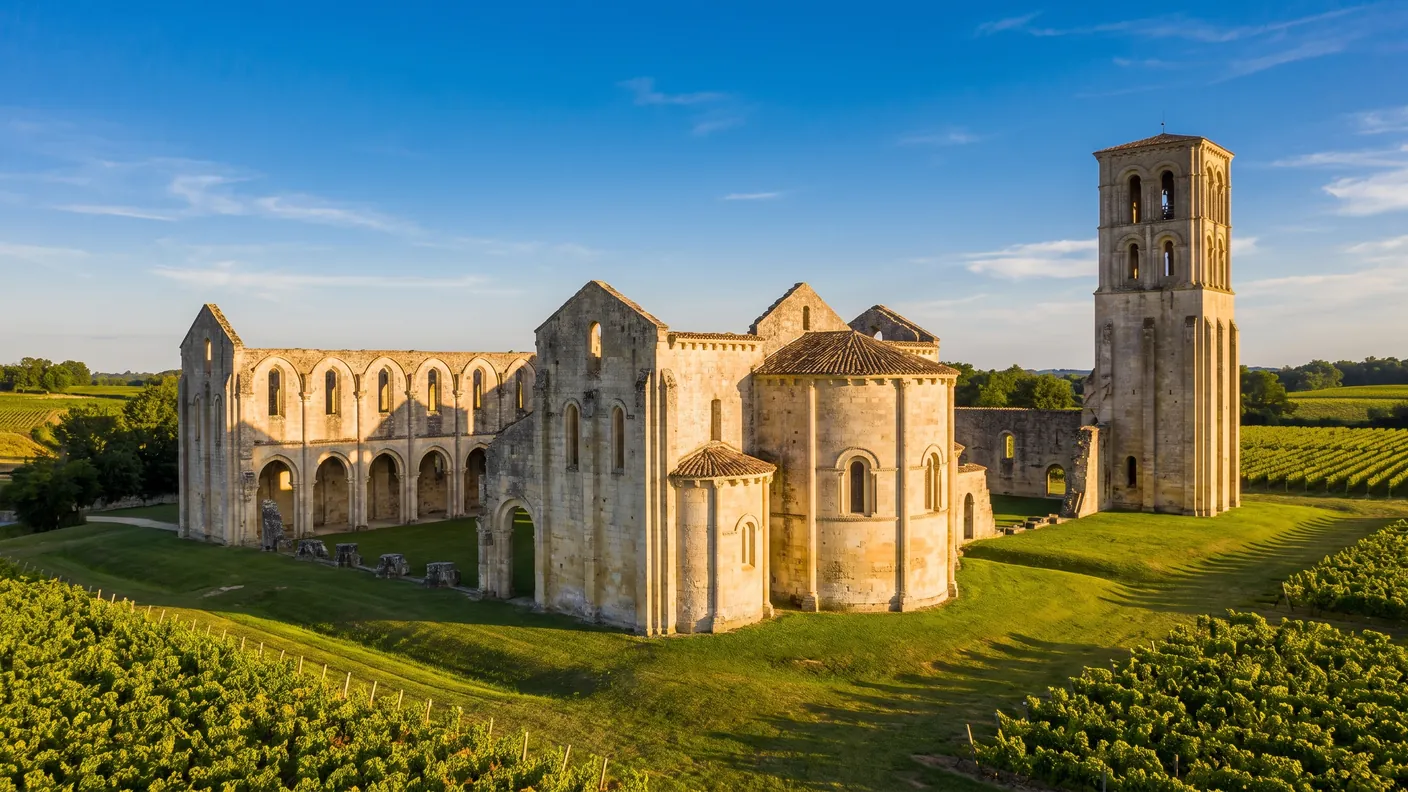 Entre-deux-Mers & Southern Gironde
La Sauve-Majeure: The Romanesque Abbey Designated a UNESCO World Heritage Site
Read the guide →Off to Entre-deux-Mers
Direct transfer from Bordeaux (~45 min) to Langoiran, Le Biac, and the Garonne hills. Written fixed-price quote, with no obligation.