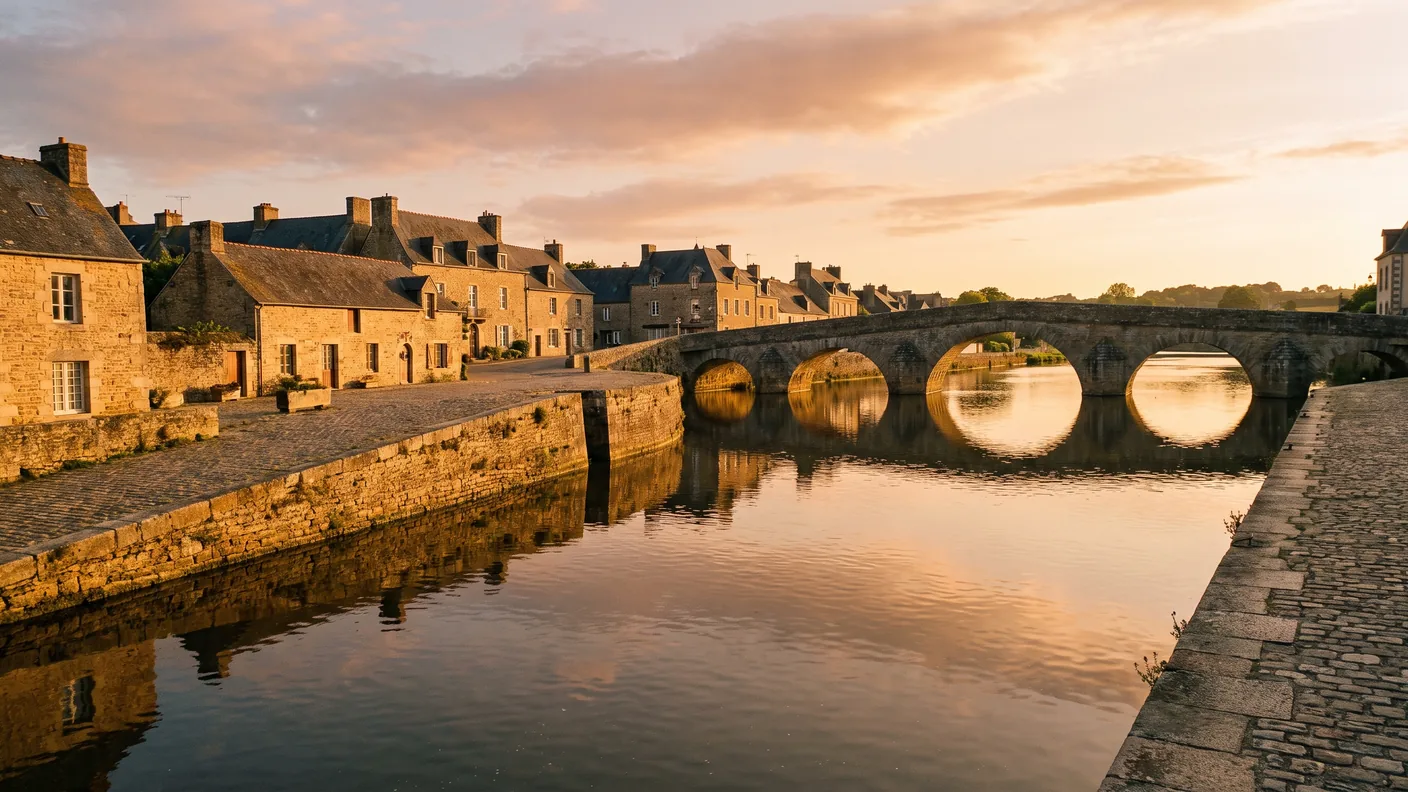
Discover Libourne, a riverside bastide
A 13th-century English bastide, situated at the confluence of the Isle and Dordogne rivers, in the heart of the Libournais wine region. A large square with arcades, the Porte du Grand Port, wine quays, and the vineyards of Saint-Émilion and Pomerol all around, Libourne, 47 minutes from Bordeaux.
Libourne at a Glance
Libourne is a bastide founded around 1270 at the confluence of the Isle and Dordogne rivers. Its arcaded square, riverbanks, and stone bridge, inaugurated in 1824, are the highlights of a visit. From Bordeaux, it’s 37 km and about 47 minutes away, with a flat-rate transfer starting at €80. Saint-Émilion, Pomerol, and Fronsac are just a few kilometers further on.
Libourne embodies a delightful paradox: though a landlocked town situated about a hundred kilometers from the Atlantic, it was nevertheless one of the major river ports of the Southwest. Its name sounds English, its layout is decidedly medieval, and its wealth came from wine. These three characteristics, when combined, are found nowhere else and give this bastide its uniquely distinctive character.
People come here for three reasons, which often go hand in hand: the medieval urban layout of a bastide that remains clearly visible, the charm of a waterside town nestled between two rivers, and immediate access to the greatest vineyards on the Right Bank. Libourne can thus be explored at various paces, whether for a quick visit to the market, a day trip, or an entire weekend devoted to wine.
No matter how you look at it, one thing remains constant: Libourne is best experienced at a leisurely pace. It’s a city where you sit on a sidewalk café, follow the river’s course, and take the time to understand the stories the stone tells. The rest of this guide aims to provide the keys to this interpretation, carefully distinguishing established facts from the legends that are often repeated.
This guide follows a simple thread: first, locate the town and get to know its people; then explore the bastide, its heritage, and its bridge; trace its history; before heading out to the surrounding vineyards and moving on to the practical details, what to do, what to see, and how to get to Libourne from Bordeaux. At every step, facts take precedence over hearsay, as few towns have given rise to as many misconceptions as this bastide with its deceptively English name.
| Landmark | Details |
|---|---|
| Department / Region | Gironde (33) · Nouvelle-Aquitaine |
| Status | Subprefecture, a fortified town at the confluence of the Isle and the Dordogne rivers |
| Population | ~25,036 residents [source] (INSEE 2023) · Libournais and Libournaises |
| Must-Sees | The large square with arcades, the Porte du Grand Port, the vineyard |
| From Bordeaux | ~37 km · ~47 min · starting at €80 |
Where is Libourne located?
Libourne is located in eastern Gironde, in the Nouvelle-Aquitaine region, at the exact point where the Isle River flows into the Dordogne. As the department’s subprefecture and the seat of the arrondissement, it oversees an entire wine-growing region, the Libournais, on what winemakers call the “right bank”, as opposed to the left bank of the Médoc and the Graves.
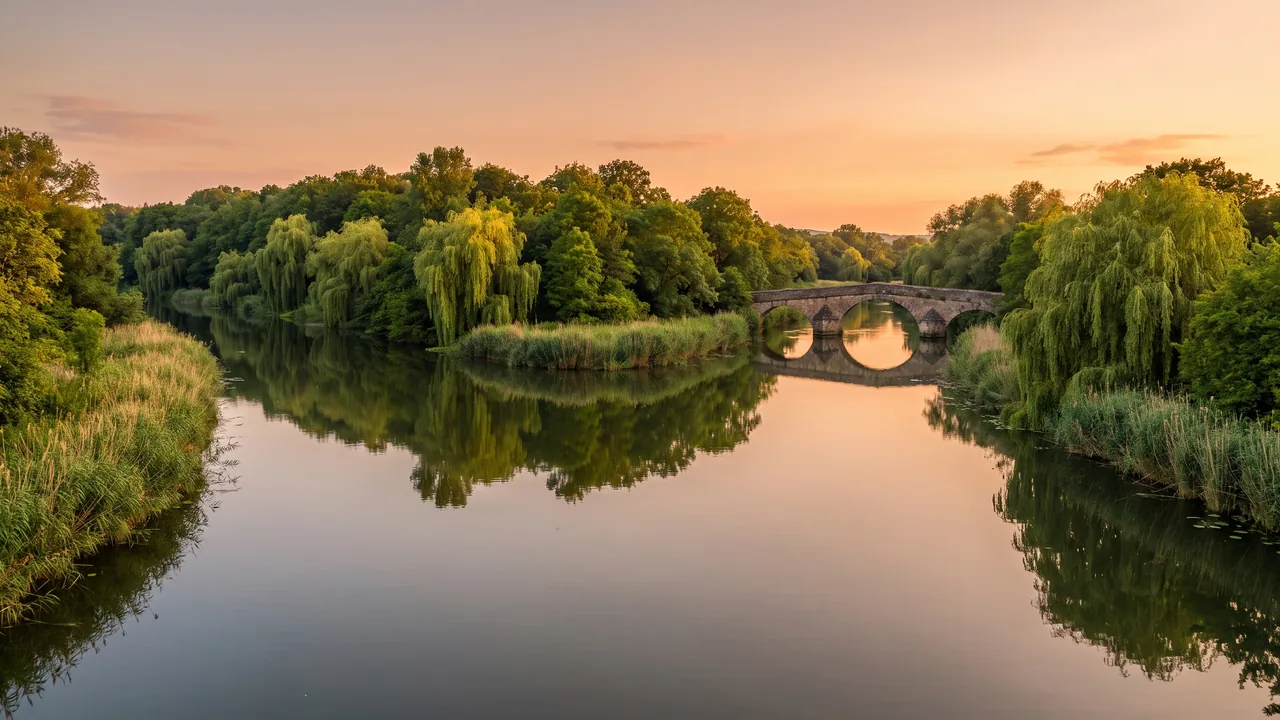
Remarkable for a town located so far inland: Libourne was long the leading seaport on the Dordogne River. With the help of the tide, which flows upriver from the estuary, seagoing vessels would reach its docks to load wine. Administratively, the municipality has the INSEE code 33243 and the ZIP code 33500; it covers an area of 20.63 km² [source] with a population density of approximately 1,214 inhabitants per square kilometer.
A city born at the confluence of two rivers
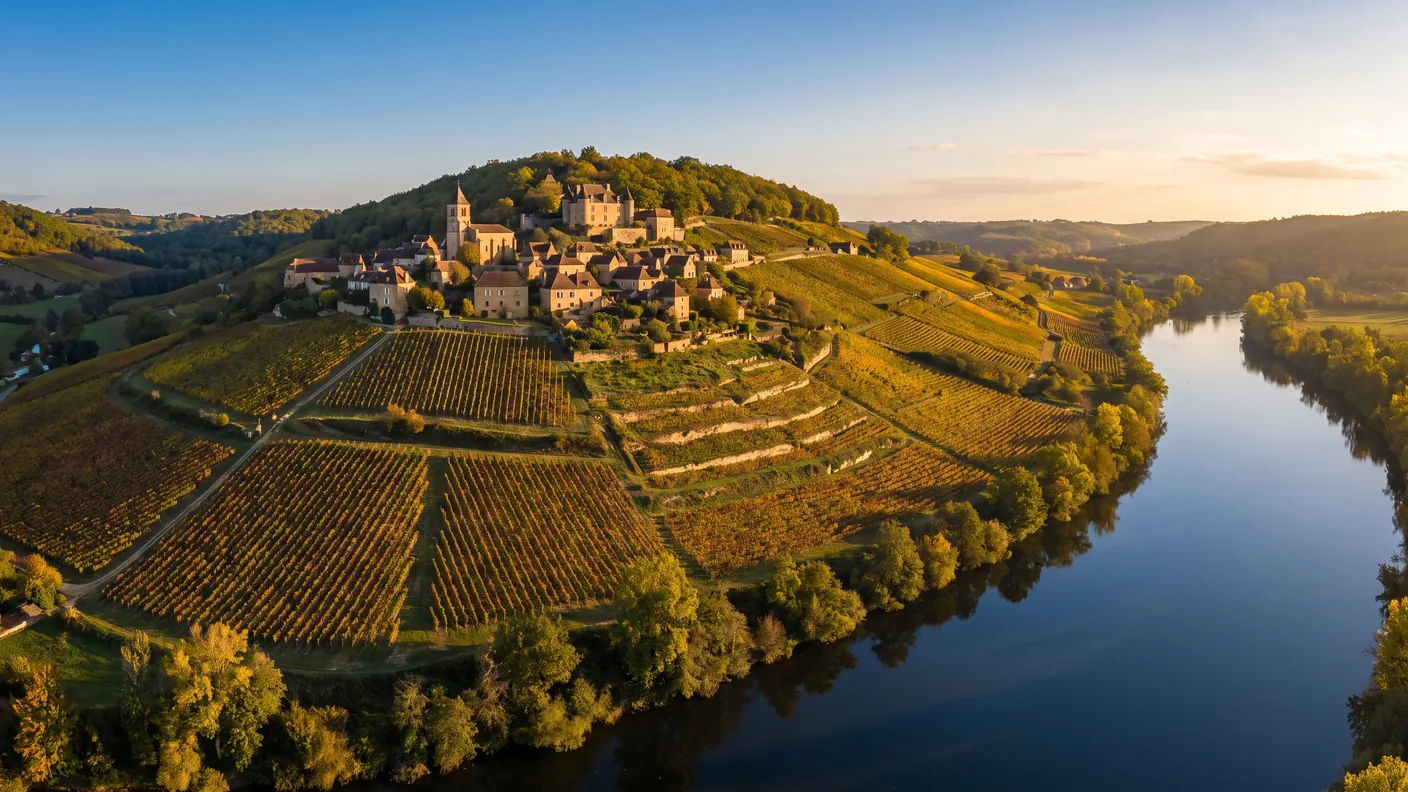
Everything about Libourne stems from its geography. The Isle River, after flowing through the Périgord, ends its course there by joining the Dordogne; the town is nestled in the bend formed by the two rivers, protected by water on two sides and open, via the Dordogne, toward the Gironde estuary and the ocean. This confluence provided it with both a natural defense and a port: two decisive advantages for a medieval bastide entirely focused on trade.
This location also explains the central role that Libourne continues to play. As a key transit point between the vineyards and the waterway, it has always been the town where people come to sell, buy, stock up, and conduct business, a central role that the centuries have not diminished and that is confirmed today by its status as a subprefecture. The river has also shaped the climate and the landscapes: morning mists over the water, shifting light, and tree-lined banks, all features that give Libourne its atmosphere as a riverside town, a far cry from the cliché of a mere stopover for wine tourism.
How far is it from Bordeaux?
It’s about 37 kilometers and a 47-minute drive from Bordeaux; most of the route follows the N89 and then the A89, the highway that heads toward Périgueux. From downtown Bordeaux, the distance is about 30 kilometers, roughly 37 km via the N89/A89, but it’s the door-to-door travel time that really matters: it takes about 47 minutes to get from the banks of the Garonne to those of the Dordogne.
This proximity makes Libourne an ideal day trip from Bordeaux, especially since the town serves as a gateway to the Right Bank vineyards. You can stop by just to visit the market and take a stroll, or use it as a base from which to explore Saint-Émilion, Pomerol, and Fronsac, all within easy reach. This accessibility explains its popularity as a day trip: whether it’s an impromptu half-day outing or a carefully planned full day, there’s something for everyone, without ever feeling like a tedious journey.
Two rivers, two faces: the Isle, narrower and more peaceful, borders the city to the north, while the Dordogne, wide and powerful, opens the way to the estuary to the south. It is the latter that brought prosperity to Libourne, allowing merchant ships to sail all the way to the foot of its ramparts. Even today, the confluence shapes the city’s character: water is ever-present, and you can’t walk for long without seeing a wharf, a bridge, or a reflection.
The Libourne district, of which the city is the capital, extends widely across the eastern part of the Gironde and covers a significant portion of the vineyards on the right bank. This administrative function extends, on a modern scale, the role as a capital that Libourne has played since the Middle Ages: that of a center toward which an entire region of vineyards, rivers, and villages converges. Understanding this geography is the first step toward understanding the city, whose destiny has always been shaped at the crossroads of waterways and wine routes.
| From Libourne | Distance | In a nutshell |
|---|---|---|
| Pomerol | ~4 km | The Pétrus appellation, which borders |
| Fronsac | ~5 km | The Hill and the Fronsac AOC |
| Saint-Émilion | ~9.5 km | Medieval town designated a UNESCO World Heritage Site |
| Bordeaux | ~37 km | ~47 min via the N89/A89 |
How many people live in Libourne?
According to the latest census, the 2023 INSEE municipal population count, Libourne has 25,036 residents, or “approximately 25,000” Libournais. After the Bordeaux metropolitan area, it is one of the main urban centers in the Gironde department and by far the most populous city on the right bank, serving as its administrative, commercial, and hospital hub.
This population size is by no means insignificant: it makes Libourne a true small town, with its shops, schools, train station, hospital, and community organizations, rather than just a wine-growing village. The contrast is striking, in fact, with the surrounding villages, Saint-Émilion, Pomerol, Fronsac, whose worldwide fame sometimes rests on just a few hundred residents.
Who are the people of Libourne?
The demonym, Libournais for men, Libournaises for women, refers both to the city’s residents and, by extension, to those of the surrounding region, the Libournais, of which it is the capital. A market town since its founding, Libourne has always lived to the rhythm of its squares and its trade. Its population, long tied to wine and river transport, has diversified over time with the arrival of the railroad, the presence of a military garrison, and the development of services typical of a subprefecture.
Across the Gironde region, Libourne serves as a counterbalance to the Bordeaux metropolitan area: it draws residents from the entire surrounding region who come here to work, seek medical care, shop, and visit the market, a central role that stems directly from its medieval function as a market town. Its medium size is part of its charm: large enough to offer the amenities of a city, yet compact enough to be explored entirely on foot in a single day.
This role as a regional hub is evident in daily life in Libourne: the subprefecture, courthouse, hospital, high schools, train station, and commercial districts extend well beyond the city limits, reaching into the surrounding wine-growing villages. Libourne is, in short, the city where the administration of an entire region devoted to viticulture is managed, and has been since the Middle Ages, when the bastide already drew people from all over the surrounding countryside on market days.
| Indicator | Value |
|---|---|
| Municipal Population (INSEE 2023) | 25,036 residents |
| Demonym | Libournais · Libournaises |
| Area | 20.63 km² |
| Density | ~1,214 people per square kilometer |
| Status | Subprefecture, district seat |
The Bastide and Its Main Square
Libourne is a bastide: a new town, built from scratch in the Middle Ages according to a regular grid plan, like the hundreds that sprang up across the Southwest in the 13th and 14th centuries. These new towns served a specific purpose, to populate, develop, and control a territory, and residents were attracted to them by being granted franchises, the freedoms and exemptions that were the very essence of a bastide. Libourne was founded around 1270, at a time when Guyenne was under English rule.
Its founder’s name epitomizes the era: Roger de Leybourne, seneschal of Guyenne, that is, King Edward I of England’s highest-ranking representative in the province, and not merely a “lieutenant,” as is too often claimed. The town’s name derives from his surname: Leybourne, named after a village in the county of Kent, England, gradually became Frenchified into “Libourne.”
Who founded Libourne?
Founding a bastide was no trivial matter. By choosing the confluence of the Isle and the Dordogne, Roger de Leybourne provided his new town with an exceptional river outlet, open to England and the markets of the North. His decision proved wise: within a few decades, Libourne established itself as a major port and market, drawing produce from the entire hinterland to its docks. To this day, the English town bears the name of a 13th-century English lord, a rare occurrence and a source of wonder for visitors.
The word “bastide” itself is worth a closer look: in the medieval Southwest, it referred to these planned settlements, endowed with a charter, a layout, and often a covered market square. Libourne is one of the finest examples of this in the Gironde, precisely because its original layout remains perfectly discernible in the town’s current plan.
A large square under the arcades
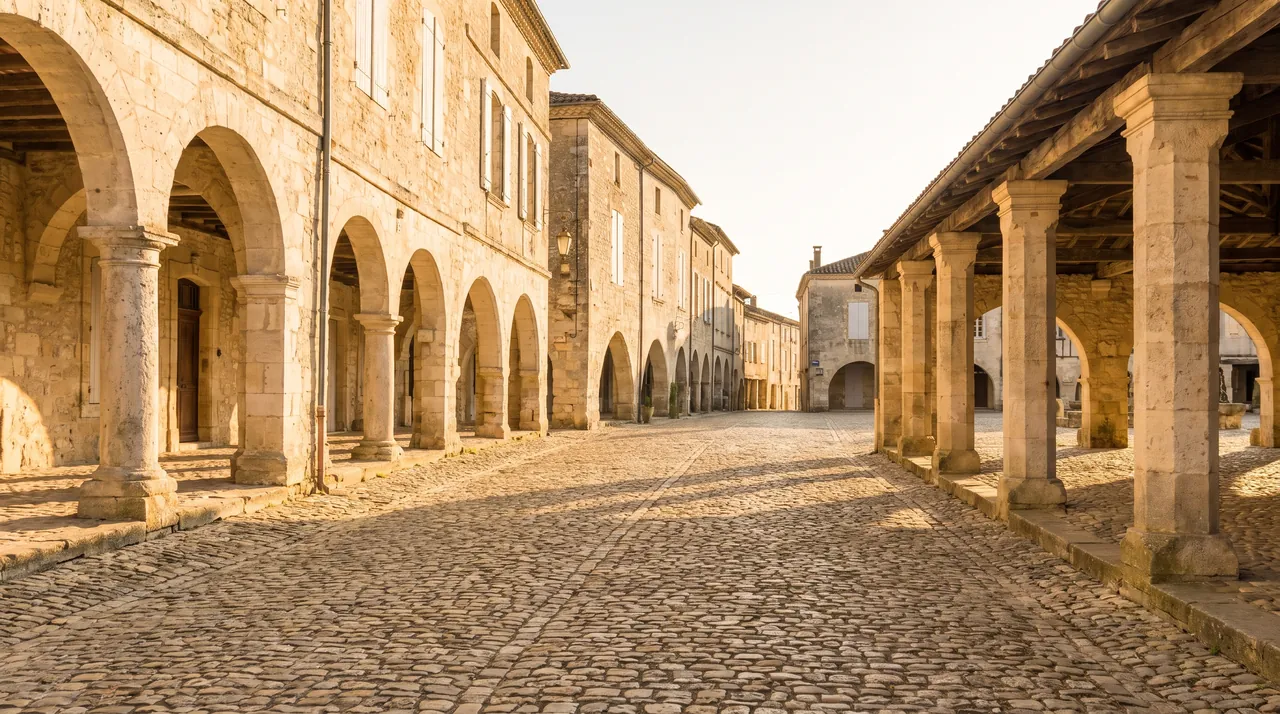
Like all bastides, Libourne is laid out in a grid pattern: streets that intersect at right angles, forming regular blocks around a central square. This square, now known as Place Abel-Surchamp, formerly Place Royale, covers nearly 3,000 m² and remains the beating heart of the town. All around it, the ground floors of the houses open onto “couverts”, stone-arched galleries that shield passersby from both rain and sun.
It is under these arcades that the city’s activity has always taken place: shops, cafés, outdoor seating, and, several mornings a week, the market stalls. Strolling from one covered arcade to the next, gazing up at the light-colored stone facades, sitting on a terrace in the center of the square: this is the greatest pleasure of Libourne, that of a city that has preserved, almost intact, the spirit of the public square found in medieval bastides.
For today’s visitor, this regularity is evident from the very first steps: it’s easy to find your way around; you can walk from one street to another without getting lost, and you almost always emerge, around the bend of a row of facades, onto the vast central square, just as the medieval builders had intended. Seven centuries after its founding, the bastide continues to do exactly what it was designed to do: bring people together, foster exchange, and facilitate trade.
Along these straight streets, the architecture blends different eras: old houses with stone facades, merchants’ mansions, and 19th-century buildings that sprang from the prosperity of the wine industry. Far from obscuring the medieval layout, this layering actually highlights its enduring nature: Roger de Leybourne’s bastide can still be clearly discerned beneath the modern city. That is the very charm of strolling through Libourne, seeing, in the layout of a single street, an urban plan dating back seven hundred years.
- A grid-like layout, a legacy of medieval new towns
- A central square measuring about 3,000 m², lined with houses with overhanging eaves
- Stone arcades that house shops, cafés, and outdoor seating areas
- A grid of streets laid out at right angles, still perfectly discernible
- The market that has been held in the square for centuries
The Grand Port Gate and City Hall
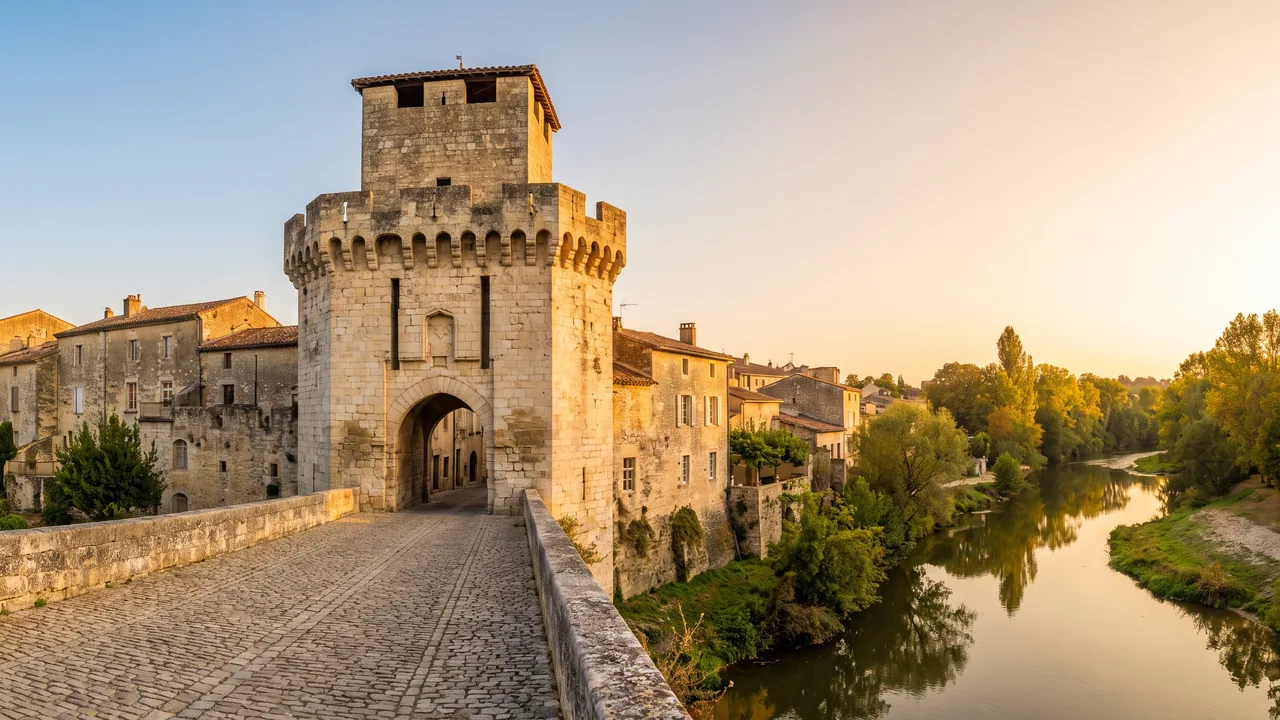
Of its medieval ramparts, Libourne has preserved only one remnant, but it is a significant one: the Porte du Grand Port, standing on the banks of the Dordogne. Originally, the 14th-century wall system featured nine gates and walls some fifteen meters high, enclosing the bastide within a stone rectangle. Of this entire defensive structure, only this gate remains today, the last relic of the fortifications.
The Gate of the Great Port
Flanked by two round towers, the gate opened the city onto its port, hence its name, and monitored the comings and goings of boats on the Dordogne River. It is also known as the “Porte Richard.” The Grand Port Tower has been listed as a historic monument since May 4, 1921 [source], making it one of the city’s best-protected monuments and one of its most photographed landmarks, especially from the docks or the river.
The nickname “Porte Richard” has given rise to a beautiful legend, one that is all too often misrepresented. It does not honor Richard the Lionheart, the famous 12th-century crusader, but rather Richard, son of the Black Prince, born in Bordeaux, who would go on to become King Richard II of England. This distinction is important: the stone commemorates the English monarchy of the 14th century, the same era as the bastide, rather than the distant 12th-century lion. It’s an easy mistake to make, and an easy one to correct.
City Hall and the Museum of Fine Arts
On the main square, City Hall is housed in a building whose history is also often misrepresented. It is by no means a former episcopal palace, but rather the house of the jurats, the magistrates who administered the city under the Ancien Régime, built in the early 15th century, around 1427. The building has been designated a historic monument since 1908 [source], in recognition of its age and its value to the city.
Its current appearance, however, owes much to the 20th century: between 1911 and 1914, the building underwent extensive restoration in a Neo-Gothic style inspired by the principles of Viollet-le-Duc, which gave it the appearance of a medieval manor house, including turrets and mullioned windows. Today it houses the Libourne Museum of Fine Arts, which boasts, in particular, a collection dedicated to the painter René Princeteau, a native of the city.
The museum is well worth a visit: beyond the Princeteau collection, it allows visitors to place the artist in his historical context and appreciate the influence he had on his young student. Taking the time to visit these two landmarks, the gate by the water and the Jurats’ House on the square, means traversing the entire history of Libourne in just a few hundred meters: the fortified city facing its river, and the market town organized around its market.
This rich, historic heritage makes Libourne much more than just a stop on a wine tour: in addition to the city gate and city hall, a stroll through the town reveals historic facades, remnants of the city walls, and beautiful views of the river. Take the time to look up, follow the building lines, and walk down toward the water, and let the town tell its story, stone by stone, of centuries of trade and power. Nothing spectacular at first glance, but a wealth of history that reveals itself to those who know how to look.
The stone bridge and the docks
For a long time, to cross the Dordogne, Libourne had to make do with ferries, at the mercy of the river’s floods and whims. It wasn’t until the 19th century that the city finally built a stone bridge, at the instigation of Napoleon I, who was eager to modernize the transportation networks of the Southwest. Construction took place from 1820 to 1824.
Its construction was entrusted to engineers Claude Deschamps and Jean-Baptiste Billaudel, the same men who, a few years earlier, had built the famous stone bridge in Bordeaux over the Garonne. The two structures are thus akin to cousins, born of the same expertise and the same desire to unite the two banks of the major rivers of the Gironde region.
A bridge identical to the one in Bordeaux
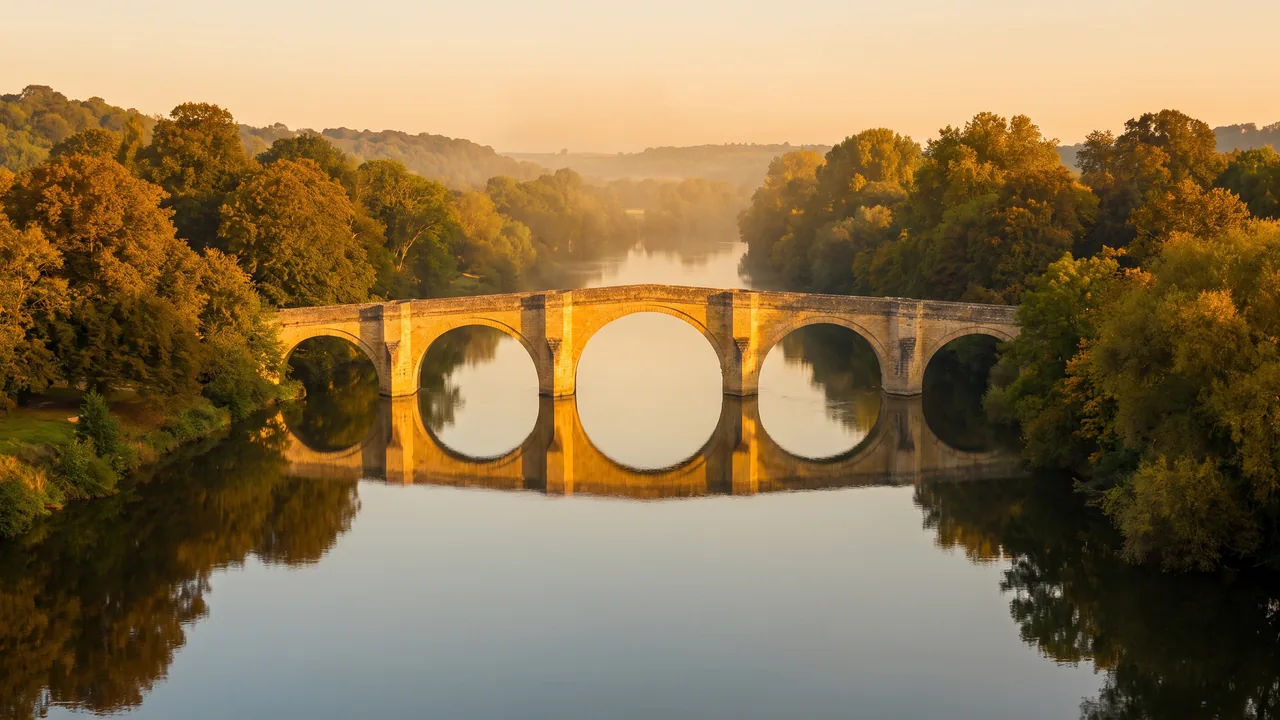
The Libourne stone bridge is 208 meters long and 16 meters wide and spans the river with a series of nine arches. Its low, uniform silhouette, mirrored in the Dordogne, creates one of the city’s most beautiful views, especially in the low evening light, when the light-colored stone glows above the water. Many visitors cross it without realizing they are walking on a structure built by the same engineers who, at the same time, were connecting the two banks of Bordeaux.
The bridge also marks a natural boundary for the eye: on one side, the town and its riverbanks; on the other, the countryside and the hillsides. Crossing it on foot at sunset offers one of the most beautiful views of the bastide, whose rooftops and the Porte du Grand Port stand out against the mirror-like surface of the Dordogne.
The Wine Quays
Below, the quays of the Dordogne stretch out, once lined with trading houses and warehouses. It was here that the barrels were stacked before loading, and here that ships came to pick up wine from the right bank. Now converted into a promenade, these quays still bear witness, through the alignment of their beautiful facades and the breadth of their vista, to the commercial prosperity of a city that for centuries lived to the rhythm of river trade.
It is also from these docks that cruises on the Dordogne depart today, the ideal way to experience, from the water, what made Libourne’s fortune: the meeting of a river and a vineyard. These boats serve as a reminder that before becoming a city of vineyards, Libourne was a city of water, where time was measured by the tides and life revolved around the river. Today, the bridge, the quays, and the gate form a cohesive whole, all of which can be explored on a single stroll along the banks of the Dordogne.
Since its construction, the bridge has permanently defined the skyline of Libourne along the river. It connects the bastide to the opposite bank and to the countryside on the hillsides, opening the town up to both its vineyards and its river. As the seasons change, the Dordogne changes color and mood, silvery in the winter mist, golden on beautiful summer evenings, but the bridge itself remains, a discreet witness to two centuries of Libourne’s history and a natural starting point for walks along the water.
Libourne Through the Centuries
Founded by the English, Libourne remained under their rule for nearly three centuries. Like the rest of Guyenne, it had been under the rule of the English crown since the marriage of Eleanor of Aquitaine to Henry Plantagenet, the future king of England, and did not return to French rule until the very end of the Hundred Years’ War, in 1453, the year of the Battle of Castillon, fought just a few kilometers from the city, which sealed the province’s fate.
English Guyenne and the Wine Trade
During those English centuries, Libourne built its fortune on its river port. Wines from Saint-Émilion, Pomerol, and Fronsac were loaded there, as well as wool, timber, and salt, bound for England, the Netherlands, and the Hanseatic cities, that powerful trading league of Northern Europe. As a hub connecting the vineyards to the sea, the town collected its share of the revenue from everything that passed through its docks.
This commercial focus has had a lasting impact on Libourne. While other cities owed their prestige to a cathedral or a castle, Libourne derived its prestige from its trade and its fairs. Wine, in particular, played a leading role: long before Saint-Émilion and Pomerol became world-renowned, it was through Libourne that their wines reached the tables of Northern Europe. The proximity of Castillon is no mere coincidence: the Battle of 1453, which saw a French victory and the decisive use of artillery, put an end to the English presence in Guyenne and brought the entire Libourne region under the rule of the Kingdom of France.
René Princeteau, Toulouse-Lautrec's first teacher
Libourne was the birthplace of a charming artist: René Princeteau, an animal painter born in the city on July 18, 1843, who was deaf and mute from birth. A renowned specialist in horses and hunting scenes, whose works were exhibited in Parisian salons, he is best remembered for having been the first teacher of the young Henri de Toulouse-Lautrec: Close to the painter’s family, he introduced the teenager to drawing and painting before the latter went on to become one of the great figures of modern art. The Museum of Fine Arts houses a Princeteau collection that preserves the memory of this local son, who remains too little known to the general public.
The town also honors the memory of Abel Surchamp, a merchant who became mayor, to whom Libourne owes several modern amenities, running water, the hospital, and whose name eventually came to be given to the main square, formerly known as Place Royale. It is this very Surchamp whom we mention, without even thinking about it, every time we arrange to meet “at the square.” We often forget that the long period of English rule did not merely leave behind a town name or a gate: it oriented the entire economy of the Libourne region toward the open sea and created, between the vineyards on the right bank and the markets of the North, a commercial link that has survived wars and the passage of centuries.
Two Myths to Dispel
Since Libourne inspires stories, two clarifications are in order, in all friendliness. No, the “Porte Richard” does not refer to Richard the Lionheart, but to the future King Richard II. And no, the famous “Princess Caraboo”, that early 19th-century Englishwoman who pretended to be a princess from a distant island, has absolutely no connection to Libourne: the anecdote, as delightful as it may be, belongs to English history, not to that of the Gironde bastide. These are all wonderful stories that we love to retell, but it’s best to tell them accurately.
The 19th century marked a new era of prosperity: the railroad connected Libourne to Bordeaux and Paris, the stone bridge facilitated trade, and the wine trade experienced spectacular growth. Many of the beautiful facades and merchants’ mansions that give the city its opulent appearance date from this period, as does the restoration of City Hall. Libourne, while never abandoning its commercial roots, thus took on the hallmarks of a true subprefectural capital, with its mix of public facilities and bourgeois residences.
From this rich and varied history, English, mercantile, artistic, and then industrial in the 19th century, Libourne has retained a discreet yet enduring identity. Neither quite Bordeaux nor quite Périgord, it is first and foremost its own: the capital of a wine-growing region coveted across shifting borders and centuries. It is this rich history that gives a stroll through its streets an unexpected charm, provided one listens to the stories told by its stones and the names of its squares.
The wine-growing capital of the Libournais region
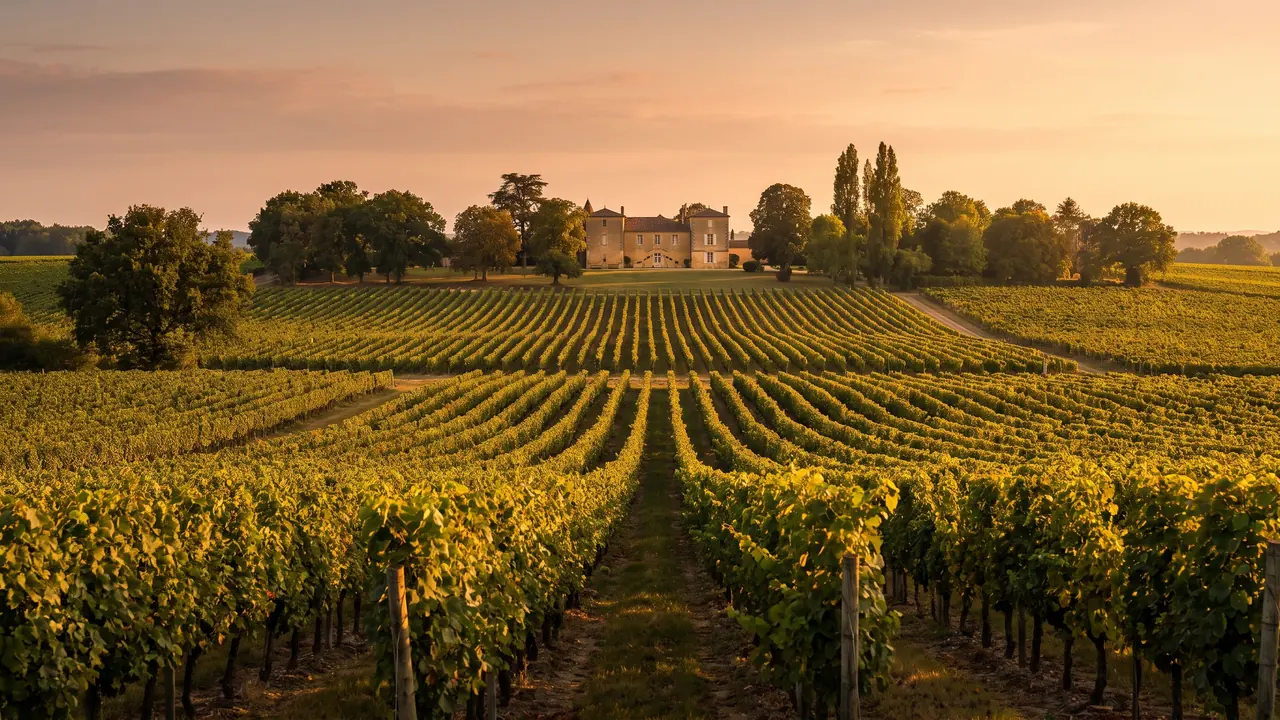
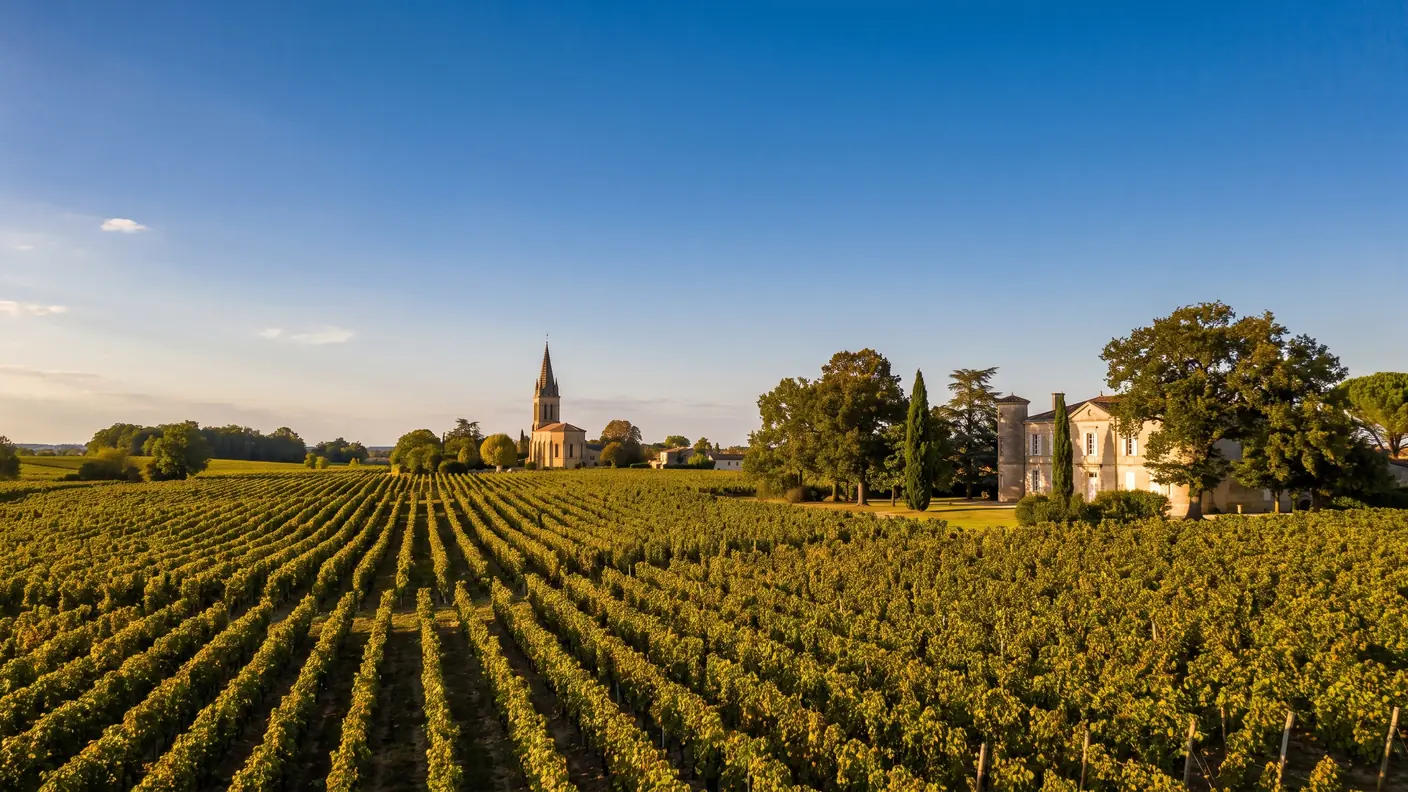
If Libourne is known far beyond the Gironde, it is first and foremost thanks to wine. The city is the capital of the Libournais, that vast region on the right bank that is home to some of the most prestigious appellations in the Bordeaux wine region. Here, we’re not talking about the left bank of the Médoc and its 1855 Grand Cru Classés, but rather a different world of wine, where Merlot reigns supreme and where vineyards are often just a few hectares in size.
Surrounding the bastide are Saint-Émilion and its grands crus classés, Pomerol and its rare wines, Fronsac and its hillsides, as well as Lalande-de-Pomerol, Montagne-Saint-Émilion, and Canon-Fronsac. Few towns boast such a concentration of famous names within such a small radius: the entire art of living on the Right Bank begins right at the city gates.
What are some names related to Libourne?
For a long time, Libourne was the hub of the Right Bank wine trade. The brokerage and trading firms located along the quays purchased, blended, and shipped the production of neighboring châteaux to Northern Europe. This commercial tradition has left its mark on the fabric of the city and explains why Libourne remains, even today, the most natural starting point for a wine route that spans the entire Right Bank.
For visitors, the advantage is considerable: from the city, you can reach wine regions that are the envy of the world in just a few minutes. A morning in Saint-Émilion, lunch overlooking the vineyards, an afternoon of tastings in Pomerol or Fronsac, the itinerary comes together effortlessly, thanks to the short distances involved. It is this concentration of great wines, even more so than any single cru taken on its own, that makes the Libournais so magical.
Finally, a word about the style of these wines: on the Right Bank, Merlot dominates the blends, resulting in reds that are often more supple and rounder in their youth than those from the Médoc. It is this character, as much as the prestige of the labels, that makes the Libourne region so popular with wine enthusiasts from around the world. This winemaking tradition permeates all aspects of local life, wine merchants, brokers, coopers, and, today, wine tourism, to the point that visiting Libourne without tasting the wines of the Right Bank would be like reading only half of its history.
Wine tourism has turned this region into a way of life: winery tours, tastings, gourmet dining, and harvest festivals set the pace for the summer months. From Libourne, you can just as easily learn the ropes from a small winemaker in Fronsac as you can explore the grounds of a Saint-Émilion grand cru. The diversity of the estates, from family-owned properties spanning just a few hectares to the most prestigious châteaux, offers everyone a gateway into the world of the Right Bank, regardless of budget or level of knowledge.
This connection between the city and its wines is not merely historical: even today, many wine merchants and brokers have their offices in Libourne, and it is often here that major transactions on the Right Bank are struck. For the curious visitor, the city is therefore an ideal introduction before setting out to explore the vineyards: here, you can understand where the wine comes from, how it was sold, and why this corner of the Gironde carries such weight in the history of Bordeaux.
- Saint-Émilion, Grand Crus Classés, about 9.5 km away
- Pomerol, a well-kept secret and prestigious appellation, about 4 km away
- Fronsac, hillsides above the Dordogne, about 5 km away
- Lalande-de-Pomerol, a town near Pomerol
- Montagne-Saint-Émilion, one of Saint-Émilion's satellite towns
- Canon-Fronsac, the historic heart of the Fronsac wine region
What is there to do in Libourne?
At Libourne, we take our time. The best way to explore the city is on foot, starting from the large arcaded square and making your way to the Dordogne River and its quays. The main attraction is the market: three mornings a week, Place Abel-Surchamp fills with stalls, carrying on a tradition that dates back more than six hundred years. Next, take a stroll under the arcades, step inside the Museum of Fine Arts to see René Princeteau’s work, head down toward the Porte du Grand Port, and follow the riverbanks, where river cruises on the Dordogne also depart. In early August, the city comes alive during Fest’arts, an international street arts festival that takes over the squares and alleyways. And since the vineyards begin right at the city gates, half a day is all it takes to go wine-tasting in Pomerol, Saint-Émilion, or Fronsac. Here’s a practical guide to what you need to know.
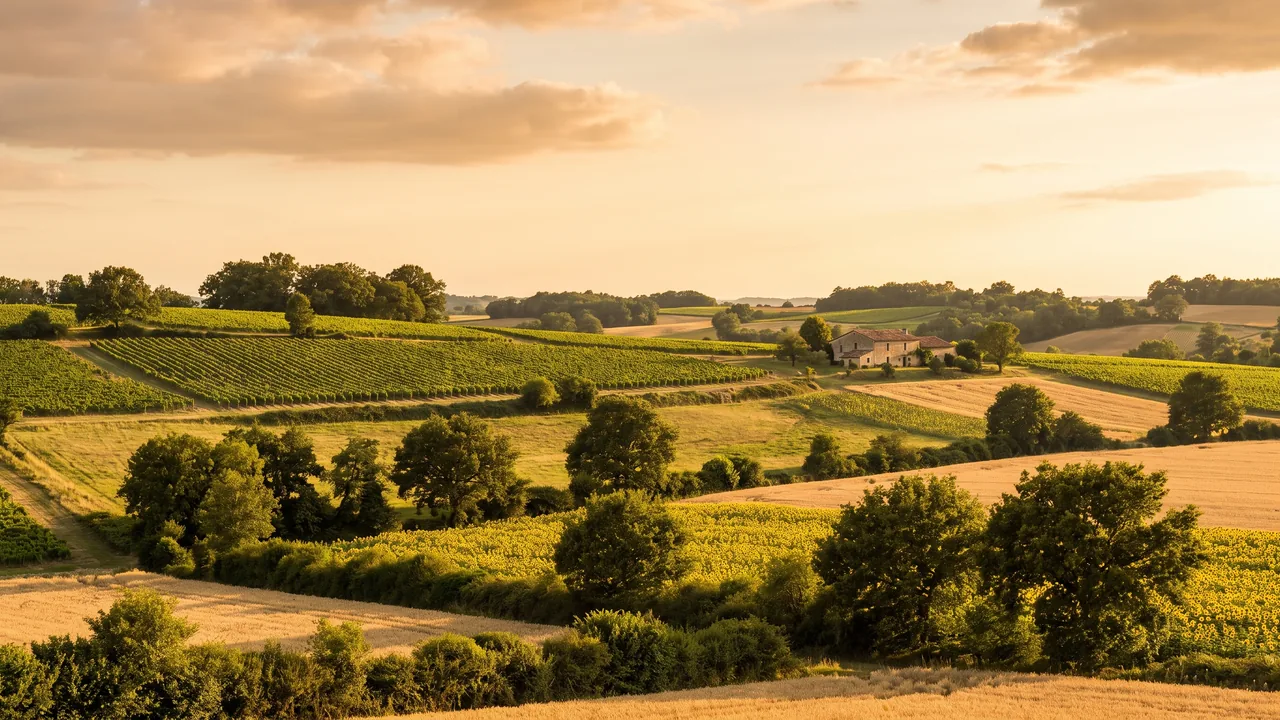
All these activities can be enjoyed on foot or within a short distance, which makes Libourne a particularly pleasant place to visit: you park your car, or get dropped off, and then forget it’s even there. Depending on the season, the city takes on different faces: the liveliness of the markets and outdoor cafes on sunny days, the excitement of the Fest’arts in the heart of summer, and the golden light of the grape harvest in the fall. When it comes to flavors, the market is also a chance to sample products from the Southwest, a stop that’s as much about culinary delights as it is about cultural heritage, and the landscaped riverbanks are perfect for strolling, biking, or taking a family cruise on the Dordogne.
A tip for planning your visit: time your trip for a market morning, Tuesday, Friday, or Sunday, set aside the late morning for the bastide and the museum, have lunch in the square or overlooking the vineyards, and then spend the afternoon wine-tasting in a neighboring appellation. Planned this way, the day combines heritage, cuisine, and wine without ever feeling rushed. And for those with a little more time, spending the night there allows you to savor, in the quiet of the evening, the atmosphere of a riverside town that day-trippers often merely pass through.
- The large market at Place Abel-Surchamp, held on Tuesday, Friday, and Sunday mornings
- Stroll beneath the arcades and covered walkways of the bastide
- The Museum of Fine Arts and its René Princeteau Collection, located in the former Jurats' House
- The Grand Port Gate and the Dordogne River Quays, on foot or by river cruise
- Fest'arts, an international street arts festival, in early August (August 6–8, 2026)
- A wine-tasting getaway to the nearby vineyards: Pomerol, Saint-Émilion, Fronsac
| To Do | Where / When | Good to Know |
|---|---|---|
| Market | Abel-Surchamp Square | Tuesday, Friday, and Sunday mornings |
| Bastide | Abel-Surchamp Square | Arcades, covered areas, cafés, and outdoor seating areas |
| Museum of Fine Arts | City Hall (House of Jurats) | René Princeteau Collection |
| Gate of the Grand Port | The Banks of the Dordogne | The last remaining section of the city walls, designated a historic monument |
| Fest'arts | Downtown | Early August (August 6–8, 2026) |
| Tastings | Pomerol · Saint-Émilion · Fronsac | Less than 10 km from the city |
About Libourne
One of Libourne’s greatest assets is its location. In just a few minutes’ drive, you can go from the bastide to the most famous villages in the Bordeaux wine region. Three of them alone are each worth a full day’s visit, and all are located less than ten kilometers from the main square.
Three villages within ten kilometers
Saint-Émilion, about 9.5 km away, boasts a medieval town listed as a UNESCO World Heritage Site, an astonishing monolithic church carved into the rock, and its grand cru wines. Pomerol, about 4 km away, quietly produces some of the world’s most sought-after wines, including the legendary Pétrus, without even having a true village center. Fronsac, about 5 km away, stands on a hill overlooking the Dordogne River and produces distinctive wines under the Fronsac and Canon-Fronsac AOCs.
Starting from Libourne, these three destinations can easily be visited in a single day, as they are so close to one another. You can also connect them to the city via short trips and create a customized itinerary, tailored to your wine cellar visits and tastings. Each destination has its own dedicated guide on our blog to help you plan your visit in detail. Beyond this trio, the Libournais countryside offers even more to discover, from vine-covered hillsides, groves of oak trees, and small roads winding from one château to the next, a region made for taking things slowly, where you’ll quickly understand why the kings of England held it in such high regard.
This proximity completely changes the way you explore the region: whereas a trip to the rest of the Bordeaux region often involves long drives, the Libourne area can be explored in short loops, almost from one church tower to the next. This means you can visit, all in the same afternoon, a Grand Cru Classé, a lesser-known estate, and a viewpoint overlooking the valley, without ever driving more than a few minutes between stops. And the bastide, with its market and museum, serves as the perfect central hub for these excursions: you can return there for lunch, a stroll, or some shopping between visits to the estates.
| Destination | Distance from Libourne | Check it out |
|---|---|---|
| Saint-Émilion | ~9.5 km | UNESCO World Heritage Site, monolithic church, fine wines |
| Pomerol | ~4 km | Pétrus, an appellation without a central village |
| Fronsac | ~5 km | Le Tertre, the Fronsac and Canon-Fronsac AOCs |
How to get to Libourne from Bordeaux
It takes just under an hour to reach Libourne from Bordeaux. The route, which is about 37 kilometers long, follows mostly the N89 and then the A89 toward Périgueux, and takes about 47 minutes depending on traffic. It’s a short drive, but long enough to turn a simple visit into a full day, as the nearby vineyards invite you to extend your excursion. The town also has a train station on the Bordeaux–Périgueux line, but it’s by car that you best appreciate the transition, as the urban landscape gradually gives way to the first vineyards on the right bank.
How much does the trip from Bordeaux to Libourne cost?
A private transfer from Bordeaux to Libourne starts at €80 during the day for a sedan carrying one to three passengers, at a fixed rate confirmed in writing before departure, no meter, no surprises. A surcharge applies at night, on weekends, and on holidays; for groups of more than four passengers, a van will be provided. Trips to Saint-Émilion, Pomerol, Fronsac, or the Bordeaux-Mérignac Airport are priced on a quote basis, depending on the distance and duration requested.
| Route | Distance / Duration | Rates |
|---|---|---|
| Bordeaux → Libourne | ~37 km · ~47 min | starting at 80 € |
| Libourne → Saint-Émilion | ~9.5 km | Based on a quote |
| Libourne → Pomerol | ~4 km | Based on a quote |
| Libourne → Fronsac | ~5 km | Based on a quote |
| Libourne → Bordeaux-Mérignac Airport | Not listed | Based on a quote |
Why choose a chauffeur service?
The Libourne region is perfect for exploring with a private chauffeur: the appellations on the right bank, Saint-Émilion, Pomerol, Fronsac, are all within ten kilometers of the bastide, and a day of wine tastings is all the more enjoyable when you don’t have to drive. From Bordeaux, you can reach Libourne, tour the city, explore the vineyards at your own pace according to your appointments, and then return to the tranquility of the bastide, without worrying about parking, narrow roads, or the drive home.
It’s also a matter of comfort and time: rather than juggling schedules and connections, you can enjoy door-to-door service, a vehicle at your disposal, and a custom-designed itinerary. The choice of vehicle depends on the group: a sedan is perfect for a couple or a small group, while a van is the best option for groups of more than four passengers or if you plan to bring back luggage and boxes of wine after the tastings. This allows you to focus entirely on what matters most, the bastide, the river, and the great wines of the Right Bank.
For visitors coming from farther away, Libourne can also be easily combined with a transfer from Bordeaux-Mérignac Airport or the Saint-Jean train station: this allows you to travel directly to the bastide and its vineyards, without having to rent a car. The flexibility of an on-demand service allows you to adjust your itinerary at the last minute, depending on the weather, the wineries’ opening hours, or simply your mood that day. Whether you’re visiting for the historic sites, the market, or the wine, Libourne always rewards those who take the time to stop by.
Frequently Asked Questions
How much does a trip from Bordeaux to Libourne cost with a private driver?
A private transfer from Bordeaux to Libourne starts at €80 during the day for a sedan carrying one to three passengers. The fare is fixed and confirmed in writing before departure, with no meter charges or hidden fees. A surcharge applies at night, on weekends, and on holidays; for groups of more than four passengers, a van will be provided. Additional trips to Saint-Émilion, Pomerol, Fronsac, or the Bordeaux-Mérignac Airport are priced on a quote basis, depending on distance and duration.
How long does it take to get from Bordeaux to Libourne?
Allow about 47 minutes to travel the roughly 37 kilometers between Bordeaux and Libourne. The route follows mostly the N89 and then the A89, the highway heading toward Périgueux. From downtown Bordeaux, the distance is about 30 kilometers, but it’s the door-to-door travel time, about three-quarters of an hour, that matters when planning your day. Rush-hour traffic may slightly extend this travel time.
Where is Libourne located?
Libourne is located in eastern Gironde, in Nouvelle-Aquitaine, at the confluence of the Isle and Dordogne rivers, about 37 kilometers east of Bordeaux. As the department’s subprefecture and the seat of the arrondissement, it is the capital of the Libournais region, the “right bank” area that encompasses the vineyards of Saint-Émilion, Pomerol, and Fronsac. Despite its distance from the sea, it was long the principal seaport on the Dordogne River.
Why is Libourne named that?
The name Libourne comes from that of its founder, Roger de Leybourne, seneschal of Guyenne in the service of King Edward I of England, who founded the bastide around 1270. This lord himself took his surname from the village of Leybourne, in the county of Kent, England. “Leybourne” was gradually adapted into French as “Libourne.” The town, which has English origins, therefore still bears the name of a 13th-century English lord.
What is a bastide?
A bastide is a new town, built from scratch in the Middle Ages according to a regular layout, most often a grid pattern, centered around a central square lined with arcades. Hundreds were established in the Southwest during the 13th and 14th centuries to populate and control the region, attracting residents with special privileges. Libourne, founded around 1270, is a fine example: its checkerboard layout and its large covered square, now known as Place Abel-Surchamp, remain clearly visible today.
What can you see in Libourne in one day?
You can see most of Libourne on foot in a single day. Start at the large arcaded square, Place Abel-Surchamp, the heart of the bastide, before heading to the Porte du Grand Port and the banks of the Dordogne. The Museum of Fine Arts, housed in the former Maison des Jurats, is worth a visit for its René Princeteau collection. If you visit on market day, the square comes alive first thing in the morning. The nearby vineyards are the perfect way to round out the day.
When is the Libourne market held?
The large Libourne market is held on Place Abel-Surchamp on Tuesday, Friday, and Sunday mornings. It is a long-standing tradition, dating back more than six hundred years, inherited directly from the market town’s commercial heritage. Under the arcades and on the square, the stalls offer fresh produce and specialties from the Southwest. Sunday mornings are particularly lively and are one of the best times to get a feel for the town.
What is the Porte du Grand Port?
The Porte du Grand Port is the last remaining vestige of Libourne’s medieval ramparts. The 14th-century wall originally had nine gates and walls about fifteen meters high; only this gate remains, standing on the banks of the Dordogne and flanked by two round towers. The Grand Port Tower has been classified as a historic monument since 1921. It is nicknamed “Porte Richard,” in reference to the future King Richard II of England, not Richard the Lionheart.
Who was René Princeteau?
René Princeteau was an animal painter born in Libourne on July 18, 1843; he was deaf and mute from birth. A renowned specialist in horses and hunting scenes, he is best remembered for being the first teacher of the young Henri de Toulouse-Lautrec, whom he introduced to drawing and painting. The Libourne Museum of Fine Arts houses a Princeteau collection that preserves the memory of this local son, who is too little known to the general public.
What wine appellations surround Libourne?
Libourne is the capital of the Libournais region, located on the right bank of the Bordeaux wine region. It is surrounded by the Saint-Émilion, Pomerol, and Fronsac appellations, as well as Lalande-de-Pomerol, Montagne-Saint-Émilion, and Canon-Fronsac. For many years, the city served as the trading hub for these wines, which were shipped from its docks to Northern Europe. Today, its location makes it the ideal starting point for a wine tour of the right bank, where Merlot dominates the blends.
What is Fest'arts?
Fest'arts is Libourne’s international street arts festival. Every year, in early August, it takes over the town’s squares and alleyways with shows, performances, and troupes from around the world. In 2026, it will take place from August 6 to 8. It is one of the major events of the summer in Libourne, transforming the bastide into an open-air stage and drawing large crowds to the historic center.
Can Libourne be paired with Saint-Émilion, Pomerol, and Fronsac?
Yes, and that’s actually one of the major highlights of Libourne. Saint-Émilion is about 9.5 km away, Pomerol is about 4 km away, and Fronsac is about 5 km away: all three appellations are just a few minutes’ drive from the town. So you can plan a day that combines a visit to the bastide, the market, or the museum, followed by wine tastings in the vineyards. With a private chauffeur picking you up in Bordeaux, you can enjoy the itinerary without the hassle of driving.
When was the stone bridge in Libourne built?
The Libourne stone bridge over the Dordogne River was built between 1820 and 1824, under the direction of Napoleon I. It is the work of engineers Claude Deschamps and Jean-Baptiste Billaudel, the same architects who built the famous stone bridge in Bordeaux over the Garonne River. Measuring 208 meters long and 16 meters wide, it spans the river with a series of nine arches. Its silhouette, reflected in the Dordogne, offers one of the most beautiful views of the city.
Further Reading
- Arrange a transfer from Bordeaux to Libourne, fixed-price quote confirmed in writing, starting at €80.
- All our destinations from Bordeaux, vineyards, towns, and villages in Gironde.
- Saint-Émilion: UNESCO, the Monolith, and the Grand Crus, the medieval town, about 9.5 km from Libourne.
- Pomerol: Pétrus and the grands crus of the Right Bank, the little-known appellation neighboring Libourne.
- Fronsac: the hill, the duchy, and the great wines, the hillsides overlooking the Dordogne, about 5 km away.
Sources and References
- Libournais Tourist Office — Libourne, the Bastide, Founding of the Bastide
- City of Libourne, Stone Bridge, construction completed on August 25, 1824
- Mérimée Database / POP (Ministry of Culture), City Hall (1908), Porte du Grand Port (1921)
- INSEE, Municipality of Libourne (33243), Population, Area
- Wikipedia, Libourne, bastide, history, René Princeteau
- Fest'arts, Street Arts Festival, festival, dates
Article published and updated on .
On the way to the capital of the Libournais region
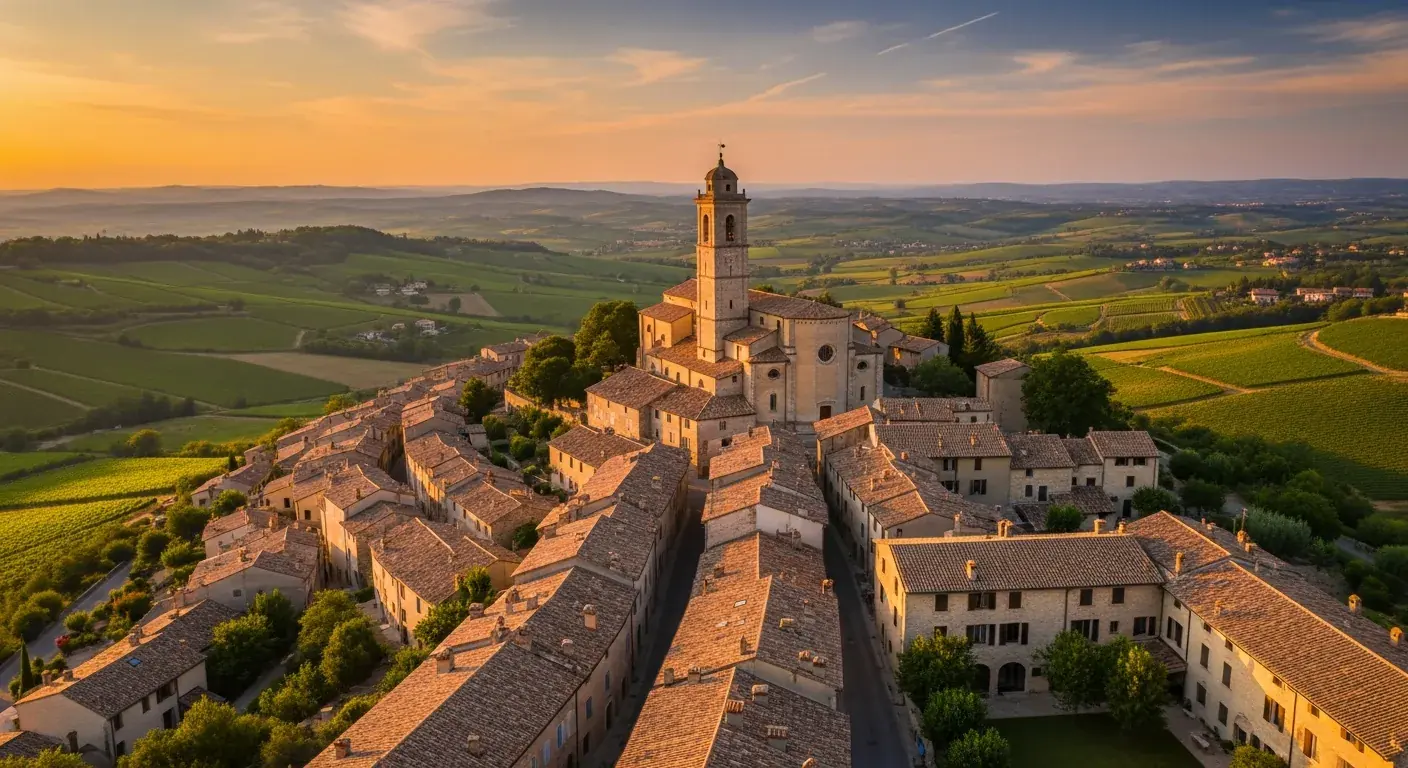
Direct transfer from Bordeaux (~47 min) to the bastide of Libourne and the vineyards on the right bank. Written, fixed-price quote with no obligation.