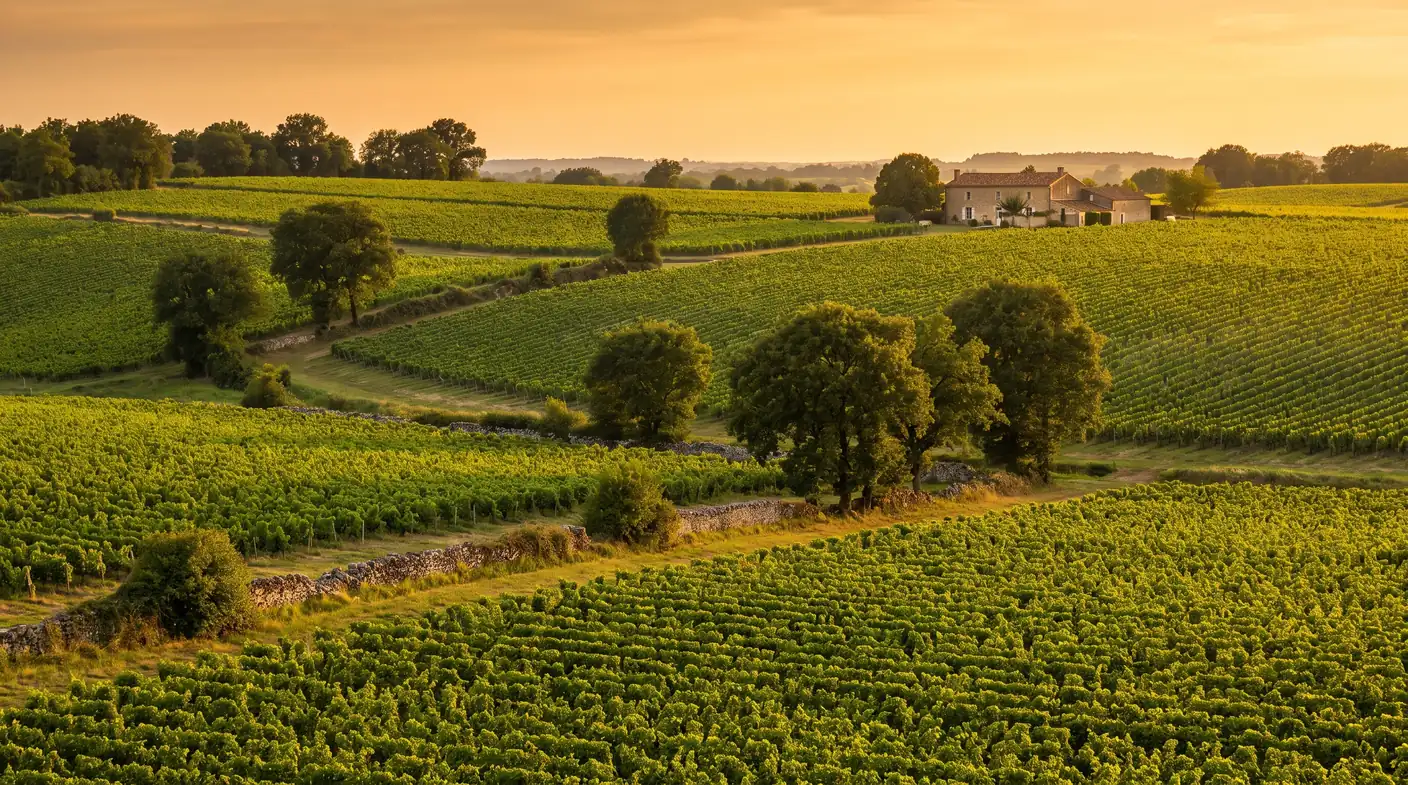
Discover Lignan-de-Bordeaux in Entre-deux-Mers
A small wine-growing village in the western part of the Entre-deux-Mers region, in the Pimpine Valley. A listed Romanesque church, the Château de Lislefort and its moat, the large estate of the Château de Seguin, and nearby Créon, Sadirac, and the UNESCO-listed Abbey of La Sauve-Majeure, about 35 minutes from Bordeaux.
Lignan-de-Bordeaux at a Glance
Lignan-de-Bordeaux is a village in the Entre-deux-Mers region through which the Pimpine River flows. Must-see sights include the Sainte-Eulalie Church, a listed historic[source POP] monument, and the Château de Lislefort with its moat[source POP]. From Bordeaux, it’s 19 km and about 35 minutes away, with a fixed-rate transfer starting at €48. Créon and the Abbey of La Sauve-Majeure are easy additions to the excursion, making for a half-day or full-day outing.
The distance, duration, and fare shown are based on the booking engine’s rates for a private door-to-door transfer, confirmed in writing in advance, with no meter and no surprises, regardless of traffic conditions or stops along the way. Information on cultural heritage sites is based on the Ministry of Culture’s Mérimée database, INSEE, and resources from the Entre-deux-Mers tourist office; visiting hours and admission fees, which are subject to change, should be confirmed directly with each site. When a commonly repeated fact seemed questionable to us, we noted it rather than repeating it.
| Landmark | Details |
|---|---|
| Municipality | Lignan-de-Bordeaux (Gironde, Nouvelle-Aquitaine) |
| Location | west of Entre-deux-Mers, Pimpine Valley, Bordeaux district |
| Intermunicipal Cooperation | Portes de l'Entre-Deux-Mers Community of Municipalities (headquartered in Latresne) |
| Population | approximately 842 residents (INSEE 2023) · Lignanais and Lignanaises |
| Must-Sees | Sainte-Eulalie Church, Lislefort Castle, Seguin Castle |
| From Bordeaux | 19 km · about 35 min · starting at €48 |
Where is Lignan-de-Bordeaux located?
Lignan-de-Bordeaux is located southeast of Bordeaux, in the western part of the Entre-deux-Mers, that vast, rolling plateau nestled between the Garonne and the Dordogne rivers, which gave the region its name. Administratively, the municipality has the INSEE code 33245 and the ZIP code 33360; it covers an area of 8.94 km² within the Bordeaux arrondissement and the Créon canton. It is a landscape of hillsides, vineyards, and woods, crossed from south to north by a small stream, the Pimpine, a tributary of the Garonne.
One point deserves to be made clear, as it is often misunderstood: Lignan-de-Bordeaux does not belong to Bordeaux Métropole. The municipality is part of the Portes de l'Entre-Deux-Mers community of municipalities, which is headquartered in Latresne and took its current form on January 1, 2017. It is sometimes mistakenly associated with the Coteaux Bordelais or the former Créonnais community of municipalities: it belongs to neither. Its immediate neighbors are Bonnetan, Loupes, Sadirac, Saint-Caprais-de-Bordeaux, Cénac, and Fargues-Saint-Hilaire, all small villages in the same wine-growing region.
To understand where Lignan is located, you need to keep in mind what the Entre-deux-Mers region is. The name refers to the large triangular area of hillsides between two rivers, the Garonne to the southwest and the Dordogne to the north, which converge downstream near Bec d’Ambès. “Deux mers” (Two Seas) actually refers to two tidal rivers, hence the name. It is the largest wine-growing region in the Gironde, a land of vineyards, quiet villages, medieval bastides, and Romanesque abbeys, long devoted to mixed farming before focusing primarily on wine. Lignan-de-Bordeaux occupies the western edge of this region, the part that almost touches the metropolitan area, at the junction between the city and the countryside.
How far is it from Bordeaux?
It’s a 19-km drive, about 35 minutes, from downtown Bordeaux to Lignan-de-Bordeaux: the fare calculator uses 19 km and about 35 minutes. This is one of the wine-growing regions closest to the city. You leave the boulevards behind, cross the eastern bypass, and you’re already among the vineyards. This proximity makes Lignan a convenient starting point for exploring the western part of the Entre-deux-Mers region, rather than a destination you’d visit on its own for an entire day.
| From Lignan-de-Bordeaux | Approx. distance | Must-See |
|---|---|---|
| Sadirac | ~5 km | Pottery Village, Pottery House |
| Créon | ~7 km | Medieval Bastide and the Roger-Lapébie Greenway |
| Latresne | ~10 km | lower Pimpine Valley, on the Garonne River |
| La Sauve-Majeure | ~11 km | Romanesque abbey listed as a UNESCO World Heritage Site |
| Bordeaux | 19 km | downtown, Saint-Jean Station, and the airport beyond |
What is the landscape like around Lignan?
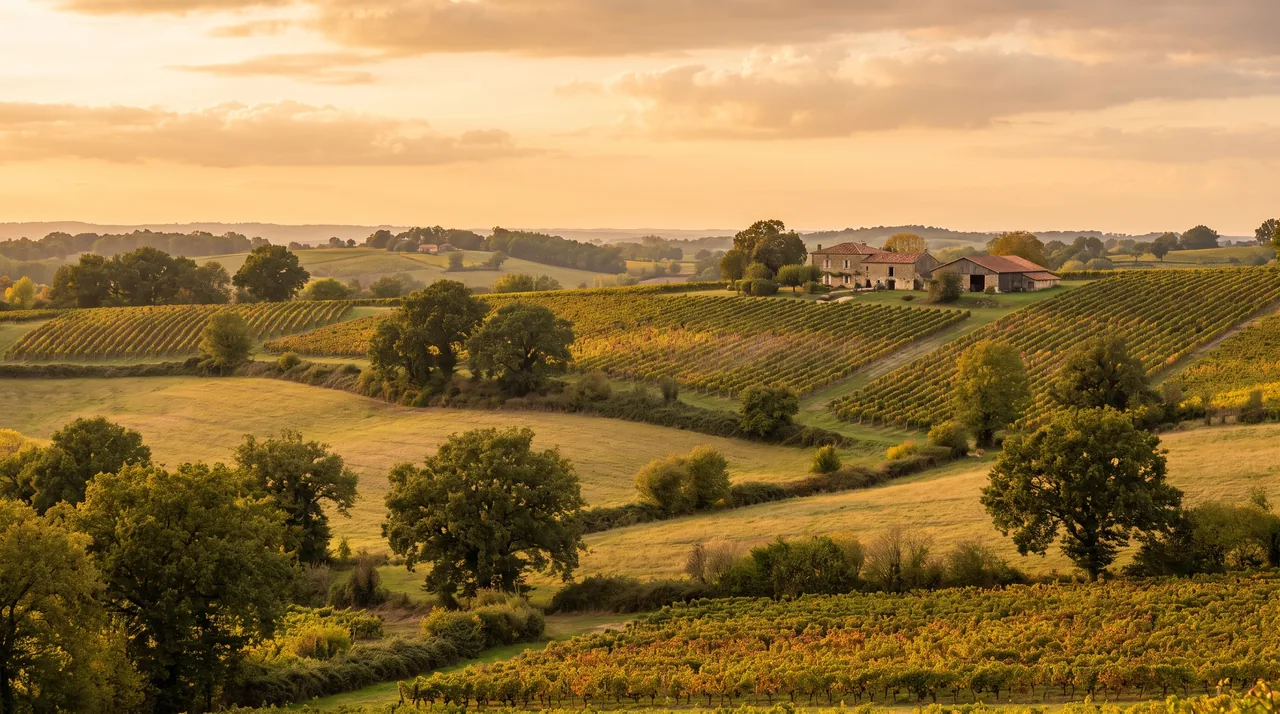
The landscape of western Entre-deux-Mers consists of gentle hills, valleys, and oak groves, crisscrossed by streams flowing down toward the Garonne. In Lignan, this landscape is clearly visible: the sun-drenched hillsides are planted with vines, while the bottom of the Pimpine Valley remains cool, wooded, and humid. The hamlets built of light-colored stone, a few farms, sunken paths, and rows of vines make up a typical rural landscape that is both lively and tranquil. It is an unpretentious Bordeaux countryside setting that truly comes into its own at the end of the day, when the light skims the hillsides.
How many people live in Lignan-de-Bordeaux?
According to the most recent data available (INSEE, 2023 population), Lignan-de-Bordeaux has approximately 842 residents, with a population density of about 94 residents per square kilometer. It’s a far cry from a small town: it’s a village in the truest sense of the word, where stone hamlets alternate with vineyard plots and woods. The residents are known as Lignanais and Lignanaises. This modest size is not a drawback; it is a defining feature: it explains the peaceful atmosphere of the place and the fact that one tends to discover it while passing through, during a getaway in the Entre-deux-Mers region, rather than by spending an entire day there.
| Data | Value |
|---|---|
| Population | approximately 842 residents (INSEE 2023) |
| Density | about 94 people per square kilometer |
| Area | 8.94 km² |
| Demonym | Lignanais · Lignanaises |
| INSEE code · ZIP code | 33245 · 33360 |
| Canton · District | Créon · Bordeaux |
A village in the Bordeaux suburbs
Like many towns in this outer rural ring, Lignan is now a residential village: the vast majority of the working-age population, about nine out of ten, work outside the town, most often in the Bordeaux metropolitan area. The village’s proximity to the city, about 35 minutes away, explains this situation. However, the village retains its wine-growing roots: the vineyards of Entre-deux-Mers and Bordeaux Supérieur cover a significant portion of the village’s territory, and a large estate, Château de Seguin, keeps the agricultural sector thriving. It is this balance, a populated countryside, a thriving wine industry, and a nearby city, that best defines Lignan-de-Bordeaux and sets it apart from a mere suburban housing development.
This small size has a practical implication for visitors: in Lignan itself, there is no train station, no market, and no wide selection of shops or restaurants. It’s a village to pass through and admire, whose main attractions are its heritage and scenery, and which is naturally complemented by the better-equipped neighboring towns, Créon foremost among them. Recognizing this fact doesn’t detract from its charm: it simply helps you plan your visit better, by thinking of your getaway in terms of the western Entre-deux-Mers region rather than just this one town. That is the very premise of this guide.
Where does the name Lignan-de-Bordeaux come from?
The origin of the name “Lignan” is unclear, and its possible origins should be treated as hypotheses. Two theories are circulating. The first links Lignan to a Latin personal name, Linus or Linius, followed by a possessive suffix: it would be the estate or villa of a certain Linius, as is the case with so many place names of Gallo-Roman origin in Aquitaine. The second hypothesis sees it rather as deriving from the Latin *lignum*, “wood”, which would fit well with a region that was long forested and still is in the depths of its valleys. In the absence of conclusive evidence, neither theory clearly prevails; we present them as possibilities, not as certainties.
Why “-de-Bordeaux”?
The suffix “-de-Bordeaux” is by no means old: it was added in 1930. Until then, the town was simply called Lignan. The suffix was added to avoid confusion with another town in the Gironde department, Lignan-de-Bazas, which had itself received its distinctive suffix a little earlier, in 1918. The “-de-Bordeaux” thus places the village within the sphere of influence of the neighboring metropolis, without it being part of it administratively, as we’ve seen, the Lignan intermunicipal community is not Bordeaux Métropole. It is an addition for postal and administrative purposes, not a sign of belonging to the city.
Should Lignan be confused with other towns?
Three places have similar names and are sometimes confused with one another. First, there is Lignan-de-Bazas, in southern Gironde, in the Bazadais region: this is precisely the town from which we sought to distinguish ourselves in 1930. Next is Lignan-sur-Orb, in the Hérault department, near Béziers, much further south and with no connection to the Gironde. Our Lignan-de-Bordeaux, on the other hand, is a village in the Entre-deux-Mers region, about 35 minutes from the capital of the Gironde. This precaution isn’t just a detail for purists: it prevents many mistakes with addresses, reservations, and itineraries, especially when planning a visit from afar.
The Romanesque Church of Sainte-Eulalie
The most charming landmark in Lignan is its church, dedicated to Saint Eulalie, and not, as one sometimes reads or hears, to Saint Martin. It is a Romanesque building, the core of which dates back to the early 12th century and was originally part of a priory run by monks. Despite renovations in the 17th and 19th centuries, the church has retained most of its Romanesque features: a rounded apse, apsidioles, and above all a beautiful series of carved modillions, those small stone corbels that support the cornice, which medieval stonemasons adorned with figures, masks, and geometric patterns.
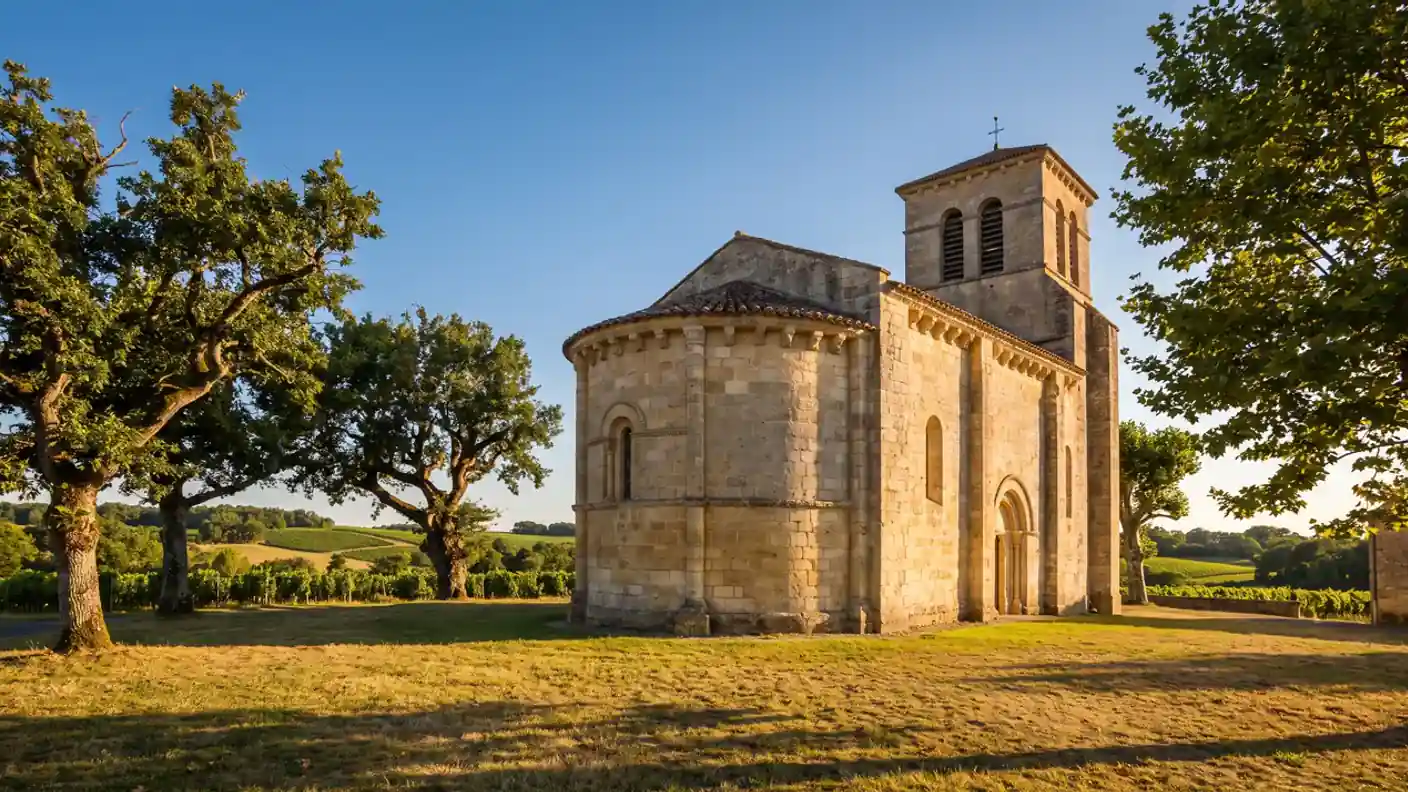
The 19th century left its mark on the interior: the nave was given a Neo-Gothic vault, constructed around 1858–1861, which covers the Romanesque space with a later style of decoration. This layering of eras is common in the rural churches of the Entre-deux-Mers region, which were often built in the Middle Ages and then restored and re-vaulted during the Second Empire, when rural parishes were undertaking a massive renovation of their churches. One must therefore interpret the building on two levels: the medieval, Romanesque structural framework and the 19th-century Neo-Gothic interior.
Listed or registered?
This distinction is important, as one often reads that the church is “listed”: in reality, it was designated a Historic Monument by a decree dated January 23, 1961[source POP]. The listing (Mérimée reference PA00083600) protects the entire building, with the exception of the bell tower, which is of more recent construction. “Listed” and “classified” are two distinct levels of protection under French heritage law, with classification being the highest level; in this case, it is the listing that applies. Clarifying this is not pedantry: it is an accurate description of the monument’s status.
What is there to see at the Church of Sainte-Eulalie?
Beyond its architecture, the church houses a curiosity that few visitors are aware of: the heart of Arnaud de Pontac, Bishop of Bazas, who died in 1605, is buried there in the crypt. This prominent figure in the Bordeaux clergy of the late 16th century links this modest country sanctuary to the religious history of the entire region. Otherwise, take the time to walk around the apse: it is there, on the modillions and cornices, that the work of the Romanesque sculptors is best appreciated. The church is best appreciated from the outside; access to the interior depends on opening hours, which are often limited in small parishes, check locally.
The church in Lignan is not an isolated case: the Entre-deux-Mers region is a land of Romanesque art. The presence of major abbeys, foremost among them La Sauve-Majeure, spurred the establishment of a network of priories and village churches throughout the countryside, built in the 11th and 12th centuries. Many were later remodeled, but they often retain a Romanesque apse, portal, or corbels. Sainte-Eulalie de Lignan belongs to this unassuming family of rural sanctuaries: without monumental pretensions, yet rich in sculpted decoration that rewards the attentive eye. It is on this scale that it should be viewed, rather than by comparing it to the region’s grander structures.
Lislefort Castle and its moat
Tucked away in its lush green setting, the Château de Lislefort, also spelled “l’Islefort”, is the town’s other protected historic site. It is not a castle in the spectacular sense of the word, but rather a former fortified house: a fortified stately home, halfway between a noble farmhouse and a small pleasure castle. Its origins date back to the 16th century; the main residence was remodeled in 1608, at the very beginning of the 17th century. The complex has retained the charm typical of such modest sites: a moat, an access bridge, and a terrace.
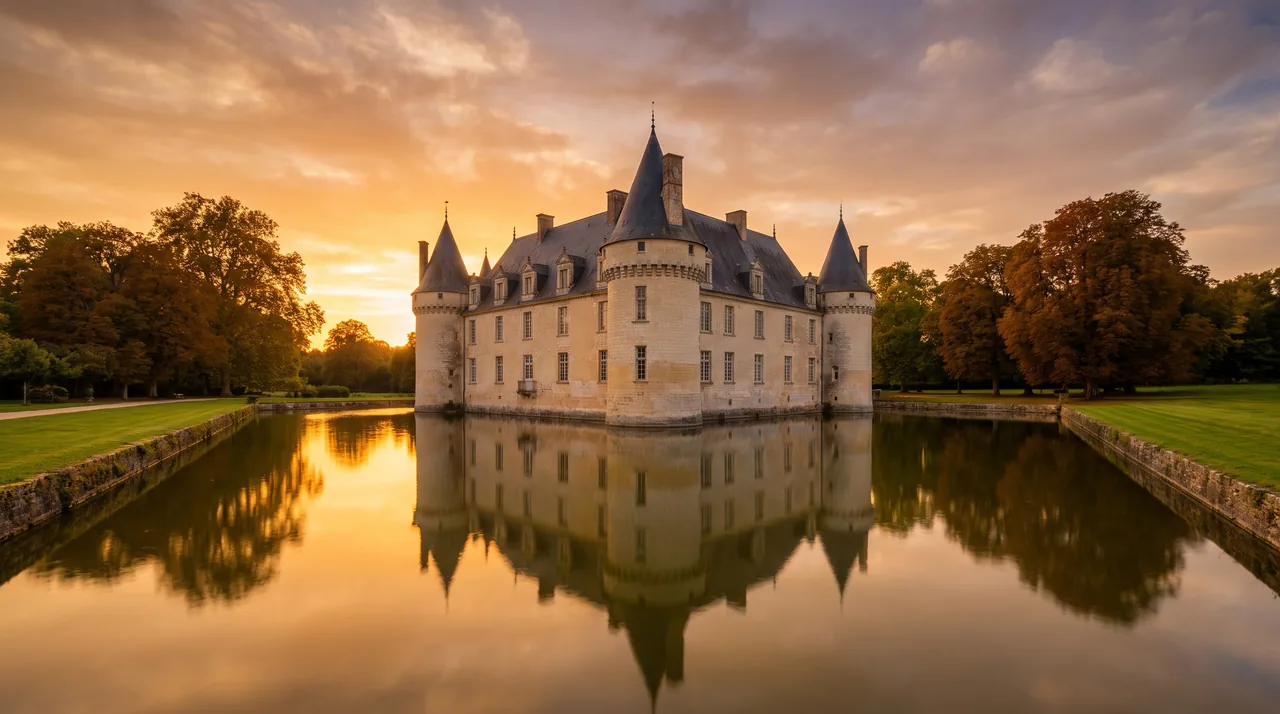
The facades and roofs, the moat, the bridge, and the terrace were designated as Historic Monuments by a decree dated December 31, 1996[source POP] (Mérimée reference PA33000007). As with the church, this is a listing and not a classification, a distinction worth noting. The castle is an example of a type of rural noble residence that was very common in the Entre-deux-Mers region, where, from the Middle Ages through the modern era, many families built these small fortified houses with moats that still dot the countryside.
Can we visit Lislefort Castle?
To avoid any disappointment, let’s be clear: Lislefort Castle is private property. It is not open to visitors, and there is no indication that it is regularly open to the public. You can admire its silhouette and the moat from the surrounding area while strolling along the nearby paths, but do not cross the fence or expect a guided tour. It’s a fleeting pleasure, spotting a moated manor as you round a bend, catching a glimpse of its turrets behind the trees, rather than a stop you’d plan for like a museum. Respecting the peace and quiet of the grounds and its occupants is part of the experience.
The Pimpine Valley
If there were one landscape to highlight in Lignan, it would be its valley. The Pimpine River carves a lush, green valley there, shaded by deciduous trees, where the air stays cool even in summer. It’s an unassuming landscape, a far cry from major tourist attractions: damp meadows, forest edges, a few old stone walls, and the gentle lapping of a stream. For a long time, this water powered mills and sustained life in the valley floor; today, it primarily makes it a popular walking spot enjoyed by both locals and passing hikers.
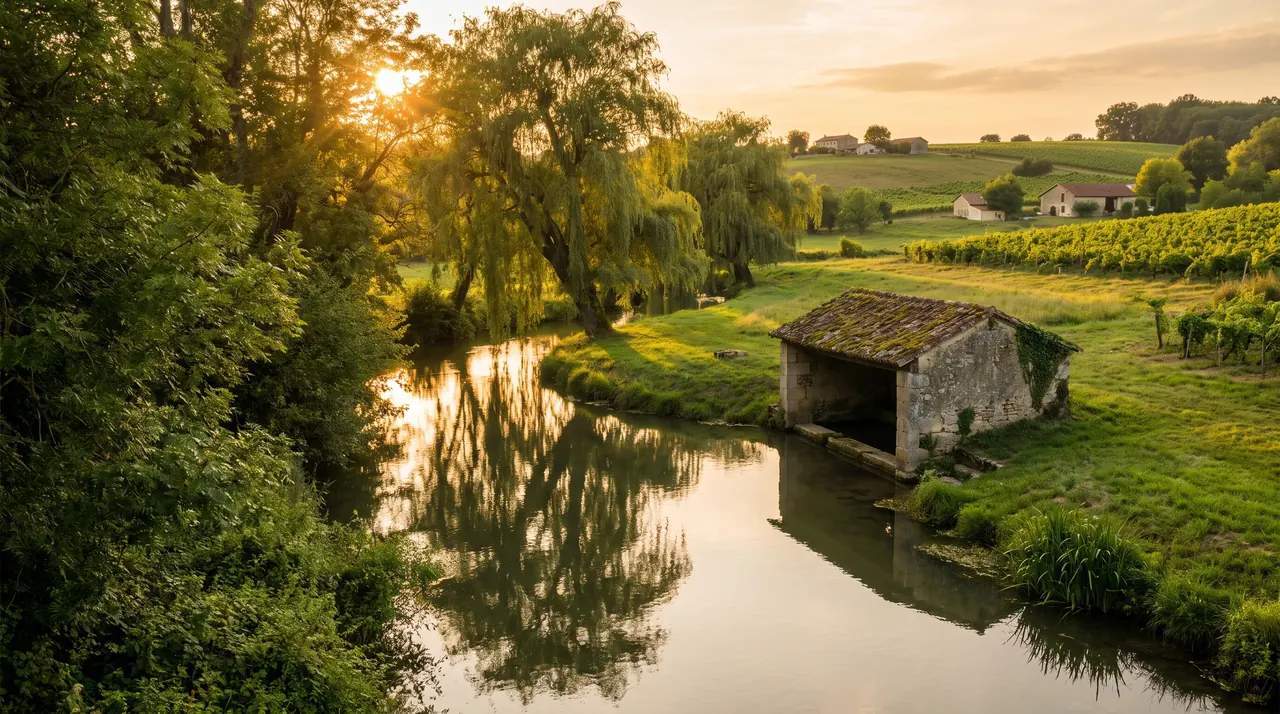
What is Pimpine?
The Pimpine is a small tributary of the Garonne on its right bank. It originates near Créon and flows for nearly 18 kilometers to Latresne, where it joins the river. Its course connects a string of towns in the western Entre-deux-Mers region: Créon, Sadirac, Lignan-de-Bordeaux, Cénac, Carignan-de-Bordeaux, and Latresne. Although modest in flow, it has nonetheless shaped an entire microregion by carving out these valleys perpendicular to the Garonne, which give the local landscape its distinctive character. The Pimpine Valley thus forms a green thread that weaves together the towns in the area, including Lignan.
The Mills of La Pimpine
Water has long been a driving force here. A decree from 1861 listed eleven mills on the Pimpine River and its tributaries, mostly flour mills, of which, for the most part, only remnants of mill races and reservoirs remain today. One sometimes reads that beautiful restored washhouses, such as those in Pardaillan or Bonnefont, are located in Lignan: in reality, they are situated downstream, near Carignan and Latresne. It would therefore be more accurate to say that they belong to the Pimpine Valley, which Lignan shares with its neighboring towns. The walk along the stream remains a true pleasure throughout the entire route, and it is indeed the valley as a whole that should be considered.
The valley is particularly well-suited for hiking. Several loop trails crisscross the area, connecting Lignan to its neighboring towns via ridge trails and valley floors; they’re easy to find on route-mapping platforms like Visorando. The contrast between the open, vine-covered hillsides and the cool woodlands lining the stream is what makes this hike so enjoyable. It’s a gentle hike with no significant elevation gain, suitable for families, where the landscape changes with the seasons, soft green in spring, golden in fall, bare and luminous in winter. It’s the perfect way to round out a heritage tour with a refreshing break in the great outdoors, just a stone’s throw from Bordeaux.
Seguin Castle and the Vineyards
Lignan-de-Bordeaux is a wine-growing town in its own right. Its hillsides fall under two major appellation groups: Entre-deux-Mers, renowned for its dry whites, and Bordeaux and Bordeaux Supérieur, primarily reds. This is the foundation of the entire Entre-deux-Fleuves wine region: approachable, easy-drinking wines produced by a mosaic of family-run estates and a few larger properties. Here, the vineyards aren’t just scenery: they’re a vibrant industry that shapes the landscape and sets the rhythm of the year.
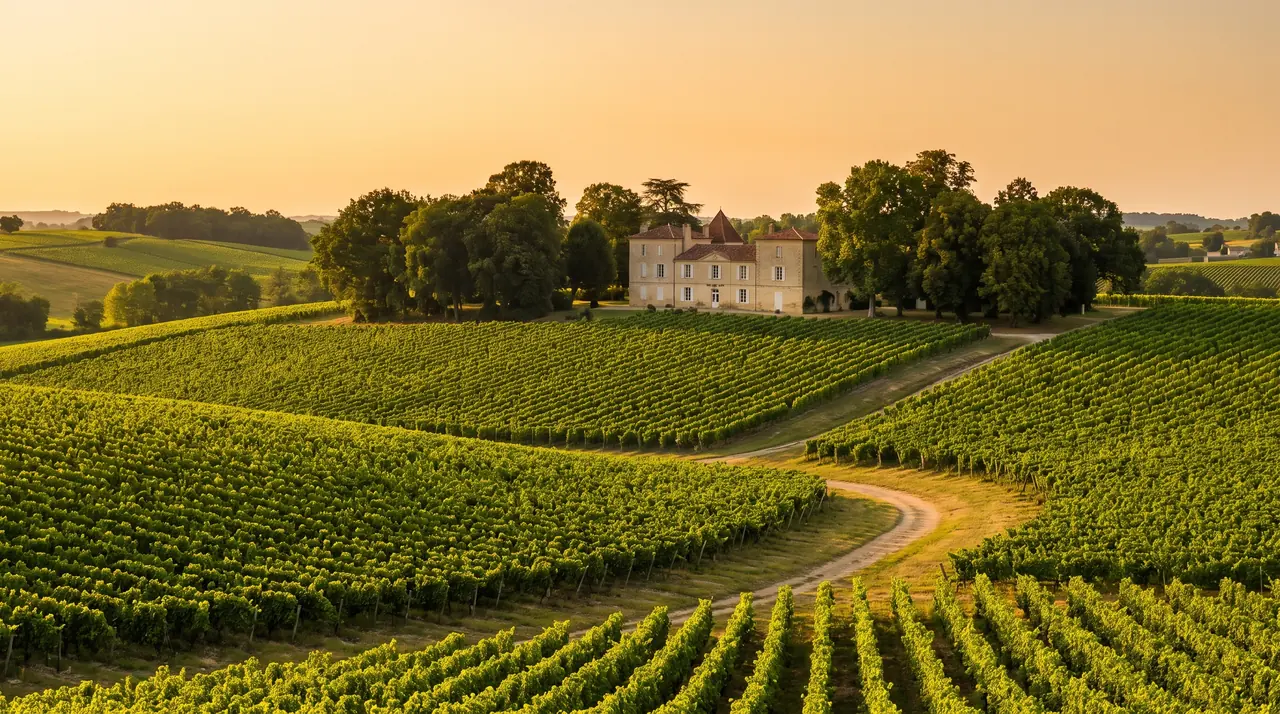
What kinds of wine are produced in Lignan?
The Lignan region thus offers both styles. The dry white wines of Entre-deux-Mers, lively and fruity, are perfect as an aperitif and with seafood; while the reds from Bordeaux and Bordeaux Supérieur, made from Merlot and Cabernet, are perfect for everyday meals. The well-exposed hillsides, the proximity to the Garonne River, and the clay-limestone soils give these wines their distinctive character. Many estates offer direct sales and, in some cases, tastings by appointment: this is one of the best ways to experience Entre-deux-Mers, glass in hand, right at the winemakers’ own estates.
It’s worth noting the significance of these appellations in the Bordeaux region. Entre-deux-Mers is one of the region’s major wine-growing areas for dry white wines, and its name has entered the everyday vocabulary of wine enthusiasts. As for the reds, they fall under the regional appellations Bordeaux and Bordeaux Supérieur, the most widespread in the Gironde wine region. In Lignan, as in neighboring towns, these two styles often coexist within the same estates, which produce both white and red wines. This is a wine region steeped in family tradition, where welcoming visitors, wine tastings, and direct sales are playing an increasingly important role, a friendly and unpretentious way to experience the Entre-deux-Mers.
Château de Seguin, the flagship estate
The name that stands out, both literally and figuratively, is Château de Seguin. It is a very large estate by the town’s standards: approximately 173 hectares, of which about 95 hectares are vineyards, planted primarily with AOC Bordeaux Supérieur grapes, along with some Bordeaux white and Crémant de Bordeaux. The current château dates back to 1780. Taken over by the Mottet family in 2013, the estate has undergone major renovations and opened its doors to wine tourism: it offers a tour experience called “VITISHOW,” guest rooms, and a gift shop. Unlike Château de Lislefort, this is a place you can truly explore, the vineyards, the cellars, the wine tasting, and the warm welcome.
A word of caution is in order here, as it’s easy to get confused: there is another “Château Seguin” in Gironde, located in Canéjan, within the Pessac-Léognan appellation in the Graves region. It is an estate with the same name but is entirely distinct from the one at Lignan-de-Bordeaux. If you’re planning a visit, a tasting, or an order, be sure to verify that you’re referring to Château de Seguin in Entre-deux-Mers, in the town of Lignan, and not its namesake in the Graves region. Two estates, two appellations, two addresses: the similarity of the names is misleading.
What is there to do in and around Lignan-de-Bordeaux?
Let's be honest: Lignan-de-Bordeaux is a very small village, and you can easily see everything it has to offer. The appeal of a getaway here lies as much in the village itself as in everything surrounding it within a radius of a few kilometers, hence the unapologetic “and around” in the title of this chapter. In the village itself, three things are worth seeing: the Romanesque Church of Sainte-Eulalie and its modillions, the silhouette of Lislefort Castle and its moat, visible from the outskirts, and the Château de Seguin estate, the only one of the three that’s actually open to visitors. Add to that a stroll through the cool Pimpine Valley. Then expand your horizons: the bastide town of Créon, the pottery village of Sadirac, the UNESCO-listed Abbey of La Sauve-Majeure, and the major greenway bike path are all within easy reach. That’s enough to fill a whole day.
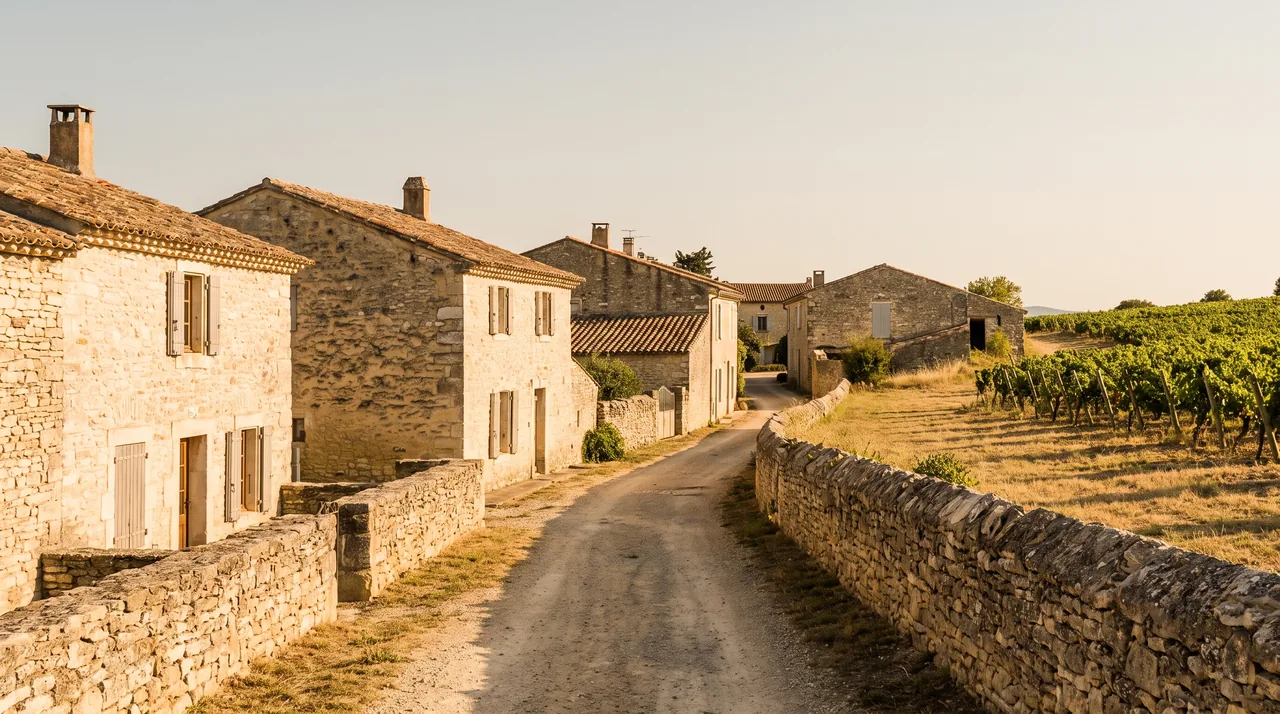
- The Church of Sainte-Eulalie, a Romanesque building listed as a Historic Monument, worth seeing especially for its rounded apse and carved modillions
- Lislefort Castle (exterior), the silhouette of the old fortified house and its moat, best viewed from the surrounding area; private property, not open to the public
- The Château de Seguin, a wine tourism stop in the town: the “VITISHOW” experience, wine tastings, and a gift shop in the heart of the Bordeaux Supérieur vineyards
- The Pimpine Valley, hiking loops in a cool, wooded valley; check them out on route-planning platforms like Visorando
- The Créon Market, about 7 km away, every Wednesday morning at Place de la Prévôté, in the heart of the bastide (the market has been held there since 1315)
- The Sadirac Farmers' Market, about 5 km away, Fridays from 4:00 p.m. to 8:00 p.m., featuring seasonal farm products
- Sadirac, a pottery village, with its long tradition of ceramics and the Maison de la Poterie, just a few minutes away
- La Sauve-Majeure Abbey, about 11 km away, a ruined Romanesque masterpiece listed as a UNESCO World Heritage Site; and the Roger-Lapébie Greenway for cyclists
A Typical Day Around Lignan
For a lovely day out, you can take your time and enjoy the sights at a leisurely pace. In the morning, visit the church in Lignan and take a detour to Lislefort, then head to the market in Créon if it’s Wednesday. At noon, stop for a gourmet meal in the bastide or enjoy a picnic in the Pimpine Valley. In the afternoon, enjoy a wine tasting at Château de Seguin, followed by a visit to La Sauve-Majeure Abbey, less than twenty minutes away. Cycling enthusiasts will happily swap one stop for a stretch of the Roger-Lapébie greenway, which runs from Bordeaux to Sauveterre via Créon. The entire itinerary can easily be covered in a single day starting from Bordeaux, without long drives between stops.
The pace of the tour depends somewhat on the day and the season. On Wednesdays, the Créon market sets the tone for the morning; on Fridays, the Sadirac market brings the late afternoon to life. In spring and fall, the light on the hillsides and the cool air of the Pimpine Valley are at their best; in summer, it’s best to visit during the milder hours of the morning and evening. Finally, in winter, the villages return to their peaceful state, and you can explore the historic sites without the crowds. No matter the time of year, it’s best to check the opening hours for sites and tastings in advance, as they’re often limited during the off-season in these small towns.
| Step | Where | Good to Know |
|---|---|---|
| Church of Saint Eulalie | Lignan-de-Bordeaux | A historic monument-listed building; best viewed from the outside |
| Lislefort Castle | Lignan-de-Bordeaux | private: silhouette and moat as seen from the surrounding area |
| Seguin Castle | Lignan-de-Bordeaux | wine tourism, tastings, and a gift shop |
| Creon Market | Creon (~7 km) | Wednesday morning, Place de la Prévôté |
| Sadirac & Pottery | Sadirac (~5 km) | Maison de la Poterie, market on Fridays |
| La Sauve-Majeure Abbey | La Sauve (~11 km) | Romanesque abbey listed as a UNESCO World Heritage Site |
About Lignan-de-Bordeaux
Lignan’s true treasure is its surroundings. In just a few minutes by car, you go from a village of 800 residents to some of the most visited sites in the Entre-deux-Mers region. This unassuming central location makes Lignan a peaceful base for exploring the western part of the region, provided you’re willing to travel a bit. We’re more than happy to do so, since everything of interest is right in the surrounding area. Here are some useful distances from the village.
| Destination | Distance from Lignan | Interest |
|---|---|---|
| Sadirac | ~5 km | Pottery Village, Pottery House |
| Créon | ~7 km | Medieval bastide, Roger-Lapébie Greenway |
| Cénac / Latresne | ~8–10 km | lower Pimpine Valley, along the banks of the Garonne |
| La Sauve-Majeure | ~11 km | Romanesque abbey listed as a UNESCO World Heritage Site |
| Bordeaux | 19 km | city, Saint-Jean train station, airport beyond |
Créon, Sadirac, and La Sauve-Majeure
Créon, about 7 km away, is the small regional capital: a bastide founded in the early 14th century, with its arcaded square and Wednesday market, and, above all, the junction of the Roger-Lapébie Greenway, the former railroad line converted into a bike path. Sadirac, about 5 km away, carries on a long tradition of pottery, which you can explore at the Maison de la Poterie; its farmers’ market, held late Friday afternoon, is a great opportunity to pick up some farm-fresh produce. Finally, about ten kilometers away, the Abbey of La Sauve-Majeure, founded in 1079, designated a historic monument, and inscribed on the UNESCO World Heritage List in 1998 as part of the Way of St. James, remains the major landmark of the Entre-deux-Mers region. Add the Pimpine Valley toward Cénac and Latresne, and you have a taste of the region.
Finally, a word about the Roger-Lapébie Greenway, which is worth the detour all on its own. Built along the right-of-way of a former railroad line, this long bike path connects the suburbs of Bordeaux to Sauveterre-de-Guyenne, crossing the entire Entre-deux-Mers region from west to east, with Créon as its central stop. Flat, shaded, and dotted with converted former train stations, it offers one of the most pleasant ways to explore the region by bike, far from traffic. From Lignan, you can reach it in just a few minutes on the Créon side: ideal for a half-day of cycling through vineyards and villages before heading back toward Bordeaux.
For more information, we’ve put together detailed guides on these nearby towns: Créon and its bastide, the Abbey of La Sauve-Majeure, and Pompignac, another village with a Romanesque church nestled in the hills of the Bordeaux region, just nearby. Together, these three villages represent the best of the western Entre-deux-Mers region around Lignan.
How to get to Lignan-de-Bordeaux from Bordeaux
From Bordeaux, getting to Lignan-de-Bordeaux is easy: about 19 kilometers, about a 35-minute drive. Leave the city to the east, take the beltway to an exit on the east side, then follow the D936 and D14 departmental roads through the first hills to the village. The route is direct and easy, outside of rush hour. There is no train station in Lignan itself; public transportation is scarce and ill-suited for a visit that spans several towns, which makes choosing a flexible mode of transportation essential.
How much does the ride cost?
The price for a private transfer from Bordeaux to Lignan-de-Bordeaux starts at €48 during the day for a sedan (1 to 3 passengers), at a fixed rate confirmed in writing before departure. This price is door-to-door, with no meter and no unexpected charges due to traffic. A surcharge applies at night, on weekends, and on holidays; for groups of more than 3 passengers, a van is provided. Since Lignan is ideally located, many travelers use it as the starting point for a loop to Créon, Sadirac, or La Sauve-Majeure, with waiting time and stops included in the quote.
| Route | Distance / Duration | Starting at |
|---|---|---|
| Bordeaux → Lignan-de-Bordeaux | 19 km · about 35 min | starting at 48 € |
| Lignan ↔ Créon, Sadirac, La Sauve | short trips in the neighborhood | based on a quote |
| Bordeaux-Mérignac Airport → Lignan | longer trip | based on a quote |
| Entre-deux-Mers Loop (half-day tour) | several steps | based on a quote |
Why hire a private driver?
For a getaway that takes you from one village to the next, the church in Lignan, a wine tasting at Château de Seguin, the market in Créon, and the Abbey of La Sauve, a private transfer offers real advantages: no need to hunt for parking, the freedom to taste Entre-deux-Mers wines without having to drive afterward, and a tailor-made itinerary. Your chauffeur waits for you, drops you close to each site, and brings you back to Bordeaux at the time of your choosing. For a half-day or full-day trip in the western part of the Entre-deux-Mers region, this is the most flexible option, and by far the most relaxing.
Frequently Asked Questions
Where is Lignan-de-Bordeaux located?
Lignan-de-Bordeaux is a village in the Gironde department located southeast of Bordeaux, in the western part of the Entre-deux-Mers region, 19 km from downtown. It lies in the Pimpine Valley, a small stream that flows into the Garonne, within the Bordeaux arrondissement and the canton of Créon. Be careful not to confuse it with Lignan-de-Bazas, further south, or with Lignan-sur-Orb, in the Hérault department. Its immediate neighbors include Sadirac, Créon, Cénac, and Fargues-Saint-Hilaire, all small wine-growing villages in the same region.
How much does a trip from Bordeaux to Lignan-de-Bordeaux cost with a private driver?
A private transfer from Bordeaux to Lignan-de-Bordeaux starts at €48 during the day for a sedan that can accommodate 1 to 3 passengers. The price is fixed, confirmed in writing before departure, and is door-to-door: no meter, no traffic-related surprises. A surcharge applies at night, on weekends, and on holidays; for groups of more than 3 passengers, a van is provided. Many travelers choose to include waiting time and stops in their quote so they can explore Créon, Sadirac, or La Sauve-Majeure.
How far is Lignan-de-Bordeaux from Bordeaux?
Lignan-de-Bordeaux is located 19 km from downtown Bordeaux, which is about a 35-minute drive via the beltway and then the D936 and D14 departmental roads. The fare calculator uses 19 km and approximately 35 minutes. It’s one of the wine-growing regions closest to the city: you leave the boulevards, cross the ring road to the east, and you’re already in the vineyards of Entre-deux-Mers. This proximity makes it an easy getaway, whether for a half-day or a full day.
How many residents are there in Lignan-de-Bordeaux?
According to the INSEE census (2023 population), Lignan-de-Bordeaux has approximately 842 residents, for a population density of about 94 residents per square kilometer, spread over 8.94 km². It is therefore a very small village, a fact we acknowledge in this guide. Its residents are known as Lignanais and Lignanaises. Today, the town is primarily residential: the vast majority of the working population commutes to work elsewhere, most often in the Bordeaux metropolitan area, while maintaining strong ties to the wine industry.
Why is the town called Lignan-de-Bordeaux?
The name “Lignan” is thought to derive, hypothetically, either from the Latin personal name Linus or Linius, or from the Latin word *lignum*, meaning “wood”; there is no consensus on either hypothesis. The suffix “-de-Bordeaux,” on the other hand, is more recent: it was added in 1930 to distinguish the town from Lignan-de-Bazas, another town in the Gironde department that had been given the suffix as early as 1918. This suffix indicates that the village is located near the metropolitan area, but does not mean that it belongs to Bordeaux Métropole: Lignan is part of the Portes de l’Entre-Deux-Mers community of municipalities.
Is the church in Lignan dedicated to Saint Martin?
No. The church at Lignan-de-Bordeaux is dedicated to Saint Eulalie, not to Saint Martin as is sometimes stated. It is a Romanesque building from the early 12th century, originally associated with a priory, and remodeled in the 17th and 19th centuries (the nave’s Neo-Gothic vaulting dates from around 1858–1861). It was listed as a Historic Monument by a decree dated January 23, 1961[source POP], listed, not classified. Fun fact: the heart of Arnaud de Pontac, Bishop of Bazas who died in 1605, is buried there in the crypt.
Can we visit Lislefort Castle?
No, Lislefort Castle is a private property that is not open to visitors; there is no indication that it is regularly open to the public. You can admire its silhouette and moat from the surrounding area while taking a walk, but you may not cross the fence. This former 16th-century fortified house, which was remodeled in 1608, has its facades, roofs, moat, bridge, and terrace listed as Historic Monuments by a decree dated December 31, 1996[source POP]. It is a place to enjoy briefly, to be appreciated while respecting the tranquility of the surroundings.
What is Pimpine?
The Pimpine is a small stream, a tributary on the right bank of the Garonne. It originates near Créon and flows for nearly 18 km to Latresne, where it joins the Garonne, passing through or running alongside Créon, Sadirac, Lignan-de-Bordeaux, Cénac, Carignan-de-Bordeaux, and Latresne. Its cool, wooded valley forms the main backdrop of Lignan. A decree from 1861 listed eleven mills on the Pimpine and its tributaries; today, mostly the remains of mill races are all that are left. It is now a popular spot for walks.
Is it possible to visit a winery in Lignan-de-Bordeaux?
Yes. The town’s flagship estate, Château de Seguin, is open to wine tourism: it offers a tour experience called “VITISHOW,” guest rooms, and a gift shop. It is a large estate covering approximately 173 hectares, including nearly 95 hectares of vineyards, primarily in the Bordeaux Supérieur AOC, with some white Bordeaux and Crémant; the current château dates back to 1780, and the estate was taken over by the Mottet family in 2013. Be careful not to confuse it with Château Seguin in Pessac-Léognan, located in Canéjan, which is a separate estate with the same name.
Is there a market for Lignan-de-Bordeaux?
No, Lignan-de-Bordeaux doesn’t have a market, the town is too small. But there are two markets held nearby. The one in Créon, about 7 km away, takes place every Wednesday morning on Place de la Prévôté, in the heart of the bastide, and has been held since 1315. In Sadirac, about 5 km away, a farmers’ market takes place on Fridays from 4:00 p.m. to 8:00 p.m., perfect for seasonal farm-fresh produce. This is one of the reasons why, when it comes to Lignan, people talk about exploring “the town and its surroundings.”
What's there to see around Lignan-de-Bordeaux?
Around Lignan, the western part of the Entre-deux-Mers region offers some lovely places to visit just a few minutes away: the bastide town of Créon and its Roger-Lapébie greenway (~7 km), the pottery village of Sadirac and its Maison de la Poterie (~5 km), and above all, the Abbey of La Sauve-Majeure (~11 km), a ruined Romanesque masterpiece listed as a UNESCO World Heritage Site. Add the Pimpine Valley toward Cénac and Latresne for hiking. This rich surrounding area is what makes a getaway from Lignan, a quiet and central base, so appealing.
Is Lignan-de-Bordeaux part of Bordeaux Métropole?
No. Despite its name, Lignan-de-Bordeaux is not part of Bordeaux Métropole. The municipality is part of the Portes de l'Entre-Deux-Mers community of municipalities, headquartered in Latresne, and has been in its current configuration since January 1, 2017. It is also sometimes mistakenly associated with the Coteaux Bordelais or the former Créonnais community of municipalities: it belongs to neither. The suffix “-de-Bordeaux” indicates that the village is located near the city, but does not imply any administrative affiliation with the metropolitan area.
Is it possible to take a loop through the Entre-deux-Mers region starting from Lignan?
Yes, and that’s actually the best way to enjoy it. Lignan-de-Bordeaux, 19 km from Bordeaux, serves as a quiet and central base for exploring the western part of the Entre-deux-Mers region: you can visit the Romanesque church, enjoy a wine tasting at Château de Seguin, explore the market in Créon, check out the pottery in Sadirac, and tour the Abbey of La Sauve-Majeure, all in a single day. A private transfer from Bordeaux, with waiting time and scheduled stops included in the quote, lets you plan this itinerary freely, without worrying about parking or having to drive after the tastings.
Further Reading
- The neighboring bastide: see the Créon Guide (arcaded square, Wednesday market, and the Roger-Lapébie greenway)
- The nearby UNESCO-listed abbey: see the Guide to La Sauve-Majeure (Romanesque apse, bell tower, and carved capitals)
- Another Romanesque village on the hillsides: see the Pompignac Guide (Romanesque church and the hillsides of Bordeaux)
- Understanding our rates and vehicles: see the "Book a Driver" page (sedans and vans, fixed-price quote in writing)
- Plan your trip: Book a transfer from Bordeaux to Lignan-de-Bordeaux or explore all our destinations
Sources and References
- Lignan-de-Bordeaux, Wikipedia, Geography, Toponymy, Heritage
- Sainte-Eulalie Church, POP/Mérimée PA00083600, designated a historic monument in 1961
- Lislefort Castle, POP/Mérimée PA33000007, listed as a historic monument in 1996, moat
- Château de Seguin, Winery, Wine Tourism
- La Sauve-Majeure Abbey (UNESCO), nearby excursion, designated a UNESCO World Heritage Site in 1998
- Roger-Lapébie Greenway, major bike route nearby
Last editorial review: .
Our Latest Guides
 Entre-deux-Mers & Southern Gironde
Pompignac: The Romanesque Church and the Bordeaux Hillsides
Read the guide →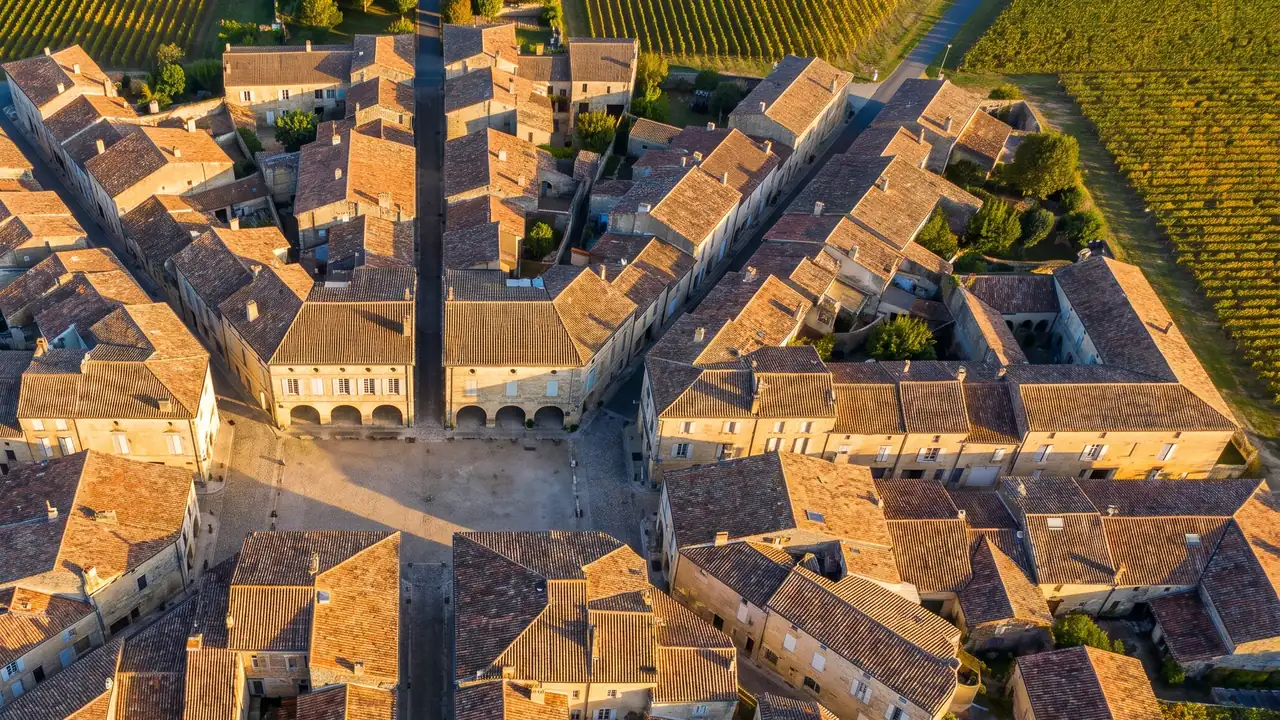 Entre-deux-Mers & Southern Gironde
Créon: The Bastide and the Roger-Lapébie Greenway
Read the guide →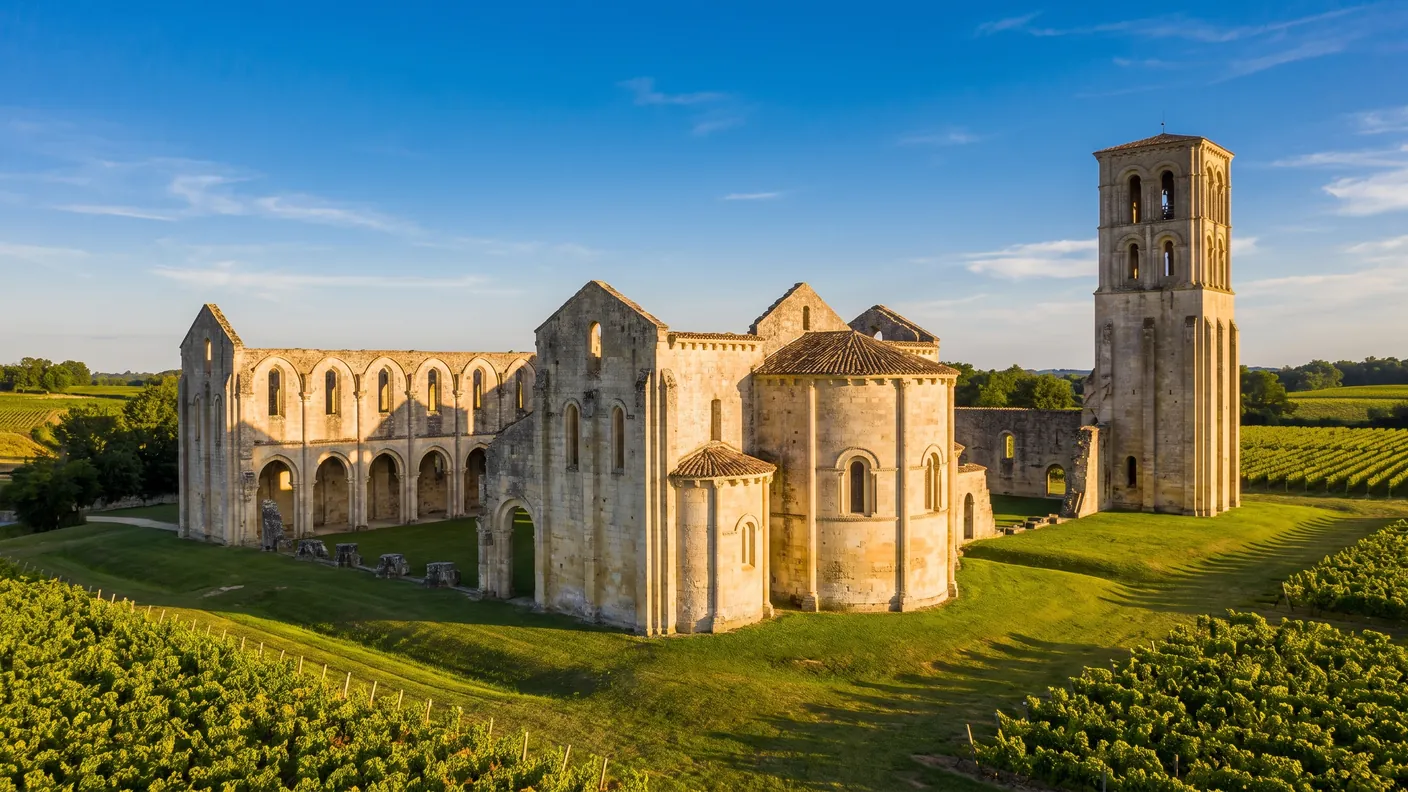 Entre-deux-Mers & Southern Gironde
La Sauve-Majeure: The Romanesque Abbey Designated a UNESCO World Heritage Site
Read the guide →Off to Entre-deux-Mers
Direct transfer from Bordeaux (about 35 min) to Lignan-de-Bordeaux and the Pimpine Valley. Written, fixed-price quote with no obligation.