
Private driver from Bordeaux to Montagne-Saint-Émilion: vineyards and windmills
The largest of Saint-Émilion’s four “satellite” villages, perched on its hillsides: the Merlot red wine appellation, the listed Romanesque church, the mills, and the history of three villages united—about an hour from Bordeaux, at the gateway to the UNESCO World Heritage Site.
Montagne-Saint-Émilion at a glance
Montagne-Saint-Émilion is a wine-growing village in the Libournais region of Gironde, the largest of the four “satellite” villages of Saint-Émilion, located a few kilometers north of the famous medieval town. On its elevated clay-limestone hillsides—a veritable “mountain” by the standards of this flat wine-growing region— nearly two hundred winemakers produce a Merlot-based red wine under the Montagne-Saint-Émilion appellation, at prices far more affordable than those of its prestigious neighbor. Born from the merger of three former villages, Montagne retains a rich heritage: a beautiful, listed Romanesque church, old windmills on the hills, and wine-producing châteaux. Here, in the heart of the great wine region on the right bank of the Dordogne, amid a landscape of vineyards and estates, about an hour’s drive from Bordeaux, lies an ideal, unassuming, and authentic gateway to the world of Saint-Émilion.
Here are the key details to know before you go. The distance of 54 km, the travel time of approximately 1 hour, and the fare starting at 86 € are based on the information displayed by the booking engine for the route Bordeaux → Montagne-Saint-Émilion.
| Landmark | Details |
|---|---|
| Department | Gironde (33), Nouvelle-Aquitaine |
| Status | Wine-growing village · Libourne district · Nord-Libournais canton |
| Population | 1,510 residents (INSEE 2023) · Les Montagnais |
| Area | 26.66 km² · in the Libournais wine region |
| Don't miss it | The vineyard, Saint-Martin Church, and the Calon mills |
| Distance from Bordeaux | about 54 km · about an hour's drive |
| Designation | Montagne-Saint-Émilion (the largest satellite of Saint-Émilion) |
First, a word of clarification: this village is the subject of several common misconceptions, which this guide corrects with supporting sources. The town’s official name is simply Montagne: “ -Saint-Émilion " is the name of its wine appellation, not the town's. The current village was formed in 1973 through the merger of three former municipalities — Montagne, Saint-Georges, and Parsac. Its appellation, Montagne-Saint-Émilion, subsequently absorbed the former Parsac-Saint-Émilion AOC; however, the AOC Saint-Georges-Saint-Émilion still exists, a separate appellation, in the former territory of Saint-Georges. Finally, the Montagne-Saint-Émilion AOC produces only red wine — neither white nor cognac. Every statement in this guide is based on verifiable sources, which are cited at the end of the article.
Here we’ll go over everything you need to know: Montagne’s location in the Libournais region and its population, the Montagne-Saint-Émilion appellation and its four satellite villages, the Romanesque church and the village mills, the history of the merger of three municipalities, an introduction to the vineyards and their wines, notable sites in the surrounding area all the way to Saint-Émilion, the best time of year to visit, and the easiest way to get there from Bordeaux by executive car service—all thoroughly researched and verified.
Where is Montagne-Saint-Émilion located?
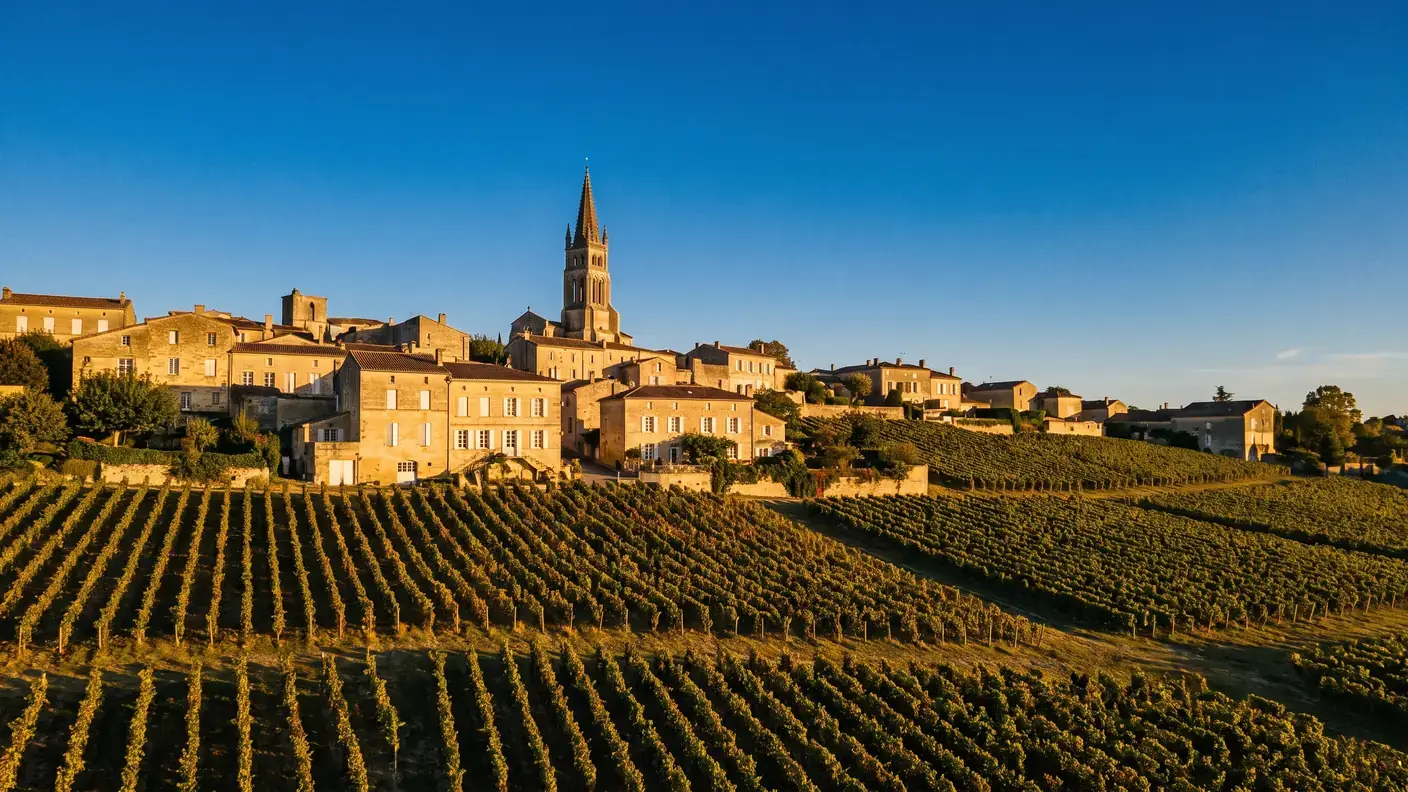
Montagne-Saint-Émilion is located in the eastern part of the Gironde department (33), in the Nouvelle-Aquitaine region, in the Pays du Libournais, about five kilometers north of Saint-Émilion and about ten kilometers from Libourne. It is a rural commune belonging to the Libourne arrondissement and the Nord-Libournais canton, and is a member of the Grand Saint-Émilionnais Community of Communes. It covers 26.66 square kilometers of vineyard-covered hillsides and plateaus, forming the northern extension of the famous Saint-Émilion plateau, from which it is separated by the small Barbanne River. The village neighbors the other villages of the appellation—Lussac to the northeast and Puisseguin to the east—in a landscape entirely devoted to vineyards, dotted with châteaux, wine cellars, mills, and stone hamlets. Here, we are in the heart of one of the world’s most prestigious wine regions, but in its most accessible and peaceful part, on hills that offer beautiful views.
A "mountain" of grapevines
The name "Montagne" is well-deserved: compared to the generally flat Libournais region, the town occupies heights which overlook the valley, one of the highest points in the Right Bank vineyards. These hillsides—some of which once featured windmills that took advantage of their exposure—offer beautiful views of the sea of vineyards stretching out around them, all the way to the Saint-Émilion plateau. It is this commanding position that gave the village its name—a Girondin “mountain,” more of a hill than a peak, but very real in this region of gentle terrain. The landscape, almost entirely covered with vineyards (more than 80% of the municipal territory), takes on changing hues with the seasons: soft green in spring, golden and purple in fall. It’s a postcard-perfect setting in the Bordeaux wine region, where every hillside boasts its own château and its own history.
The largest of the satellites
According to INSEE, Montagne had a population of 1,510 in 2023. Housing is distributed among vineyard properties and the historic villages of Montagne, Saint-Georges, and Parsac. The municipality is part of the Grand Saint-Émilionnais Community of Municipalities and remains closely tied to viticulture.
The appellation Montagne-Saint-Émilion
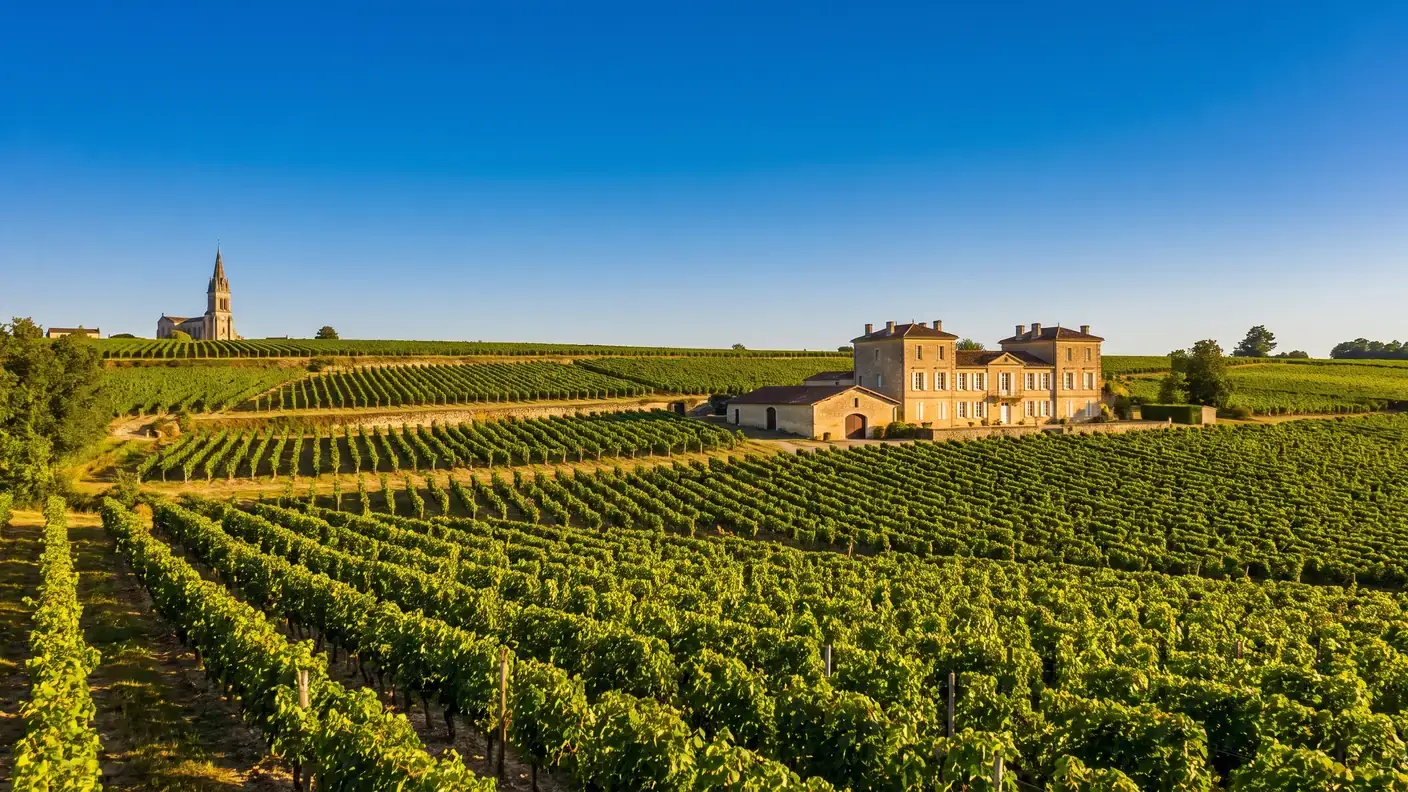
According to the INAO, Montagne-Saint-Émilion is an appellation for still red wines produced in the commune of Montagne and officially recognized in 1936. Merlot dominates the blends, complemented notably by Cabernet Franc and Cabernet Sauvignon.
The largest of the satellite appellations
The official INAO profile describes red wines produced from clay-limestone soils, with Merlot playing a central role. It also notes that a 1921 ruling allowed wines from Montagne to include the name Saint-Émilion and that the appellation was officially recognized in 1936.
Wines from the Right Bank
Montagne-Saint-Émilion is a distinct appellation from Saint-Émilion and Saint-Émilion Grand Cru. Its red wines are primarily made from Merlot and adhere to their own specifications. The price of a bottle varies depending on the estate, the vintage, the cuvée, and the sales channel: check the current prices at each estate before making any comparisons.
| The Montagne-Saint-Émilion AOC | Details |
|---|---|
| Establishment of the AOC | Decree of November 14, 1936 |
| Area | approximately 1,567 hectares · the largest moon |
| Type of wine | Red only · Merlot > 75% |
| Winemakers | approx. 190 · Maison des Vins de Montagne |
| Terroir | clay-limestone slopes on Asterias limestone |
St. Martin's Church and the Mills
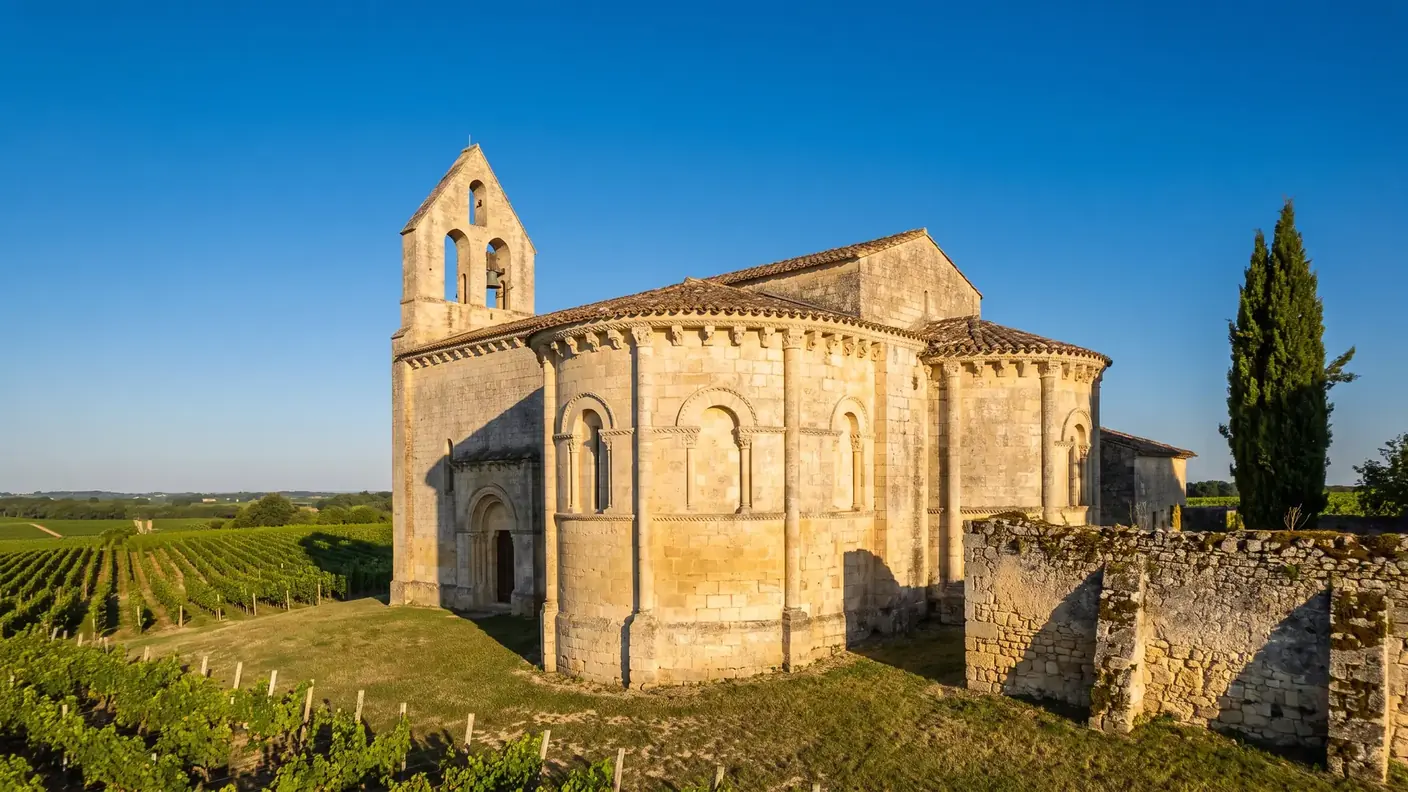
Montagne is home to several religious buildings, old windmills, and vineyards inherited from its three former villages. The POP reference previously associated with the Church of Saint-Martin actually referred to a castle in Portets; therefore, the details of its protected status should be verified before publication.
The Romanesque Church of Saint Martin
The Church of Saint-Martin de Montagne is a landmark in the village nestled among the vineyards. Since no official POP/Mérimée listing has been correctly identified in current sources, this guide no longer lists the century of construction or the date of designation here. This information will be restored once the correct heritage listing has been verified.
The Mills of Calon and the Castles
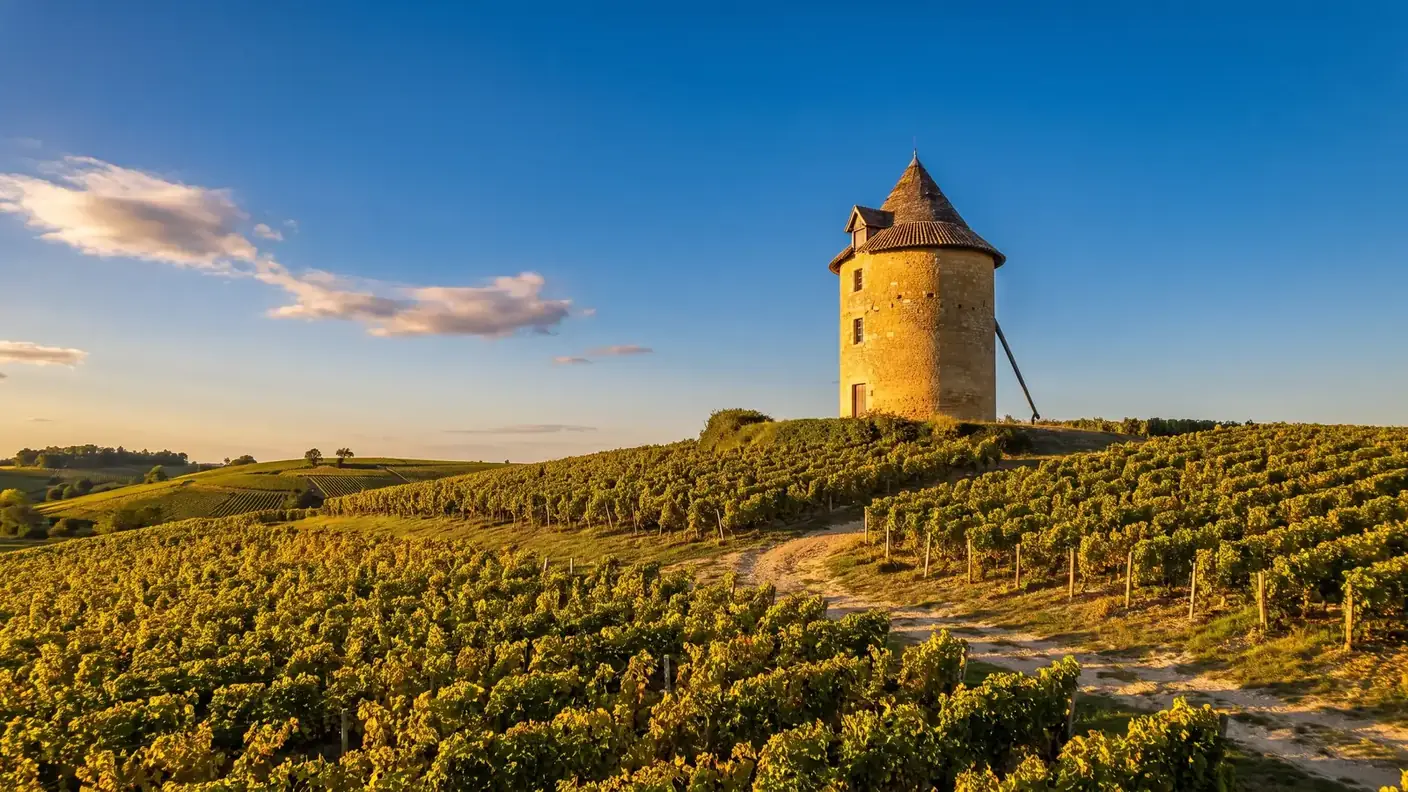
On the hills above the town stand old windmills, including the Calon mills, which once took advantage of the hillside’s exposure and winds to grind grain: they serve as a reminder that Montagne, before becoming entirely devoted to vineyards, also produced grains, and that its elevated terrain was an asset. Now restored, they have become picturesque landmarks in the vineyard landscape. The village also boasts several châteaux, such as the Château de Malengin (designated a historic monument) and the Château des Tours, as well as countless vineyard estates scattered throughout the vineyards. Finally, on the former territory of Saint-Georges, Château Saint-Georges overlooks its vineyard. These monuments—churches, mills, and castles—together with the vineyards, make up a cultural heritage of rare richness for a village of this size, the result of the merger of three municipalities.
Three villages united as one
What makes Montagne-Saint-Émilion unique is that it was created in 1973 through the merger of three former municipalities—Montagne, Saint-Georges, and Parsac—a merger that also reshaped the landscape of the appellations. This is a key historical fact that is often little known.
The 1973 Merger
In January 1973, three neighboring municipalities that were long separate — Montagne, Saint-Georges (Sent Jorge in Occitan) and Parsac — were combined into a single entity under the name of Montagne. This merger, which was encouraged at the time to provide more resources to small rural communities, explains the current village’s considerable size and the richness of its heritage, which includes the churches and castles of the three former villages. As a result, the municipality of Montagne now has not just one, but three churches, listed or protected: the Church of Saint-Martin in Montagne (listed in 1908), the Church of Saint-Georges in Montagne (listed in 1920), and the Church of Notre-Dame in Parsac (listed in 2002). Each of the three former villages has retained its own identity, town center, and church: taking a stroll through the town is, in fact, a journey of discovery through three historic hamlets united under a single name.
A Reshaped Landscape of Wine Regions
This merger of municipalities had a direct impact on wine appellations, which is important to understand. At the time of the meeting, the former AOC Parsac-Saint-Émilion a missing, absorbed into the Montagne-Saint-Émilion appellation: Parsac wines are now Montagne-Saint-Émilion. However—and this is the subtle point—the AOC Saint-Georges-Saint-Émilion has survived and continues to exist as a separate place name within the former territory of Saint-Georges, even though that territory is now part of the municipality of Montagne. In other words, a single municipality (Montagne) encompasses two different appellations: Montagne-Saint-Émilion across most of its territory, and the tiny Saint-Georges-Saint-Émilion within the former municipality of Saint-Georges. This historical quirk contributes to the charm and complexity of the “satellite” vineyards—and rewards the curious wine lover who takes the time to unravel it.
The History of Montagne
From Gallo-Roman times to the merger of the three villages, Montagne has weathered the centuries in step with the vineyards on its hillsides overlooking the valley. A few key events shed light on the history of this town in the Libourne region.
A region that has been inhabited for a long time
The Montagne region has been inhabited since ancient times, and grapes have been grown there since the Gallo-Roman era, as throughout the Libournais region. In the Middle Ages, the region, like the rest of Guyenne, came under English rule following the marriage of Eleanor of Aquitaine to Henry Plantagenet in 1152—an English presence that lasted three centuries and shaped the wine trade with England. The village’s beautiful Romanesque churches date back to this long medieval period, beginning with Saint-Martin, which was designated a historic monument in 1908. The three former villages—Montagne, Saint-Georges, and Parsac—each went through these centuries independently, with their own churches, manors, and vineyards, before being united much later. A history of villages, unassuming yet deeply rooted in the long history of Gironde’s vineyards.
The Rise of the Vineyards
As is the case throughout the Libourne region, wine has shaped Montagne’s modern history. In the 19th century, the boom in the Bordeaux wine region transformed the village: elegant wine estates were built, and wine became the region’s main industry, exported from the port of Libourne. In 1936, the recognition of the Montagne-Saint-Émilion AOC officially established the quality and identity of the village’s wines, and the addition of the prestigious name of Saint-Émilion ensured their commercial reputation. Then came the merger of 1973, which gave the village its current form and size. Since then, Montagne has lived in step with its appellation—the largest of the satellite villages—balancing winemaking tradition with wine tourism, proud of its heritage and its wines. It is a village that has successfully capitalized on its proximity to its larger neighbor without losing any of its rural authenticity.
Dining in Montagne
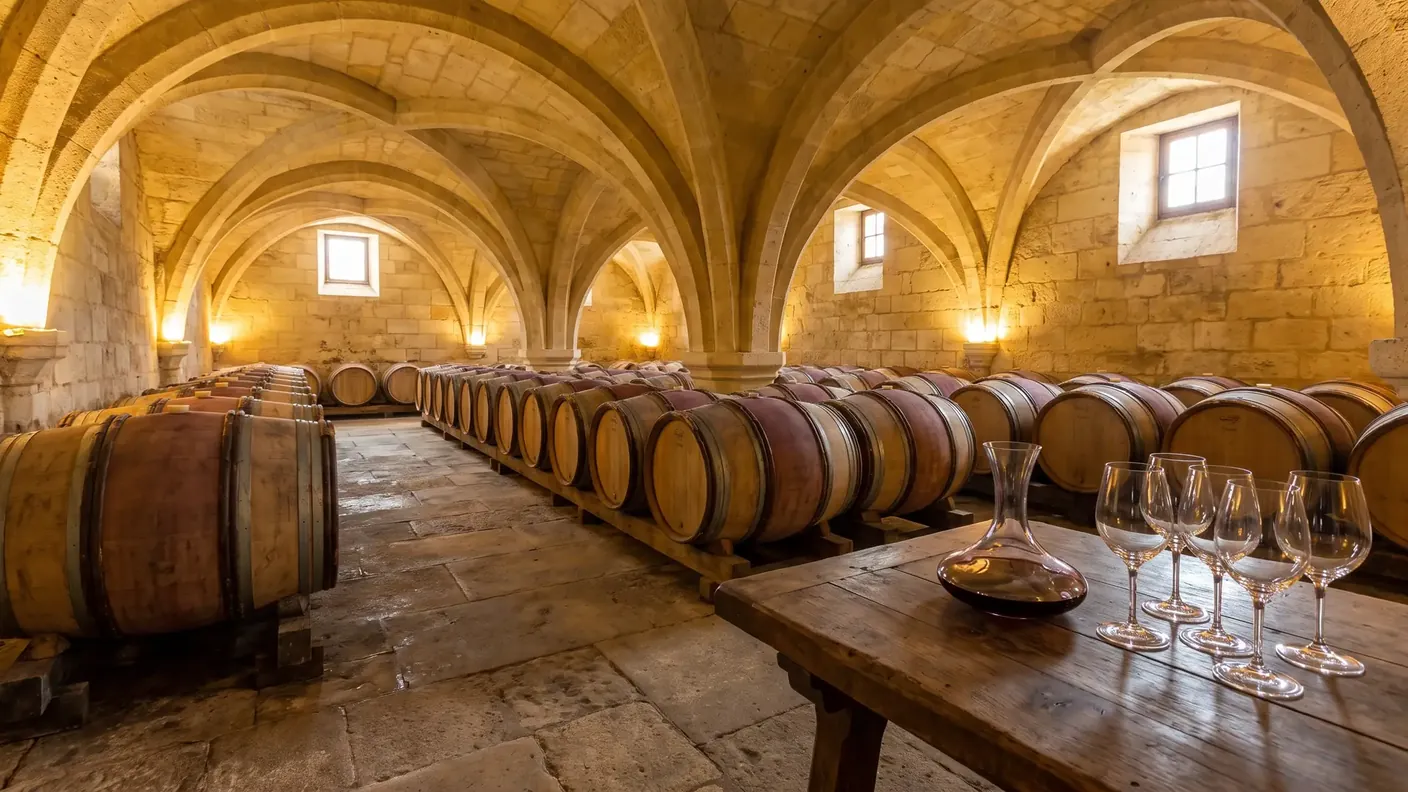
Montagne is an ideal stop for a wine-tasting tour of the Saint-Émilion vineyards away from the crowds: here, you can taste full-bodied red wines—either at the winery or at the Maison des Vins—in a friendly and authentic atmosphere. Here’s how to make the most of your visit.
The Terroir and the Wines
The Montagne vineyard owes its quality to its clay-limestone hillside terroir, which rests on Asterian limestone—the same bedrock as the Saint-Émilion plateau. This limestone subsoil, which regulates the vines’ water supply and imparts freshness and minerality, produces structured, distinguished wines with excellent aging potential. Merlot, the dominant variety, brings roundness and fruit; the Cabernets, structure and freshness. Depending on whether a château is planted on the plateau, on the slopes, or on lighter soils, its wines gain either power or suppleness: this is the full diversity of the appellation. Discovering these wines firsthand, while understanding the connection between the limestone soil, the grape variety, and the glass, is one of the most rewarding experiences a visit to Montagne has to offer—a vineyard on a human scale where the winemakers extend a warm welcome.
Where to Enjoy
Visitors have several options for tasting Montagne wines. The Maison des Vins de Montagne showcases and sells wines from the appellation: a great starting point for getting your bearings and comparing the châteaux. The many châteaux and independent winemakers open their doors—often by appointment—for cellar tours and tastings where you’ll be welcomed by the winemaker themselves, typically at family-run estates. This is where a chauffeured transfer really comes in handy: he or she allows you to string together two or three estate visits—in Montagne, then in Lussac, Puisseguin, or Saint-Émilion—without ever having to worry about driving between tastings. This ensures the comfort and peace of mind of a true wine-tasting tour, exploring the wines of the Right Bank, with the added bonus of the beautiful views from the heights of Montagne.
The Four Satellites of Saint-Émilion
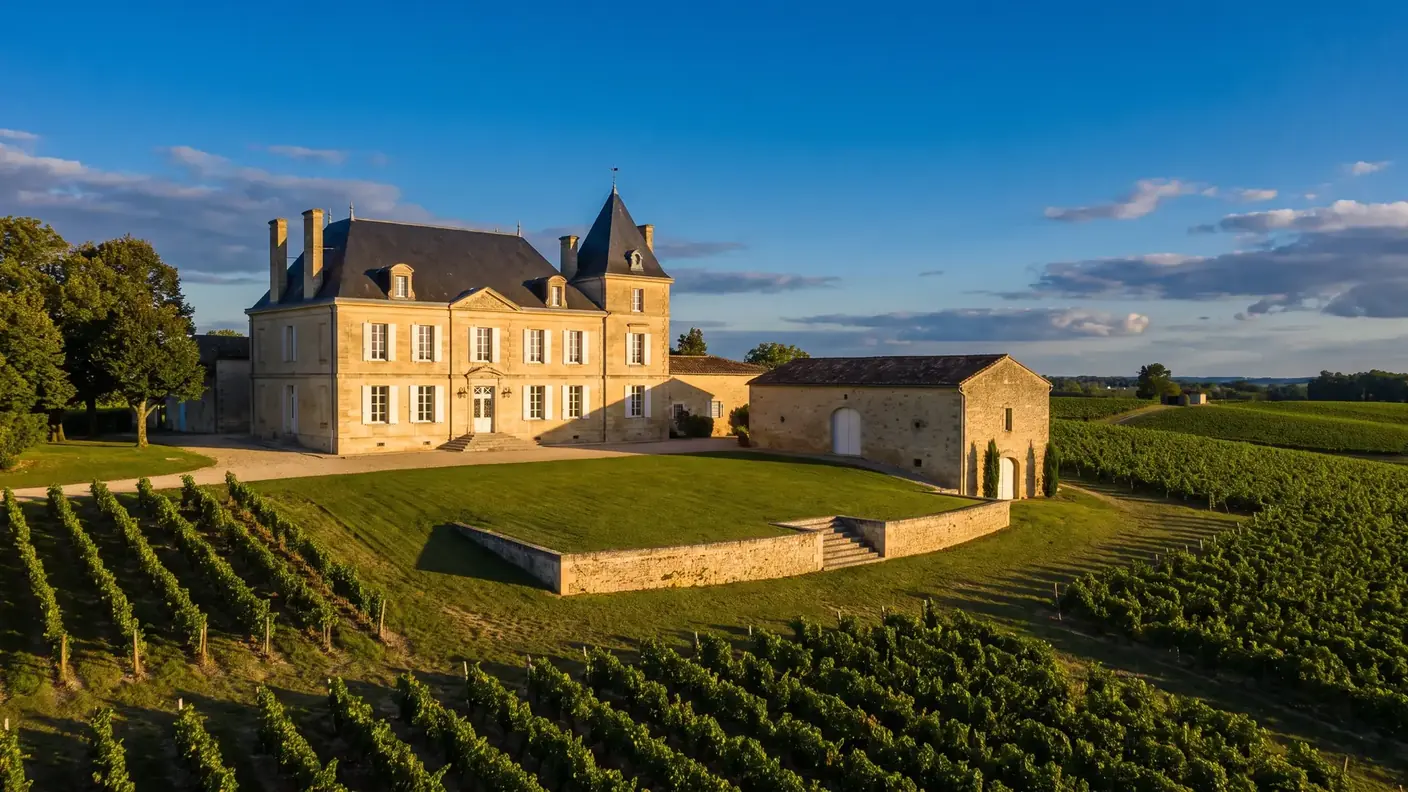
To truly understand Montagne, one must view it within the context of Saint-Émilion’s “satellites”—the four appellations that orbit this great vineyard and extend its prestige north of the Dordogne. It is a one-of-a-kind appellation system, of which Montagne is the crown jewel in terms of size.
A unique naming system
North of Saint-Émilion, separated from the town by the small Barbanne River, several municipalities were granted the right in 1936 to add the prestigious name “Saint-Émilion” to their own for their wines: these are known as the satellite villages. Today there are four of them: Montagne-Saint-Émilion (the largest, ~1,567 ha), Lussac-Saint-Émilion (~1,415 ha), Puisseguin-Saint-Émilion, and Saint-Georges-Saint-Émilion (the smallest). All produce red Merlot wines from terroirs similar to those of Saint-Émilion, but at significantly more affordable prices. This is a unique situation in the Bordeaux wine region: nowhere else do neighboring appellations bear the name of a grand cru in this way. For wine lovers, these “satellite” appellations are a treasure trove of fine wines waiting to be discovered, far from the sky-high prices of the classified growths—and Montagne, the largest of them, is the natural starting point.
Montagne, the flagship of the satellites
With its size, the quality of its limestone terroir rich in asterias, and the richness of its heritage, Montagne stands out as the jewel among Saint-Émilion’s satellite villages. It also offers the most well-rounded experience for visitors: here you’ll find both exceptional yet accessible wines, a superb listed Romanesque church, historic mills, several châteaux, and beautiful views of the vineyards. Visiting Montagne, then, is like stepping right into the world of the satellite villages and discovering a vineyard on a human scale yet with real depth. In a single day, you can easily visit Montagne, Lussac, and Puisseguin—three neighboring satellite villages—in a single day before heading to the town of Saint-Émilion itself: a lovely tour of the Right Bank wines, which is all the more enjoyable with a driver to take you from one château to the next.
| The 4 satellite villages of Saint-Émilion | Area · reference point |
|---|---|
| Montagne-Saint-Émilion | ~1,567 ha · the largest of the moons |
| Lussac-Saint-Émilion | ~1,415 ha · the second largest |
| Puisseguin-Saint-Émilion | in the east · hillside wines |
| Saint-Georges-Saint-Émilion | the smallest · in the former municipality of Saint-Georges (in Montagne) |
What's there to see around Montagne?
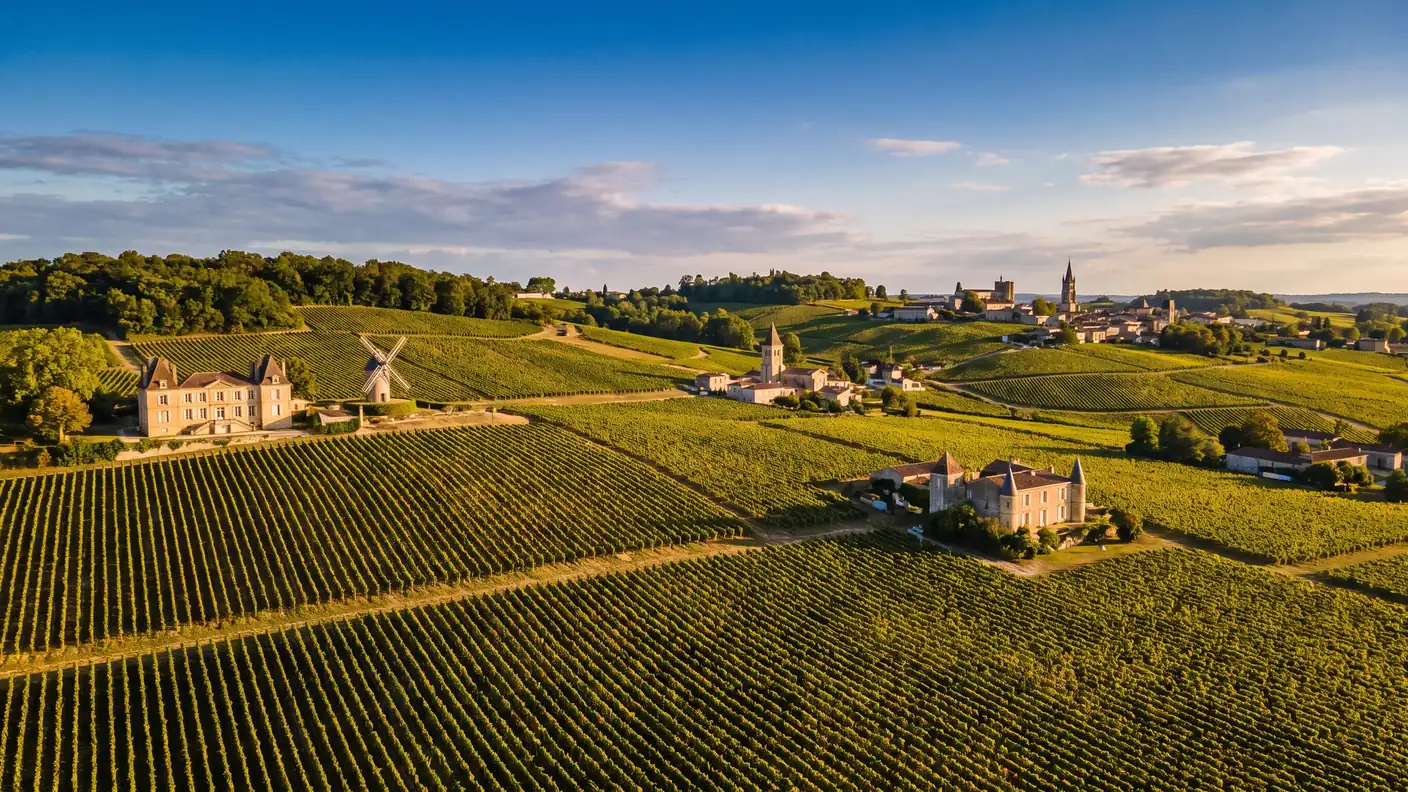
Montagne is an excellent starting point for exploring the Libournais wine region: Saint-Émilion and its UNESCO-listed town, as well as the other nearby towns—Libourne and Pomerol—are all just a few kilometers away. The distances are short, and it’s easy to go from a grand cru to a winegrowers’ village.
Saint-Émilion and the vineyards
The jewel of the region is, of course, Saint-Émilion, just five kilometers away: this medieval town, designated a UNESCO World Heritage Site for its cultural wine-growing landscapes, captivates visitors with its extraordinary monolithic church carved into the rock—the largest in Europe— its steep, cobblestone streets, its cloister, its catacombs, and its grands crus classés. It’s an absolute must-see, right nearby. All around, you’ll discover the other neighboring towns—Lussac, Puisseguin—all close to Montagne, as well as Libourne, the bustling wine market town on the Dordogne, and the prestigious Pomerol vineyard, home to legendary wines, a little further west. With a private chauffeur, you can easily put together a customized itinerary: a neighboring village, a grand cru, the city—whatever takes your fancy and fits your tasting schedule, without the hassle of driving.
Castillon and the Dordogne
About fifteen kilometers to the east, Castillon-la-Bataille is well worth a visit: its vineyards (the Castillon Côtes de Bordeaux AOC, another region known for its fine, affordable wines) and, above all, its battlefield, where the last major battle of the Hundred Years’ War was fought in 1453. Following the Dordogne River, you’ll also reach the vicinity of the Château de Montaigne in Périgord and, further on, Bergerac and its vineyards. A whole region of wine, rivers, and history thus unfolds around Montagne, within a radius of a few dozen kilometers. Between grand crus and lesser-known wines, medieval towns and battlefields, the region offers enough to fill several days of culinary and cultural exploration, in the heart of one of the world’s most beautiful wine regions—with Montagne as your intimate and central base.
| Around Montagne-Saint-Émilion | Distance | Interest |
|---|---|---|
| Saint-Émilion | ~5 km | UNESCO-designated medieval city, fine wines |
| Lussac-Saint-Émilion | ~4 km | The second satellite, castle, and villa |
| Libourne | ~10 km | The Dordogne: A Wine-Trading Town |
| Pomerol | ~12 km | A Vineyard of Legendary Wines |
| Castillon-la-Bataille | ~14 km | Vineyard, battlefield of 1453 |
When is the best time to visit Montagne-Saint-Émilion?
Montagne can be visited year-round, but fall—the grape harvest season—and spring, when the vines come back to life, are the most beautiful times to visit. Spring blankets the hillsides in a fresh, tender greenery and offers mild days, perfect for strolling through the vineyards, visiting the Romanesque church, and exploring the mills and castles; it’s also a quieter season, before the summer crowds arrive in neighboring Saint-Émilion. The summer bathes the vineyards in warm, abundant light, perfect for wine tastings on the terrace and long walks; it’s the height of the tourist season in the area, enlivened by open houses and events at the estates. From the heights of Montagne, the view stretches far across the sea of vineyards, all the way to the Saint-Émilion plateau on the horizon—one of the most beautiful wine-growing panoramas on the Right Bank.
Autumn Harvest
The fall is undoubtedly the most beautiful season for anyone who wants to capture the spirit of the place: the grape harvest brings the wineries and vineyard rows to life, the leaves take on shades of gold and purple, and the air is filled with the scents of grapes and fermenting must. It’s the perfect time to learn about winemaking and taste the new vintages from Montagne-Saint-Émilion, which are often available directly at the estate. Many châteaux organize tours of their cellars, which are bustling with activity at this time of year. The winter, which is quieter and more unpretentious, allows you to explore the region’s heritage without the crowds, in the hushed atmosphere of a wine-growing village at rest, when the pruned vines trace their bare outlines across the hillsides and the Romanesque church stands out, bright against the winter sky. In any season, the mild Gironde climate and the beauty of the vineyard landscapes make Montagne a relaxing getaway for those seeking an authentic and off-the-beaten-path experience in the Bordeaux region, with beautiful views as a bonus.
How to get to Montagne-Saint-Émilion from Bordeaux
Montagne-Saint-Émilion is located about 54 km from Bordeaux—about an hour’s drive—via the A89 highway toward Libourne, then along the vineyard roads. Please note: the village does not have a train station. The nearest station is in Libourne, about ten kilometers away, on the Bordeaux-Bergerac-Sarlat line, but it does not allow for easy travel between the various wineries in the region. For this type of destination—scattered throughout the vineyards and hillsides—a chauffeur-driven car is the most practical and flexible option, especially for a day of wine tastings.
Train or professional chauffeur?
To reach Montagne—and especially to explore the surrounding vineyards—a door-to-door car service (chauffeured car) offers true freedom: a direct, door-to-door trip from Bordeaux, with no transfers or waiting, and the option to make stops along the way as you please. This is particularly valuable for a wine tour—Montagne, Lussac, Puisseguin, Saint-Émilion—where you’ll want to enjoy wine tastings without ever having to worry about driving or parking. We offer this route at a fixed price quoted in advance: expect to pay approximately € 86 for the one-way trip, in a Mercedes sedan or a van seating up to 8 passengers, with a professional driver. The price, set at the time of booking, remains fixed: it does not depend on traffic, potential traffic jams, or the number of stops requested along the way, unlike a taxi meter.
This is the perfect option for a day of wine tourism with friends, a family tour of the vineyards, an event (such as a wedding at a château or a birthday celebration), or a simple transfer to or from Bordeaux-Mérignac Airport. You can travel alone, as a couple, or in a small group of up to 8 people, with luggage, and request stops in Saint-Émilion or at a winery along the way. In practice, booking is quick and easy: simply provide your pickup address in Bordeaux and your destination in Montagne, along with the date, desired time, and number of passengers, and you’ll receive a fixed-price quote in writing. On the day of the trip, the driver picks up the passengers at the agreed-upon address and takes them directly to the village, without any detours—a real advantage for enjoying a wine tour with complete peace of mind.
| Route | Distance | Duration | Landmark |
|---|---|---|---|
| Bordeaux → Montagne-Saint-Émilion | ~54 km | about 1 hour | Starting at ~€86 for an executive transfer |
| Montagne → Saint-Émilion | ~5 km | ~9 min | UNESCO World Heritage Site, fine wines |
| Montagne → Lussac-Saint-Émilion | ~4 km | ~7 min | the second satellite |
| Montagne → Libourne | ~10 km | ~15 min | Wine Country, the Dordogne |
Whether you come for the vineyards and wines of the largest of the “satellites,” for the superb Romanesque church and the windmills, for the history of the three merged villages, or for its proximity to Saint-Émilion, Montagne-Saint-Émilion is a treat for lovers of authentic Bordeaux, at the crossroads of vineyards, stone buildings, and history—a village with character that, for those who take the time to stop and explore, reveals all the charm of the Saint-Émilion vineyards, far from the crowds.
Whether it’s for a wine-tasting tour, a vineyard visit, or an event, booking a dedicated chauffeur guarantees a comfortable and punctual ride—book a driver from Bordeaux → Montagne-Saint-Émilion or explore all our destinations.
Frequently Asked Questions
Where is Montagne-Saint-Émilion located?
Montagne-Saint-Émilion is a wine-growing village in the Gironde (33) department, in the Nouvelle-Aquitaine region, in the Libourne area, about five kilometers north of Saint-Émilion and about ten kilometers from Libourne. Part of the Libourne arrondissement and the Nord-Libournais canton, it has a population of approximately 1,510 (known as the Montagnais). It is the largest of Saint-Émilion’s four “satellite” villages. The town’s official name is “Montagne”; “-Saint-Émilion” is the name of its wine appellation. It is located about an hour’s drive from Bordeaux (approximately 54 km).
What is the distance between Bordeaux and Montagne-Saint-Émilion?
About 54 km by road, or about an hour's drive, via the A89 highway toward Libourne, then along the vineyard roads. If you hire a pre-booked car service from Bordeaux, the fare is fixed and provided in advance, starting at approximately €86 one way (sedan or van, door-to-door price). The village does not have a train station: the nearest one is in Libourne, about ten kilometers away, but it does not allow for easy travel between the vineyards afterward.
What does the designation "Montagne-Saint-Émilion" mean?
It is the largest of the four “satellite” regions of Saint-Émilion, an AOC for red wines established by decree on November 14, 1936. It covers approximately 1,567 hectares of vineyards north of the Saint-Émilion wine region and produces only red wines, dominated by Merlot (more than 75% of the vineyard area). Nearly 190 winemakers work here, on clay-limestone slopes resting on Asterian limestone—the same rock as the Saint-Émilion plateau. These are structured, distinguished wines that often offer excellent value for the price.
Was Montagne formed through the merger of several municipalities?
Yes. In January 1973, three former neighboring municipalities—Montagne, Saint-Georges, and Parsac—were merged into a single municipality under the name Montagne. This explains the size of the current village and the richness of its heritage, which combines the churches and castles of the three former villages: the municipality thus has three churches that are listed or protected (Saint-Martin de Montagne, Saint-Georges, and Notre-Dame de Parsac). Each of the three former villages has retained its own identity, its town center, and its church.
Does the Saint-Georges-Saint-Émilion appellation still exist?
Yes, this is a nuance that stems from the 1973 merger. When the municipalities merged, the former Parsac-Saint-Émilion AOC ceased to exist, having been absorbed by Montagne-Saint-Émilion. However, the Saint-Georges-Saint-Émilion AOC survived and still exists as a separate appellation within the former territory of Saint-Georges, even though that area is now part of the municipality of Montagne. A single municipality (Montagne) thus encompasses two appellations: Montagne-Saint-Émilion across most of its territory, and the very small Saint-Georges-Saint-Émilion within the former municipality of Saint-Georges.
What is the difference between Montagne-Saint-Émilion and Saint-Émilion?
These are two distinct appellations. Saint-Émilion (and Saint-Émilion Grand Cru) refers to the vineyards of the UNESCO-listed town, which produce wines that are often prestigious and expensive. The two appellations are distinct, and their specifications, classifications, and ranges of wines should not be confused. Compare specific cuvées and vintages rather than the appellations as a whole.
What to see in Montagne-Saint-Émilion?
The Romanesque Church of Saint-Martin, designated a historic monument since 1908, one of the most beautiful in the Libourne region; the old windmills on the hills, including the Calon windmills; the wine châteaux (Malengin, des Tours, Saint-Georges); and, of course, the vineyards, which you can explore through tastings at the Maison des Vins or at the estates themselves. Since the town was formed by the merger of three villages, you can also explore the churches of the former villages of Saint-Georges (listed in 1920) and Parsac (listed in 2002). Nearby, the UNESCO World Heritage site of Saint-Émilion is five kilometers away.
Why is the village called Montagne?
Because, within the generally flat Libournais region, the town is situated on high ground overlooking the valley—one of the highest points in the Right Bank vineyards. These hillsides, some of which once featured windmills that took advantage of their exposure, offer beautiful views of the sea of vineyards all around. It is this commanding position that gave the village its name—a Girondin “mountain,” more of a hill than a peak, but very real in this region of gentle terrain. The appended “-Saint-Émilion” is the name of the wine appellation.
How many people live in Montagne-Saint-Émilion?
With a population of approximately 1,510 according to the 2023 census, it is a village slightly more populous than its neighboring satellite communities, with homes scattered among the vineyards and the three historic villages of Montagne, Saint-Georges, and Parsac. Its residents are known as the Montagnais. Life in the village revolves entirely around wine: the grape harvest, the wine cellars, the Maison des Vins, and wine tastings mark the rhythm of the year in this wine-growing community, the largest of Saint-Émilion’s four satellite villages.
Where can you enjoy wine in Montagne?
Several options: The Maison des Vins de Montagne showcases and sells wines from the appellation, making it a good starting point for comparing the châteaux; The many châteaux and independent winemakers open their doors—often by appointment—for cellar tours and tastings where you’re welcomed by the winemaker themselves, typically at family-run estates. A chauffeur service allows you to visit several estates in succession—in Montagne, then in the neighboring areas, and in Saint-Émilion—without worrying about driving between tastings.
Is there a train station in Montagne-Saint-Émilion?
No, the village doesn’t have a train station. The nearest station is in Libourne, about ten kilometers away, on the Bordeaux–Bergerac–Sarlat line. But the train doesn’t allow you to travel around the scattered estates in the wine region afterward. To get to Montagne—and especially for a wine tour (Montagne, Lussac, Puisseguin, Saint-Émilion)—an executive car service from Bordeaux is by far the most flexible option, particularly so you can taste the wines freely without worrying about driving.
What is there to see around Montagne-Saint-Émilion?
The medieval town of Saint-Émilion, a UNESCO World Heritage Site, with its monolithic church and fine wines, is just five kilometers away. Other nearby towns include Lussac-Saint-Émilion (~4 km) and Puisseguin. Libourne, the wine market town on the Dordogne River (~10 km). The prestigious Pomerol vineyards (~12 km). And Castillon-la-Bataille, with its vineyards and the site of the 1453 battle (~14 km). We are in the heart of one of the world’s most beautiful wine regions, all within a radius of just a few kilometers.
Can I book a chauffeured transfer from Bordeaux to Montagne-Saint-Émilion?
Yes. We offer the Bordeaux → Montagne-Saint-Émilion route (approximately 54 km, about one hour via the A89) at a fixed price, starting at approximately €86 one-way, in a Mercedes sedan or a van seating up to 8 passengers, with a professional driver. The trip is direct, door-to-door, with the option to make stops as desired—ideal for a wine tour (Montagne, Lussac, Puisseguin, Saint-Émilion) where you’ll want to enjoy wine tastings without worrying about driving. The fixed quote is provided and confirmed in writing before departure.
Further Reading
- The nearby town listed as a UNESCO World Heritage Site: see the Saint-Émilion Guide (medieval town, monolithic church, grand cru wines), 5 km away
- The second satellite: see the Guide to Lussac-Saint-Émilion (the AOC, the castle, the Gallo-Roman villa), 4 km away
- A village in Castillon: see the Guide to Gardegan-et-Tourtirac (castles, Romanesque churches, and Castillon wine)
- Understanding the history of the Castillonnais region: read the guide to Castillon-la-Bataille, from the town to the surrounding hillsides
- Plan your trip: Book a private chauffeur from Bordeaux to Montagne-Saint-Émilion or explore all our destinations
Sources and References
- Wikipedia — Montagne (Gironde) — geography, demographics, 1973 merger, heritage
- Wikipedia — AOC Montagne-Saint-Émilion — 1936 decree, ~1,567 ha, the largest satellite appellation, Merlot
- INSEE — Regional Comparison Tool, Montagne (33290) — 2023 population: 1,510 residents
- INAO — Montagne-Saint-Émilion — product, grape varieties, region, and appellation recognition
- Wines of Saint-Émilion and its satellite regions—the 4 satellite regions, terroirs, and grape varieties
Article updated in July 2026.
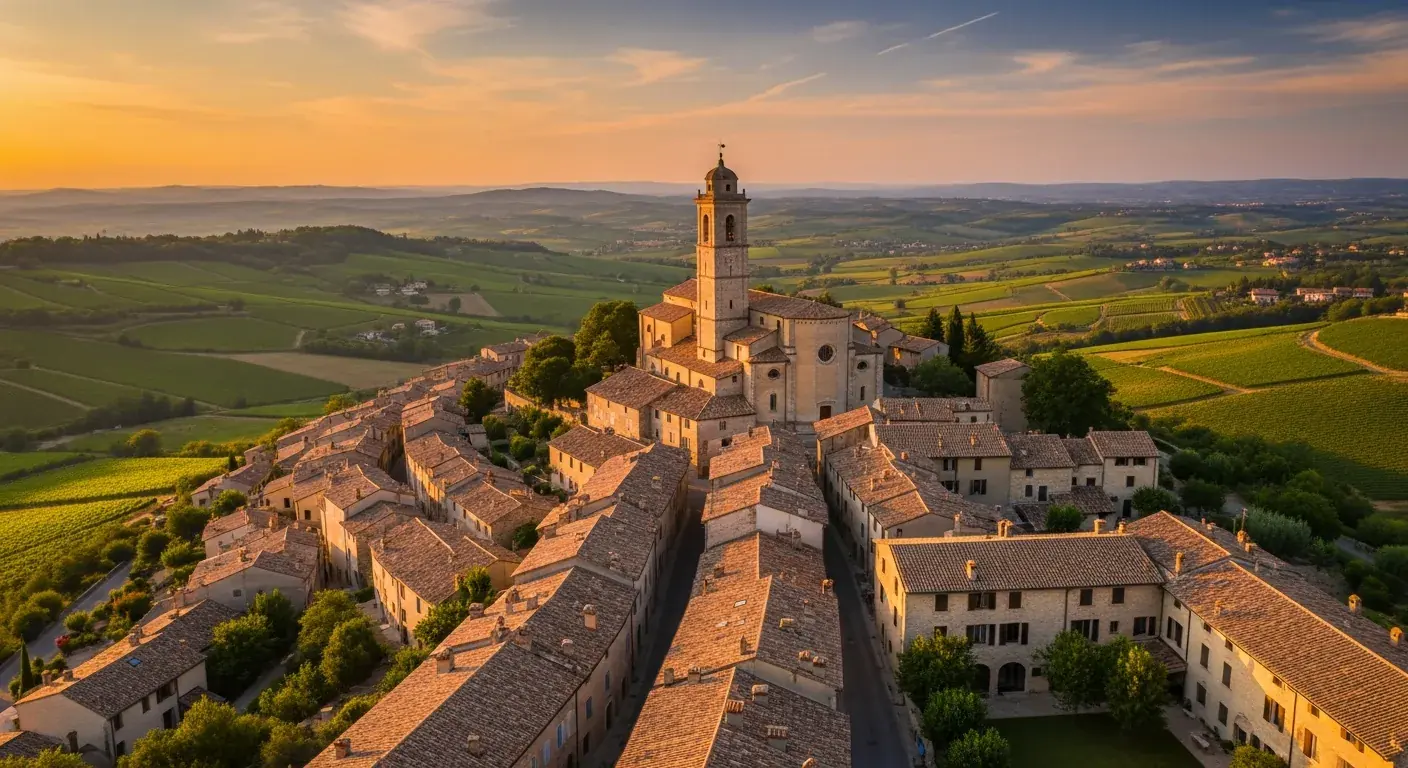
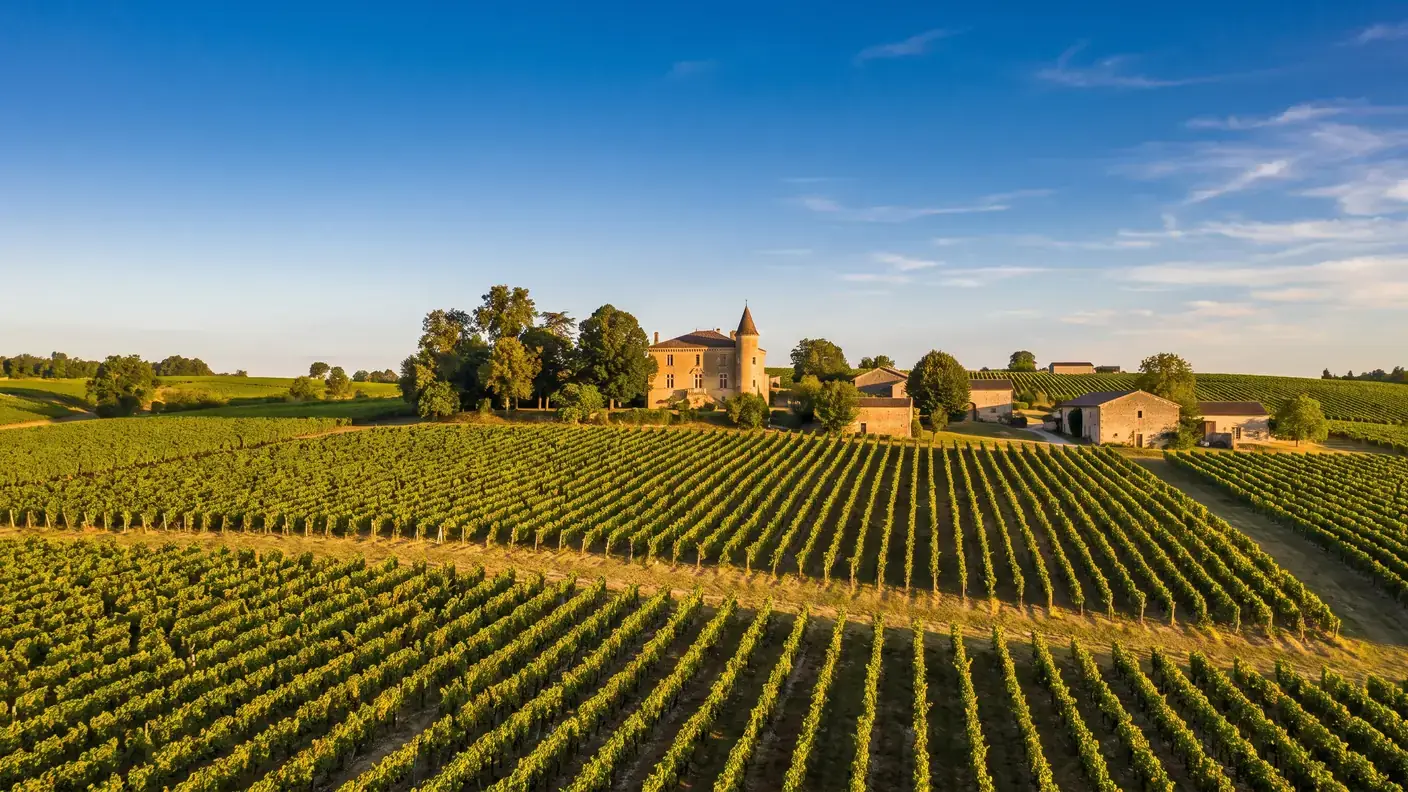
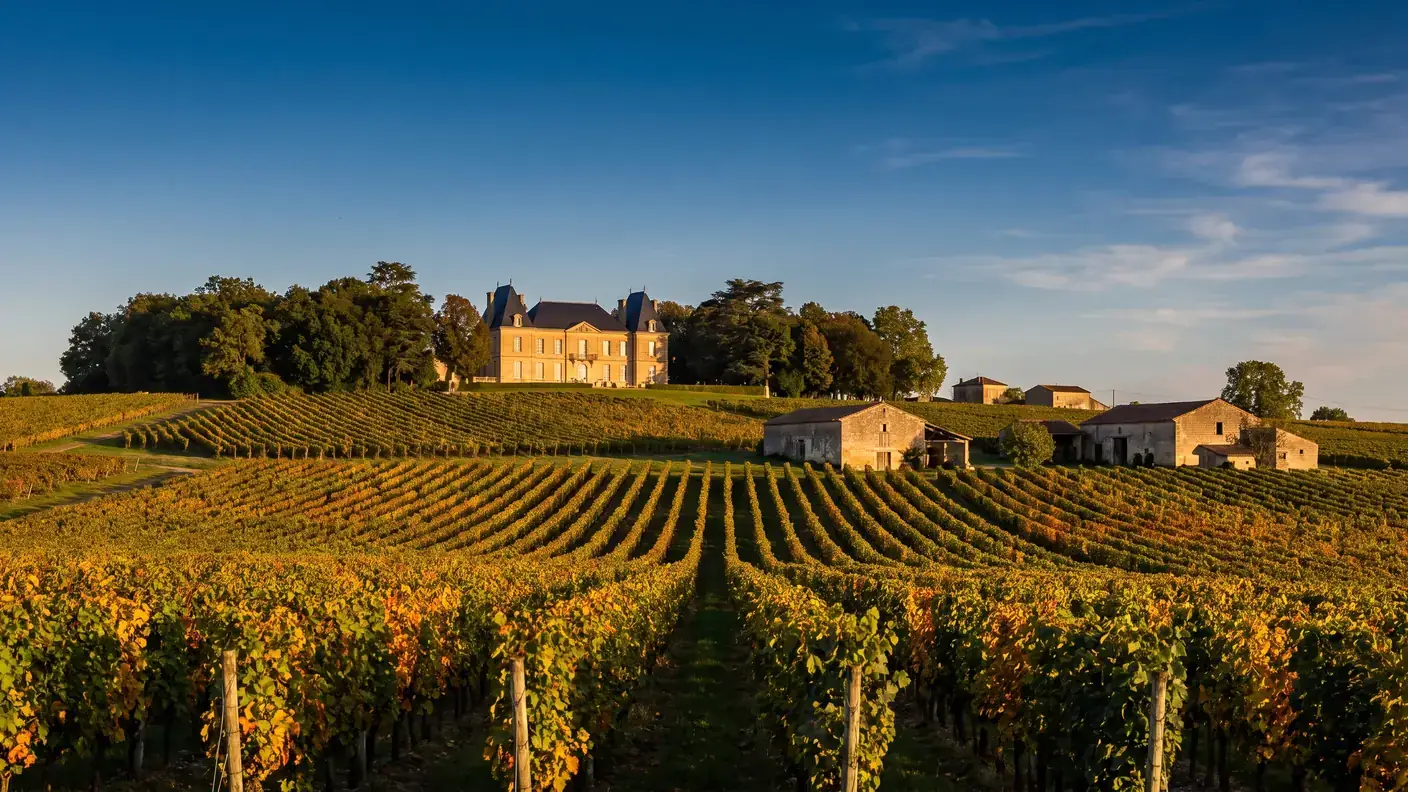
On the way to the Montagne vineyard
Direct trip from Bordeaux (~1 hour) to Montagne and the surrounding villages of Saint-Émilion, with stops along the way at your convenience—Lussac, Puisseguin, and the town of Saint-Émilion. Written fixed-price quote, with no unexpected charges based on the odometer.