
Bordeaux to Saint-Jean-de-Luz: a royal bay and Basque port
An elegant fishing port and seaside resort on the Basque Coast. Discover its sheltered bay, the Church of Saint John the Baptist—where Louis XIV was married—the pirates’ houses, the ttoro, and the macarons. The town is just over two hours from Bordeaux.
Saint-Jean-de-Luz at a glance
Saint-Jean-de-Luz is one of the most elegant resorts on the Basque Coast. Still a working fishing port as well as a refined seaside town, it is celebrated for the 1660 wedding of Louis XIV. Sheltered at the head of its bay opposite Ciboure, the town preserves its privateers’ houses and the gilded altarpiece of Saint John the Baptist Church. Its beach, promenade and villas add a cosmopolitan note. Once a port for whalers and cod fishers, and today renowned for macarons and ttoro, this royal town retains a distinctive Basque character just over two hours from Bordeaux.
Here are the key details to know before you go. Distances are calculated door-to-door from Bordeaux. The fare is for a private driver reservation at a fixed price provided in advance, regardless of traffic or stops.
| Landmark | Details |
|---|---|
| Department | Pyrénées-Atlantiques (64), Nouvelle-Aquitaine |
| Basque name · demonym | Donibane Lohizune · the Luziens |
| Population | 14,857 residents (INSEE 2023) |
| Location | Labourd, on the bay, at the mouth of the Nivelle River |
| Don't miss it | St. John the Baptist Church, the harbor, the bay, and its breakwaters |
| Distance from Bordeaux | about 205 km · about 2 hours and 25 minutes by car |
| Around | Ciboure, Hendaye, Biarritz, Espelette, Spain |
A quick note to start with, to put Saint-Jean-de-Luz in context. The town is part of Labourd, the coastal province of the Basque Country. It shares its bay with Ciboure, on the other side of the Nivelle River, the birthplace of composer Maurice Ravel. Its Basque name is Donibane Lohizune. It was here—not in Paris—that Louis XIV’s wedding was celebrated in 1660, in the Church of Saint-Jean-Baptiste.
The city also owes its past prosperity to the sea. It was once a major port for whaling and cod fishing, and later a “privateers’ haven.” This maritime history has shaped its identity. Every statement in this guide is based on verifiable sources, which are cited at the end of the article.
This guide begins by introducing the bay, the wedding of Louis XIV, the royal residences, and the Church of Saint John the Baptist with its altarpiece. It then describes the port, the whaling ships, the privateers, and the construction of the seawalls. Finally, it provides details on the resort town of Ciboure, the Basque region, the surrounding area, and the best times of year to visit. The practical section explains how to get there from Bordeaux by chauffeur service, with sourced and verified information.
Where is Saint-Jean-de-Luz located?
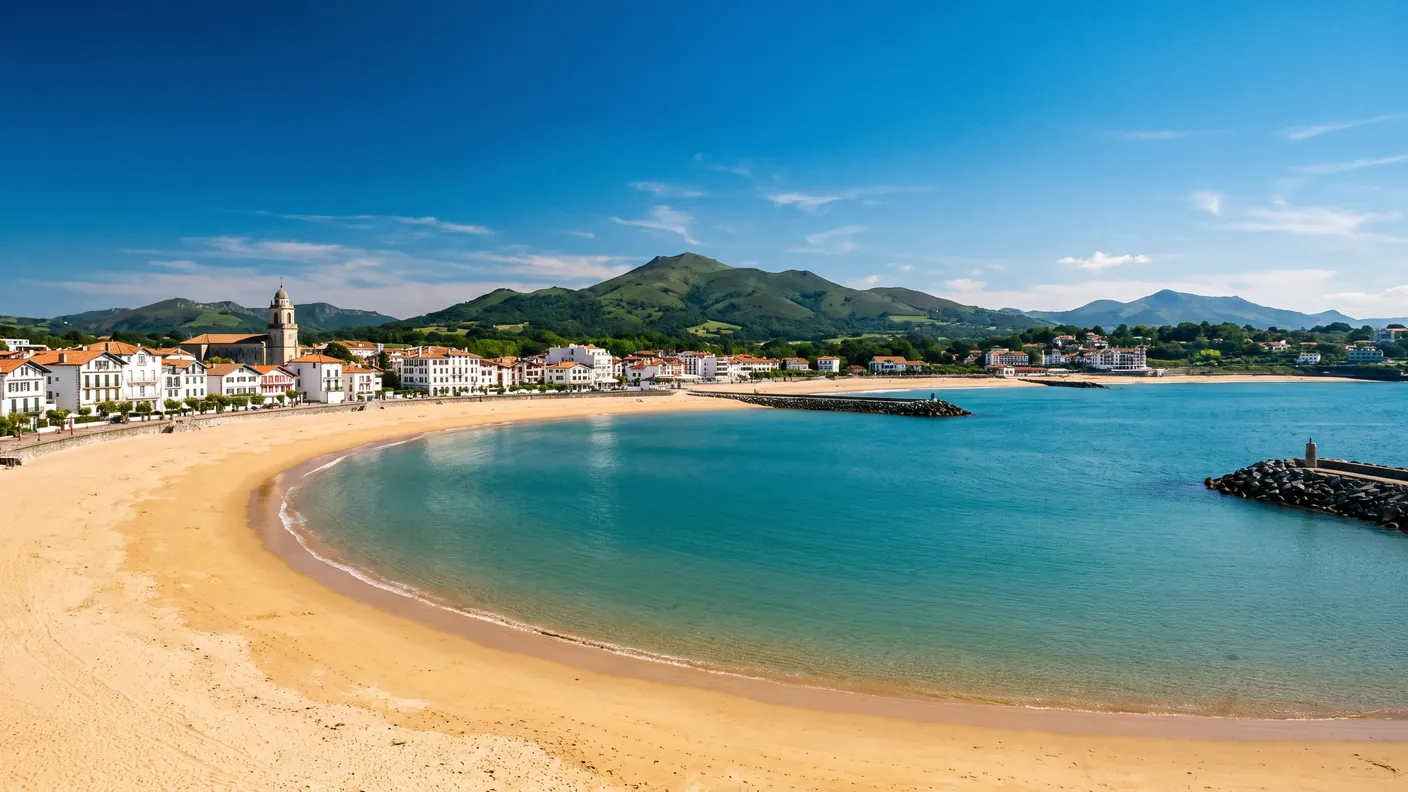
Saint-Jean-de-Luz is located in the southern part of the Pyrénées-Atlantiques department (64), in the Nouvelle-Aquitaine region. In the Labourd region, it lies in a sheltered bay at the mouth of the Nivelle River, between Biarritz and the Spanish border. The town, known as Donibane Lohizune in Basque, lies on the north shore of the bay and the Nivelle River. Its neighbor, Ciboure, lies on the south shore.
The two municipalities, separated by the river and the harbor, form a single coastal area. With a population of 14,857 (2023 census; INSEE), Saint-Jean-de-Luz is one of the major cities on the Basque coast. It features a sheltered bay, a central harbor, and a beautiful beach, with the first Basque mountains as a backdrop. This rare combination is what gives it its charm.
A bay between the ocean and the mountains
Saint-Jean-de-Luz’s greatest asset is its bay. Unlike its neighboring towns, which are exposed to the swell, the town lies at the end of a sheltered bay enclosed by seawalls. The sea here is calm and the beach is safe—a rare haven on this Atlantic-battered coastline. The Nivelle River, flowing down from the Basque mountains, empties into the far end of the bay.
It separates Saint-Jean-de-Luz from Ciboure and forms the port in the heart of the two cities. On the horizon stands the Rhune, at an elevation of 905 meters. With its bay, harbor, beach, and mountains, this geography gives the city a maritime, mountainous, urban, and natural character. This setting and its heritage have made it a gem of the Basque Coast since the 19th century.
Saint-Jean-de-Luz and Ciboure
One cannot speak of Saint-Jean-de-Luz without mentioning its twin town, Ciboure—or Ziburu in Basque—on the opposite bank of the Nivelle River. The two towns face each other across the harbor and the bay, forming a single entity in the eyes of visitors. Ciboure’s colorful fishermen’s houses line the pier, surrounding its church with its octagonal bell tower. The composer Maurice Ravel, who wrote Boléro, was born there in 1875 in a house that still stands along the pier. At the end of the bay, the Fort de Socoa guards the entrance to the harbor. Saint-Jean-de-Luz—the royal town, Ciboure the seaside town, and Socoa the sentinel—together form a maritime world to explore on foot.
The Marriage of Louis XIV
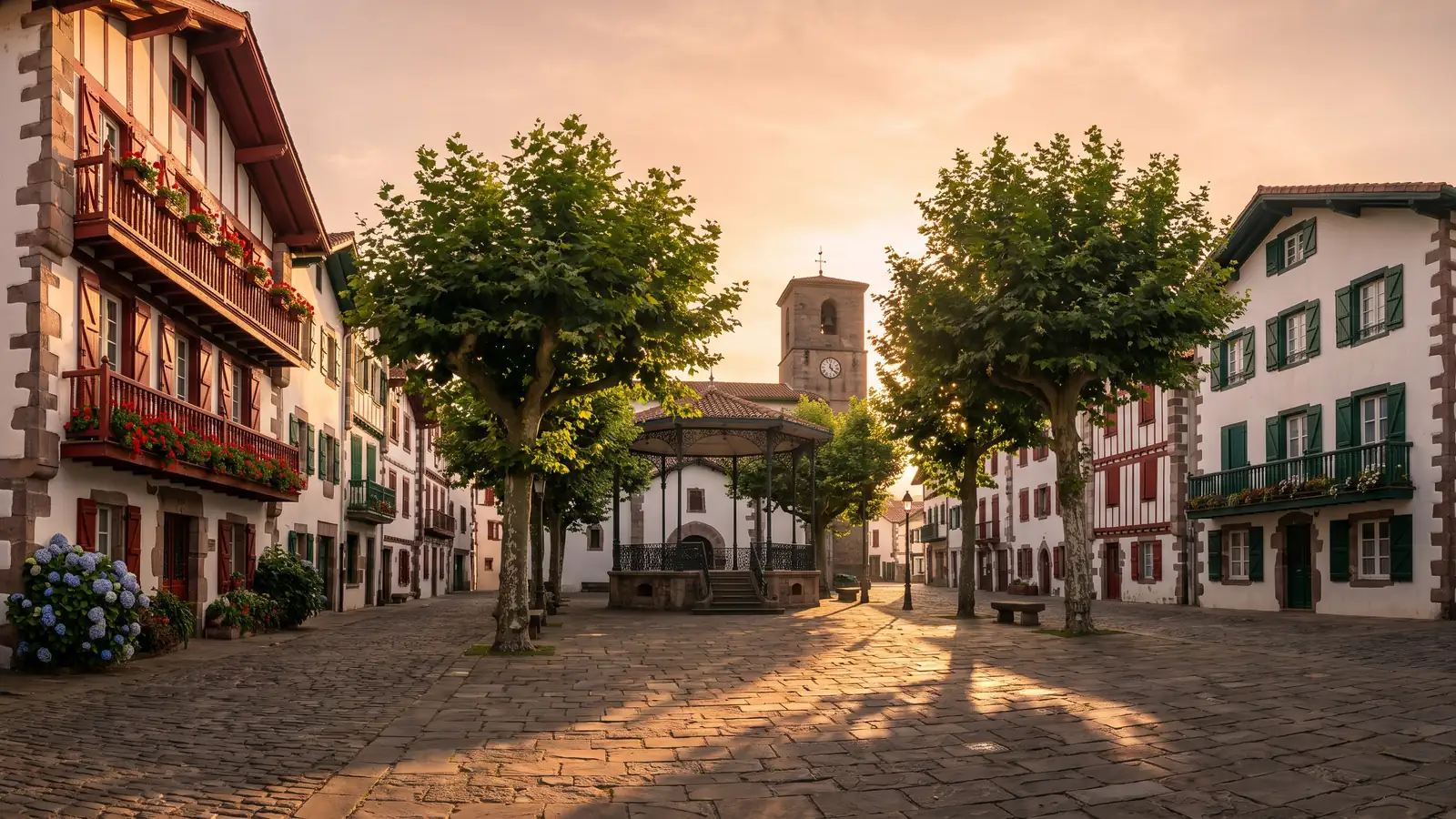
It was in Saint-Jean-de-Luz that the wedding of Louis XIV and the Infanta Maria Theresa of Spain was celebrated on June 9, 1660 (Tourist Office). This royal event sealed the peace between France and Spain and brought glory to the city. A marriage that changed Europe.
A royal wedding that sealed the peace
In 1660, Saint-Jean-de-Luz served as the center of the kingdom for one summer. On June 9, the young Louis XIV, aged twenty-one, married the Infanta Maria Theresa of Austria, daughter of the King of Spain, there. This marriage was one of the provisions of the Treaty of the Pyrenees. Signed the previous year on Île des Faisans, this treaty brought an end to decades of Franco-Spanish war.
The marriage thus sealed the peace between the two crowns. The ceremony was held at the Church of Saint John the Baptist, in the presence of the entire court. Tradition has it that the door through which the royal couple passed was subsequently bricked up. It can still be seen, sealed off, on the side of the building. This event secured Saint-Jean-de-Luz’s place in the annals of French history.
The House of Louis XIV and the House of the Infanta
This royal wedding left the town with two prestigious landmarks overlooking the harbour. The Louis XIV House, the former 17th-century Lohobiague residence, hosted the king during his stay. Listed as a historic monument, this shipowner’s house is open to visitors and retains its period character. The House of the Infanta, also known as the Joanoenea House, was built around 1640 by a wealthy shipowner.
Marie-Thérèse stayed there before her wedding; the house with the gallery is also listed as a historic site and open to visitors. These two houses allow visitors to relive the royal episode of 1660 in its original setting. For this wedding, a pastry chef named Adam is said to have presented his macarons to Louis XIV. The Adam company, still in business today, continues to use the original recipe. History and culinary delights thus come together in Saint-Jean-de-Luz.
| The Marriage of Louis XIV (1660) | Details |
|---|---|
| Date | June 9, 1660, at Saint John the Baptist Church |
| The Bride and Groom | Louis XIV and the Infanta Maria Theresa of Austria |
| Issue | provision of the Treaty of the Pyrenees (1659) · the Franco-Spanish peace treaty |
| The Walled-Up Door | condemned after the royal couple's visit |
| House of Louis XIV · of the Infanta | The king and the infanta stayed there · designated as historic monuments |
St. John the Baptist Church
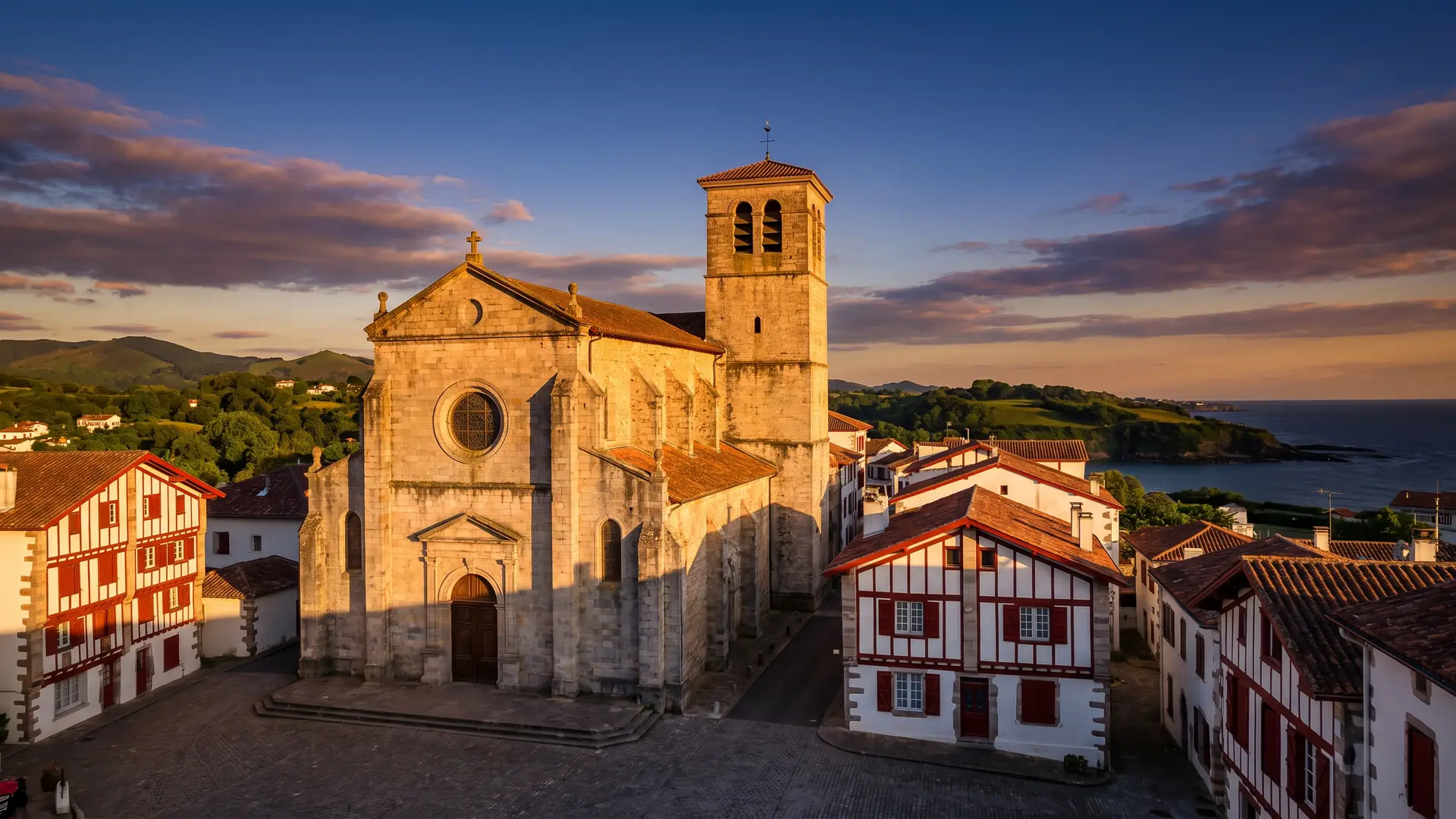
The Church of Saint John the Baptist hosted the wedding of Louis XIV and remains a masterpiece of Basque art. Its tiered wooden galleries and monumental gilded Baroque altarpiece make it a true gem. It is the spiritual and historical heart of the city.
The wooden galleries, a distinctive feature of the churches in Labourd
The Church of Saint John the Baptist, designated a historic monument (POP/Mérimée listing), is one of the most beautiful religious buildings in the Basque Country. From the outside, it has the simple, imposing appearance typical of Basque churches, with whitewashed walls and a square bell tower. But it is inside that its splendor is revealed: the nave is surrounded on three sides by three levels of carved wooden galleries, one above the other.
These tiered galleries, characteristic of churches in Labourd, were traditionally reserved for men, while women stood in the nave—a custom that persisted until the 1970s. It was from these galleries that the court watched the royal wedding in 1660. This warm and solemn wooden architecture gives the church a unique atmosphere—both intimate and majestic—that is characteristic of Basque sanctuaries. An exceptional setting—one worth discovering by looking up.
The Gilded Altarpiece and the Votive Boat
The church’s treasure is its immense Baroque altarpiece made of gilded wood. Martin de Bidache created it in 1669, featuring eighteen statues arranged across several levels. Considered the most monumental of the Basque Country’s altarpieces, it sparkles in the dim light. Another detail catches the eye in the nave: a votive boat. This model was donated in 1865 by a family of sailors who had returned from Newfoundland. It serves as a reminder of the town’s maritime past, from cod fishing to whaling. The galleries, altarpiece, and ex-votos encapsulate the faith, the sea, and the royal history of Saint-Jean-de-Luz. This is a must-see monument.
The Port, the Whaling Ships, and the Privateers
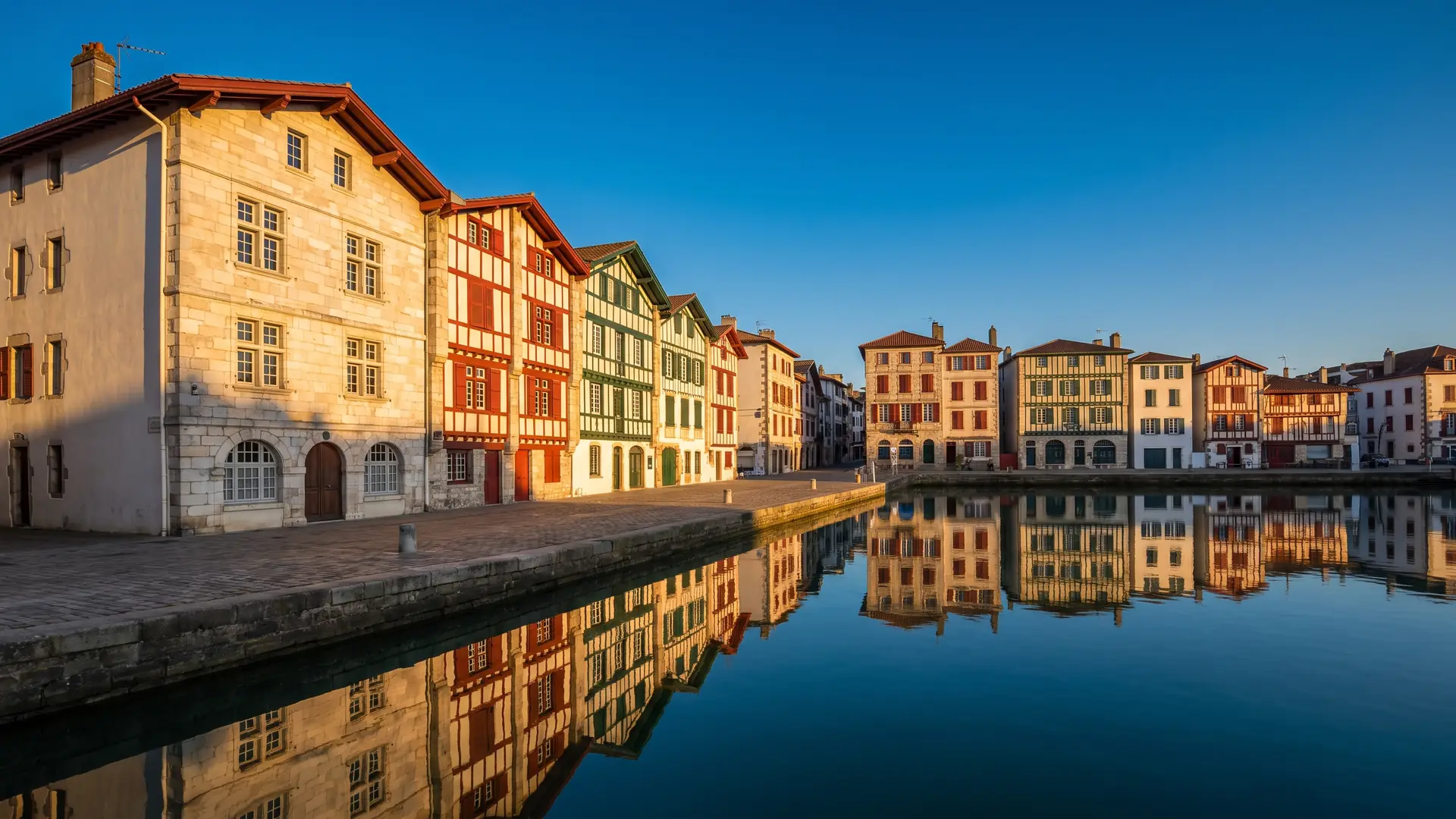
Saint-Jean-de-Luz’s wealth came from the sea: it was once one of the major ports for whaling and cod fishing, and later a “privateers’ haven.” The harbor is lined with stately shipowners’ mansions. A glorious maritime past, carved in stone.
Whalers, Cod Fishermen and Privateers
From the 15th century, Basque sailors from Saint-Jean-de-Luz were among the first to cross the Atlantic. They fished for cod on the banks of Newfoundland and hunted whales as far as Spitsbergen. These perilous expeditions brought wealth and renown to one of the coast’s most prosperous ports. From the 16th to the 18th centuries, the town also became a celebrated “privateers’ nest”.
Serving under the King of France, these sailors captured enemy ships and brought back fortunes to Saint-Jean-de-Luz. The most famous among them, Coursic or Joannis de Suhigaraychipy, was a frigate captain in the service of Louis XIV. He led expeditions as far as Spitsbergen before dying in battle off the coast of Newfoundland in 1694. A street still bears his name. The beautiful mansions of the port’s shipowners date back to this golden age of seafaring.
A major fishing port, even today
This prosperity came to a sudden halt in 1713. The Treaty of Utrecht ceded Newfoundland to England, while the whales disappeared from the Bay of Biscay. Ruined, the town saw its population drop from about 13,000 to 2,000 in the span of a century. Saint-Jean-de-Luz remains, however, a thriving fishing port, shared with Ciboure.
A centre for anchovy fishing since the Middle Ages, the port now lands mainly anchovies and hake, supported by an active fish auction. Saint-Jean-de-Luz also maintains a proud tuna-fishing tradition, celebrated every year at the Tuna Festival. Boats, the auction hall and fishmongers lend the harbour an authenticity rarely found in a seaside resort. Here the sea remains a livelihood and a living history, not merely a holiday backdrop; that maritime spirit is tangible along the quays.
The Bay and Its Seawalls
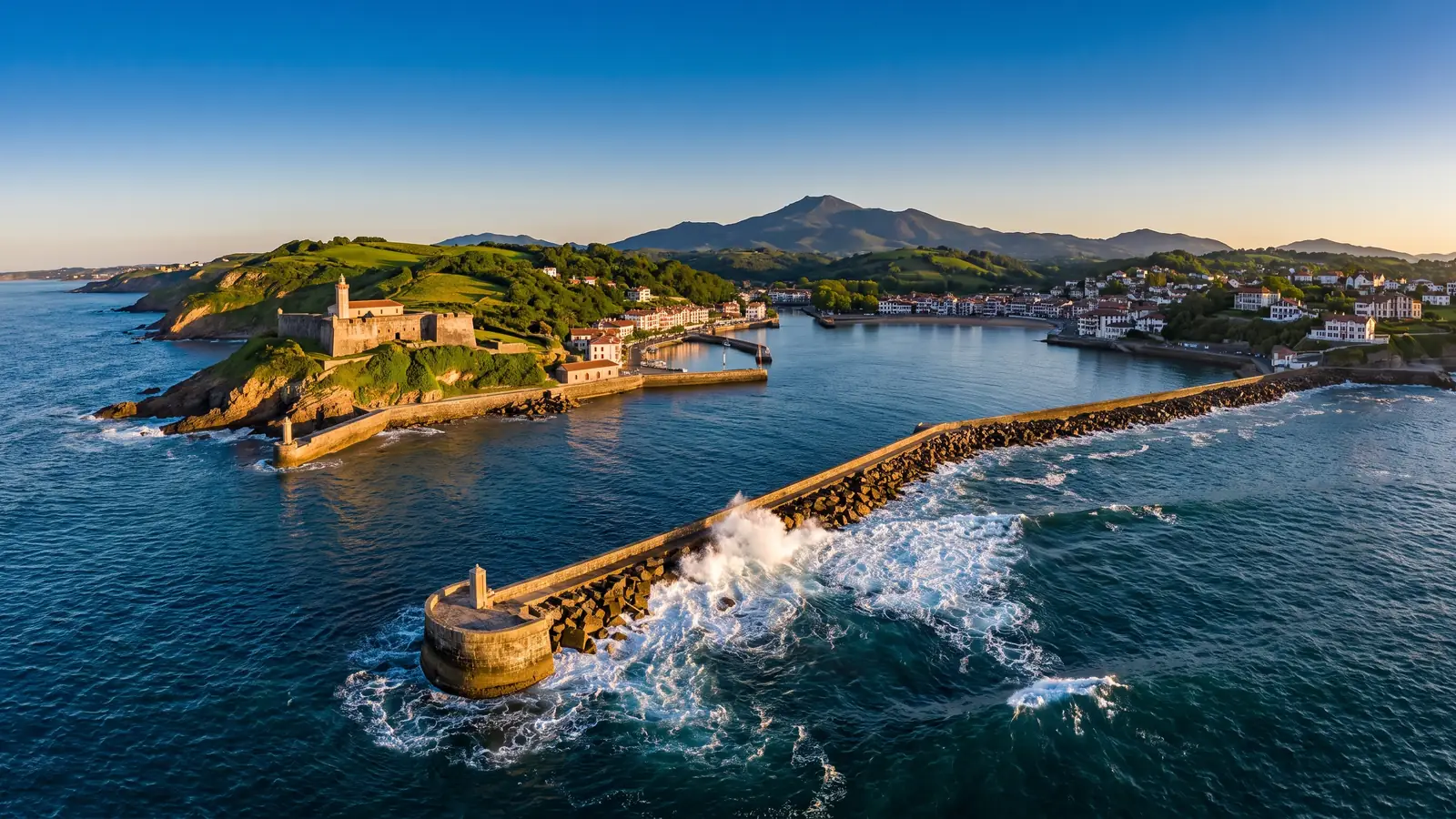
After being ravaged by storms for a long time, the bay was closed in the 19th century by three major levees authorized under Napoleon III. Today, they protect the town and its beach. This structure saved the town from the sea.
Three storm surge barriers
Saint-Jean-de-Luz Bay has not always been the peaceful haven seen today. For centuries, storms ravaged the town; in 1749, the sea swept away as many as two hundred houses. In the 19th century, the decision was made to close the bay with large sea walls. Moved by the residents’ plight, Emperor Napoleon III authorised the work in 1854 (Tourist Office).
Three dikes were built at the entrance to the bay: Socoa, the Artha and Saint Barbara. This massive project spanned several decades, and the city’s safety was not definitively secured until 1895. By breaking the Atlantic swell, these structures have created the calm and safe stretch of water we know today. They have shaped the city’s skyline and protect its beautiful beach.
Socoa Fort and the Beach
At the entrance to the bay, on the Ciboure shore, stands the Fort de Socoa. This former stronghold with a round tower was built during the reign of Henry IV and later redesigned by Vauban to defend the harbor. Today, it is one of the bay’s landmarks, visible from the seawall or the beach. Thanks to the breakwaters, Saint-Jean-de-Luz has a sheltered, safe, and peaceful sandy beach.
Ideal for families, it’s located in the heart of the city and runs along an elegant boardwalk. You can also walk along the seawalls, visit the Socoa Fort, or stroll around the bay. The family-friendly beach, fishing port, and fort have formed the lively heart of Saint-Jean-de-Luz for over a century.
The Seaside Resort and the Art of Living
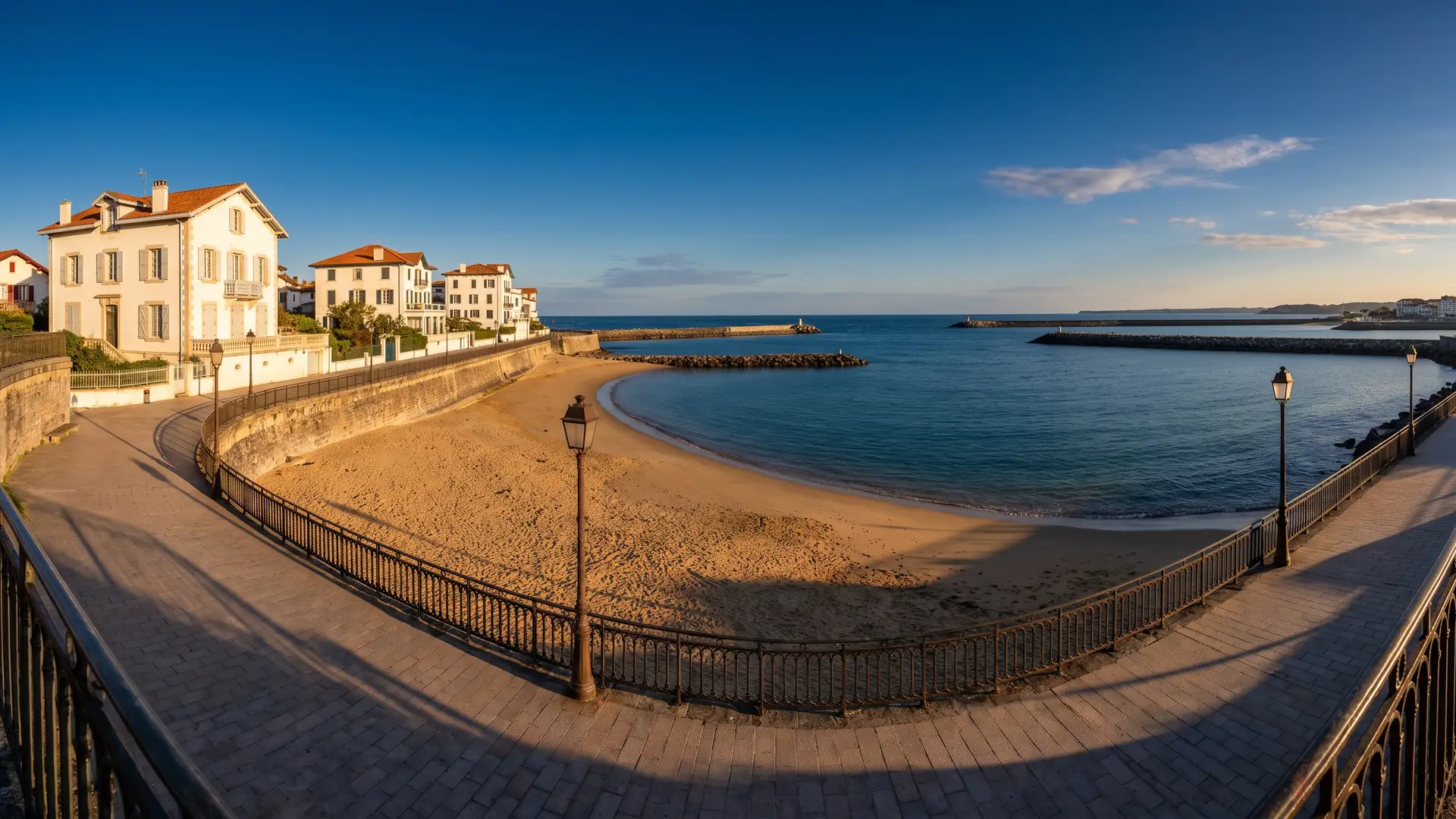
Saint-Jean-de-Luz is an elegant and lively seaside resort: its beach, boardwalk, shopping streets, and Basque-style houses make it one of the most pleasant towns on the coast. The Basque way of life, nestled between the sea and cultural heritage.
A chic and lively resort
Having become a fashionable seaside resort in the 19th century, following Biarritz’s lead, Saint-Jean-de-Luz retains its elegance and energy. A beautiful promenade, lined with Belle Époque villas and hotels, runs beside the sheltered beach. Between the harbour and the church, the centre is a maze of pedestrian shopping streets.
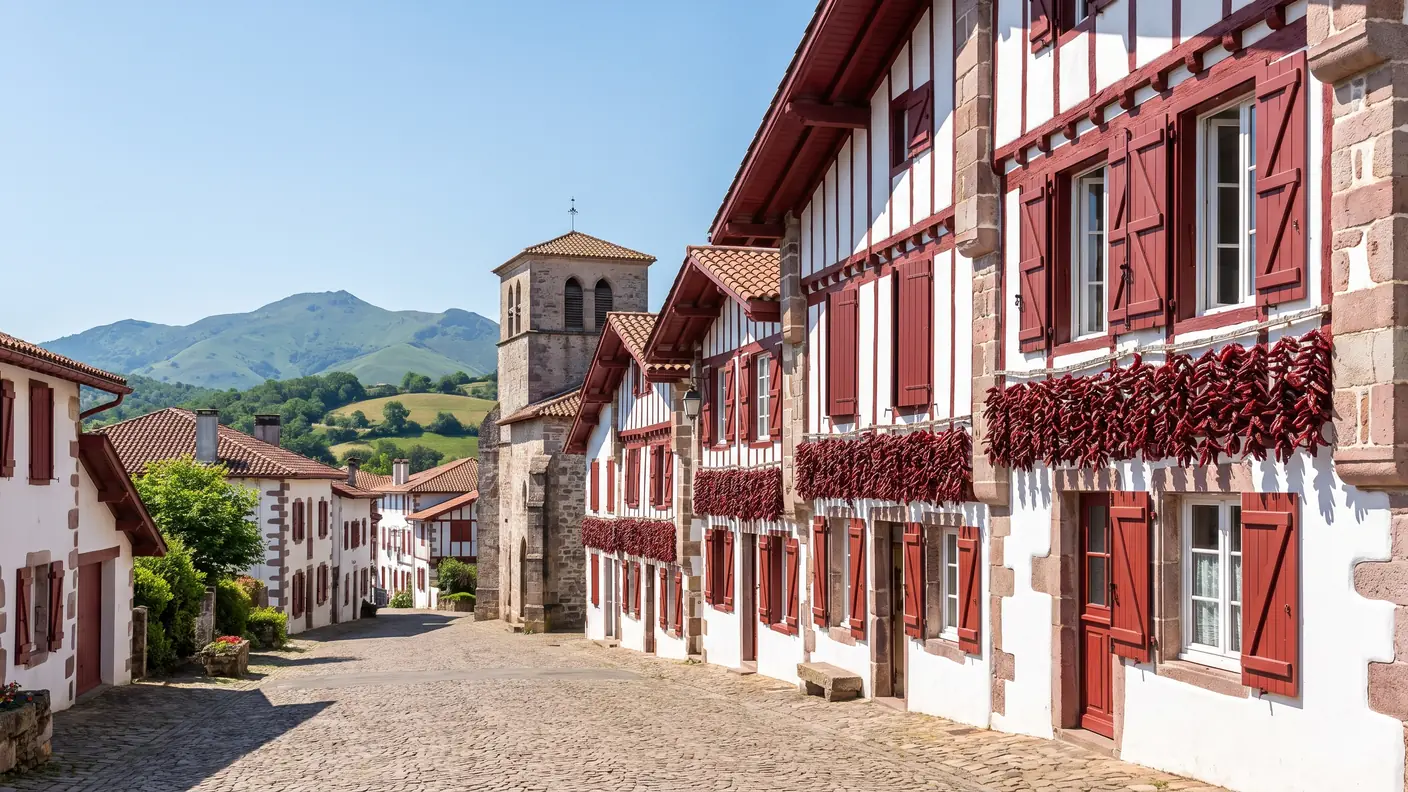
Red- and green-half-timbered Basque houses, shops, pastry shops, and restaurants bring these colorful streets to life. The promenade stretches from Place Louis XIV—with its bandstand and plane trees—to the waterfront and historic mansions. Lively year-round, chic, family-friendly, and a foodie’s paradise, the city blends the charm of a true Basque port with the elegance of a resort town. It is one of the most charming cities on the coast.
Basque linen, pelota, and festivals
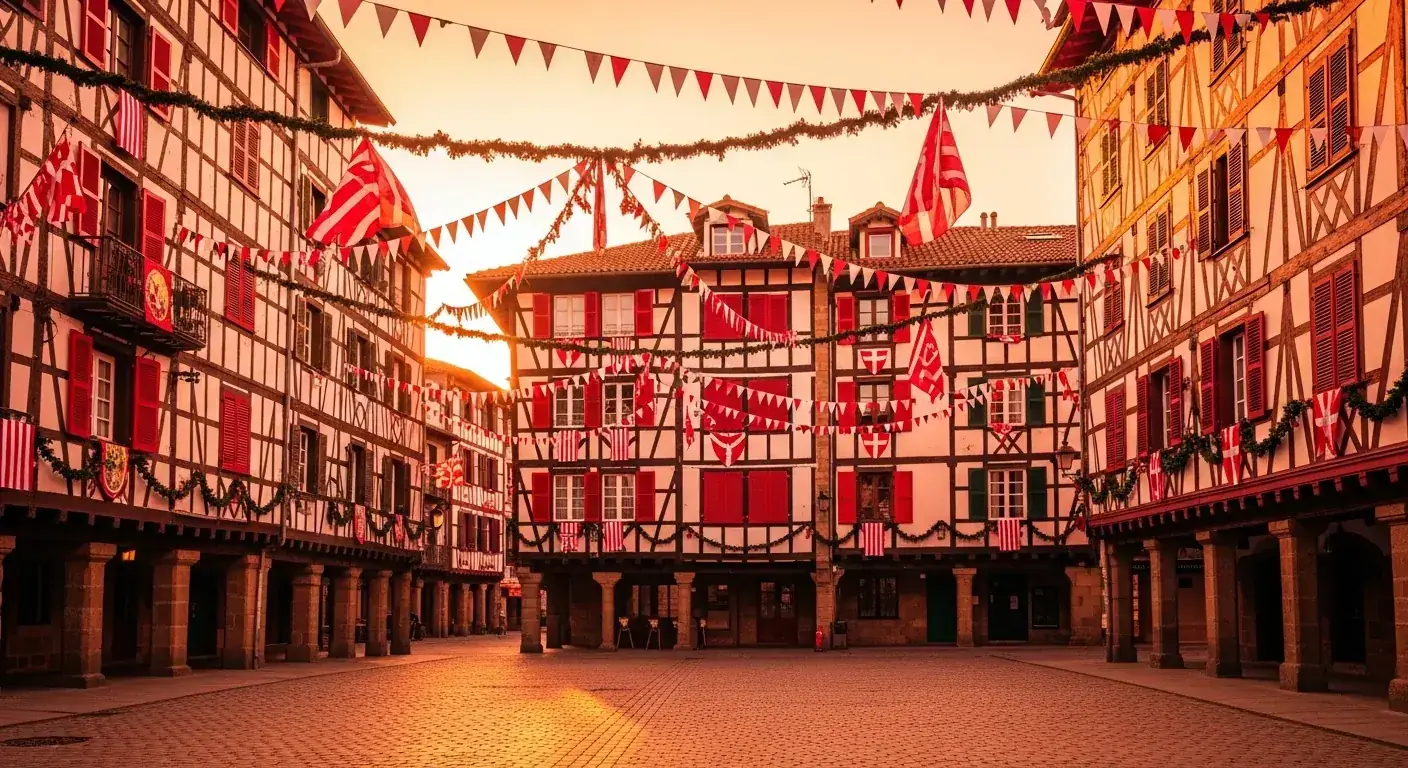
Local life is equally rooted in vibrant crafts and traditions. Basque linens, with their colourful stripes woven in the region, fill many shops, while Basque pelota remains passionately played. Patron-saint festivals, maritime celebrations and food events bring music, dancing, Basque songs and bandas throughout the year, notably the Tuna Festival and Saint John’s Day. The covered market, regattas and concerts sustain this cultural energy. Saint-Jean-de-Luz remains proudly and unmistakably Basque.
Basque Food Traditions
Saint-Jean-de-Luz is a gourmet destination: ttoro, macarons from Maison Adam, Basque cake, and tuna come together to create a delicious meal that blends the flavors of the sea and the land. A must-visit for foodies on the Basque coast.
Ttoro and the fish of the bay
The cuisine of Saint-Jean-de-Luz is, first and foremost, a cuisine of the sea. Its signature dish, the ttoro, is a hearty stew made with fish and seafood. Hake, conger eel, monkfish, mussels, and langoustines simmer with tomatoes, white wine, garlic, and Espelette pepper. Originating on the docks with the day’s catch and unsold fish, this fishermen’s dish has become the local specialty.
It’s enjoyed in the restaurants along the harbor. The fish market also supplies anchovies, hake, tuna, and sardines for dishes spiced with Espelette pepper. Cold cuts, Ossau-Iraty sheep’s-milk cheese, and other Basque products round out the meal. Eating a ttoro overlooking the harbor remains one of the coast’s greatest culinary experiences.
Louis XIV's Macaron and the Basque Cake
When it comes to sweets, Saint-Jean-de-Luz crafts a treat steeped in history: the macaron. According to tradition, the pastry chef Adam presented them to Louis XIV for his wedding in 1660. The Adam bakery, still run by his descendants on Rue Gambetta, carries on the recipe. Its Basque macarons, tender and melt-in-your-mouth, differ from Parisian macarons. The Basque cake, made with black cherries from Itxassou or cream, rounds out these treats. Along with ttoro, seafood, chocolate, and Basque linen, the city charms foodies and lovers of local specialties alike. Its culinary scene thus blends history, the sea, and the Basque art of living.
| The terroir of Saint-Jean-de-Luz | Details |
|---|---|
| Ttoro | Bay fish stew, spiced with Espelette pepper |
| Fish from the harbor | anchovies, hake, tuna (Tuna Festival) |
| Macaron | from the House of Adam, presented to Louis XIV in 1660 |
| Basque Cake | Itxassou black cherry or cream |
| To be reported | Basque linen, chocolate, Ossau-Iraty |
What is there to see around Saint-Jean-de-Luz?
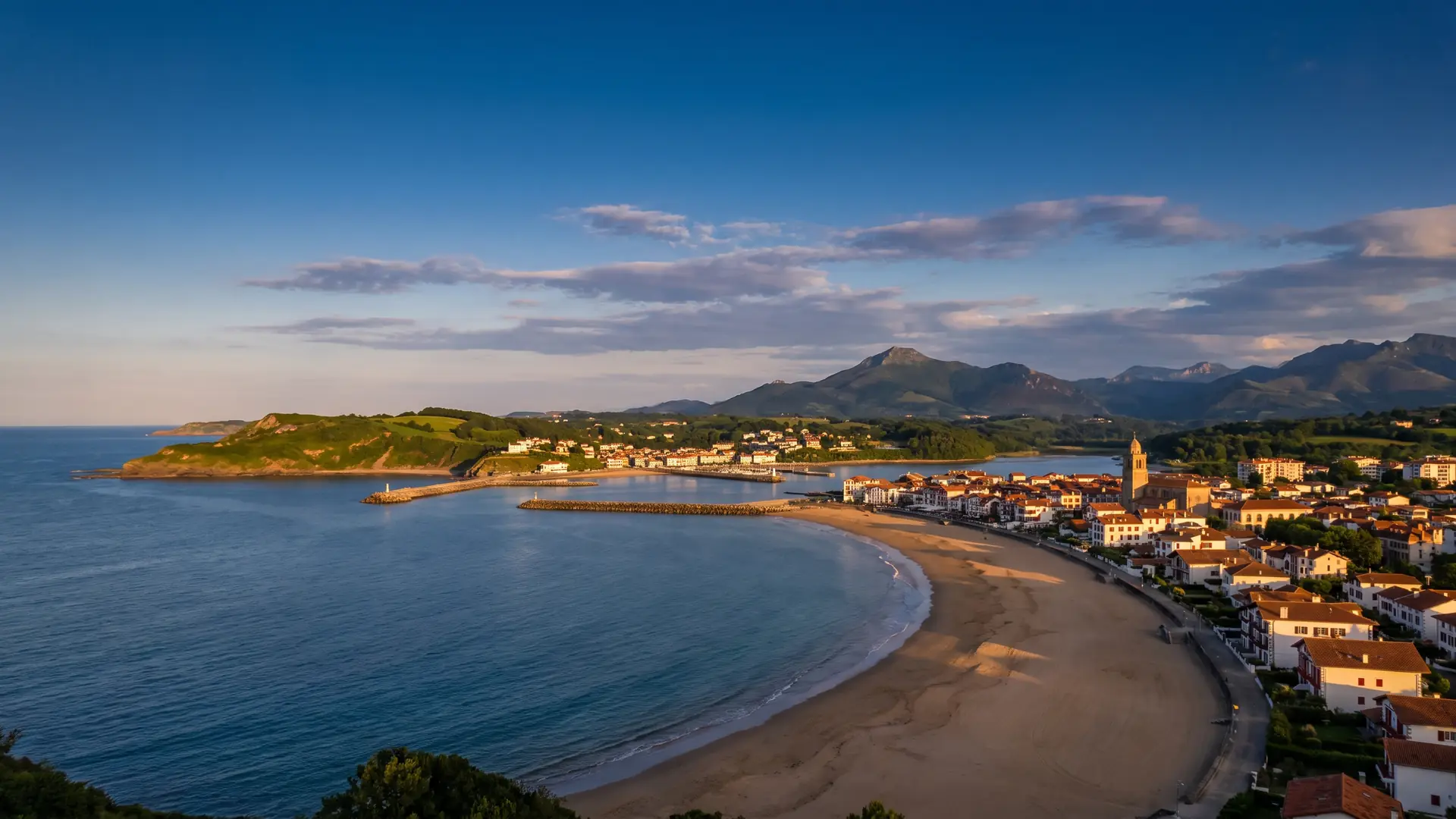
Saint-Jean-de-Luz is an ideal base for exploring the Basque Coast and Spain: Ciboure, Hendaye, Biarritz, Espelette, and San Sebastián are all within easy reach. A rare combination of coastal beauty, charming villages, and the border.
The Basque Coast and Spain
Near Saint-Jean-de-Luz, the Basque coast reveals all its charms. Nearby are Ciboure, Socoa Fort, then Hendaye and its beach along the Basque Coast. To the north, Guéthary, Bidart, Biarritz and Bayonne can be reached in about half an hour. Spain is also nearby, along with the old port of Hondarribia. San Sebastián, with its La Concha Bay and Michelin-starred cuisine, is just under half an hour away. Further inland, Labourd leads to Espelette, Ainhoa, Sare, and the Rhune. With a driver, you can travel between the coast, the mountains, France, and Spain without worrying about driving or parking.
The Villages of Labourd and La Rhune
Just a few minutes from the coast lie the Labourd region and some of the most beautiful Basque villages. Espelette, the chili pepper capital, features rows of white houses adorned with red garlands. Ainhoa is listed among the Most Beautiful Villages of France. The little train to the Rhune—an iconic mountain standing 905 meters high—departs from Sare. Its summit offers a panoramic view of the ocean, the Pyrenees, and Spain. Gables, churches with wooden galleries, and the local way of life round out your exploration of the coast. From Saint-Jean-de-Luz, a driver allows you to combine the coast, villages, and the Rhune without having to navigate narrow roads or deal with crowded parking lots.
| Around Saint-Jean-de-Luz | Distance | Interest |
|---|---|---|
| Ciboure | ~1 km | Port, Ravel's birthplace, Socoa Fort |
| Hendaye | ~15 km | The big beach, the Corniche, the border |
| Biarritz | ~20 km | Chic resort, surfing, Rocher de la Vierge |
| Espelette | ~25 km | Chili peppers, Labourdine houses |
| San Sebastián (Spain) | ~35 km | La Concha, pintxos, city of art |
When is the best time to visit Saint-Jean-de-Luz?
Saint-Jean-de-Luz is open to visitors year-round, but summer remains its peak season thanks to the sheltered beach and the festivals. During this time, visitors can enjoy the beach, swimming, and the mild climate of the Basque coast. The Saint-Jean Festival, the Tuna Festival, and other events liven up the resort. Protected by its breakwaters, the bay offers calm waters for families, while markets, regattas, and concerts bring the town to life. This is also the busiest time of year; having someone drop you off in the center helps avoid parking difficulties.
Spring, Fall, and Winter
The other seasons have a more peaceful charm. In the spring and in fall, with fewer visitors, it’s easier to explore the old town, the church, and the royal residences. These seasons are also ideal for strolling along the Cornice and discover the Spain in soft light. The winter reveals a more intimate side of the Basque port and the spectacle of storms crashing against the breakwaters. The bay, the historic sites, and the local cuisine make the city charming in every season. Located just over two hours from Bordeaux, it takes on a different character between the seaside atmosphere of summer and the rugged beauty of winter.
Travel to Saint-Jean-de-Luz from Bordeaux
Saint-Jean-de-Luz is located about 205 km from Bordeaux, or about 2 hours and 25 minutes via the A63 highway. This route runs along the Landes and Basque coasts to the border. The town also has a train station on the Bordeaux–Hendaye line (official TER information) and is close to the airports in Biarritz and San Sebastián. The train takes you to the town, but it doesn’t make it easy to explore the Corniche, Labourd, or Spain. To explore the harbor, the bay, the royal heritage sites, and the coast, a vehicle with a driver is more convenient and flexible. Door-to-door service also avoids the parking challenges during peak season.
Train or executive car service?
To explore Saint-Jean-de-Luz, the Basque Coast, and Spain, a chauffeured transfer from Bordeaux offers true freedom. The trip from Bordeaux is direct, with no transfers or waiting. Stops are still possible in Biarritz, along the Corniche, or across the border. This flexibility makes it easy to spend a day exploring the city, the bay, Hendaye, Espelette, and San Sebastián. The trip is offered at a fixed price quoted in advance, starting at approximately €394 one way. Transportation is provided in a Mercedes sedan or a van seating up to eight passengers. The price is set at the time of booking and does not depend on traffic, traffic jams, or stops, unlike a taxi meter.
This package is ideal for a beach vacation, a cultural and culinary getaway, or a family trip. It also meets the needs of events or transfers from Bordeaux-Mérignac or Biarritz. You can travel alone or in a group of up to eight people, with luggage and stops in Biarritz, Espelette, or Spain. To book, please provide the pickup address, destination, date, time, and number of passengers. A fixed-price quote will then be sent in writing. On the day of travel, the driver will pick up passengers at the agreed-upon address and take them directly to Saint-Jean-de-Luz. This direct service simplifies your stay on the Basque Coast.
| Route | Distance | Duration | Landmark |
|---|---|---|---|
| Bordeaux → Saint-Jean-de-Luz | ~205 km | ~2 hours 25 minutes | Starting at ~342 € for a chauffeur service |
| Saint-Jean-de-Luz → Biarritz | ~20 km | ~25 min | chic resort, surfing |
| Saint-Jean-de-Luz → Hendaye | ~15 km | ~20 min | wide beach, border |
| Saint-Jean-de-Luz → San Sebastián | ~35 km | ~40 min | Spain, La Concha |
Saint-Jean-de-Luz brings together the church where Louis XIV was married, the port, the privateers, the bay, and the beach. Its local character, its way of life, and its proximity to Spain round out the visit. Nestled between the ocean, royal heritage, and the mountains, the city charms lovers of the Basque coast, history, and fine dining.
Whether you’re planning a beach vacation, a gourmet getaway, or an event, a professional chauffeur ensures a comfortable and punctual ride. Booking a driver from Bordeaux → Saint-Jean-de-Luz is the main step; you can also browse all our destinations.
Frequently Asked Questions
Where is Saint-Jean-de-Luz located?
Saint-Jean-de-Luz is a town on the Basque coast, in the southern part of the Pyrénées-Atlantiques (64) department, in the Nouvelle-Aquitaine region, in the Labourd area. It is situated at the head of a sheltered bay, at the mouth of the Nivelle River, between Biarritz and the Spanish border, and shares the bay with its neighbor, Ciboure. In Basque, it is called Donibane Lohizune. With a population of 14,857 (INSEE 2023)—known as the Luziens—it is one of the main towns on the Basque coast, serving as both a fishing port and a seaside resort. From Bordeaux, it’s about 205 km and a 2-hour, 25-minute drive via the A63 highway.
What is the distance between Bordeaux and Saint-Jean-de-Luz?
The drive is approximately 205 km and takes 2 hours and 25 minutes via the A63 highway, which runs along the coasts of the Landes and the Basque Country. For a door-to-door car service from Bordeaux, the flat rate starts at around €394 one way, in a sedan or van. Saint-Jean-de-Luz is also served by the Bordeaux-Hendaye rail line. The train reaches the city but does not make it easy to travel to the Corniche, Labourd, or Spain. A chauffeured car offers more flexibility for exploring this cross-border region, especially during peak season.
Why was Louis XIV's wedding held in Saint-Jean-de-Luz?
This marriage sealed the peace between France and Spain. On June 9, 1660, Louis XIV married the Infanta Maria Theresa of Austria, daughter of the King of Spain, in Saint-Jean-de-Luz. This union was one of the provisions of the Treaty of the Pyrenees, signed the previous year on Île des Faisans. The border town thus hosted this major diplomatic event at the Church of Saint John the Baptist. Tradition has it that the door through which the royal couple entered was subsequently walled up. The Maison Louis XIV and the Maison de l’Infante also preserve the memory of the newlyweds’ stay.
What is there to see at Saint John the Baptist Church?
It is a masterpiece of Basque art, where the wedding of Louis XIV was celebrated. Inside, the nave is surrounded on three sides by three levels of carved wooden galleries, one above the other—a feature characteristic of churches in Labourd, traditionally reserved for men. The choir is adorned with a massive Baroque altarpiece in gilded wood (1669), featuring eighteen statues, considered a monumental Baroque altarpiece of the Basque Country. Hanging in the nave is also a votive boat, an ex-voto offered by a family of sailors returning from Newfoundland in 1865. Between the galleries, the gilded altarpiece, and the votive boat, the church embodies the spirit of Saint-Jean-de-Luz: faith, the sea, and history.
Is Saint-Jean-de-Luz a fishing port?
Yes, and it is a fishing port shared with Ciboure. As early as the 15th century, it was involved in whaling and cod fishing on the Newfoundland banks. The town then became a notorious “pirate haven” during the 16th through 18th centuries. The Treaty of Utrecht in 1713, which ceded Newfoundland to England, dealt a blow to this prosperity. The port remains active, however, in the anchovy and hake fisheries, with a fish auction and a tuna-fishing tradition celebrated during the Tuna Festival. The homes of shipowners and privateers still bear witness to this golden age of seafaring.
Why does Saint-Jean-de-Luz Bay have seawalls?
The city was ravaged by storms for a long time; in 1749, the sea swept away as many as two hundred houses. In the 19th century, the bay was enclosed by large seawalls to protect the city. Napoleon III, a frequent visitor to the Basque coast, authorized the work in 1854. Three structures were built at the entrance to the bay: the Socoa, Artha, and Sainte-Barbe seawalls. The project lasted several decades, and the town’s safety was not secured until 1895. By breaking the swell, the breakwaters have created the calm and safe stretch of water we see today. They also protect a sheltered beach, ideal for families.
What is ttoro?
Ttoro is the signature dish of Saint-Jean-de-Luz. This hearty stew combines hake, conger eel, monkfish, mussels, and langoustines. These ingredients are simmered with tomatoes, white wine, garlic, and Espelette pepper. Originating on the docks using the day’s catch and unsold fish, the dish has become the region’s signature specialty. It captures the flavors of Basque seafood cuisine and is served in the harbor’s restaurants. Anchovies, hake, tuna, macarons from Maison Adam, and Basque cake round out the meal.
What is there to see around Saint-Jean-de-Luz?
There are many, along the coast and all the way to Spain. Nearby are Ciboure (Ravel’s hometown) and Fort Socoa, and then, along the Basque Coast Road, Hendaye and its large beach, right on the border. To the north, Guéthary, Bidart, Biarritz (the chic resort), and Bayonne (the capital, known for its chocolate). Across the border, Hondarribia and San Sebastián (Donostia), with its La Concha Bay and Michelin-starred cuisine, just under half an hour away. Inland, Labourd and its villages—Espelette and its chili peppers, Ainhoa, Sare—and the Rhune. Saint-Jean-de-Luz is an ideal base for exploring the entire Basque Country, from the coast to the mountains and from France to Spain.
When is the best time to visit Saint-Jean-de-Luz?
Summer is the peak season for the sheltered beach, swimming, and festivals, all enjoyed in the coast’s mild climate. Saint John’s Day, the Tuna Festival, and other events set the pace for the resort during this time. In spring and fall, the smaller crowds make it easier to visit the church, the royal residences, and the old town. These seasons are also ideal for strolling along the Corniche and exploring Spain in a peaceful atmosphere. Winter reveals the charm of a Basque port in the off-season and the spectacle of storms crashing against the breakwaters. No matter the season, the bay, the heritage, and the local cuisine make for a wonderful getaway.
Where do Saint-Jean-de-Luz's macarons come from?
According to tradition, the Saint-Jean-de-Luz macaron was born from a royal wedding. Pastry chef Adam is said to have presented his macarons to Louis XIV during the 1660 ceremony. Still run by his descendants on Rue Gambetta, Maison Adam continues the recipe. Its tender Basque macarons are distinct from their Parisian counterparts and make an elegant souvenir, as does Basque cake with Itxassou black cherries. In Saint-Jean-de-Luz, history and gastronomy remain inseparable.
Can I book an executive transfer from Bordeaux to Saint-Jean-de-Luz?
Yes. The route from Bordeaux to Saint-Jean-de-Luz covers approximately 205 km and takes 2 hours and 25 minutes via the A63. The flat rate starts at around €394 one-way, in a Mercedes sedan or a van seating up to eight passengers. This direct, door-to-door service allows for stops in Biarritz, Hendaye, Espelette, or in Spain. This flexibility makes it easy to enjoy a beach vacation or explore the coast, where parking can be difficult during peak season. Luggage and beach gear can be brought along; the quote is confirmed in writing before departure, with no unexpected charges.
Further Reading
- The neighboring border town: see the Hendaye Guide (the main beach, the Corniche, Île des Faisans), 15 km away
- The capital of the Basque Country: see the Bayonne Guide (the cathedral, the chocolate, the Vauban ramparts)
- The Land of Chili Peppers: See the Espelette Guide (AOP chili peppers, Labourdine-style houses)
- Plan your trip: view the route for the chauffeur-driven transfer from Bordeaux to Saint-Jean-de-Luz, the vehicles, and the flat rate, or explore all our destinations
Sources and References
- Wikipedia — Saint-Jean-de-Luz — geography, Louis XIV's marriage, port, levees
- Wikipedia — Saint John the Baptist Church — wooden galleries, gilded altarpiece from 1669, designated a historic monument in 1931
- Wikipedia — House of the Infanta — Joanoenea House ~1640, residence of Marie-Thérèse, designated a historic monument
- Wikipedia — Treaty of the Pyrenees — 1659, the marriage of Louis XIV as a peace clause
- Bay Protection Structures — Saint-Jean-de-Luz Tourist Office — Construction of Seawalls
- The Wedding of Louis XIV — Saint-Jean-de-Luz Tourist Office — Ceremony on June 9, 1660
- Church of Saint John the Baptist — POP/Mérimée PA00084494 — Protection and Dating
- Louis XIV — Palace of Versailles — Biographical and Institutional Highlights
- Saint-Jean-de-Luz–Ciboure Station — TER Nouvelle-Aquitaine — Routes and Services
- INSEE — Municipality of Saint-Jean-de-Luz (64483) — Population in 2023: 14,857 residents
Article published on .
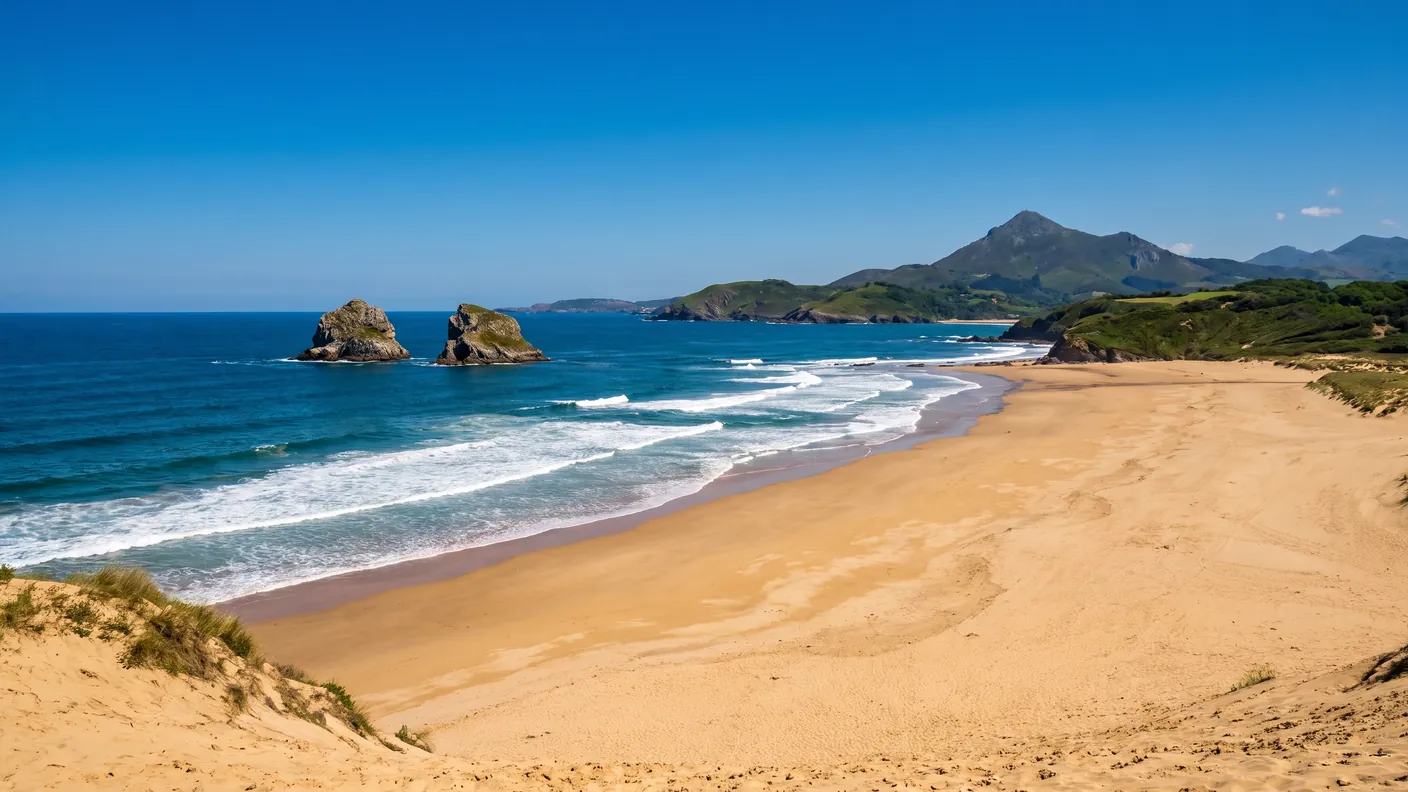
Off to the Royal Bay
Direct trip from Bordeaux (~2 hours 25 minutes) to Saint-Jean-de-Luz and the Basque Coast, with stops of your choice along the way—Biarritz, Hendaye, Spain. Fixed, written quote—no surprises on the meter.