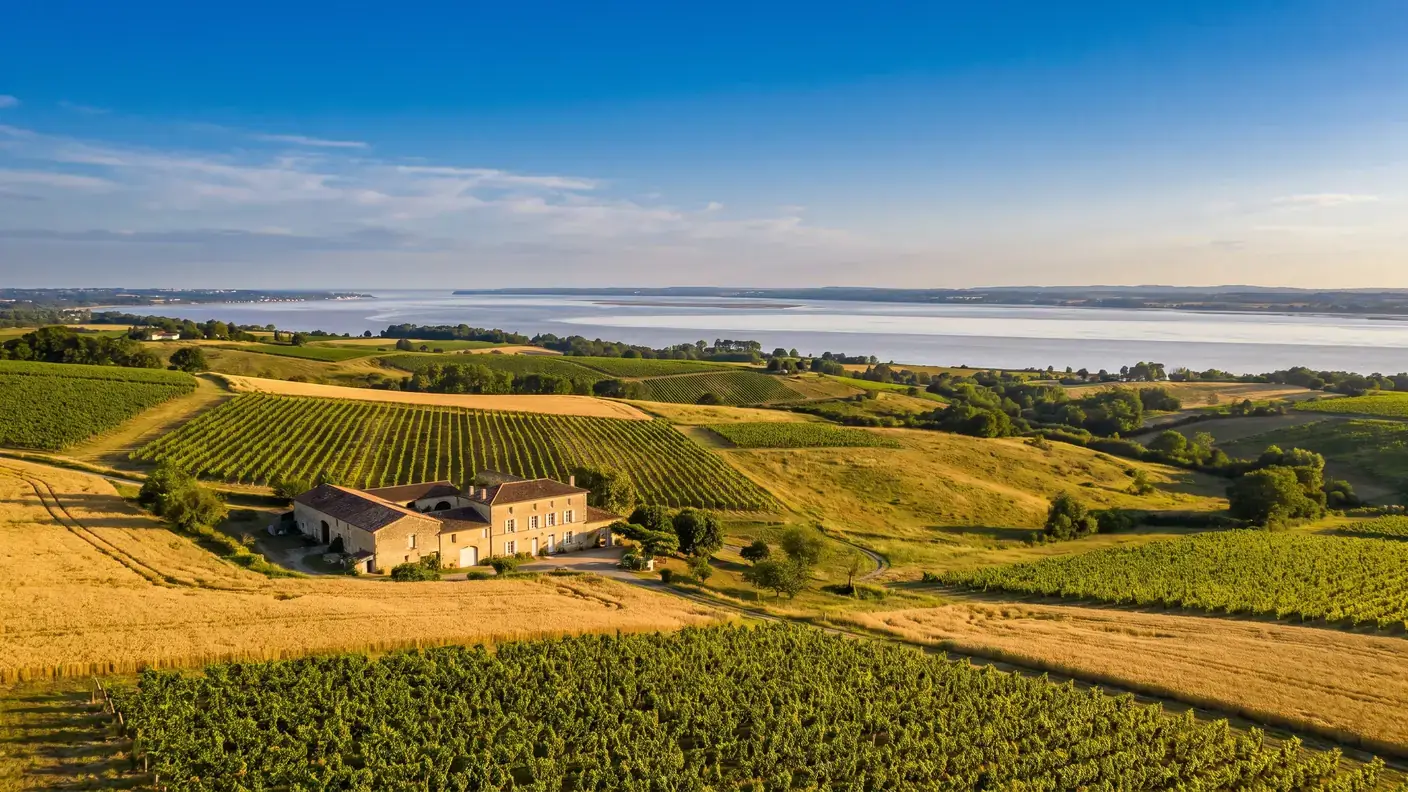
Saint-Thomas-de-Conac from Bordeaux: the estuary and the county of Cônac
A village in Haute-Saintonge whose vineyard-covered hillsides overlook the Gironde estuary: the Romanesque church with its thousand-year-old apse, the former County of Cônac and its fortress, the Moulin de la Croix, and Fins Bois cognac—about 1 hour and 9 minutes from Bordeaux, across from the Médoc.
Saint-Thomas-de-Conac at a Glance
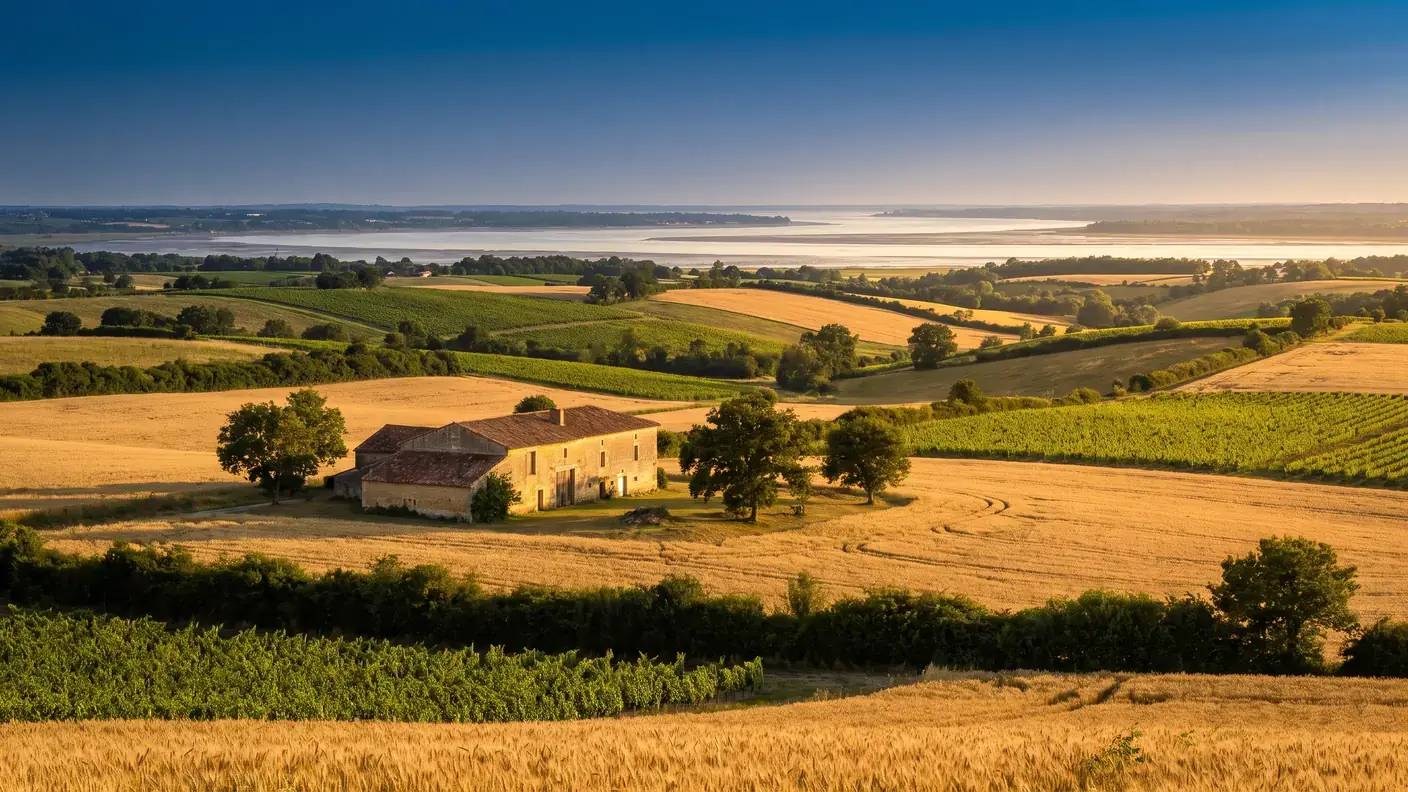
Saint-Thomas-de-Conac is a village in Haute-Saintonge, in Charente-Maritime, perched on vineyard-covered hillsides overlooking the Gironde estuary. A small town with fewer than six hundred residents, unassuming yet steeped in history: it was once the heart of a vast county, that of Cônac, whose fortress watched over the estuary and which Cardinal Richelieu himself acquired in the 17th century. Today, it charms visitors with its Romanesque church featuring an archaic apse, its restored windmill, its Cognac vineyards, and its wild estuarine marshes.
We are here in the very south of Saintonge, on the edge of the Bordeaux region of Guyenne, about 1 hour and 9 minutes from Bordeaux—across from the Médoc, on the other side of the great river.
Here are the key details to know before you go. Driving distances are calculated door-to-door; the rate is for a private driver booked from Bordeaux, with a fixed price provided in advance.
| Landmark | Details |
|---|---|
| Department | Charente-Maritime (17), Nouvelle-Aquitaine |
| Status | Rural village · Jonzac district · Haute-Saintonge |
| Population | approximately 590 residents (source: INSEE, 2023) · the residents of Saint-Thomas |
| Area | 28.04 km² · on the right bank of the Gironde estuary |
| Don't miss it | The Romanesque church, the Croix Mill, the estuary, and its marshes |
| Distance from Bordeaux | about 83 km · about 1 hour and 9 minutes by car |
| Rail Transport | The town does not have a train station; check SNCF Connect, TER Nouvelle-Aquitaine, and Modalis for stations, routes, and connections on your chosen date, then plan for the final few kilometers. |
A word of honesty right off the bat: Saint-Thomas has been the subject of a few misconceptions, which this guide corrects, backed by sources. The village is now part of the Pons Canton, and no longer part of Mirambeau (the former administrative division prior to 2015). Its official spelling is “Saint-Thomas-de-Conac ", without an accent, even though "Cônac" is still often written that way locally. Saint-Thomas Church and the windmill are both listed as Historic Monuments. The medieval castle, however, is now only a ruin and has no such protection. The vineyards belong to the Fins Bois cru, not Bons Bois.
Throughout this guide, verified information is clearly distinguished from hearsay.
Here’s a rundown of everything you need to know before you come: Saint-Thomas’s location on the estuary, its marshes and protected natural areas, the stunning Romanesque church, the history of the County of Cônac and its fortress, the Moulin de la Croix, the origin of its name, Fins Bois cognac, notable sites in the surrounding area, and the easiest way to get there from Bordeaux.
Where is Saint-Thomas-de-Conac located?
Saint-Thomas-de-Conac is located in the southern part of Charente-Maritime (17), in Nouvelle-Aquitaine, on the right bank of the Gironde estuary, between Mirambeau and the river’s mouth. It is a rural commune in Haute-Saintonge, part of the Jonzac arrondissement and the Haute-Saintonge Community of Communes, the largest intermunicipal community in France in terms of the number of communes.
The village covers an area of 28.04 km², ranging from sea level to an elevation of 101 meters—a difference in elevation that says it all: vineyard-covered slopes and grain-growing hills overlooking the estuary to the east, and vast marshes stretching westward, where the river recedes. Across the estuary lies the Médoc region and its vineyards.
A balcony overlooking the estuary
What makes Saint-Thomas truly unique is its location, perched like a balcony above the Gironde River. The town and its hamlets cling to the hillsides, while the western part of the municipality, which lies at a lower elevation, blends into the marshes and wet meadows formed by the retreat and silting up of the estuary. This duality—vineyards above, water below—creates a landscape of great gentleness, opening onto the vastness of the river. It is a coastal municipality as defined by the Coastal Act, even though it does not border the sea: here, the open sea is the estuary, as vast as an inlet.
This access to the water has shaped its entire history, from medieval river trade to Richelieu's ambitions.
A village that, unusually, is gaining residents
With a population of 590 according to the 2023 census, Saint-Thomas is a small village with a very low population density (about 21 people per square kilometer). Its residents are known as Saint-Thomacais. Remarkably, in this rural region of Saintonge, where most villages are losing population, Saint-Thomas is actually gaining residents. The town had, however, experienced a long decline, from a peak of 778 residents in 1968 to a low of 545 in 1999, before this recent recovery.
It remains an aging and very rural town, where farming and viticulture provide employment for a large portion of the population—but its population growth reflects a renewed appeal for this peaceful corner of the estuary.
Overlooking the Médoc, nestled between two vineyards
Saint-Thomas’s location has a delightful effect on the wine: the village is situated at the border between two major wine-producing regions. To the east and on its hillsides lies the land of the cognac and Pineau des Charentes, the brandy of the Saintonge region; across the estuary lies the Médoc and its classified growths, the Gironde region of great red wines. A little further south, on the same bank, lies the vineyard of the Blayais, which also produces Bordeaux wines.
From the heights of Saint-Thomas, on a clear day, the view takes in the entire estuary and its two banks—each with its own vineyards—separated by a river several kilometers wide. Few villages offer such a vantage point over the wine-growing region of southwestern France.
The Estuary, the Marshes, and Nature
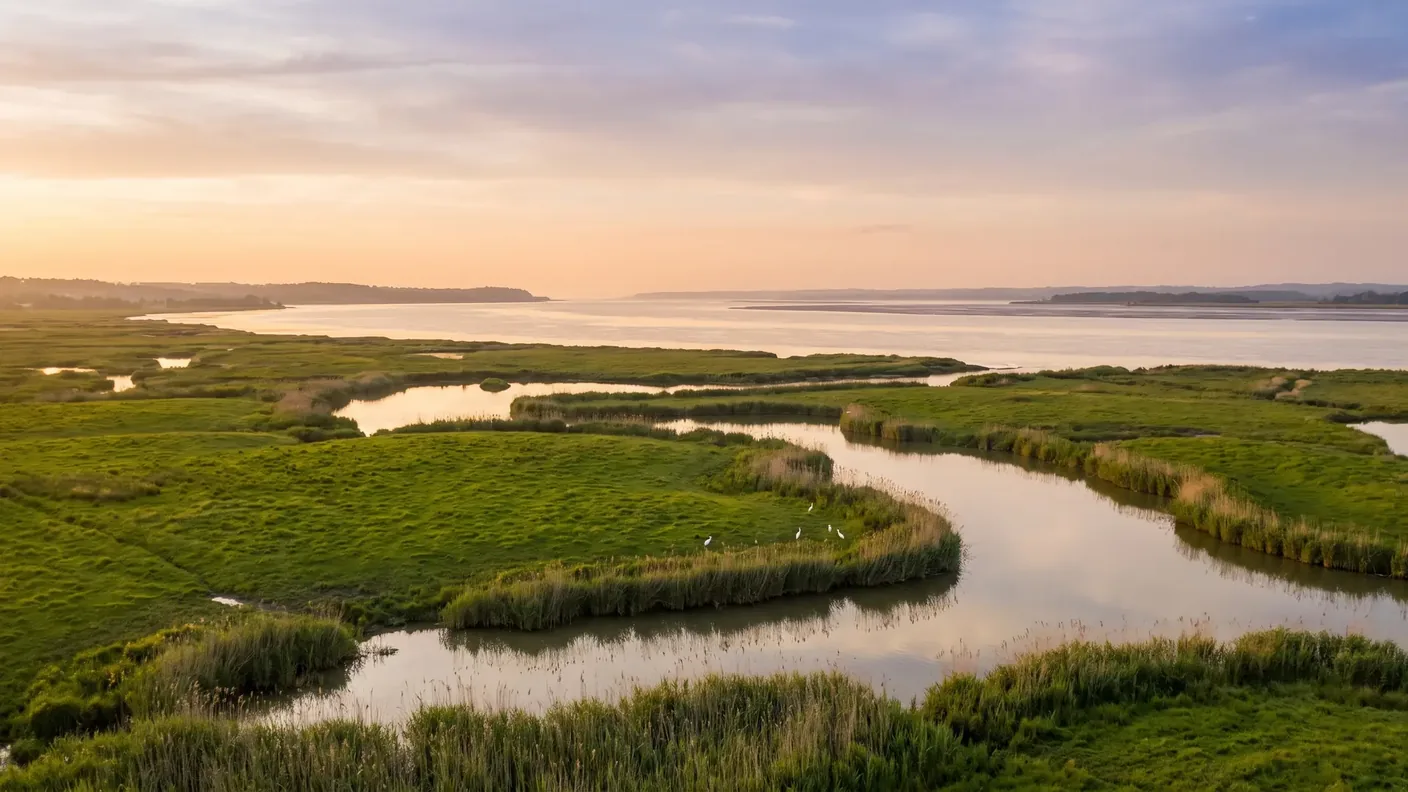
To the west of the town, Saint-Thomas is nestled in a landscape of water and reeds: the marshes of the Gironde estuary, a wild and protected natural area. The Gironde Estuary, formed where the Garonne and Dordogne rivers meet, is the largest wild estuary in Europe. Part of the municipal territory includes estuarine marshes and Natura 2000 protected areas; see the INPN fact sheets for their exact boundaries. Drained by channelized ditches—some of which have been drained for corn cultivation—they form a rare environment, halfway between land and water, serving as a refuge for remarkable wildlife, particularly waterfowl.
A Natura 2000 site
Here you can see typical estuarine wildlife: herons, egrets, and wading birds, as well as palmate newts, southern tree frogs, viperine snakes, and wall lizards. The GR 360 long-distance hiking trail, which circles the Saintonge region, crosses this western part of the town, offering hikers exclusive access to these landscapes of water and reeds—an ideal observation spot for birdwatchers and lovers of wide-open wilderness, just a stone’s throw from the vineyards.
In the shadow of the Blayais power plant
To find out the scope and current guidelines for the area around the Blayais power plant, consult the specific emergency response plan published by the prefecture.
For a long time, however, the estuary was primarily a major trade route. Before the railroad and roads became the dominant modes of transportation, everything was transported by water: salt, grain, and wine, carried by gabarres, the flat-bottomed boats typical of the Gironde region. Saint-Thomas and its neighbor Saint-Fort lived in tune with the river, its tides, and its ports. The gradual silting up of the estuary, which pushed back the shoreline and filled in the old channels, brought an end to this riverine prosperity—leaving behind, as in the hamlet of La Trigale, ghost ports far from the water.
Today, the river is no longer a commercial waterway but a landscape to be admired, where sunsets over the Médoc, flocks of birds, and the silence of the marshes offer a constantly changing spectacle.
The Romanesque Church of Saint Thomas
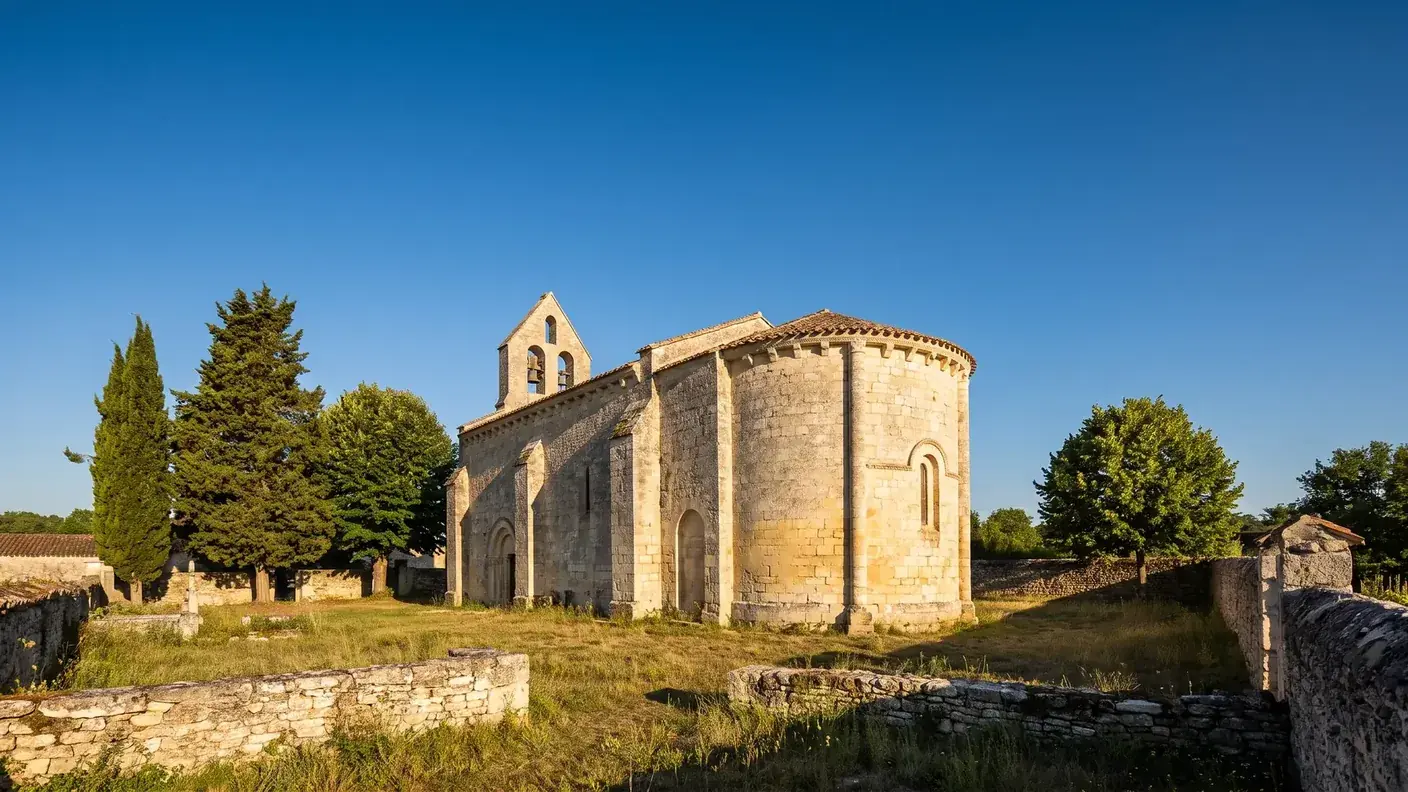
In the heart of the village stands Saint-Thomas Church, a Romanesque building listed as a historic monument, whose apse is among the oldest in the Saintonge region. Dedicated to the Apostle Saint Thomas, it stands on a square that was once the parish cemetery. It is a modest building, but one of rare archaeological interest, as it preserves masonry of exceptional antiquity. Let us clarify this from the outset, as confusion is common: the church is listed as a historic monument (by decree of July 30, 2002, Mérimée reference PA17000037), and is not “classified”—the listing status being a lower level of protection than classification (POP notice).
An apse from the early 11th century
The church's treasure is its apse. Its lower section dates back to early 11th century — a remarkably early date, making it one of the few examples of Romanesque art from its very beginnings in Saintonge, a region that is nonetheless home to hundreds of Romanesque churches. Its archaic construction has even been compared to Carolingian architecture, so ancient does it appear; but be warned, it is a style comparison, not a date: the building is not Carolingian; it dates from the 11th century (heritage source). The main construction phase took place in the second half of that same century.
The north aisle, with its fortified Romanesque bell tower, was added in 1515–1517; the nave was rebuilt between 1838 and 1846, and the Neo-Romanesque façade was reconstructed in 1862. The church was first mentioned in writing around 1062–1070, when it was ceded to Savigny Abbey—a connection that links it, from its very origins, to the major monastic networks of the Middle Ages.
Treasures Safeguarded Inside
Inside, the church houses several movable objects protected as individual items (under the Palissy database, distinct from the building itself): an 18th-century stone holy water font, a painting of the Crucifixion, a 1.18-meter-tall polychrome wooden statue of the Virgin and Child, and a partially gilded silver paten bearing the Paris hallmark from 1732–1733. The first three have been protected since 1976, while the paten has been protected only since 2015. This distinction between the building—which is listed—and its objects—protected separately as individual items—clearly illustrates the logic behind the classification of historic monuments in France, where buildings and movable property fall under two different categories.
Finally, a word to dispel a persistent myth: the “Anne Thérèse” bell, christened with great fanfare on June 3, 1738, by Father Desbrandes, is not, however, protected—and the idea that it “dates back to the year 800,” as reported by that same parish priest, is a matter of local tradition, not an established fact.
| Protected Heritage Sites of Saint Thomas | MH Status |
|---|---|
| St. Thomas Church (building) | registered (July 30, 2002) · PA17000037 |
| La Croix Windmill | Registered (October 28, 1996) · PA17000006 |
| Font, painting, statue (objects) | listed under "Subject" (1976) · Palissy |
| Silver Paten, 1732–1733 (object) | listed under "Object" (2015) · Palissy |
| Cônac Castle | unprotected (medieval ruin) |
The County of Cônac and Its Fortress
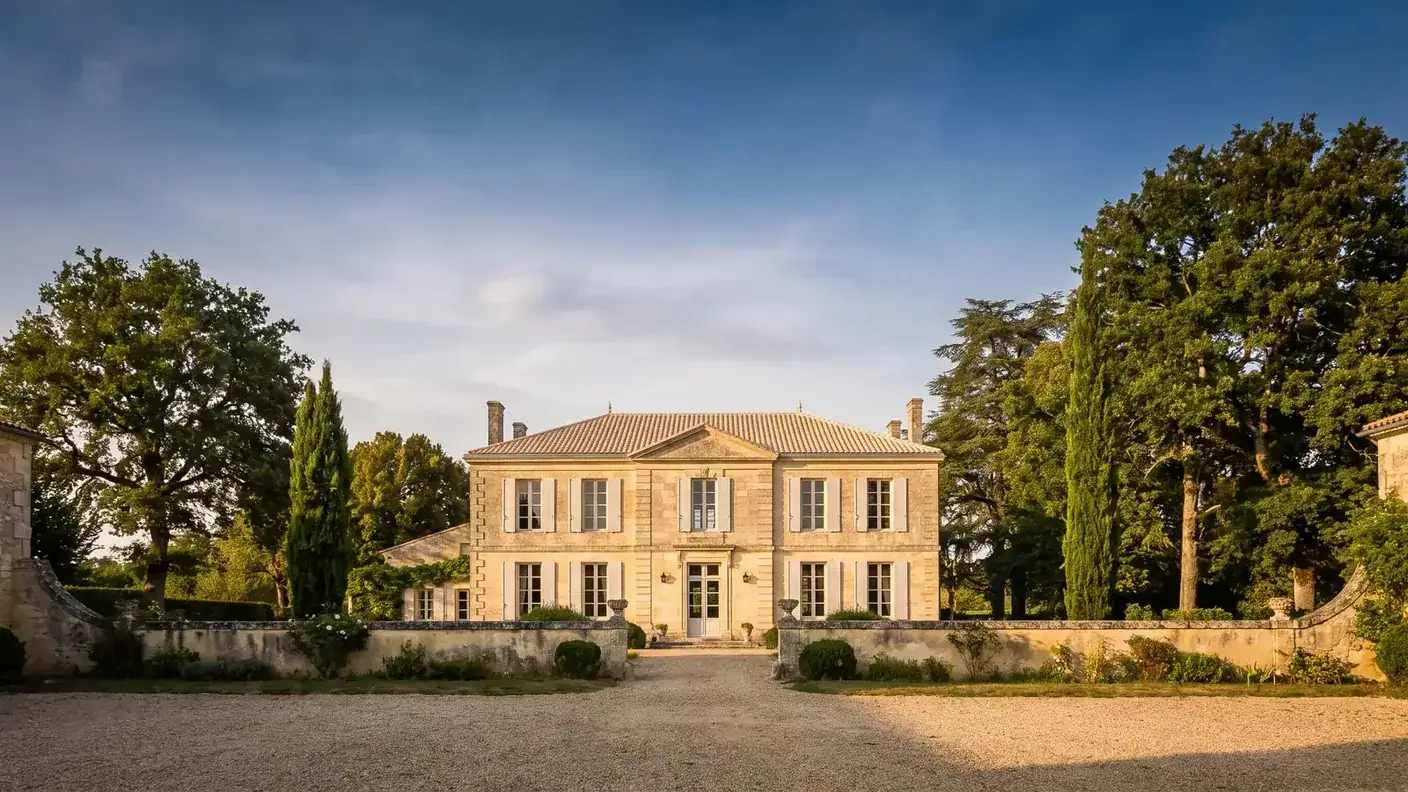
The very name Saint-Thomas-de-Conac refers to a seigneurial territory that no longer exists: the county of Cônac, of which this village was one of the two founding centers. This is because the municipality was formed by the merger of two entities: the hamlet of Conac, the former seat of the seigneury (with its count’s castle, market halls, and archpriesthood), and the town of Saint-Thomas, where the priory once stood. This dual origin explains the rich history of a village that is so peaceful today.
As early as the 11th century, there is mention of a fortress in Cônac, built on a rocky outcrop overlooking the estuary; its first documented owner was Arnault de Mirabel, Lord of Cônac.
From a walled town to a property owned by Richelieu
In the 13th century, Cônac was a walled town, surrounded by ramparts, and served as a strategic stronghold on the estuary. Ownership of the estate passed from one family to another over the centuries: the Mortagnes, the Clermonts, the Montberons, and then, in 1415, Jean II de Harpedane, known as de Belleville, who purchased the lands of Cosnac and Mirambeau.
Coveted during the Hundred Years' War by Henry de Grosmont, Earl of Derby, in the 1340s, the town was captured by the Huguenots in 1570, during the Wars of Religion, along with its Catholic garrison of 120 men. But its moment of glory came in 1640, when Cardinal Richelieu purchased the county of Cônac: the powerful minister wanted to establish a foothold in Saintonge and control trade between Bordeaux and Brouage, in opposition to Protestant La Rochelle, whose revolt he had crushed in 1628.
The fact that the all-powerful Richelieu took an interest in this estuary village speaks volumes about the strategic importance of Cônac County—here is a modest town linked, through history, to one of the greatest figures in the Kingdom of France.
A ruin steeped in history
What remains of this fortress? Very little, and this is an important point: Cônac Castle is now nothing more than a ruin—remnants of ramparts, the base of a rectangular tower—and is not protected as a historic monument (the town has only two protected buildings: the church and the mill). Sold as national property during the Revolution, it was gradually dismantled. The other residences in the town—the castles of Le Roc, Le Gendreau, and Coudret, and the La Chapelle manor—are beautiful private estates, but none are listed as historic monuments.
One last poignant remnant: the hamlet of La Trigale, now more than a kilometer from the water, was home to a very busy trading port in the Middle Ages—the silting up of the estuary has left it far from the river, with not a trace remaining.
The history of the nobility has left other marks. One family, the de Sirans, settled on the Merleau estate as early as the mid-17th century, following a marriage celebrated in Saint-Thomas in 1558; As the king’s farmers in charge of the salt warehouses along the coast, they exemplify the central role of salt in the economy of this estuary region. Salt, in fact, was long the greatest source of wealth in Saintonge, and it was partly to control this trade that Richelieu took an interest in the county.
These prominent families, these estates, and these royal farms form the fabric of a past in which a modest estuary village was linked, through trade and politics, to the major affairs of the kingdom. Nothing in the current tranquility of Saint-Thomas would give you any hint of this—which is why it’s worth digging a little beneath the surface.
The Croix Windmill
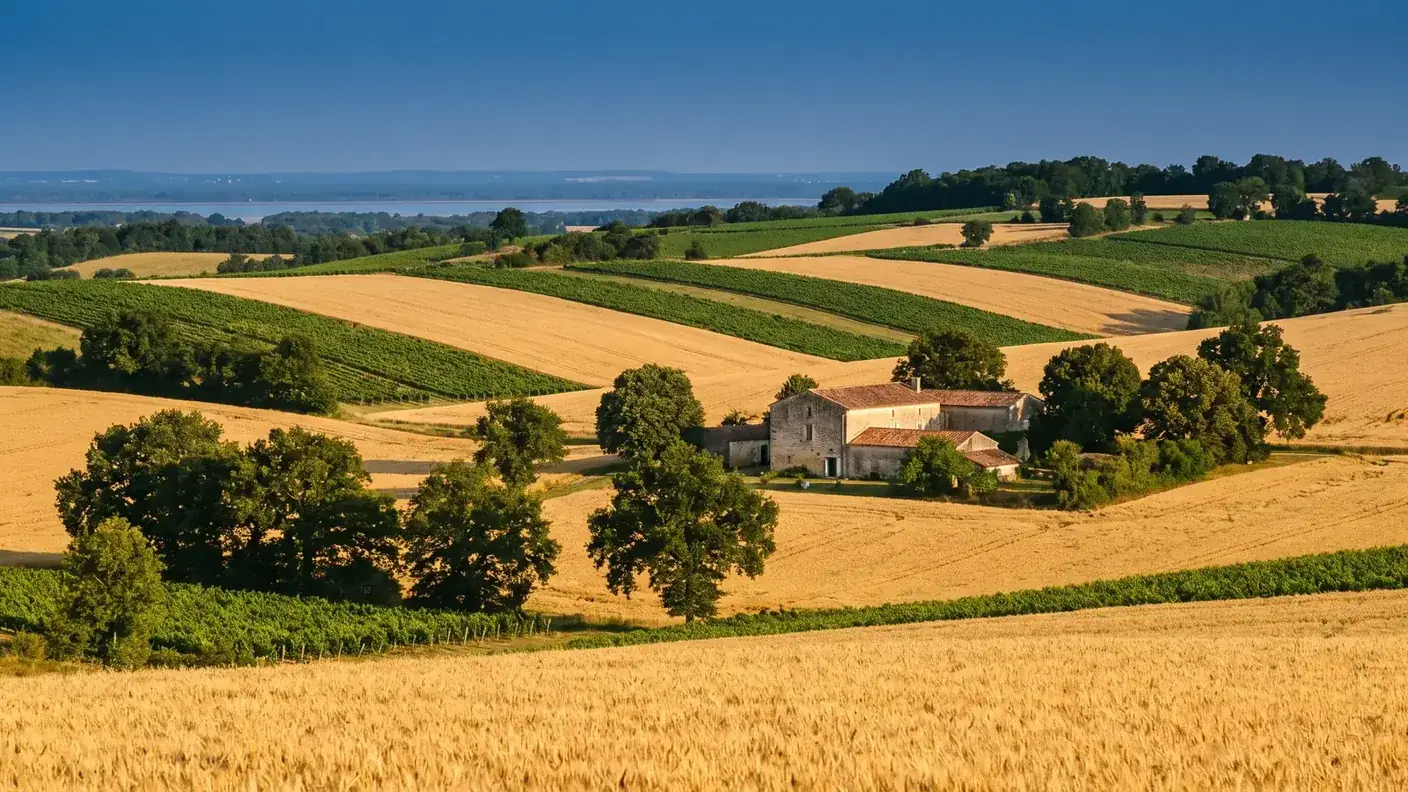
Perched on the hills above the town stands another monument, more modest but just as precious: the Croix windmill, a designated historic monument and the last of its kind in Charente-Maritime. This tower mill, built in 1820, stands in the hamlet of La Croix, on the windy ridges overlooking the estuary—an ideal location for catching the offshore winds. It is listed as a historic monument (decree of October 28, 1996, Mérimée reference PA17000006), including its mechanism and lower chamber.
It is a rare reminder of the grain-based economy of days gone by, when the hills of Saintonge were covered with wheat and every hilltop had its own mill.
The Last Wind-Powered Tower Mill in Charente-Maritime
What makes the Moulin de la Croix exceptional is that it was the last working sail-powered tower mill in the entire Charente-Maritime department, operating until the late 1960s—well after most of its counterparts had ceased operations. Equipped with Berton-type sails (an ingenious system of wooden slats that could be adjusted from the inside, invented in the 19th century), it is said to have ground up to one metric ton of grain per day, thanks to its two preserved millstones, each weighing 800 kilograms. After being battered by a storm during the winter of 2016–2017, its damaged sails had to be dismantled in the summer of 2017.
But the building, now restored and protected, remains a landmark and a symbol: a symbol of a lost milling tradition and of a landscape of wheat-covered hills that has since been largely replaced by vineyards and cornfields.
A Transformed Hilly Landscape
The mill tells the story, in its own way, of the transformation of the Saintonge landscape. In the 18th and 19th centuries, the hills of Saint-Thomas and the entire area were covered with grain fields, and every wind-swept ridge was topped by a windmill, a familiar sight on the horizon. Wheat nourished the region and, through the port, fueled river trade. Then came the rise of cognac and, later, mechanization: the windmills stopped turning, replaced by steam-powered and then electric mills, and the hillsides became covered with vineyards.
The Croix Mill, the last surviving restored mill, stands as a poignant reminder of a bygone rural world—one that predated the rise of viticulture, when wind and water still drove the economy of these estuary hills.
Where does the name "Conac" come from?
“Saint-Thomas-de-Conac” combines the name of Saint Thomas the Apostle, the church’s patron saint, with the more mysterious name “Conac”—a place name whose origin remains a matter of debate. Two hypotheses are at odds with one another, and should be presented as such. The first sees it as the Gallic word Condate (“confluence”), referring to the site’s location near the estuary; the second, more cautious theory notes that the historically attested forms are all Cosnac / Cosnaco, which suggest instead a Gallo-Roman estate formed from a man’s name followed by the suffix -acum.
Neither of these theories has been definitively established: a Gallo-Roman origin is plausible but unproven, as the first documented mention of the name dates back only to 1062.
A whole cluster of “-de-Cosnac” names
The old name “Cosnac” is key to understanding the geography of the area, as it has left its mark on the entire region. Before the Revolution, the county of Cosnac lent its name to a cluster of neighboring parishes: Saint-Thomas-de-Cosnac, as well as Saint-Fort-de-Cosnac (now Saint-Fort-sur-Gironde), Saint-Dizant-de-Cosnac (Saint-Dizant-du-Gua), Saint-Rémy-de-Cosnac (now Sainte-Ramée), Saint-Saturnin-de-Cosnac (Saint-Sorlin-de-Conac), Saint-Georges-de-Cosnac (Saint-Georges-des-Agoûts), and others. “Cosnac” was therefore not merely a local detail, but the parent name of an entire county, which structured this entire corner of the estuary and united these villages under a shared feudal destiny.
Be careful, however, not to confuse this Cosnac in the Saintonge region with the town of Cosnac in Corrèze, near Brive: there is no established connection between the two, despite their identical names, which often leads to confusion.
Conac or Cônac?
There remains a question of spelling that often confuses visitors: Is it spelled “Conac” or “Cônac”? The official answer is “Conac,” without a circumflex accent. The spelling “Cônac”—where the accent replaces the “s” in the old “Cosnac,” according to a classic rule of French—remains widely used locally, on signs and in everyday speech, but it has no official status. The two forms thus coexist—one official and the other traditional—which adds to the slightly confusing charm of this village.
During the Revolution, in fact, the town changed its name several times, being called successively Cônac, “des Brandes,” and then Thomas-de-Cônac, before settling on its current name.
Fins Bois Cognac
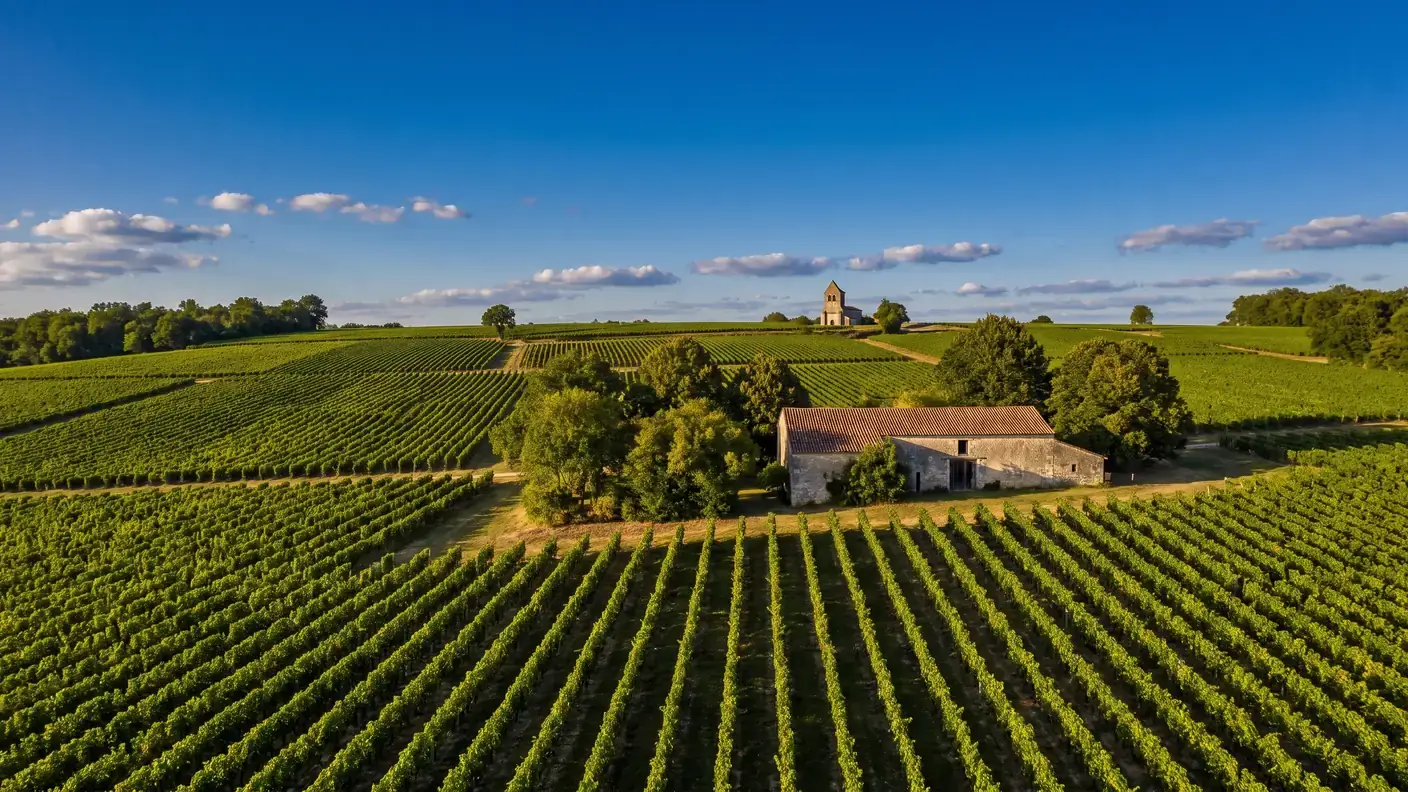
Like the rest of Haute-Saintonge, Saint-Thomas is located in Cognac country—specifically in the Fins Bois appellation, which must be named accurately. Contrary to a persistent misconception, the town is not in “Bons Bois”: according to the Cognac AOC specifications, Saint-Thomas-de-Conac is entirely classified as Fins Bois. It is the largest of the six Cognac crus, the outer ring that surrounds the central crus of the Champagnes and Borderies. The notion that “near the estuary = Bons Bois” is incorrect: the entire Conac sector (Saint-Sorlin, Sainte-Ramée, Saint-Dizant-du-Gua) is part of Fins Bois.
Estuarine Hardwoods
Vineyards play a major role in this town, 94% of which is agricultural land, where grapevines grow alongside corn and wheat fields on the hills overlooking the river. In addition to cognac, the region also produces Pineau des Charentes—a liqueur made by blending grape must with cognac brandy, whose appellation area exactly matches that of cognac—as well as Charente regional wines (IGP).
For visitors, this is an opportunity to discover an authentic, lesser-known cognac—far from the high-profile houses of Cognac or Jarnac—in the warm, welcoming atmosphere of a family-owned estate on the estuary, during an on-site tasting.
Understanding the Six Cognac Grape Varieties
To understand Saint-Thomas’s place within the geography of Cognac, a brief overview is in order: the appellation is divided into six crus, arranged in concentric circles around the town of Cognac, from the most prestigious to the most peripheral. At the center, the Grande Champagne and Petite Champagne regions, with their chalky soils, produce the finest eaux-de-vie, best suited for long-term aging; the Borderies, a small cru to the north, are renowned for their notes of violet.
Next come the two major “bois” crus: the Fins Bois—which includes Saint-Thomas—the vast ring that surrounds the central crus, and the Bons Bois, located further out. Finally, the Bois à terroirs make up the coastal fringe and the islands. Understanding this hierarchy means realizing that behind cognac’s global prestige lies a whole mosaic of terroirs.
| The Six Cognac Grape Varieties | Location |
|---|---|
| Grande Champagne | heart of the region, chalky soils — the most prestigious |
| Petite Champagne | around Barbezieux, Archiac, and Jonzac |
| Borderies | the smallest wine-growing region, north of Cognac |
| Fins Bois (Saint Thomas) | Wide ring — 1er cru in terms of area |
| Bons Bois | outer belt — second-largest in area |
| Wines from Specific Regions | coastal zone and islands |
What's there to see around Saint-Thomas?
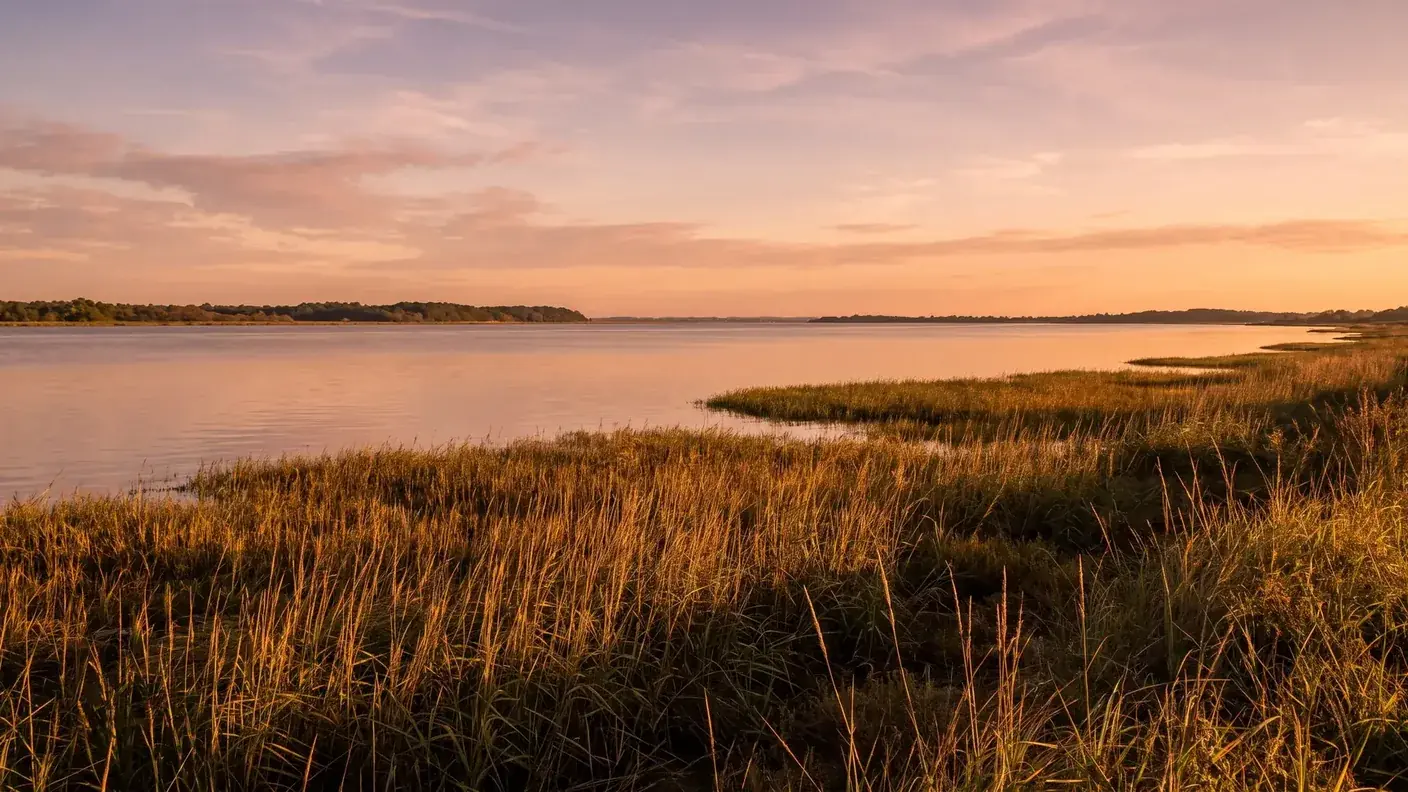
Saint-Thomas is an excellent starting point for exploring Haute-Saintonge, the estuary, and the neighboring vineyards. Distances are short, and it’s easy to travel from an estuary village to a spa town, or from a vineyard to a citadel. Nearby, just a few minutes away, Saint-Fort-sur-Gironde and its Port-Maubert harbor—once a major center for Gironde caviar—offer further opportunities to explore these riverbanks. A little further away, Mirambeau and its castle—and especially Jonzac, the subprefecture—are worth a detour for their thermal baths, castle, and old town; Jonzac is also the nearest train station.
From Blaye to Royan, along the estuary
Following the right bank of the estuary, you’ll come across a string of remarkable sites. To the south, Blaye and its Vauban citadel—a UNESCO World Heritage Site—guard the entrance to the estuary; all around lies the Blayais wine region, which produces Bordeaux wines. To the north, as you head down toward the ocean, Royan—a seaside resort with 1950s-style architecture—offers its wide beach and seaside atmosphere. Between the two lie the fishing huts and cliffs of Meschers, the small port of Mortagne-sur-Gironde, and the vineyards that slope down toward the water. Across the river lies the prestigious Médoc wine region.
With a private chauffeur, it's easy to plan a customized itinerary based on your preferences.
| Around Saint-Thomas | Distance | Interest |
|---|---|---|
| Saint-Fort-sur-Gironde | ~10 km | Port-Maubert, the caviar of the Gironde |
| Mirambeau | ~14 km | Château, access to the A10 highway |
| Jonzac | ~24 km | Subprefecture, thermal baths, nearest train station |
| Blaye | ~34 km | Vauban Citadel (UNESCO), vineyard |
| Royan | ~46 km | Seaside resort, beaches, estuary |
The region of the former county of Cosnac
A great way to get to know the area is to follow in the footsteps of the former county of Cosnac, of which Saint-Thomas was the heart. All around, the villages that once bore its name still stand: Saint-Fort-sur-Gironde (formerly Saint-Fort-de-Cosnac) and its port, Port-Maubert; Sainte-Ramée (formerly Saint-Rémy-de-Cosnac) and its mill; Saint-Sorlin-de-Conac, Saint-Dizant-du-Gua, Saint-Ciers-du-Taillon… all small wine-growing and estuary villages, all part of the Fins Bois appellation, which once made up a single seigneurial territory. It is a quiet region, off the beaten path of major tourist routes, where you can go from a Romanesque church to a mill, from a viewpoint overlooking the estuary to a cognac tasting.
With a chauffeur service, you can plan a lovely day-long loop, tailored to your preferences and the people you meet along the way.
When is the best time to visit Saint-Thomas-de-Conac?
Saint-Thomas is worth visiting year-round, but spring and summer—when the light plays across the estuary and the vineyards—are the most beautiful seasons. The spring brings the marshes and hillsides to life, turns the vineyards green, and brings mild days—perfect for walking along the estuary on the GR 360 or visiting the church and the mill. The summer bathes the estuary in golden light, perfect for walks along the water's edge and tastings of cognac and Pineau at the producers' facilities.
It's also the season for sunsets over the river, which are spectacular when viewed from the village's high points, with the Médoc as a backdrop.
Fall, harvest season, paints the vineyards gold and purple and brings the region’s cellars to life—a special time to learn about the craft of cognac. Winter, which is harsher and windier along these open shores, has its own melancholic charm: the estuary takes on silvery hues, the marshes fill with wintering birds, and one appreciates all the more the warmth of a wine tasting by the fire. In any season, the mild oceanic climate and the beauty of the estuary landscapes make Saint-Thomas a relaxing destination, away from the crowds, for those seeking the authentic rural and riverine Southwest.
For a wonderful day trip starting from Bordeaux, you can easily string together a series of discoveries: a visit to the Romanesque church and its thousand-year-old apse, a hike up to the Moulin de la Croix to take in the view of the estuary and the Médoc, a walk along the marshes on the GR 360 trail, followed by a tasting stop at a Fins Bois cognac estate—not to mention a detour to Saint-Fort-sur-Gironde, just a few minutes away, to explore Port-Maubert and its history of caviar. All of this within a radius of about ten kilometers, along small country roads lined with vineyards and reeds.
This is the kind of leisurely itinerary that isn't possible by train, but really comes into its own when you have a driver: the freedom to set your own schedule, stopping whenever you like, and the pleasure of discovering the hidden gems of the Southwest.
Getting to Saint-Thomas from Bordeaux
Saint-Thomas-de-Conac is located about 83 km from Bordeaux, which is about a 1-hour, 9-minute drive via the A10 highway (Exit 37 “Mirambeau”), followed by the RD 145—the Bordeaux-Royan “green route” that runs through the town. The town does not have a train station; check with official transportation services for stations, service schedules, and connections on your chosen date, then plan for the final few kilometers. The nearest airport is Bordeaux-Mérignac, about 83 kilometers to the south.
Train or executive car service?
Whenever you’re traveling with others, or want to visit several destinations in a row (Saint-Fort and Port-Maubert, Jonzac, a vineyard), a chauffeured transfer (private chauffeur service) is the best option: a direct trip from Bordeaux, door-to-door, with no transfers, and flexible stops along the way. We offer this route at a fixed price quoted in advance: approximately €169 for the one-way trip, in a Mercedes sedan or van seating up to 8 passengers, with a professional chauffeur.
It’s the perfect option for a getaway to the estuary, a cognac or Pineau tasting, a family event, or a transfer to Bordeaux-Mérignac Airport. The price, set in advance, remains fixed regardless of traffic or stops—a real advantage for staying within budget, plus the convenience of a direct trip to the banks of the Gironde. You can travel alone, with your family, or in a small group of up to 8 people, with luggage, and request stops in Saint-Fort, Jonzac, or at a winery along the way.
In practice, booking is simple: you provide the pickup address in Bordeaux and the destination in Saint-Thomas, along with the date, time, and number of passengers, and you receive a fixed-price quote in writing. On the day of the trip, the driver picks up the passengers at the agreed-upon address and takes them directly to the village or its hamlets, without any detours. This is the most comfortable and reliable way to explore this part of the Haute-Saintonge estuary from Bordeaux, without worrying about driving or parking—and with plenty of time to admire the scenery along the way.
| Route | Distance | Duration | Landmark |
|---|---|---|---|
| Bordeaux → Saint-Thomas-de-Conac | ~83 km | about 1 hour and 9 minutes | Starting at ~€149 for a private chauffeur service |
| Saint-Thomas → Saint-Fort-sur-Gironde | ~10 km | ~12 min | Port-Maubert, Caviar |
| Saint-Thomas → Jonzac (train station) | ~24 km | ~27 min | subprefecture, thermal baths |
| Saint-Thomas → Blaye | ~34 km | ~38 min | Vauban Citadel |
Whether you come for the estuary and its marshes, the stunning Romanesque church and its thousand-year-old apse, the Moulin de la Croix, Fins Bois cognac, or the history of the County of Cônac, Saint-Thomas-de-Conac is a treat for lovers of the authentic Southwest, set amid vineyards, water, and wide-open skies.
Whether it’s for a day trip to explore the estuary, a gourmet tour, or an event, booking a private chauffeur guarantees a comfortable and punctual ride—check out the Bordeaux → Saint-Thomas-de-Conac chauffeur service route, the vehicles, and the flat rate, or explore all our destinations.
Frequently Asked Questions
Where is Saint-Thomas-de-Conac located?
Saint-Thomas-de-Conac is a village in Charente-Maritime (17), in Nouvelle-Aquitaine, on the right bank of the Gironde estuary, in Haute-Saintonge. Part of the Jonzac arrondissement and the Pons canton, it has a population of approximately 590. Its vineyard-covered hillsides overlook the estuary, facing the Médoc. The village is about a 1-hour-and-9-minute drive from Bordeaux (~83 km), very close to Saint-Fort-sur-Gironde (~10 km by road).
What is the distance between Bordeaux and Saint-Thomas-de-Conac?
Approximately 83 km by road, or about 1 hour and 9 minutes via the A10 highway (Exit 37, “Mirambeau”), then the RD 145. If you hire an executive car service from Bordeaux, the fare is fixed and provided in advance, starting at approximately €169 one way (sedan or van, door-to-door price). The town does not have a train station; check the stations, routes, and connections for your chosen date on SNCF Connect, TER Nouvelle-Aquitaine, and Modalis, then plan for the final few kilometers.
Is it spelled "Conac" or "Cônac"?
The official spelling is “Saint-Thomas-de-Conac,” without a circumflex accent. The spelling “Cônac”—where the accent replaces the “s” in the old name “Cosnac”—is still widely used locally, on signs and in everyday speech, but it has no official status. The two forms therefore coexist. The name comes from the former county of Cosnac, which lent its suffix to a whole cluster of neighboring parishes, including Saint-Fort-de-Cosnac (now Saint-Fort-sur-Gironde).
Is the Church of Saint Thomas a designated historic site or listed?
It is listed as a historic monument (decree of July 30, 2002, Mérimée reference PA17000037), not “classified”—as listing provides a lower level of protection than classification. It is a remarkable Romanesque building, whose apse dates back to the early 11th century, making it one of the oldest examples of Romanesque art in Saintonge. It also houses several movable objects protected as individual items (a holy water font, a painting, a statue, a paten, etc.), which are distinct from the building itself.
What is Cônac County?
This was the former seigneury, later a county, of which Saint-Thomas-de-Conac was the heart. A fortress in Cônac, first mentioned as early as the 11th century, overlooked the estuary; by the 13th century, Cônac was a “walled town” surrounded by ramparts. The seigneury passed through the hands of several prominent families before being purchased in 1640 by Cardinal Richelieu, who sought to control trade between Bordeaux and Brouage. Today, the castle is nothing more than a ruin and is not listed as a historic monument.
What is the Moulin de la Croix?
This windmill is a listed historic monument (decree of October 28, 1996, PA17000006), built in 1820 on the hills above the town. This tower mill, equipped with Berton-type sails, was the last operational sail-powered tower mill in all of Charente-Maritime, operating until the late 1960s; it is said to have ground up to one metric ton of grain per day. Its sails, damaged by a storm, were dismantled in 2017, but the building remains protected and has been restored.
In which cognac vintage is Saint-Thomas-de-Conac found?
Saint-Thomas is entirely classified within the Fins Bois appellation, according to the Cognac AOC specifications—and not the “Bons Bois,” as is sometimes stated (the notion that “near the estuary = Bons Bois” is incorrect). The Fins Bois is the largest of the six crus. The town also produces Pineau des Charentes and local wines.
What's there to see in Saint-Thomas-de-Conac?
The listed Romanesque Church of Saint-Thomas, with its early 11th-century apse and protected movable artifacts; the listed Croix windmill, the last sail-powered tower mill in Charente-Maritime; the ruins of the medieval castle of Cônac; the estuarine marshes designated as a Natura 2000 site and the GR 360 hiking trail; the Fins Bois Cognac vineyards. Nearby are Saint-Fort-sur-Gironde and Port-Maubert, Jonzac, Blaye, and Royan.
Is Saint-Thomas-de-Conac located on the banks of the estuary?
Yes, the municipality is bordered to the west by the Gironde estuary and its marshes: it is a coastal municipality as defined by the Coastal Act, even though it does not border the sea. Its vineyard-covered hillsides overlook the river to the east, while vast wet meadows and marshes stretch westward, where the estuary recedes. Part of the municipality’s territory includes estuarine marshes and Natura 2000 protected areas; consult the INPN fact sheets for their exact boundaries. To learn about the perimeter and the regulations in effect around the Blayais power plant, consult the specific emergency response plan published by the prefecture.
How many residents are there in Saint-Thomas-de-Conac?
Approximately 590 residents according to the 2023 census. A rare occurrence in this rural part of Saintonge: the town’s population is growing after a long decline (778 residents in 1968, 545 in 1999). It is an aging and very rural town with a low population density (about 21 residents per km²), where agriculture and viticulture employ a large portion of the population. The residents are known as Saint-Thomacais.
Is there a train station at Saint-Thomas-de-Conac?
The town does not have a train station; check SNCF Connect, TER Nouvelle-Aquitaine, and Modalis for stations, routes, and connections on your chosen date, then plan for the final few kilometers.
What's there to see around Saint-Thomas-de-Conac?
Saint-Fort-sur-Gironde and its Port-Maubert harbor, a former caviar hub (~10 km); Mirambeau and its castle (~14 km); Jonzac, a spa town and subprefecture with a train station (~24 km); Blaye and its Vauban citadel, a UNESCO World Heritage Site (~34 km); Royan, a seaside resort (~46 km); the fishing huts of Meschers and the port of Mortagne-sur-Gironde. Across the estuary lie the vineyards of the Médoc.
Can I book a chauffeured transfer from Bordeaux through Saint-Thomas-de-Conac?
Yes. We offer the Bordeaux → Saint-Thomas-de-Conac route (~83 km, approximately 1 hour 9 minutes via the A10, Mirambeau exit) at a fixed price, starting at approximately €169 one-way, in a Mercedes sedan or van seating up to 8 passengers, with a professional chauffeur. The trip is direct, door-to-door, with the option to make stops as desired—ideal for exploring the estuary, Saint-Fort, and the Cognac vineyards without the hassle of driving.
Further Reading
- The neighboring village and its caviar: see the Saint-Fort-sur-Gironde Guide (Port-Maubert, Gironde caviar, and the listed Saint-Fortunat Church), ~10 km away
- Another village in the former county: see the Sainte-Ramée Guide (the Chez Guillet mill, the listed processional cross, and the "false Saint Rémy")
- The Land of Cognac: See the Cognac Guide (the major houses, the Charente method, and the six crus)
- Plan your journey: Book a private chauffeur from Bordeaux to Saint Thomas or explore all our destinations
Sources and References
- INSEE — Saint-Thomas-de-Conac — 2023 municipal population and population density; accessed July 24, 2026
- Wikipedia — Saint-Thomas-de-Conac — geography, demographics, county history, heritage
- POP/Mérimée Database — Saint-Thomas Church — Listed as a Historic Monument (July 30, 2002); apse dating from the early 11th century.
- POP/Mérimée Database — Moulin de la Croix — Listed as a Historic Monument (October 28, 1996), tower mill dating from 1820
- INAO — Cognac Fins Bois — Current Specifications and Geographical Area
- Wikipedia — Gironde Estuary — Europe's largest estuary, Natura 2000, marshes
- SNCF Connect, TER Nouvelle-Aquitaine, and Modalis — routes and connections; accessed July 24, 2026
Last updated on .
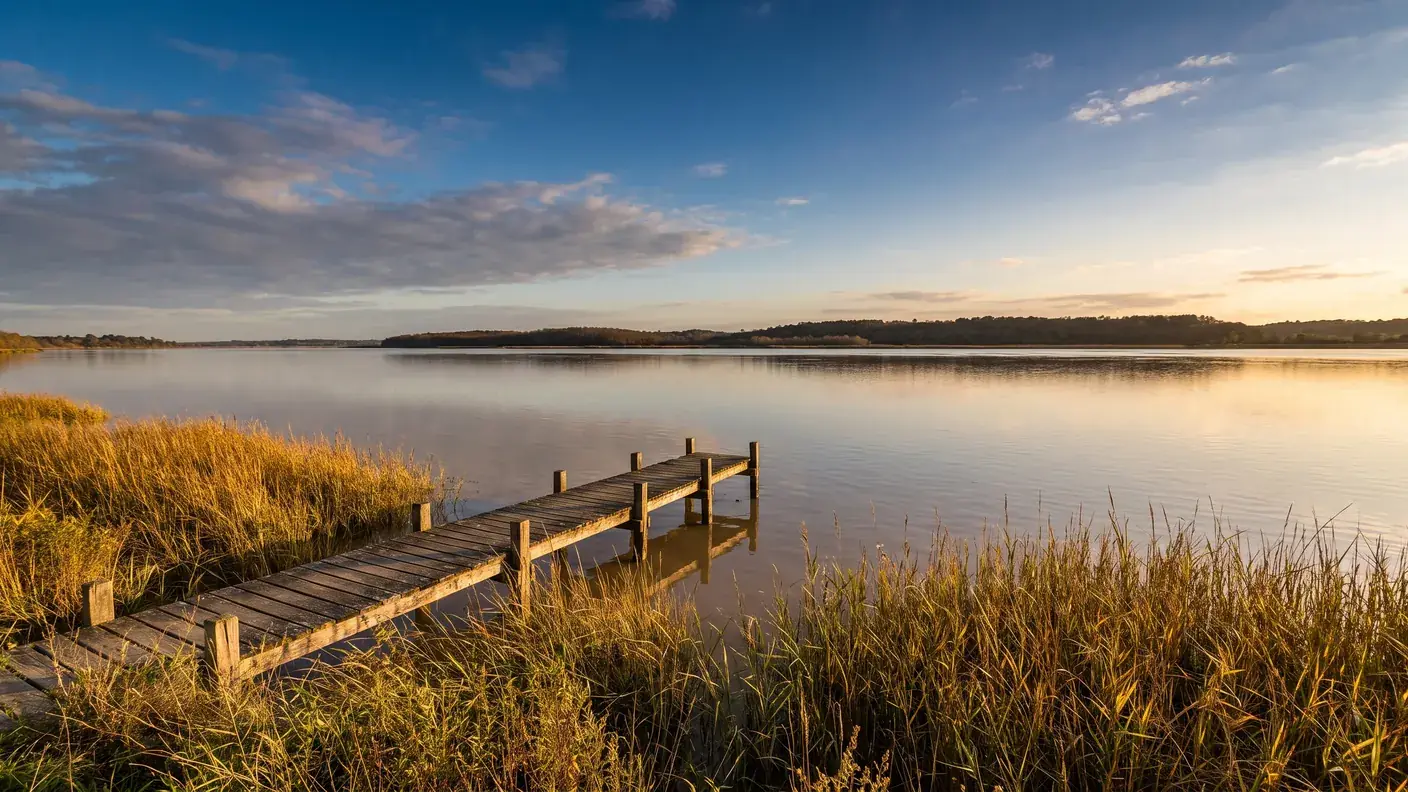
Heading for the Gironde Estuary
Direct trip from Bordeaux (~1h09) to Saint-Thomas-de-Conac and the estuary, with stops along the way as desired—Saint-Fort and Port-Maubert, Jonzac, and a Cognac vineyard. Written fixed-price quote, with no surprises on the meter.