
Pau, Facing the Pyrenees
The former capital of Béarn, overlooking the Pyrenees: the castle where Henry IV was born and his tortoise-shaped cradle, the Boulevard des Pyrénées and its panoramic views, the English heritage, and the Pau Golf Club, founded in 1856—just over two hours from Bordeaux.
Pau at a Glance
Pau is the prefecture of the Pyrénées-Atlantiques and the former capital of Béarn, famous for two marvels: the castle where Henry IV was born and the Boulevard des Pyrénées, which offers one of the most beautiful mountain panoramas in France. Built on a hillside overlooking the Gave de Pau, facing the Pyrenees mountain range, this elegant town of 80,000 residents was, in the 19th century, a health resort that was very popular with British visitors, whose legacy includes villas, a casino, and the Pau Golf Club, founded in 1856. A city of art and history, lush and refined, the birthplace of Good King Henry, and the capital of the long-independent region of Béarn, Pau combines prestige, a relaxed lifestyle, and the immediate proximity of the mountains. Just over two hours from Bordeaux, it offers a royal getaway, blending heritage, panoramic views, and the Béarn way of life.
Here are the key details to know before you go. Distances are calculated door-to-door from Bordeaux; the fare shown is for a chauffeured transfer at a fixed price provided in advance, with no unexpected meter charges regardless of traffic or stops along the way.
| Landmark | Details |
|---|---|
| Department | Pyrénées-Atlantiques (64), Nouvelle-Aquitaine |
| Status · Demonym | Prefecture, former capital of Béarn · the people of Pau |
| Population | 80,441 residents (INSEE 2023) · area ~288,000 |
| Elevation | from 165 m to 245 m · on a hillside facing the Pyrenees |
| Don't miss it | The Castle of Henry IV, Boulevard des Pyrénées, Beaumont Park |
| Distance from Bordeaux | about 207 km · about 2 hours and 15 minutes by car |
| Around | Jurançon, Oloron, Lourdes, the valleys of the Pyrenees |
A quick note to start with, to put Pau in context. The city is not in the Basque Country, but in Béarn, of which it was the capital starting in 1464: it should not be confused with its Béarn neighbors Orthez or Oloron, nor should it be mistaken for a Basque town. It is a true city—the prefecture of the entire department—and not merely a small town. Its most famous son, Henry IV, was born there in 1553: Pau proudly boasts this royal prestige. Finally, the city owes part of its charm to a unique episode: in the 19th century, it became a winter resort for the English, which explains its villas, its golf course, and its very distinctive atmosphere. Every statement in this guide is based on verifiable sources, cited at the end of the article.
Here we’ll go over everything you need to know: Pau’s location in Béarn, facing the Pyrenees; the castle of Henry IV and its “turtle cradle”; the Boulevard des Pyrénées and its panoramic views; the “English Quarter” and its golden age as a winter resort; the history of Béarn and its princes, the Gave River and the parks, the Pau way of life (from the Grand Prix to the stud farm), nearby attractions, the best time of year to visit, and the easiest way to get there from Bordeaux by private chauffeur—all thoroughly researched and verified.
Where is Pau located?
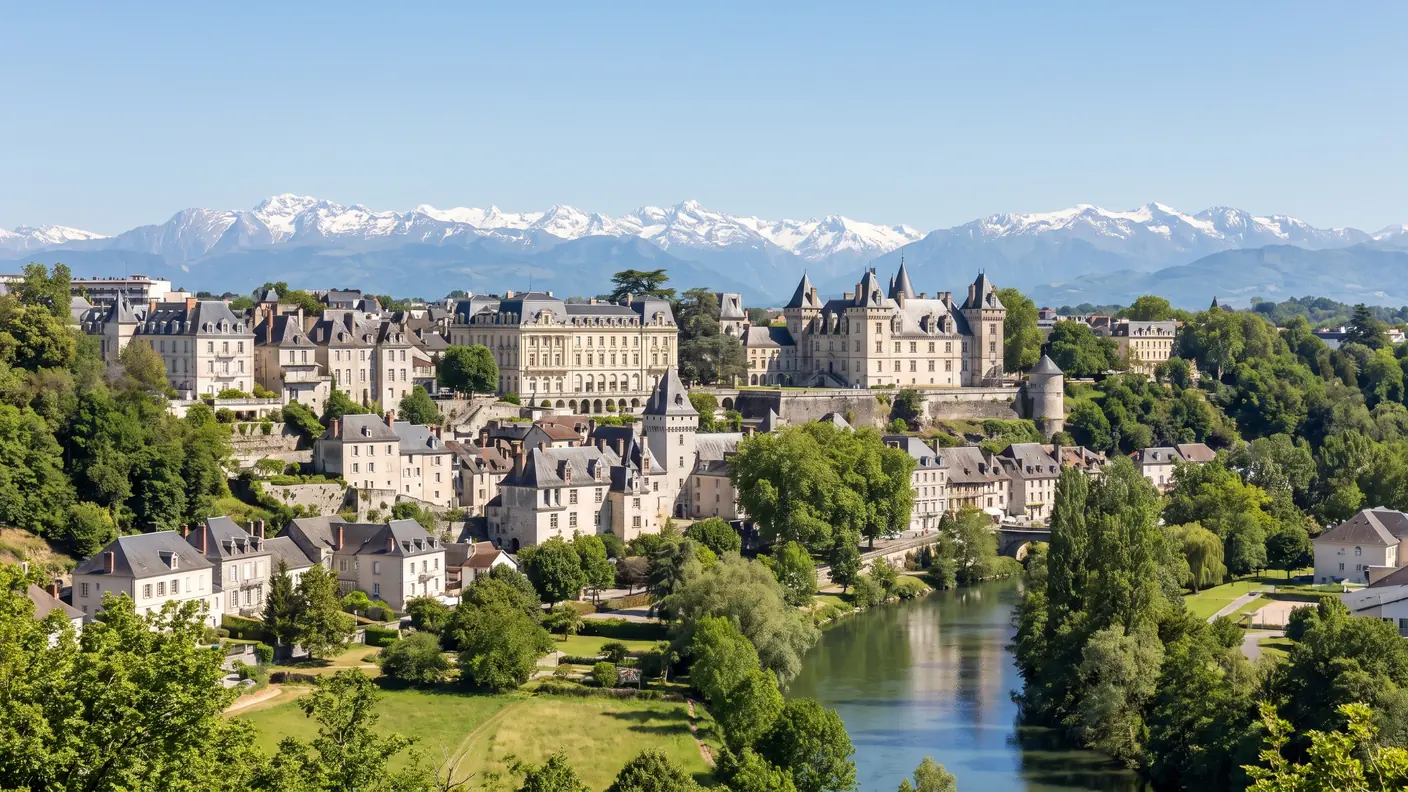
Pau is located in Béarn, in the southern part of the Pyrénées-Atlantiques department (64) in Nouvelle-Aquitaine, on a hillside overlooking the Gave de Pau valley, about 50 kilometers north of the major Pyrenean peaks. As the department’s prefecture, it is the largest city in Béarn and one of the main cities in the Pyrenean foothills, at the heart of a metropolitan area with a population of nearly 288,000. Its location is exceptional: built on a plateau ranging in elevation from 165 to 245 meters, on the edge of a cliff, it offers one of the most expansive panoramic views of the Pyrenees mountain range from its terraces. The city lies at the junction of the lush, fertile Béarn plain and the nearby mountains, to which it provides access. It is this unique position—at the interface between city and nature, between the plain and the peaks—that defines the charm and identity of Pau.
On a hillside, facing the Pyrenees
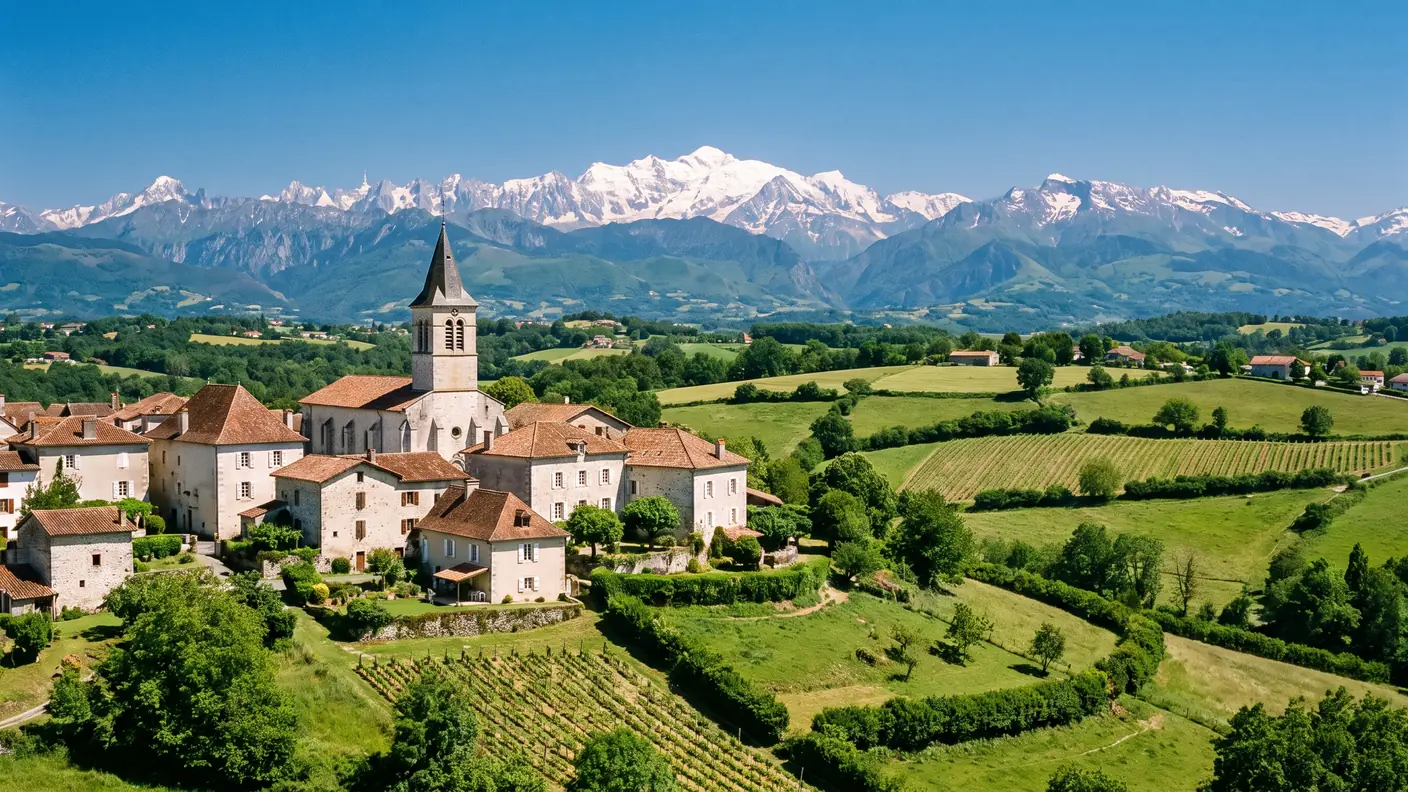
The most striking feature of Pau is its view. The city is built on the edge of a plateau overlooking the valley of the Gave de Pau, and from its famous Boulevard des Pyrénées, the eye takes in the entire range of the Pyrenees, from the Basque Rhune to the Pic du Midi de Bigorre, with the majestic Pic du Midi d'Ossau in the background. This panorama made Pau famous well beyond Béarn, drawing British travellers throughout the 19th century and continuing to impress visitors today. Set against the hillsides and facing the mountains, the city enjoys a mild climate and a unique light, shaped by the oceanic influence of the Atlantic and its proximity to the mountain peaks. This rare combination—an elegant city with a snow-capped mountain range as its permanent backdrop—is Pau’s greatest asset and the primary reason to visit.
A city with a population of 80,000
With 80,441 residents in the 2023 census — the Palois —, Pau is the most populous city in Béarn and the second most populous in the Pyrénées-Atlantiques, behind the Basque metropolitan area (INSEE, municipal data file, accessed July 24, 2026). As the prefecture, it is the major administrative, academic, economic, and cultural center of the entire southern part of the department and exerts its influence over a wide area. It is a vibrant and well-rounded city, home to a university, industries (including aerospace and energy), an airport, and a rich cultural scene, but it is also renowned for its quality of life : Pau boasts more than 750 hectares of green spaces and cultivates an image as an elegant, lush city—a “city in the countryside” at the foot of the mountains. This combination of vitality, heritage, and a relaxed lifestyle, set against an exceptional natural backdrop, makes Pau a city unlike any other, where the prestige of its history blends with the charm of a refined way of life, inherited in part from its past as a resort town.
The Castle of Henry IV
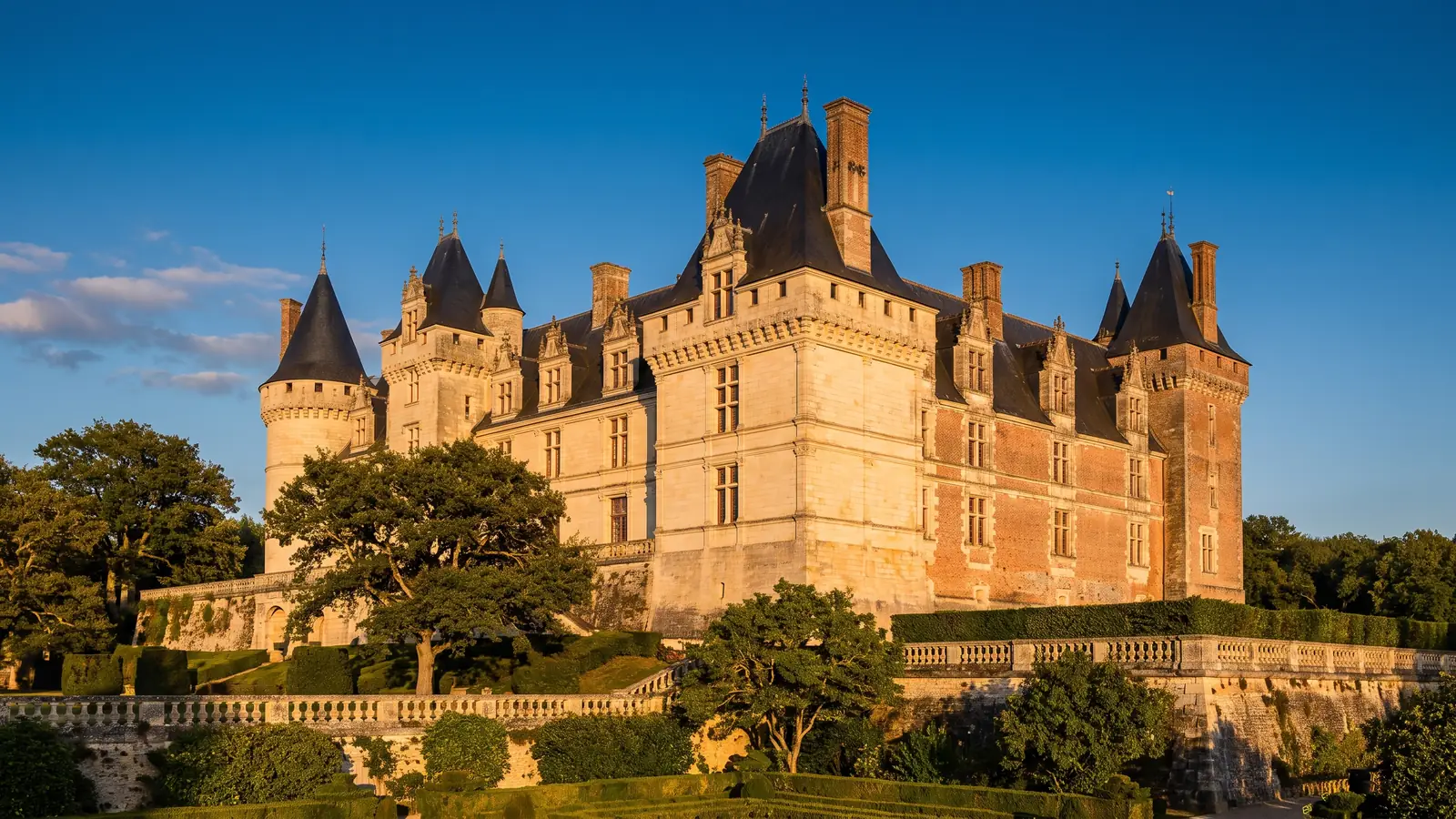
The Château de Pau is, quite literally, the cradle of Henry IV: it was here, in 1553, that the future king of France was born, and his curious cradle—a turtle shell—is still on display. Official source: National Museum of the Château de Pau (accessed July 24, 2026). A château that spans the entire history of Béarn and France.
Good King Henry's turtle-shell cradle
The Pau Castle owes its fame to a birth: that of Henry IV, the future “Good King Henry”, who was born in a room on the first floor of the south wing on the night of December 12–13, 1553. He was born a prince of Navarre in the castle of his maternal grandfather, Henri d'Albret, at a time when Pau was the capital of a sovereign Béarn. The main attraction of the place is its cradle : not a conventional cradle, but a large turtle shell, a gift from his grandfather and said to be the cradle in which the infant slept—it is still on display in the castle. A fascinating and verified detail: during the Reign of Terror in 1793, a replica of this cradle was burned with great fanfare, while the real turtle shell was hidden away and saved. This turtle cradle, a symbol of the extraordinary destiny of a child from Béarn who became King of France, is one of the most unusual and moving objects in the nation’s cultural heritage, and the undisputed highlight of the tour.
From Gaston Fébus to the National Museum
The castle of Pau, all by itself, tells the entire history of Béarn. Originally, it was a mighty medieval fortress, with work led by Gaston Fébus in the 14th century, including the fortifications and the large brick keep. In the 16th century, it became an elegant Renaissance residence: Henri d'Albret and his wife Marguerite of Angoulême (sister of Francis I) had it lavishly decorated with their initials as early as 1529, and their daughter Jeanne d'Albret, mother of Henry IV, continued to embellish it. Long neglected, the castle was restored in the 19th century under Louis-Philippe and Napoleon III, who enriched it with a remarkable collection of Gobelins tapestries. Designated a historic monument, it has been open to the public as a national museum since 1927. In a single visit, you can explore three different eras—the Fébus fortress, the Albret Renaissance palace, and the 19th-century royal museum, in one of the most beautiful castles in the Southwest.
| Pau Castle | Details |
|---|---|
| The Birth of Henry IV | the night of December 12–13, 1553, south wing |
| The Cradle | a turtle shell, still on display |
| Gaston Fébus | brick fortress and keep, 14th century |
| Renaissance Decor | Henri d'Albret & Marguerite d'Angoulême, from 1529 onward |
| National Museum | Open to the public since 1927 · Listed as a historic monument |
Boulevard des Pyrénées
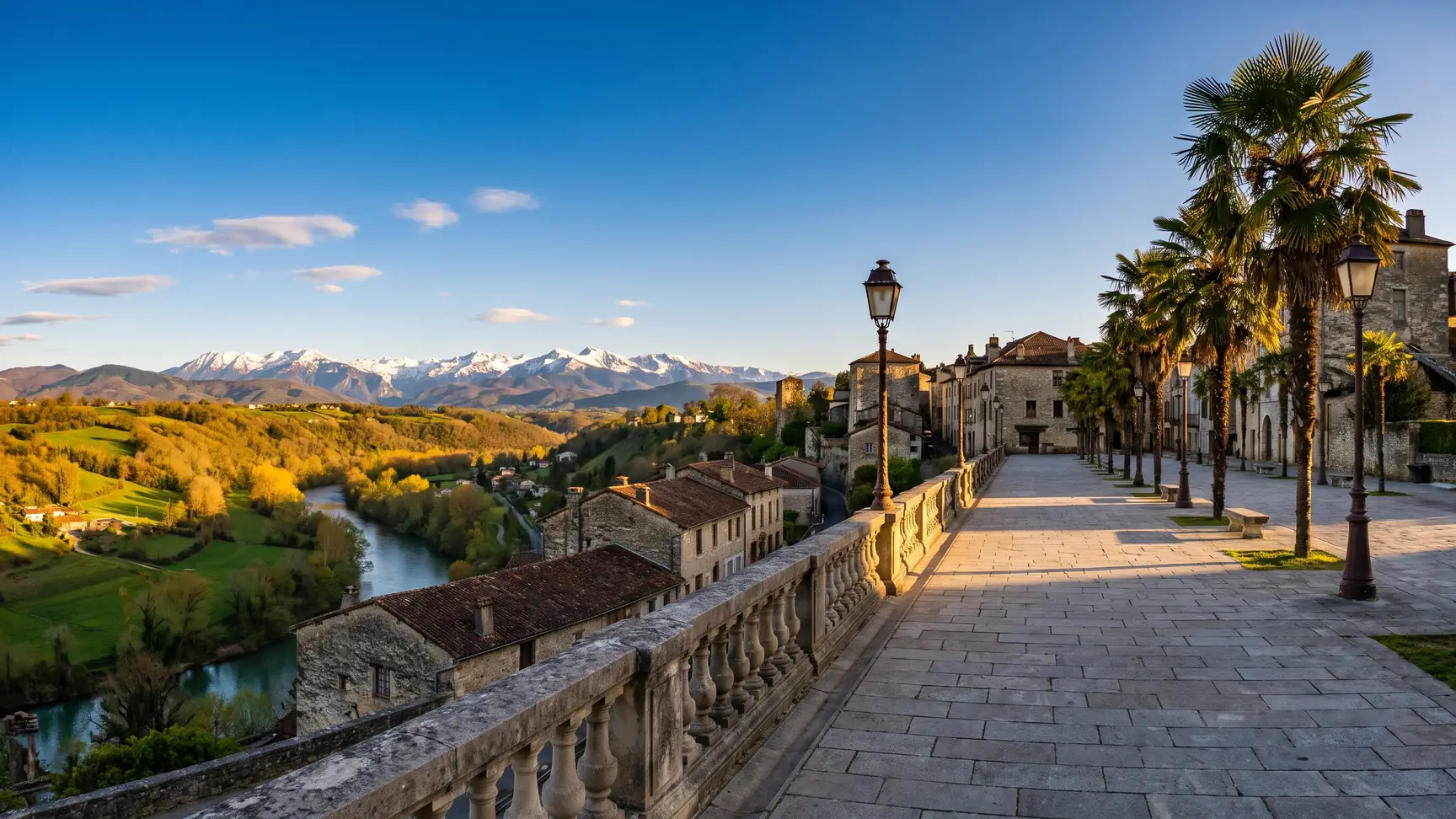
The Boulevard des Pyrénées is Pau’s iconic promenade: a balcony-like terrace offering a sweeping view of the entire Pyrenees mountain range, which Lamartine considered “the most beautiful view on earth.” Official source: Pau Pyrénées Tourisme (accessed July 24, 2026). The premier destination for panoramic views of Pau.
"The most beautiful view on earth"
Nearly one kilometer long—980 meters exactly—, the Boulevard des Pyrénées runs along the edge of the plateau, from the castle to the Palais Beaumont, overlooking the Gave and the plain. From this terrace, the view of the Pyrenees mountain range is striking: on a clear day, an orientation table and fifty-four plaques identify each of the peaks silhouetted against the horizon. It was this sight that inspired Lamartine to write: “Pau is the most beautiful view of the land, just as Naples is the most beautiful view of the sea.” Contrary to popular belief, the boulevard does not date from the Second Empire: the idea was first proposed by Napoleon I himself, in 1808, but it was not carried out until much later, between 1893 and 1899, under the Third Republic; engineer Adolphe Alphand, famous for the parks of Paris, had drawn up the plans shortly before his death. An elegant promenade lined with palm trees, the boulevard is the heart and pride of Pau—best enjoyed at sunset, when the treetops are ablaze with color.
The funicular: a balcony in three minutes
To reach this famous boulevard from the lower town and the train station, Pau features a charming attraction: a small funicular, which began operating on February 15, 1908. Just 103 meters long with a vertical rise of 26 meters, on a slope of about 30%, it connects the train station to Place Royale—at the level of Boulevard des Pyrénées—in three minutes. Free of charge since 1978 and designated a historic monument in 2023, it is used by millions of travelers and is part of Pau’s local lore: it’s the most elegant way to reach the panoramic view, without having to climb the hill. For visitors arriving by train or being dropped off at the foot of the city, this little red funicular offers the perfect introduction—a picturesque shortcut to the spectacular mountain views. A detail that perfectly captures the character of Pau: a city that has turned its view into a way of life, and makes it accessible to everyone, effortlessly, in just a few moments.
Pau, the English city
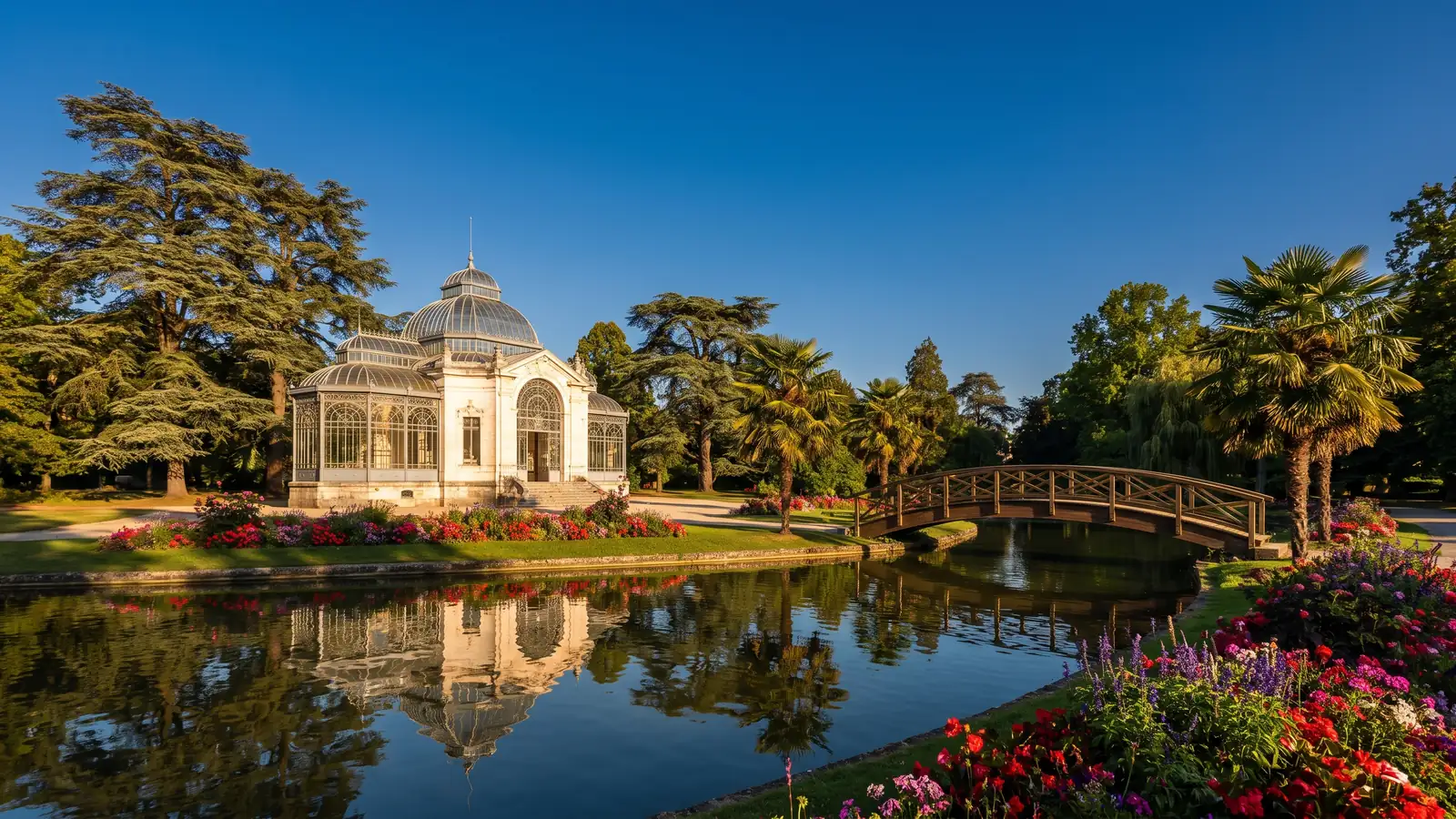
In the 19th century, Pau became one of the major winter resorts for the British aristocracy, who were drawn to its climate; the town still features villas, a casino, and the Pau Golf Club, founded in 1856. This elegant golden age continues to leave its mark on the town.
A climate praised by a Scottish doctor
Pau’s British chapter begins with a book. In 1842, a Scottish doctor living in the town, Alexander Taylor, published a work extolling the healing properties of Pau’s climate for the sick, particularly those suffering from tuberculosis. The book was a huge success: people from all over Europe—and especially from Great Britain—began coming to spend the winter in Pau, which was reputed to be milder and more sheltered than competing resorts. By the 1880s, the city had as many as nearly 6,000 winter residents—about one-fifth of its population—and a thriving British community built villas, an Anglican church, and luxury hotels there. This wealthy and leisure-seeking clientele brought their pastimes and lifestyle with them: they gave Pau a distinctive elegance, a resort-style urban layout, and a cosmopolitan atmosphere whose influence the city still bears. It is a significant part of its identity, born solely from the renown of its air and light.
Golf, equestrian activities, and the casino
From this British golden age, Pau has preserved some unique institutions. Founded in 1856, the Pau Golf Club is one of the institutions inherited from this British presence. The British presence also left behind a tradition of equestrian recreation. The city also established a casino, housed in the sumptuous Palais Beaumont, in the heart of Beaumont Park—a lush setting of greenery and water acquired by the city in 1878. Golf, equestrian activities, a casino, horse racing, and villas: this English heritage makes Pau a city unlike any other in the Southwest, where the refinement of a Belle Époque winter resort blends with the character of the Béarn region. It is one of the city’s most original and charming features.
| The English Heritage of Pau | Details |
|---|---|
| Alexander Taylor | Scottish physician · book on Pau's climate (1842) |
| Pau Golf Club | founded in 1856 · a legacy of the British presence |
| Pau Hunt | English-style hound hunt · founded in 1840 |
| British colony | up to ~6,000 winter residents in the 1880s |
| Beaumont Palace | Belle Époque Casino, in Beaumont Park (1878) |
Pau, capital of Béarn
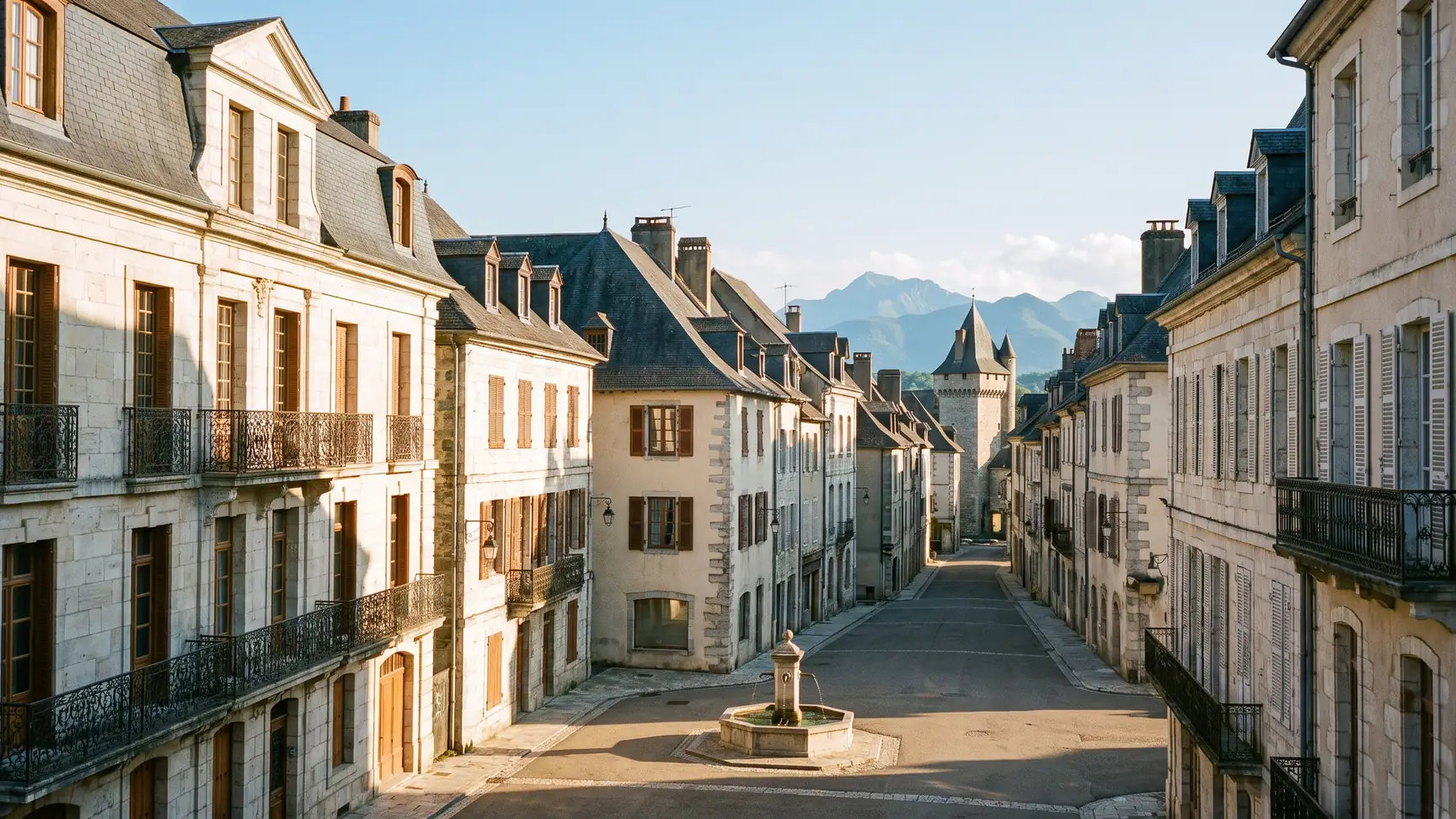
As early as 1464, Pau was the capital of Béarn, a principality that long enjoyed sovereignty, and even that of the kings of Navarre: from Gaston Fébus to Henry IV, it was the setting for a rich history. A princely past that permeates the entire city.
From Gaston Fébus to the Albret family
Béarn, from the Middle Ages to the Revolution, it was a principality in its own right, remaining virtually independent for a long time. Its most flamboyant figure is Gaston Fébus (Gaston III of Foix-Béarn, 1331–1391), a flamboyant and feared prince, author of a famous Hunting Log, who proclaimed in 1347 that he held Béarn “from God and from no man on earth.” A century later, in 1464, the castle of Pau became the primary residence of the Viscounts of Béarn, making the town the capital of the region, after Morlaàs and Orthez. In the 16th century, the glittering court of Marguerite of Angoulême — sister of Francis I, author of The Heptameron — and then her daughter Jeanne d'Albret, Queen of Navarre, who made Protestantism the official religion of Béarn, turned Pau into a center of the Renaissance and the Reformation. It was in this sovereign and cultured Béarn that little Henri, destined for greatness, was born in 1553.
Capital of Navarre, then annexed by France
Pau was not only the capital of Béarn; it also became, starting in 1512, the capital of the Kings of Navarre, when the southern part of their kingdom (Upper Navarre) was conquered by Spain, leaving them with only Lower Navarre and Béarn north of the Pyrenees. Pau was then endowed with a sovereign council and a chamber of accounts: a veritable mini-capital of a state. Its child Henry IV, who became King of Navarre in 1572 and later King of France in 1589, he united the two crowns under his rule. But Béarn remained legally separate until the Edict of October 1620, by which Louis XIII finally annexed Béarn and Lower Navarre to the French Crown and reestablished the Catholic faith there. Pau then became the seat of the Parliament of Navarre, whose former palace now houses the departmental council. From this long history as a sovereign principality, Pau retains a strong sense of pride and identity—that of a capital city which was, for a time, the capital of a small state.
The mountain stream, the hillsides, and the parks
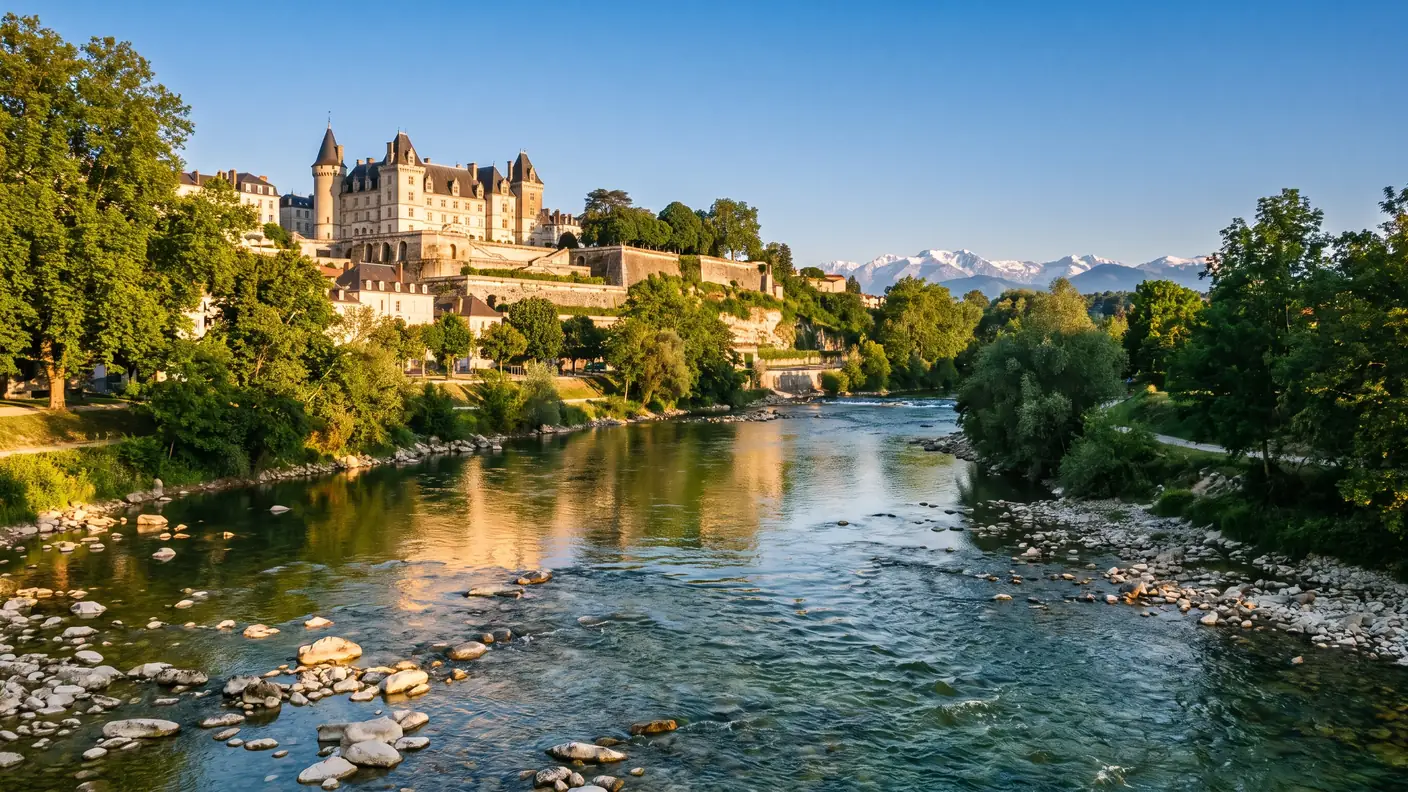
Pau is a green and sunny city, nestled between the Gave River flowing at its feet, the Jurançon hillsides, and its vast urban parks. A bountiful natural setting, at the gateway to the Pyrenees.
The Jurançon River and its Hillsides
At the foot of its hillside, Pau is bordered by the Gave de Pau, the beautiful river flowing down from the Pyrenees that winds its way—green and lively—between wooded banks. It was along this river that the English established their golf course, and today its banks offer walking paths and natural spaces right in the heart of the city. On the other side of the valley lie the Jurançon hillsides, this renowned foothill vineyard that produces great white wines, both dry and sweet—it is Jurançon, it is said, that was rubbed on the lips of the newborn Henry IV, along with a clove of garlic, to give him character. Just a few minutes from downtown, you move from the city to the vineyards and the Béarn countryside, in a landscape of hills and mountain streams that already hints at the mountains ahead. This intertwining of city and nature, of the mineral and the vegetal, is one of the great achievements of Pau, a city of water, vineyards, and greenery on the doorstep of the Pyrenees.
A garden city
Pau lives up to its reputation as a green and flower-filled city: it boasts more than 750 hectares of green spaces, a considerable figure that makes it one of the most tree-lined cities in France. Beaumont Park, a landscaped gem from the Belle Époque, features lawns, cedars, and exotic tree species brought back by English winter visitors surrounding its lake and the Palais Beaumont; the castle grounds, the Basse Plante, and numerous gardens dot the city with greenery. This abundance of vegetation, a legacy of the English taste for gardens and the mild climate, gives Pau the atmosphere of a “city in the countryside”—peaceful and refreshing, where nature is never far away. Strolling through its parks, along the Gave River, or on the hillsides—with the Pyrenees always on the horizon—is one of the simple, enduring pleasures of a stay in Pau, no matter the season.
The Grand Prix, the Stud Farm, and the Art of Living
Pau embodies a refined way of life, blending its famous Grand Prix race, its national stud farm, its Béarn cuisine, and the elegance inherited from its history as a resort town. It is a city where life is good, nestled at the foot of the mountains.
The Pau Grand Prix: The City Race
Every spring, Pau is transformed into a race track: the Pau Grand Prix, whose street circuit was laid out in the city center in 1933 and modeled after Monaco, has engines roaring between Beaumont Park and the boulevard. This street circuit, which has remained virtually unchanged since 1935, is the oldest in France still in use, and the Grand Prix—which has featured some of the greatest drivers—is an integral part of the city’s sporting spirit. Pau, whose name has been associated with auto racing since 1901, thus fosters a unique passion for motorsports that brings the city to life each year in a festive atmosphere. It is one of the iconic events on Pau’s calendar, where the city’s heritage comes together with sports against the elegant backdrop of the historic center. A spectacle and a tradition that add to the very special character of Pau.
Horse breeding, fine dining, and the charm of the Béarn region
The Pau way of life is also reflected in its sophistication and culinary delights. Nearby, the Gelos National Stud Farm, founded by Napoleon I in 1808, continues a fine equestrian tradition. At the table, Pau offers the best of the Béarnaise cuisine: the garbure, a thick soup made with cabbage and confit; poule au pot, the dish that Henry IV wanted every family to have on Sundays; sheep's-milk cheese Ossau-Iraty ; not to mention the wines from the Jurançon and Béarn, as well as the region’s famous chocolates. The markets, renovated market halls, and local restaurants invite you to savor this hearty cuisine. An elegant and gourmet city, sporty and cultured, lush and sunny, Pau offers a well-rounded lifestyle, where the prestige of its history, the beauty of its setting, and the warm hospitality of the Béarn region come together to delight visitors. It is this quality of life, as much as its monuments, that gives the capital of Béarn its enduring charm.
| The Pau Way of Life | Details |
|---|---|
| Pau Grand Prix | An urban circuit established in 1933, the oldest active one in France |
| Gelos National Stud Farm | founded by Napoleon I in 1808, equestrian tradition |
| Gastronomy | garbure, poule au pot, Ossau-Iraty, chocolates |
| Wines | Jurançon (dry & sweet), Béarn |
| Green City | more than 750 hectares of green spaces |
What's there to see around Pau?
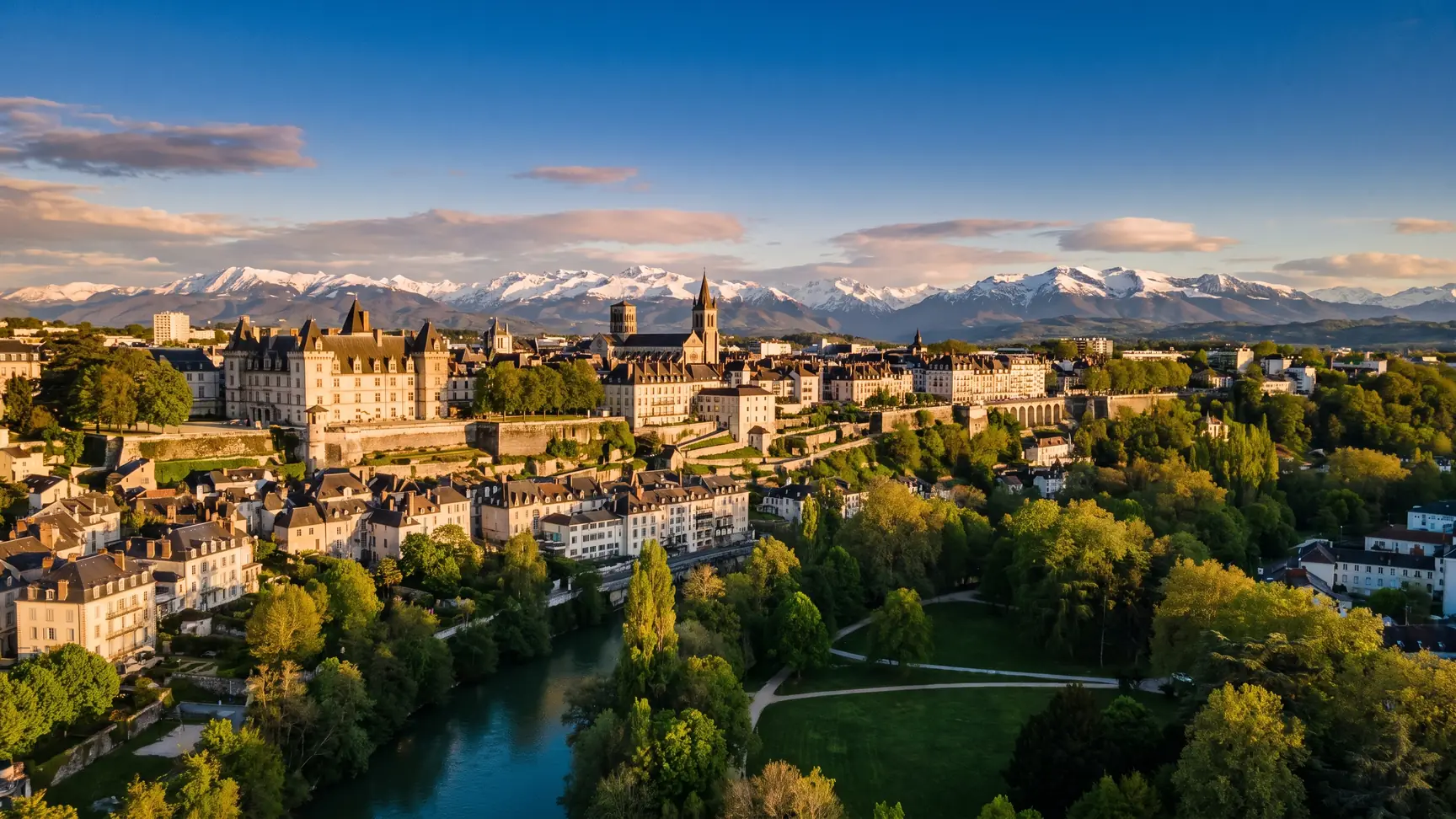
Pau is the perfect base for exploring Béarn and the Pyrenees: Jurançon, Oloron, Lourdes, and the major mountain valleys are all within easy reach. A rare blend of vineyards, cultural heritage, and mountain peaks.
Jurançon, Oloron, and the Valleys
Just outside Pau lies the Jurançon wine region: a beautiful wine route winds its way from estate to estate along the hillsides, through Jurançon, Gan, Monein, and Lasseube, inviting you to discover this great white wine from Béarn. To the southwest, Oloron-Sainte-Marie—just half an hour away—opens the door to the great Pyrenean valleys (Aspe, Ossau, Barétous) and boasts two Romanesque churches, including the UNESCO-listed cathedral. To the south, the Ossau Valley and the majestic Pic du Midi d’Ossau (2,884 m), along with the lakes, mountain passes, and the Pyrenees National Park, are all within an hour’s reach. To the east, Lourdes and its sanctuary—one of the world’s major pilgrimage sites—are just about 40 minutes away. With a driver, you can easily plan a day trip from Pau that combines vineyards, historic sites, and mountains, without having to worry about driving on the winding hillside or valley roads.
The Basque Country, to the west
To the west, the inland Basque Country (Mauléon, the capital of Soule, Saint-Jean-Pied-de-Port and its citadel) and the coast (Bayonne, Biarritz, Saint-Jean-de-Luz) are about an hour away, making Pau an excellent starting point for exploring the entire southern part of the Southwest. From Pau, you can plan a variety of day trips: the Béarn mountains one day, the vineyards the next, and then the Basque Country or Lourdes. This central location, at the crossroads of Béarn, the Basque Country, and the Pyrenees, is one of the city’s greatest assets for anyone wishing to explore the region. With a driver to take you between these destinations—without worrying about driving or parking—you can easily turn a stay in Pau into a wonderful tour through the entire southern part of the Pyrénées-Atlantiques, at your own pace, exploring heritage, nature, and gastronomy, with the mountain range always on the horizon.
| About Pau | Distance | Interest |
|---|---|---|
| Jurançon / Lasseube | ~5–19 km | Jurançon vineyards, hillsides, wine tasting |
| Oloron-Sainte-Marie | ~35 km | UNESCO Cathedral, beret, Gateway to the Valleys |
| Ossau Valley | ~50 km | Pic du Midi d'Ossau, mountains, lakes |
| Lourdes | ~45 km | Sanctuary, Hautes-Pyrénées |
| Saint-Jean-Pied-de-Port | ~55 km | Basque Country, the Camino de Santiago |
When is the best time to visit Pau?
Pau is worth visiting any time of year, but spring and fall—when the light is soft and the mountain peaks are still or already covered in snow—offer the most beautiful panoramic views from the Boulevard des Pyrénées. Spring adorns the city and its parks with flowers and greenery, while the Pyrenees retain their white mantle: this is undoubtedly the most beautiful season for the famous view, and for the Pau Grand Prix, which brings the city to life with the roar of its engines. The mild days are perfect for strolling along the boulevard, through the gardens, and along the Gave River, as well as for the first excursions into the Jurançon region and the valleys that are turning green again. It’s the perfect time to discover Pau—with its heritage, panoramic views, and natural beauty—before the summer crowds arrive and while the mountains are bathed in particularly pure light.
Summer, Fall, and Winter
The summer is pleasant in Pau, where the relative coolness of the foothills and the shade of the large parks temper the heat: this is the ideal season to combine city life with mountain excursions to the nearby Ossau and Aspe valleys, enjoying the coolness of the lakes and summer pastures. In autumn, the harvest season for Jurançon, adorns the hillsides and parks with stunning colors, amid the mildness of a still-mild climate, and offers magnificent panoramic views of the first snows. Winter, which is quieter, reveals the Pyrenees in all their snow-covered splendor as a backdrop to the city: it’s the perfect time to enjoy the sights along the boulevard, explore the city’s heritage sites without the crowds, and head to the nearby ski resorts. No matter the season, the mild climate, the beautiful surroundings, and the rich cultural heritage make Pau a truly royal getaway, just over two hours from Bordeaux.
How to get to Pau from Bordeaux
Pau is located about 207 km from Bordeaux, which is about a 2-hour and 15-minute drive via the A65 highway—the direct Bordeaux-Pau highway that crosses the Landes and Béarn regions. Pau is also accessible by train from Bordeaux (a direct line, with a station at the foot of the city, connected to the center by the famous funicular) and via its Pau-Pyrénées Airport. But to explore the city and, above all, to venture out into Béarn, Jurançon, the valleys, or the Basque Country, trains and planes quickly reveal their limitations due to a lack of local service to villages and mountain destinations. For a visit from Bordeaux to explore this capital of Béarn and its surroundings, a chauffeur-driven car is the most practical and flexible option, offering door-to-door service.
Train or chauffeur service?
To get to Pau—and especially to explore Béarn and the Pyrenees—a chauffeur service from Bordeaux offers genuine flexibility: a direct, door-to-door trip from Bordeaux, with no transfers or waiting, and the option to make stops along the way—in Jurançon, Oloron, or a valley. This is especially valuable for a day trip or weekend getaway combining the city, vineyards, mountains, or a trip to Lourdes, where you’ll want to be able to get around hassle-free. This route is offered at a fixed price provided in advance: allow about 411 € € for the one-way trip, in a Mercedes sedan or a van seating up to 8 passengers, with a professional chauffeur. The price, set at the time of booking, remains fixed: it does not depend on traffic, potential traffic jams, or the number of stops requested along the way, unlike a taxi meter.
This is the perfect option for a cultural and culinary getaway, a family trip, a skiing or hiking vacation in the valleys, an event, or a simple transfer to or from Bordeaux-Mérignac Airport, Pau-Pyrénées, or Biarritz. You can travel alone, as a couple, or in a small group of up to 8 people, with luggage or equipment, and request stops in Jurançon, Oloron, or one of the valleys. In practice, booking is quick and easy: simply provide the departure address in Bordeaux and the destination at Pau, along with the date, desired time, and number of passengers, and you’ll receive a fixed-price quote in writing. On the day of the trip, the driver picks up the passengers at the agreed-upon address and takes them directly to Pau, without any detours—a real advantage for exploring Béarn with peace of mind.
| Route | Distance | Duration | Landmark |
|---|---|---|---|
| Bordeaux → Pau | ~207 km | ~2 hours and 15 minutes | Starting at ~356 € for a private chauffeur service |
| Pau → Oloron-Sainte-Marie | ~35 km | ~40 min | UNESCO cathedral, beret |
| Pau → Lourdes | ~45 km | ~50 min | shrine, Hautes-Pyrénées |
| Pau → Ossau Valley | ~50 km | ~1 hour | Pic du Midi d'Ossau, mountain |
Whether you come for the Château d’Henri IV and its “turtle cradle,” for the panoramic view from the Boulevard des Pyrénées, for the city’s English heritage, or for the stunning vistas of the vineyards and mountains, Pau is a treat for lovers of heritage, elegance, and sweeping landscapes—a royal city perched on the “balcony” of the Pyrenees, opening the door to all of Béarn.
Whether it’s for a cultural getaway, a day in the mountains, or an event, a chauffeur service provides a comfortable, punctual journey—book a driver from Bordeaux → Pau or explore all our destinations.
Frequently Asked Questions
Where is Pau located?
Pau is the prefecture of the Pyrénées-Atlantiques (64) in Nouvelle-Aquitaine and the former capital of Béarn. It is built on a hillside overlooking the Gave de Pau, facing the Pyrenees mountain range, about 50 kilometers north of the major peaks. It is the largest city in Béarn, with 80,441 residents (INSEE 2023)—known as the Palois—and lies at the heart of a catchment area of approximately 288,000 people. From Bordeaux, it’s about 207 km and a 2-hour, 15-minute drive via the A65 highway. Pau is not in the Basque Country, but rather in Béarn, of which it was the capital starting in 1464.
What is the distance between Bordeaux and Pau?
Approximately 207 km by road, or about a 2-hour, 15-minute drive, via the A65 highway, which connects Bordeaux directly to Pau through the Landes and Béarn regions. By private driver from Bordeaux, the fare is fixed and provided in advance, starting at approximately €411 one way (sedan or van, door-to-door price). Pau is also accessible by train from Bordeaux and via its Pau-Pyrénées Airport, but a chauffeur service is more convenient for exploring Béarn, Jurançon, the valleys, or the Basque Country.
Why visit Pau Castle?
Because it is, quite literally, the birthplace of Henry IV: the future king of France was born there on the night of December 12–13, 1553, and his curious cradle—a turtle shell—is still on display there. The castle tells the entire history of Béarn: a medieval fortress built by Gaston Fébus in the 14th century, it became a sumptuous Renaissance residence under Henri d’Albret and Marguerite d’Angoulême, then was restored in the 19th century and enriched with a beautiful collection of Gobelins tapestries. Designated a historic monument, it has been open to the public as a national museum since 1927. It is the must-see landmark of Pau.
What is the Boulevard des Pyrénées?
This is Pau’s iconic promenade: a 980-meter-long balcony-style terrace that runs from the castle to the Palais Beaumont, offering a sweeping view of the entire Pyrenees mountain range. An orientation map helps identify the peaks on clear days. It was this view that inspired Lamartine to say: “Pau offers the most beautiful view of the land, just as Naples offers the most beautiful view of the sea.” Contrary to popular belief, the boulevard does not date back to the Second Empire: the idea was first proposed by Napoleon I in 1808, but it was not built until between 1893 and 1899. It is the premier spot for enjoying the panoramic view of Pau.
Why is Pau said to be an English city?
Because in the 19th century, Pau became one of the major winter resorts for the British aristocracy. It all began in 1842, when the Scottish physician Alexander Taylor published a book extolling the healing properties of Pau’s climate. By the 1880s, the city was home to nearly 6,000 winter residents—mostly British—who had villas, hotels, and an Anglican church built there. Founded in 1856, the Pau Golf Club is one of the institutions inherited from this British presence. The British presence also left behind a tradition of equestrian recreation. Pau retains a unique elegance and atmosphere from this golden age.
Was Pau really the capital of a state?
Yes. Beginning in 1464, Pau was the capital of Béarn, a principality that had long been sovereign, which Gaston Fébus claimed to hold “from God and from no man in the world.” Starting in 1512, when Spain conquered Upper Navarre, Pau also became the capital of the kings of Navarre for their lands remaining north of the Pyrenees, endowed with a sovereign council and a chamber of accounts. His son, Henry IV, united the crowns of Navarre and France. Béarn was not annexed to France until 1620, by an edict of Louis XIII, at which time Pau became the seat of the Parliament of Navarre. The city retains a strong sense of pride and identity from this past.
What is the Pau funicular?
It is a small funicular, which began operating on February 15, 1908, connecting the lower town and the train station to Boulevard des Pyrénées, at the top of the town. Just 103 meters long with a vertical rise of 26 meters, on a slope of about 30%, it climbs in three minutes to the Place Royale and the famous panoramic view. Free of charge since 1978 and designated a historic monument in 2023, it’s part of Pau’s local lore: it’s the most charming way to reach the “balcony of the Pyrenees,” without having to walk uphill. For visitors arriving at the lower part of the city, it offers a picturesque introduction to the magnificent spectacle of the mountains.
What's there to see around Pau?
There are many in Béarn and the Pyrenees. The Jurançon vineyards, on the nearby hillsides (Jurançon, Gan, Monein, Lasseube), are part of the wine route. Oloron-Sainte-Marie, half an hour away, with its UNESCO-listed cathedral and as the gateway to the great Pyrenean valleys. The Ossau Valley and the Pic du Midi d’Ossau (2,884 m), an hour away, for the mountains and lakes. Lourdes and its sanctuary, about 40 minutes away. And, a little further away, the inland Basque Country and the coast. Pau, on the “balcony of the Pyrenees,” is an ideal base for exploring the vineyards, historic sites, and mountain peaks.
Is Pau a good starting point for the Pyrenees?
Yes, it's one of the best. From Pau, it takes about an hour to reach the major valleys of Béarn—Ossau, Aspe—including the Pic du Midi d’Ossau, the lakes, the mountain passes leading to Spain, the ski resorts, and the Pyrenees National Park. Oloron-Sainte-Marie, the gateway to the valleys, is half an hour away; Lourdes and the Hautes-Pyrénées are three-quarters of an hour away. The town thus combines the comfort and heritage of an elegant prefecture with a panoramic view of the entire mountain range and immediate proximity to the high mountains. Hiking, skiing, thermal spas, high-altitude lakes: from Pau, everything is within easy reach, making it an ideal base for exploring the Béarn Pyrenees.
Don't confuse Pau with the Basque Country?
In fact, Pau is sometimes mistakenly thought to be Basque: this is incorrect. Pau is located in Béarn, the other major province of the Pyrénées-Atlantiques, which is distinct from the Basque Country. Béarn has its own history (that of a sovereign principality, with its capital in Pau), its own language (Béarnais, a variety of Gascon/Occitan), and its own traditions, which differ from those of the neighboring Basque Country. The Pyrénées-Atlantiques department encompasses both: the Basque Country to the west (Bayonne, Biarritz, Saint-Jean-Pied-de-Port) and Béarn to the east (Pau, Oloron, Orthez). Pau is its historic capital and prefecture. This distinction is important for understanding the identity of the city and its region.
Can I book a private driver from Bordeaux to Pau?
Yes. We offer the Bordeaux → Pau route (approximately 207 km, about 2 hours and 15 minutes via the A65) at a fixed price, starting at approximately €411 one-way, in a Mercedes sedan or a van seating up to 8 passengers, with a professional chauffeur. The trip is direct, door-to-door, with flexible stops—ideal for a getaway to the Béarn region (the city, Jurançon, Oloron, the valleys) or an excursion to Lourdes, where you’ll want to be able to get around and enjoy the local cuisine without any worries. You can bring luggage and equipment. The fixed-price quote is provided and confirmed in writing before departure, with no unexpected meter charges.
Further Reading
- The Gateway to the Valleys: see the Oloron-Sainte-Marie Guide (the mountain streams, the UNESCO-listed cathedral, the beret), 35 km away
- The neighboring vineyard: see the Lasseube Guide (Jurançon, the pebble houses, the foothills)
- The Basque Country and Santiago de Compostela: see the Guide to Saint-Jean-Pied-de-Port (Lower Navarre, the Routes of Santiago)
- Plan your trip: details on the transfer from Bordeaux to Pau and a fixed price, or explore all our destinations
Sources and References
- Wikipedia — Pau — geography, demographics, English city, lifestyle
- Wikipedia — Pau Castle — Birthplace of Henry IV, Turtle Cradle, National Museum 1927
- Wikipedia — Boulevard des Pyrénées — 980 m, 1893–1899, orientation table, Lamartine
- Wikipedia — History of Pau / Béarn — capital of Béarn in 1464, kings of Navarre in 1512, annexed in 1620
- Wikipedia — Pau Golf Club — Founded in 1856 and the club's history
- INSEE — Municipality of Pau (64445) — Population in 2023: 80,441 residents
Article updated in July 2026.
Our Latest Guides
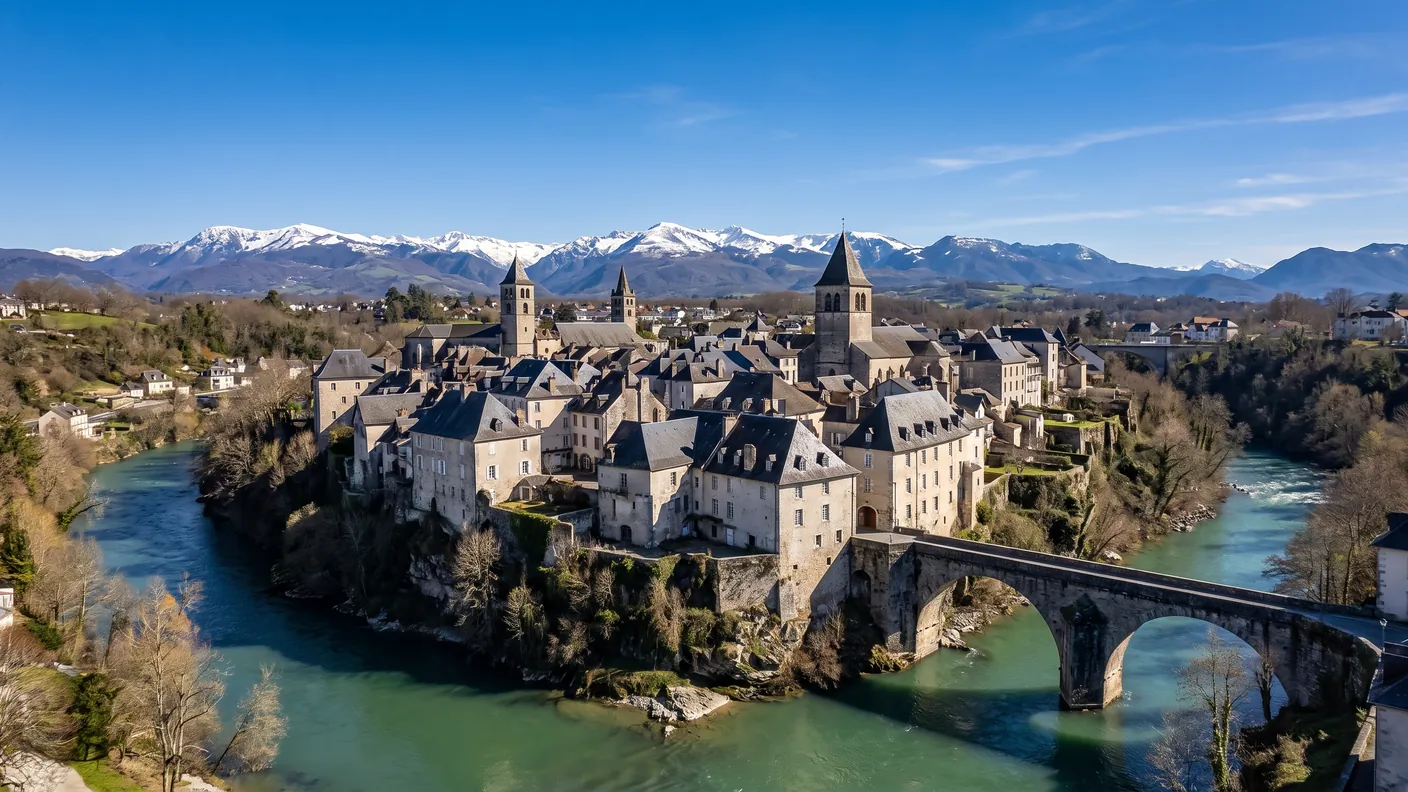
On the way to the capital of Béarn
Direct trip from Bordeaux (~2 hours 15 minutes) to Pau and the Béarn region, with stops along the way as desired—Jurançon, Oloron, and the valleys. Written fixed-price quote, with no unexpected charges based on the odometer.