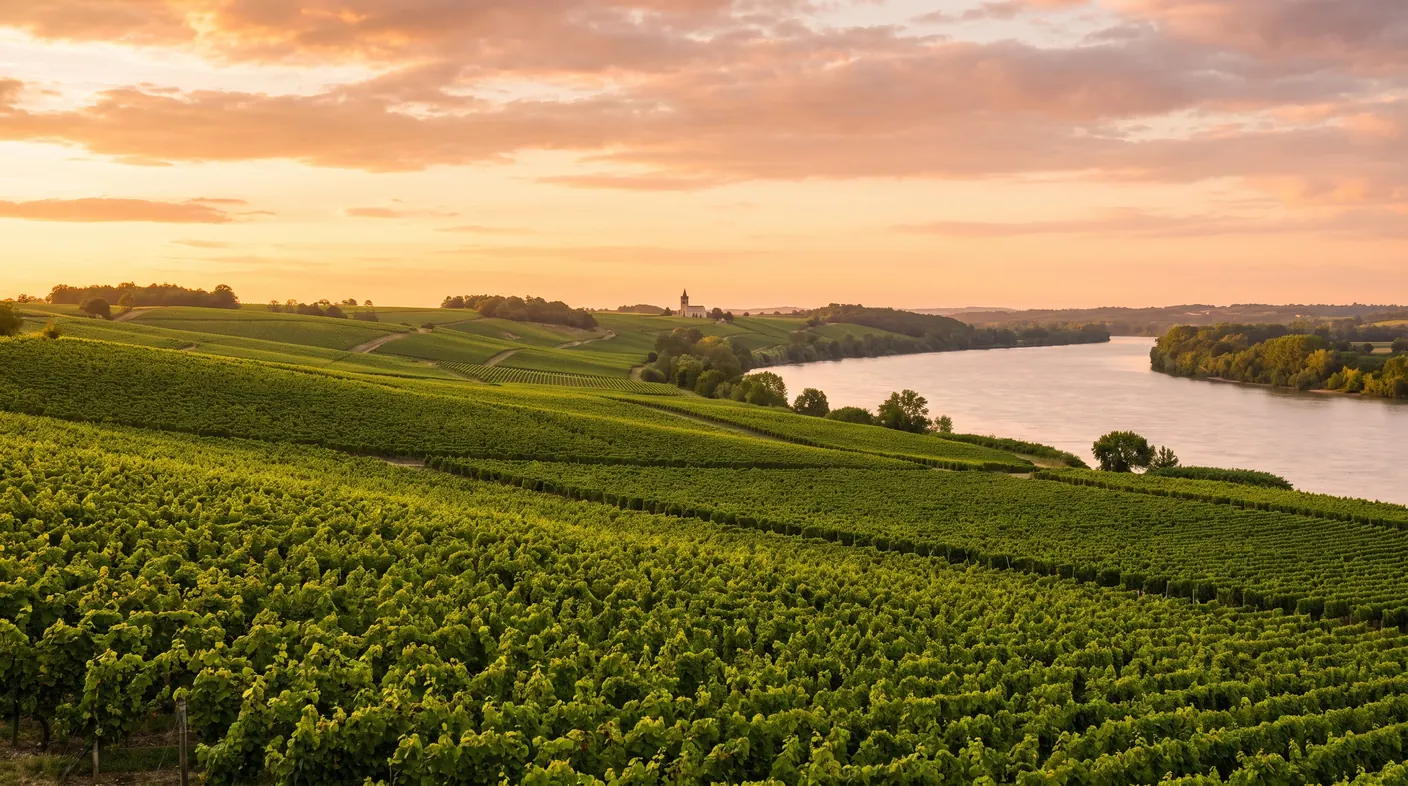
Bordeaux to Béguey and Château Reynon
A small wine-growing village on the right bank of the Garonne, nestled against the bastide town of Cadillac. The estate of a legendary winemaker, a church with a rooster perched on its spire, a positivist philosopher who was a native of the area, and the vineyards of the Cadillac AOC—just 45 minutes from Bordeaux.
Béguey at a Glance
Béguey is a small wine-growing village on the right bank of the Garonne River in the Gironde department, nestled next to the bastide town of Cadillac-sur-Garonne, less than an hour from Bordeaux. On its clay-limestone slopes, two very distinct wines are produced—the sweet wine of the Cadillac AOC and the red wine of the Cadillac-Côtes de Bordeaux— and it was here that Château Reynon served as the experimental laboratory for Denis Dubourdieu, the oenologist nicknamed “the pope of white wines.” The village was also the birthplace of the positivist philosopher Pierre Laffitte and is home to a church with a bell tower topped by a rooster. This guide distinguishes fact from fiction: the church is indeed Saint-Saturnin, a Neo-Gothic structure built between 1864 and 1868—neither Romanesque nor a listed building, as Béguey has no protected monuments; the village was called Neyrac before the Revolution; and the Cadillac AOC designation refers to a sweet white wine, not a red. Backed by INSEE figures and cited sources.
| Landmark | Details |
|---|---|
| Municipality | Béguey (Gironde, 33), on the right bank of the Garonne |
| Status | Wine-growing village · Langon district · Entre-Deux-Mers canton · Convergence Garonne Community of Communes |
| Population | 1,308 residents, 2023 municipal population (INSEE), the residents of Béguey |
| Must-Sees | Château Reynon, the vineyards of the Cadillac AOC, and neighboring Cadillac |
| From Bordeaux | ~43 km · ~48 min · starting at 88 € |
Behind this short name lies one of the smallest municipalities in the region: just over three square kilometers, more than half of which is planted with vineyards, nestled against the northwestern slope of Cadillac-sur-Garonne. Béguey has neither a fortress nor a cathedral, and that is precisely what makes it interesting: its density of verifiable facts is inversely proportional to its size. A world-renowned winery, a philosopher who was a successor to Auguste Comte, a painter whose works are exhibited in two museums, and a Gascon etymology that tells the story of a rooster—enough to fill a guidebook without embellishment, provided one sifts through the established facts to separate them from copied tradition.
This guide covers, in order: the location of Béguey, its residents, and the origin of its name; its heritage—the Church of Saint-Saturnin and the village’s notable figures—and then the main focus: the vineyards and Château Reynon. Next are the banks of the Garonne, everything there is to do in and around Béguey, the neighboring villages, and the easiest way to get there from Bordeaux. At every stage, facts are attributed to a source, and common misconceptions—which abound whenever Cadillac and its wines are mentioned—are corrected.
Where is Béguey located?
Béguey is a commune in the Gironde department (33) in the Nouvelle-Aquitaine region. It has the INSEE code 33040 and the ZIP code 33410—shared with Cadillac-sur-Garonne—and covers a modest area of approximately 3.16 km², making it one of the smallest in the area. Administratively, it falls under the Langon arrondissement, the Entre-Deux-Mers canton, and the Convergence Garonne community of municipalities. The village is located on the right bank of the Garonne River, in the Entre-Deux-Mers region. A useful clarification to dispel a persistent misunderstanding: 33040 is the INSEE code, not a ZIP code, and 33290—which is sometimes encountered—refers to Parempuyre, which has no connection to Béguey.
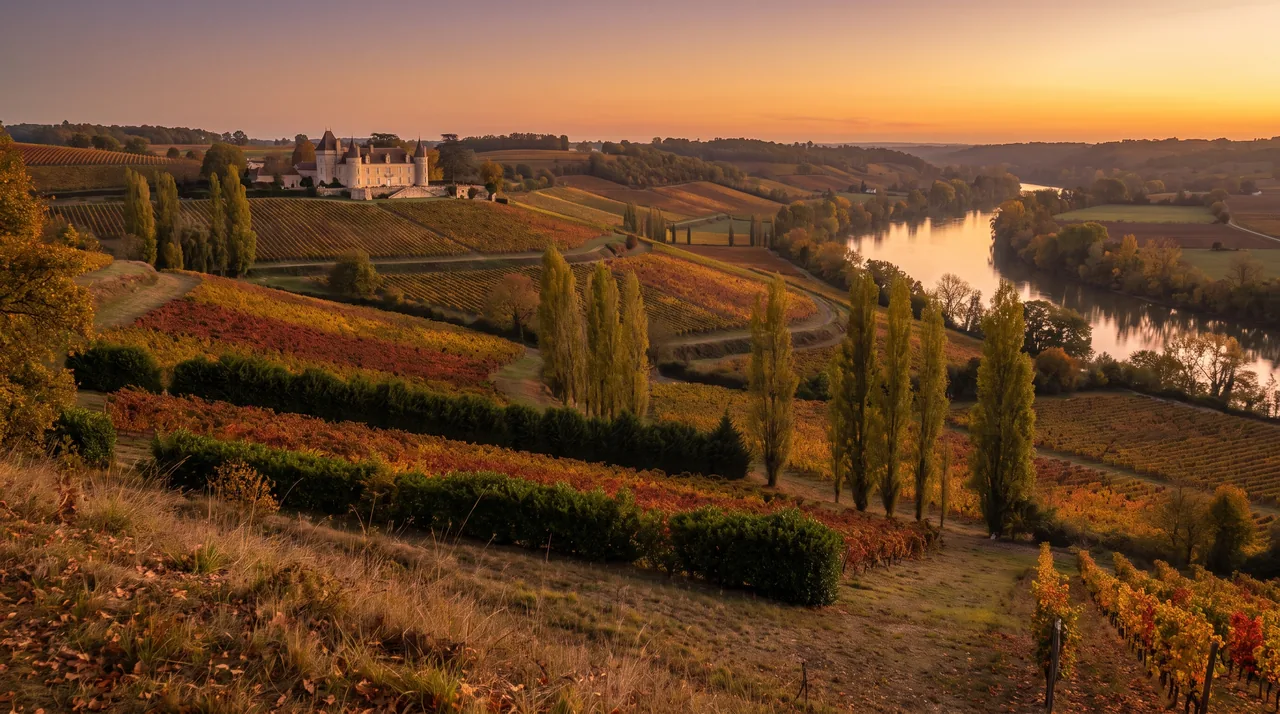
What stands out on a map is how closely Béguey and Cadillac are intertwined. The two main towns are separated by only about 1.3 kilometers, and Béguey nestles to the northwest of its neighbor, to the point that it belongs to the same urban area. Much of daily life for the residents of Béguey revolves around the neighboring bastide and its amenities. It’s important to use the correct name: as of January 1, 2023, “Cadillac” is officially called Cadillac-sur-Garonne—a simple renaming without a merger—and Béguey remains a completely separate municipality.
The neighboring towns round out the picture. On the right bank, Béguey borders Laroque to the northeast, Rions to the northwest, and Cadillac-sur-Garonne to the southeast; across the river, on the left bank, it faces Cérons and Podensac, in the Graves region. More than 56% of the area is covered by permanent crops—namely, vineyards. There are no spectacular hills here, but rather a landscape of gentle slopes descending toward the river, where the INSEE classifies Béguey as a rural town.
Béguey—on which bank of the Garonne?
On the right bank, that of Entre-deux-Mers—not to be confused with the left bank of Graves, which lies directly across from it. This distinction is by no means trivial for anyone interested in wine: the right bank here is home to the Cadillac and Cadillac-Côtes de Bordeaux appellations, while across the river lie the Graves and the sweet wines of Cérons, Barsac, and Sauternes. From its hillsides, Béguey thus looks out over the vineyards across the way—two neighboring yet very different wine-growing worlds, connected here and there by bridges.
How far is it from Bordeaux?
From downtown Bordeaux, it’s about 43 kilometers and roughly a 48-minute drive (a route calculator gives a distance of about 42 to 43 km) heading southeast. Be wary of a misleading distance sometimes cited: the “33 to 34 km” mentioned here and there refers to a straight-line distance, not the actual driving distance, which is always longer. This proximity makes Béguey an easy day trip: leave Bordeaux in the late morning, have lunch there or in Cadillac, spend the afternoon sampling wines, and head back in the evening.
| From Béguey | Approx. distance | Note |
|---|---|---|
| Cadillac-sur-Garonne | ~1 km | Adjacent · Country House and Ducal Castle |
| Rions | ~3 km | Nearby fortified village (right bank) |
| Cérons | ~3 km | Left Bank · Nearest TER station |
| Loupiac | ~6 km | Sweet Wines from the Right Bank |
| Bordeaux | ~43 km | ~48-minute drive |
How many people live in Béguey?
Béguey had a population of 1,308 according to the 2023 INSEE census, the official figure in effect as of January 1, 2026. This is the figure to remember, as outdated numbers are still frequently cited: the 2018 census reported 1,194 residents, and some sources even list “fewer than 1,000 residents,” a figure that was accurate only through the 1990s. Given an area of approximately 3.16 km², this population results in a density of about 414 inhabitants per square kilometer, which is high for a village. The residents are known as Bégueyrais.
Behind these figures lies a clear trend: that of suburbanization. Béguey reached its lowest point in 1982, with only 866 residents, before seeing its population grow by more than half—about 51%—to reach 1,308 today. This growth is no accident: the town lies on the outskirts of the Bordeaux metropolitan area, and many households have moved there, drawn by the wine-growing region and the proximity to the city. The village has thus undergone a transformation over the past forty years, evolving from a declining agricultural town into a residential community, while retaining its identity as a wine-growing region.
The census data tell this story: 1,054 residents in 1975, a low of 866 in 1982, followed by a steady increase—916 in 1999, 1,138 in 2011, 1,194 in 2018, and 1,308 in 2023. In a single generation, Béguey has more than regained its pre-rural exodus population level and remains very much alive despite its small size: a municipality in its own right, not merely a hamlet dependent on its neighbor.
Who are the people of Béguey?
The residents of Béguey are known as Bégueyrais. As is the case throughout these hillsides, some of them live according to the rhythm of the vineyards—owners, vineyard workers, and seasonal harvest workers—but the town is no longer the purely agricultural village it once was: its location within the Cadillac-sur-Garonne urban area and within the Bordeaux metropolitan area has turned it into a town where people live while working elsewhere. In the fall, however, the vineyards come alive: the grape harvest, followed—for the few plots dedicated to sweet wines—by successive selections in the rows to pick only the perfectly ripe grapes. The rest of the year, Béguey returns to the tranquility of a small town on the right bank.
| Data | Value |
|---|---|
| Municipal Population | 1,308 residents (INSEE 2023) |
| Area | ~3.16 km² |
| Density | ~414 people/km² |
| Demonym | the people of Béguey |
| ZIP Code | 33410 (shared with Cadillac) |
| INSEE Code | 33040 |
Where does the name Béguey come from?
The history of the name Béguey holds a surprise: it is not the village’s medieval name. Under the Ancien Régime, the town was commonly called Neyrac—with earlier forms including Nairag (1155–1183), Nayrac (1335–1336), Neyrac (1339)—all derived from a Gallo-Roman estate reconstructed as *Neriacum, “the estate of a certain Nerius.” The name “Béguey” did not become official until the Revolution, when the parish of Saint-Saturnin de Béguey formed the municipality. In other words, referring to Béguey as a “medieval place name” is a mistake: in the Middle Ages, it was known as Neyrac.
So where does “Béguey” come from? The Gascon name for the town is Veguèir. According to the most widely accepted theory, the place name derives from this “veguèir,” which in turn comes from the Latin vicarius, meaning “viguier”—the magistrate who, in the Middle Ages, administered justice on behalf of the king or lord. The word is said to have subsequently shifted in meaning, eventually coming to refer to the rooster, which became the village’s symbol—a shift that would avoid a Gascon homonymy between gath (rooster, from the Latin gallus) and gat (cat). Presented here in the conditional tense, as is appropriate: none of this has been proven with certainty; these are theories put forward by toponymists, not established truths.
From Neyrac to Béguey
The shift from Neyrac to Béguey coincided with the end of the Ancien Régime. Tradition also links the former name to a family: the Château de Neyrac, which no longer exists, is said to have belonged to the Viguier family, lords of Cadillac—hence the connection to the term “viguier.” Caution is advised, however: no verifiable location or date has been established for this castle, and it is best to refer to it as a vanished trace rather than a site to visit. Let’s focus on the essentials: the village’s name has two layers—a Gallo-Roman estate that became Neyrac, followed by a Revolutionary-era Béguey, whose Gascon etymology remains a subject of debate.
The rooster, symbol of the village
The rooster is not just a linguistic hypothesis: it is a part of the landscape. A wayside cross topped by a rooster stands along the D10, known locally as “Lou Bigay.” Tradition even has it that in 1638, the traveler Abraham Golnitz reportedly noted, near the Garonne River and outside the city walls, an inn called “Lou Bigay,” so named because of a cross topped with a rooster. It’s a charming story, to be taken for what it is—a passed-down anecdote, not etymological proof. Still, the rooster has become the emblem of Béguey, blending Gallic fowl with the medieval magistrate.
Saint-Saturnin Church
In the heart of the village stands the Church of Saint-Saturnin—and we must clear up a common misunderstanding right away: it is not “Saint-Pierre,” as is sometimes mistakenly written. The correct name is indeed Saint-Saturnin, the saint whom the Southwest also knows as Saint Sernin, the first bishop of Toulouse. The historic parish was already dedicated to him, and it was this parish that, during the Revolution, gave rise to the town of Béguey. The church’s name alone thus attests to the place’s long Christian history.
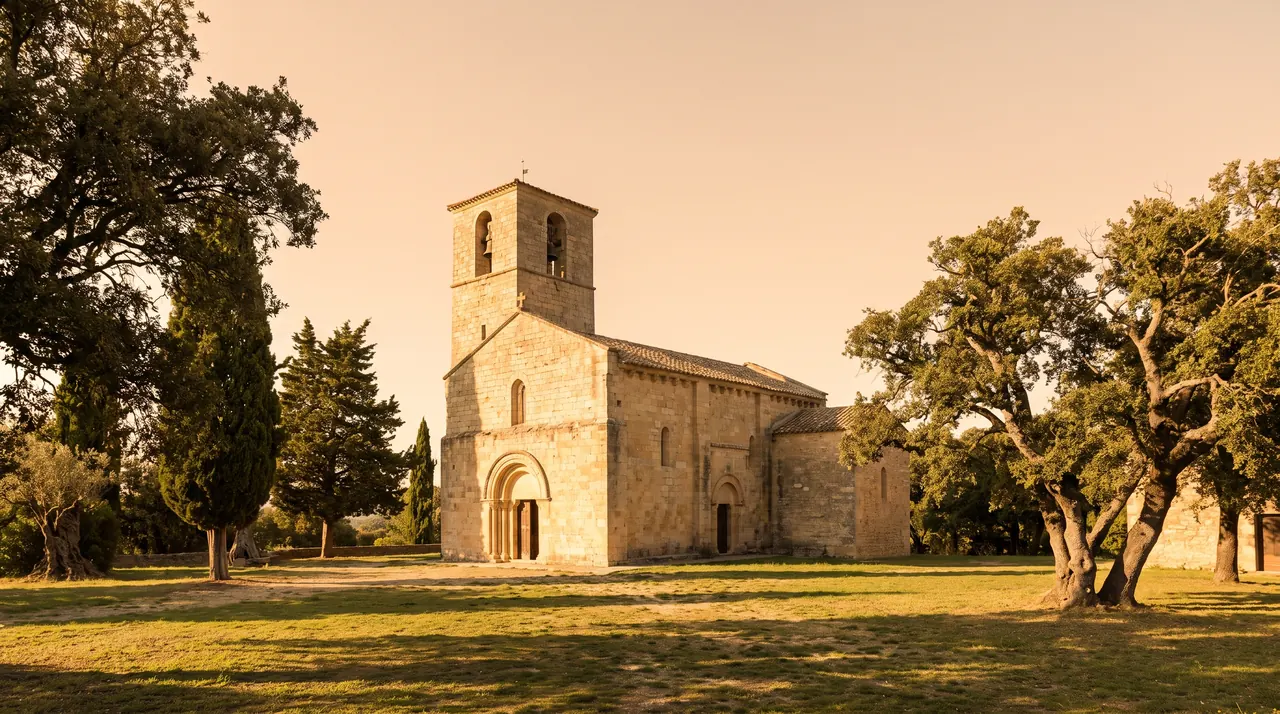
But the building we see today is not medieval at all. The Church of Saint-Saturnin is in the Neo-Gothic style and was built between 1864 and 1868 on the site of a former Romanesque church that had been demolished. This is an important point for visitors to note: there are no Romanesque buildings left to admire in Béguey. The current church is part of the wave of religious reconstruction projects during the Second Empire that, throughout France, replaced old churches that were too small or too dilapidated with new buildings in the style of the day—in this case, the Neo-Gothic style with its pointed arches. The church remains the town’s landmark.
Does Béguey have a listed monument?
No, and this is a verifiable fact. Béguey has no buildings listed as historic monuments: the Ministry of Culture’s POP database contains no entries for the municipality—no churches, no movable cultural property, no “remarkable heritage sites,” and no “remarkable gardens.” The Church of Saint-Saturnin is therefore not listed, and no protection number should be assigned to it. The comparison highlights the disparity: while Béguey has zero protected monuments, its neighbor Cadillac-sur-Garonne has eight and Rions has two. A small town with modest built heritage—but a very real local heritage, ranging from the cross with a rooster on the D10 to the bust dedicated to a local native.
The bust of Pierre Laffitte
This bust is worth a closer look, as it symbolizes one of Béguey’s sources of pride. On a small square along the D10, a monument topped by a bust pays tribute to Pierre Laffitte, a philosopher born in the town. This unassuming bust, standing by a country road, epitomizes the paradox of the place: a tiny village that gave France a professor at the Collège de France—we’ll get to that in a moment.
Notable Residents of Béguey
For a village of just over 1,300 residents, Béguey boasts a surprisingly rich array of notable figures. Three figures have made a name for themselves far beyond the local scene: a philosopher who is the leading figure of a school of thought, a painter whose works are now part of two public museums, and a world-renowned oenologist. The first two were born there; the third built his legacy there. Few towns of this size can boast three names of such renown.
Pierre Laffitte, the positivist philosopher
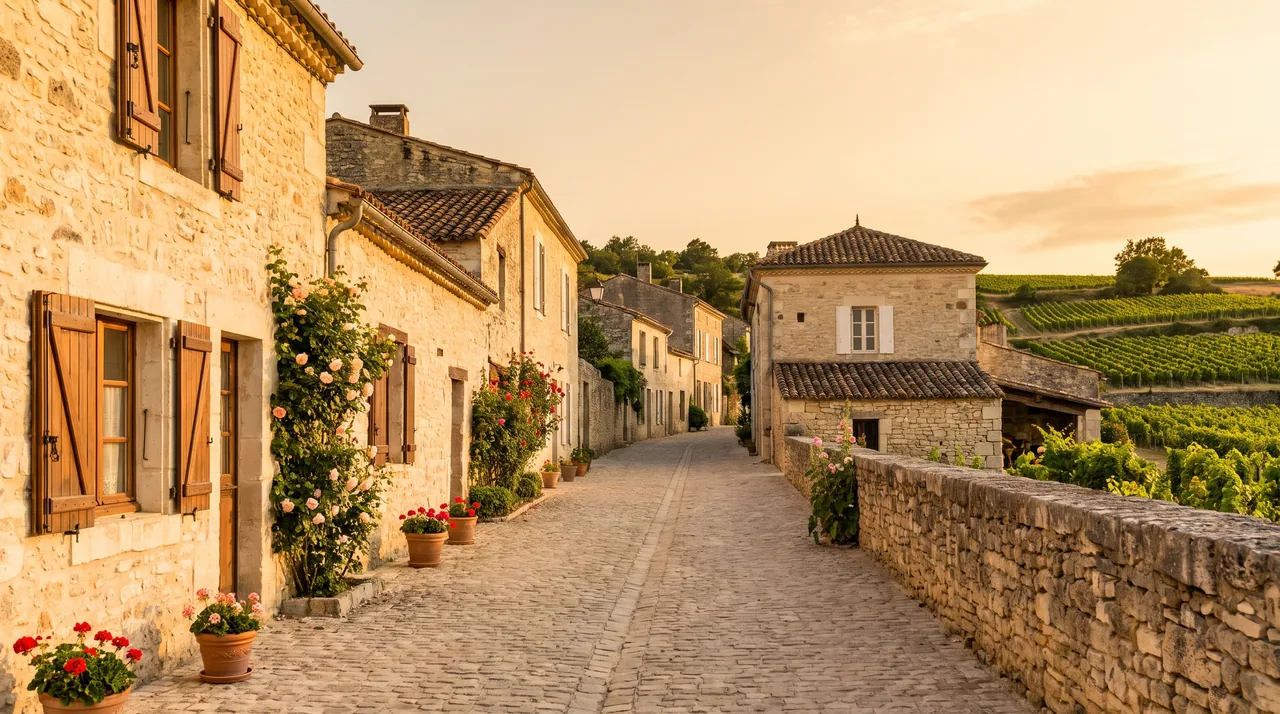
Pierre Laffitte was born in Béguey on February 21, 1823, and died in Paris on January 4, 1903. A direct disciple of Auguste Comte, the founder of positivism, he became its principal heir: upon Comte’s death, it was Laffitte who took the helm of the movement and presided over its society. His career reached its peak when a chair in the general history of science was created for him at the Collège de France—a rare honor, especially for the son of a wine-growing town on the Garonne. As a proponent of the “religion of Humanity” so dear to Comte, Laffitte embodies a chapter in 19th-century French intellectual history. That such a movement should have found one of its leading figures in a native of Béguey is surprising—yet it is a well-established fact.
Xavier Desparmet-Fitzgerald, the painter
The region’s second-most famous native son: the painter Xavier Desparmet-Fitzgerald, born in Béguey in 1861 and died in 1941. Although less well-known to the general public than Laffitte, he nonetheless left behind a body of work that has earned recognition, as his paintings are now housed in two public institutions: the Bordeaux Museum of Fine Arts and the Basque and History Museum of Bayonne. Seeing his paintings find their way into regional museums is no small matter for a village on the right bank. First the philosopher, now the artist: it’s as if this small wine-growing region has, at regular intervals, produced talents that have spread far beyond its hillsides.
Denis Dubourdieu, the "Pope of White Wines"
The third figure is the most famous in the world of wine: Denis Dubourdieu (1949–2016), a world-renowned oenologist, professor at the University of Bordeaux, and sought-after consultant on every continent, nicknamed “the pope of white wines.” His name is closely associated with Béguey for a specific reason: it was here, at Château Reynon, that the family estate was located, where he defined the modern style of dry Sauvignon Blancs. His research on the aromas and winemaking of white wines transformed the way white wine is made, both in Bordeaux and beyond. Château Reynon is the focus of the following section, as the estate and its master are inseparable from the village.
The Vineyard and Château Reynon
Now we’re getting to the heart of the matter, because Béguey is, first and foremost, a wine-growing region. More than half of its territory is planted with vineyards, and the town is part of two very distinct appellations that must not be confused: the AOC Cadillac, a sweet white wine, and the AOC Cadillac-Côtes de Bordeaux, a red wine. Sharing the same name as a neighboring town, yet two wines that are worlds apart: this is the main source of misunderstandings whenever people talk about the wines of Béguey and Cadillac.
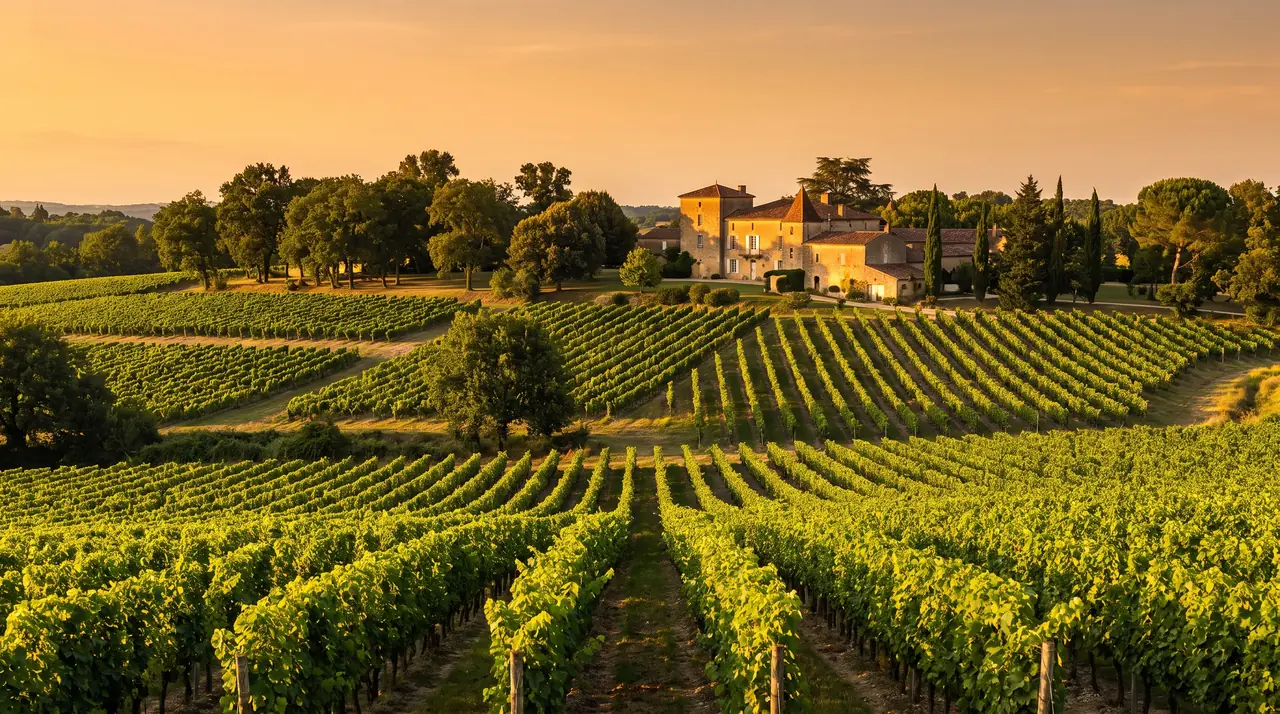
Two appellations: White Cadillac, Red Cadillac
Let’s start with the Cadillac AOC, which may come as a surprise to those unfamiliar with it: it’s a sweet white wine, established by the decree of August 10, 1973. Its appellation covers 22 communes on the right bank, with Béguey at the top of the list, alongside Cadillac-sur-Garonne, Rions, and Loupiac. Sémillon dominates here, and noble rot concentrates the sugar in the grapes, just as it does in Sauternes across the river. It is a rare appellation that is in sharp decline: only 58 hectares were registered in 2023, compared to 128 in 2008, with an average yield that has fallen to 17 hectoliters per hectare. Cadillac’s sweet wine is a little-known gem that even some seasoned wine enthusiasts have never tasted.
The Cadillac-Côtes de Bordeaux AOC, on the other hand, is something entirely different: a red wine. It falls under the broader Côtes de Bordeaux AOC, established by the decree of October 31, 2009—the former local appellation was Premières Côtes de Bordeaux. Merlot dominates here, across a right-bank area spanning about 60 kilometers and encompassing 39 communes, including Béguey. It is the main product for winemakers in the region: a full-bodied and affordable red, produced in much larger volumes than the sweet wine. The rule is simple: “Cadillac” on its own refers to the sweet white; “Cadillac-Côtes de Bordeaux” refers to the red. Two appellations, two sets of specifications, and growing areas that overlap without merging.
| Designation | Type of wine | Key Points |
|---|---|---|
| Cadillac AOC | Sweet white wine | Decree 1973 · 22 municipalities, including Béguey · 58 ha claimed (2023) |
| Cadillac-Côtes de Bordeaux | Red | Decree 2009 · Former Premières Côtes · Merlot-dominant |
Château Reynon, Denis Dubourdieu's laboratory
The iconic estate in Béguey is Château Reynon, located at 21 Route de Cardan. This estate, spanning approximately 28 hectares and dating back to the 15th century, was acquired in 1976 by Denis Dubourdieu and his wife Florence David, and renamed Reynon in 1979. It was here, on the hillsides of Béguey, that the oenologist—known as the “pope of white wines”—conducted some of the research that revolutionized the winemaking process for dry Sauvignon whites. The estate perfectly embodies the town’s dual focus: it produces a red Cadillac-Côtes de Bordeaux, a dry white Bordeaux made from Sauvignon, and—only in “good vintages”—a sweet Cadillac. Its grape varieties say it all: Merlot makes up the majority (about 43%), Sauvignon Blanc accounts for a significant portion (nearly 34.5%), along with Cabernet Sauvignon, Petit Verdot, and a touch of Sémillon.
Reynon is not the only estate in Béguey. The Béguey town hall lists seven estates in the municipality: in addition to Château Reynon, there are Château Vertheuil, Château Birot (owned by the Baigneau family), Château Laronde and Lapeyrère, Château Les Hauts de Palette, and Château des 4 Écus. Seven estates spread over just over three square kilometers: the density is remarkable. However, we will refrain from assigning a specific appellation to each one individually—their locations are confirmed by the town hall, but their exact classifications are not. Béguey is a community of winemakers, where Château Reynon stands as the flagship estate.
The hillsides and banks of the Garonne
To the west, Béguey is bordered by the Garonne, the river that has shaped everything here: the terraces, the soil, the microclimate, and even the area’s reputation as a wine-growing region. Across the river, the town faces Cérons and Podensac in the Graves region. This riverside location is more than just a backdrop: it accounts for much of the magic of the region’s sweet wines. The morning mists that rise from the river in the fall, dispelled by the midday sun, promote noble rot on the Sémillon grapes—the same process that produces the great sweet wines of Sauternes, just across the river on the left bank.
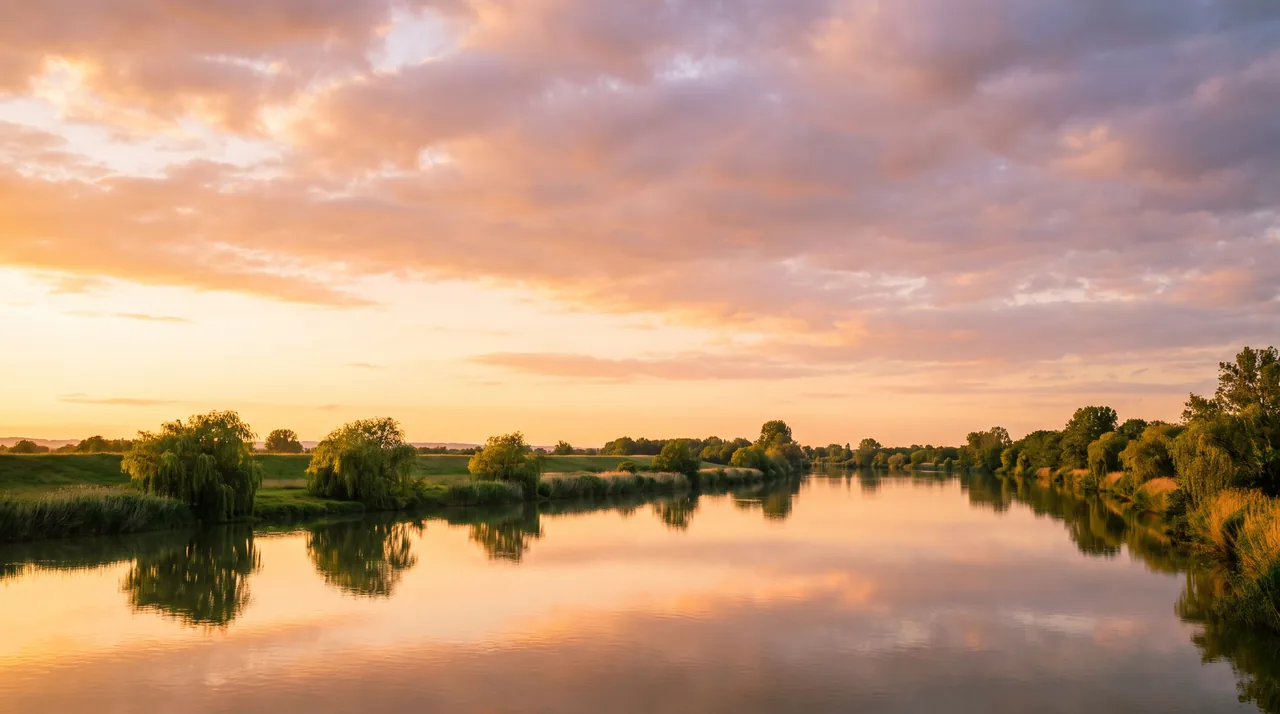
The terroir of Béguey can be summed up in a few words: well-exposed clay-limestone hillsides sloping toward the Garonne, where the clay retains water and the limestone provides coolness—a right-bank soil, different from the gravel soils across the river, which is equally suited to Merlot for reds and Sémillon for sweet wines. The banks of the Garonne, on the other hand, present a completely different picture: a low-lying, damp area of willows and reeds, where the river spreads out, wide and slow—a place for peaceful strolls, where one can appreciate the serene power of the Garonne.
The Bridge Over the Garonne
To get from one bank to the other, you can cross the Garonne nearby, at Cadillac. The Cadillac Bridge, an Eiffel-style steel structure inaugurated in 1880, connects the right bank to Cérons: 251 meters long, with five piers, its iron silhouette is characteristic of the industrial 19th century. It is via this bridge—or the neighboring bridges spanning the river between Béguey and Podensac—that one moves from the world of Cadillac-Côtes to that of Graves. Here, the Garonne is not a rigid boundary but a link between two vineyards that face each other from one bank to the other.
The defunct tram line and the nearest train station
The area once had a now-forgotten transit line: the Bordeaux–Cadillac tramway, a 32-kilometer metric-gauge line that, from 1897 to 1935, connected the bastide to Bordeaux-Bastide, Quai Deschamps. According to local lore, the Cadillac-side terminus encroached on Béguey’s territory; however, in the absence of sources to confirm this, it is best to treat it as a hypothesis rather than a fact. One thing is certain: there is no longer an active train station in Béguey. The nearest train stop is Cérons, about 3 kilometers away on the left bank (Bordeaux–Sète line)—but on the other side of the river.
What is there to do in and around Béguey?
In Béguey and the surrounding area, you can easily spend a good half-day—or even a whole day—as long as you accept one obvious fact: the village, with its 1,308 residents, is too small to offer everything on its own, and most of the sights are concentrated in Cadillac-sur-Garonne, its immediate neighbor just 1.3 kilometers away. The itinerary is therefore organized around two main areas. In Béguey itself, people come for the wine: step inside Château Reynon to taste the Cadillac-Côtes red, the dry Sauvignon white, and—in good vintages—the sweet wine. From there, visitors can explore Cadillac: the ducal château of the Dukes of Épernon, Saint-Martin Church, the bastide’s ramparts, the Maison des Vins, and the banks of the Garonne. These are the main options, bearing in mind that no market or specific amenities in Béguey itself could be confirmed—so there’s no need to make any up.
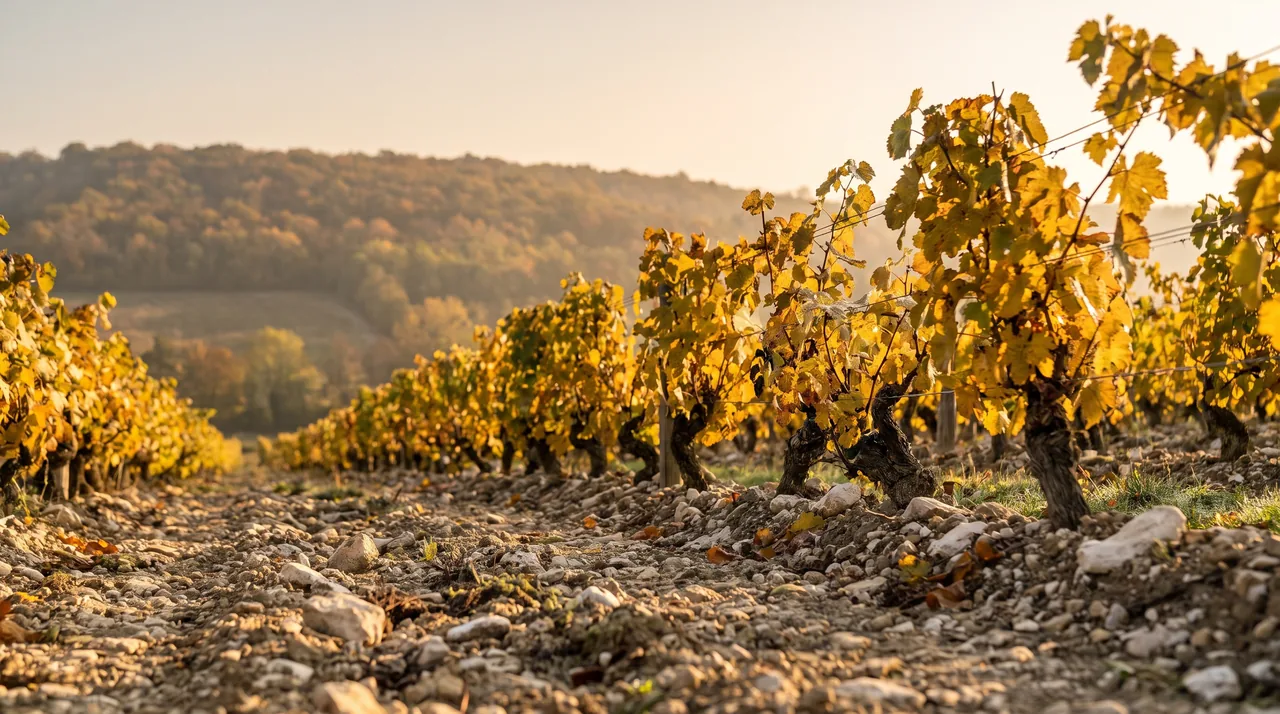
On-site Tastings
The first delight Béguey has to offer is wine. Château Reynon, located at 21 Route de Cardan, opens its doors to wine lovers: it’s the place to go to understand—glass in hand—the town’s dual winemaking identity—red, dry white, and sweet white. On the border between Béguey and Cadillac, on the D10 Route de Langon, the Maison des Vins de Cadillac—known as “La Closière”—showcases the appellation’s wines: red Cadillac-Côtes de Bordeaux, sweet whites from Cadillac and Cérons, and Côtes de Bordeaux. It’s open 7 days a week from May through the end of August, featuring a gift shop, an eco-museum, and a walking tour through the vineyards. As is always the case, it’s best to call ahead before visiting during the off-season.
- Wine tasting at Château Reynon (Béguey, 21 Route de Cardan): the Dubourdieu estate, where you can sample the red wine from Cadillac-Côtes, the dry white Sauvignon, and—in good vintages—the sweet wine from Cadillac.
- Stop by the Cadillac Wine Center “La Closière” (D10, on the border between Béguey and Cadillac): wine tastings and a shop featuring wines from the entire appellation, open 7 days a week from May through the end of August.
- Visit the Château de Cadillac, also known as the Château des Ducs d'Épernon: a national monument managed by the Centre des monuments nationaux, listed as a historic site, and open to visitors year-round.
- Discover the Church of Saint-Martin in Cadillac (late 14th–early 15th century), a designated historic monument, which houses the tombs of the Dukes of Épernon.
- Take a walking tour of the bastide town of Cadillac and its historic ramparts: the Porte de la Mer, the Porte de l'Horloge, and the Place de la République with its market hall.
- Stroll along the banks of the Garonne and cross the Cadillac Bridge—an Eiffel-style steel bridge built in 1880—toward the left bank.
- In the summer, enjoy the farmers’ market set up along the ramparts of Cadillac—a seasonal evening of fine food and music, with dates to be confirmed each year.
The Cadillac Section
To linger in Cadillac is to open a history book. The ducal castle, built at the turn of the 16th and 17th centuries by Jean-Louis de Nogaret de La Valette, the first Duke of Épernon, is the highlight of the tour: French-style ceilings, monumental fireplaces, and tapestries are displayed across four floors. You’ll also learn about a darker chapter in its history—in the 19th century, the castle served as France’s first women’s prison, before becoming a juvenile detention center that closed in 1951. A fun fact for the curious: it was this same Duke of Épernon who, in 1622, provided Louis XIII with the guards who formed the first company of the King’s Musketeers.
| Activity | Where / When | Good to Know |
|---|---|---|
| Wine Tasting at the Winery | Reynon Castle (Béguey) | Red, Dry White, and Sweet White · By appointment recommended |
| House of Wines | La Closière, D10 (Béguey/Cadillac) | 7 days a week from May through the end of August |
| Ducal Castle | Cadillac · All Year Round | National Monument (CMN), designated as a Historic Monument (MH) |
| Bastide & City Walls | Cadillac, on foot | Sea Gate, Clock Gate, Market Hall |
| Along the Garonne River | Béguey / Cadillac | Metal bridge from 1880 leading to the left bank |
Around Béguey
Béguey is ideally situated as a base for exploring the area: points of interest are concentrated within a radius of a few kilometers, on both sides of the Garonne River. The first and most obvious stop is the neighboring town of Cadillac-sur-Garonne: its bastide, ducal castle, and listed church make it the perfect complement to a visit to Béguey. A little further to the northwest, Rions boasts a fortified village and medieval walls—one of the few in the area to be designated a historic monument. These two neighbors on the right bank alone are enough to make for a wonderful day exploring local heritage.
Continuing our exploration of the world of sweet wines, the right bank offers its own sweet wines: Loupiac, with its Gallo-Roman villa, and Sainte-Croix-du-Mont, perched on cliffs of fossilized oyster shells, directly across from the Sauternes region. On the other side of the Garonne, we enter the Graves region: Cérons, just across the bridge, followed by Barsac and Sauternes, a little further south. In just a few kilometers and across two or three bridges, you go from the red wines of Cadillac-Côtes to the most famous sweet wines of the Bordeaux region—few areas offer such a concentration of appellations over such short distances.
What other stops should you combine with Béguey?
Several itineraries are possible, depending on your preferences. To stay on the right bank and combine wine and historic architecture, visit Béguey, Cadillac and its ducal château, followed by Rions and its ramparts. To explore sweet wines from one bank to the other, cross the Garonne toward Cérons, in the Graves region, before continuing on to Barsac and Sauternes. And for a more intimate journey through the vineyards, Langoiran and its fortified castle make for a great stop on the same bank. All these destinations are included in our itineraries starting from Bordeaux, which are easy to combine into a single day trip.
| Destination | Approx. distance | Interest |
|---|---|---|
| Cadillac-sur-Garonne | ~1 km | Bastide, ducal castle, listed ramparts |
| Rions | ~3 km | Fortified village, listed fortifications |
| Cérons | ~3 km | Left Bank · Dry and Sweet Wines |
| Loupiac | ~6 km | Sweet wine and a Gallo-Roman villa |
| Sauternes | ~20 km | The Great Sweet Wine, Left Bank |
| Bordeaux | ~43 km | ~48-minute drive |
Getting to Béguey from Bordeaux
Getting to Béguey from Bordeaux is easy: it’s about 43 kilometers and roughly a 48-minute drive southeast. Depending on the route, you can follow the right bank of the Garonne or cross the river to reach it via Cadillac-sur-Garonne, which is right next to Béguey. The drive takes you through the wine-growing region of Entre-deux-Mers and gets you in the mood right away. It’s the perfect distance for a day trip: leave Bordeaux in the late morning, have lunch in Béguey or the nearby bastide town, spend the afternoon sampling wines, and head back in the evening. Béguey is thus perfect for a leisurely wine-tasting outing at the foot of Cadillac.
How much does the ride cost?
The Bordeaux → Béguey route is available from 88 € during the day, in a sedan that seats 1 to 3 passengers. The fare is fixed and confirmed in writing before departure: no meter, no surprises upon arrival. Surcharges apply at night, on weekends, and on holidays, and a van replaces the sedan for groups of more than 3 passengers. Extensions to neighboring villages—Cadillac, Rions, Cérons, or Loupiac—as well as transfers from Bordeaux-Mérignac Airport are quoted on a case-by-case basis. The principle remains the same: a price known in advance, tailored to the number of passengers and the day’s itinerary.
| Route | Distance / Duration | Rates |
|---|---|---|
| Bordeaux → Béguey | ~43 km · ~48 min | from 88 € |
| Nearby towns (Cadillac, Rions, etc.) | variable | based on a quote |
| Bordeaux Airport → Béguey | variable | based on a quote |
Why hire a private driver?
The answer can be summed up in one word: wine tasting. In Béguey and Cadillac, you’ll taste reds, dry whites, and sweet wines at several consecutive estates, and you may even want to venture as far as Cérons, Loupiac, or Sauternes. Getting behind the wheel after these tastings would be far from ideal. Hiring a private driver means you can fully enjoy the visits, savor every glass to your heart’s content, and move from one winery to the next without stress—even on the narrow wine-growing roads. It also offers the freedom of a true door-to-door service: you depart from your address in Bordeaux and return there at the end of the day, at your own pace. For a leisurely exploration of the Béguey hillsides and the bastide town of Cadillac, this is the most comfortable option available.
Frequently Asked Questions
Where is Béguey located?
Béguey is a commune in the Gironde department (33), in the Nouvelle-Aquitaine region, on the right bank of the Garonne River, in the Entre-deux-Mers region. It borders Cadillac-sur-Garonne, lying to its northwest at a distance of about 1.3 km, and is part of the same urban area. Administratively, it is part of the Langon arrondissement, the Entre-Deux-Mers canton, and the Convergence Garonne community of municipalities. Its ZIP code is 33410 (shared with Cadillac) and its INSEE code is 33040. From Bordeaux, it is about 43 km and a 48-minute drive to the southeast.
How many people live in Béguey?
Béguey had a population of 1,308 according to the 2023 INSEE census, a figure valid as of January 1, 2026. Be aware of outdated figures: the 2018 census reported 1,194 residents, and the classification “fewer than 1,000 residents” was only valid through the 1990s. With an area of approximately 3.16 km², the population density is nearly 414 inhabitants per square kilometer. The residents are known as Bégueyrais. The village has experienced strong growth since its low of 866 residents in 1982, driven by suburbanization in the Bordeaux metropolitan area.
Where does the name Béguey come from?
The origin is uncertain. The Gascon name for the town is Veguèir, and the place name is thought to derive from the Gascon word *veguèir*, which comes from the Latin *vicarius*, meaning “viguier”—a medieval magistrate who administered justice. Over time, the word is said to have come to refer to the rooster, which became the village’s symbol and is represented by a wayside cross topped with a rooster on the D10. An important point: under the Ancien Régime, the village was not called Béguey but Neyrac; “Béguey” has only been the official name since the Revolution. These etymological theories remain hypotheses, not certainties.
Did Béguey have a different name in the past?
Yes. Under the Ancien Régime, the town was commonly known as Neyrac. The attested historical forms are Nairag (1155–1183), Nayrac (1335–1336), and Neyrac (1339), derived from a Gallo-Roman estate reconstructed as *Neriacum, “the estate of a certain Nerius.” The name “Béguey” did not become official until the Revolution, when the parish of Saint-Saturnin de Béguey formed the municipality. Tradition links the old name to the now-vanished Château de Neyrac, which is said to have belonged to the Viguier family, lords of Cadillac—an appealing connection, but one without verifiable location or dating.
What is the church in Béguey?
The church in Béguey is the Church of Saint-Saturnin—not “Saint-Pierre,” as is sometimes mistakenly stated. The correct name honors Saint Saturnin, also known as Saint Sernin, the first bishop of Toulouse. The current building is not medieval: it is in the Neo-Gothic style and was built between 1864 and 1868 on the site of a former Romanesque church that had been demolished. Therefore, there are no Romanesque buildings left to visit in Béguey. The church, topped by a bell tower, remains the town’s landmark, not far from the cross with the rooster on the D10.
Does Béguey have a historic monument?
No. Béguey has no buildings designated as historic monuments: the Ministry of Culture’s POP database contains no entries for the town, nor for the Church of Saint-Saturnin, nor for any other building or movable property. Nor does the village have any “Remarkable Heritage Sites” or “Remarkable Gardens.” This comparison highlights the contrast with neighboring towns: Cadillac-sur-Garonne has eight protected buildings and Rions has two, while Béguey has none. Its heritage is limited to local landmarks: the wayside cross featuring a rooster and the bust dedicated to Pierre Laffitte.
Who was Pierre Laffitte?
Pierre Laffitte (Béguey, February 21, 1823 – Paris, January 4, 1903) was a philosopher and a leading figure in positivism. A direct disciple of Auguste Comte, he became, upon Comte’s death, the principal heir to the positivist movement, which he went on to lead. A chair in the general history of science was later created for him at the Collège de France—a rare honor, especially for someone born in a wine-growing village in the Garonne region. Béguey has dedicated a monument to him, topped with a bust, along the D10. That such a thinker was born in this small village is a well-established fact.
What is Château Reynon?
Château Reynon is Béguey’s iconic winery, located at 21 Route de Cardan. This estate, spanning approximately 28 hectares and dating back to the 15th century, belongs to the Dubourdieu family, who acquired it in 1976 and renamed it Reynon in 1979. It is the estate of Denis Dubourdieu, the winemaker known as the “pope of white wines,” who defined the modern style of dry Sauvignon Blancs there. Reynon produces a red Cadillac-Côtes de Bordeaux, a dry white Sauvignon Bordeaux, and, in good vintages, a sweet Cadillac—a perfect summary of the town’s dual winemaking tradition.
Who was Denis Dubourdieu?
Denis Dubourdieu (1949–2016) was a world-renowned oenologist, a professor at the University of Bordeaux, and a sought-after consultant on every continent, who was nicknamed “the pope of white wines.” His work on aromas, yeasts, and winemaking transformed the way white wine is made in Bordeaux and far beyond. His family estate was Château Reynon, in Béguey, where he conducted part of his research on dry Sauvignon Blancs. His name remains inextricably linked to the village: it was here, on the hillsides of the right bank, that part of his legend was forged.
What kind of wine does Béguey produce?
Béguey is part of two very distinct appellations. The Cadillac AOC is a sweet white wine, established by the 1973 decree, produced in 22 communes on the right bank, including Béguey; it is a rare wine whose production is in decline, with only 58 hectares registered in 2023. The Cadillac-Côtes de Bordeaux AOC, on the other hand, is a red wine dominated by Merlot, which has been part of the Côtes de Bordeaux appellation since 2009. It is important not to confuse the two: “Cadillac” alone refers to the sweet white, while “Cadillac-Côtes de Bordeaux” refers to the red. Château Reynon, in fact, produces both, as well as a dry white made from Sauvignon.
Is the Cadillac AOC a red or white wine?
Contrary to a persistent misconception, it is a sweet white wine. The Cadillac AOC, established by the decree of August 10, 1973, refers to a sweet white wine made from overripe grapes affected by noble rot, in the tradition of the neighboring sweet wines of Sauternes and Cérons. The red wine from the same region falls under a different appellation, Cadillac-Côtes de Bordeaux, recognized in 2009. The two areas overlap but are not to be confused with one another. Cadillac’s sweet wine remains a niche product: 58 hectares were registered in 2023, down from 128 in 2008, with an average yield that has fallen to 17 hectoliters per hectare.
What is there to do in and around Béguey?
The main reason to visit Béguey is the wine: step inside Château Reynon to taste the red from Cadillac-Côtes, the dry white Sauvignon, and the sweet wine from good vintages. Since the village is small, most of the sights are concentrated in the neighboring town of Cadillac-sur-Garonne: the ducal castle of the Dukes of Épernon, the listed Saint-Martin Church, the bastide’s ramparts, the “La Closière” Wine Center, and the banks of the Garonne. In the summer, a farmers’ market brings the ramparts of Cadillac to life. There are no confirmed markets or amenities in Béguey itself; it’s best to explore the neighboring town.
Does the Cadillac come from the neighboring town of Béguey?
This is an appealing but unconfirmed folk tradition. It is sometimes said that the American automobile brand Cadillac takes its name from the town of Cadillac-sur-Garonne, near Béguey, via the explorer Antoine de Lamothe-Cadillac, the founder of Detroit. No conclusive primary sources confirm this connection: it should be presented as a local anecdote to be taken with a grain of salt, never as a fact. What is certain, however, is that the bastide of Cadillac and its ducal castle, both very close to Béguey, are well worth a visit in their own right—car brand or not.
How much does a trip from Bordeaux to Béguey cost with a private driver?
The Bordeaux → Béguey route is available from 88 € during the day for a sedan carrying 1 to 3 passengers. This is a fixed rate confirmed in writing before departure, with no meter and no surprises upon arrival. Surcharges apply at night, on weekends, and on holidays; for groups of more than 3 passengers, a van replaces the sedan. Extensions to neighboring villages—Cadillac, Rions, Cérons, Loupiac—or from the Bordeaux-Mérignac Airport are priced on a quote basis, depending on the route and the day’s itinerary. Allow for approximately 43 km and 48 minutes from downtown Bordeaux.
Further Reading
- View the Bordeaux → Béguey transfer and its flat rate, then submit the reservation request.
- All our destinations departing from Bordeaux: castles, vineyards, and villages in the Gironde.
- Cadillac: the country estate, the ducal castle, and the sweet wine.
- Let's Laugh: The Fortified Village on the Banks of the Garonne.
- Cérons: The Little-Known Sweet Wine of the Graves.
- Langoiran: the fortified castle and the banks of the Garonne.
Sources and References
- Béguey — Wikipedia — geography, place names, heritage, notable people
- Château Reynon — Denis Dubourdieu Domaines — Béguey Estate, the Dubourdieu family
- Winegrowing in Béguey — Town Hall — The 7 wineries in the town
- AOC Cadillac — Wikipedia — sweet wine, 22 municipalities, including Béguey
- Pierre Laffitte (philosopher) — Wikipedia — a positivist born in Béguey in 1823
- Cadillac-sur-Garonne — Wikipedia — neighboring bastide and castle
- INSEE — Municipality of Béguey (COM-33040) — 2023 municipal population: 1,308 residents
Content verified on .
Our Latest Guides
 Entre-deux-Mers & Southern Gironde
Cadillac: The Country House, the Ducal Castle, and the Sweet Wine
Read the guide →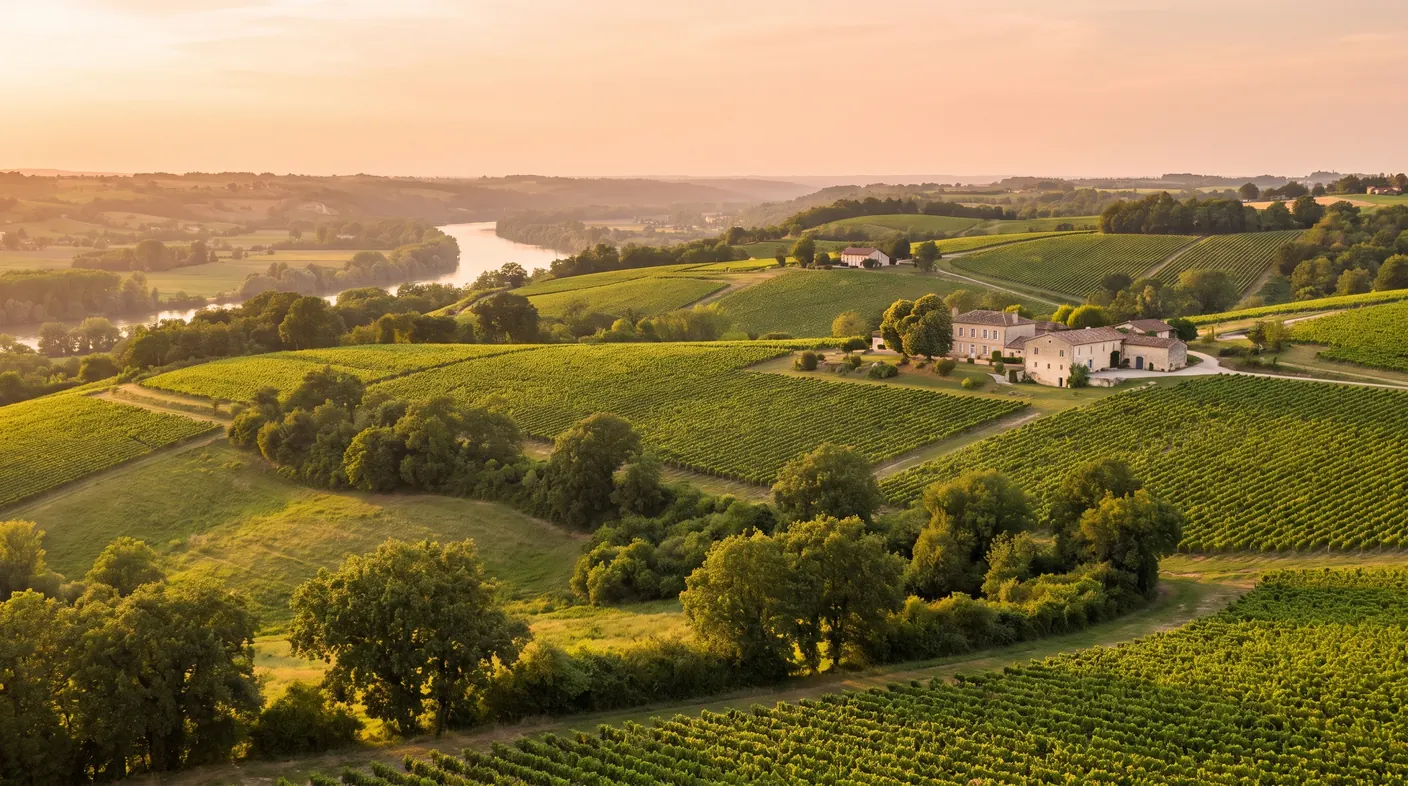 Entre-deux-Mers & Southern Gironde
Villenave-de-Rions: Saint-Martin Church and the Hillsides
Read the guide →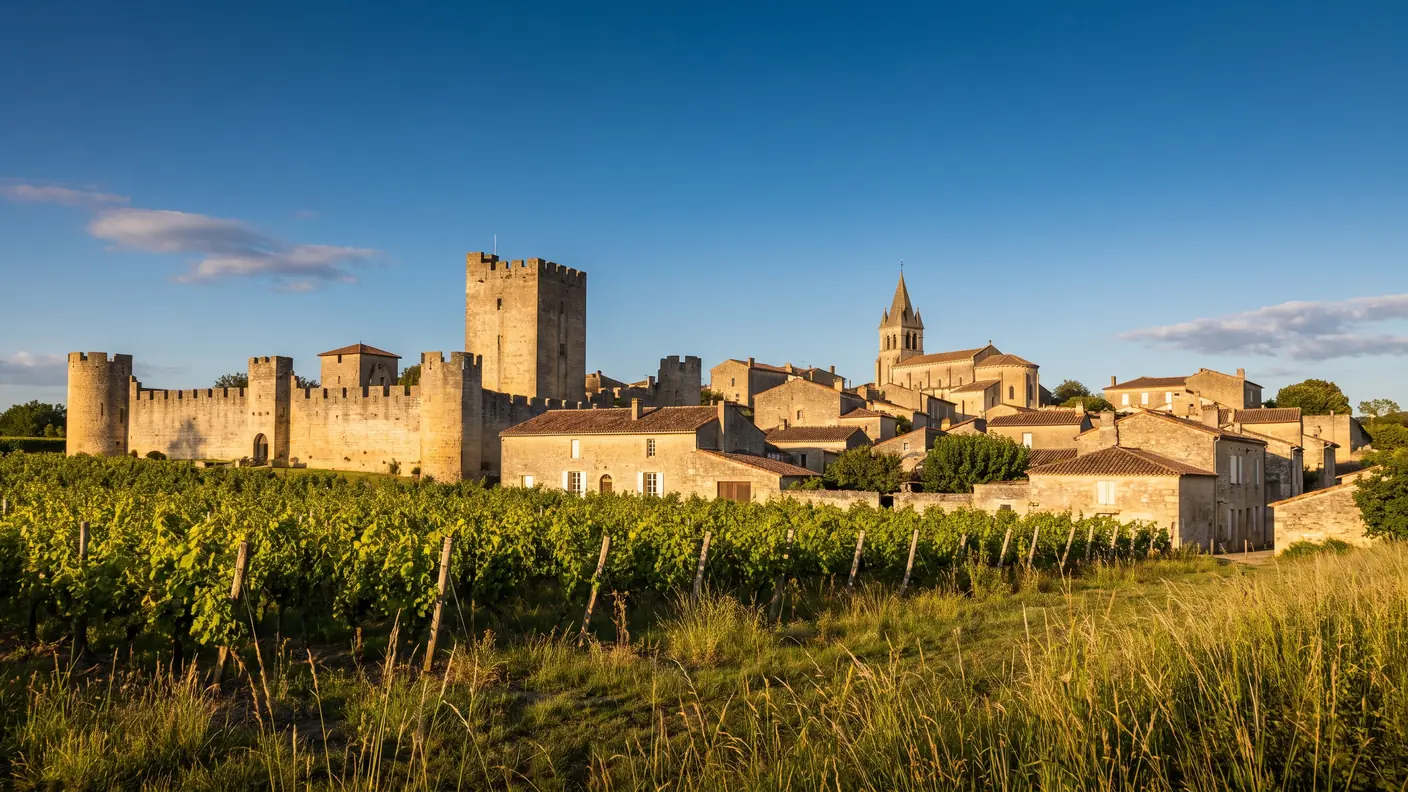 Entre-deux-Mers & Southern Gironde
Rions: The Fortified Village on the Banks of the Garonne
Read the guide →On the way to Béguey and Cadillac
Direct transfer from Bordeaux (~48 min) to Béguey, Château Reynon, and the bastide of Cadillac. Written, fixed-price quote with no obligation.